A Florida juvenile detention sexual abuse lawyer, including Law Offices of Anidjar and Levine, helps survivors and families protect a child’s safety. Counsel also helps report abuse to law enforcement, the Florida Abuse Hotline, and facility administrators. Counsel also works to preserve key evidence, such as medical records, surveillance footage, and witness information.
Counsel evaluates potential civil claims against responsible parties, including staff and institutions. Counsel also addresses confidentiality, retaliation concerns, and legal deadlines. The sections below explain critical rights, immediate steps, and claim options in greater detail. These sections may also help families understand related support from a Florida Sexual Assault Lawyer.
Main Takeaways
- A Florida juvenile detention sexual abuse lawyer can assess misconduct, identify liable parties, and determine the strongest legal basis for a civil claim.
- Victims in Florida custody have rights to report abuse, receive medical and mental health care, and seek protection from retaliation.
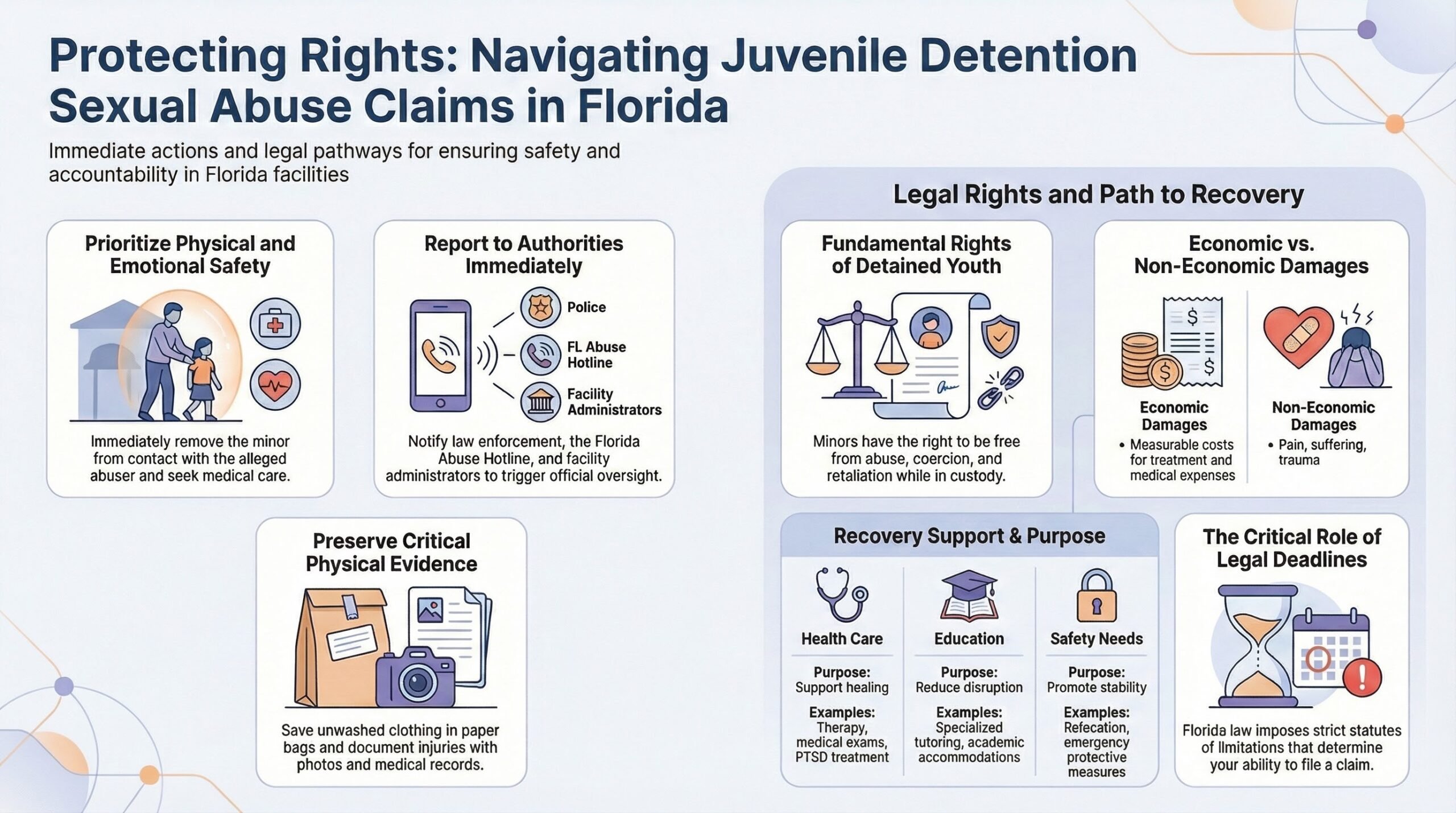
- Immediate priorities include removing the minor from danger, obtaining medical attention, and reporting allegations to law enforcement, the Florida Abuse Hotline, and facility officials.
- Strong cases often involve preserved evidence such as clothing, photos, medical records, surveillance footage, incident logs, and a factual written timeline.
- Lawyers review staff conduct, supervision failures, prior complaints, reporting histories, and institutional responses to determine whether negligence or abuse occurred.


How We Can Help With Your Florida Juvenile Detention Sexual Abuse Claim
When sexual abuse occurs within a Florida juvenile detention facility, a lawyer can help evaluate the facts, identify all potentially liable parties, and determine the strongest legal basis for a claim. Counsel provides structured guidance, protects deadlines, preserves evidence, and coordinates a careful case evaluation that respects the survivor’s privacy and immediate needs.
A professional legal team also connects families with vital legal resources and trusted service providers. Through steady victim advocacy, counsel communicates with institutions, seeks records, and manages procedural demands so caregivers can focus on safety and recovery. Attorneys often explain options clearly, answer difficult questions, and help clients make informed decisions that reflect long-term well-being.
They may also assist in finding emotional support through counselors, crisis services, and community organizations that serve vulnerable youth. In this way, representation becomes both practical and protective, advancing accountability while helping affected families pursue stability, dignity, and a path toward improvement and restoration.
OUR CONSULTATIONSARE FREE
START YOUR FREE CASE REVIEW

Understanding Juvenile Detention Sexual Abuse Cases in Florida
Although juvenile detention facilities are expected to provide supervision, structure, and protection, sexual abuse allegations in these settings often involve complex factual and legal issues that require careful examination. Florida cases may require review of institutional policies, staff conduct, reporting histories, medical findings, and witness statements, all while recognizing the heightened vulnerability of detained youth and the public duty to protect them.
A careful assessment typically considers state and federal standards, mandatory reporting obligations, and whether administrators responded reasonably to warning signs or prior complaints. Investigations may also address confidentiality limits, because minors, families, facility personnel, and agencies each hold sensitive information subject to legal restrictions. Effective evidence handling is equally important, since records, surveillance footage, digital communications, and forensic materials can shape both civil claims and related investigations.
Those seeking accountability often benefit from informed guidance that prioritizes dignity, accuracy, and lawful process, and helps affected families understand their rights, responsibilities, and available legal remedies under Florida law.
Common Scenarios When Juvenile Detention Sexual Abuse Might Take Place in Florida
Sexual abuse in Florida juvenile detention settings may arise in several recurring circumstances, often where oversight is limited or authority is misused. Common examples include staff misconduct during supervision, peer abuse in shared housing areas, and abuse occurring during transportation or facility transfers. In some cases, further harm may occur when a youth faces retaliation after reporting abuse, which can discourage disclosure and obstruct accountability.
Staff Misconduct During Supervision
Because supervision places staff in direct and often unsupervised contact with detained youth, misconduct can occur during routine interactions that appear ordinary on the surface. Risk may arise during escorts, room checks, transportation, searches, showers, or one-on-one counseling, where authority can be misused, and reporting may be discouraged.
In these situations, warning signs can include unnecessary isolation, invasive comments, inappropriate touching, favoritism, threats, or pressure to remain silent. A service-minded legal response often focuses on preserving evidence, securing medical documentation, and supporting witness protection so vulnerable youth can speak safely.
Careful investigation may review logs, camera footage, staffing patterns, prior complaints, and policy violations to determine whether supervision became an opportunity for abuse. Prompt action can help protect others, strengthen accountability, and support recovery for affected children and families.
Peer Abuse In Shared Housing
Risk within juvenile detention facilities is not limited to staff interactions, as abuse may also occur between youths in shared housing areas where supervision is weak or classification decisions are poor. When vulnerable residents are placed with aggressive peers, preventable harm can follow during sleeping hours, showers, or other unsupervised moments. Facilities are expected to assess history, age, size, mental health, and prior victimization before assigning beds and roommates.
Failures in those duties may support claims involving shared unit liability when administrators ignore warning signs or documented threats. Effective Peer protection plans can reduce danger by separating incompatible youths, increasing observation, and responding promptly to reports. A service-minded legal review may help families determine whether detention officials neglected basic safeguards that were necessary to protect children from foreseeable peer abuse and injury.
Transportation And Transfer Incidents
Although abuse is often associated with housing units or staff contact inside a facility, transportation and transfer periods can present distinct dangers when youths are moved between detention centers, court appearances, medical visits, or intake locations with limited oversight. During van rides, holding waits, and handoff procedures, isolation may increase vulnerability, especially when supervision is inconsistent, staffing is thin, or records are incomplete.
A youth may be left alone with one adult, separated from supportive witnesses, or moved through unfamiliar locations where protocols are poorly enforced. Careful review of transport logs, surveillance footage, witness accounts, and medical documentation can help clarify what occurred. Families and advocates serving affected youths should also understand available confidential reporting options, so concerns can be raised promptly, preserved appropriately, and examined through proper channels.
Retaliation After Reporting Abuse
Retaliation may arise soon after a youth reports sexual abuse, and it can become a separate source of harm within a Florida juvenile detention setting. Staff or peers may respond with threats, isolation, discipline, loss of privileges, or damage to credibility, causing the youth to fear further disclosure.
Those serving vulnerable children should recognize warning signs such as sudden silence, anxiety, self-harm, withdrawal, or conflicting incident reports. Retaliation can also obstruct mandated reporting by discouraging witnesses and undermining trust in complaint procedures. A careful response often includes preserving evidence, documenting staff actions, separating the youth from alleged offenders, and ensuring impartial review.
Access to mental health support is also important because retaliation may deepen trauma, increase hopelessness, and interfere with restoration. Prompt intervention helps protect safety, dignity, and accountability for all.


Legal Rights of Juvenile Detention Sexual Abuse Victims in Florida
When sexual abuse occurs in a Florida juvenile detention facility, the affected minor retains important legal rights under both state and federal law. These protections exist to uphold dignity, safety, and accountability for vulnerable youth and those who advocate on their behalf.
Consent rights remain central, because a detained minor cannot lawfully consent to sexual contact with staff.
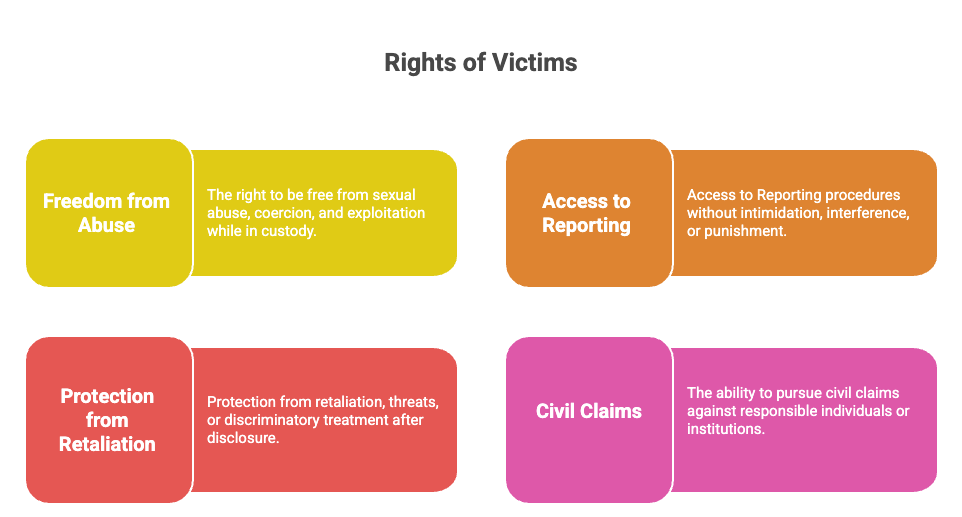
- The right to be free from sexual abuse, coercion, and exploitation while in custody
- Access to Reporting procedures without intimidation, interference, or punishment
- Protection from retaliation, threats, or discriminatory treatment after disclosure
- The ability to pursue civil claims against responsible individuals or institutions
Florida law and federal standards also support confidential reporting, medical care, mental health services, and impartial investigations. Victims may have rights under the Prison Rape Elimination Act, constitutional protections, and state negligence laws. Families, guardians, and community servants often play a critical role in protecting these rights and encouraging institutional responsibility and reform efforts.
Steps to Take After a Juvenile Detention Sexual Abuse Incident in Florida
After a juvenile detention sexual abuse incident in Florida, the first priority is to secure the minor’s immediate safety and remove them from further harm. The abuse should then be reported through appropriate internal channels, law enforcement, or child protection authorities so that the matter is formally documented and investigated. It is also important to preserve critical evidence, including clothing, medical records, written communications, and contemporaneous notes, because these materials may support subsequent legal action.
Ensure Immediate Safety
If a juvenile detention sexual abuse incident is suspected or disclosed, the first priority is to secure the child’s immediate physical safety by removing the child from contact with the alleged abuser and any environment that could permit further harm. Responsible adults should seek Immediate medical attention when needed, preserve the child’s access to trusted support, and request emergency protective measures from facility leadership or outside authorities if danger remains.
Thoughtful safety planning may include relocation within the facility, transfer to another placement, or supervised separation during all daily activities. Caregivers and advocates serving vulnerable youth should also document urgent safety concerns and ensure the child receives trauma-informed care. Early legal advocacy can help families understand protective options, protect the child’s well-being, and support informed decisions during the first essential hours.
Report The Abuse
Why prompt reporting matters cannot be overstated: a timely report helps protect the child, preserve critical evidence, and trigger oversight by authorities outside the detention setting. In Florida, abuse allegations should be reported immediately to law enforcement, the Florida Abuse Hotline, and facility administrators, while recognizing mandated reporting duties that may apply to staff, medical personnel, teachers, and counselors.
Caregivers should calmly document timeline details, including dates, locations, names, observed injuries, statements, and all agencies contacted. Reports should remain factual, specific, and free from speculation, so investigators can act efficiently and appropriately. If detention officials appear unresponsive, concerns may also be elevated to state oversight bodies or legal counsel. Prompt reporting often strengthens accountability, supports trauma-informed intervention, and helps protect other detained youth from similar harm within the same setting.
Preserve Key Evidence
Because physical and digital evidence can degrade quickly, preserving it should begin as soon as the child is safe and the abuse has been reported. Supportive adults should place clothing, bedding, and personal items in clean paper bags, avoid washing anything, and, when appropriate, document visible injuries with a digital photo.
They should also request and secure medical records, intake documents, surveillance footage, and incident logs before files are altered, lost, or overwritten. A carefully written timeline should note dates, times, locations, staff names, and any statements made by the child or others. If other youths or employees may have seen relevant events, obtaining witness contact information can assist later investigators. Thoughtful preservation helps agencies, advocates, and legal counsel pursue accountability, protect additional children, and support a thorough, service-minded response.
How a Florida Juvenile Detention Sexual Abuse Lawyer Can Help You Initiate a Case
A Florida juvenile detention sexual abuse lawyer can help initiate a case by evaluating the reported misconduct, identifying the appropriate legal claims, and outlining the steps required to preserve evidence and protect the survivor’s rights.
Counsel often begins with a confidential review of the facts, timelines, witnesses, evidence-preservation needs, and available medical documentation.
- Assess reports, records, and witness accounts to determine viable claims
- Coordinate prompt evidence preservation requests to detention facilities and agencies
- Explain filing deadlines, notice requirements, and procedural obligations under Florida law
- Guide families toward supportive reporting options that prioritize safety and accountability
Through this process, legal counsel helps families make informed decisions while reducing avoidable delays. An attorney may also communicate with institutions, request incident reports, and identify whether third parties share responsibility. Early legal guidance can strengthen the foundation of a claim, support careful documentation, and promote a response centered on protection, truth, and service to vulnerable young people and families.
Long-Term Effects of Juvenile Detention Sexual Abuse Trauma
Juvenile detention sexual abuse trauma can produce lasting emotional and psychological harm, often affecting mental health well beyond the period of confinement. It may also contribute to serious relationship and trust issues, making it difficult for survivors to form stable connections with family, peers, and authority figures. In many cases, these effects are further reflected in academic and behavioral struggles, which can interfere with development, educational progress, and long-term stability.
Emotional And Psychological Harm
When sexual abuse occurs in a juvenile detention setting, the resulting harm often extends far beyond the period of confinement. Survivors may experience persistent anxiety, depression, shame, and emotional numbness that disrupt daily functioning and personal development. Trauma triggers can emerge suddenly, causing fear, panic, or dissociation in ordinary environments. Many also display PTSD symptoms, including nightmares, hypervigilance, intrusive memories, and difficulty concentrating.
These psychological injuries may impair education, decision-making, and healthy emotional regulation long after release. Some youth develop self-blame, hopelessness, or maladaptive coping behaviors, including self-harm or substance misuse. Without informed therapeutic support, the effects can intensify over time and interfere with restoration. A service-minded legal approach recognizes these harms as serious, lasting injuries that warrant careful documentation, compassionate advocacy, and access to appropriate mental health resources.
Relationship And Trust Issues
Beyond anxiety, depression, and other trauma-related symptoms, sexual abuse in juvenile detention frequently disrupts a survivor’s ability to form and maintain safe relationships. Many survivors later struggle to distinguish genuine care from emotional manipulation, especially when abuse was committed by authority figures who controlled daily life. This history can create persistent fear, guardedness, and difficulty relying on others, even within supportive families, friendships, or intimate partnerships.
Trust betrayal in detention settings often leaves survivors expecting harm, rejection, or exploitation. As a result, they may withdraw from connection, tolerate unhealthy dynamics, or become highly sensitive to perceived dishonesty. Service-minded professionals and loved ones should recognize that these responses are often protective adaptations to profound violation. With trauma-informed support, survivors can gradually rebuild boundaries, strengthen discernment, and develop safer, more stable relational patterns over time.
Academic And Behavioral Struggles
Because trauma often disrupts concentration, memory, and emotional regulation, survivors of sexual abuse in detention may face significant academic and behavioral difficulties long after release. Many experience school disruption through absenteeism, declining grades, and withdrawal from classroom participation. Others struggle to follow instructions, complete assignments, or trust teachers and staff.
Behavioral effects may include irritability, defiance, aggression, or emotional shutdown, all of which can be misunderstood as misconduct rather than trauma responses. Without informed support, these patterns often lead to suspensions, expulsions, or further involvement with disciplinary systems. Service-minded advocates, educators, and caregivers can help by recognizing indicators of trauma and promoting structured, compassionate interventions.
With appropriate academic accommodations, counseling, and consistent encouragement, survivors may gradually rebuild confidence, improve performance, and regain a stable path toward future opportunities and long-term wellbeing.
What to Expect During a Florida Juvenile Detention Sexual Abuse Claim Process
A Florida juvenile detention sexual abuse claim process generally begins with an initial case evaluation, during which the facts, potential liability, and legal options are assessed. It then moves to the collection of evidence and documentation, followed by the formal filing of the claim within the applicable legal deadlines. Depending on the strength of the evidence and the parties’ positions, the matter may be resolved through settlement or proceed to trial.
Initial Case Evaluation
What should families expect during an initial case evaluation for a Florida juvenile detention sexual abuse claim? During this meeting, counsel generally listens to the family’s account, explains legal options, and outlines immediate priorities with clarity and care. The purpose is to assess whether the reported harm may support civil action and what protective steps should be taken.
An attorney may discuss Crisis legal aid, reporting pathways, privacy concerns, and institutional responsibilities under Florida law. Guidance often includes time limits, potential defendants, and how to begin evidence preservation without burdening the child. Families are usually encouraged to share available facts, ask questions, and identify urgent safety or medical needs. A careful evaluation also helps determine whether outside professionals, advocates, or supportive services should be engaged early in the process for the child.
Evidence And Documentation
Preserving evidence often becomes one of the earliest and most important parts of a Florida juvenile detention sexual abuse claim. Careful documentation helps clarify what occurred, supports accountability, and protects the interests of vulnerable youth and those seeking justice on their behalf.
Relevant materials may include Witness accounts from staff, detainees, or medical professionals, as well as available video footage from hallways, common areas, or intake locations. Medical records can document physical injuries, psychological symptoms, treatment recommendations, and timelines that may support the reported abuse.
Incident reports, disciplinary notes, photographs, emails, and text messages may also help establish patterns, identify responsible parties, or confirm when concerns were raised. In many situations, organized records allow advocates and legal professionals to assess credibility, preserve facts, and better understand institutional responses to reported misconduct.
Filing The Claim
In many Florida juvenile detention sexual abuse matters, filing the claim begins with a careful legal review of the facts, available records, and the identity of the individuals or institutions that may be responsible. Counsel typically evaluates jurisdiction, confirms the statute of limitations, and determines whether notice requirements apply to governmental entities.
The filing stage may include drafting a complaint, preserving confidentiality where appropriate, and organizing supporting materials gathered during the earlier investigation. A claim damages calculation is often prepared to document medical needs, counseling costs, educational disruption, and other measurable losses.
Attorneys also identify non-economic harm in a respectful manner that centers the survivor’s wellbeing. Once submitted, the claim must be served correctly, deadlines closely monitored, and procedural responses handled diligently to protect the survivor’s legal rights throughout the process.
Settlement Or Trial
Although many Florida juvenile detention sexual abuse claims resolve through negotiated settlement, some proceed to trial when liability, damages, or institutional accountability remains disputed. In settlement discussions, counsel evaluates evidence, estimates losses, and pursues terms that address compensation, victim support, and case confidentiality. This process may reduce delay, limit retraumatization, and provide more predictable outcomes for survivors and families.
When a fair agreement is not offered, trial preparation becomes critical. Attorneys organize records, consult experts, prepare witness testimony, and present facts demonstrating abuse, negligence, and resulting harm. A trial may require public proceedings and longer timelines, yet it can also establish accountability where institutions deny responsibility. Throughout either path, careful legal guidance helps clients make informed decisions that reflect their needs, safety, and long-term interests.
Compensation for Florida Juvenile Detention Sexual Abuse Damages
When sexual abuse occurs within a Florida juvenile detention facility, the resulting damages often extend far beyond the immediate incident, affecting a survivor’s physical recovery, psychological well-being, education, and future stability. Compensation may address Medical expenses, pain suffering, and trauma recovery support, helping survivors access care and restore daily functioning with dignity.
| Area | Purpose | Examples |
|---|---|---|
| Health care | Support healing | Examinations, therapy |
| Education | Reduce disruption | Tutoring, services |
| Safety needs | Promote stability | Relocation, protection |
A careful claim evaluation considers how abuse altered development, relationships, and the ability to participate in school or community life. In service-minded advocacy, compensation is viewed not as a windfall, but as a practical tool that can fund treatment, reinforce safety, and promote long-term rehabilitation. By documenting harm thoroughly and presenting evidence responsibly, legal counsel can pursue resources that honor the survivor’s needs, encourage accountability, and support a healthier future.
Economic vs Non-Economic Damages in Florida Juvenile Detention Sexual Abuse Cases
In Florida juvenile detention sexual abuse cases, damages are generally divided into economic and non-economic categories, each addressing a different form of harm. Economic damages refer to measurable financial losses, such as medical treatment, therapy costs, and other documented expenses, while non-economic damages concern pain and suffering, emotional distress, and related personal losses. Establishing the value of either category often requires records, expert input, and other evidence linking the abuse to the claimed harm.
Economic Damages Explained
What distinguishes economic damages from non-economic damages in a Florida juvenile detention sexual abuse case is the type of harm each category is intended to address. Economic damages concern measurable financial losses caused by the abuse and its aftermath. These may include medical treatment, counseling expenses, medication costs, educational support, transportation, and lost future earning capacity when trauma disrupts development.
Because these losses can often be calculated, attorneys focus on financial proof and careful evidence collection. Records from hospitals, therapists, schools, employers, and insurance providers may help establish the value of services already required and those reasonably expected in the future. In service to the survivor’s recovery, this category seeks resources that support treatment, stability, and long-term care, while grounding the claim in documented, objective costs and verifiable financial impact.
Non-Economic Losses Overview
Although economic damages address documented financial costs, non-economic damages focus on the personal and psychological harm that cannot be measured through receipts or billing records. In Florida juvenile detention sexual abuse cases, these losses often include pain, humiliation, fear, loss of trust, and lasting disruptions to daily life and relationships. Trauma impacts may appear in behavior, education, social development, and long-term mental health needs.
A careful case review may consider counseling records, journals, evidence preservation, and witness statements that reflect changes observed by caregivers, teachers, or other supportive adults. This overview recognizes harm affecting dignity and personal well-being, especially when abuse occurs in a setting responsible for protection. For those committed to serving harmed youth, understanding non-economic losses helps frame the full human consequences beyond measurable financial expense and supports informed, compassionate legal advocacy.
Proving Damage Value
How can the value of damages be shown in a Florida juvenile detention sexual abuse case when some losses are documented in financial records, and others are reflected through lived harm? Courts and counsel generally separate damages into economic and non-economic categories, then support each through careful proof. Economic losses may include Treatment costs, long-term care, medication, therapy, educational disruption, and lost earning capacity. These amounts are often demonstrated through invoices, expert projections, employment records, and benefit statements.
Non-economic damages address pain, trauma, humiliation, and diminished quality of life. Their value is shown through testimony from survivors, relatives, mental health professionals, and other witnesses who can describe changes over time. In addition, custody liability and evidence timelines can connect institutional failures to the harm suffered, strengthening the overall damages presentation for accountability and recovery.
When a Florida Juvenile Detention Sexual Abuse Case Goes to Trial vs Settlement
When a Florida juvenile detention sexual abuse case proceeds, the decision to resolve the matter through settlement or take it to trial typically depends on the strength of the evidence, the extent of the harm, and the willingness of the parties to accept legal and financial risk. Settlement may be favored when liability appears clear, damages are substantial, and the survivor seeks privacy, speed, and a measure of certainty.
Trial may become necessary when responsibility is denied, offered compensation is inadequate, or witness credibility issues require full examination before a jury. Trial strategy planning often focuses on records, expert testimony, institutional failures, and corroborating accounts from staff or other youth. A careful legal team evaluates whether a public trial could better serve accountability and community protection. Even so, settlement negotiations may continue while trial preparation advances.
In either path, counsel generally weighs emotional burden, evidentiary strength, probable outcomes, and the broader goal of protecting vulnerable children from future abuse in detention settings.
The Statute of Limitations for Florida Juvenile Detention Sexual Abuse Cases
Because filing deadlines can determine whether a survivor may pursue compensation at all, the statute of limitations is often one of the most important issues in a Florida juvenile detention sexual abuse case. Florida law may provide different time limits depending on the survivor’s age, the nature of the abuse, and whether a public entity is involved. In some matters, additional notice requirements may apply, making careful review of timelines critical.
A thorough evaluation usually considers Mandatory reporting timelines, potential tolling rules, and any recent legal changes affecting childhood sexual abuse claims. Courts may also examine when the survivor discovered the harm and whether the delay in disclosure affected the filing period. Evidence preservation steps are similarly important because records, witness statements, medical documentation, and facility reports can become harder to obtain over time.
For organizations and advocates committed to serving vulnerable youth, understanding these deadlines supports informed action and helps protect a survivor’s ability to seek accountability and meaningful civil recovery.
When to Contact a Juvenile Detention Sexual Abuse Lawyer in Florida
Filing deadlines often shape the legal options available, but the timing of legal consultation can be just as significant in a Florida juvenile detention sexual abuse matter. Contact may be appropriate as soon as abuse is suspected, disclosed, or documented, because early action can help preserve records, identify witnesses, and support protective steps for the child.
Prompt consultation may also be important when there are signs of institutional inaction, retaliation, or unsafe conditions affecting other detained youth. In some situations, counsel can help families understand reporting channels, requests for records, and whether the facts may suggest neglect liability on the part of the facility or supervising agency. Immediate outreach may be especially prudent when urgent safety concerns exist, since emergency intervention may be necessary to reduce ongoing risk.
Even when uncertainty remains, an early legal discussion can clarify options, organize information, and support informed decisions that prioritize accountability, child protection, and the broader welfare of vulnerable young people in care.
Why You Need an Experienced Florida Juvenile Detention Sexual Abuse Lawyer
Although any attorney may explain basic civil procedures, an experienced Florida juvenile detention sexual abuse lawyer offers a more focused understanding of institutional liability, evidentiary issues, and the distinct protections implicated when abuse occurs in a custodial setting. That experience can help survivors and families pursue accountability in a manner that respects both dignity and public safety.
Experienced counsel also recognizes how detention policies, staffing failures, reporting lapses, and supervisory misconduct may contribute to harm. A lawyer with this background is better prepared to preserve evidence, obtain facility records, and identify witnesses before key information is lost. Such representation may also clarify how governmental immunity rules, notice requirements, and insurance coverage can affect the scope and timing of a claim.
In service-minded cases, thorough legal advocacy supports not only financial recovery but also meaningful reform, stronger safeguards for vulnerable youth, and greater institutional responsibility within Florida’s juvenile detention system for all affected communities.
How to Choose the Right Juvenile Detention Sexual Abuse Lawyer for Your Case in Florida
Selecting the right juvenile detention sexual abuse lawyer in Florida requires more than confirming a general background in personal injury or civil litigation. Families and advocates should focus on counsel with direct experience handling abuse claims involving minors, institutional negligence, and trauma-informed representation.
A careful selection process helps protect the child’s interests and supports accountability. They should compare provider credentials, including licensure, disciplinary history, professional memberships, and prior work with vulnerable youth. It is also important to review case timelines, since a lawyer should explain filing deadlines, investigative stages, and realistic expectations without making guarantees.
Decision-makers should assess confidentiality policies to understand how sensitive records, interviews, and communications will be protected. They should also evaluate trial experience, because some cases require courtroom advocacy if settlement efforts fail. Clear communication, responsiveness, and a respectful approach to service often indicate whether an attorney can guide a family through a difficult matter with competence, stability, and care.
About The Law Offices of Anidjar & Levine
The Law Offices of Anidjar & Levine represent injury victims and vulnerable individuals throughout Florida, including those pursuing claims that involve sexual abuse in juvenile detention settings.
The firm approaches these matters with discipline, discretion, and a service-centered commitment to protecting survivors and families seeking accountability.
Its attorneys evaluate each matter carefully, explain legal strategy in clear terms, and address case timelines so clients understand what to expect at every stage.
Attention to Client confidentiality remains central, particularly in sensitive abuse claims where privacy, safety, and trust are crucial.
The firm also assists with evidence preservation, communication with insurers and institutions, and preparation for negotiation or litigation when necessary.
Frequently Asked Questions
Can a Claim Be Filed if the Abuse Happened Decades Ago?
Yes, a claim may still be filed if the abuse occurred decades ago, though statute limits can vary based on the facts and applicable law. A careful legal review is necessary to determine whether exceptions or delayed discovery rules apply. Evidence preservation remains important, even after many years, because records, witness accounts, and institutional documents may still support the claim. Prompt action best serves accountability, protection, and informed case evaluation.
Are Juvenile Detention Abuse Settlements in Florida Usually Confidential?
Yes, many juvenile detention abuse settlements in Florida include confidential settlement terms, but confidentiality is not automatic. Court approval, government involvement, and public record limits can affect what remains private. When public entities are involved, some payment details may be disclosed despite private agreements. A careful legal review helps survivors and those assisting them understand which terms may remain confidential and which information Florida law still requires to be disclosed.
Can Undocumented Families Pursue Juvenile Detention Abuse Claims in Florida?
Yes, undocumented families may pursue claims in Florida when abuse occurred in juvenile detention. Immigration status generally does not bar civil remedies, though specific facts and jurisdictional limits can affect viability. Counsel often reviews filing options, deadlines, and potential defendants to protect the child’s interests. A careful legal assessment helps families serve the victim’s welfare, preserve evidence, and seek accountability through state or federal processes, where appropriate and available.
Will Filing a Claim Affect a Victim’s Juvenile Record or Case Status?
Filing a claim does not usually change a victim’s juvenile record or automatically alter case status updates. The filing process is separate from delinquency proceedings in many situations, although facts in one matter can sometimes affect another. Privacy limits often protect sensitive information, especially for minors. Because each case differs, careful legal review helps families understand possible effects, safeguard the juvenile record, and make informed decisions while supporting the victim.
Can Parents Sue if Their Child Died After Detention Sexual Abuse?
Yes, parents may sue if their child died after detention sexual abuse, depending on the facts, applicable wrongful death laws, and evidence of institutional negligence or misconduct. An attorney typically evaluates compensation eligibility, including damages for funeral costs, loss of support, and emotional suffering. Courts may protect confidential records during the case. Prompt legal review often helps families preserve evidence, meet deadlines, and pursue accountability in a lawful, service-centered manner.
—————————
Victims of juvenile detention sexual abuse in Florida may have important legal options, and timely action can protect both their rights and vital evidence.
A qualified attorney can assess the facts, explain available remedies, and pursue accountability against responsible individuals and institutions.
The Florida Sexual Assault Lawyer, the Law Offices of Anidjar & Levine, provides focused representation in these sensitive matters, helping survivors and their families guide the legal process with clarity, discretion, and a commitment to securing justice and meaningful recovery.