

The Law Offices of Anidjar and Levine help evaluate whether negligent surgical planning, anesthesia, monitoring, communication, or operative conduct caused an injury. A West Palm Beach Personal Injury Lawyer can gather medical records, imaging, consent forms, operative reports, billing documents, and employment evidence while coordinating qualified expert review. When liability and causation are established, a claim may seek medical expenses, lost income, rehabilitation costs, pain, and reduced quality of life. Florida deadlines and procedural requirements make prompt evaluation important.
Main Takeaways
- A West Palm Beach medical malpractice lawyer evaluates whether surgical negligence violated the applicable standard of care and caused compensable harm.
- Attorneys collect medical records, operative reports, anesthesia documentation, imaging, billing records, and witness accounts to establish what happened.
- Independent medical experts review surgical planning, consent, medication administration, monitoring, communication, and follow-up care.
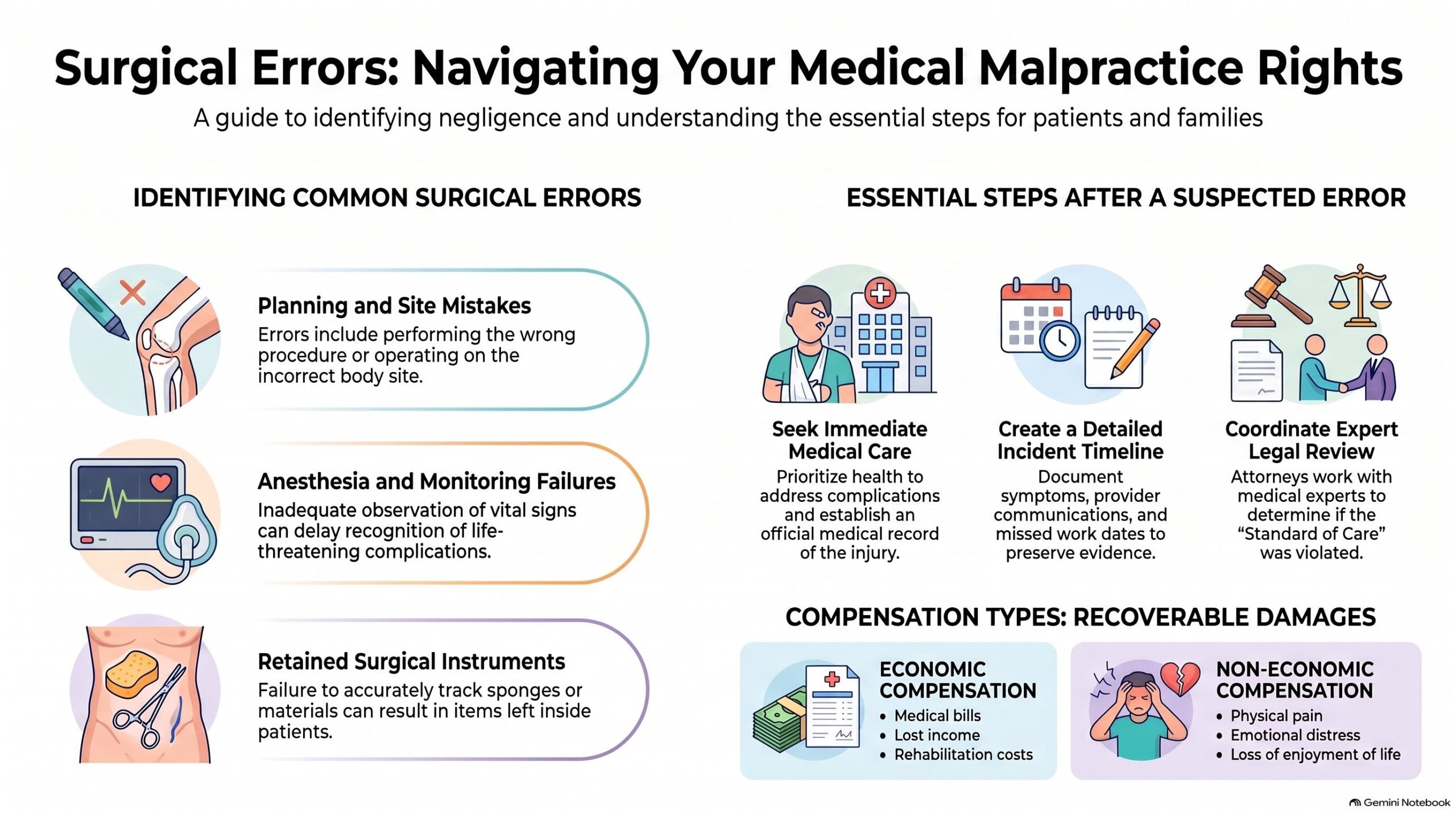
- Potential claims may involve wrong-site surgery, incorrect procedures, retained instruments, anesthesia errors, inadequate monitoring, or communication failures.
- Compensation may include medical expenses, lost income, rehabilitation, pain, reduced earning capacity, and diminished quality of life.


How We Can Help With Your West Palm Beach Medical Malpractice Surgical Errors Injury Claim
When a surgical error causes injury in West Palm Beach, an experienced medical malpractice attorney can evaluate the circumstances, identify potential violations of the accepted standard of care, and determine whether a viable claim exists. The process may begin with a detailed consultation addressing the patient’s treatment, injuries, and concerns. Counsel can collect relevant medical records, operative reports, imaging, billing materials, and surgical documentation to establish a clear timeline.
An attorney may then coordinate an independent expert review to assess whether the medical team acted consistently with the applicable Standard of care. This review can examine preparation, surgical technique, monitoring, and postoperative response without assuming negligence from an unfavorable result alone. Effective patient communication remains important throughout the matter, allowing the client to understand significant developments and make informed decisions. If supported by the evidence, counsel can prepare the claim, communicate with responsible parties and insurers, and pursue compensation for medical expenses, lost income, and other legally recognized harm.
OUR CONSULTATIONSARE FREE
START YOUR FREE CASE REVIEW

Understanding West Palm Beach Medical Malpractice Surgical Errors Injury Cases
How a West Palm Beach medical malpractice surgical errors case develops depends on the evidence surrounding the procedure, the patient’s resulting harm, and the medical team’s compliance with the applicable standard of care. The review typically considers medical records, imaging, operative notes, witness accounts, and expert opinions to determine whether the care met professional expectations. Patient advocacy may help preserve the individual’s voice while clarifying treatment decisions, communications, and concerns raised before or after surgery.
Surgical consent is also significant because it documents the risks, alternatives, and expected benefits discussed before the procedure. It does not automatically excuse negligent conduct or an injury beyond disclosed risks. Postoperative follow-up provides evidence about symptoms, instructions, referrals, and responses to complications. Careful complication tracking can establish when problems emerged, how providers responded, and whether delayed intervention worsened the outcome. These cases require objective evaluation of causation, damages, and the patient’s continuing medical needs.
Common Causes of West Palm Beach Medical Malpractice Surgical Errors
Common causes of surgical errors include mistakes in surgical planning, such as incorrect procedures, sites, or patient information. Anesthesia errors and inadequate patient monitoring can also create serious risks before, during, and after surgery. Communication failures among surgeons, anesthesiologists, nurses, and other healthcare providers may further contribute to preventable harm.
Surgical Planning Mistakes
Surgical planning mistakes can create serious risks before an operation begins, particularly when a surgeon fails to review the patient’s medical history, diagnostic studies, allergies, or relevant medications. Inadequate planning may also involve incomplete consent discussions, missing test results, unclear instructions, or failure to coordinate necessary experts. Preoperative wrong-site errors can occur when the surgical team does not verify the patient’s identity, procedure, and marked site through established safety checks. Poor preparation may further contribute to wrong procedures, overlooked complications, or preventable injuries. Intraoperative Miscounts can result when staff do not accurately track sponges, instruments, or other materials before closure. Hospitals and surgical teams have a responsibility to use reliable checklists, communicate clearly, and document critical decisions. When those safeguards are neglected, affected patients may require additional treatment and face lasting consequences.
Anesthesia Errors
Anesthesia errors may occur when providers fail to review a patient’s medical history, allergies, current medications, or prior reactions before administering drugs. Other causes include incorrect dosages, mislabeled syringes, drug interactions, inadequate preparation, and failure to follow established protocols. Confusion involving FDA anesthesia labeling may contribute to selecting the wrong medication, concentration, or route of administration. Errors can also arise when anesthesia professionals do not account for a patient’s weight, age, pregnancy status, or underlying conditions. Informed consent issues may develop if risks, alternatives, and anesthesia-specific complications are not explained clearly before surgery. These failures can cause preventable injury, including allergic reactions, respiratory complications, neurological harm, or medication-related cardiac events. A careful review of records, labeling, and consent documentation can help identify whether negligent anesthesia practices contributed to surgical harm.
Inadequate Patient Monitoring
Patient monitoring must continue throughout the surgical process because changes in breathing, blood pressure, heart rate, oxygen levels, or neurological status may indicate a developing complication. Inadequate observation can delay the recognition of blood loss, medication effects, infection, or other threats that require timely intervention. Monitoring responsibilities may extend from the operating room through recovery, when patients remain vulnerable to airway obstruction, unstable vital signs, and postoperative complications. Staff should use appropriate equipment, assess readings consistently, and respond promptly when measurements become abnormal. Failure to maintain adequate surveillance may allow a preventable condition to worsen, causing injury or prolonged recovery. In legal evaluations, documentation gaps can make it difficult to determine whether required assessments occurred or whether warning signs were addressed. Such omissions may support a malpractice claim when harm results.
Communication Failures
When high-stakes information is not communicated clearly, surgical teams may fail to recognize risks, changes in a patient’s condition, or necessary treatment adjustments. Communication failures can occur during handoffs, preoperative consultations, documentation, or discussions between surgeons, anesthesiologists, nurses, and other providers. Missing allergy information, unclear medication instructions, or incomplete reporting of test results may contribute to preventable surgical errors. Misdiagnosis can result from inaccurate histories, misunderstood findings, and failure to relay essential symptoms before treatment begins. Patients may also experience informed consent failures when providers fail to explain material risks, alternatives, or the nature of a proposed procedure in understandable terms. Structured checklists, read-back procedures, timely documentation, and respectful collaboration help reduce these dangers. Effective communication supports safer care and enables patients and families to make informed decisions.


Legal Rights of West Palm Beach Medical Malpractice Surgical Errors Injury Victims
Victims of surgical errors in West Palm Beach may have the legal right to seek compensation when a healthcare provider’s negligence causes injury, additional treatment, or lasting impairment. Potential recovery may address medical expenses, lost income, rehabilitation, pain, and diminished quality of life. A careful review can clarify whether malpractice, lack of informed consent, or another legal violation supports a claim.
Important considerations may include:
- Medical records showing the procedure, injury, and subsequent care
- Bills reflecting current and anticipated treatment costs
- Employment documents demonstrating lost wages or reduced earning capacity
- Witness accounts describing changes in daily activities
- Evidence supporting patient advocacy and informed decision-making
Florida’s Statute of limitations restricts the time available to file, making prompt legal evaluation important. Applicable damage caps, procedural requirements, and expert testimony rules may affect the claim’s value and viability. A qualified attorney can preserve evidence, communicate with insurers, and explain available remedies while restoring the injured person and family with dignity, clarity, and respect throughout the process.
Why Do West Palm Beach Medical Malpractice Surgical Errors Happen?
Understanding the causes of surgical errors can help clarify whether an injury resulted from negligence, inadequate preparation, or an unavoidable complication. In West Palm Beach facilities, harm may arise from wrong-site surgery, incorrect procedures, retained instruments, medication errors, anesthesia errors, or failure to recognize changes in patient condition. Contributing factors can include incomplete medical histories, communication breakdowns, staffing pressures, inadequate consent discussions, and insufficient pre-operative verification. Some complications occur despite appropriate care, while others may reflect departures from accepted standards.
Determining the difference requires careful examination of the patient’s records, operative reports, imaging, staffing information, and facility policies. Surgical timelines can reveal whether crucial checks were performed and when symptoms or warning signs became apparent. An expert review may assess whether preparation, performance, and postoperative monitoring met professional standards. Evidence preservation is also significant because records, device information, and witness accounts can clarify how an error occurred and whether earlier intervention could have reduced the resulting injury.
What Should You Do After a West Palm Beach Medical Malpractice Surgical Error Injury?
After a suspected surgical error, the injured patient should seek immediate medical care to address urgent complications and establish a clear medical record. The patient should document the error by preserving records, obtaining relevant bills, and recording symptoms and communications with providers. Consulting a qualified medical malpractice lawyer can help evaluate the circumstances and protect potential legal rights.
Seek Immediate Medical Care
Prompt medical evaluation should be obtained when a surgical error is suspected, particularly if the patient experiences severe pain, uncontrolled bleeding, fever, breathing difficulties, confusion, or other unexpected symptoms. Emergency symptoms require calling 911 or visiting the nearest emergency department, rather than waiting for a scheduled appointment. A responsible family member, caregiver, or advocate may help arrange transportation and communicate important concerns to medical personnel. Patients should follow emergency instructions carefully and disclose the recent procedure, known conditions, medications, allergies, and any changes in symptoms. If signs are serious but not immediately life-threatening, patients may call local providers, including the surgeon’s office, primary care practice, or an urgent care center, for prompt guidance. Medical evaluation can protect the patient’s health and support appropriate treatment after a suspected surgical injury.
Document the Surgical Error
When a surgical error is suspected, the patient or an authorized representative should create a detailed record of the events, symptoms, treatment, and communications that followed the procedure. This post op documentation should include discharge instructions, medical records, prescriptions, bills, and messages exchanged with healthcare providers. A chronological incident timeline can clarify when symptoms began, which professionals were contacted, and what treatment was provided. The patient may also maintain a symptom diary documenting pain, fever, weakness, drainage, changes in mobility, and effects on daily activities. With appropriate consent and privacy precautions, a dated photo of a surgical wound may help document visible changes over time. Witness names, facility information, and missed work should be recorded accurately. Original materials should be preserved, while copies remain available for authorized medical review.
Consult a Malpractice Lawyer
A detailed record of the suspected surgical error can provide a malpractice lawyer with an organized account of the patient’s treatment and resulting harm. The patient or family should arrange a prompt consultation with a qualified West Palm Beach attorney who handles medical malpractice claims. During this meeting, the lawyer can review medical records, surgical reports, photographs, bills, and statements from treating professionals. The attorney may explain the basics of medical negligence, including the duty of care, departures from accepted standards, and the connection between the error and the injury. A patient rights overview can also clarify access to records, informed consent concerns, confidentiality, and potential compensation. Early legal guidance helps preserve evidence, identify filing deadlines, and prevent communications or decisions that could weaken the claim. Consultation does not guarantee recovery, but it supports informed, responsible action.
Critical Evidence in a West Palm Beach Medical Malpractice Surgical Errors Injury Case
Critical evidence can establish what occurred during surgery, whether accepted standards were followed, and how the error caused injury. Key materials may include surgical records, expert medical testimony, injury documentation, and hospital safety protocols. Together, these sources can provide a clear framework for evaluating a West Palm Beach medical malpractice claim involving surgical errors.
- Operative reports showing each surgical step and recorded complications
- Expert testimony explaining the applicable standard of care
- Photographs, diagnostic results, and treatment records documenting injury
- Hospital policies addressing surgical-site verification and staff procedures
- Timeline notes connecting the alleged error to additional medical treatment
Surgical Records
Surgical records often provide the most reliable evidence for evaluating whether a preventable error occurred during a medical procedure. These materials may include the operative report, anesthesia record, nursing notes, medication administration records, and discharge instructions. Together, they can establish what treatment was planned, who participated, when critical events occurred, and whether documented actions matched accepted safety requirements. Records may also reveal Surgical Consent Issues, such as missing signatures, incomplete explanations, or procedures that differed from the patient’s authorization. Postoperative notes can document symptoms, wound concerns, delayed diagnoses, and responses to complications. Preserving complete copies is important because amendments, omissions, and inconsistent entries may affect the factual understanding of an injury. A careful review can help clarify the sequence of care and identify issues requiring further legal evaluation.
Expert Medical Testimony
How can a patient’s treatment be evaluated when the relevant medical decisions involve intricate surgical standards? An Expert witness can review operative records, clinical protocols, and the circumstances surrounding the procedure to explain whether the standard of care was followed. This testimony may clarify whether a surgeon’s conduct departed from accepted professional practices and whether that departure contributed to the patient’s harm. Medical professionals can also address medical causation, distinguishing injuries related to an alleged surgical error from complications that could occur despite appropriate treatment. Their opinions provide the court with an informed interpretation of intricate medical information without replacing the fact-finder’s role. In addition, expert analysis may support a Damages assessment by explaining the likely medical consequences, necessary future care, and functional limitations attributable to the alleged negligence.
Injury Documentation
When a patient alleges harm from a surgical error, injury documentation can establish the nature, timing, and extent of the resulting condition. Medical records should reflect symptoms, diagnoses, treatment changes, follow-up visits, and functional limitations in chronological order. Record completeness may help clarify whether the condition appeared immediately or developed later. Operative notes can provide critical details about the procedure, unexpected events, instruments used, and corrective measures. Surgical consent should also be preserved because it may distinguish recognized complications from conduct outside the disclosed risks. Imaging preservation is important when scans, photographs, or other studies demonstrate internal injury, retained materials, or postoperative changes. Patients and families can support accuracy by reporting symptoms promptly, following recommended care, and maintaining copies of records, bills, prescriptions, and employment-related documentation for legal review.
Hospital Safety Protocols
Hospital safety protocols can provide important evidence when evaluating whether a surgical error resulted from a preventable departure from accepted practice. Records may show whether staff followed required operating room checklists, confirmed the patient’s identity, marked the correct surgical site, and documented necessary time-outs. Medication reconciliation issues can reveal whether allergies, prescriptions, or dosage concerns were accurately identified before anesthesia or surgery. Investigators may compare these records with hospital policies, nursing notes, medication administration records, and electronic audit trails. Deviations, unexplained omissions, or late entries may help clarify how an injury occurred and which personnel participated in the patient’s care. Protocol evidence does not establish liability by itself, but it can support a careful assessment of whether appropriate safeguards were implemented and whether additional supervision or corrective action was warranted.
Long-Term Effects of West Palm Beach Medical Malpractice Surgical Errors Injuries
Surgical errors can produce chronic pain, reduced mobility, and lasting disability that affect an injured person’s independence and quality of life. Emotional and psychological trauma, including anxiety, depression, or post-traumatic stress, may also persist long after the procedure. Ongoing medical expenses for treatment, rehabilitation, medication, and assistive care can create substantial financial burdens.
Chronic Pain and Disability
Chronic pain and disability may persist long after a surgical error in West Palm Beach, particularly when nerve damage, untreated complications, or improper corrective treatment affects recovery. Patients may experience limited mobility, weakness, reduced independence, or continuing pain that interferes with work and daily activities. During post-surgery recovery, appropriate medical evaluation can identify lasting impairments, the need for rehabilitation, and appropriate assistive services. Documentation of symptoms, treatment recommendations, expenses, and functional limitations may help establish the injury’s long-term effects. Future disability planning may include home modifications, vocational adjustments, ongoing therapy, mobility equipment, and anticipated medical care. A medical malpractice attorney can review surgical records, consult qualified experts, and assess whether negligent care caused the disability. Such guidance may help injured individuals and their families pursue resources that support continued care and dignity.
Emotional and Psychological Trauma
Emotional and psychological trauma may accompany the physical consequences of a surgical error, particularly when chronic pain, disability, or prolonged treatment disrupts a patient’s independence and sense of security. Patients may experience anxiety, depression, sleep disturbances, irritability, or post-traumatic stress after learning that preventable negligence caused lasting harm. Medical appointments, functional limitations, and uncertainty about recovery can reinforce feelings of fear and helplessness. Some individuals withdraw from family, employment, or community activities, while others struggle to trust healthcare professionals during necessary follow-up care. Compassionate support from relatives, counselors, and medical providers may assist with coping and emotional recovery. Documentation of psychological symptoms, diagnoses, counseling, and related Treatment Expenses can help clarify the injury’s long-term impact and support an informed evaluation of available legal remedies for affected patients and their families.
Ongoing Medical Expenses
Over time, injuries caused by West Palm Beach medical malpractice or surgical errors may result in substantial ongoing medical expenses, particularly when corrective procedures, rehabilitation, prescription medications, or specialized equipment become necessary. These costs can continue for months or years, especially when a patient develops chronic pain, limited mobility, or permanent impairment. Future care may include skilled consultations, diagnostic testing, home health services, transportation, and modifications to living spaces. Billing Denials or delays can increase financial pressure when insurers question medical necessity, treatment duration, or provider charges. Insurance Reimbursements may cover only part of the actual expense, leaving patients and families responsible for deductibles, copayments, and uncovered services. Careful documentation of invoices, treatment plans, and projected needs can help establish the full economic impact and support a claim for appropriate compensation.
Proving Liability in West Palm Beach Medical Malpractice Surgical Errors Injury Cases
To prove liability in a West Palm Beach medical malpractice surgical error case, an injured patient must generally establish that the healthcare provider breached the applicable standard of care and that the breach caused compensable harm. Negligence standards require comparison of the provider’s conduct with what a reasonably careful professional would have done under similar circumstances. The burden of proof typically rests with the claimant, who must present reliable evidence supporting each required element. Causation evidence may include operative records, imaging, pathology reports, medication histories, and testimony connecting the surgical mistake to additional treatment, disability, or other losses.
Expert review is often important because qualified medical professionals can explain whether the procedure, decision-making, or follow-up care departed from accepted practice. A thorough evaluation may also identify responsible parties and distinguish an avoidable error from a recognized complication. Careful documentation and objective testimony help courts assess the claim fairly while supporting injured patients seeking accountability and appropriate relief.
Dealing With Insurance Companies After a West Palm Beach Medical Malpractice Surgical Error Injury
Insurance companies may seek recorded statements, medical authorizations, and detailed accounts of the surgical error soon after an injury is reported. Patients should understand that these requests can affect how an insurer evaluates responsibility, medical necessity, and potential benefits. A patient may provide accurate information while avoiding speculation, assumptions, or statements that minimize lasting harm. Broad authorizations should be reviewed carefully because they may permit access to unrelated medical history.
Insurers sometimes rely on exclusions, policy limitations, alleged preexisting conditions, or disputed causation to reduce or refuse payment. Insurance claim denials should be examined against the policy language, medical records, billing documents, and applicable Florida requirements. A West Palm Beach medical malpractice attorney can communicate with adjusters, preserve relevant evidence, and help protect the injured person from unfair pressure. When an insurer maintains an improper position, appeals of coverage disputes may require organized documentation and written legal arguments. Prompt attention can support informed decisions while preserving the patient’s ability to pursue appropriate compensation.
Don’t Wait. Call Our Florida Personal Injury Lawyers Now!
What to Expect During a West Palm Beach Medical Malpractice Surgical Errors Injury Claim Process
A West Palm Beach medical malpractice surgical errors claim typically begins with an initial case evaluation and a careful review of relevant medical records. The process may then involve settlement negotiations, while the claimant’s legal team assesses liability, damages, and the strength of available evidence. If negotiations do not produce a fair resolution, trial preparation may become necessary.
Initial Case Evaluation
The initial case evaluation gives a West Palm Beach medical malpractice attorney an opportunity to determine whether surgical errors may support a viable injury claim. During this meeting, the attorney listens to the patient’s account, identifies the procedure involved, and clarifies the complications, treatment, and resulting losses. The discussion may address whether informed consent concerns, preventable errors, or communication failures contributed to the harm. Collecting Records begins with identifying available discharge paperwork, billing statements, photographs, correspondence, and other materials that may establish the timeline. Confirming Evidence also involves noting potential witnesses, follow-up providers, and employment effects without reaching premature conclusions. The attorney may explain deadlines, potential defendants, costs, and the need for qualified medical opinions. This evaluation helps determine appropriate next steps while treating the patient’s concerns with respect and diligence.
Medical Record Review
When reviewing a potential surgical error claim, a West Palm Beach medical malpractice attorney carefully examines the complete medical record to reconstruct the patient’s care. The Chart review may include physician notes, nursing documentation, medication records, imaging, laboratory results, and operative reports. This process helps identify inconsistencies, overlooked findings, delayed responses, or departures from accepted surgical practices. Counsel may organize an error timeline showing events before, during, and after the procedure, including symptoms, communications, and follow-up treatment. Consent verification determines whether the patient received understandable information about material risks, alternatives, and the procedure performed. The attorney may also compare documentation against the surgical checklist to assess whether the patient’s identity, procedure, site, equipment, and safety checks were properly confirmed. Qualified medical experts may then evaluate the findings and explain their significance.
Settlement Negotiations
Following a careful review of the medical record, settlement negotiations address whether the parties can resolve a surgical error claim without proceeding to trial. The injured patient’s attorney typically presents documented evidence of negligence, resulting harm, medical expenses, lost income, and anticipated care needs. The healthcare provider or insurer may respond by accepting responsibility, disputing liability, or proposing different compensation.
Negotiations may involve written demands, counteroffers, and structured discussions conducted through counsel. Settlement leverage can arise from persuasive records, credible medical opinions, and clearly supported damages. Counsel evaluates each proposal against the patient’s needs, legal risks, and Trial strategy, while explaining potential benefits and limitations in understandable terms. The patient generally retains authority to accept or reject an offer. If negotiations fail, the claim may proceed through litigation, but settlement discussions themselves remain confidential in many circumstances.
Trial Preparation
Trial preparation in a West Palm Beach medical malpractice surgical errors claim involves organizing evidence, identifying the medical and legal issues, and preparing the injured patient and witnesses for potential testimony. Counsel may review medical records, operative reports, imaging, billing documents, and communications to establish how the error occurred and its consequences. A careful deposition strategy helps witnesses answer accurately, address difficult questions, and remain consistent with documented facts. Expert witness prep focuses on reviewing opinions, explaining medical concepts clearly, and testing testimony against opposing arguments. The legal team may also prepare exhibits, motions, timelines, and opening and closing themes. Clients should understand courtroom procedures, possible questions, and the responsibilities associated with truthful testimony. Thorough preparation supports a fair presentation and helps protect the patient’s interests throughout trial.
Compensation for West Palm Beach Medical Malpractice Surgical Errors Injury Damages
Compensation for surgical errors in West Palm Beach medical malpractice cases may address the full range of harm caused by negligent medical care. A claim may seek payment for necessary corrective treatment, rehabilitation, medication, and related care required after an avoidable surgical injury. It may also cover ongoing medical needs and practical assistance when the injury affects daily functioning.
Counsel typically evaluates medical records, operative reports, expert opinions, and testimony from treating providers to establish responsibility and support the requested recovery. A careful Negotiation strategy can present documented losses clearly while addressing insurer challenges regarding causation, necessity, or future care. If settlement discussions do not produce a fair result, trial evidence planning helps organize admissible proof and explain the injury’s consequences to a jury.
The injured patient’s legal representative may also coordinate with family members, healthcare professionals, and other support services. This preparation promotes informed decisions and helps protect the patient’s interests throughout the claim.
Economic vs Non-Economic Damages in West Palm Beach Medical Malpractice Surgical Errors Cases
Economic damages may compensate for documented financial losses, including medical bills, lost income, rehabilitation costs, and future care needs. Non-economic damages address less tangible harms, such as pain, emotional distress, disability, and diminished quality of life. Calculating total compensation requires evaluating both categories and considering the surgical error’s present and anticipated effects.
Economic Damages
When a surgical error causes measurable financial harm, the injured patient may seek economic damages in a West Palm Beach medical malpractice claim. These damages generally compensate for documented costs resulting from negligent treatment. Recoverable expenses may include emergency care, corrective surgery, hospitalization, prescription medication, rehabilitation, medical equipment, transportation, and related out-of-pocket charges. A claim may also address income lost during recovery and reduced future earnings when the injury limits work capacity. Calculating these losses often requires medical records, employment documentation, wage information, invoices, and professional economic analysis. Careful evaluation can help identify expenses that are immediate, ongoing, or reasonably expected. Counsel serving injured patients may organize this evidence and present a supported damages calculation, while defendants may challenge whether each claimed cost was caused by the surgical error and sufficiently proven.
Non-Economic Damages
Beyond documented financial losses, a patient injured by a surgical error may seek non-economic damages for the physical pain, emotional distress, disability, disfigurement, and diminished quality of life caused by the negligent care. These damages recognize harms that invoices cannot fully measure. Evidence may include medical records, treatment notes, testimony from family members, and Emotional distress proof describing anxiety, depression, trauma, or sleep disruption. A patient’s testimony can also explain limitations affecting relationships, independence, and ordinary activities. Florida law may impose statutory limits or other requirements depending on the claim and circumstances, making careful legal evaluation important. When a surgical error causes death, surviving relatives may pursue Wrongful death damages for certain losses recognized by law, including the emotional impact of losing companionship, guidance, and support. Each claim requires individualized assessment.
Calculating Total Compensation
Calculating total compensation in a West Palm Beach surgical-error case requires evaluating both documented economic losses and the broader non-economic harm caused by negligent care. Economic damages may include additional medical treatment, rehabilitation, prescription costs, lost wages, reduced future earning capacity, and necessary long-term assistance. Non-economic damages address pain, emotional distress, disfigurement, disability, loss of enjoyment, and diminished quality of life. Reliable records, medical testimony, employment documentation, and life-care projections help establish the value of these losses. How comparative negligence works may affect recovery if the patient’s conduct contributed to the injury, reducing compensation according to the assigned percentage of fault. Damage cap considerations can also influence certain non-economic awards, depending on applicable Florida law and the claim’s circumstances. A careful assessment supports accountability and preserves resources needed for continued care and recovery.
When a West Palm Beach Medical Malpractice Surgical Errors Injury Case Goes to Trial vs Settlement
A surgical error claim may resolve through settlement or proceed to trial, depending on the strength of the evidence, the parties’ willingness to negotiate, and the extent of the patient’s injuries. Settlement can provide a faster, more predictable resolution while reducing the demands of testimony, discovery, and courtroom proceedings. Negotiations may become productive after a surgical timeline review clarifies what occurred, when decisions were made, and how the injury developed.
Trial may be appropriate when liability or damages remain disputed, or when an insurer declines to offer fair compensation. Counsel may use an Expert deposition strategy to preserve testimony, challenge opposing opinions, and demonstrate how the error affected the patient’s recovery and future needs. A trial also permits witnesses and medical evidence to be presented publicly before a judge or jury. Throughout either process, careful preparation helps protect the patient’s interests and supports a resolution that recognizes the consequences of preventable surgical harm.
Florida Laws That May Affect Your West Palm Beach Medical Malpractice Surgical Errors Case
Florida law establishes specific requirements and deadlines that may determine whether a West Palm Beach surgical error claim can proceed.
Patients and families seeking accountability should understand rules governing proof, documentation, and professional conduct without relying on assumptions.
- Informed Consent Requirements may require disclosure of material risks, alternatives, and expected outcomes before surgery.
- Medical Record Retention can preserve operative notes, medication logs, imaging, and discharge instructions relevant to causation.
- Expert medical testimony generally helps establish that a provider breached the accepted standard of care.
- Comparative negligence principles may affect responsibility when a patient’s conduct is alleged to have contributed to harm.
- Pre-suit procedures may require investigation, notice, and a good-faith medical evaluation before litigation begins.
Florida law also recognizes confidentiality protections and evidentiary limits affecting medical information. A careful review of records, consent forms, witness accounts, and facility policies can clarify whether treatment departed from accepted practice. Legal guidance may help families serve injured patients by preserving evidence, communicating respectfully, and pursuing informed, responsible action.
The Statute of Limitations for West Palm Beach Medical Malpractice Surgical Errors Injury Cases
Deadlines can determine whether a West Palm Beach surgical error claim may proceed, even when medical records suggest negligent care caused serious harm. Florida generally requires a medical malpractice action to be filed within two years after the patient discovered, or reasonably should have discovered, the injury and its possible connection to medical care. An outside limit may also apply, typically four years after the alleged malpractice, subject to limited statutory exceptions, including concealment or fraud.
Before filing, Florida law generally requires presuit investigation and notice. This process can affect available time and requires careful preparation, including an expert review supporting reasonable grounds for negligence. A patient’s death, minority, or disability may alter deadline calculations, while delayed discovery can create factual questions requiring precise documentation.
Comparative negligence may affect damages but generally does not extend the filing period. Because missed deadlines can bar an otherwise valid claim, affected individuals should promptly preserve records, identify relevant dates, and seek guidance regarding applicable limitations rules.
Don’t Wait. Call Our Florida Personal Injury Lawyers Now!
How a West Palm Beach Medical Malpractice Surgical Errors Lawyer Can Help You
When surgical treatment results in unexpected injury, a West Palm Beach medical malpractice surgical errors lawyer can evaluate whether the care departed from accepted medical standards and caused compensable harm.
The lawyer may coordinate a thorough review to help an injured patient and their family understand the available legal remedies.
- Medical records, imaging, and operative notes form a clear timeline.
- Expert opinions explain whether surgical conduct met professional standards.
- Evidence collection preserves photographs, billing records, and witness accounts.
- Pleading requirements shape the allegations and supporting factual details.
- Financial documentation illustrates medical costs, lost income, and future needs.
Counsel can communicate with healthcare providers, insurers, and opposing representatives, allowing the patient to focus on recuperation and family responsibilities. The lawyer may also identify responsible parties, assess damages, and develop a strategy grounded in verified facts rather than assumptions. Although legal guidance cannot erase physical consequences, respectful representation may provide emotional support by reducing confusion and organizing difficult decisions. A qualified attorney serves the client by protecting legal interests while presenting the claim with accuracy, dignity, and accountability.
When to Contact a West Palm Beach Medical Malpractice Surgical Errors Lawyer
Prompt consultation with a West Palm Beach medical malpractice surgical errors lawyer may be appropriate if a patient experiences an unexpected injury, a worsening condition, or an unexplained complication after surgery. Early advice can help preserve medical records, identify relevant witnesses, and clarify whether the outcome may reflect negligence or a recognized surgical risk.
A consultation is especially important when a retained instrument, wrong-site procedure, anesthesia problem, infection, delayed diagnosis, or inadequate follow-up is suspected. Patients and families should document symptoms, treatment dates, communications, and related expenses while avoiding alterations to available records. A lawyer can explain time limits, which may restrict the period for filing a claim and can vary depending on the circumstances.
The expert review benefits of timely evaluation include a more organized assessment of operative reports, imaging, discharge instructions, and subsequent treatment. Prompt contact also allows questions to be addressed before evidence becomes difficult to obtain. Seeking guidance does not require a patient to pursue litigation, but it can support informed decisions and protect available legal options.
Why You Need an Experienced West Palm Beach Medical Malpractice Surgical Errors Lawyer
An experienced West Palm Beach medical malpractice surgical errors lawyer can evaluate whether a patient’s injury resulted from negligence rather than an inherent surgical risk. This assessment may involve reviewing medical records, operative reports, informed-consent documents, staffing information, and expert opinions to identify departures from accepted standards of care.
Experienced counsel can also preserve evidence, identify responsible parties, and address complicated issues involving hospitals, surgeons, anesthesiologists, nurses, and outside providers. A thorough investigation is especially important when an error caused permanent disability, additional procedures, lost income, or substantial medical expenses. In fatal cases, legal guidance may help eligible relatives understand potential Wrongful death claims and the damages those claims may include.
Knowledgeable representation can further support informed decisions about documentation, negotiations, and Settlement timing strategies. These matters often require careful evaluation because accepting an early offer could overlook future treatment needs or long-term losses. Skilled legal assistance helps protect a patient’s or family’s interests while promoting accountability and access to appropriate compensation.
How to Choose the Right West Palm Beach Medical Malpractice Surgical Errors Lawyer for Your Case
Selecting the right West Palm Beach medical malpractice surgical errors lawyer requires careful consideration of the attorney’s experience, investigative resources, and record handling challenging negligence claims. During an Initial consultation, prospective clients should ask how the lawyer evaluates surgical records, identifies departures from accepted standards, and works with qualified medical experts. Experience with similar cases can help determine whether counsel understands complex causation issues and the applicable filing deadlines.
Fee transparency is also important. The lawyer should explain the representation agreement, contingency percentage, litigation costs, and circumstances that could create additional expenses. Clear client communication provides another important measure of professional service. The firm should describe how updates will be delivered, who will answer questions, and how decisions remain with the client.
Finally, counsel should demonstrate an organized approach to preserving court evidence, including operative reports, imaging, witness statements, and expert opinions. A careful comparison of qualifications and service standards can support an informed choice.
About The Law Offices of Anidjar & Levine
The Law Offices of Anidjar & Levine represents individuals who believe they suffered harm because of surgical negligence or other medical errors.
Its attorneys evaluate whether a healthcare provider’s conduct may have fallen below accepted standards and explain available legal options in clear, practical terms.
During a client’s first consultation, the firm reviews medical records, treatment details, known injuries, and concerns about recovery.
The legal team may then coordinate the gathering of evidence, including records, expert opinions, witness accounts, and other documentation relevant to the claim.
Attorneys also help clients understand a potential case timeline, from investigation and filing through negotiation or trial.
The firm handles eligible matters on a contingency fee basis, meaning clients generally do not pay attorney fees unless compensation is recovered.
This arrangement can allow injured individuals and families to pursue accountability without advancing traditional legal fees.
Throughout the process, the firm communicates case developments, protects client interests, and works to present a well-supported claim focused on medical harm and its consequences.

Frequently Asked Questions
Can I File a Surgical Error Claim if I Signed a Consent Form?
A patient may file a surgical error claim despite signing a consent form. Consent generally covers disclosed, foreseeable risks, not negligent performance, preventable mistakes, or treatment substantially different from what was authorized. The impact of a consent form depends on its wording, the information provided, and the facts surrounding the procedure. Medical records and expert review are important. Filing deadlines vary, so prompt legal evaluation helps preserve evidence and protect potential rights.
Are Family Members Entitled to Compensation After a Fatal Surgical Error?
Family members may be entitled to compensation after a fatal surgical error, but eligibility depends on state law, relationship, and proof of negligence. Wrongful death claims are generally brought by the estate’s representative or designated surviving family members. The burden of proof requires showing that medical negligence caused the death. Recoverable damages may include medical and funeral expenses, lost income, loss of companionship, and emotional support, with damages calculation guided by documented losses and applicable legal standards.
Can a Surgical Error Worsen a Pre-Existing Medical Condition?
Yes, a surgical error can worsen a pre-existing medical condition by causing tissue damage, infection, delayed treatment, or other postoperative complications. Surgical aggravation may increase symptoms, reduce function, or require additional procedures. However, liability generally depends on whether the harm resulted from substandard care rather than the natural progression of the preexisting disease. Consent limits also matter, because authorization for known risks does not necessarily excuse negligent conduct or preventable injury.
What Happens if Multiple Healthcare Providers Contributed to My Surgical Injury?
When multiple healthcare providers contribute to a surgical injury, responsibility may be apportioned based on each provider’s conduct, role, and degree of fault. Coordinated Negligence can arise when separate failures, such as inadequate communication, improper monitoring, or delayed treatment, collectively cause harm. Joint Liability may permit an injured patient to seek compensation from more than one responsible party, depending on applicable law. A thorough investigation can identify contributing errors and appropriate claims.
Can Medical Malpractice Claims Affect My Immigration or Employment Status?
Medical malpractice claims generally do not directly affect immigration or employment status. However, immigration applications may require accurate legal documentation, and inconsistent statements could create complications. Claimants should prioritize evidence preservation, including medical records and communications, while avoiding unauthorized disclosures. Employer notification is usually unnecessary unless treatment affects job duties or attendance. Work authorization remains governed by immigration rules, not the malpractice claim, although individualized advice from qualified attorneys can protect the claimant’s interests.
—————————
Surgical errors can cause serious, lasting harm and may result from failures in planning, communication, technique, or postoperative care.
Victims in West Palm Beach should promptly seek qualified legal guidance to protect their rights, preserve crucial evidence, and evaluate potential compensation.
The Law Offices of Anidjar and Levine can review the circumstances, identify responsible parties, and explain available options.
A West Palm Beach Personal Injury Lawyer may help injured patients understand their legal options and pursue accountability for the harm they have suffered.

