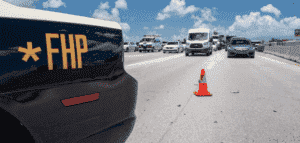
The Law Offices of Anidjar and Levine helps injured victims organize claims, preserve evidence, document medical losses, and address insurer pressure after a high-speed crash.
These cases may involve police reports, witness statements, vehicle damage analysis, medical records, comparative negligence issues, and future care needs.
Legal support can also help monitor insurance deadlines and evaluate compensation for medical bills, lost income, pain, and long-term limitations.
Learn more about working with a Florida Car Accident Lawyer.
The following sections explain crucial claim issues and legal options.
Main Takeaways
- A Florida speeding car accident lawyer can organize evidence, deadlines, insurance communications, and claim documentation after a crash.
- Key evidence may include police reports, witness statements, photos, video footage, skid marks, vehicle damage, and electronic crash data.
- Medical records help connect crash injuries to treatment needs, lost income, disability, pain, suffering, and future care.
- Florida comparative negligence rules may reduce compensation if insurers argue the injured person shared fault.
- A lawyer can negotiate with insurers and seek compensation for medical expenses, lost wages, future care, and related losses.


How We Can Help With Your Florida Speeding Car Accident Injury Claim
After a speeding crash, an injured person may face medical treatment, lost income, vehicle damage, and pressure from insurance companies before the full extent of the harm is clear. A Florida speeding-car accident injury lawyer can help organize the claim, meet deadlines, and communicate with insurers so the injured person can focus on recovery. This support often includes reviewing police reports, preserving photographs, locating witnesses, and coordinating records that show how the crash affected daily life and ability to work.
Medical expense documentation is especially important because bills, treatment notes, prescriptions, and therapy records help establish the injury’s financial impact. When harm may continue, long-term disability evaluation can assist in determining future limitations, care needs, and reduced earning capacity. Through careful preparation, the lawyer serves the injured person’s interests by seeking a fair resolution that reflects present losses and reasonably anticipated future needs.
OUR CONSULTATIONSARE FREE
START YOUR FREE CASE REVIEW

Understanding Florida Speeding Car Accident Injury Cases
When a crash involves speeding, the legal and factual issues often extend beyond a simple traffic violation. In Florida, an injury case may require careful review of Liability evidence, including police reports, witness statements, vehicle damage, roadway markings, and electronic data. These materials help determine whether excessive speed contributed to the collision and how that conduct affected those who were harmed.
A well-supported claim also depends on medical documentation that connects injuries to the crash and reflects the care needed for recovery. Providers, advocates, and families often play important roles in preserving records and encouraging timely treatment. Insurance deadlines must be monitored closely, as missed notice requirements or filing limits can reduce available options.
In more serious cases, crash reconstruction may help explain vehicle movement, stopping distance, and impact forces. This disciplined approach supports accountability, promotes fair evaluation, and helps injured people pursue the compensation they need after a speeding-related collision in Florida.
Common Causes of Florida Speeding Car Accidents
Speeding collisions in Florida often result from a combination of driver conduct, roadway hazards, and unsafe decision-making. Common contributing factors include distracted driving, aggressive lane changes, impaired driving, and poor road conditions, each of which can reduce reaction time and increase crash severity. Understanding these causes helps clarify how negligence may contribute to liability in a speeding-related injury claim.
Distracted Driving
Distracted driving often intensifies the dangers of speeding by reducing the driver’s ability to recognize hazards, judge distance, and react in time to avoid a collision. In Florida traffic, even brief phone usage can cause a speeding driver to miss stopped vehicles, changing signals, pedestrians, or emergency conditions ahead. This divided attention increases the likelihood of rear-end collisions, especially when traffic suddenly slows, and the safe braking distance has already been reduced by excessive speed.
Drivers who look away, reach for objects, adjust controls, or read messages may fail to protect those sharing the road. For injury victims and those assisting them, identifying distraction can be important when evaluating fault, documenting unsafe conduct, and supporting a claim for accountability after a serious speeding-related crash.
Aggressive Lane Changes
Although lane changes are a routine part of driving, aggressive lane changes can be highly dangerous when a driver is traveling above the speed limit or too fast for the traffic conditions. Sudden weaving, cutting off nearby vehicles, or crossing multiple lanes without adequate spacing can leave other motorists little time to respond. These aggressive lane change risks are heightened on Florida highways, where dense traffic and changing speeds demand patience and careful judgment.
Excessive speed reduces the margin for error, making loss of vehicle control more likely during sharp steering movements or abrupt corrections. When a speeding driver forces others to brake or swerve, the consequences may involve serious injuries. Responsible drivers help protect the public by signaling early, checking blind spots, and changing lanes only when it is safe.
Impaired Driving
Unsafe lane changes often become even more dangerous when a driver’s judgment is impaired by alcohol, drugs, or certain medications. Impairment reduces reaction time, weakens coordination, and encourages excessive speed, placing surrounding motorists, passengers, pedestrians, and responders at serious risk. In Florida speeding collisions, evidence of impairment may help explain why a driver failed to brake, misjudged distance, or ignored traffic controls.
Alcohol Detection through breath, blood, or field observations can provide important information for investigators and legal advocates seeking accountability. Drug impairment may require additional testing, especially when prescription or illegal substances are involved. Sleep Deprivation can pose similar dangers, leading to delayed responses and poor decision-making. Careful review of impairment evidence supports injured people and helps promote safer conduct within the community statewide.
Poor Road Conditions
On deteriorated or poorly maintained roads, speeding drivers have less time to recognize hazards and fewer options to avoid a serious crash. Potholes, uneven lanes, loose gravel, faded roadway signage, and inadequate lighting can turn ordinary travel into a dangerous event, especially when excessive speed reduces control. In Florida, weather-related hazards, including standing water and sudden flooding, may worsen road surface deterioration and increase stopping distance.
When these conditions contribute to a collision, investigators may examine whether a government agency, contractor, or property owner failed to correct known dangers. Maintenance liability can become an important issue when responsible parties ignore complaints, delay repairs, or fail to warn motorists. Careful review helps injured people and their advocates identify every cause and pursue accountability for preventable harm.


Legal Rights of Florida Speeding Car Accident Injury Victims
When a speeding driver causes a collision in Florida, injured victims may have legal rights to pursue compensation for losses that extend beyond immediate vehicle damage. These rights may include claims for medical expenses, lost income, pain and suffering, and future care needs. Florida law also considers comparative negligence, which may reduce recovery if an injured person shares fault.
Florida crash victims may pursue compensation when speeding causes injuries, medical costs, lost income, or long-term care needs.
- Victims may seek prompt medical evaluation and preserve treatment documentation.
- Families may request access to medical records to support a well-documented claim.
- Community caregivers may help victims meet deadlines, attend appointments, and maintain records.
A legal claim often requires evidence showing that excessive speed contributed to the crash and resulting injuries. Insurance companies may review police reports, witness statements, photographs, and medical findings before offering payment. Injured individuals benefit from organized documentation and careful communication. Protecting these rights supports accountability while helping victims regain stability, dignity, and access to needed care.
Why Do Florida Speeding Car Accident Injuries Happen?
Although every crash has unique facts, Florida speeding car accident injuries often occur because excessive speed reduces a driver’s ability to perceive hazards, react safely, and control the vehicle. Higher speeds increase stopping distance, worsen impact forces, and make ordinary roadway conditions more dangerous. A driver who is late, distracted, impaired, aggressive, or unfamiliar with traffic patterns may misjudge curves, intersections, work zones, or sudden congestion.
Injury risks also rise when speeding combines with tailgating, unsafe lane changes, poor weather, limited visibility, or inadequate vehicle maintenance. These factors can turn a preventable mistake into a serious collision affecting passengers, pedestrians, cyclists, and other motorists. Traffic ticket defenses may address whether a violation occurred, but they do not erase the physical consequences of unsafe speed. Likewise, insurance coverage limits can restrict available compensation, even when injuries are severe. Understanding these causes supports careful driving, responsible accountability, and stronger protection for injured community members.
What Should You Do After a Florida Speeding Car Accident Injury?
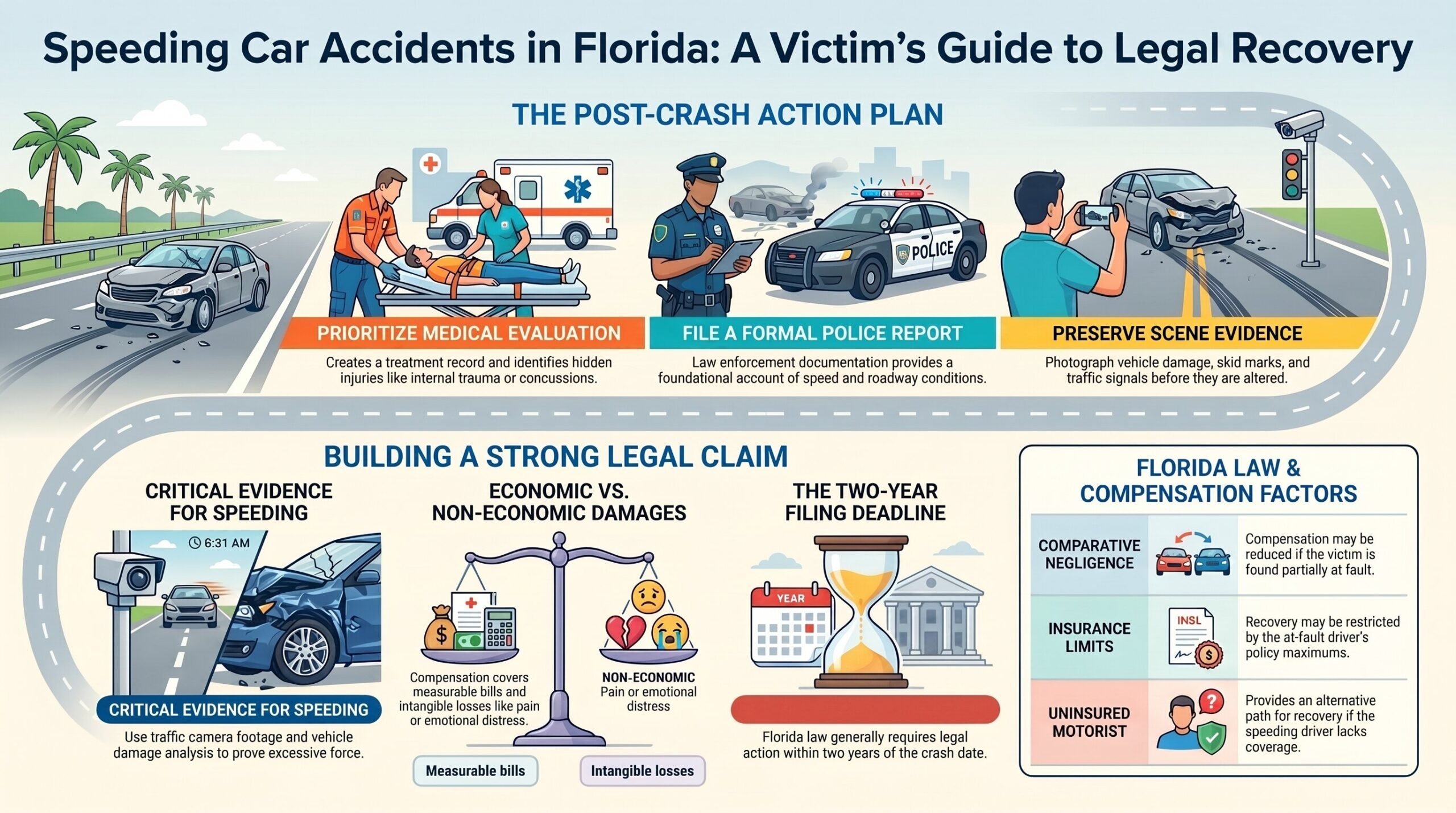
After a speeding car accident injury in Florida, prompt and organized action can help restore both health and the potential for legal claims. An injured person should seek immediate medical care, report the crash to the proper authorities, and preserve important evidence from the scene. These steps help document the harm suffered, establish the circumstances of the collision, and support any future claim for compensation.
Seek Immediate Medical Care
Immediate medical care is one of the most important steps for anyone injured in a Florida speeding car accident. A prompt evaluation protects the person’s health, identifies hidden injuries, and creates a clear treatment record. Even when pain seems minor, conditions such as internal trauma, concussion, or soft tissue damage may worsen without care. Medical providers can document symptoms, treatment needs, and physical limitations, which may later support Auto insurance options and crash blame determination.
This documentation also helps caregivers, family members, and advocates understand how to provide practical support during restoration. An injured person should follow all medical instructions, attend follow-up appointments, and preserve records of diagnoses, prescriptions, and therapy. Consistent care demonstrates responsible conduct and helps ensure that no injury is overlooked or minimized.
Report The Crash
Reporting the crash should be handled promptly once medical needs are addressed and the scene is safe. In Florida, law enforcement should be notified when injuries occur, vehicles block traffic, or property damage appears significant. A formal report helps create an orderly account of the event, which can later assist injured people, insurers, and legal representatives seeking a fair resolution.
Those present should cooperate respectfully with officers, provide accurate statements, and avoid guessing about speed, fault, or injuries. Exchanging Contact information with drivers, passengers, and involved parties is also important, including names, addresses, phone numbers, insurance details, and vehicle information. Documenting Witnesses by identifying bystanders who observed the speeding conduct may help ensure their accounts are available. This measured approach serves others by promoting accountability and protecting injured individuals.
Preserve Important Evidence
Once the crash has been reported and urgent medical concerns are addressed, preserving evidence becomes a crucial step in protecting an injury claim. A careful person should photograph vehicle damage, skid marks, traffic signals, road debris, visible injuries, and surrounding conditions before evidence disappears. Witness names, phone numbers, and brief statements may help clarify how speeding contributed to the collision.
Medical records, repair estimates, towing receipts, and proof of missed work should be kept in an organized file. Insurance documents, including car rental coverage information, may also affect immediate needs after the crash. Preserving emails, text messages, and claim correspondence can prevent confusion later. An injury lawyer can help identify missing records, evaluate liability, and explain attorney fees while guiding the injured person through each step.
Critical Evidence in a Florida Speeding Car Accident Injury Case
Critical evidence in a Florida speeding car accident injury case can establish how fast a driver was traveling, how the crash occurred, and who may be legally responsible. Key proof may include:
- Police crash reports and officer observations
- Traffic camera footage and witness statements
- Vehicle damage analysis showing impact severity
Police Crash Reports
In a Florida speeding-car accident injury case, the police crash report often serves as foundational evidence because it records essential facts gathered soon after the collision. It may identify drivers, witnesses, roadway conditions, citations, vehicle damage, and the officer’s observations about speed or unsafe conduct. For injured individuals and those assisting them, this report can guide early decisions, support insurance claims, and help preserve accountability.
Although it is not always admissible in full at trial, it can direct further investigation and clarify disputed details. Counsel may compare the report with medical records, repair estimates, and witness statements. Dashcam privacy issues may affect related evidence requests, while medical billing disputes can be better evaluated when the crash report confirms timing, impact, and reported injuries.
Traffic Camera Footage
Beyond the police crash report, traffic camera footage can provide a more direct view of how a speeding car crash in Florida occurred. Images from intersections, highways, toll areas, and nearby businesses may show vehicle speed, signal changes, lane position, and moments before impact. The use of traffic cameras can help clarify conflicting witness statements and support a fair assessment of fault when injured people need protection and practical guidance.
Because many systems overwrite recordings quickly, Video evidence preservation should begin without delay. An attorney may send preservation letters to agencies, businesses, or private property owners, requesting that relevant footage be retained. This step can safeguard evidence before it disappears. When properly obtained and reviewed, camera footage may strengthen the claim, promote accountability, and help ensure injured victims are treated justly.
Vehicle Damage Analysis
Vehicle damage analysis can reveal important details about the force, direction, and severity of a speeding car accident in Florida. Crumple patterns, frame distortion, broken glass, paint transfer, and airbag deployment may help determine how fast a vehicle was traveling before impact. This post-crash evidence can support a careful investigation, especially when injury victims need clear documentation to pursue fair compensation and needed care.
A qualified Florida speeding car accident injury lawyer may review repair estimates, photographs, vehicle inspections, and event data when available. Such evidence can counter assumptions made by Insurance Adjusters, who may undervalue the claim or dispute causation. By promptly preserving and interpreting vehicle damage evidence, the legal team helps protect the injured person’s rights while promoting accountability and community safety.
Witness Statements
Witness statements can provide critical insight into how a Florida speeding car accident occurred, especially when physical evidence alone does not fully explain the sequence of events. Neutral bystanders may describe vehicle speed, traffic signals, lane changes, braking, weather, and driver conduct before impact. Careful firsthand accounts confirm that these observations are consistent with police reports, crash data, and medical evidence.
Attorneys serving injured clients must also evaluate Witness credibility issues, including vantage point, attention, bias, and inconsistent recollections. Expert statement collection may be necessary when investigators, reconstruction experts, or medical professionals clarify intricate facts. Timely documentation preserves memory and supports deposition readiness, allowing testimony to be organized, accurate, and useful. Strong witness evidence can help establish fault, causation, and fair compensation.
Long-Term Effects of Florida Speeding Car Accident Injuries
Speeding car accidents in Florida can cause long-term injuries that extend well beyond the initial medical treatment. Victims may experience chronic pain conditions, reduced mobility, and lasting physical limitations that affect work, daily activities, and overall independence. Emotional trauma effects, including anxiety, depression, and fear of driving, may also require careful review when assessing the full impact of an injury claim.
Chronic Pain Conditions
After a high-speed crash, chronic pain may develop even when the initial injuries appear manageable. Soft tissue damage, nerve irritation, spinal trauma, and joint inflammation can persist for months or years, affecting daily responsibilities and caregiving roles. In Florida speeding collisions, these conditions may require coordinated treatment, including pain management, physical therapy, diagnostic testing, and expert care.
Back injury recovery can become especially intricate when pain interferes with sleep, work, and family obligations. Some injured individuals may also require long-term medication, which can create concerns about side effects, dependency risks, and ongoing medical costs. Careful documentation of symptoms, treatment plans, and functional limitations helps establish the continuing impact of chronic pain. Legal evaluation may help protect compensation for future care needs.
Reduced Mobility
Chronic pain can also contribute to reduced mobility, particularly when an injured person avoids movement to limit discomfort or prevent further injury. After a speeding collision, fractures, ligament damage, spinal injuries, or joint trauma may restrict walking, bending, lifting, or standing for extended periods. These limitations can affect work duties, caregiving responsibilities, and the ability to assist others in daily settings.
Consistent medical documentation is important because it helps connect physical restrictions to the crash, records treatment progress, and identifies future care needs. Physicians, therapists, and rehabilitation providers may evaluate range of motion, strength, balance, and endurance to assess long-term mobility. When reduced mobility persists, the injured person may require therapy, assistive devices, home modifications, or vocational adjustments to maintain safety and function with dignity.
Emotional Trauma Effects
A serious crash involving excessive speed can leave lasting emotional trauma, even when the most visible injuries are physical. Survivors may experience PTSD symptoms, including intrusive memories, nightmares, avoidance of driving, and heightened reactions to traffic sounds or sudden movement. These effects can interfere with work, family responsibilities, medical treatment, and community involvement.
Anxiety and panic may also develop after a high-speed collision, especially when a person must return to the road or ride as a passenger. Caregivers, employers, and service-minded family members may notice withdrawal, irritability, sleep disruption, or difficulty concentrating. Proper documentation of emotional harm, including counseling records and physician notes, can support a broader injury claim. Recognizing these effects helps ensure that recovery addresses both psychological needs and physical limitations after the crash.
Proving Liability in Florida Speeding Car Accident Injury Cases
When a crash involves excessive speed, proving liability requires evidence that connects the driver’s conduct to the collision and the resulting injuries. In Florida, this often begins with police reports, traffic citations, skid marks, vehicle damage, event data recorder information, and witness statements. These materials can show that the driver failed to maintain lawful control, ignored roadway conditions, or exceeded posted limits.
Medical records also help establish causation, linking the force of impact to specific injuries and treatment needs. Accident reconstruction experts may evaluate stopping distance, visibility, impact angles, and roadway design. Their analysis can clarify how speed reduced reaction time and increased harm.
Liability may be challenged through comparative negligence defenses, especially when another party is alleged to have contributed to the crash. Careful documentation helps protect the injured person’s position. In some cases, mishandled coverage disputes may later support insurance bad-faith claims, but proof of liability remains the foundation.
Dealing With Insurance Companies After a Florida Speeding Car Accident Injury
After a speeding-related crash, insurance companies often begin investigating quickly, seeking recorded statements, medical authorizations, and information that may limit the value of the claim. Adjusters may appear helpful, yet their role is to protect the insurer’s financial interests. An injured person’s caregivers, family members, and advocates should understand that early conversations can affect recovery efforts related to medical expenses, lost income, and future care needs.
In Florida, available coverage may depend on the at-fault driver’s policy limits, the injured person’s personal injury protection benefits, and any uninsured or underinsured motorist coverage. Careful review of correspondence, settlement offers, and release forms is important before any agreement is signed.
Documentation of treatment, diagnoses, bills, and physician recommendations can help present the full impact of the injury. When communications are handled with discipline, the claim is less likely to be weakened by incomplete statements, unnecessary disclosures, or pressure to accept an insufficient resolution.
What to Expect During a Florida Speeding Car Accident Injury Claim Process
A Florida speeding-car accident injury claim typically begins with an initial case evaluation, during which the facts, injuries, and available legal options are reviewed. The process then focuses on gathering evidence, determining liability, and pursuing insurance claim negotiations based on the documented losses. If a fair resolution cannot be reached, the claim may proceed toward settlement discussions or trial, depending on the circumstances of the case.
Initial Case Evaluation
Before a Florida speeding-car accident injury claim can proceed, the initial case evaluation provides a structured review of the crash, injuries, and available evidence. During this stage, an attorney examines the client’s account, police report, medical treatment, insurance information, and immediate financial concerns. The review also identifies urgent steps for preserving evidence, such as securing photographs, vehicle data, medical records, and repair documentation before they are lost or altered.
Careful witness contact procedures may be discussed to ensure communications remain respectful, accurate, and properly documented. This early assessment helps determine whether the claim can support meaningful recovery for the injured person and their family. It also allows counsel to explain timelines, responsibilities, and practical next steps with compassion and professional clarity.
Evidence And Liability
Once the initial facts are organized, the evidence and liability phase focuses on proving how speeding contributed to the crash and who may be legally responsible for the resulting injuries. Attorneys may review police reports, witness statements, scene photographs, skid marks, vehicle damage, and electronic data to establish speed, reaction time, and impact force. Medical records may connect the collision to specific injuries, helping clarify the harm suffered.
Liability may extend beyond the speeding driver when other failures contributed to the incident, including faulty vehicle maintenance, negligent entrustment, or roadway hazards. In some cases, inadequate safety standards by a business, fleet operator, or property owner may also be examined. This careful review supports fair accountability while serving injured individuals with diligence, accuracy, and respect for the truth.
Insurance Claim Negotiations
During insurance claim negotiations, the focus shifts from gathering evidence to presenting a clear demand that explains liability, injuries, medical costs, lost income, and other damages resulting from the speeding collision. Insurers review records, photographs, witness accounts, and policy limits while weighing Fault vs liability under Florida law. A well-prepared claim helps protect the injured person’s dignity, supports family stability, and encourages fair treatment during a stressful recovery.
Adjusters may question treatment, argue shared responsibility, or undervalue future needs, so careful responses matter. Negotiating without delay can preserve momentum, but decisions should reflect medical progress and documented losses. Legal guidance may help organize communications, answer insurer challenges, and keep discussions focused on verified harm, responsible conduct, and the claimant’s need for practical restoration after a preventable crash.
Settlement Or Trial
After negotiations narrow the disputed issues, a Florida speeding car accident injury claim may be resolved through settlement or proceed to trial if the parties cannot agree on fair compensation. Settlement valuation often depends on medical records, wage loss, crash reports, and the lasting effects of injuries on daily functioning in family, work, and community. A careful Negotiation strategy may encourage resolution by presenting liability, damages, and risk in a clear manner.
If settlement remains inadequate, trial preparation begins, including witness review, expert consultation, exhibit organization, and analysis of defenses. Courtroom evidence must show how speeding caused the collision and harmed the injured person. Throughout this stage, counsel evaluates whether agreement serves the client’s needs or whether a verdict is necessary to pursue justice.
Compensation for Florida Speeding Car Accident Injury Damages
Compensation for injuries caused by a speeding driver in Florida may include both economic and non-economic damages, depending on the severity of the crash and the effect on the injured person’s life. A claim may seek payment for medical treatment, rehabilitation, lost income, reduced earning ability, property loss, and future medical expenses when ongoing care is reasonably expected. Careful documentation helps establish the connection between the speeding conduct and the harm suffered.
A lawyer may review police reports, crash reconstruction findings, medical records, wage information, and witness statements to evaluate the value of the claim. When an insurer disputes fault, minimizes injuries, or refuses payment, Insurance denial appeals may become necessary to protect the injured person’s rights. This process can require organized evidence, strict attention to deadlines, and a clear explanation of damages. Proper advocacy supports fair recovery while helping injured individuals regain stability and continue meeting personal, family, and community responsibilities.
Economic vs Non-Economic Damages in Florida Speeding Car Accident Cases
In Florida speeding car accident cases, damages are generally divided into economic and non-economic losses. Economic damages address measurable financial harm, while non-economic damages account for personal injuries that affect daily life in less tangible ways. Proving these losses requires clear documentation, credible evidence, and a careful presentation of how the crash affected the injured person.
Economic Damages Explained
Several categories of economic damages may be available when a speeding driver causes a crash in Florida, and these damages focus on measurable financial losses. These may include emergency treatment, hospital bills, surgery, rehabilitation, prescription costs, and follow-up medical care. Lost wages may also be recoverable when injuries prevent an individual from working, including reduced earning capacity if limitations continue. Vehicle repair or replacement costs, transportation expenses, and necessary household services may also qualify.
Careful records, invoices, employment statements, and medical billing summaries help establish these losses with precision. Police documentation may support the connection between speeding and the resulting crash, while insurance negotiations often center on proving the full value of documented expenses. Accurate economic damage calculations help injured individuals seek practical financial recovery.
Non-Economic Damages Explained
Non-economic damages often address the personal impact of a Florida speeding car accident, rather than the direct financial costs. These losses may include pain, emotional distress, loss of enjoyment of life, disfigurement, and the strain placed on family relationships. In severe collisions, including Commercial trucking accidents, the harm may alter daily routines, personal dignity, and long-term independence. Florida law recognizes that such consequences warrant careful attention, even when they cannot be measured through invoices or receipts.
In Wrongful Death claims, surviving family members may seek compensation for companionship, guidance, and mental pain connected to the loss. These damages reflect human suffering and relational harm, helping injured people and grieving families pursue a measure of accountability after reckless speeding has caused lasting personal consequences.
Proving Your Losses
After a serious speeding collision, proving losses requires more than stating that injuries occurred or that life has changed. Florida claims often depend on organized proof that connects the crash to measurable harm. Economic losses may include medical bills, lost income, repair costs, and future care needs. A clear Medical treatment timeline helps show consistency, necessity, and the lasting effects of injury.
Insurance documentation can support these amounts, but gaps or conflicts may invite closer review. Non-economic damages, such as pain, distress, and reduced enjoyment of life, require careful explanation through records, testimony, and credible evidence of daily impact. Witness credibility issues can affect both liability and damages. Attorneys often use accepted methods for calculating damages to present losses fairly, helping injured people access the resources needed to rebuild and serve others.
When a Florida Speeding Car Accident Injury Case Goes to Trial vs Settlement
Whether a Florida speeding car accident injury case proceeds to trial or resolves through settlement depends on the strength of the evidence, the seriousness of the injuries, the available insurance coverage, and the willingness of each side to accept a fair resolution. Settlement often provides a more efficient path, allowing injured individuals and their families to secure support without the strain of courtroom proceedings. A clear settlement negotiation timeline helps organize medical documentation, expert opinions, and damage evaluations, while also encouraging responsible dialogue between the parties.
Trial may become necessary when liability is disputed, damages are undervalued, or an insurer refuses to act reasonably. In those circumstances, preparation must be careful and service-minded, focused on presenting the injured person’s needs with dignity. Counsel may evaluate witnesses, exhibits, and jury selection strategy to determine how facts should be communicated. Each path requires disciplined judgment, patience, and a commitment to fair accountability.
Florida Laws That May Affect Your Florida Speeding Car Accident Case
Case strategy does not end with the choice between settlement and trial, because Florida law shapes nearly every stage of a speeding-related injury claim. These rules can influence fault, recoverable damages, and the parties responsible for making an injured person whole.
- Under comparative negligence, an injured person’s recovery may be reduced if evidence shows that person also contributed to the crash.
- Florida’s comparative fault system may divide responsibility among multiple drivers, vehicle owners, or other negligent parties.
- Claims involving public vehicles, unsafe road design, or government maintenance may raise issues of sovereign immunity and governmental liability.
A careful legal review helps protect the interests of those harmed while supporting a fair process for all involved. Speeding evidence, crash reports, roadway conditions, and witness accounts may be evaluated alongside these legal standards. When the law is applied with precision, a claim can better reflect the real losses suffered and the duties owed within the community.
The Statute of Limitations for Florida Speeding Car Accident Injury Cases
In Florida speeding-car-accident injury cases, the statute of limitations sets a strict deadline for filing a lawsuit in civil court. For most negligence-based motor vehicle injury claims arising on or after March 24, 2023, Florida generally allows two years from the date of the crash to begin legal action. Missing this deadline can prevent an injured person from seeking compensation, regardless of the seriousness of the harm.
This time limit also affects cases involving comparative negligence, in which responsibility may be divided between the speeding driver and other parties involved. Even when the fault is disputed, the filing period continues to run. Claims involving an uninsured motorist may involve separate insurance notice requirements, but those issues do not eliminate the need to observe applicable lawsuit deadlines.
For individuals committed to supporting injured family members, patients, or community members, prompt attention to these time limits helps preserve legal options and promotes responsible action after a serious collision.
How a Florida Speeding Car Accident Injury Lawyer Can Help You
After a serious collision caused by speeding, a Florida speeding car accident injury lawyer can help evaluate liability, preserve evidence, and pursue compensation through the appropriate insurance or legal channels. This assistance allows injured individuals and their families to focus on recovery, caregiving, and rebuilding daily stability.
A lawyer may review crash reports, witness statements, vehicle damage, and roadway conditions to identify how excessive speed contributed to the harm. Careful medical records documentation can also connect injuries to the crash, supporting a clear and credible claim.
- Investigating driver conduct, traffic violations, and available evidence
- Applying insurance negotiation strategies to address settlement offers
- Calculating losses related to medical care, income, and future needs
When to Contact a Florida Speeding Car Accident Injury Lawyer
When should legal guidance be considered following a speeding-related crash in Florida? Contact is often appropriate once immediate medical needs are addressed and the incident has been reported. Early communication helps preserve records, witness information, photographs, and vehicle data that may clarify how excessive speed contributed to harm. This is especially important when injuries affect a person’s ability to work, care for family members, or continue serving a community role.
Legal guidance may also be considered before speaking extensively with insurers, signing forms, or accepting payment. Florida claims can involve insurance deadlines, medical documentation requirements, and settlement timelines that influence available options.
Delays may create confusion, weaken evidence, or place unnecessary pressure on an injured person and those assisting them. Prompt consultation allows the situation to be reviewed in an orderly manner, while decisions remain informed, measured, and aligned with the injured person’s needs and responsibilities after the crash.
Why You Need an Experienced Florida Speeding Car Accident Injury Lawyer
Because speeding crashes often involve complicated questions of fault, causation, and insurance coverage, an experienced Florida speeding car accident injury lawyer can help evaluate the case with the necessary legal and factual discipline. This guidance is important when injured people need fair treatment while they focus on recovery, family responsibilities, and service to their communities. Counsel may review crash reports, witness accounts, vehicle data, medical records, and roadway conditions to determine how excessive speed contributed to harm.
A lawyer can also apply Insurance coverage strategies to identify available benefits, address policy limits, and respond to insurer attempts to reduce compensation. When medical treatment creates financial strain, assistance with negotiating medical bills may protect more of any recovery for the injured person’s ongoing needs. Experienced representation helps preserve evidence, document damages, and present claims with accuracy, allowing the process to serve justice rather than confusion, delay, or unequal bargaining power.
How to Choose the Right Florida Speeding Car Accident Injury Lawyer for Your Case
Selecting the right Florida speeding car accident injury lawyer requires careful attention to experience, case strategy, and the lawyer’s ability to handle disputes involving speed, fault, and insurance coverage. A qualified lawyer should understand crash reconstruction, traffic citations, medical documentation, and the tactics insurers use to reduce claims. This knowledge helps protect injured people and supports fair outcomes for families seeking stability after a serious collision.
Client communication should also guide the decision. A lawyer who explains legal options clearly, provides timely updates, and listens with respect can reduce confusion during a difficult recovery. Prospective clients should ask how the firm evaluates evidence, prepares settlement demands, and decides whether litigation may be necessary.
Fee structure is another important consideration. Many injury lawyers work on a contingency fee, meaning payment depends on recovering compensation. This arrangement can help injured individuals pursue justice without paying upfront legal fees, while they focus on mending and responsibilities.
About The Law Offices of Anidjar & Levine
The Law Offices of Anidjar & Levine represents injured clients across Florida in car accident cases involving speeding, negligent driving, and disputed liability.
The firm assists people harmed in preventable crashes, helping them pursue compensation so they can focus on medical care, family responsibilities, and recovery.
Its legal team evaluates crash reports, medical records, witness statements, and insurance communications to identify fault and damages.
During a Case Evaluation, the firm considers how Florida Negligence Standards may apply to speeding behavior, roadway conditions, and each driver’s conduct before and after the collision.
The firm’s approach emphasizes communication, preparation, and service.
Clients receive guidance on insurance claims, documentation, settlement discussions, and litigation when necessary.
By handling legal burdens with discipline and care, the firm supports injured individuals who need reliable advocacy after a serious crash.
Its work reflects a commitment to accountability, client service, and the fair resolution of injury claims under Florida law.
Frequently Asked Questions
Can Speeding Car Accident Passengers File Separate Injury Claims?
Yes, passengers may file Separate claims for injuries caused by a speeding crash. Passenger compensation can be pursued against the negligent driver, another driver, or multiple parties when evidence supports co-defendant liability. Each claim is assessed independently, including medical harm, lost income, and service-related needs. Available Insurance coverage may limit recovery, but coordinated claims can protect each passenger’s interests while preserving fairness for all injured persons involved.
How Do Rental Cars Affect Speeding Accident Claims?
Rental cars affect speeding accident claims by adding layers of insurance, contractual duties, and potential disputes over responsible coverage. Rental Car Coverage may include the renter’s personal policy, credit card benefits, purchased protection, or the rental company’s minimum coverage. Investigators assess speeding, vehicle authorization, and policy exclusions. Comparative Negligence Effects may reduce recovery if multiple parties share fault. Careful claim handling helps injured people secure benefits while responsibly addressing liability.
Can Tourists Pursue Speeding Accident Injury Claims in Florida?
Yes, tourists may pursue speeding-accident injury claims in Florida, provided they document their losses and follow Miami crash procedures. Challenges tourists face include limited time in the state, unfamiliar insurance rules, coordination of medical follow-up, and evidence preservation. A visitor should report the crash, obtain records, seek appropriate care, and maintain communication with insurers or counsel. Those assisting injured travelers should prioritize accuracy, timely action, and respectful support throughout the claim process.
Does Speeding Affect a Hit-And-Run Injury Claim?
Yes, speeding can significantly affect a hit-and-run injury claim because it may serve as evidence of negligence when determining fault. Investigators may use crash damage, roadway marks, witnesses, and surveillance to assess speed. If the fleeing driver is found, speeding may strengthen liability findings and insurance responsibility. When the driver remains unknown, the injured person may seek applicable uninsured motorist benefits while carefully documenting losses to ensure a fair recovery.
Can Dashcam Footage From Another Driver Help My Case?
Yes, dashcam footage from another driver can help a case by showing vehicle positions, traffic signals, speed, and impact details. Dashcam admissibility depends on authenticity, relevance, and the preservation of the recording without alteration. Witness statements from the driver who supplied the footage may strengthen its value. Those assisting an injured person should promptly secure the file, document its source, and provide it to counsel for review.
—————————
Speeding collisions can leave victims facing serious injuries, financial strain, and difficult legal questions.
A Florida speeding car accident injury lawyer can evaluate the crash, identify liable parties, and pursue compensation for medical expenses, lost income, and other losses.
Florida Car Accident Lawyer services through The Law Offices of Anidjar and Levine offer focused legal guidance for injured clients throughout the claims process.
Prompt legal action may help protect evidence, meet deadlines, and strengthen the injured party’s position for recovery.