The Law Offices of Anidjar and Levine helps crash victims document neck injuries, preserve medical evidence, manage insurance communications, and pursue compensation for treatment, lost income, and lasting limitations.
These claims often require proof of liability, timely medical care, consistent records, and evidence showing how pain affects work, driving, caregiving, and daily life.
Legal guidance from a Florida Car Accident Lawyer may also address no-fault disputes, deadlines, and denied benefits.
The following sections explain crucial issues in building a stronger claim.
Main Takeaways
- A Florida whiplash lawyer can evaluate fault, injury evidence, insurance coverage, and deadlines after a car accident.
- Prompt medical care helps document neck pain, stiffness, headaches, dizziness, and reduced range of motion.
- Strong claims rely on medical records, imaging reports, therapy notes, physicians’ opinions, and work-restriction documentation.
- Whiplash can occur in rear-end crashes, sudden braking impacts, distracted driving collisions, and high-speed accidents.
- Legal help can address PIP benefits, denied claims, rental issues, lost income, and compensation for injury-related limitations.
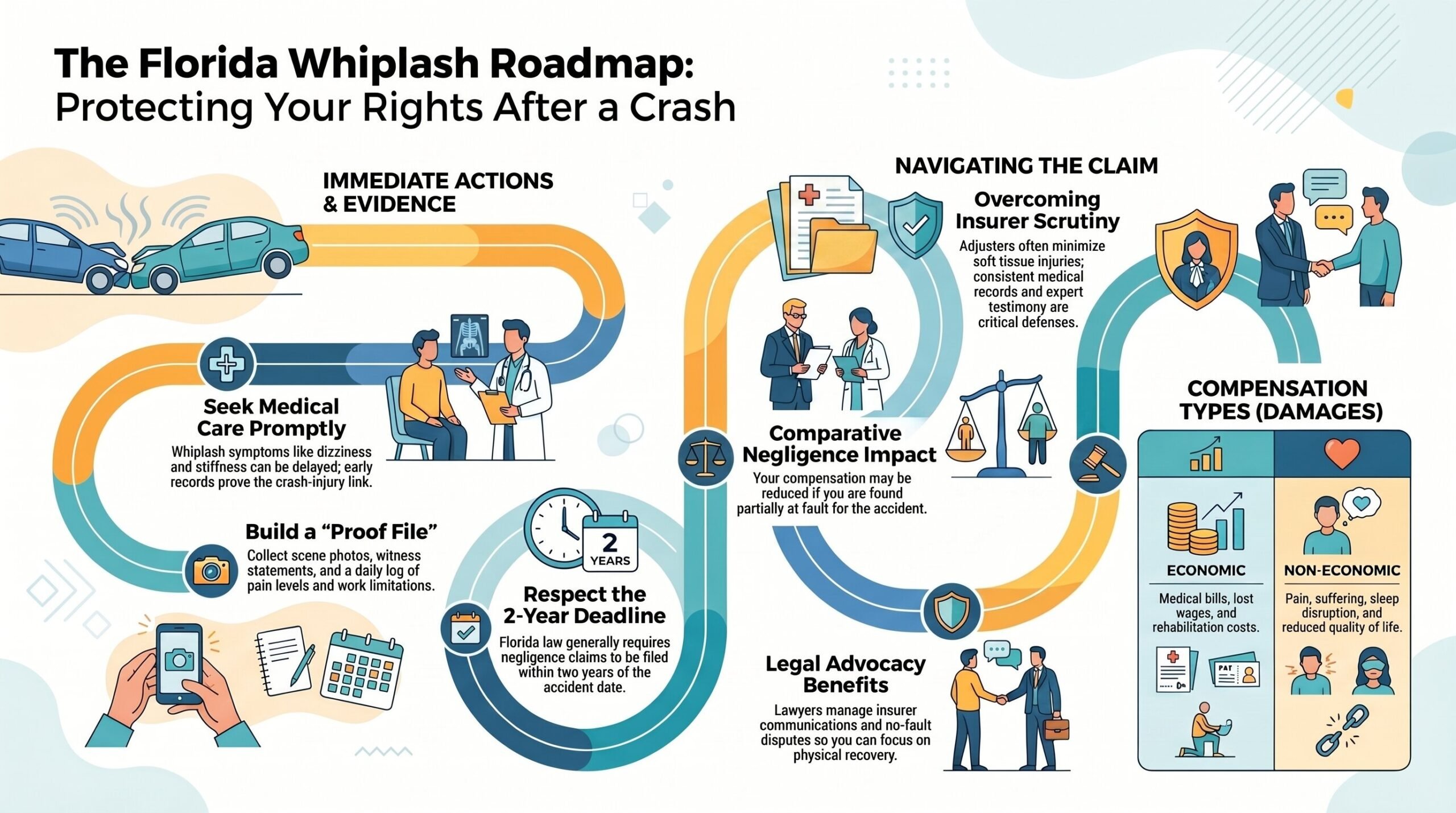


How We Can Help With Your Florida Car Accident Whiplash Injury Claim
After a car accident causes a whiplash injury, a Florida injury lawyer can help protect the claimant’s rights by evaluating liability, documenting medical evidence, and managing communications with insurance companies. The lawyer may coordinate records from physicians, therapists, and imaging providers, then organize them to show how the injury affected work, family duties, and service to others. Careful attention may be given to no-fault disputes, car rental issues, and policy deadlines, so necessary benefits are not delayed or unfairly denied.
The legal team may also preserve proof through Mileage documentation, accident timelines, photographs, witness statements, and wage records. By handling insurer requests, settlement discussions, and claim presentation, counsel allows the injured person to focus on treatment and community responsibilities. When negotiations fail, the lawyer can prepare the claim for litigation, using clear evidence and measured advocacy to seek fair compensation under Florida law. This support promotes order, dignity, and accountability.
OUR CONSULTATIONSARE FREE
START YOUR FREE CASE REVIEW

Understanding Florida Car Accident Whiplash Injury Cases
Effective legal support begins with a clear understanding of how Florida car accident whiplash injury cases are evaluated. These cases often require careful review of medical records, symptom progression, treatment consistency, and the injury’s impact on daily responsibilities. A lawyer analyzing such a claim considers whether the injured person sought prompt care, followed medical guidance, and preserved documentation of the neck injury that supports the reported limitations.
Florida law also emphasizes insurance claim timelines, including notice requirements and deadlines that may affect available benefits. For those committed to serving injured individuals, attention to these details helps protect a claimant’s ability to seek fair compensation.
Evidence may include diagnostic findings, therapy notes, physician opinions, employment records, and statements describing functional limitations. When organized properly, this information can present a clear picture of the injury’s seriousness, the need for continued care, and the financial impact connected to recovery and stability.

Common Causes of Florida Car Accident Whiplash
Florida car accident whiplash often results from forces that abruptly move the head and neck beyond their normal range. Rear-end collisions, sudden braking impacts, distracted driving crashes, and high-speed vehicle collisions are among the most common causes. Each scenario can create significant neck strain, requiring careful evaluation of fault, injury severity, and available legal remedies.
Rear-End Collisions
When a vehicle is struck from behind, the sudden transfer of force can cause the occupant’s head and neck to move rapidly beyond their normal range of motion. In Florida rear-end collisions, this movement often produces whiplash, even when exterior damage appears limited. The risk increases when head restraints are poorly positioned, seatbacks fail to support the spine, or occupants are unprepared for impact.
Careful attention to vehicle safety, including proper restraint use and routine maintenance, helps reduce injury severity. Responsible driving practices also support crash prevention by encouraging safe following distances, attentive observation, and timely hazard recognition. After such a collision, medical evaluation can help document neck pain, stiffness, headaches, and reduced mobility, allowing injured persons to seek appropriate care and legal guidance.
Sudden Braking Impacts
Although sudden braking may prevent a more severe collision, the abrupt deceleration can still place significant stress on the cervical spine. When a vehicle stops suddenly, occupants may move forward before restraint systems pull them back, creating Impact acceleration forces that affect the head and neck. This motion can stretch ligaments, irritate joints, and cause neck muscle strain, even without a direct crash.
In Florida traffic, these incidents may occur near intersections, school zones, construction sites, or congested highways, where drivers must react quickly to hazards. For individuals committed to caring for injured passengers, clients, or community members, recognizing these mechanisms supports timely medical evaluation. Early documentation of pain, stiffness, headaches, or reduced mobility can help connect the sudden braking event to a potential whiplash injury claim.
Distracted Driving Crashes
Distracted driving crashes often produce the sudden, unexpected forces that lead to whiplash injuries in Florida car accidents. When a driver looks away, reaches for an object, or loses focus while driving, even a brief lapse can prevent timely braking or steering. Texting distraction is especially dangerous because it combines visual, manual, and cognitive inattention, leaving surrounding motorists vulnerable to abrupt impacts.
In community-focused injury cases, careful review of phone records, witness statements, traffic cameras, and vehicle data may help clarify how attention was diverted. Distracted pedestrians can also contribute to collision sequences when drivers react suddenly to avoid them, causing occupants to experience sharp neck movement. Identifying distraction supports accountability and helps injured individuals pursue needed medical care, stability, and fair compensation.
High-Speed Vehicle Collisions
Because velocity increases crash forces substantially, high-speed vehicle collisions are a frequent cause of severe whiplash in Florida car accidents. When vehicles strike at elevated speeds, the neck may snap forward and backward with force beyond normal tissue tolerance. This movement can damage muscles, ligaments, discs, and nerves, often producing pain, stiffness, headaches, dizziness, or limited mobility.
Those assisting injured persons should recognize that symptoms may worsen over hours or days, making prompt medical evaluation important. In legal review, crash speed, vehicle damage, medical findings, and witness accounts help establish causation. An Insurance coverage review may identify benefits available for treatment and lost income. A settlement negotiation strategy may then address future care, impairment, and documented suffering while promoting fair, responsible resolution for the injured party.


Legal Rights of Florida Car Accident Whiplash Injury Victims
After a Florida car accident, a whiplash injury victim may have important legal rights even when symptoms appear minor at first. These rights may include seeking medical care, reporting losses, and pursuing compensation through available insurance coverage or, when appropriate, a legal claim.
Caregivers, advocates, and family members can help by encouraging prompt attention to pain, stiffness, headaches, or reduced mobility.
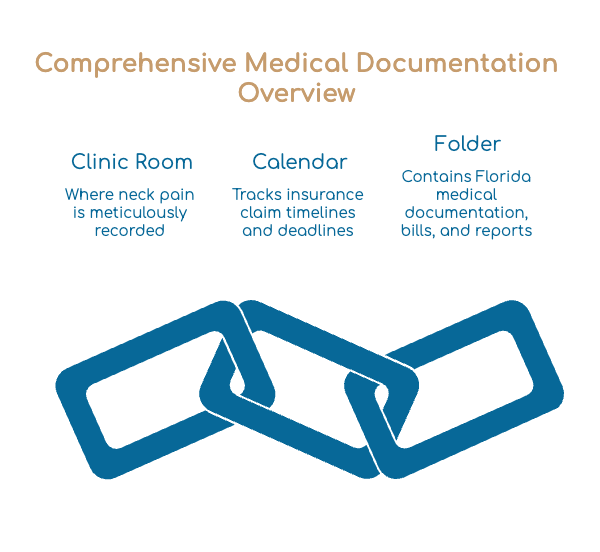
- A clinic room where neck pain is carefully recorded
- A calendar marked with Insurance claim timelines and deadlines
- A folder holding Florida medical documentation, bills, and reports
Florida law may require a timely medical evaluation, and records often support the connection between the crash and the injury. A victim may also have the right to recover costs for treatment, lost income, and related harm if supported by evidence. Legal guidance can help protect these interests while allowing the injured person to focus on recovery.
Why Do Florida Car Accident Whiplash Injuries Happen?
During a sudden collision, whiplash injuries often occur when the head and neck are forced to move rapidly beyond their normal range of motion. In Florida car accidents, this movement commonly results from rear-end impacts, side collisions, or abrupt stops that transfer force through the spine before the body can brace. Even low-speed crashes can strain muscles, ligaments, discs, and nerves, especially when occupants are turned, improperly seated, or unaware of the impending impact.
These injuries also occur because modern vehicles protect against catastrophic harm while still allowing sharp acceleration and deceleration forces to affect soft tissue. For those serving injured individuals, understanding causation supports careful evaluation of pain, mobility limits, and related losses.
Insurance coverage basics may influence how medical expenses are reviewed, while emotional distress claims can arise when persistent symptoms disrupt work, caregiving, and daily responsibilities. Each case requires attention to impact mechanics, medical findings, and functional consequences.
What Should You Do After a Florida Car Accident Whiplash Injury?
After a Florida car accident, a person with suspected whiplash should seek medical care promptly, even if symptoms appear minor at first. Careful documentation of injuries, treatment, pain levels, and accident-related limitations can help preserve important evidence. Contacting a lawyer may also be necessary to protect legal rights, address insurance issues, and evaluate potential compensation.
Seek Medical Care
When a person experiences neck pain, stiffness, headaches, dizziness, or reduced range of motion following a Florida car accident, prompt medical evaluation is important. A physician can assess whether whiplash, nerve irritation, concussion, or another condition requires treatment. Early care also protects the injured person’s health by reducing the risk of worsening symptoms and guiding appropriate recovery steps.
Medical attention should not be delayed because Florida insurance rules may affect the benefits available. Timely evaluation helps address insurance claim pitfalls, including arguments that injuries were unrelated to the crash or not serious.
Care providers can recommend therapy, medication, imaging, or specialist referral when needed. Individuals should follow all medical instructions, attend appointments, and prioritize restoration. Gather medical documentation through proper healthcare channels to support accurate treatment and claim review.
Document Your Injuries
Proper medical care should be supported by careful documentation, since records may help show how a whiplash injury developed and affected daily life. After a Florida crash, an injured person should use daily symptom tracking to note neck pain, headaches, dizziness, sleep problems, and limits on work, caregiving, or service responsibilities. Notes should include dates, pain levels, medications, and activities that worsen symptoms.
Photograph visible injuries, including bruising, swelling, or seat belt marks, with dates preserved when possible. It is also important to Record treatment timelines, including emergency visits, diagnostic tests, therapy sessions, referrals, and missed appointments. The person should save all discharge papers, prescriptions, imaging reports, bills, and work restriction notes in one secure file, ensuring information remains organized, complete, and accessible for future review.
Contact A Lawyer
Because whiplash claims can involve delayed symptoms, disputed medical findings, and insurance coverage issues, an injured person should consider contacting a Florida car accident lawyer as early as possible. Legal guidance can help preserve evidence, organize medical records, and identify sources of coverage that may support recovery. Dealing with insurance often requires careful communication, since statements may affect the value of a claim.
A lawyer can manage correspondence, review policy limits, and evaluate whether proposed compensation reflects medical needs and lost income. Settlement negotiation should be informed by documented treatment and future care concerns. Choosing legal representation also allows the injured person to understand duties, fees, and case strategy. Prompt action matters because the Statute of limitations can restrict the time available to pursue legal relief after a crash.
Critical Evidence in a Florida Car Accident Whiplash Injury Case
Critical evidence in a Florida car accident whiplash injury case helps establish the injury, its cause, and its effect on the claimant’s daily life. Key proof may include:
- Medical records documenting neck pain, treatment, imaging, and follow-up care
- Accident scene photos showing vehicle damage, roadway conditions, and impact angles
- Witness statements and expert medical testimony connecting the collision to the whiplash injury
Medical Records
After a Florida car accident, medical records often become the foundation of a whiplash injury claim because they document the diagnosis, treatment timeline, reported symptoms, and the connection between the collision and the injury. These records may include emergency evaluations, primary care notes, imaging reports, expert evaluations, physical therapy records, and prescribed medications. A clear diagnosis timeline helps show when neck pain, stiffness, headaches, or reduced movement first appeared and how symptoms developed.
Consistent treatment documentation can also demonstrate that the injured person followed medical guidance and sought appropriate care. For those committed to helping others through difficult recovery periods, complete records provide an organized way to understand the harm suffered. They also assist legal counsel, insurers, and medical professionals in evaluating claims fairly and accurately.
Accident Scene Photos
Accident scene photos can strengthen a Florida whiplash injury claim by preserving visual details that medical records alone may not show. Images of vehicle damage, skid marks, debris, traffic signals, road conditions, and final resting positions may support Evidence preservation before conditions change. These photographs can help connect the force of impact to the neck injury described in medical documentation, especially when symptoms develop gradually.
In liability disputes, clear images may help clarify how the collision occurred and whether a driver failed to exercise reasonable care. They may also assist attorneys, insurers, and medical providers in understanding the crash mechanics. During settlement negotiations, well-organized photographs can reinforce the seriousness of the event, support the injured person’s account, and promote a fair evaluation of damages.
Witness Statements
When a collision results in a disputed whiplash injury, witness statements can provide an independent account of events that may support liability, causation, and the severity of impact. Neutral observers may describe vehicle speed, lane position, braking, head movement, and immediate complaints of neck pain. Their accounts can also help assess the accuracy of police reports when an officer did not personally observe the crash or relied on incomplete information.
In service to injured persons and fair claim evaluation, timely interviews preserve details before memories fade. Statements may be compared with dashcam footage, scene photographs, and vehicle damage to identify any inconsistencies or conflicts. A Florida whiplash injury lawyer may use credible witness accounts to strengthen negotiations, clarify responsibility, and protect the injured person’s right to appropriate recovery.
Expert Medical Testimony
Because whiplash injuries often involve soft tissue damage that may not appear clearly on standard imaging, expert medical testimony can be crucial in explaining the nature, cause, and seriousness of the condition. Physicians, neurologists, orthopedic physicians, and rehabilitation providers may describe how the crash mechanics align with symptoms, treatment needs, work limits, and long-term discomfort.
Their opinions can help counter Insurance negotiation tactics that suggest delayed pain, minimal vehicle damage, or normal scans mean the injury is minor. In Florida claims, credible medical testimony may also support the timing of care, the need for continued therapy, and the relationship between the collision and impairment. When the timing of settlement negotiations becomes important, well-supported expert opinions can guide a fair evaluation, promote a responsible resolution, and protect an injured person’s path toward recovery.
Long-Term Effects of Florida Car Accident Whiplash Injuries
Florida car accident whiplash injuries may produce long-term effects that extend beyond initial soreness and stiffness. Chronic neck pain, reduced mobility, and lasting neurological symptoms can interfere with work, daily activities, and overall physical function. These consequences often require careful medical evaluation, consistent documentation, and a clear assessment of their impact on the injured person’s future.
Chronic Neck Pain
After a car accident, whiplash-related neck pain may persist long after the initial soreness and stiffness appear to improve. Chronic neck pain can affect concentration, sleep, and the ability to provide steady care for family, clients, or community members. In Florida injury claims, medical documentation often becomes central to understanding the severity of this condition.
MRI results may help identify disc injuries, inflammation, or other structural concerns, while normal imaging does not always rule out pain. Treatment delays can complicate recovery timelines, especially when symptoms worsen without consistent evaluation. Physical therapy may support recovery through strengthening, posture correction, and guided pain management. A whiplash injury lawyer may review records, medical opinions, and daily limitations to help connect persistent neck pain to the collision.
Reduced Mobility
When whiplash symptoms continue beyond the early recovery period, reduced mobility may become one of the more disruptive long-term effects of a Florida car accident. Limited range of motion in the neck, shoulders, and upper back can interfere with driving, lifting, caregiving, and other service-oriented responsibilities. Individuals may struggle to turn their head safely, maintain posture, or complete work that requires steady movement.
Physical therapy may be recommended to restore flexibility, strengthen supporting muscles, and reduce stiffness over time. However, progress can be gradual, especially when pain limits participation. Ongoing appointments, assistive devices, modified duties, and follow-up evaluations may increase treatment costs. For injured individuals committed to helping others, reduced mobility can affect both personal independence and the ability to meet professional or family obligations.
Lasting Neurological Symptoms
Why can whiplash symptoms persist in the nervous system long after neck pain first appears? Sudden acceleration and deceleration can strain cervical nerves, irritate soft tissues, and disrupt normal communication between the neck, brain, and upper body. For some injured individuals, this disruption may contribute to Chronic headaches, dizziness, numbness, tingling, visual sensitivity, or difficulty concentrating.
These symptoms can interfere with work, caregiving, transportation, and other duties that support families and communities. Persistent neurological effects may also lead to emotional distress, especially when pain limits service to others or daily responsibilities become harder to manage. Careful medical evaluation, consistent documentation, and appropriate follow-up are vital. In Florida car accident claims, lasting neurological symptoms may greatly affect recovery needs, damages, and long-term legal considerations for injured victims.
Proving Liability in Florida Car Accident Whiplash Injury Cases
Because whiplash injuries often involve soft tissue damage that may not appear on standard imaging, proving liability in a Florida car accident case requires a careful connection between the collision, the at-fault driver’s conduct, and the resulting injury.
Evidence may include crash reports, witness statements, vehicle damage, traffic camera footage, and medical records showing timely treatment. These materials help establish that careless actions, such as speeding, being distracted, making unsafe lane changes, or following too closely, caused harm to the injured person.
Florida’s modified comparative negligence system can affect recovery when fault is disputed. Comparative negligence defenses may argue that the injured person contributed to the crash or worsened the injury through delayed care.
A thorough liability presentation also considers insurance coverage limits, since available compensation may depend on applicable policies and responsible parties. Clear documentation supports a fair assessment of fault, helping injured individuals, families, and advocates pursue accountability with diligence and care.
Dealing With Insurance Companies After a Florida Car Accident Whiplash Injury
After a Florida car accident, insurance companies often evaluate whiplash claims with close scrutiny, especially where pain, stiffness, headaches, or limited mobility are not clearly visible on diagnostic imaging. Adjusters may request statements, medical authorizations, or prior health information, and injured people benefit when those requests are carefully reviewed before responding. Those serving an injured family member can support Record preservation by keeping treatment notes, bills, photographs, work restrictions, and communication logs organized and complete.
Attention to insurance deadlines is also important because a delayed notice or missed documentation can affect available benefits. Policy coverage limits may shape settlement discussions, particularly when medical care, lost income, and long-term therapy exceed available protection. Insurers may cite reasons for claim denial, such as gaps in treatment, preexisting conditions, low vehicle damage, or disputed causation. A Florida whiplash injury lawyer can help communicate with insurers, protect the claimant from unfair pressure, and present documented losses accurately and purposefully.
What to Expect During a Florida Car Accident Whiplash Injury Claim Process
A Florida car accident whiplash injury claim typically begins with prompt medical treatment, followed by careful documentation of symptoms, expenses, and functional limitations. The process then moves to filing the claim, responding to insurer requests, and addressing negotiation tactics that may affect compensation. If a fair settlement cannot be reached, the claim may proceed toward litigation, where evidence and legal strategy become central.
Initial Medical Treatment
When a person experiences neck pain, stiffness, headaches, or dizziness following a Florida car accident, prompt medical evaluation is an important first step in both treatment and documentation. Emergency personnel, urgent care providers, or primary physicians may assess range of motion, neurological symptoms, and pain patterns to identify possible whiplash. Diagnostic imaging may be ordered when symptoms suggest fractures, disc injury, or nerve involvement.
Medical providers may also review crash details, including seat position, Airbag effectiveness, Vehicle maintenance, and the direction of impact, because these factors can help explain the force placed on the neck. Early treatment may include rest, prescribed medication, physical therapy referrals, and careful activity guidance. Consistent follow-up supports recovery, protects community safety, and creates reliable records for later evaluation.
Filing Your Claim
Prompt medical care creates the foundation for the next phase of a Florida whiplash injury claim, because treatment records often become the primary evidence used by insurers to evaluate the injury. Filing the claim requires the organized submission of accident details, medical documentation, wage information, and available witness statements. Police report accuracy should be reviewed early, as errors in vehicle positions, citations, or reported symptoms may affect how responsibility is assessed.
In the service of an injured person’s recovery, each document should be carefully gathered and preserved in a clear timeline. Insurance claim timelines also matter, particularly because Florida’s no-fault rules and policy notice provisions may require prompt reporting. A lawyer may help ensure that the required forms are completed correctly, deadlines are met, and the claim is based on reliable factual grounds.
Insurance Company Negotiations
How negotiations unfold often depends on the strength of the medical record, the available insurance coverage, and the insurer’s view of fault. In a Florida whiplash claim, the insurance adjuster may review treatment notes, diagnostic findings, medical bills, wage documentation, and evidence of how the collision affected daily functioning. A careful settlement demand strategy presents these materials in an organized manner, linking the injury to the crash and explaining the need for care.
The insurer may question gaps in treatment, prior neck complaints, or the severity of soft tissue injuries. Counsel may respond with clarifying records, provider statements, and factual documentation. Throughout this process, the injured person’s interests are advanced by accurate communication, patience, and a service-minded focus on fair evaluation. Negotiations may involve several exchanges.
Settlement Or Lawsuit
After negotiations reach a firm position, the claim may be resolved through settlement or move toward litigation if the insurer does not offer a fair amount. A settlement provides closure, pays approved losses, and may prevent further delay for an injured person seeking stability. Before acceptance, counsel reviews medical evidence, wage loss, future care, and any limits under Florida No-Fault Coverage.
If unresolved issues remain, including Medical Billing Disputes, a lawsuit may be filed to require formal answers, discovery, and judicial review. Litigation does not always mean trial, since many cases settle after stronger proof is exchanged. Throughout either path, the lawyer’s role is to protect the client’s recovery, support fair treatment, and pursue compensation that reflects the injury’s verified impact.
Compensation for Florida Car Accident Whiplash Injury Damages
When a whiplash injury results from a Florida car accident, compensation may be available for both financial losses and the personal impact of the injury. A claim may involve reviewing Insurance coverage options, including personal injury protection, bodily injury liability, uninsured motorist coverage, and available policy limits. Careful medical billing tracking helps document treatment costs, follow-up care, therapy, prescriptions, and related expenses, ensuring the claim reflects the actual course of recovery.
Because fault disputes can reduce or delay payment, records must clearly connect the collision to the neck injury and resulting limitations. Evidence preservation is also important, including crash reports, photographs, witness information, treatment notes, and communications with insurers. For those seeking to serve injured clients with diligence, organized documentation supports fair evaluation and responsible advocacy. A Florida whiplash injury lawyer may assist by identifying available sources of recovery, presenting proof effectively, and protecting the claim from avoidable weaknesses.
Economic vs Non-Economic Damages in Florida Car Accident Whiplash Cases
In Florida car accident whiplash cases, damages are generally separated into economic losses and non-economic harms. Economic damages may include medical bills, lost wages, and rehabilitation costs, while non-economic damages may address pain, discomfort, and reduced quality of life. Proving these damages often requires medical records, employment documentation, expert opinions, and consistent evidence linking the whiplash injury to the crash.
Economic Damage Examples
Because whiplash can disrupt a person’s ability to work, obtain medical care, and manage daily responsibilities, economic damages often form a significant part of a Florida car accident claim. These losses may include emergency treatment, diagnostic imaging, physical therapy, prescription medication, follow-up visits, transportation to appointments, and necessary medical devices.
Lost wages may also be claimed when symptoms prevent consistent employment or reduce earning capacity. Caregiving costs, household assistance, and vehicle-related expenses may further support recovery when properly documented. Insurance settlement strategies often depend on organized records that show the amount, timing, and necessity of each expense. Gathering evidence of negligence, including crash reports, medical records, bills, and employer statements, helps connect financial losses to the collision, supporting a claim that serves the injured person’s practical needs.
Non-Economic Damage Examples
Although whiplash injuries may not always appear severe on diagnostic imaging, they can cause substantial non-economic harm that affects daily comfort, mobility, and overall quality of life. In Florida car accident claims, these damages may include neck pain, headaches, sleep disruption, emotional distress, anxiety while driving, and loss of enjoyment in work, family, or service activities. Pain vs impairment is often important, because a person may experience significant discomfort even when a measurable physical limitation appears modest.
Conversely, restricted motion may interfere with caregiving, volunteering, worship attendance, or other meaningful responsibilities. Non-economic harm also may involve frustration, fatigue, and reduced independence during recovery. While future therapy costs are economic, the ongoing burden of needing care can reflect the personal toll connected to long-term discomfort and adjustment.
Proving Whiplash Damages
How can a person prove whiplash damage when the injury is painful, disruptive, and sometimes difficult to see on standard imaging? Evidence should consistently connect the crash, medical care, and daily limitations. Economic damages may include emergency treatment, therapy, prescriptions, lost wages, and future care needs, supported by bills, employment records, and physician opinions.
Non-economic damages require careful proof of pain, sleep disruption, reduced mobility, and loss of normal activities. Pain symptom documentation, including dated journals and reports to providers, can show severity over time. Witness statements from family, coworkers, or caregivers may confirm changes in functioning. Insurance claim timelines also matter because delays may be used to challenge causation. A well-documented claim helps responsible parties evaluate losses fairly under Florida law after a collision.
When a Florida Car Accident Whiplash Injury Case Goes to Trial vs Settlement
When a Florida car accident whiplash injury case approaches resolution, the central question is often whether the claim should settle or proceed to trial. Settlement may provide certainty, privacy, and faster financial recovery, which can help an injured person focus on care, stability, and responsibilities to family or community. A fair settlement typically reflects medical findings, treatment needs, wage loss, pain, and the strength of liability evidence.
Trial becomes more likely when the insurer disputes the diagnosis, minimizes symptoms, challenges causation, or refuses a reasonable offer. During the discovery process, both sides exchange records, question witnesses, and evaluate expert opinions. This stage often reveals whether compromise serves justice or whether courtroom strategy is necessary.
A lawyer may recommend a trial when the evidence is strong, and the settlement undervalues the harm. Even then, risks remain. Jurors may view whiplash differently, and outcomes are never guaranteed. Careful preparation helps protect the client’s dignity and interests.
Florida Laws That May Affect Your Florida Car Accident Whiplash Case
Because Florida law sets strict rules for injury claims, a car accident whiplash case may be affected by deadlines, insurance requirements, and evidence standards from the beginning. No-fault insurance coverage often controls the first source of medical payment, requiring careful documentation of treatment, symptoms, and functional limitations. When injuries are disputed, records from physicians, therapists, and diagnostic providers may help show how neck trauma disrupted daily service to family, work, and community.
- A collision scene with bent metal, flashing lights, and a driver holding a stiff neck.
- A treatment file showing examination notes, therapy plans, and pain reports.
- An insurance review comparing medical bills, lost wages, and evidence of injury.
Comparative negligence rules may also reduce compensation if the injured person is partly responsible for the crash. For this reason, witness statements, photographs, and consistent medical histories may become crucial in presenting a reliable, service-minded claim.
The Statute of Limitations for Florida Car Accident Whiplash Injury Cases
Florida filing deadlines can shape a whiplash injury claim as much as insurance coverage, medical records, and fault disputes. In Florida, most negligence claims from car accidents must be filed within two years of the crash, although specific facts may affect the deadline. Missing the statute of limitations can bar recovery, regardless of the severity of the injury or financial hardship.
Timely action also supports Evidence preservation, including vehicle damage records, diagnostic testing, surveillance footage, and treatment documentation. Delay may weaken witness credibility because memories fade and contact information changes. These timing issues can influence settlement negotiation, especially when insurers evaluate whether a claimant is prepared to file within the required period.
In some cases, late or unreasonable insurer conduct may raise concerns involving insurance bad faith, but the underlying injury claim still depends on strict procedural timing. Those serving injured people should treat deadlines as key safeguards, not administrative details, in pursuing accountability after a Florida whiplash injury.
How a Florida Car Accident Whiplash Injury Lawyer Can Help You
After a collision causes neck pain or reduced mobility, a Florida car accident whiplash injury lawyer can help evaluate the claim, identify responsible parties, and organize the proof needed to pursue compensation. Legal counsel may review medical records, crash reports, insurance communications, and witness accounts to build a clear record of harm and accountability.
- A careful timeline of treatment, symptoms, work limits, and family duties affected by injury
- Photographs of damaged vehicles, roadside debris, and the forces that strained the neck
- Medical notes describing pain management options, therapy progress, and future care needs
A lawyer may also address Comparative fault rules, which can reduce recovery when responsibility is disputed. By presenting evidence in an orderly manner, counsel helps protect the injured person’s interests while respecting the needs of family members, caregivers, employers, and others affected by the crash. This support can promote fair negotiation and informed decision-making.
When to Contact a Florida Car Accident Whiplash Injury Lawyer
When neck pain, stiffness, headaches, or limited mobility appear following a motor vehicle collision, timely contact with a Florida car accident whiplash injury lawyer may help preserve important evidence and protect the injured person’s ability to pursue compensation. Early guidance is especially important when symptoms seem minor at first, because whiplash can worsen over hours or days.
A lawyer may be contacted soon after medical evaluation, after an insurance adjuster calls, or when work, caregiving, or daily service responsibilities become difficult. Documenting symptoms, treatment dates, pain levels, and physical limitations can support a clearer account of the injury’s effect. This record may also assist medical providers, insurers, and other decision-makers in understanding delayed injury timelines.
Prompt contact may help ensure that crash reports, witness information, vehicle damage records, and medical documentation are gathered before memories fade or records become harder to obtain. Acting early supports responsible stewardship of the injured person’s legal options.
Why You Need an Experienced Florida Car Accident Whiplash Injury Lawyer
An experienced Florida car accident whiplash injury lawyer can provide important guidance when an injury involves delayed symptoms, disputed medical findings, or insurance questions about the severity of soft-tissue damage. This guidance helps injured individuals understand how no-fault coverage may apply, while also preserving claims that may extend beyond initial benefits.
Whiplash cases often depend on medical timelines, consistent treatment, and clear records that connect the collision to pain, limited movement, headaches, or nerve-related symptoms. A lawyer can help organize documentation of damages, including treatment expenses, lost income, and the practical impact of the injury on daily responsibilities.
In many cases, insurance negotiation requires careful presentation of evidence, especially when an insurer suggests the injury is minor or unrelated. Experienced legal guidance supports a disciplined process, allowing the injured person to focus on recovery, family obligations, and service to others while the claim is evaluated accurately and resolved.
How to Choose the Right Florida Car Accident Whiplash Injury Lawyer for Your Case
Choosing the right Florida car accident whiplash injury lawyer begins with evaluating experience, communication, and the lawyer’s ability to handle disputed soft tissue injury claims. A qualified lawyer should understand how insurers question whiplash injuries, review medical records carefully, and connect symptoms to the collision through organized evidence.
The selection process should include attention to client communication. A lawyer who provides clear updates, explains legal options, and responds with respect helps injured individuals make informed decisions while they focus on recovery and family responsibilities. This service-centered approach supports clients who need guidance during a difficult period.
Potential clients should also review fee arrangements, including contingency fees, to understand when payment is due and how costs may affect recovery. Careful consideration of case strategy, available resources, courtroom readiness, and commitment to ethical advocacy can help identify a lawyer prepared to pursue fair compensation with diligence and professional care.
About The Law Offices of Anidjar & Levine
The Law Offices of Anidjar & Levine represent injured individuals in Florida car accident cases, including claims involving whiplash and other soft tissue injuries.
The firm focuses on helping clients understand their legal options while managing the practical burdens that follow a collision.
Its team reviews medical records, accident reports, lost income, and other case valuation factors to carefully assess the scope of a claim.
The firm also examines available insurance coverage, including bodily injury liability, personal injury protection, and uninsured or underinsured motorist benefits.
This approach helps identify potential sources of recovery for medical treatment, wage loss, and pain-related damages.
Through consistent communication and organized case preparation, the firm seeks to support clients focused on recovery and on serving their families, workplaces, and communities.
Its role is to pursue fair compensation while guiding each case with professionalism, diligence, and respect for the client’s circumstances after a crash.

Frequently Asked Questions
Can Whiplash Symptoms Appear Days After a Florida Car Accident?
Yes, whiplash symptoms can appear days after a Florida car accident. Delayed symptom onset is common because inflammation, muscle strain, and nerve irritation may develop gradually. A person caring for an injured individual should encourage prompt medical evaluation, even when the pain seems minor. Medical documentation helps connect symptoms to the crash, supports appropriate treatment, and preserves important records if compensation or insurance review becomes necessary later. Early care also reduces complications.
Should I See a Chiropractor for Whiplash After a Crash?
Yes, a person with suspected whiplash should consider seeing a qualified chiropractor after medical screening rules out fractures, neurological injury, or other serious conditions. Early treatment may reduce pain, restore mobility, and support safer daily function. For those assisting others after a crash, prompt evaluation also addresses documentation needs, linking symptoms, findings, treatment plans, and progress. Coordinated care with physicians is advisable when symptoms worsen or persist beyond the expected recovery period.
Can Pre-Existing Neck Problems Affect My Whiplash Claim?
Yes, pre-existing neck problems can affect a whiplash claim, but they do not automatically bar recovery. The central issue is whether the crash aggravated the prior condition or caused new harm. Strong medical documentation helps distinguish old symptoms from post-crash limitations, while evidence of causation connects the collision to worsened pain, treatment needs, and functional changes. A careful evaluation supports fair service to the injured person’s legitimate needs.
Will Wearing a Seatbelt Impact My Whiplash Injury Case?
Yes, Seatbelt Usage can impact a whiplash injury case, often by showing responsible conduct and limiting allegations of fault. Proper restraint may support arguments for Reduced Severity, yet it does not eliminate the possibility of significant neck trauma. Insurers may examine medical records, crash dynamics, and testimony. A careful evaluation helps injured individuals protect valid claims while ensuring the process serves fairness, accountability, and the needs of those harmed.
Can Whiplash Happen in a Low-Speed Florida Car Accident?
Yes, whiplash can occur in a low-speed impact, including minor Florida collisions. The neck may move abruptly even when vehicle damage appears limited. A person serving an injured passenger or family member should encourage prompt Emergency Evaluation, especially when pain, stiffness, headache, dizziness, or numbness appear. Medical documentation can clarify the nature of the injury, guide treatment, and support any later review of responsibility, causation, and necessary care after the crash.
—————————
A Florida car accident whiplash injury can create lasting medical, financial, and legal concerns.
Victims should understand their rights, seek prompt medical care, and preserve evidence that supports their claim.
An experienced attorney can evaluate liability, document damages, negotiate with insurers, and pursue fair compensation when necessary.
Florida Car Accident Lawyer Anidjar and Levine provides focused legal guidance for injured clients, helping them steer through the claims process with diligence, precision, and a commitment to protecting their interests.