The Law Offices of Anidjar and Levine helps injured victims prove that rain, fog, flooding, or reduced visibility did not excuse unsafe driving.
A Daytona Beach Car Accident Lawyer may gather police reports, weather data, camera footage, witness statements, vehicle evidence, and medical records to show fault, causation, and damages.
Claims may involve speeding, following too closely, hydroplaning, or distracted driving.
Compensation can include medical costs, lost income, pain, suffering, and future care, with more guidance below.
Main Takeaways
- A Daytona Beach poor-weather car accident lawyer investigates weather records, police reports, traffic footage, vehicle data, and witness statements.
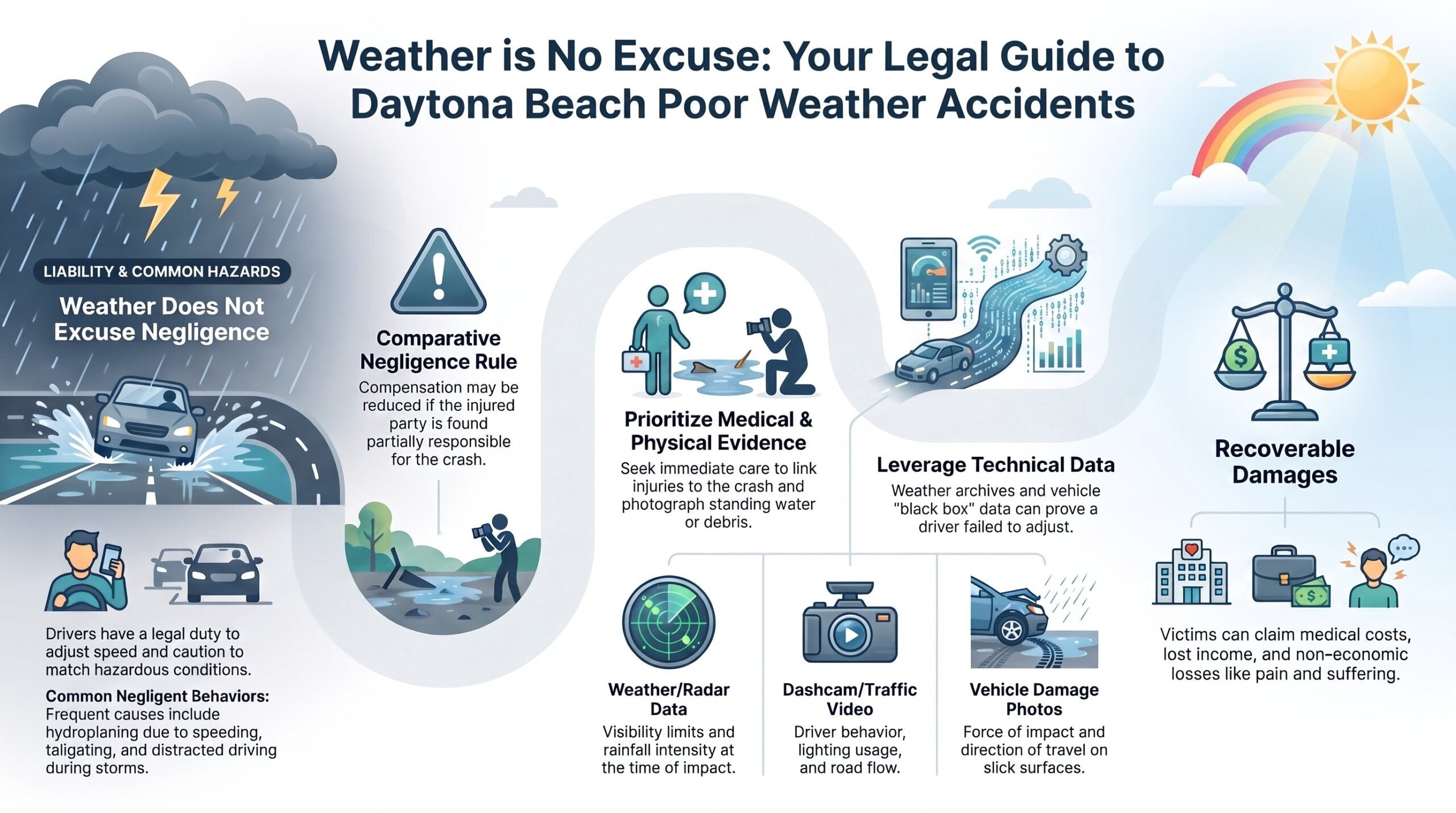
- Rain, fog, flooding, and reduced visibility do not excuse drivers from using reasonable care.
- Evidence may show speeding, following too closely, distracted driving, unsafe lane changes, hydroplaning, or failure to adjust for conditions.
- Recoverable damages may include medical expenses, lost income, pain and suffering, and future care needs.
- Prompt medical treatment, crash documentation, and early legal review can strengthen negotiations with insurers.


How We Can Help With Your Daytona Beach Poor Weather Car Accident Injury Claim
When poor weather contributes to a crash, an injury claim often requires careful investigation into both driver conduct and roadway conditions. Counsel may assist by gathering police reports, weather records, traffic camera footage, witness statements, and vehicle data to determine whether another party failed to act with reasonable care. This support can help injured people focus on recovery, family responsibilities, and community service while their claims are developed with discipline.
A legal team may also provide a Legal deadlines overview, identifying filing limits, notice requirements, and insurance obligations that could affect the right to compensation. Careful documentation of medical treatment, lost income, and future needs can strengthen negotiations and prevent avoidable gaps. Through a Settlement timeline strategy, counsel may evaluate when to negotiate, when to await medical improvement, and when litigation may be necessary. This structured approach serves the injured person’s interests while promoting accountability and orderly resolution.
OUR CONSULTATIONSARE FREE
START YOUR FREE CASE REVIEW

Understanding Daytona Beach Poor Weather Car Accident Injury Cases
Understanding poor weather car accident injury cases in Daytona Beach begins with recognizing that rain, fog, standing water, wind, and reduced visibility do not excuse unsafe driving. Drivers still have a duty to adjust their conduct to protect passengers, pedestrians, cyclists, and others sharing the road. When injury occurs, the legal focus often turns to whether reasonable care was used under the conditions present at the time.
Documenting scene conditions can help show how weather affected visibility, road surface, traffic flow, and vehicle control. Photographs, witness statements, police reports, and nearby surveillance footage may provide useful context. Medical records also play a central role, as they connect diagnosed injuries, treatment needs, and recovery limitations to the collision. For individuals and families seeking to serve and support an injured person, careful organization of this information may strengthen the claim and promote a clearer understanding of losses, responsibility, and available legal remedies.
Common Causes of Daytona Beach Poor Weather Car Accident
Poor weather car accidents in Daytona Beach often result from a combination of heavy rainfall, flooding, reduced visibility, and slick road surfaces. These conditions can quickly make routine driving hazardous, especially when motorists fail to adjust their speed, following distance, or attention to changing roadway risks. Understanding these common causes helps clarify how unsafe driver behavior can contribute to preventable collisions during severe weather.
Heavy Rainfall And Flooding
During periods of heavy rainfall in Daytona Beach, drivers face reduced visibility, slick pavement, standing water, and sudden traffic slowdowns that can sharply increase the risk of a serious collision. Flooded lanes may conceal potholes, debris, or uneven pavement, causing vehicles to hydroplane or stall without warning. Responsible drivers often reduce speed and increase following distance, yet crashes may still occur when others fail to adjust.
Distracted Driving Patterns become especially dangerous in rain, as a brief glance away from the road can prevent timely braking or evasive action. Nighttime Lane Changes also present added risk when wet pavement reduces tire control and traffic spacing becomes uncertain. In these conditions, careful conduct supports community safety and helps protect vulnerable motorists, passengers, and pedestrians from preventable harm.
Reduced Visibility Hazards
When visibility drops because of rain, fog, sea spray, or glare, Daytona Beach drivers may have far less time to recognize hazards and respond safely. Limited sight distance can conceal stopped vehicles, bicyclists, emergency responders, lane markings, and pedestrians crossing near hotels, beaches, or entertainment areas. Distracted driving becomes especially dangerous in these conditions, because even a brief glance away from the road can remove the remaining opportunity to brake and navigate.
Reduced visibility also increases the likelihood of rear-end crashes, unsafe lane changes, and pedestrian impacts, particularly at dawn, dusk, and nighttime. Drivers are expected to adjust speed, use headlights appropriately, maintain attention, and proceed with heightened caution. When they fail to do so, injured persons may need careful legal review to determine accountability and available compensation.
Slick Road Surfaces
On wet pavement, tires can lose traction quickly, especially after the first rain lifts oil, sand, and debris onto Daytona Beach roads. These slick surfaces increase stopping distances and may cause vehicles to slide through intersections, cross lanes, or strike vulnerable road users. Hydroplaning prevention depends on maintaining proper tire tread, reducing speed before standing water, and avoiding abrupt turning inputs. Safe braking techniques are equally important, as steady pressure and early braking help preserve control on rain-polished asphalt.
When collisions occur, investigators may examine roadway conditions, tire condition, drainage patterns, and whether warning signs were present. For those committed to serving injured neighbors, understanding slick-road hazards supports safer travel, stronger accountability, and informed legal guidance following crashes caused by poor weather in Daytona Beach. Weather records may also help establish risk.
Unsafe Driver Behavior
Unsafe driving choices often turn poor weather in Daytona Beach from a manageable hazard into a serious collision risk. Rain, fog, and standing water require patience, wider following distances, and careful attention to changing road conditions. When drivers ignore these duties, they place passengers, pedestrians, cyclists, and other motorists in danger.
Distracted Driving Patterns are especially harmful during storms, because even a brief glance at a phone can delay braking or lane correction. Speeding Misjudgments also contribute to crashes when drivers underestimate how long vehicles need to stop on wet pavement.
Tailgating, unsafe lane changes, and failure to use headlights may further reduce the time others have to react. Responsible conduct in poor weather helps protect the community and supports the shared duty to preserve life and prevent avoidable harm.


Legal Rights of Daytona Beach Poor Weather Car Accident Injury Victims
After a poor weather crash in Daytona Beach, injured victims may have legal rights to pursue compensation when another driver, business, or other responsible party failed to use reasonable care. These rights may include recovery of medical expenses, lost income, pain and suffering, and future care needs.
Legal support can also help families serve an injured loved one with order, dignity, and informed guidance.
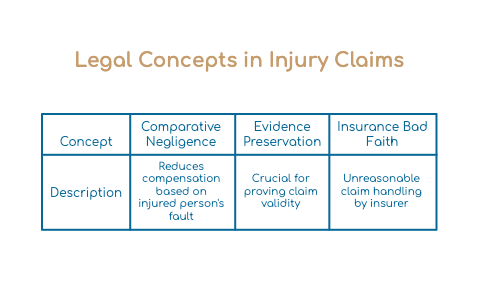
- Comparative negligence may affect recovery, because compensation can be reduced if the injured person is found partly responsible.
- Evidence preservation is important, including photos, crash reports, witness information, vehicle data, and medical documentation that connects injuries to the collision.
- Insurance bad faith may arise if an insurer unreasonably delays, denies, or undervalues a valid claim.
Prompt medical treatment, careful records, and timely legal review can strengthen a claim. These steps help protect victims while promoting accountability for preventable harm in the community after severe weather-related roadway collisions.
Why Do Poor Weather Car Accident Injuries Happen in Daytona Beach?
Why do poor weather car accident injuries happen in Daytona Beach? Rain, fog, standing water, and sudden coastal storms reduce visibility and tire traction, making ordinary driving decisions more dangerous. Injuries often occur when motorists fail to slow down, follow too closely, or misjudge stopping distance on slick roads. Poor roadway lighting, worn tires, and inadequate vehicle maintenance can also increase the severity of collisions.
Intersection safety becomes especially important during bad weather because drivers may run red lights, make turns without clear sightlines, or slide into cross traffic. Driver distraction further increases risk, as even a brief glance away from the roadway can prevent a timely response to changing conditions. Commercial vehicles, tourists unfamiliar with local roads, and congested beach-area traffic may compound these dangers. For communities committed to serving others, understanding these causes supports safer choices, stronger accountability, and better protection for injured people and their families after weather-related crashes.
What Should You Do After a Daytona Beach Car Accident Injury in Poor Weather?
After a car accident in poor weather in Daytona Beach, an injured person should seek medical attention promptly, even when symptoms appear minor. The individual should also document crash evidence, including photographs, witness information, weather conditions, and police reports when available. Contacting an attorney can help preserve legal rights, assess liability, and guide the injured person through the claims process.
Seek Medical Attention
When poor weather contributes to a collision in Daytona Beach, prompt medical evaluation is essential, even if injuries appear minor at first. Rain, fog, and slick pavement can cause sudden impacts that leave hidden harm, including concussions, soft tissue injuries, or internal complications. A physician can identify conditions that may worsen without care and create records connecting symptoms to the crash.
Injured individuals should accept emergency assistance, attend follow-up appointments, and carefully follow treatment instructions. Doing so supports recovery and protects others who depend on their stability and service. Medical records may also help clarify the seriousness of harm when insurers review the claim. While care is the priority, injured persons may document witness contacts and photograph the severity of the injury only when safe, without delaying medical treatment.
Document Crash Evidence
Medical care should remain the priority, but once immediate safety and treatment needs are addressed, preserving crash evidence can help clarify how poor weather affected the collision. A responsible person may photograph vehicle positions, skid marks, standing water, damaged guardrails, traffic signals, and visibility conditions. If safe, images of debris fields, tire tracks, and roadway surfaces may support Black ice documentation, especially when conditions change quickly. Witness names, phone numbers, and brief statements should be recorded with care and respect.
Drivers may also note weather alerts, police report numbers, tow information, and the time conditions worsened. Modern vehicles may retain speedometer data, braking activity, and impact details, which can help determine whether a driver adjusted reasonably. Careful documentation helps protect injured people and supports accurate accountability.
Contact An Attorney
Why should legal guidance be considered early after a crash caused by poor weather in Daytona Beach? Prompt contact with an attorney helps injured motorists protect their rights while they focus on recovery, family duties, and service to others. Counsel can review police reports, insurance communications, and medical records, then identify whether rain, fog, standing water, or negligent driving caused the collision.
An attorney may also provide an Evidence preservation checklist to ensure that photographs, witness information, vehicle data, and roadway conditions are secured before they disappear. Early representation supports Settlement strategy planning, including valuation of medical expenses, lost income, future care, and pain-related losses. Legal guidance can also reduce pressure from insurers, preserve deadlines, and help the injured person pursue fair compensation with dignity and discipline.
Critical Evidence in a Daytona Beach Poor Weather Car Accident Injury Case
Critical evidence in a Daytona Beach poor weather car accident injury case helps establish how unsafe conditions, driver conduct, and road hazards contributed to the crash. Key evidence may include: 1. Police crash reports 2. Weather and road data 3. Vehicle damage photos and witness statements. A careful review of these materials can support fault, causation, and the full extent of the injured person’s claim.
Police Crash Reports
After a poor weather crash in Daytona Beach, the police crash report often becomes one of the first documents reviewed in an injury claim. This report may identify drivers, passengers, witnesses, insurers, citations, and the officer’s initial assessment of contributing factors. For injured people and those serving them, it can provide an organized starting point for understanding responsibility and needed follow-up.
A careful review may reveal statements about speed, lane position, visibility, or evasive action. It may also note Traffic signal errors, vehicle mechanical defects, or other conditions that require further investigation. While the report is important, it is not always complete or final. Attorneys may compare it with photographs, medical records, witness accounts, and repair documentation to help protect the injured person’s claim.
Weather And Road Data
Police crash reports may describe weather and road conditions, but independent weather and road data can provide a more precise record of what drivers encountered at the time of a crash in Daytona Beach. Attorneys may review radar archives, rainfall totals, wind records, visibility reports, tide information, and roadway maintenance logs to determine whether hazardous conditions contributed to the collision.
This evidence can clarify if standing water, reduced sight distance, poor drainage, or sudden storms affected driver behavior. When a Severe impact occurs during poor weather, these records may help connect environmental conditions to the sequence of events. They may also support injury documentation by showing the forces and hazards involved. Reliable data helps injured people, families, insurers, and courts evaluate responsibility with fairness, accuracy, and disciplined attention to community safety.
Vehicle Damage Photos
When a crash occurs during rain, fog, high winds, or flooding, photographs of vehicle damage can preserve physical details that may later become key to an injury claim. Images taken from multiple angles may show crush patterns, broken glass, tire contact marks, and water intrusion. These details can help explain force, direction, and whether Road debris contributed to impact or loss of control.
Clear photos may also support injury documentation; damaged seats, deployed airbags, and bent frames can connect physical trauma to the collision. In cases involving Traffic signal failure, vehicle positions and damage locations may assist in reconstruction, independent of eyewitness verification. A prompt, organized photo collection serves injured people by preserving facts before repairs, towing, or weather conditions alter evidence that may affect accountability and fair recovery.
Witness Statements
In collisions involving poor weather, witness statements can provide crucial context that photographs and vehicle damage alone may not capture. A nearby driver, pedestrian, passenger, or worker may describe rainfall intensity, standing water, fog, visibility, traffic speed, signal status, or whether a vehicle failed to use lights. These accounts can help clarify how conditions affected safe driving duties and whether a party failed to recognize hazards.
When gathered promptly, statements often preserve details before memories fade. They may also support Accident Scene Photos by explaining what the images show, including lane position, skid marks, debris, or blocked sightlines. In some cases, witness information may be compared with Electronic Evidence, such as dashcam footage, phone records, or traffic data, to assess consistency. Accurate statements can help injury claims serve truth and accountability.
Long-Term Effects of Daytona Beach Poor Weather Car Accident Injuries
Poor weather car accidents in Daytona Beach can cause injuries that extend far beyond the initial crash and medical treatment. Chronic pain complications, mobility limitations, and disability issues may affect a person’s ability to work, perform daily tasks, and maintain independence. Emotional trauma effects, including anxiety and distress after the collision, may also become significant factors in evaluating long-term damages.
Chronic Pain Complications
How can a weather-related crash lead to pain that lasts long after visible injuries have recovered? Sudden braking, hydroplaning, and impact forces can strain nerves, muscles, ligaments, and spinal structures, creating persistent pain patterns that disrupt daily life. Chronic neck, back, shoulder, or headache symptoms may develop even when initial imaging appears limited. Care providers may consider physical therapy, medication management, injections, and Whiplash treatment options to reduce pain and prevent worsening complications.
For those assisting injured victims, careful documentation is necessary. Treatment notes, pain journals, diagnostic results, and expert opinions can help explain why continuing care is necessary. When insurers question delayed symptoms or extended treatment, Insurance denial appeals may become important. A Daytona Beach poor weather car accident lawyer can help connect medical evidence to crash-related harm.
Mobility And Disability Issues
When crash forces damage the spine, hips, knees, or lower extremities, an injured person may face lasting mobility problems that interfere with walking, standing, driving, or returning to work. Poor weather collisions can also worsen fractures, nerve injuries, or joint damage, creating a need for braces, walkers, wheelchairs, home modifications, or ongoing rehabilitation.
Vision loss may add further limits, making Blindness awareness important for caregivers, employers, and community members who support safe access and inclusion. For some survivors, adaptive driving evaluations, vehicle modifications, or transportation planning may be necessary to preserve independence. These limitations can affect household duties, medical appointments, and service to family or community. Careful documentation of functional restrictions helps establish the long-term impact of disability and the resources required for stability, dignity, and daily support.
Emotional Trauma Effects
After a collision in heavy rain, fog, or reduced visibility, emotional trauma may continue long after physical injuries begin to recover. Survivors may experience anxiety, sleep disruption, irritability, intrusive memories, or avoidance of driving, especially during storms or nighttime travel. These effects can interfere with work, caregiving, medical appointments, and community responsibilities.
Family members, first responders, and bystanders may also need attention when they witnessed severe harm. Witness support services can help individuals process distress, document what occurred, and remain engaged with necessary legal or medical steps. Emotional support resources, including counseling, trauma-informed care, and peer assistance, may reduce isolation and promote steady recovery. In Daytona Beach injury claims, these psychological consequences should be carefully identified, recorded, and considered when evaluating long-term losses and ongoing needs.
Proving Liability in Daytona Beach Poor Weather Car Accident Injury Cases
Although poor weather can complicate a crash investigation, it does not eliminate the need to prove that a driver acted negligently. Liability often depends on whether the driver adjusted conduct to match conditions, such as reducing speed, increasing following distance, using headlights, or avoiding sudden maneuvers. A careful review of police reports, witness accounts, photographs, vehicle damage, traffic camera footage, and roadway conditions may show that the weather was only one factor, not the true cause.
Rear-end crash evidence can be especially important because Florida drivers must maintain enough distance to stop safely, even during rain or fog. Skid marks, impact points, and electronic vehicle data may help establish whether a driver failed to brake in time.
The Comparative negligence defense may also arise, requiring an assessment of whether the injured person shared fault. Clear evidence helps protect accountability while supporting fair recovery for those harmed by preventable choices in dangerous conditions.
Dealing With Insurance Companies After a Daytona Beach Poor Weather Car Accident Injury
Because bad weather can give insurers a convenient cause to dispute fault, communications with the insurance company should be handled carefully from the start. Adjusters may ask questions intended to redirect attention from unsafe driving to rain, fog, standing water, or reduced visibility. An injured person should avoid recorded statements, broad medical authorizations, or rapid releases before the full impact of the injury is understood.
Insurance representatives often rely on Car settlement strategies that minimize losses, including early offers, selective use of photographs, or arguments that weather made the crash unavoidable. A lawyer can help ensure that the injured person’s account stays accurate, consistent, and supported by available evidence.
In Daytona Beach cases, insurers may also reference Florida traffic defenses, such as claims that a driver acted reasonably under hazardous conditions. Thoughtful legal guidance helps protect the claim while honoring the injured person’s need for fair treatment, stability, and responsible resolution.
What to Expect During a Daytona Beach Poor Weather Car Accident Injury Claim Process
A Daytona Beach poor-weather car accident injury claim typically begins with notice to the insurer, documentation of injuries, and a review of the crash circumstances. Because rain, fog, wind, or standing water may affect liability, weather evidence collection can play a central role in proving how the collision occurred. The process then often moves into insurance negotiations, medical evaluation, and settlement discussions, with the timeline depending on the severity of the injury, disputed fault, and the completeness of supporting records.
Initial Claim Steps
Starting a poor weather car accident injury claim in Daytona Beach usually begins with documenting the collision, obtaining medical care, and notifying the appropriate insurance carriers. Injured individuals are often expected to preserve repair estimates, treatment records, photographs of vehicle damage, and written communications. If police report accuracy, witness credibility verification, and prompt medical follow-up are addressed early, the claim may be better positioned for fair review.
A lawyer can help organize these materials, identify sources of coverage, and prevent statements that may weaken the claim. Insurance adjusters may request recorded statements, authorizations, or quick settlements, so careful review is important. Each step should support a clear account of injury, fault, and damages, while allowing the claimant to focus on recovery and service to family, work, and community.
Weather Evidence Collection
Once the initial claim materials are organized, weather evidence can help explain how rain, wind, standing water, fog, or reduced visibility affected the Daytona Beach collision. A careful documentation strategy may include weather reports, roadway photographs, vehicle damage images, and witness observations gathered soon after the crash. Traffic camera footage can be especially useful when it shows lane conditions, traffic flow, lighting, or drivers adjusting to dangerous weather.
Prompt preservation requests may be required before video, maintenance logs, or electronic data are deleted as part of routine practices. Emergency response records can also identify visibility issues, slick pavement, flooding, or hazards noted by officers, firefighters, or paramedics. This evidence helps place each driver’s conduct in proper context while supporting a complete, service-focused presentation of the facts.
Insurance Negotiation Process
After weather evidence and claim materials are assembled, the insurance negotiation process typically begins with a detailed demand package that explains liability, injuries, medical treatment, lost income, property damage, and the role poor weather played in the collision. The insurer reviews Fault documentation, including crash reports, photographs, witness accounts, and any evidence showing how reduced visibility, slick pavement, or unsafe driving contributed to the harm.
Medical record gathering supports the injury portion of the claim by connecting diagnoses, treatment, and limitations to the crash. Negotiations may involve written responses, valuation disputes, and requests for clarification. A lawyer can address low offers, correct unsupported defenses, and present the claim in a way that honors the injured person’s needs while promoting fair accountability.
Injury Settlement Timeline
While every claim moves at its own pace, the injury settlement timeline in a Daytona Beach poor-weather car accident case usually depends on the severity of injuries, the duration of medical treatment, the clarity of fault, and the insurer’s willingness to evaluate the claim fairly. Early stages involve treatment, investigation, and documentation of medical expenses, which help establish the full impact of the crash.
If injuries require ongoing care, future treatment planning may delay settlement until needs are reasonably understood. Insurance adjuster delays can also extend the process, particularly when liability is disputed or weather conditions complicate fault analysis. Once the records, bills, and evidence are complete, settlement offer negotiations begin. A fair resolution should reflect medical costs, lost income, pain, and any lasting limitations affecting service to others.
Compensation for Daytona Beach Poor Weather Car Accident Injury Damages
Because poor weather often complicates fault and damages analysis, compensation after a Daytona Beach weather-related car accident depends on the evidence linking the crash to the injuries and losses claimed. A careful claim presentation may include crash reports, medical records, photographs, witness accounts, weather data, and proof that drivers failed to adjust to rain, fog, wind, or standing water.
The Insurance claim timeline can affect how quickly compensation is evaluated, especially when insurers request additional documentation or investigate roadway conditions. Delays may arise when multiple drivers, commercial vehicles, or disputed medical issues are involved. An attorney may help organize the record, preserve important evidence, and communicate with insurers in a manner that supports service to the injured person and family.
Insurers may also raise comparative negligence defenses, arguing the injured person drove too fast, followed too closely, or failed to use headlights. Strong evidence can reduce unfair blame and support a properly valued resolution.
Economic vs Non-Economic Damages in Daytona Beach Poor Weather Car Accident Cases
In Daytona Beach poor weather car accident cases, damages are generally divided into economic losses, such as medical bills, lost income, and vehicle repair costs, and non-economic losses, such as pain, suffering, and diminished quality of life. Weather-related conditions may complicate fault and causation, making clear evidence crucial to connect the crash, injuries, and resulting losses. Proper documentation, expert analysis, and consistent medical records can help establish the full value of both categories of damages.
Economic Damage Examples
After a car accident caused by poor weather in Daytona Beach, economic damages refer to the measurable financial losses resulting from the collision. These losses may include emergency treatment, hospitalization, diagnostic testing, surgery, prescription costs, rehabilitation, and follow-up care. Medical bill documentation helps establish the amount owed and connects treatment expenses to the weather-related crash.
Economic damages may also include vehicle repair or replacement, towing fees, rental car costs, and damaged personal property. When injuries prevent a person from working, Lost wages calculations may address missed shifts, reduced hours, lost overtime, or diminished earning capacity. Accurate records, including pay stubs, tax forms, invoices, receipts, and repair estimates, support a clear claim. Careful documentation allows those assisting the injured person to pursue fair reimbursement with discipline and accountability.
Non-Economic Losses
While economic damages address financial losses, non-economic losses focus on the personal harm that cannot be measured through bills, receipts, or wage records. In Daytona Beach poor weather car accident cases, these losses may reflect how injuries affect daily life, dignity, independence, and relationships. Pain and suffering can include physical discomfort, reduced mobility, sleep disruption, and lasting limitations caused by crash-related harm.
Emotional distress compensation may address anxiety, fear of driving in storms, grief, humiliation, or trauma following a serious collision. These damages recognize that recovery often involves more than medical treatment or financial reimbursement. For injured individuals and those supporting them, non-economic losses help acknowledge the human consequences of unsafe driving during rain, fog, wind, or limited visibility, while promoting accountability and respectful care.
Proving Weather-Related Damages
For a Daytona Beach car accident claim involving poor weather, proving damages requires more than showing that rain, fog, wind, or wet pavement contributed to the crash. The injured person must connect each loss to the collision through reliable evidence. Economic damages may be supported by Medical treatment records, billing statements, wage documentation, repair estimates, and proof of future care needs. In commercial vehicle cases, truck maintenance logs may help show whether poor upkeep worsened the danger created by severe conditions.
Non-economic damages require careful documentation of pain, emotional distress, reduced mobility, and loss of daily enjoyment. Witness statements, medical opinions, photographs, and consistent treatment history can strengthen these claims. Clear evidence allows insurers, courts, and advocates serving injured people to measure harm fairly and responsibly under Florida law.
When a Daytona Beach Poor Weather Car Accident Injury Case Goes to Trial vs Settlement
Although many poor-weather car accident injury cases in Daytona Beach resolve through settlement, some require trial when liability, damages, or insurance coverage remain in dispute. Settlement may serve injured clients well when evidence clearly shows negligent driving despite rain, fog, wind, or standing water, and when insurers offer fair compensation for medical care, lost income, and lasting impairment.
Trial becomes more likely when the defense blames weather alone, minimizes injuries, or challenges whether the crash caused the claimed losses. Attorneys may evaluate witness accounts, roadway conditions, vehicle data, and expert opinions to determine whether a jury presentation is necessary.
Jurisdictional strategy can affect where claims proceed, how efficiently disputes are managed, and whether the forum supports timely resolution. Mediation readiness is also important, as thorough preparation may encourage fair settlement while preserving the ability to proceed to trial. This balanced approach helps protect injured people while promoting accountable, service-focused advocacy for the community.
Florida Laws That May Affect Your Daytona Beach Poor Weather Car Accident Case
Because poor weather does not excuse unsafe driving, Florida law requires motorists in Daytona Beach to operate with reasonable care under the conditions present at the time of travel. Rain, fog, wind, or standing water may require slower speeds, increased following distance, and careful lane changes. When a crash harms others, several rules may shape recovery and responsibility.
- Comparative Negligence may reduce compensation if an injured person shares fault, such as by speeding, driving without headlights, or failing to respond prudently to hazards.
- Florida No Fault Basics require many injured drivers to first seek benefits through personal injury protection coverage, regardless of who caused the collision, subject to policy limits and medical requirements.
- Traffic laws, insurance duties, and evidence rules may affect how fault is proven, including police reports, witness statements, vehicle damage, and weather data.
These laws help identify accountability while supporting fair treatment for injured community members.
The Statute of Limitations for Daytona Beach Poor Weather Car Accident Injury Cases
Filing deadlines play a pivotal role in Daytona Beach poor weather car accident injury cases, as Florida law limits how long an injured person has to bring a legal claim. In most Florida negligence actions, the filing period is generally two years from the date of the crash. Missing that deadline can bar recovery, even when injuries are severe, and weather conditions clearly contributed to the collision.
Poor weather conditions often require early attention because rain, fog, standing water, and reduced visibility can quickly obscure objects. An evidence preservation checklist may include photographs, traffic camera footage, weather reports, vehicle data, medical records, and witness information. These materials support accurate review before time expires.
Comparative fault considerations may also affect the value and viability of a claim, especially when drivers dispute speed, braking, lights, or following distance during hazardous conditions. Timely action helps protect facts, rights, and the ability to serve justice responsibly for injured persons.
How a Daytona Beach Poor Weather Car Accident Lawyer Can Help You
Legal guidance can be crucial after a crash caused by poor weather in Daytona Beach, particularly when liability depends on fast-changing road conditions, driver decisions, and the availability of evidence. A lawyer can evaluate how rain, fog, standing water, wind, reduced visibility, or malfunctioning Nighttime Streetlights affected the collision, and consider whether each driver acted reasonably.
- Investigation: Counsel may gather crash reports, photos, weather data, witness statements, and roadway information to build a clear account of events.
- Case evaluation: An attorney can assess fault, insurance coverage, medical documentation, lost income, and the long-term effect of injuries on a person’s ability to serve family, work, and community.
- Claim management: Legal representation can communicate with insurers, respond to disputed facts, and pursue fair compensation through organized evidence and negotiation.
A lawyer may also explain Defensive Driving Tips that clarify expected conduct during hazardous weather, helping distinguish preventable choices from unavoidable conditions.
When to Contact a Daytona Beach Poor Weather Car Accident Lawyer
After a poor weather crash in Daytona Beach, injured parties should consider contacting a car accident lawyer as soon as immediate medical needs are met. Early guidance can help preserve evidence, define deadlines, and reduce confusion during a stressful period. Rain, fog, standing water, and reduced visibility often create disputes about speed, braking distance, and driver judgment, making timely documentation important.
Contact may be especially appropriate when injuries require ongoing care, vehicles are seriously damaged, fault is questioned, or an insurance representative requests a recorded statement. Insurance adjuster tactics can include seeking quick admissions, downplaying weather-related hazards, or encouraging early settlements before the full extent of the harm is understood. A lawyer can also help ensure the accuracy of medical records by encouraging consistent reporting of symptoms, treatment dates, and physical limitations.
Prompt action supports a more orderly claims process, allowing injured individuals and their families to focus on recovery, responsibilities, and service to those who depend on them.
Why You Need an Experienced Daytona Beach Poor Weather Car Accident Lawyer
Timely contact with counsel is only one part of protecting a poor-weather accident claim, because the quality of legal guidance can materially affect how the facts are developed and presented. Rain, fog, standing water, and reduced visibility often create disputes over speed, following distance, braking, lighting, and roadway conditions. An experienced Daytona Beach lawyer can evaluate these issues with discipline, preserving evidence that may otherwise disappear.
Such guidance is especially important when insurers argue that weather, rather than negligence, caused the crash. Comparative fault analysis can determine whether a driver, commercial operator, or public entity failed to act with reasonable care under hazardous conditions.
Counsel may also review Florida insurance coverage, including available benefits, exclusions, and policy limits, so injured people and their families understand potential sources of recovery. This work supports accountability, helps protect vulnerable claimants, and promotes fair treatment for those harmed while traveling in dangerous weather.
How to Choose the Right Daytona Beach Poor Weather Car Accident Lawyer for Your Case
When selecting counsel for a crash caused by poor weather, the injured person should look for a Daytona Beach lawyer with specific experience handling collisions involving rain, fog, hydroplaning, reduced visibility, and hazardous road conditions. The right attorney understands how weather affects driver conduct, roadway safety, and liability decisions.
Strong representation should include the preservation of prompt evidence, such as securing crash reports, vehicle data, photographs, witness statements, and weather records. Client communication is also crucial, because injured people often need clear guidance while they focus on recovery and family responsibilities.
A qualified lawyer should carefully evaluate insurance coverage, medical documentation, lost income, and long-term needs. Skill in settlement negotiation can help pursue fair compensation without unnecessary delay, while trial readiness shows insurers that the case will be advanced firmly if reasonable offers are not made. The injured person should choose counsel who is organized, responsive, and committed to serving the client’s best interests.
About The Law Offices of Anidjar & Levine
The Law Offices of Anidjar & Levine represents injured people in Daytona Beach and throughout Florida in car accident cases, including collisions involving poor weather, unsafe driving decisions, and disputed insurance claims.
The firm’s work reflects a service-centered approach, helping clients pursue stability while they focus on medical care, family responsibilities, and recovery.
Its Practice Area Overview includes motor vehicle collisions, personal injury claims, wrongful death matters, and related insurance disputes.
In crash cases involving poor weather, the firm may review police reports, roadway conditions, driver conduct, medical records, and insurer communications to evaluate liability and damages.
The Attorney Intake Process is designed to identify urgent needs, preserve key evidence, and explain available legal options.
Staff members gather facts, answer questions, and help connect clients with appropriate next steps.
Through organized case management and direct communication, the firm seeks to support injured individuals with professionalism, diligence, and respect throughout the legal process.
Frequently Asked Questions
Can Weather Reports Strengthen My Daytona Beach Car Accident Claim?
Yes. Weather reports can strengthen a Daytona Beach car accident claim by establishing meteorological timelines, visibility limits, rainfall intensity, wind conditions, or roadway hazards at the time of impact. Such records may support causation evidence by showing whether a careful driver should have reduced speed, increased following distance, or delayed travel. For injured people seeking fair accountability, these reports can clarify fault and help substantiate damages with objective, reliable data.
Do Dashcam Videos Help Prove Fault in a Poor-Weather Accident?
Dashcam videos can help prove fault in poor weather accidents by showing visibility, road conditions, vehicle speed, braking, and driver behavior. Investigators may evaluate the authenticity of dashcam footage, including timestamps, continuity, and source reliability. The recording may also support a causation claim in adverse weather by linking rain, fog, or standing water to the collision. For those serving injured individuals, such evidence can clarify responsibility, strengthen claims, and promote fair resolution.
Can Tourists File Claims for Poor-Weather Accidents in Daytona Beach?
Yes, tourists can file claims for poor-weather accidents in Daytona Beach when another driver’s negligence contributed to the crash. An injured visitor may use applicable No Fault Coverage first, then pursue additional damages if injuries meet the Florida Threshold. Claims often require police reports, medical records, weather evidence, and witness statements. A careful legal review helps protect the visitor’s rights while supporting fair accountability and responsible service to injured travelers.
Are Rental Car Accidents in Bad Weather Handled Differently?
Rental car accidents in Bad Weather are not handled differently in principle, but Liability Factors may be more intricate. Investigators review driver conduct, rental agreements, insurance coverage, Road Visibility, and whether reasonable caution was used. Evidence Collection remains vital, including photos, reports, witness accounts, and vehicle data. Those assisting injured parties should help preserve records quickly, because weather conditions, roadway hazards, and rental company procedures can affect claim evaluation.
What if Road Flooding Contributed to My Daytona Beach Crash?
Road flooding may affect liability if it created Road debris hazards, visibility limitations, or unsafe driving conditions that contributed to the crash. An investigator would examine driver speed, warnings, drainage issues, and whether any party failed to act reasonably. Those serving injured people should promptly preserve photographs, witness statements, and repair records. Flood conditions do not automatically excuse negligence, but they may influence fault allocation and available compensation under Florida law.
—————————
Poor weather crashes in Daytona Beach can lead to complex injury claims involving negligence, road conditions, insurance disputes, and serious losses.
Legal guidance from a Daytona Beach Car Accident Lawyer can help injured victims protect their rights, document liability, and pursue appropriate compensation under Florida law.
The Law Offices of Anidjar and Levine understands the challenges these cases present and provides focused representation for accident victims.
Those injured in a weather-related collision should seek legal assistance promptly to preserve evidence and strengthen their claim.