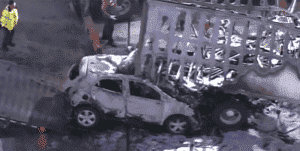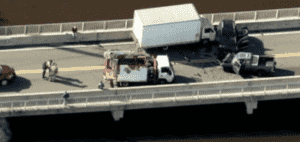
The Law Offices of Anidjar and Levine investigates Florida delivery and courier accidents by examining driver negligence, employer responsibility, vehicle ownership, and applicable commercial or personal insurance coverage. Attorneys may preserve evidence, including crash reports, delivery records, dispatch communications, maintenance documents, photographs, witness statements, and medical records. Legal counsel can address insurer disputes, comparative negligence, lost income, medical expenses, property damage, and long-term injuries. Because Florida deadlines may limit recovery, prompt evaluation is important. For additional guidance, consult a Florida Personal Injury Lawyer to assess your claim and legal options.
Main Takeaways
- Florida delivery-collision claims may involve driver negligence, employer responsibility, vehicle ownership, and commercial insurance coverage.
- Lawyers review crash reports, photographs, witness statements, medical records, delivery records, GPS data, and employment information.
- Common causes include distracted driving, speeding, unsafe parking, fatigue, poor route planning, and inadequate vehicle maintenance.
- Potential compensation may include medical expenses, lost income, property damage, pain and suffering, rehabilitation, and future accident-related needs.
- Attorneys can address insurance disputes, policy exclusions, liability limits, evidence preservation, and settlement negotiations.


How We Can Help With Your Florida Car Accident Delivery & Courier Accidents Injury Claim
When a delivery or courier driver causes a collision in Florida, an injured person may face complex questions involving negligence, insurance coverage, and potential employer liability. A focused legal review can clarify available remedies while allowing the injured individual to concentrate on medical care and recovery.
Florida delivery driver collisions may involve complex issues of insurance, negligence, and employer liability that require careful legal review.
Counsel may collect crash reports, witness statements, photographs, medical records, and employment information to establish how the incident occurred and identify responsible parties. The review may also examine personal auto policies, commercial coverage, rideshare or delivery-platform terms, and applicable statutory requirements.
When an insurer delays, undervalues, or rejects a valid claim, representation may include appeals of insurance denials supported by documented evidence and policy analysis. Assistance with negotiating settlement offers can help evaluate compensation for treatment, lost income, property damage, and other legally supported losses without accepting an inadequate resolution.
Throughout the claim, organized communication with insurers and opposing parties can reduce confusion and preserve important deadlines. A careful approach serves the client’s interests while promoting accurate, fair, and efficient claim resolution.
OUR CONSULTATIONSARE FREE
START YOUR FREE CASE REVIEW

Understanding Florida Car Accident Delivery & Courier Accidents Injury Cases
Florida delivery and courier accident injury cases often involve overlapping issues of driver negligence, commercial insurance coverage, and potential employer responsibility. These claims require careful evaluation of how the collision occurred, who controlled the vehicle, and whether the driver was working at the time of the incident. The injured person’s legal position may depend on employment status, company policies, vehicle ownership, and applicable Florida insurance requirements.
Injury cases also require reliable evidence concerning medical treatment, lost income, rehabilitation, and anticipated future needs. Promptly documenting medical history can help link symptoms to the accident and establish the severity of the resulting conditions. Records should be preserved consistently, including emergency reports, physician evaluations, diagnostic results, prescriptions, and therapy notes.
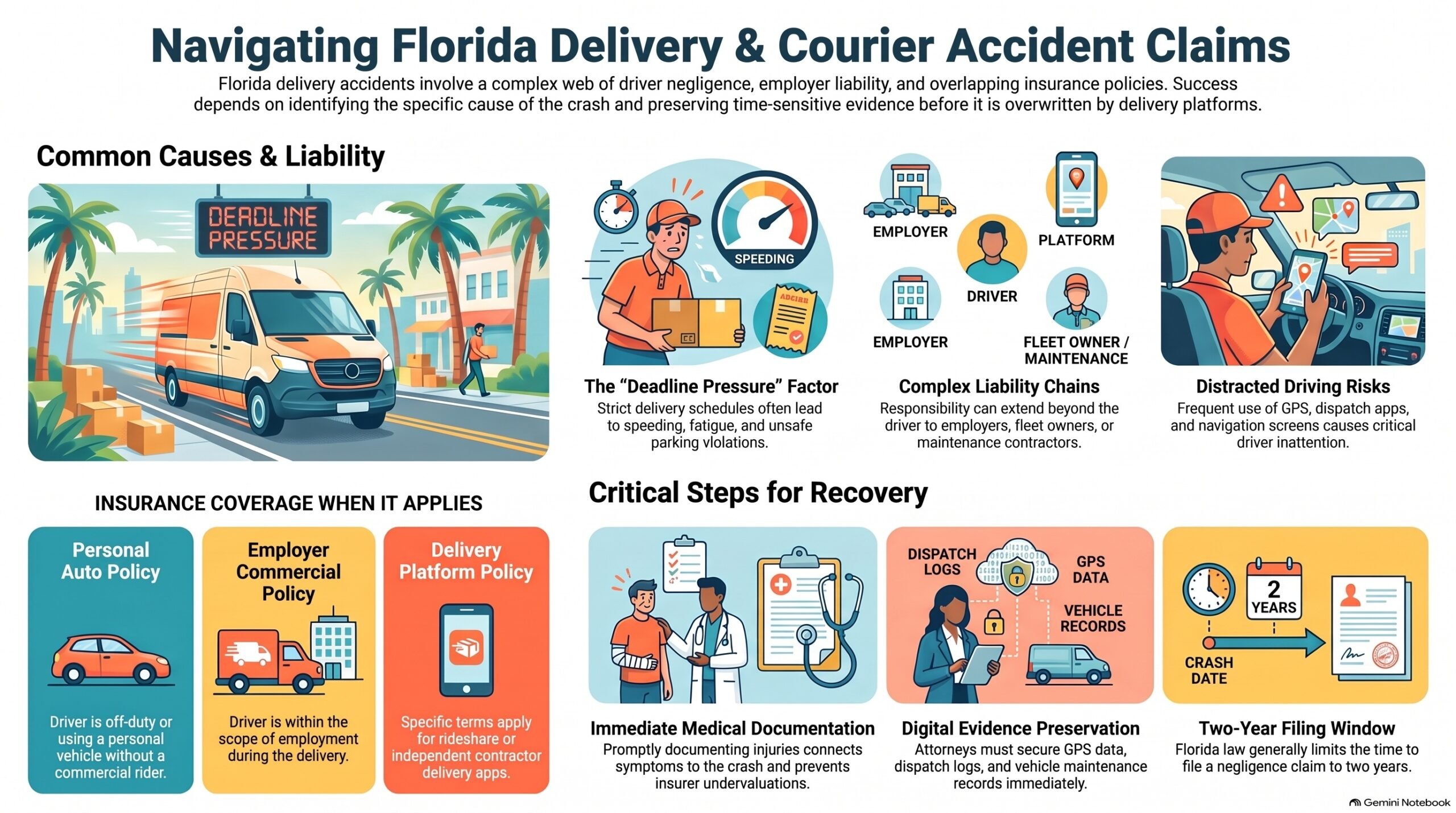
Insurance coverage options may include the driver’s personal policy, an employer’s commercial policy, and additional available coverage. Because policy exclusions and liability limits can affect recovery, claimants benefit from organized documentation and informed legal review. A careful assessment supports fair treatment and helps protect resources for recovery, family responsibilities, and continued service to others.
Common Causes of Florida Car Accident Delivery & Courier Accidents
Florida delivery and courier accidents commonly result from distracted driving, speeding, and pressure to meet delivery deadlines. Unsafe parking practices may expose drivers, passengers, and other motorists to preventable collisions, while vehicle maintenance failures can compromise braking, steering, or other required systems. Each factor may contribute to liability and requires careful evaluation of the circumstances surrounding the crash.
Distracted Driving
Distracted driving is a frequent cause of crashes involving delivery and courier vehicles in Florida, where drivers may face pressure to meet deadlines, navigate through unfamiliar routes, and manage multiple deliveries. Distractions can include reading navigation screens, handling mobile devices, reviewing delivery instructions, eating, or communicating with dispatch personnel while the vehicle is moving. Even brief inattention may prevent a driver from recognizing a pedestrian, traffic signal, or changing roadway condition. After a collision, injured individuals and their families may preserve relevant evidence, including phone records, dispatch communications, vehicle data, and Email documentation related to the assignments. Witness statements can also help establish whether the driver was visually, manually, or cognitively distracted. Careful investigation may clarify responsibility and support fair compensation for medical care, lost income, and related losses.
Speeding And Delays
When delivery and courier drivers speed to meet deadlines or compensate for delays, they may have less time to react to traffic changes, pedestrians, and roadway hazards. Pressure from dispatch schedules, customer expectations, and performance metrics can encourage unsafe acceleration or following distances. Speeding may also increase the severity of collisions by reducing control and extending stopping distances. After a crash, a Traffic ticket may provide evidence that the driver violated a speed restriction, although a citation alone does not establish complete legal responsibility. A liability evidence review can examine GPS data, delivery timestamps, vehicle records, witness statements, roadway conditions, and applicable company policies. Attorneys may assess whether the driver, employer, contractor, or another responsible party contributed to the incident, helping injured individuals pursue accountability while preserving their ability to serve their communities.
Unsafe Parking
Unsafe parking by delivery and courier drivers can create sudden hazards for motorists, pedestrians, and cyclists. Vehicles stopped in travel lanes, crosswalks, bike lanes, or near intersections can obstruct visibility and force others into unsafe actions. Delivery zone violations may also block accessible parking areas, bus stops, fire lanes, and narrow residential streets, disrupting the movement of people who rely on clear, predictable routes. Insecure loading practices, such as leaving doors open or placing packages in the roadway, can increase the risk of collisions and falls. Drivers serving customers and communities should select lawful stopping locations, activate appropriate warning signals, and keep loading activity away from moving traffic whenever possible. When unsafe parking contributes to an accident, evidence may include photographs, witness accounts, delivery records, and surveillance footage from nearby businesses or residences.
Vehicle Maintenance Failures
Vehicle maintenance failures can make delivery and courier vehicles unsafe for drivers and others sharing Florida’s roads. Worn brake pads, leaking hydraulic systems, defective lights, and neglected steering components may prevent a driver from reacting safely during traffic or at intersections. Brake failure liability may extend beyond the operator when an employer, fleet owner, or maintenance contractor failed to perform required inspections, repairs, or recalls. Tires and traction issues are also significant, particularly during Florida’s heavy rain, when worn tread or improper inflation can increase stopping distances and cause hydroplaning. Records showing inspection schedules, repair requests, service invoices, and vehicle condition can help identify responsibility after a collision. Prompt investigation may preserve evidence and clarify whether preventable maintenance deficiencies contributed to injuries, property damage, or roadway hazards.
Don’t Wait. Call Our Florida Personal Injury Lawyers Now!


Legal Rights of Florida Car Accident Delivery & Courier Accidents Injury Victims
Florida delivery and courier accident injury victims may have legal rights to seek compensation for medical expenses, lost income, property damage, pain and suffering, and other losses caused by another party’s negligence. These rights can help injured individuals recover stability while continuing to support families, customers, and communities.
Florida delivery and courier accident victims may pursue compensation for medical costs, lost income, property damage, pain, and other negligence-related losses.
- Victims may pursue claims against negligent motorists, employers, vehicle owners, or other responsible parties, depending on the evidence.
- Insurance coverage disputes may affect available benefits, liability decisions, and settlement negotiations.
- Injury victims should preserve medical records, photographs, witness information, employment documentation, and related expenses.
- Attorneys may address spoliation of evidence laws when a party fails to preserve vehicle data, surveillance footage, delivery records, or other relevant evidence.
Florida law establishes deadlines for filing personal injury claims, and missing them may bar recovery. Prompt legal evaluation can clarify potential defendants, applicable insurance policies, damages, and procedural requirements. A qualified lawyer can communicate with insurers, protect the victim’s interests, and pursue fair compensation through negotiation or litigation when necessary.
Why Do Florida Car Accident Delivery & Courier Accidents Injuries Happen?
Delivery and courier accident injuries often occur when time-sensitive work pressures combine with negligent driving, inadequate training, or unsafe operating practices. Drivers may speed, follow too closely, change lanes abruptly, or ignore traffic signals while attempting to meet delivery deadlines. Route-planning failures can place drivers on congested roads, unfamiliar streets, or unsafe loading areas, increasing the risk of collisions. GPS distraction may divert attention from traffic, pedestrians, bicyclists, and changing roadway conditions. Fatigue also contributes when extended shifts, insufficient breaks, or demanding schedules reduce alertness and reaction time. Poor vehicle maintenance, unsecured cargo, defective equipment, and inadequate supervision may create additional hazards. Some injuries result from employers’ failure to provide defensive-driving instruction or enforce safe policies. Weather, construction, and Florida’s heavy seasonal traffic can further complicate delivery routes. When these factors combine, drivers, passengers, customers, and other road users may suffer preventable harm while attempting to support their communities through critical services.
What Should You Do After a Florida Car Accident Delivery & Courier Accident Injury?
After a delivery or courier accident in Florida, the injured individual should seek immediate medical care, even if symptoms initially appear minor. The accident should be reported promptly to law enforcement and, when applicable, the employer or delivery company. Detailed records of medical evaluations, symptoms, photographs, and other injury-related evidence should be preserved to document the condition and support any potential claim.
Seek Immediate Medical Care
When a delivery or courier accident causes an injury, the injured person should obtain immediate medical care, even if symptoms initially appear minor. Some conditions, including concussions, internal injuries, and spinal trauma, may develop gradually and require prompt evaluation. Emergency personnel should be contacted when severe pain, bleeding, difficulty breathing, confusion, weakness, or loss of consciousness occurs. If transport is necessary, the injured individual should avoid driving and allow a qualified person to provide assistance. Medical providers should receive accurate information about symptoms, medications, and relevant health conditions so they can determine appropriate treatment. Emergency contact notes should be kept accessible for caregivers and medical staff. Until evaluated, the injured person should rest, avoid unnecessary movement, and follow Safe hydration tips by taking small sips only when fully alert and able to swallow.
Report The Accident
If a Florida delivery or courier accident causes an injury, the incident should be reported promptly to the appropriate law enforcement agency, even when the damage initially appears limited. A responding officer can document the collision, identify involved parties, and create an official report that may assist with insurance and legal procedures. The driver should provide accurate information without speculating about fault or minimizing what occurred. If circumstances permit, Photo documentation of vehicle positions, roadway conditions, traffic controls, and visible property damage can preserve relevant facts. Witness statements, including names and contact information, may also clarify how the collision happened. Delivery companies should receive timely notice through established reporting channels, while dispatch records, route information, and other operational details should be preserved for authorized investigators and counsel.
Document Your Injuries
Documenting injuries begins with obtaining a prompt medical evaluation, even when symptoms initially seem minor. A healthcare professional can identify conditions that may worsen and create an objective record connecting the injuries to the collision. The injured delivery or courier worker should follow all treatment instructions and retain medical records, prescriptions, bills, and work restrictions.
Pain journal updates should describe discomfort, limitations, medications, sleep disruption, and changes in daily activities. Consistent symptom severity tracking can help demonstrate how symptoms develop over time. Photo documentation should capture visible bruising, swelling, wounds, vehicle damage, and relevant surroundings when safe and appropriate. Injury progression notes should record appointments, diagnoses, therapies, and missed work. These records may assist legal counsel, insurers, and medical providers in evaluating the claim accurately and supporting a fair recovery.
Don’t Wait. Call Our Florida Personal Injury Lawyers Now!
Critical Evidence in a Florida Car Accident Delivery & Courier Accidents Injury Case
Critical evidence can establish liability, document damages, and clarify the delivery driver’s role in a Florida collision.
- Accident scene photos
- Delivery driver records
- Vehicle maintenance documents
- Witness contact information
Preserving these materials promptly may help an attorney evaluate the claim and identify responsible parties.
Accident Scene Photos
Accident scene photos can preserve objective evidence in a Florida delivery or courier accident case before vehicles, road conditions, and surrounding details change. Images should document vehicle positions, visible damage, traffic signals, lane markings, skid marks, debris, weather, lighting, and nearby hazards. Photographs taken from multiple angles may help clarify how the collision occurred and whether roadway conditions contributed. Injured individuals should prioritize safety and medical care, asking another person to photograph the scene when necessary. Counsel may compare these images with Witness statements, dashcam footage, repair estimates, and other available evidence. Clear, time-stamped photographs can assist insurance adjusters evaluating liability and damages. They may also support claims involving medical billing by connecting documented injuries to the collision. Prompt preservation helps serve affected individuals and protect accurate, fair recovery.
Delivery Driver Records
Delivery driver records may provide essential evidence in a Florida car accident and courier accident injury case, particularly when the driver’s work duties, schedule, or vehicle operation are disputed. Delivery driver logs can show departure times, stops, driving periods, and breaks, helping establish whether fatigue, haste, or unauthorized activity contributed to the collision. Timekeeping discrepancies may reveal pressure to complete assignments, inaccurate reporting, or inconsistencies between claimed work hours and actual events. Route compliance records can indicate whether the driver followed assigned directions, made unapproved detours, or entered restricted areas before the crash. Dispatch instruction proof, including messages and electronic assignments, may clarify what the company directed the driver to do and when. Preserving these records promptly can help injured individuals and their advocates present an accurate account and pursue fair accountability.
Vehicle Maintenance Documents
Alongside driver logs and dispatch records, vehicle maintenance documents can help establish whether a mechanical defect contributed to a Florida delivery or courier accident. Brake inspections may reveal missed service intervals, worn components, or unresolved issues that affect braking performance. Maintenance logs can show who performed repairs, which parts were replaced, and whether recommended work was delayed or declined. Records concerning safety recalls may establish that a manufacturer identified a known hazard and that corrective action remained outstanding before the collision. Documentation of tire condition, including tread depth, pressure checks, and replacement dates, may help determine whether tire failure or reduced traction contributed to the incident. Preserving these materials can clarify responsibility, support an injured person’s claim, and encourage transportation practices that protect customers, pedestrians, and other road users.
Witness Contact Information
Why witnesses saw the collision, its conditions, and the conduct of those involved can be pivotal to a Florida delivery or courier accident injury case. After emergency needs are addressed, an injured person or representative should locate accident witnesses, including pedestrians, customers, nearby drivers, and business employees. The investigator should obtain contact details promptly, because memories may fade and witnesses may relocate. Names, telephone numbers, email addresses, and physical addresses should be recorded accurately, with permission to follow up. Witnesses may describe traffic signals, vehicle speed, loading activity, road hazards, and statements made after impact. Counsel can request copies of statements from responding agencies, insurers, or businesses that documented interviews. Investigators should preserve witness photos, videos, and written accounts in their original form, documenting when and how each item was obtained.
Long-Term Effects of Florida Car Accident Delivery & Courier Accidents Injuries
Florida delivery and courier accident injuries may produce chronic pain conditions that interfere with mobility, employment, and daily activities long after the collision. Survivors may also experience emotional and mental effects, including anxiety, depression, or trauma-related symptoms. Ongoing medical expenses for treatment, rehabilitation, medication, and follow-up care can create significant long-term financial burdens.
Chronic Pain Conditions
When injuries from a Florida delivery or courier vehicle accident fail to resolve, they may develop into chronic pain conditions that affect mobility, sleep, concentration, and the ability to work. Persistent neck, back, shoulder, or joint pain can require continuing medical care, physical therapy, medication management, injections, or surgery. Limited movement may interfere with lifting packages, driving, making deliveries, assisting customers, and completing household responsibilities. Pain-related sleep disruption can worsen fatigue and concentration, and certain symptoms may warrant evaluation for a Sleep Apnea Diagnosis when breathing problems or disrupted sleep are present. Medical records may document functional limitations, treatment needs, and Work Capacity Restrictions. A thorough assessment can help identify whether symptoms are temporary, progressive, or permanent and clarify the long-term support and compensation required for affected individuals.
Emotional And Mental Effects
Emotional and mental effects may persist long after physical injuries from a Florida delivery or courier vehicle accident appear to stabilize. Survivors may experience anxiety, depression, irritability, sleep disruption, or reduced confidence while driving and working. Post-traumatic symptoms can include intrusive memories, heightened alertness, avoidance, and distress triggered by traffic conditions resembling the collision. These effects may interfere with concentration, relationships, job performance, and the ability to serve customers or reliably support family members. Some individuals may also struggle with grief, guilt, or fear that another crash will occur. Helpful coping strategies can include counseling, trusted social support, gradual return to routine activities, stress-management practices, and trauma-informed treatment. Recognizing these conditions early may encourage appropriate assistance and preserve dignity throughout recovery.
Ongoing Medical Expenses
Although some injuries from a Florida delivery or courier vehicle accident may improve with initial treatment, ongoing medical expenses can continue for months or years. Continued care may include physical therapy, expert evaluations, diagnostic testing, assistive equipment, and follow-up procedures. Pain management options can range from rehabilitation and injections to prescribed medication, depending on the injury and medical guidance. Prescription medication costs may become substantial, particularly when treatment requires long-term refills. Accident victims should preserve medical records, invoices, and receipts while monitoring insurance claim deadlines, as missing them could affect available compensation. Medical billing mistakes, including duplicate charges or incorrect insurance coding, can increase financial pressure and delay reimbursement. A careful review of projected treatment needs can help establish the accident’s full economic impact and support an informed claim for necessary care.
Proving Liability in Florida Car Accident Delivery & Courier Accidents Injury Cases
How liability is established in a Florida delivery or courier accident depends on identifying the negligent party and proving that the negligence caused the resulting injuries and losses. Evidence may include traffic-camera footage, vehicle damage, photographs, witness statements, police reports, and medical records. Delivery logs, dispatch data, phone records, and employer policies may also help establish whether a driver, transportation company, contractor, or another motorist contributed to the collision.
A claimant must generally show that the responsible party owed a duty of reasonable care, breached that duty, and caused measurable harm. Comparative negligence defenses can reduce recovery if the injured person is found partly responsible, making accurate evidence especially important. The claimant should also understand Insurance claim timelines, because delayed notice or incomplete documentation may complicate evaluation of damages. For individuals committed to serving others, careful preparation helps protect access to treatment, income replacement, and fair compensation while preserving reliable evidence for a formal liability determination.
Dealing With Insurance Companies After a Florida Car Accident Delivery & Courier Accidents Injury
After a Florida delivery or courier accident, the injured person may need to communicate with multiple insurance companies, including the driver’s insurer, an employer’s commercial carrier, and the injured person’s own provider. Each insurer may seek statements, medical records, employment information, or authorization to inspect damage. Careful communication helps protect the injured person’s rights while avoiding speculative comments about fault, recovery, or future treatment.
A representative should review coverage details, policy limits, exclusions, and the relationship between the courier and the delivery business. Police report accuracy also matters because errors concerning road conditions, vehicle positions, or witness accounts can influence an insurer’s evaluation. Promptly identifying inaccuracies and preserving supporting evidence may help clarify responsibility.
Claim valuation strategies should account for documented medical expenses, lost income, reduced earning capacity, property damage, and continuing care. An attorney can help organize records, assess settlement offers, and respond to unreasonable requests without sacrificing the injured person’s dignity or long-term interests.
What to Expect During a Florida Car Accident Delivery & Courier Accidents Injury Claim Process
A Florida delivery or courier accident injury claim generally begins with promptly reporting the accident and preserving relevant records. The process then involves investigating liability, documenting injuries and medical expenses, and evaluating available insurance coverage. Resolution may occur through settlement negotiations or, when necessary, formal litigation.
Reporting The Accident
When a delivery or courier driver is involved in a car accident in Florida, promptly reporting the collision helps establish an accurate record of the incident and may support a later injury claim. The driver or injured person should report to the police when required, especially if there are injuries, significant damage, or unsafe conditions. A timely report should state the date, location, involved vehicles, and known injuries without speculation. Insurance notification should be provided promptly to the appropriate personal, commercial, or employer-related carrier, while communications should remain factual and consistent. The injured person should preserve medical records, including emergency evaluations, treatment notes, prescriptions, and follow-up instructions. It may also help to gather witness statements and contact information, and to retain photographs, incident numbers, and delivery records relevant to documenting the accident.
Investigating Liability
Establishing liability in a Florida delivery or courier accident typically requires a careful review of how the collision occurred, who controlled the vehicle, and whether the driver was acting within the scope of assigned work. An attorney may examine crash reports, photographs, traffic citations, witness accounts, vehicle data, dispatch records, and delivery instructions. Evidence preservation is crucial because surveillance footage, electronic logs, and app records may be overwritten or altered as part of routine business practices. The investigation can also determine whether responsibility extends beyond the driver to an employer, contractor, vehicle owner, maintenance provider, or another party. An insurance coverage investigation identifies applicable commercial, personal, or excess policies and potential coverage disputes. Counsel may communicate with insurers, request records, and develop a liability position based on verified facts.
Documenting Your Injuries
Documenting injuries begins with prompt medical evaluation and consistent follow-up care, even when symptoms initially appear minor. Medical records should accurately describe pain, limitations, diagnoses, treatment recommendations, and changes in condition. Delivery and courier workers should preserve bills, prescriptions, therapy records, diagnostic images, and written instructions, and maintain a symptom journal that links restrictions to job duties and daily activities. Photographs of visible injuries and organized wage-loss documentation may support evidence gathering. These materials help establish the types of damages associated with medical expenses, reduced earnings, and ongoing impairment. Consistent reporting also helps address liability defenses that attempt to attribute symptoms to prior conditions or unrelated events. Accurate documentation provides a reliable foundation for evaluating the claim and informed settlement negotiation without overstating the injury’s effects.
Resolving The Claim
Resolving a Florida delivery or courier accident claim typically involves evaluating liability, documenting damages, negotiating with insurers, and determining whether litigation is necessary. The injured person’s representative may review crash reports, medical records, employment information, and delivery logs to establish the accident’s causes and financial consequences. Careful fault determination steps can identify negligent drivers, employers, vehicle owners, or other responsible parties. Insurance negotiation strategies may include presenting a demand supported by medical evidence, lost-income calculations, and documentation of ongoing care needs. Insurers may dispute liability or seek to minimize losses, requiring organized responses and ongoing evidence gathering. If negotiations do not produce a fair resolution, a lawsuit may be filed before applicable deadlines expire. Throughout the process, counsel can protect the claimant’s interests while seeking compensation that supports recovery, family obligations, and continued service to others.
Compensation for Florida Car Accident Delivery & Courier Accidents Injury Damages
When a Florida delivery or courier driver causes a collision, an injured person may be entitled to compensation for the full range of legally recognized damages. Eligibility may depend on evidence of negligence, such as unsafe driving, inadequate vehicle maintenance, or unreasonable delivery demands. Liability can also involve an employer, contractor, vehicle owner, or insurer, depending on the working arrangement and available coverage.
A careful claim requires prompt preservation of photographs, reports, witness information, medical records, and delivery-related evidence. Comparative negligence impact should be evaluated because an injured person’s assigned share of responsibility may reduce the recoverable amount under Florida law. Insurance claim tactics may include early settlement offers, disputed liability, requests for recorded statements, or attempts to minimize the seriousness of injuries. Legal counsel can communicate with insurers, identify all potentially responsible parties, and protect the injured person from avoidable admissions. A resolution should account for the person’s recovery, responsibilities, and continuing need for assistance without sacrificing lawful rights.
Economic vs Non-Economic Damages in Florida Car Accident Delivery & Courier Accidents Cases
Florida delivery and courier accident claims may include economic damages such as medical expenses, lost income, and reduced earning capacity. Non-economic losses can include pain and suffering, emotional distress, and diminished quality of life. Compensation is calculated by evaluating documented financial losses alongside the severity and lasting impact of the claimant’s injuries.
Economic Damage Categories
Economic damages in Florida delivery and courier accident cases compensate for specific, measurable financial losses caused by the collision. Recoverable categories may include emergency treatment, hospital services, physician visits, medication, rehabilitation, medical equipment, and reasonably necessary future care. Medical documentation helps establish the nature, cost, and duration of treatment. Lost wages may cover missed work, reduced earning capacity, or time spent attending appointments. For couriers, additional losses can include vehicle repairs, towing, rental transportation, damaged delivery equipment, and documented business interruption. Receipts, payroll records, tax documents, and repair estimates support these claims. Liability evidence remains important because insurers evaluate whether the collision caused each expense. During insurance negotiations, organized records and a clear pain assessment can help distinguish compensable treatment from unrelated or unnecessary charges.
Non-Economic Losses
Although non-economic losses do not come with fixed invoices, they represent significant harm caused by a delivery or courier accident. These losses may include physical pain, emotional distress, inconvenience, reduced enjoyment of life, and lasting limitations. A person injured while serving customers or transporting goods may also experience anxiety, sleep disruption, or diminished ability to participate in family and community responsibilities. Medical documentation can establish the nature and persistence of these conditions, while a physician’s pain prognosis may clarify expected recovery and potential long-term effects. Careful communication with insurers helps prevent inaccurate statements from weakening a claim. Evidence preservation, including treatment records, photographs, witness information, and personal accounts of daily limitations, may further demonstrate the accident’s human consequences. Non-economic harm remains distinct from documented financial expenses and requires individualized evaluation.
Calculating Delivery Accident Compensation
Calculating compensation after a delivery or courier accident requires separating economic damages from non-economic damages and evaluating how each reflects the injured person’s losses. Economic damages may include emergency care, rehabilitation, medication, vehicle repairs, future medical treatment, and documented loss of income. Wage loss estimates can account for missed work, reduced earning capacity, and the long-term effect of disability on a delivery driver or other worker.
Non-economic damages address pain, emotional distress, physical impairment, disfigurement, and diminished enjoyment of life. Their value depends on the severity, duration, and personal consequences of the injuries rather than fixed bills. Evidence may include medical records, employment documentation, expert opinions, and testimony from family members.
Additional recovery may involve punitive damages for exceptionally wrongful conduct. Insurance bad faith may create separate remedies when an insurer improperly refuses or delays a valid claim.
Don’t Wait. Call Our Florida Personal Injury Lawyers Now!
When a Florida Car Accident Delivery & Courier Accidents Injury Case Goes to Trial vs Settlement
When a Florida delivery or courier accident injury claim cannot be resolved through negotiations, the case may proceed to trial, where a judge or jury determines liability and damages. Settlement often offers a faster, more predictable resolution, allowing an injured person to receive compensation without the expense, delay, and uncertainty of courtroom proceedings. It may also provide privacy and reduce the burden on someone focused on recovery and serving others.
Trial may become necessary when insurers dispute responsibility, undervalue losses, or refuse a reasonable offer. Attorneys may examine patterns of negligence, shared fault, vehicle maintenance, delivery schedules, and employment relationships. Evidence challenges can materially affect whether witnesses, records, photographs, or electronic data establish what occurred. Policy exclusions may create additional disputes concerning available insurance coverage.
A legal representative can compare the likely benefits, risks, costs, and timing of each option. The final decision generally remains with the injured claimant, after receiving informed advice based on the evidence and anticipated recovery.
Florida Laws That May Affect Your Florida Car Accident Delivery & Courier Accidents Case
Florida laws governing delivery and courier accident claims can affect liability, available insurance coverage, filing deadlines, and the amount of compensation an injured person may recover.
Central issues often include:
- Negligence Standards: A claimant generally must show that a driver or other responsible party breached a reasonable duty of care, causing the collision and documented injuries. Employment relationships may also affect an employer’s responsibility.
- Comparative Fault: Florida may reduce compensation when an injured person shares responsibility for the accident. Evidence concerning traffic conduct, visibility, speed, and vehicle maintenance can influence the assigned percentages.
- Insurance Requirements: Personal, commercial, employer, and rideshare policies may offer different levels of protection. Policy language and exclusions can determine which coverage responds to medical expenses, property damage, and other losses.
- Damage Rules: Recoverable damages may include medical care, lost income, reduced earning capacity, and pain and suffering, subject to applicable legal limitations.
A careful review of records, delivery assignments, vehicle data, and witness accounts can clarify rights while supporting service to injured community members.
The Statute of Limitations for Florida Car Accident Delivery & Courier Accidents Injury Cases
The statute of limitations establishes the deadline for filing a Florida personal injury lawsuit arising from a delivery or courier vehicle accident. Florida generally allows two years for negligence claims involving personal injury, although the applicable period can depend on the accident date, the circumstances of the injury, and the parties involved. Wrongful death claims generally must be filed within two years of death. Claims against governmental entities may involve shorter notice requirements and additional procedural rules.
Missing the deadline can permanently bar recovery, even when fault and damages are otherwise supportable. Comparative negligence may also reduce compensation when an injured person is found partly responsible, making timely evaluation of liability especially important. Accident victims and families should promptly document medical treatment, lost income, vehicle damage, witness information, and communications concerning the incident. Evidence preservation is crucial because surveillance recordings, electronic delivery records, driver logs, and vehicle data may disappear or become difficult to obtain. Early attention to deadlines helps maintain accountability while continuing to serve affected communities.
How a Florida Car Accident Delivery & Courier Accidents Lawyer Can Help You
After a delivery or courier vehicle collision, an experienced Florida car accident lawyer can evaluate liability, identify all potentially responsible parties, and protect an injured person’s legal rights from the outset. Counsel can serve clients by managing complicated claims while they focus on recovery and family responsibilities.
A Florida car accident lawyer can manage complex courier collision claims while protecting your rights and pursuing fair compensation.
- The lawyer can investigate crash evidence, review driver logs, employment records, insurance policies, and vehicle maintenance histories to determine whether a courier, employer, contractor, or insurer bears responsibility.
- Counsel can document injuries, coordinate medical records, and present damages clearly, including lost income, treatment costs, pain, and future care needs.
- By negotiating medical bills, the lawyer may seek reductions or payment arrangements that preserve more of the settlement for the injured client.
- Pursuing Rental Reimbursement, counsel can seek compensation for reasonable transportation expenses when a damaged vehicle requires repair or replacement.
The lawyer can also communicate with insurers, counter unfair valuations, prepare settlement demands, and pursue appropriate legal remedies when negotiations fail, supporting accountability and fair compensation.
When to Contact a Florida Car Accident Delivery & Courier Accidents Lawyer
Prompt legal guidance should be considered as soon as a delivery or courier accident causes injury, property damage, or uncertainty about fault. Early contact allows the injured person, driver, business, or family to understand applicable deadlines and preserve relevant records before evidence becomes difficult to obtain.
A lawyer should be consulted when injuries require medical treatment, symptoms develop later, or property damage affects transportation or work responsibilities. Legal guidance may also be appropriate when multiple vehicles, delivery companies, contractors, or commercial insurers are involved, creating questions about responsibility and available coverage.
Assistance becomes particularly important after Insurance claim denials, delayed responses, recorded statements, or requests for broad medical authorizations. Before accepting an insurer’s payment, a person may seek advice regarding medical expenses, lost income, repair costs, and continuing effects. Counsel can also help evaluate settlement negotiations when proposed terms may not reflect documented losses. Prompt consultation supports informed decisions while preserving the individual’s ability to respond responsibly and serve others safely.
Why You Need an Experienced Florida Car Accident Delivery & Courier Accidents Lawyer
An experienced Florida car accident delivery and courier accidents lawyer can identify the parties responsible for a collision, assess available insurance coverage, and protect evidence needed to support a claim. Delivery crashes may involve a driver, employer, vehicle owner, contractor, commercial insurer, or another negligent motorist. Determining each party’s role requires careful review of employment arrangements, dispatch records, maintenance documents, traffic evidence, and applicable Florida law.
Experienced counsel can also distinguish personal injury damages from property losses and document how injuries affect work, family responsibilities, and the ability to serve others. A thorough Case valuation considers medical treatment, future care, lost income, emotional distress, and comparative fault rather than relying on early insurer assessments. Counsel can develop a settlement strategy grounded in verified evidence, communicate with insurers, and address attempts to minimize responsibility. This representation allows an injured person to focus on recovery and community obligations while the legal process receives disciplined, informed attention.
How to Choose the Right Florida Car Accident Delivery & Courier Accidents Lawyer for Your Case
Choosing the right Florida car accident delivery and courier accidents lawyer requires attention to experience, resources, and the lawyer’s understanding of commercial insurance and delivery-related liability. A qualified attorney should have experience handling crashes involving delivery drivers, employer responsibility, rideshare platforms, and disputed coverage. Prospective clients should evaluate Client communication, including response times, accessibility, and the clarity of explanations provided throughout the claim.
The lawyer should describe a practical case strategy based on the accident’s facts, available insurance, medical evidence, and potential defendants. Strong representation also requires prompt preservation of evidence, including vehicle data, delivery records, photographs, surveillance footage, witness information, and electronic communications. Fee transparency is equally important; the engagement agreement should explain contingency percentages, case expenses, and any obligations if recovery is unsuccessful.
A careful consultation can help determine whether the attorney listens attentively, identifies meaningful issues, and offers realistic expectations. Selecting counsel with organized procedures and a service-oriented approach can support informed decisions while protecting the injured person’s rights.
About The Law Offices of Anidjar & Levine
The Law Offices of Anidjar & Levine represents individuals injured in delivery and courier vehicle crashes throughout Florida.
The firm assists drivers, passengers, pedestrians, and other affected individuals seeking accountability after collisions involving commercial vehicles.
Its attorneys examine crash reports, medical records, insurance coverage, employment relationships, and available evidence to identify potentially responsible parties.
This may include a delivery driver, transportation company, vehicle owner, contractor, or insurer.
The case evaluation process helps determine whether a claim may support compensation for medical treatment, lost income, property damage, pain, and future needs.
Attorney-client communication remains an important part of the firm’s approach.
Clients generally receive explanations regarding case developments, legal options, documentation, and potential challenges, allowing them to make informed decisions.
By handling negotiations and litigation responsibilities, the firm seeks to reduce administrative burdens during recovery.
Clear communication helps clients understand their options while experienced counsel manages negotiations, documentation, and litigation throughout the recovery process.
Individuals who serve communities through delivery work or daily travel may benefit from discussing their circumstances with qualified counsel promptly after a crash.

Frequently Asked Questions
Can I Pursue a Claim if I Was Injured by an Uninsured Delivery Driver?
An injured person may pursue a claim after being struck by an uninsured delivery driver, depending on the available insurance and the facts of the case. The person’s own uninsured coverage may compensate medical expenses, lost income, and qualifying losses, subject to policy limits and requirements. A claim might also involve the delivery company if negligent hiring, supervision, or vehicle ownership contributed to the collision. Prompt medical care, evidence preservation, and legal review can protect the injured person’s rights.
Are Delivery Companies Responsible for Accidents Caused by Independent Contractors?
Delivery companies may be held liable for accidents caused by independent contractors, but liability depends on the relationship and the circumstances. A vicarious liability overview considers whether the company controlled the driver’s work, represented the driver as an agent, or benefited directly from the delivery. Even without vicarious liability, direct negligence claims may arise from careless hiring, inadequate screening, unsafe policies, or insufficient supervision. Evidence, contracts, and applicable state law determine responsibility.
Can I Recover Damages if I Was Partially at Fault for the Accident?
A person may recover damages even when partly responsible, depending on applicable comparative fault rules. The court may assign each party a percentage of responsibility, resulting in claim reduction that reflects shared liability. Evidence matters, including collision reports, photographs, medical records, witness statements, and delivery records. Strong documentation can limit an unfair allocation of fault. Because deadlines and legal standards vary, professional guidance can help preserve available recovery and serve all affected interests.
What Happens if a Delivery Driver Was Using a Personal Vehicle?
If a delivery driver was using a personal vehicle, responsibility may depend on employment status, authorization, and the driver’s insurance policy. Vehicle ownership does not alone determine liability. The driver’s personal policy may provide primary or limited coverage, while the delivery company’s policy could apply through hired, non-owned, or commercial coverage. Negligence coverage and policy exclusions require careful review. An injured person should preserve evidence and seek guidance promptly to identify all responsible parties.
Can Family Members File Claims After a Courier Accident Causes a Fatality?
Yes, eligible family members may file claims when a courier accident causes a death, although Florida law generally requires the personal representative of the estate to bring the wrongful-death action. Wrongful Death Standing depends on statutory relationships, including surviving spouses, children, and, in some circumstances, parents or dependent relatives. Survivor Damages Claims may address lost support, medical expenses, funeral costs, and loss of companionship. Timely legal guidance helps protect each beneficiary’s interests and preserves available evidence.
—————————
Delivery and courier accidents in Florida can raise complex questions about fault, insurance coverage, employment status, and available compensation.
Injured individuals may face medical expenses, lost income, and lasting physical limitations while insurers work to minimize liability.
Florida Personal Injury Lawyer: The Law Offices of Anidjar and Levine can evaluate the circumstances, protect a claimant’s rights, and pursue appropriate compensation through negotiation or litigation.
Prompt legal guidance may help preserve evidence, identify responsible parties, and support a stronger injury claim.