
The Law Offices of Anidjar and Levine helps injured victims pursue compensation after a back injury caused by a crash, including medical treatment, lost income, reduced earning capacity, pain, and long-term spinal limitations.
Legal support may involve gathering police reports, medical records, imaging results, witness statements, and evidence of vehicle damage to establish fault and causation.
A Daytona Beach Car Accident Lawyer can also manage insurer communications, challenge low offers, and protect claim deadlines.
The following sections explain crucial steps in rights, evidence, and claims in greater detail.
Main Takeaways
- A Daytona Beach back car accident lawyer can help pursue compensation for medical care, lost income, pain, and future treatment needs.
- Strong claims rely on prompt medical care, imaging, treatment records, work restrictions, and documentation of daily limitations.
- Evidence such as police reports, vehicle photos, witness statements, and medical records can prove liability and causation.
- Legal guidance helps protect you before recorded statements, insurance releases, settlement offers, or claim denials.
- Back injuries may worsen over time, so early action helps preserve evidence and meet Florida compensation deadlines.
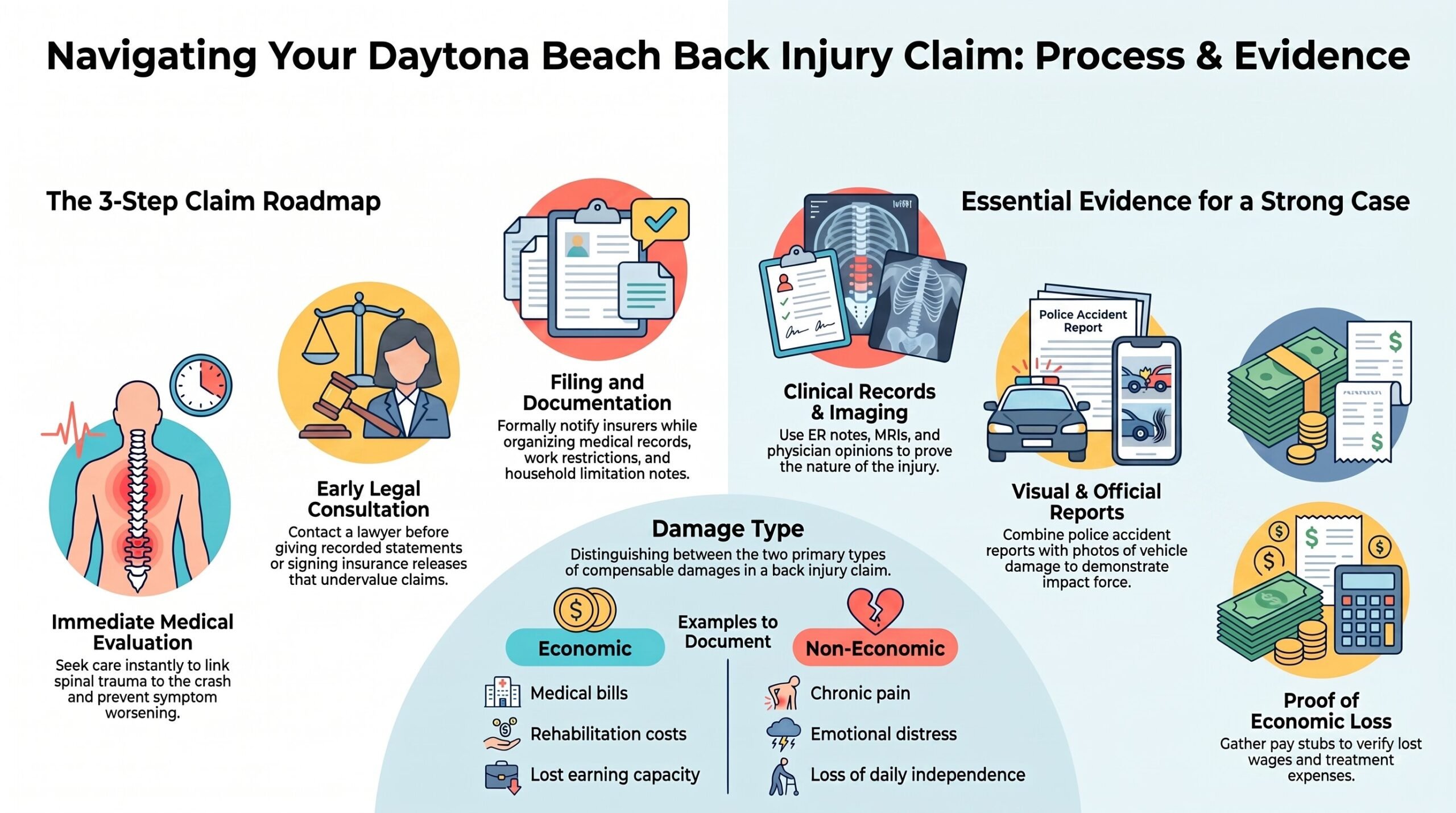
Navigating Back Injury Claim Process


How We Can Help With Your Daytona Beach Back Car Accident Injury Claim
After a back injury from a car accident in Daytona Beach, an injured person may face medical uncertainty, lost income, insurance pressure, and long-term physical limitations. A law firm can help by organizing evidence, communicating with insurers, and protecting the claimant from statements that may weaken the case. This support allows the injured person and family members to focus on recovery, caregiving, and practical needs.
Legal guidance may include reviewing medical records, documenting work restrictions, calculating future treatment costs, and evaluating long-term care needs when mobility or daily function is reduced. The firm may also respond to Claim Denials, prepare Insurance Appeals, and challenge settlement offers that do not reflect the full impact of the injury.
By coordinating with medical providers, employers, and insurance representatives, counsel helps build a clear claim for compensation. This work serves the injured person with diligence, order, and a commitment to fair treatment.
OUR CONSULTATIONSARE FREE
START YOUR FREE CASE REVIEW

Understanding Daytona Beach Back Car Accident Injury Cases
A strong claim begins with a clear understanding of how back injuries occur, how they are diagnosed, and how they affect daily life after a Daytona Beach car accident. These cases often involve strains, herniated discs, nerve compression, spinal fractures, or chronic pain that may not fully appear for days. Medical evaluation, imaging studies, treatment records, and physician opinions help establish the nature and severity of the injury.
A well-documented case also considers functional limitations, missed work, rehabilitation needs, and the burden placed on family members or caregivers. Back injuries can restrict mobility, reduce independence, and create emotional trauma when ordinary tasks become difficult. For those serving injured individuals, careful attention to these harms supports a more complete presentation of damages.
Insurers may question delayed symptoms, prior conditions, or the necessity of treatment, leading to insurance denials. Thorough evidence, consistent care, and clear documentation help protect the injured person’s claim.
Daytona Beach Back Car Accident Lawyer
Common Causes of Daytona Beach Back Car Accident
Back injuries in Daytona Beach car accidents often result from preventable driving behaviors and hazardous traffic events. Common causes include rear-end collisions, distracted driving, speeding accidents, and unsafe lane changes, each of which can place sudden force on the spine. Understanding these factors helps clarify how negligence may contribute to serious back trauma and related legal claims.
Rear-End Collisions
Rear-end collisions are among the most frequent causes of back injuries in Daytona Beach car accidents, often occurring when one vehicle strikes the rear of another during traffic slowdowns, sudden stops, or congested roadway conditions. The force of a rear impact can strain muscles, compress spinal structures, and aggravate preexisting conditions, leaving injured people in need of careful evaluation and practical support.
These crashes may involve following too closely, unsafe speed, poor braking, or Lane drift before contact. Evidence such as dash cam footage, vehicle damage patterns, witness accounts, and medical records can help clarify how the collision occurred. When liability is disputed, crash reconstruction may help explain impact angles and forces. Accurate documentation helps caregivers, advocates, and legal professionals serve injured individuals with diligence.
Distracted Driving
Distracted driving frequently contributes to Daytona Beach car accidents that result in back injuries, particularly when a driver’s attention shifts from the roadway to a phone, navigation system, passenger, or other in-vehicle distraction. Even a brief lapse can prevent timely recognition of slowing traffic, stopped vehicles, pedestrians, or changing road conditions. For injured occupants, the sudden force of impact may strain muscles, damage discs, or aggravate existing spinal conditions, limiting mobility and daily function.
Evidence of cellphone distraction may include call logs, messaging records, witness statements, vehicle data, or surveillance footage. Texting violations can help establish that a driver failed to exercise reasonable care. Attorneys evaluating these claims often examine how distraction caused the collision, documented injuries, and affected the injured person’s capacity to work, provide care, and recover.
Speeding Accidents
When a motorist exceeds the speed limit or drives too fast for traffic, weather, or roadway conditions, the risk of a serious Daytona Beach car accident increases substantially. Higher speeds reduce reaction time, lengthen stopping distance, and increase the force of impact, often causing severe back injuries to occupants. Speeding may also contribute to Traffic signal violations, especially when drivers attempt to beat a changing light rather than slowing safely.
In more severe cases, loss of control can lead to head-on collisions, placing victims at heightened risk of spinal trauma, chronic pain, and lasting impairment. Those who serve injured individuals should recognize speeding as a primary factor when evaluating liability, vehicle damage, roadway evidence, and the medical consequences that follow a preventable crash. Accurate documentation supports claims.
Unsafe Lane Changes
Unsafe lane changes are another frequent cause of car accidents in Daytona Beach, particularly on busy roads where speed, traffic density, and limited visibility reduce a driver’s margin for error. These crashes often occur when motorists fail to signal, check their blind spots, or judge the distance to nearby vehicles before changing lanes. Driver negligence may be evident when a person acts impatiently, weaves through traffic, or ignores road conditions that require greater caution.
For those committed to serving injured individuals, careful review of witness statements, traffic footage, and police reports can help identify unsafe conduct. Vehicle inspections may also reveal whether mirrors, lights, or safety systems were defective. Establishing how the lane change occurred is often crucial to determining fault and protecting the injured party’s rights.


Legal Rights of Daytona Beach Back Car Accident Injury Victims
After a car accident in Daytona Beach, victims who suffer back injuries may have the right to seek compensation for medical treatment, lost income, reduced earning capacity, and pain-related losses. These rights support physical recovery, family stability, and continued service to others when injury limits daily function.
Claims may involve liability insurance coverage, personal injury protection benefits, and evidence showing how the back injury affects work, caregiving, and community responsibilities.
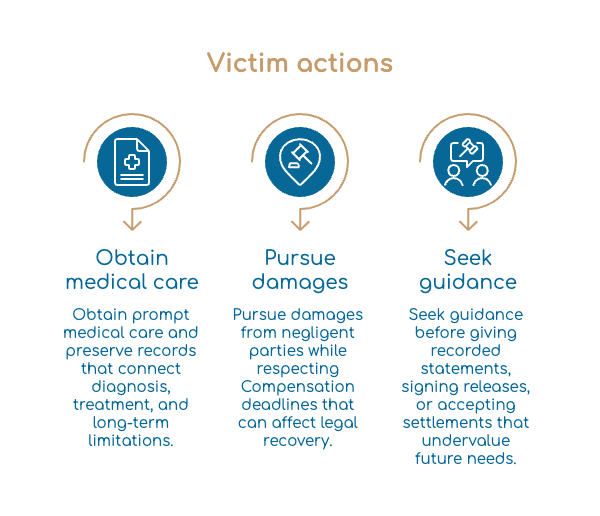
- Victims may obtain prompt medical care and preserve records that connect diagnosis, treatment, and long-term limitations.
- They may pursue damages from negligent parties while respecting Compensation deadlines that can affect legal recovery.
- They may seek guidance before giving recorded statements, signing releases, or accepting settlements that undervalue future needs.
A careful legal review helps identify available benefits, responsible parties, and the full scope of losses. This process allows injured individuals to protect their dignity while pursuing fair compensation.
Why Do Daytona Beach Back Car Accident Injuries Happen?
Because the spine absorbs force through muscles, ligaments, discs, nerves, and vertebrae, Daytona Beach back car accident injuries often happen when a collision places sudden stress on the body beyond its normal range of motion. Rear-end impacts, side collisions, and abrupt stops can cause the torso, neck, and lower back to move unevenly, creating strain that may not appear severe at first. The injured person’s age, posture, prior spinal condition, and seat position may influence the extent of harm.
These injuries also occur because vehicle crashes rarely distribute force evenly. A person may twist while bracing, leaning, or turning to assist a passenger, increasing pressure on vulnerable spinal structures. For those committed to caring for families, patients, coworkers, or community members, such injuries can disrupt daily service.
Insurance coverage disputes may arise when symptoms develop gradually, which can affect the settlement timeline and complicate evaluation of causation, treatment needs, and long-term limitations.
What Should You Do After a Daytona Beach Back Car Accident Injury?
After a Daytona Beach back car accident injury, prompt action can protect both a person’s health and any potential legal claim. The injured person should seek immediate medical care, document the accident scene and related evidence, and preserve records of symptoms, treatment, and expenses. Contacting a lawyer early can help ensure that insurance communications, liability issues, and claim deadlines are handled properly.
Seek Immediate Medical Care
Seek prompt medical evaluation for any back pain, stiffness, numbness, weakness, or limited mobility following a Daytona Beach car accident. Early care can identify disc injuries, fractures, nerve irritation, or soft tissue damage before symptoms worsen. A physician may recommend imaging, medication, physical therapy, or referral to a medical expert, depending on clinical findings. Consistent treatment also helps ensure that Back Treatment is properly guided and not delayed by uncertainty.
For individuals focused on supporting family, coworkers, or community responsibilities, timely care protects both health and capacity to serve. Missed appointments or long gaps may complicate recovery and later insurance follow-up, because insurers often review treatment history closely. Medical instructions should be followed carefully, including restrictions on lifting, driving, work duties, and activity until clearance.
Document The Accident
Document the accident as thoroughly as possible, since clear evidence can help connect a Daytona Beach crash to a resulting back injury. The injured person, or a trusted helper, should preserve Photo evidence of the roadway, skid marks, traffic signals, debris, and weather conditions. Images should also show vehicle damage from several angles, including close-up views and wider-scene context. Insurance photos may later help confirm impact severity and support a clear timeline of events.
Witness documentation is also important. Names, phone numbers, and brief statements from people who saw the collision may assist those evaluating what occurred. If officers respond, the report number should be recorded. Careful documentation serves the larger purpose of protecting truth, accountability, and the injured person’s ability to obtain appropriate support after harm.
Contact A Lawyer
When a back injury follows a Daytona Beach car accident, contacting a lawyer can help the injured person understand legal rights, insurance obligations, and the steps needed to protect a claim. Legal counsel can review medical records, crash documentation, and communications from insurers to determine whether compensation may be available for treatment, lost income, and ongoing limitations.
A Free legal consultation may allow the injured person or family to ask informed questions without immediate financial pressure. Counsel may also provide guidance on insurance claims, helping prevent statements or delays that could harm recovery efforts. For those committed to serving dependents, coworkers, or community responsibilities, timely legal support can preserve stability while the injury is evaluated. Prompt contact also helps safeguard evidence, deadlines, and negotiation options.
Critical Evidence in a Daytona Beach Back Car Accident Injury Case
Essential evidence in a Daytona Beach back car accident injury case may determine how fault, causation, and damages are evaluated. Essential materials often include: 1. police accident reports, 2. medical treatment records, and 3. vehicle damage photos, while witness statements may further clarify how the collision occurred. Proper preservation of these records can strengthen the injury claim and support a more accurate assessment of losses.
Police Accident Reports
After a back car accident in Daytona Beach, the police accident report often becomes one of the first pieces of evidence reviewed in an injury claim. This report may identify drivers, witnesses, roadway conditions, citations, vehicle positions, and the officer’s observations. For attorneys serving injured clients, it can help clarify responsibility and preserve facts before memories fade. Although the report is not always conclusive, it provides a structured starting point for further investigation.
Details may support Surveillance footage review, crash timeline reconstruction, and witness follow-up, especially when fault is disputed. Careful analysis can reveal inconsistencies, missing information, or statements needing verification. By promptly obtaining and reviewing the report, legal representatives can better protect the injured person’s interests and guide the claim with diligence.
Medical Treatment Records
In a Daytona Beach back car accident injury case, medical treatment records often serve as vital evidence linking the collision to the injured person’s back condition. These records may include emergency room notes, diagnostic imaging results, physician evaluations, therapy plans, prescriptions, and follow-up instructions. When organized carefully, they help show the nature of the injury, the recommended care, and whether the person followed medical guidance.
This documentation can also support the value of care provided by doctors, nurses, therapists, and other professionals dedicated to restoring health. Gaps in treatment or unclear records may invite denial of insurance coverage, particularly when insurers question causation or severity. Complete records can reduce disputes, address delayed settlement timelines, and assist counsel in presenting a clear, service-focused account of the injured person’s needs and recovery.
Vehicle Damage Photos
Vehicle damage photos can provide important visual evidence in a Daytona Beach back car accident injury case, especially when they show the force, direction, and point of impact. Clear images may help link rear-, side-, or front-end damage to the mechanism of a back injury, supporting a careful review of how the collision occurred.
Property damage documentation should include wide shots, close-up views, vehicle positioning, deployed airbags, broken parts, and any visible fluid leaks or frame damage. When preserved promptly, these photographs may also assist with insurance claim timing, because carriers often request proof soon after notice of loss. Careful photo collection serves injured persons by promoting accuracy, accountability, and fair evaluation. Images should be organized, dated, and kept with repair estimates, towing records, and related claim materials.
Witness Statements
Photographs may show what the vehicles looked like, but witness statements can explain what occurred before, during, and immediately after a Daytona Beach collision. Neutral observers may describe vehicle speed, lane position, braking, impact direction, and driver behavior, helping establish accident timelines with greater accuracy. Written statements should be gathered promptly, while memories remain clear, and should include contact information, location, lighting, traffic conditions, and any observed injuries or complaints.
Eyewitness credibility depends on vantage point, consistency, independence, and whether the person had distractions or bias. Proper witness consent is also important before recording conversations or sharing identifying details. For those serving injured clients, careful documentation can preserve reliable accounts, support liability analysis, and ensure that each person’s experience is handled respectfully and lawfully.
Long-Term Effects of Daytona Beach Back Car Accident Injuries
Back injuries from Daytona Beach car accidents may cause chronic pain complications that persist long after initial medical treatment ends. These injuries can also lead to mobility limitations or disabilities, affecting work capacity, daily routines, and overall independence. Emotional health impacts, including anxiety, depression, and stress, may further complicate recovery and influence the value of a legal claim.
Chronic Pain Complications
Why can a back injury from a Daytona Beach car accident continue to affect daily life long after the crash? Chronic pain complications may develop when damaged muscles, discs, nerves, or joints fail to recover fully. Persistent inflammation, nerve irritation, and scar tissue can cause pain that continues even after visible injuries appear to have resolved. For injured individuals and those assisting them, careful attention to symptoms is crucial.
Long-term treatment may include medical evaluations, imaging, therapy, injections, medication, and coordinated follow-up care. Pain Management often requires a structured plan that addresses physical discomfort, sleep disruption, emotional strain, and reduced participation in work or family responsibilities. Documentation of continuing pain, treatment response, and medical limitations can help clarify the lasting impact of a Daytona Beach back injury claim.
Mobility And Disability Issues
When a Daytona Beach car accident causes significant spinal trauma, the resulting mobility limitations may persist well beyond the initial recovery period. Injured individuals may struggle with walking, bending, lifting, standing, or completing essential household tasks. These restrictions can affect employment, caregiving duties, transportation needs, and the ability to serve family or community responsibilities. Evaluating spinal injuries often requires imaging, expert assessments, functional capacity testing, and careful review of treatment records.
Documenting assistive device use, therapy progress, and daily limitations can help clarify the extent of disability. Proving persistent pain is also important when movement remains reduced despite treatment. A legal evaluation may consider medical opinions, work restrictions, and future care needs to determine how long-term mobility loss affects damages after a Daytona Beach back injury claim.
Emotional Health Impacts
Although physical limitations often receive primary attention after a Daytona Beach back car accident, the emotional effects can be equally disruptive over time. Persistent pain, reduced independence, and uncertainty about regaining health may contribute to depression, irritability, or social withdrawal. Some injured individuals experience sleep disruption because discomfort, medication changes, or intrusive memories interfere with rest. Others develop driving anxiety, especially when traveling near the crash location or in similar traffic conditions.
These emotional health impacts can affect work, family responsibilities, caregiving roles, and community involvement. When a person who once served others becomes dependent on assistance, frustration and guilt may intensify. Careful documentation of counseling, medical evaluations, and daily limitations can help demonstrate the broader consequences of back injuries and support a more fully restored assessment.
Proving Liability in Daytona Beach Back Car Accident Injury Cases
A successful back injury claim after a Daytona Beach car accident depends on clear proof that another party’s negligence caused the collision and the resulting harm. Liability is commonly established through police reports, witness statements, traffic camera footage, vehicle damage patterns, and medical records linking the crash to spinal trauma. Negligence standards require proof that a driver owed a duty of care, breached that duty, and caused measurable injury.
Causation proof is especially important when back pain develops gradually or when the injured person had a prior condition. Medical providers may document herniated discs, nerve compression, soft tissue injury, or reduced mobility, helping connect the accident to the diagnosed harm.
Attorneys may also consult accident reconstruction experts when fault is disputed. For individuals committed to caring for families, coworkers, and community members, proving liability helps secure accountability and support recovery. Careful evidence gathering preserves facts before memories fade or records become harder to obtain.
Dealing With Insurance Companies After a Daytona Beach Back Car Accident Injury
After a Daytona Beach back car accident, insurance companies often begin evaluating the claim before the injured person fully understands the medical diagnosis, long-term limitations, or future treatment needs. Adjusters may request statements, review medical records, and examine prior health issues to reduce the value of the injury. Careful claim documentation, including treatment notes, imaging results, wage records, and pain-related limitations, helps present the harm accurately and responsibly.
Effective communication with insurers requires discipline, accuracy, and awareness of common Negotiation tactics. Early offers may not reflect ongoing care, lost earning capacity, or the need for supportive services. A lawyer can help protect the injured person from pressure, monitor the settlement timeline, and respond when delays or unreasonable denials suggest insurance bad faith. This support allows the injured person and family to focus on recovery, while ensuring the claim is handled with fairness, integrity, and attention to future needs.
What to Expect During a Daytona Beach Back Car Accident Injury Claim Process
A Daytona Beach back car accident injury claim typically begins with an initial medical evaluation, followed by the formal filing of a claim with the appropriate insurance carrier. The process then requires evidence that clearly connects the back injury to the collision, including medical records, diagnostic findings, and documentation of related losses. Depending on the strength of the evidence and the insurer’s position, the claim may proceed toward settlement negotiations or litigation.
Initial Medical Evaluation
Usually, the initial medical evaluation is the first required step in documenting a back injury after a Daytona Beach car accident, because it creates a formal record of symptoms, physical limitations, and potential trauma-related conditions. A physician may review pain levels, mobility restrictions, neurological signs, prior medical history, and the need for imaging or specialized care.
Documenting symptoms early helps connect the injury to the collision and supports appropriate treatment planning. For individuals serving injured clients, this record may later assist in insurance negotiations by demonstrating the seriousness and progression of the condition. Medical findings can also complement liability evidence, including crash reports, photographs, and witness interviews, by clarifying how the impact affected the body. Prompt evaluation protects health, preserves accuracy, and supports a well-organized injury claim.
Filing Your Claim
Once medical documentation is underway, filing a Daytona Beach back car accident injury claim generally involves notifying the appropriate insurance carriers, identifying available coverage, and organizing evidence that supports both liability and damages. This stage often includes opening a claim with the at-fault driver’s insurer, reviewing personal injury protection benefits, and preserving correspondence for later review.
A service-minded legal team may help ensure deadlines are met, forms are complete, and communications remain accurate. Understanding Fault vs negligence is important because insurers may examine conduct, traffic duties, and comparative responsibility before making decisions. The insurance claim timeline can vary based on policy limits, treatment status, adjuster review, and requested records. Careful claim filing helps protect the injured person’s interests while promoting an orderly, respectful process for all parties involved.
Proving Back Injuries
After a claim is opened, the focus often turns to proving that the reported back injury is connected to the Daytona Beach car accident and that it has caused measurable harm. Medical records, diagnostic imaging, physician opinions, and treatment history may help establish the nature and extent of the injury. Consistent documentation is important, especially when symptoms develop gradually or worsen over time.
Gathering witness evidence can also support the account of how the crash occurred and how the injured person’s limitations appeared afterward. Understanding comparative negligence is equally important, because any assigned fault may affect the value of available compensation. Service-minded advocates often organize this evidence carefully, helping to present the injured person’s condition accurately, with dignity and respect for the facts throughout the claim review.
Settlement Or Litigation
When the evidence has been gathered and the medical picture becomes clearer, a Daytona Beach back car accident injury claim may proceed toward settlement negotiations or, if necessary, litigation. During this stage, counsel evaluates liability, treatment records, wage loss, and future care needs to present a measured demand. Effective Negotiation Strategies may include documenting pain limitations, addressing insurance objections, and showing how the injury affects the claimant’s ability to work, care for family, and serve the community.
If the insurer refuses a fair resolution, Trial Preparation begins. This may involve depositions, expert opinions, exhibit organization, and witness planning. Litigation does not always lead to trial, but careful preparation often strengthens settlement discussions and protects the injured person’s right to full and responsible compensation under Florida law.
Compensation for Daytona Beach Back Car Accident Injury Damages
Because back injuries from a Daytona Beach car accident can affect mobility, employment, and daily function, compensation often depends on the full scope of the medical and financial harm involved. A careful evaluation may consider emergency treatment, diagnostic imaging, visits with medical consultants, therapy, medication, assistive devices, and future care needs. Medical cost proof is mandatory, since insurers and opposing parties often require clear records before assigning value to a claim.
Claim documentation may also include physician reports, work restrictions, wage records, photographs, witness statements, and notes showing how the injury limits household responsibilities or caregiving duties. Comparative negligence can reduce recovery if the injured person shares fault, making accurate evidence especially important. For individuals committed to serving families, workplaces, and communities, a back injury may disrupt their meaningful responsibilities and income. A lawyer may help organize evidence, address insurer challenges, and present the claim in a manner that reflects the injury’s practical impact.
Economic vs Non-Economic Damages in Daytona Beach Back Car Accident Cases
Economic damages in Daytona Beach back car accident cases often include medical bills, rehabilitation costs, and lost wages tied to the injury. Non-economic damages address the physical pain, emotional distress, and reduced quality of life that may follow a serious back injury. Proving both categories requires clear medical records, wage documentation, and evidence showing how the crash affected the injured person’s daily life.
Medical Bills And Lost Wages
Documenting medical bills and lost wages is a central part of valuing a Daytona Beach back car accident claim. These economic damages may include emergency care, imaging, therapy, prescriptions, injections, surgery, and future treatment recommended by physicians. Wage loss records may include pay stubs, employer statements, tax returns, and proof of reduced earning capacity when back injuries limit dependable work.
Accurate records support Insurance negotiations and help shape a claim strategy grounded in verifiable need. They also assist when traffic citation disputes, liability defenses, or comparative fault arguments complicate financial recovery. For those serving injured clients, organized documentation helps show how treatment costs and income losses affect daily stability. Clear proof allows the claim to reflect measurable harm without relying on assumption, exaggeration, or incomplete financial information.
Pain And Emotional Distress
While medical bills and wage records establish measurable financial losses, pain and emotional distress address the personal impact of a back injury after a Daytona Beach car accident. These damages may reflect chronic discomfort, limited mobility, sleep disruption, anxiety while driving, and reduced participation in family or service-centered responsibilities. The Workplace impact can also be significant when pain limits attendance, concentration, or physical duties, and concerns about wrongful termination may deepen emotional strain.
Unlike expenses documented in insurance paperwork, these losses require careful description during settlement negotiations because they involve dignity, independence, and daily functioning. A balanced claim recognizes that a person’s suffering is not merely financial; it affects relationships, purpose, and the ability to care for others consistently, patiently, and with stability after the crash.
Proving Damages After Crashes
After a Daytona Beach back car accident, ensuring a clear separation between financial losses and the personal harm caused by the injury. Economic damages may include medical bills, rehabilitation costs, lost wages, reduced earning capacity, and transportation expenses for treatment. Non-economic damages address pain, limited mobility, emotional distress, and loss of daily independence.
Careful documentation helps advocates present the injured person’s needs with integrity and compassion. Evidence preservation tips include saving medical records, photographs, repair estimates, employer statements, and written notes about symptoms and limitations. An effective Insurance dispute strategy compares documented losses with policy limits, medical opinions, and the insurer’s stated reasons for denial or reduction. Clear proof supports fair evaluation and helps ensure responsible parties address the harm caused.
When a Daytona Beach Back Car Accident Injury Case Goes to Trial vs Settlement
A Daytona Beach back car accident injury case may resolve through settlement when liability, medical causation, and the value of damages can be established without a courtroom dispute. A sound settlement negotiation strategy often begins with organized records, clear medical opinions, wage documentation, and a careful explanation of how the injury affects daily service, family responsibilities, and work.
Trial may become necessary when an insurer disputes the cause of the back injury, minimizes pain, challenges future care, or refuses to offer fair compensation. In that setting, counsel prepares witnesses, physicians, accident reconstruction materials, and a Trial evidence timeline that presents the claim in a structured manner. Trial can provide accountability, but it also requires time, preparation, and uncertainty.
For injured individuals who value stability and the ability to continue caring for others, settlement may offer closure. When fairness is not available, trial may serve as the path toward justice.
Florida Laws That May Affect Your Daytona Beach Back Car Accident Case
Because Florida personal injury law can shape both the value and direction of a claim, a Daytona Beach back car accident case should be evaluated with close attention to state-specific rules. These rules influence how injured people, families, caregivers, and advocates can pursue accountability while preserving dignity and needed support.
- Comparative fault may reduce compensation if the injured person is found partly responsible, making a careful review of the evidence crucial.
- Insurance coverage and Florida no-fault benefits can affect early medical payments, lost income support, and the path toward a claim against an at-fault driver.
- Medical lien rules may determine how hospitals, physicians, insurers, or public benefit programs are repaid from any recovery.
A thoughtful legal review can help identify available benefits, protect access to treatment, and prevent avoidable reductions. In service-focused cases, these laws matter because proper handling can strengthen financial stability while honoring the person’s recovery needs and long-term care.
The Statute of Limitations for Daytona Beach Back Car Accident Injury Cases
Florida’s filing deadlines are another legal factor that can directly affect a Daytona Beach back car accident injury claim. In Florida, an injured person generally has two years from the date of the crash to file a personal injury lawsuit. Missing this deadline can bar recovery, even when the back injury is serious and well documented. Families, caregivers, and service-minded community members should recognize that timely action helps preserve the injured person’s access to lawful remedies.
Insurance claim timelines may be shorter than the lawsuit deadline, especially when policies require prompt notice or early medical documentation. Delays can weaken the connection between the collision and spinal pain, disc damage, or mobility limitations. Comparative negligence rules may also influence the value of a claim if the injured person is found partly responsible for the crash. Careful attention to dates, records, and procedural requirements supports a more orderly pursuit of compensation under Florida law.
How a Daytona Beach Back Car Accident Lawyer Can Help You
Identifying the full impact of a back injury after a Daytona Beach car accident often requires legal guidance that addresses both medical evidence and insurance disputes. A Daytona Beach back car accident lawyer can organize records, consult treating providers, and present injury details in a manner that reflects the person’s physical limits, work disruptions, and caregiving responsibilities.
- Case evaluation: Counsel reviews crash reports, imaging results, treatment plans, and wage information to assess damages accurately and fairly.
- Insurance negotiation strategy: Counsel responds to claim challenges, compares policy limits, and counters low offers with documented proof, allowing the injured person to focus on recovery and service to family or community.
- Settlement timeline expectations: Counsel explains likely stages, including treatment progress, demand preparation, insurer review, and possible litigation steps, so decisions are made with patience and informed judgment.
This support helps protect dignity, resources, and future care needs.
When to Contact a Daytona Beach Back Car Accident Lawyer
After a collision causes back pain, numbness, limited mobility, or missed work, contacting a Daytona Beach back car accident lawyer should be considered as early as possible. Prompt legal contact helps preserve important details while the injured person focuses on treatment, family responsibilities, and community obligations.
Early consultation may be appropriate when symptoms worsen, diagnostic testing is ordered, or a physician recommends therapy, injections, or time away from work. Medical documentation should begin immediately, because records often connect the crash to the injury and support the full scope of harm.
A lawyer may also be contacted before making recorded statements or participating in settlement discussions. Insurance negotiations can begin quickly, sometimes before the injured person understands the seriousness of a back condition. Seeking guidance early allows deadlines, communications, and records to be managed with care while the injured person continues to serve dependents, coworkers, and others who rely on steady support each day.
Why You Need an Experienced Daytona Beach Back Car Accident Lawyer
Because back injuries can involve delayed symptoms, complex medical findings, and long-term physical limitations, experience matters when selecting a Daytona Beach back car accident lawyer. An experienced attorney can identify how spinal trauma affects work, caregiving, mobility, and daily service to family or community. This understanding supports a claim that reflects the full human and financial impact of the injury.
Insurance claim denials often arise when insurers argue that pain is unrelated, preexisting, or insufficiently documented. With limited evidence, a skilled lawyer can organize medical records, consult appropriate experts, and develop a clear connection between the crash and the injury. Experience also helps preserve claims for emotional distress damages when suffering, anxiety, or loss of independence follows the accident.
A seasoned lawyer understands settlement negotiation tactics and how insurers value back injury claims. This experience can protect injured persons from undervalued offers and help pursue compensation that supports recovery, stability, and continued responsibility to others.
How to Choose the Right Daytona Beach Back Car Accident Lawyer for Your Case
Selecting the right Daytona Beach back car accident lawyer requires attention to the attorney’s experience with spinal injury claims, knowledge of Florida injury law, and ability to prove the practical effects of back trauma. Experience matters because these cases often involve diagnostic imaging, treatment plans, wage loss, and long-term limitations that must be presented with care.
A suitable lawyer should review medical records, police reports, witness accounts, and crash evidence to understand how the collision harmed the client’s daily life. The attorney’s trial strategy should also be considered, even when settlement is likely, because preparation for court can strengthen insurance negotiation.
Compassionate representation includes clear communication, respect for the injured person’s needs, and a commitment to alleviating burdens as the case progresses. Families should look for counsel who explains legal options plainly, sets realistic expectations, and works to secure compensation that supports recovery, stability, and continued service to others.
About The Law Offices of Anidjar & Levine
Many injured people seek legal support from a firm that can manage both the legal demands of a claim and the practical difficulties that follow a serious back injury.
The Law Offices of Anidjar & Levine serves clients by addressing each case with structured attention, clear communication, and respect for the burdens an injured person may face.
The firm develops a Daytona case strategy based on the facts, medical documentation, and the long-term effects of spinal trauma.
Its approach includes evidence preservation, coordination with treating providers, and careful review of crash reports, witness accounts, and available records.
For clients facing pressure from insurers, the firm handles insurance negotiation with a focus on documented losses and future needs.
When settlement discussions do not produce a fair result, trial readiness remains part of the firm’s preparation.
This disciplined method supports injured people while allowing them to focus on recovery and necessary daily responsibilities.
Frequently Asked Questions
Can Pre-Existing Back Problems Affect My Car Accident Injury Claim?
Yes, pre-existing back problems can affect a car accident injury claim, but they do not automatically bar recovery. Causation evidence must show how the collision worsened the condition or caused new harm. Medical records, prior treatment history, and insurance documentation help separate old symptoms from accident-related injuries. An independent assessment may clarify disputed issues, supporting a fair evaluation that protects the injured person while promoting responsible service to all parties involved.
Should I See a Specialist for Back Pain After a Crash?
Yes. An injured person should see a spine doctor today when back pain follows a crash. Prompt evaluation can rule out potential causes of injury, verify appropriate treatment, and provide an accurate diagnosis before symptoms worsen. A medical expert may identify disc, nerve, or soft-tissue damage that general care may miss. Medical records also document early symptoms, supporting fair decisions while helping the person recover and continue to serve family, work, and community responsibilities.
Can Delayed Back Pain Still Be Related to My Accident?
Yes, delayed back pain can still be related to an accident. Delayed symptoms may arise as inflammation, muscle guarding, disc irritation, or nerve involvement develops after the initial shock subsides. A timely medical evaluation helps caregivers, providers, and support teams understand the person’s condition and needs. Imaging evidence, clinical findings, and treatment records may help connect the pain to the crash, especially when symptoms are documented consistently and promptly.
Will Physical Therapy Costs Be Included in My Claim?
Yes, physical therapy costs may be included in a claim when treatment is medically required and connected to the accident. Medical expense reimbursement can cover therapy sessions, assessments, and prescribed rehabilitation. Strong physical therapy proof includes referrals, treatment notes, billing records, and progress reports. A careful claimant should preserve all documentation, follow medical guidance, and ensure that providers clearly relate therapy to accident-related injuries to support a fair and properly documented recovery request.
Can I Recover Damages for Missing Family Activities?
Yes, damages may include losses tied to missed family activities when the injury caused meaningful deprivation. Missed milestones, such as graduations, caregiving duties, holidays, or family ceremonies, may support claims for emotional distress and loss of enjoyment of life. A careful record of invitations, photos, messages, medical restrictions, and witness statements can help demonstrate the impact. Recovery depends on causation, severity, documentation, and the disruption’s impact on daily service to loved ones.
—————————
Back injuries after a Daytona Beach car accident can create lasting medical, financial, and personal challenges.
A qualified Daytona Beach Car Accident Lawyer can evaluate liability, document damages, negotiate with insurers, and pursue fair compensation through every available legal avenue.
Prompt legal guidance helps protect deadlines and strengthens the claim from the outset.
The Law Offices of Anidjar and Levine offers experienced representation for injured victims seeking accountability, recovery, and a clear path forward after a serious collision.