The Law Offices of Anidjar and Levine can help protect evidence, establish liability, and pursue compensation after a serious crash.
These claims often involve emergency records, imaging, witness statements, vehicle damage, insurance coverage, and long-term care projections.
Compensation may include medical treatment, rehabilitation, lost income, reduced earning capacity, home modifications, and pain and suffering.
Prompt legal support from a Daytona Beach Car Accident Lawyer can also help prevent unfair settlements, and the sections below explain crucial rights, causes, and steps for filing a claim.
Main Takeaways
- A Daytona Beach spinal cord car accident lawyer can help preserve evidence, prove liability, and protect your compensation claim.
- Seek emergency medical care immediately and limit movement until trained responders evaluate the suspected spinal cord injury.
- Important evidence may include crash reports, photos, witness statements, vehicle damage, surveillance video, and medical records.
- Compensation may cover medical treatment, rehabilitation, lost income, reduced earning capacity, home modifications, and long-term care needs.
- A lawyer can handle insurance communications and reject settlements that fail to reflect permanent disability or future care costs.


How We Can Help With Your Daytona Beach Spinal Cord Car Accident Injury Claim
After a crash causes a spinal cord injury, a Daytona Beach car accident claim may require immediate legal attention to protect evidence, establish liability, and pursue full compensation. A dedicated legal team can gather crash reports, witness statements, medical records, employment documentation, and expert opinions, ensuring that each element accurately supports the injured person’s claim. This work allows families and caregivers to focus on service, stability, and daily support while legal responsibilities are handled with diligence.
Counsel may evaluate Spinal injury damages, including medical care, rehabilitation, lost income, reduced earning capacity, home modifications, and long-term assistance needs. A structured negotiation strategy can then be developed for insurers, using documented losses and credible projections rather than assumptions. If settlement discussions fail to reflect the true impact of the injury, the firm can prepare litigation, file required pleadings, and present the claim in court with disciplined advocacy and careful attention to deadlines.
OUR CONSULTATIONSARE FREE
START YOUR FREE CASE REVIEW

Understanding Daytona Beach Spinal Cord Car Accident Injury Cases
When a motor vehicle collision damages the spinal cord, the resulting case often involves complex medical evidence, disputed liability issues, and long-term financial consequences. These claims require careful review of diagnoses, imaging results, treatment plans, and functional limitations. A spinal cord injury may affect mobility, sensation, independence, employment, and the need for ongoing personal assistance, making accurate valuation critical.
In Daytona Beach, attorneys evaluating these cases may consider medical expenses, rehabilitation needs, lost income, home modifications, and future care. They may also examine insurance coverage options, including bodily injury liability, uninsured motorist coverage, and other available benefits. Because spinal injury myths can distort expectations, each claim should be assessed through reliable medical evidence rather than assumptions about recovery or visible disability.
A well-prepared case helps protect the injured person’s dignity while supporting fair accountability. It also serves families, caregivers, and communities by addressing practical needs with disciplined legal and factual analysis.


Common Causes of Daytona Beach Spinal Cord Car Accident
Spinal cord injuries in Daytona Beach car accidents often result from crashes involving severe force, unsafe driver conduct, or sudden vehicle impacts. Common causes include distracted driving crashes, drunk driving collisions, high-speed impacts, and rear-end accidents, each of which can place dangerous stress on the neck and back. Understanding these causes helps identify how negligence may have contributed to the injury and the resulting legal claim.
Distracted Driving Crashes
On Daytona Beach roads, distracted driving can cause sudden, violent collisions that place extreme force on the spine and surrounding structures. When a driver looks at a phone, adjusts navigation, eats, or speaks with passengers, reaction time decreases, and lane control may fail. These crashes can lead to fractures, disc damage, nerve trauma, or paralysis, especially when occupants are struck from behind or forced into abnormal positions.
Car seat injuries may also occur when restraints are improperly used or collision forces exceed their protective limits. For individuals committed to serving others, including caregivers, first responders, and workers traveling between duties, spinal trauma can disrupt critical responsibilities. Some cases also overlap with workplace accidents when the injured person was driving for employment-related tasks or service obligations.
Drunk Driving Collisions
Drunk driving collisions frequently cause severe spinal cord injuries because impaired drivers have reduced coordination, poor judgment, and delayed reaction times. Impaired Judgment may lead a driver to ignore traffic signals, misread lane position, or continue driving despite obvious danger to others. In Daytona Beach, these preventable crashes often leave victims requiring emergency care, long rehabilitation, and daily support from family members, caregivers, and service providers.
DUI Consequences may include civil liability, insurance disputes, and Florida Criminal Charges, each of which can affect a victim’s recovery process. Careful Accident Documentation is crucial and should include police reports, medical records, witness statements, and photographs when available. This information helps establish responsibility, preserve facts, and support efforts to obtain resources needed for compassionate long-term care.
High-Speed Impacts
When vehicles collide at high speeds, the force transferred to the body can damage the spinal cord, vertebrae, discs, and surrounding nerves within seconds. In Daytona Beach, speeding on coastal roads, bridges, and busy corridors may leave occupants with life-altering paralysis, loss of mobility, or chronic neurological impairment. These crashes often require careful reconstruction, including review of surveillance footage, vehicle data analysis, roadway measurements, and witness statements. Such evidence may help determine speed, compliance with traffic signals, and whether reckless conduct placed others at risk.
Pedestrian safety considerations may also be relevant when high-speed drivers approach crosswalks, intersections, or areas near hotels and attractions. For injured individuals, caregivers, and service-minded advocates, understanding these factors supports accountability, prevention, and informed legal action after catastrophic spinal trauma.
Rear-End Accidents
Rear-end accidents may appear less severe than high-speed crashes, but the sudden forward-and-back movement of the body can place intense stress on the spine. In Daytona Beach collisions, this force may damage vertebrae, discs, nerves, or the spinal cord, especially when occupants are unprepared for impact. Victims may require emergency care, rehabilitation, mobility support, and long-term assistance from caregivers committed to preserving dignity and function.
Prompt medical evaluation is important because symptoms may worsen after the crash. Evidence preservation also matters, including vehicle damage, photographs, traffic camera footage, witness statements, and medical records. When a rear-end crash causes fatal spinal trauma, surviving family members may seek Wrongful death benefits to address financial loss, funeral costs, and the lasting impact on dependent loved ones.
Legal Rights of Daytona Beach Spinal Cord Car Accident Injury Victims
A spinal cord injury after a Daytona Beach car accident can give an injured person important legal rights under Florida law, including the right to pursue compensation from the party whose negligence caused the crash. These rights may include recovery for medical care, lost income, reduced earning capacity, pain and suffering, and long-term support needs. Medical documentation is often critical, because it connects the injury to the collision and records the level of impairment.
Spinal cord injury victims may have legal rights to seek compensation for care, income loss, and long-term needs.
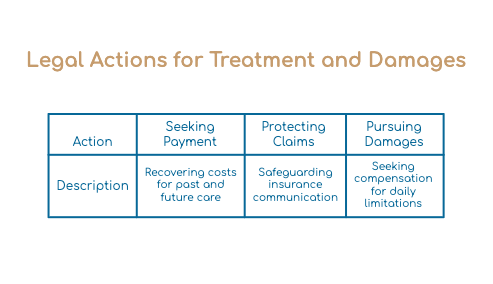
Key rights may involve:
- Seeking payment for past and future treatment
- Protecting claims during insurance communication
- Pursuing damages for daily living limitations
An injured person may also have the right to reject an unfair settlement when it does not reflect future care costs or permanent disability. Caregivers, family members, and advocates can support the injured person by helping to preserve records, attending appointments, and supporting timely legal action within Florida deadlines while respecting medical recovery priorities.
Why Do Spinal Cord Injuries From Daytona Beach Car Accidents Happen?
Understanding the legal rights of an injured person also requires examining how spinal cord injuries occur in Daytona Beach car accidents, because the cause of the crash often shapes liability, insurance coverage, and the value of the claim. These injuries may result from high-speed impacts, rear-end collisions, rollover crashes, side-impact crashes, distracted driving, impaired driving, speeding, unsafe lane changes, or failure to yield. When the spine is compressed, twisted, or violently struck, the spinal cord may suffer damage that affects movement, sensation, and long-term independence.
For families and professionals serving injured individuals, identifying the cause helps clarify who may be responsible and what evidence may matter. Crash reports, witness accounts, vehicle damage, medical findings, and roadway conditions can connect negligent conduct to the injury. The cause may also influence Insurance claim timelines, available policy limits, and the structure of spinal cord recovery plans, especially when ongoing care, rehabilitation, equipment, and home support are required.
What Should You Do After a Daytona Beach Spinal Cord Injury from a Car Accident?
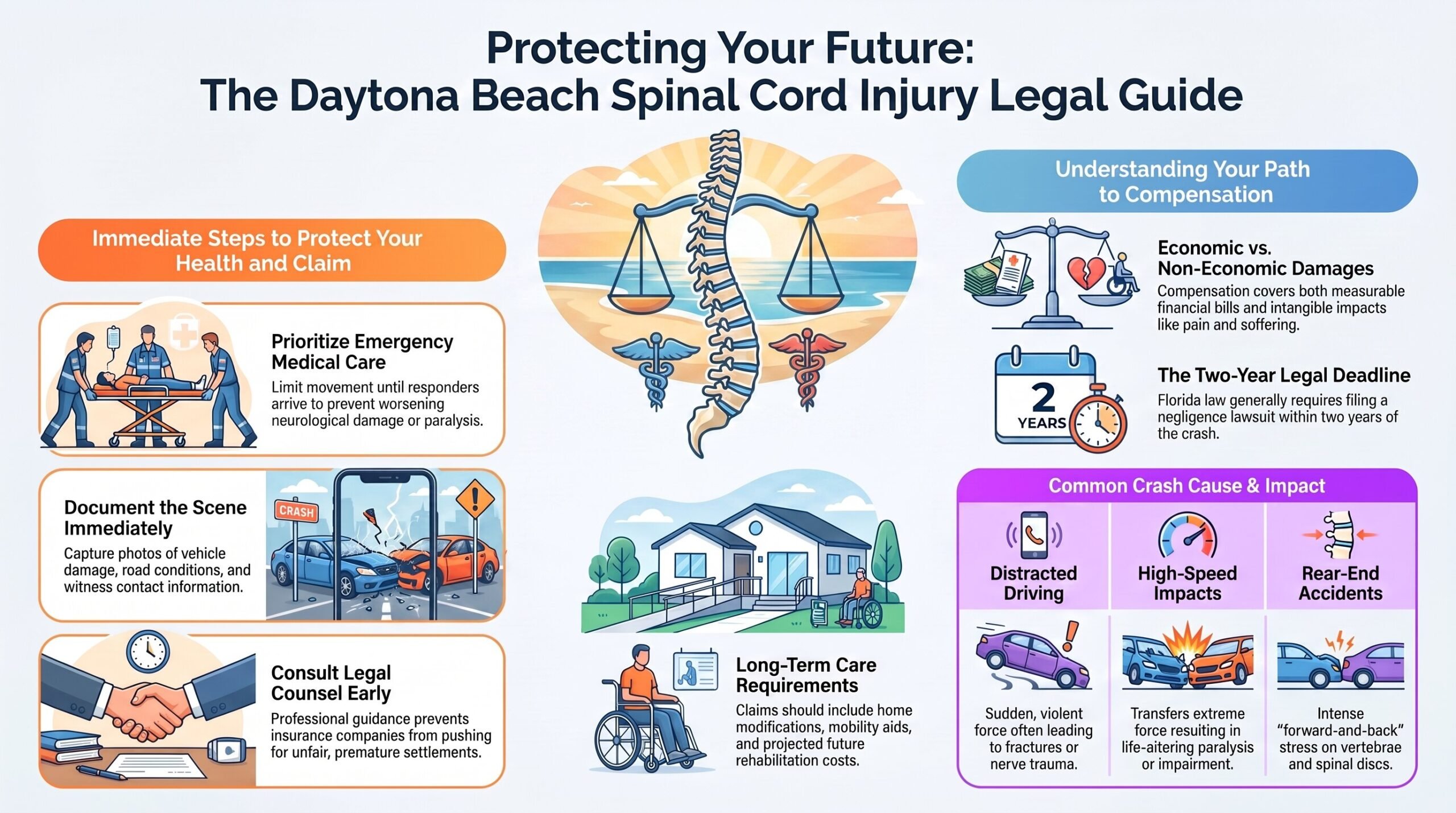
After a Daytona Beach spinal cord car accident injury, immediate action can recover health, preserve evidence, and strengthen a potential claim. An injured person should seek emergency medical care, document the accident scene and related losses, and retain all available records. Legal guidance may also be necessary to address insurance issues, liability disputes, and compensation for long-term harm.
Seek Emergency Medical Care
When a spinal cord injury is suspected after a Daytona Beach car accident, emergency medical care should be the immediate priority. Movement should be limited until trained responders evaluate the injured person, as improper handling may worsen neurological harm. Emergency physicians can assess breathing, circulation, sensation, strength, and spinal stability, then order imaging or consult with a consultant when needed.
Prompt treatment supports patient safety, preserves evidence of injury severity, and helps guide early Rehabilitation Planning. Care teams may also identify complications, including swelling, bleeding, or loss of function, that require urgent intervention. For those caring for an injured loved one, calm coordination with medical providers is essential. Early attention to Medical Coverage can help guarantee necessary evaluations, hospital care, therapy referrals, and follow-up treatment remain accessible after discharge.
Document The Accident
Because pivotal evidence can disappear quickly, accident documentation should begin as soon as it is safe to do so and without interfering with medical care. A responsible helper may Photograph Vehicle Damage, roadway conditions, skid marks, debris, traffic signals, weather, visible injuries, and the positions of all vehicles before they are moved. Images should be clear, time-stamped when possible, and taken from several distances.
It is also important to Document Witness Statements by recording the names, contact information, and brief observations of bystanders who witnessed the collision or its aftermath. Police report numbers, responding officer names, ambulance details, and hospital information should be preserved. Careful documentation supports an accurate account of events, protects the injured person’s interests, and helps caregivers understand the circumstances surrounding the spinal cord trauma.
Contact A Lawyer
Why should legal counsel be contacted promptly following a spinal cord injury from a Daytona Beach car accident? Early guidance helps protect the injured person’s rights while caregivers and medical providers focus on urgent needs. A lawyer can coordinate Evidence preservation, medical documentation, and communication with insurers before key details are lost or mischaracterized.
This support may include securing crash reports, witness accounts, vehicle data, and records showing diagnosis, limitations, and future care needs. Legal counsel may also help families understand how Pain management options, treatment planning, rehabilitation, and assistive services affect the value of a claim. For those committed to serving an injured loved one with steadiness and care, timely legal help can reduce confusion, support informed decisions, and promote accountability from responsible parties after a devastating collision.
Critical Evidence in a Daytona Beach Spinal Cord Car Accident Injury Case
Critical evidence in a Daytona Beach spinal cord car accident injury case may help establish fault, injury severity, and the full impact of the collision. Critical evidence often includes:
- Crash scene evidence and vehicle damage analysis
- Medical treatment records documenting spinal trauma
- Witness testimony details supporting liability and causation
Crash Scene Evidence
After a serious collision in Daytona Beach, crash scene evidence can become central to proving how a spinal cord injury occurred and who should be held responsible. Careful Crash site documentation may include photographs of vehicle positions, skid marks, debris fields, traffic signals, roadway defects, weather conditions, and visible property damage.
These details can help reconstruct the impact and identify unsafe conduct, such as speeding, distraction, impairment, or failure to yield. Witness names, nearby surveillance cameras, and emergency response details may also preserve important context before conditions change. Police report retrieval is another crucial step, as the report may contain officer observations, citations, diagrams, and party statements. When gathered promptly and organized carefully, this evidence can support accountability and help guide informed legal decisions.
Medical Treatment Records
In a spinal cord injury claim arising from a Daytona Beach car accident, medical treatment records often serve as the foundation for proving the nature, severity, and progression of the injury. These records may include emergency room notes, diagnostic imaging, surgical reports, rehabilitation plans, physician evaluations, and prescribed medication histories.
They help connect the collision to the spinal trauma and document ongoing physical limitations. For those serving injured individuals, careful review of records supports accurate presentation of Types of damages, including medical expenses, lost income, pain, disability, and future care needs. During the insurance claim process, consistent treatment documentation can reduce disputes over causation, necessity, and prognosis. Gaps in care, incomplete records, or conflicting medical opinions may weaken a claim, making organized documentation indispensable from the outset.
Vehicle Damage Analysis
When a Daytona Beach car accident results in a spinal cord injury, vehicle damage analysis can provide objective evidence of how the collision occurred and the forces involved. Careful inspection of crush patterns, frame deformation, airbag deployment, seat integrity, and restraint system performance may help determine impact direction, speed range, and occupant movement.
This information supports crash reconstruction, allowing professionals to compare physical damage with reported injury mechanisms and roadway evidence. In serious cases, vehicle defect investigation may also be necessary to assess whether brake failure, handling issues, tire separation, or safety system malfunction contributed to the harm. For those serving injured individuals and families, preserving vehicles promptly is essential. Photographs, measurements, and expert evaluations can help protect the injured person’s claim and clarify responsibility.
Witness Testimony Details
At the scene of a serious collision, witness testimony can provide important details that physical evidence alone may not fully explain. Neutral observers may describe vehicle speeds, traffic signal changes, lane positions, distracted driving, or the injured person’s condition after impact. These accounts can help clarify how a spinal cord injury occurred and whether another driver failed to act with reasonable care.
Eyewitness Credibility is evaluated through consistency, vantage point, lighting, timing, and any relationship to the parties involved. Statements gathered promptly are often more reliable, especially before memories fade or outside influences arise. When available, Video Evidence from traffic cameras, businesses, or dash cameras may confirm or challenge witness accounts. Together, these materials help attorneys serve injured clients by building a careful, fact-based claim.
Long-Term Effects of Daytona Beach Spinal Cord Car Accident Injuries
Spinal cord injuries from Daytona Beach car accidents can result in lasting chronic pain and reduced mobility, often affecting a person’s independence and daily function. These injuries may require ongoing medical care, rehabilitation, assistive devices, and long-term treatment planning. The emotional and financial strain can be substantial, particularly when lost income, caregiving needs, and future medical expenses become central concerns.
Chronic Pain And Mobility
After a serious vehicle collision, a Daytona Beach spinal cord injury may leave an individual with chronic pain, reduced mobility, and lasting physical limitations that affect nearly every part of daily life. Persistent pain can interfere with sleep, concentration, work duties, and the ability to assist family members or serve the community. Reduced strength, numbness, stiffness, and balance problems may make routine movements difficult, including standing, walking, lifting, or entering a vehicle.
Neck strain management may also become important when spinal trauma affects posture, muscle control, or upper body function. In many cases, mobility aid options such as braces, canes, walkers, wheelchairs, or adaptive devices help preserve independence and safety. These limitations often require practical adjustments, careful planning, and consistent support from caregivers, employers, and loved ones.
Ongoing Medical Care
Ongoing medical care is often essential for a Daytona Beach spinal cord car accident injury, particularly when symptoms continue to affect movement, sensation, strength, or organ function. Follow-up treatment may include evaluations by neurologists, rehabilitation physicians, physical therapists, occupational therapists, urologists, and primary care providers. These professionals can monitor complications, adjust medications, and guide therapeutic exercises that preserve function and reduce decline.
Pain management options may involve medication, injections, therapy, nerve stimulation, or coordinated specialty care, depending on the severity and location of the injury. Care teams may also address bladder, bowel, respiratory, and skin concerns, which require consistent oversight. Home care planning can support safe transfers, mobility equipment, wound prevention, and daily assistance, helping injured individuals receive dependable care while maintaining dignity, comfort, and practical independence.
Emotional And Financial Strain
A serious spinal cord injury from a Daytona Beach car accident can create emotional and financial pressure that lasts long after the initial medical crisis. Individuals may face grief, anxiety, depression, or frustration as daily routines, mobility, employment, and family roles change. Caregivers, relatives, and community supporters often provide crucial stability by encouraging counseling, peer support, and practical emotional recovery strategies that promote resilience without minimizing the hardship involved.
Financial strain may develop through hospital bills, rehabilitation costs, home modifications, transportation needs, and lost income. Effective financial budgeting support can help injured individuals and families organize expenses, evaluate insurance resources, and plan for continuing care. When these burdens are documented clearly, legal guidance may assist in seeking compensation that reflects long-term human and economic losses.
Proving Liability in Daytona Beach Spinal Cord Car Accident Injury Cases
When a spinal cord injury follows a motor vehicle collision in Daytona Beach, proving liability requires a careful showing of how the crash occurred and who failed to act with reasonable care. Evidence may include crash reports, witness statements, photographs, vehicle damage, roadway conditions, medical records, and expert analysis. Each source can help establish whether a driver was speeding, distracted, impaired, following too closely, or violating traffic laws.
A lawyer may also examine whether another party contributed to the harm, such as a vehicle owner, employer, or entity responsible for unsafe road conditions. Comparative negligence must be considered because any share of fault assigned to the injured person may affect financial recovery under Florida law.
A clear liability presentation supports an effective settlement strategy by connecting careless conduct to the injury and its consequences. This careful preparation serves injured individuals by promoting accountability, preserving dignity, and helping families pursue lawful compensation.
Dealing With Insurance Companies After a Daytona Beach Spinal Cord Car Accident Injury
After a spinal cord injury caused by a Daytona Beach car accident, insurance companies often begin evaluating the claim before the full medical outcome is known. Adjusters may request statements, medical authorizations, or early explanations of lost income, each of which can affect the injured person’s interests. Careful Document handling is critical, because incomplete records, inconsistent reports, or broad releases may limit recovery for future care needs.
Those supporting the injured person should preserve medical bills, wage information, caregiving costs, and other financial records that show the true effect of the injury. Insurance carriers may question treatment plans, disability limitations, or the value of long-term assistance.
Responsible communication helps protect dignity while keeping the focus on verified losses. Settlement timing also requires caution, since spinal cord injuries may involve evolving diagnoses and lifelong expenses. A premature resolution can leave needed services unfunded, placing added strain on families and caregivers later.
What to Expect During a Daytona Beach Spinal Cord Car Accident Injury Claim Process
A Daytona Beach spinal cord car accident injury claim typically begins with an initial evaluation of liability, damages, medical needs, and available insurance coverage. The process then moves into evidence gathering, which may include medical records, crash reports, witness statements, expert opinions, and documentation of long-term losses. After evidence is developed, the claim may proceed through insurance negotiations, with resolution occurring through settlement or, when necessary, trial.
Initial Claim Evaluation
At the initial claim evaluation, a Daytona Beach spinal cord car accident lawyer reviews the facts of the collision, the nature of the spinal injury, available insurance coverage, and the immediate medical evidence. This meeting helps determine whether the injured person has a viable claim and which urgent issues require attention. The lawyer may explain Medical documentation deadlines, reporting obligations, and the importance of consistent treatment.
Early discussion often covers the costs of long-term care, such as rehabilitation, home assistance, mobility equipment, and future medical needs. The evaluation also allows family members or caregivers to understand their role in supporting the injured person with dignity. No final value is assigned at this stage, but the process establishes direction, priorities, and a responsible plan for the claim.
Evidence Gathering Process
When the claim moves into the evidence-gathering stage, a Daytona Beach spinal cord car accident lawyer begins identifying, preserving, and organizing evidence that may establish liability, injury severity, and damages. This process may include securing crash reports, medical records, imaging studies, rehabilitation notes, vehicle photographs, roadway evidence, and available surveillance footage.
Counsel may also focus on locating essential witnesses, including passengers, bystanders, first responders, and treating providers who can clarify what occurred and how the injury affects daily care needs. Evidence gathering timelines matter, because video may be erased, memories may fade, and physical evidence can change. A careful approach helps protect the injured person’s dignity while supporting a complete record for future claim decisions. Thorough documentation also assists families, caregivers, and advocates seeking responsible accountability.
Insurance Negotiation Steps
Once evidence has been collected and organized, the claim generally moves toward communication with the insurance companies involved. In a Daytona Beach spinal cord car accident claim, this stage often includes submitting medical records, proof of lost income, care needs, and liability documentation. Adjusters may request Independent medical reviews to evaluate the severity, cause, and projected impact of the injury.
A lawyer may review these requests, prepare responses, and ensure the injured person is not treated unfairly. Negotiations typically involve written demands, policy analysis, and careful review of any insurer position. If questions arise about coverage, fault, or medical necessity, handling insurance denials becomes a central task. Clear documentation, timely communication, and firm advocacy help protect the claimant’s interests while supporting a responsible path toward resolution.
Settlement Or Trial
As negotiations progress, a Daytona Beach spinal cord car accident claim may move toward settlement, continued dispute resolution, or trial preparation. Counsel evaluates medical evidence, future care needs, lost earning capacity, and liability strength before advising whether an offer fairly serves the injured person’s long-term welfare. Negotiation leverage often grows when damages are well documented, witnesses are prepared, and the insurer understands that trial is a credible option.
If an insurer delays, misrepresents coverage, or refuses reasonable evaluation, insurance bad faith may become an additional concern requiring careful review. Settlement can provide stability and faster access to resources, while trial may be necessary when accountability is denied. Each decision should reflect the client’s needs, evidentiary risks, and the duty to pursue just compensation.
Compensation for Daytona Beach Spinal Cord Car Accident Injury Damages
Because spinal cord injuries can alter every part of a person’s life, compensation after a Daytona Beach car accident must account for both immediate losses and long-term consequences. A careful claim presentation may include medical treatment, rehabilitation, assistive equipment, home modifications, lost income, reduced earning capacity, transportation needs, and ongoing care coordination. Economic damages calculation requires organized records, professional evaluations, and projections that accurately and compassionately reflect the injured person’s future needs.
Compensation may also consider the effect of severe misconduct by a negligent driver. A punitive negligence assessment can help determine whether conduct such as intoxicated driving, reckless speeding, or conscious disregard for public safety supports additional financial accountability.
In every case, the goal is to secure resources that support dignity, stability, and continued care. A lawyer can gather evidence, consult qualified experts, address insurer resistance, and present the full scope of harm in negotiations or court.
Economic vs Non-Economic Damages in Daytona Beach Spinal Cord Car Accident Cases
Spinal cord car accident damages in Daytona Beach are generally divided into economic and non-economic categories, each serving a distinct role in compensation. Economic damages address measurable financial losses, while non-economic damages account for the personal impact of pain, disability, and reduced quality of life. Proving the value of damages often requires medical records, financial documentation, expert opinions, and a clear connection between the crash and the resulting losses.
Economic Damage Categories
When a spinal cord injury follows a Daytona Beach car accident, economic damages refer to the measurable financial losses tied to the injury and its long-term consequences. These categories often include ambulance transport, emergency room care, surgery, hospitalization, rehabilitation, medications, assistive devices, home modifications, and future medical treatment. Medical emergency steps, such as calling 911, accepting transport, and following discharge instructions, may help establish the connection between the crash and necessary care.
Lost wages, reduced earning capacity, and the cost of replacement household services may also be included when the injury limits daily function or employment. Documenting medical costs through bills, receipts, insurance statements, and provider estimates allows attorneys, caregivers, and support professionals to present losses accurately and responsibly in a claim. These records support fair financial recovery.
Non-Economic Losses
After a serious collision, non-economic losses describe the personal consequences of a spinal cord injury that cannot be measured through invoices or wage records alone. These losses may include pain, emotional distress, loss of independence, disfigurement, reduced mobility, and diminished enjoyment of family, work, or community life. In Daytona Beach spinal cord car accident cases, such harm often affects both the injured person and those who provide daily care and support.
The value of these losses depends on the severity, duration, and life-altering nature of the injury. While the next section addresses how to prove damages, using medical records, non-economic losses begin with recognizing the human impact behind the diagnosis. A careful legal assessment should honor that impact while presenting it responsibly within Florida injury law.
Proving Damage Value
Establishing damage value in a Daytona Beach spinal cord car accident case requires a clear separation between economic losses and non-economic harm. Economic damages include hospital bills, rehabilitation, medication, assistive devices, lost income, and reduced earning capacity. These losses are supported through invoices, employment records, expert evaluations, and Medical prognosis tracking. Non-economic damages address pain, loss of independence, emotional distress, and diminished quality of life, which require careful explanation through medical testimony and evidence of daily living.
Attorneys may also review insurance documentation errors that understate treatment costs or misclassify injury-related needs. A well-prepared claim connects each loss to the crash, avoids speculation, and presents evidence in a way that helps adjusters, judges, or jurors understand the full human and financial impact.
When a Daytona Beach Spinal Cord Car Accident Injury Case Goes to Trial vs Settlement
In a Daytona Beach spinal cord car accident injury case, the choice between settlement and trial often depends on the severity of the injury, the strength of the evidence, and the willingness of the insurance company to offer fair compensation. Settlement may serve the injured person by providing funds sooner, reducing stress, and avoiding the uncertainty of a courtroom decision. A trial may become necessary when the insurer disputes liability, undervalues lifelong care needs, or refuses to account for the loss of independence.
Preparation supports either path. Collecting medical bills, rehabilitation records, wage documentation, and expert opinions helps show the true cost of the injury. Proving comparative negligence may also become central when the defense argues that the injured person shared responsibility for the crash. A lawyer evaluates these issues, presents the claim clearly, and advises whether continued negotiation or trial better protects the client’s future care, dignity, and financial stability.
Florida Laws That May Affect Your Daytona Beach Spinal Cord Car Accident Case
Because Florida injury law imposes strict deadlines and specific fault rules, a Daytona Beach spinal cord car accident case may turn on more than the severity of the injury alone. State law can shape liability, available compensation, insurance procedures, and the evidence needed to support a claim. For individuals serving injured clients, patients, or families, understanding these rules helps protect dignity while promoting informed action.
Key legal issues may include:
- Florida comparative fault standards, which may reduce recovery when an injured person shares responsibility.
- Negligence rules requiring proof that another driver breached a duty and caused measurable harm.
- Insurance requirements affecting medical benefits, lost income claims, and coordination with long-term care needs.
Florida comparative assessments can be especially important when crashes involve multiple vehicles, disputed lane changes, or allegations of distracted driving. Statute Tolling timelines may also affect case planning in limited circumstances, making early legal review important.
The Statute of Limitations for Daytona Beach Spinal Cord Car Accident Injury Cases
After a serious crash, the statute of limitations can become one of the most important legal deadlines in a Daytona Beach spinal cord injury case. In Florida, an injured person generally has two years from the date of the crash to file a negligence lawsuit. Missing this deadline may prevent recovery, even when the injury is severe, and the need for lifelong care is clear.
This period also affects Evidence Preservation, Insurance Deadlines, and Medical Documentation. Witness memories can fade, vehicle data may be lost, and medical records must show the connection between the collision and spinal cord damage. Prompt documentation can support those responsible for caring for the injured person and planning future treatment needs.
Florida’s Comparative Negligence rules may also influence the value of a claim if fault is disputed. Timely action helps protect the injured person’s legal rights while allowing caregivers and family members to focus on stability, treatment, and daily support.
How a Daytona Beach Spinal Cord Car Accident Lawyer Can Help You
How can a Daytona Beach spinal cord car accident lawyer help when medical needs, insurance disputes, and legal deadlines are all unfolding at once? Legal counsel can organize the claim, preserve evidence, and coordinate expert opinions that explain the full impact of paralysis, mobility loss, or long-term care needs. This support allows injured individuals and caregivers to focus on service, recovery, and family stability.
- Investigating the crash, identifying liable parties, and securing records before evidence is lost.
- Calculating medical expenses, lost income, home modifications, caregiving costs, and future treatment needs.
- Handling insurer communications, settlement negotiations, litigation strategy, and the Appeals Process if benefits or claims are denied.
A lawyer may also assist families with Wrongful Death Claims when a spinal cord injury leads to fatal complications. By presenting a complete damages case, counsel helps ensure that the legal process reflects both practical needs and the dignity of those affected.
When to Contact a Daytona Beach Spinal Cord Car Accident Lawyer
In the days following a serious crash, contacting a Daytona Beach spinal cord car accident lawyer as soon as possible can help protect evidence, clarify legal options, and reduce the risk of avoidable claim problems. Prompt contact is especially important when medical treatment is ongoing, mobility has changed, or doctors suspect damage to the spinal cord, nerves, discs, or vertebrae.
A lawyer may need to review crash reports, preserve vehicle data, identify witnesses, and address communication from insurers before statements affect the claim. Early medical costs can also create pressure on injured people and their families, particularly when hospitalization, imaging, therapy, or assistive equipment is required.
Legal guidance should be sought before accepting a settlement, signing broad releases, or responding to routine requests. Some insurers may use an Insurance denial strategy based on incomplete records, delayed diagnosis, or disputed fault. Timely action helps preserve a clearer path toward accountability and necessary support.
Why You Need an Experienced Daytona Beach Spinal Cord Car Accident Lawyer
Because spinal cord injuries often involve permanent medical, financial, and personal consequences, an experienced Daytona Beach spinal cord car accident lawyer can provide focused guidance during a highly complex claim. These cases require careful review of crash evidence, medical records, future care needs, and the long-term effect on daily service, work, and family responsibilities.
A knowledgeable lawyer helps connect the injury’s full impact to recoverable damages, including emergency treatment, surgery, Chiropractic care options, pain management plans, assistive equipment, home modifications, and lost earning capacity. Coordination with physicians, rehabilitation specialists, and life-care planners may clarify the resources needed to support dignity, independence, and ongoing contribution to others.
Insurance companies often evaluate claims narrowly, especially when future complications are uncertain. Experienced legal representation can address incomplete assessments, document continuing limitations, and pursue compensation that reflects both present losses and foreseeable needs. This support allows the injured person and caregivers to focus on recovery and stability.
How to Choose the Right Daytona Beach Spinal Cord Car Accident Lawyer for Your Case
After a serious spinal cord injury, selecting the right Daytona Beach car accident lawyer requires careful attention to experience, case resources, and the lawyer’s ability to evaluate long-term damages. The attorney should understand medical evidence, rehabilitation needs, lost earning capacity, and future care costs, while also recognizing how these losses affect the injured person and those providing daily support.
A careful review of prior case results, relevant spinal cord injury experience, and trial readiness may help families assess whether a lawyer can manage demanding claims. Client communication is also crucial, as regular updates and clear explanations allow caregivers and injured individuals to make informed decisions with confidence.
Before choosing representation, potential clients should ask about consultation fees, case costs, and how expenses are handled if recovery is delayed or disputed. The right lawyer should offer organized guidance, respectful service, and a practical strategy focused on accountability, stability, and meaningful support for the injured person’s future.
About The Law Offices of Anidjar & Levine
The Law Offices of Anidjar & Levine represents individuals injured in Daytona Beach car accidents, including those facing the severe medical, financial, and personal consequences of spinal cord trauma.
The firm approaches each case with a focus on service, accountability, and careful legal guidance for clients and families managing difficult recoveries.
Its legal team assists with investigation, evidence collection, insurance negotiations, and litigation when necessary.
Strong client-attorney communication helps injured individuals understand their options, case progress, and potential paths toward compensation.
This steady contact can be especially important when clients are addressing medical treatment, mobility challenges, lost income, and long-term care planning.
The firm uses a contingency fee structure, which means clients do not pay attorney fees unless compensation is recovered.
This arrangement supports access to legal representation for injured people who may already face significant financial strain after a serious Daytona Beach collision involving spinal cord injuries.
Frequently Asked Questions
Can I Change Doctors During My Spinal Cord Injury Treatment?
Yes, a patient may change doctors during spinal cord injury treatment. He or she should seek a second opinion when concerns arise about progress, communication, or recommended procedures. To protect treatment continuity, the new provider should receive a complete medical record transfer, including imaging, prescriptions, and therapy notes. This allows the physician to adjust the care plan responsibly, reduce delays, and support the patient’s recovery while serving long-term health needs.
Will My Case Affect My Disability Benefits?
Yes, a personal injury case may affect disability benefits, depending on benefit type, settlement structure, and reporting duties. Disability eligibility for SSDI usually depends on medical condition and work capacity, while SSI is needs-based and may be reduced by settlement funds. Social Security effects should be reviewed before resolving any claim. A careful plan, often incorporating special-needs protections, helps preserve support while advancing recovery and service-focused responsibilities.
Can Family Members Recover Damages for Caregiving Duties?
Yes, family members may recover damages for caregiving duties when their services replace care the injured person would otherwise need to purchase. Caregiving compensation can include assistance with bathing, transportation, meals, medication, mobility, and household tasks. Courts often require proof of the time spent, the reasonable value of services, and medical necessity. Family liability may also arise if improper care causes harm, so documentation and professional guidance remain important.
How Are Future Home Modification Costs Calculated?
Future home modification costs are calculated through medical evaluations, accessibility assessments, contractor estimates, and life-care planning. The cost calculation may include ramps, widened doorways, bathroom redesigns, lifts, flooring changes, and ongoing maintenance. Experts consider the person’s functional limitations, expected medical needs, housing condition, and local construction pricing. Future planning helps ensure modifications support safe mobility, caregiver access, and long-term independence, while documenting expenses for legal or insurance review.
What if My Spinal Cord Injury Symptoms Appear Later?
If spinal cord injury symptoms appear later, the person should seek prompt medical evaluation. A delayed symptom may indicate swelling, bleeding, or evolving nerve damage, and the treatment window can affect nerve recovery. Caregivers should document changes, appointments, and functional limits to support accurate care. They should also consider legal timelines, because delayed diagnosis may still require timely notice, evidence preservation, and professional guidance before claim rights are affected.
—————————
Spinal cord injuries after car accidents can create serious medical, financial, and legal challenges.
A Daytona Beach Car Accident Lawyer can evaluate liability, document damages, manage insurance communications, and pursue compensation through settlement or litigation.
The Law Offices of Anidjar and Levine provides focused legal support for injured victims and their families.
Prompt legal guidance can protect important rights, preserve evidence, and help victims seek the recovery they need after a life-altering collision.