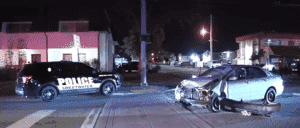
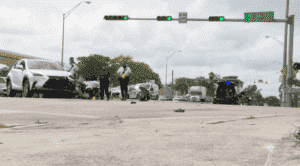
A Miami road rage car accident injury lawyer helps an injured victim protect a claim by preserving evidence, securing witness statements, reviewing insurance coverage, and documenting medical and wage losses.
Law Offices of Anidjar and Levine can investigate aggressive driving conduct, obtain video or vehicle data, and address insurer tactics aimed at reducing payment.
In serious cases, a Miami Car Accident Attorney may pursue compensation for treatment, lost income, pain and suffering, and potentially punitive damages.
The sections below explain these issues further.
Main Takeaways
- A Miami road rage car accident injury lawyer investigates aggressive driving, preserves video and witness evidence, and builds a clear liability case.
- Early legal help protects you from insurer tactics, recorded statement traps, and quick settlements that undervalue serious injuries.
- Your lawyer documents damages, including medical bills, lost income, property damage, pain and suffering, and possible future treatment needs.
- Road rage cases may involve reckless or intentional conduct, which can affect liability, insurance coverage, and potential punitive damages.
- Prompt action matters because surveillance footage, vehicle data, and witness memories can disappear soon after the crash.


How We Can Help With Your Miami Road Rage Car Accident Injury Claim
In the aftermath of a road rage collision, effective legal representation can play a central role in protecting an injured person’s right to compensation. A Miami road-rage car accident injury lawyer provides structured support, allowing clients to focus on recuperation while their claim is handled with diligence and care.
Counsel typically begins by evaluating immediate needs, gathering records, and developing a clear strategy for communication with insurers. Through careful witness coordination, the legal team can secure timely statements that support the client’s account and strengthen the claim. Evidence preservation is also vital because photographs, video footage, vehicle data, and medical documentation may become harder to obtain over time.
An attorney may also calculate losses, organize supporting materials, and present a well-documented demand for payment. If negotiations do not yield a fair result, the firm can prepare the case for litigation and continue to advocate for the client’s best interests with steadiness and professionalism throughout.
OUR CONSULTATIONSARE FREE
START YOUR FREE CASE REVIEW

Understanding Miami Road Rage Car Accident Injury Cases
Because road rage incidents often involve deliberate aggression rather than ordinary negligence, Miami road rage car accident injury cases present factual and legal issues that require careful analysis. These matters often require a close review of intent, witness statements, surveillance footage, vehicle damage, and the sequence of events leading up to impact. Courts and insurers may evaluate whether a driver acted recklessly, intentionally, or with conscious disregard for others.
A proper understanding of these claims helps injured people pursue accountability while protecting community safety. Attorneys may examine aggressive triggers only to clarify behavior, credibility, and foreseeability, not to excuse harmful conduct. They also assess injury severity, comparative fault questions, insurance coverage limits, and available legal defenses raised by opposing parties.
In some cases, punitive damages may become relevant when conduct appears especially dangerous. Clear documentation, prompt medical care, and disciplined communication can strengthen a claim and support fair results for those seeking to serve and protect others after serious harm.
Common Causes of Miami Road Rage Car Accidents
Several factors commonly contribute to road rage car accidents in Miami, particularly when heavy traffic frustrates drivers and heightens tension between them. Aggressive driving behavior, distracted-driver reactions, and lane-change disputes often escalate ordinary traffic conditions into dangerous confrontations. Recognizing these common causes helps clarify how preventable conduct can lead to serious collisions and resulting injuries.
Heavy Traffic Frustration
Often, heavy traffic in Miami creates prolonged delays, crowded lanes, and repeated stop-and-go movement that can quickly intensify driver frustration. Congestion often leaves motorists feeling trapped, especially when appointments, caregiving duties, or work obligations depend on timely arrival. In these conditions, minor inconveniences may seem larger than they are, increasing emotional strain and reducing patience.
A service-minded perspective recognizes that every vehicle may carry someone facing similar pressures. Practical habits, such as traffic meditation, steady breathing, and realistic travel planning, can reduce tension before it escalates. Respect for honking etiquette also matters, because unnecessary noise can heighten stress for surrounding drivers and passengers. By understanding how dense traffic affects judgment and mood, communities can encourage calmer roads, safer decisions, and more considerate travel throughout Miami for all.
Aggressive Driving Behavior
Consider aggressive driving a visible warning sign that frustration has moved beyond private emotion and into unsafe conduct on Miami roads. It often appears through tailgating, abrupt lane changes, speeding, hostile gestures, and refusal to yield, all of which undermine road etiquette and place nearby motorists at risk.
From a public safety perspective, these behaviors frequently emerge when stress triggers, impatience, and perceived disrespect combine with poor self-control. A driver who treats the roadway as a personal contest may escalate ordinary traffic tension into preventable harm. This pattern can endanger families, workers, pedestrians, and anyone attempting to travel responsibly.
Recognizing aggressive driving early allows communities, advocates, and legal professionals to encourage calmer choices, support accountability, and protect those injured by conduct that falls well below reasonable care standards.
Distracted Driver Reactions
Divided attention can turn an ordinary traffic delay into a volatile encounter when a motorist reacts late, misreads surrounding conditions, or responds impulsively after being startled. In Miami traffic, a brief phone distraction may cause a delayed stop, an abrupt brake, or a careless gesture that another driver interprets as disrespect or hostility.
When frustration rises, even accidental eye contact can be mistaken for a challenge. A distracted driver may respond to honking, shouting, or confusion with anger rather than caution, escalating a minor misunderstanding into dangerous conduct.
These reactions often unfold within seconds, leaving little time for safe judgment. By recognizing how distraction affects perception and emotional control, community members can better protect others on the road, reduce preventable conflict, and support a safer environment for families, neighbors, visitors, and emergency responders alike.
Lane Change Disputes
In congested Miami traffic, lane change disputes frequently arise when drivers perceive a merge, a cutoff, or a failure to yield as a personal affront rather than a routine driving event. A driver who accelerates to block entry, honks aggressively, or crowds another vehicle may turn a minor misunderstanding into dangerous retaliation. These incidents often involve failures to check a blind spot, impatience during heavy congestion, or confusion about proper right-of-way.
Tension also increases when motorists ignore the zipper merge and treat shared road space as a contest rather than a cooperative process. From a public safety perspective, calm responses, clear signaling, and adequate following distance help reduce conflict and protect everyone nearby. When aggression escalates, resulting collisions can produce serious injuries, property damage, and legal consequences for all involved parties.


Legal Rights of Miami Road Rage Car Accident Injury Victims
Accountability becomes central when a road rage collision causes injury, because Florida law affords victims the right to pursue compensation for medical expenses, lost income, property damage, and pain and suffering from the party whose aggressive conduct caused the crash. These legal protections recognize both economic loss and human hardship, while reinforcing community safety through lawful accountability. Victim support often includes access to insurance benefits, civil claims, and, in severe cases, punitive damages.
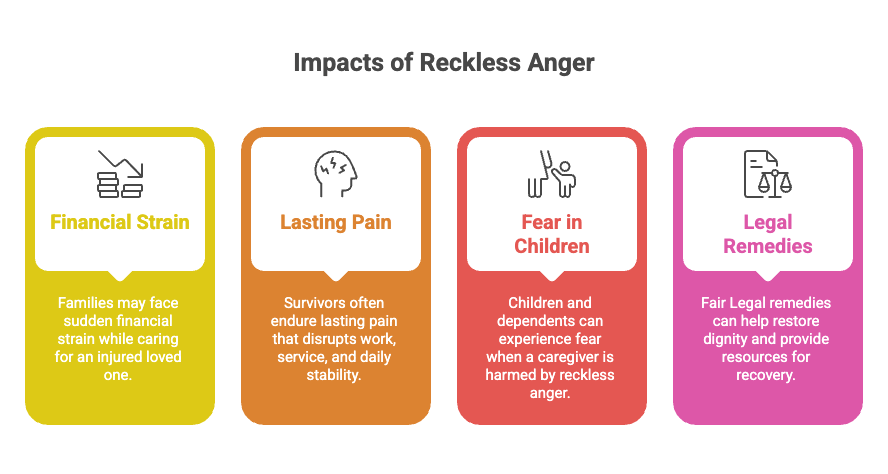
Florida law allows road rage injury victims to seek compensation, accountability, and support for both financial losses and personal suffering.
- Families may face sudden financial strain while caring for an injured loved one.
- Survivors often endure lasting pain that disrupts work, service, and daily stability.
- Children and dependents can experience fear when a caregiver is harmed by reckless anger.
- Fair Legal remedies can help restore dignity and provide resources for recovery.
When liability is proven, a victim may recover damages through negotiation or litigation. Florida law may also permit claims against additional responsible parties when facts justify broader accountability.
Steps to Take After a Miami Road Rage Car Accident Injury
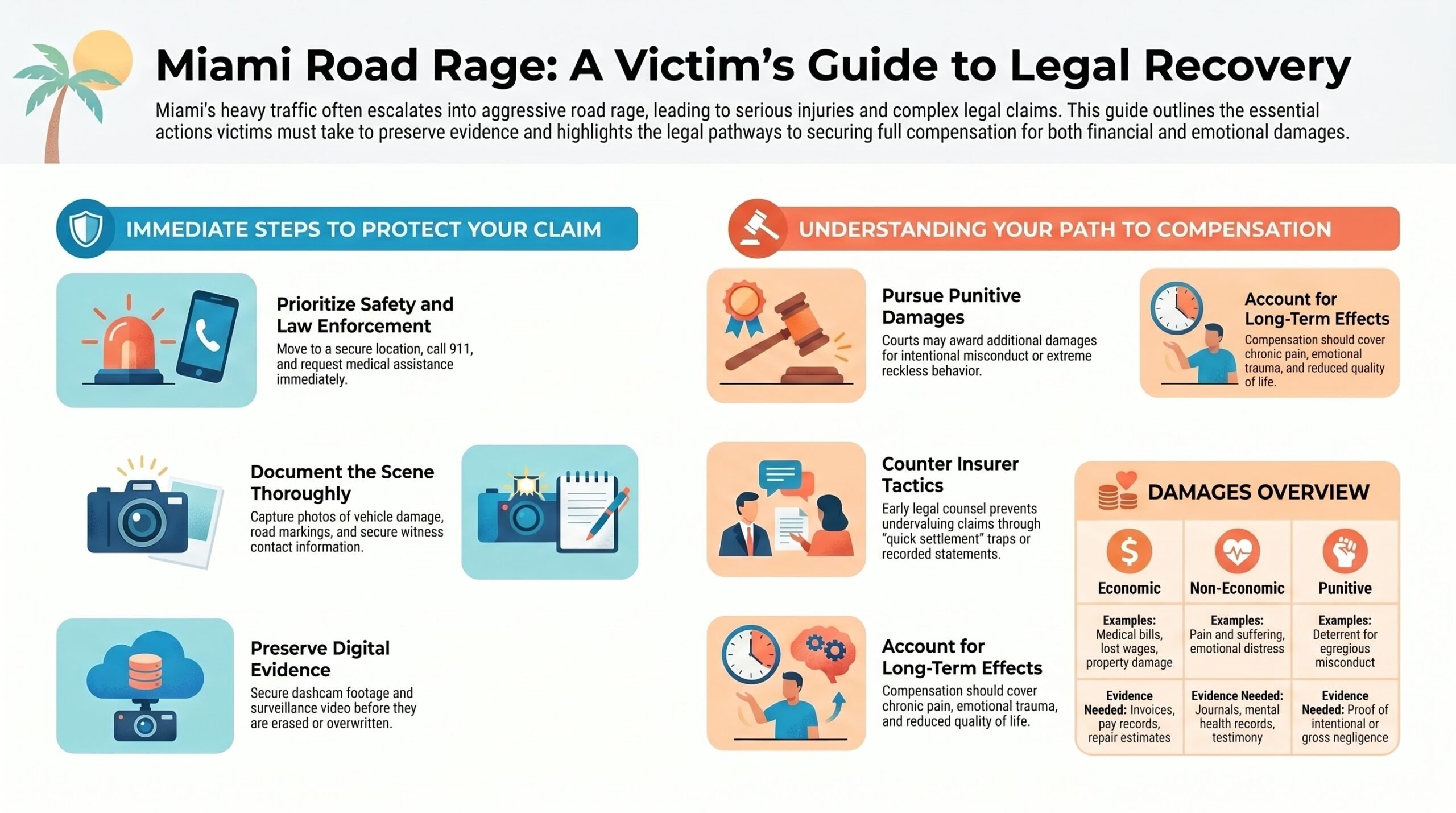
After a Miami road rage car accident injury, the immediate priority is to guarantee safety by moving to a secure location when possible and contacting emergency assistance. It is also important to document the scene carefully, including vehicle damage, visible injuries, witness information, and any relevant roadway conditions. Once urgent concerns are addressed, seeking legal guidance can help protect the injured party’s rights and support informed decisions throughout the claims process.
Ensure Safety First
Above all, immediate safety should guide every decision following a Miami road rage car accident injury. Those involved should assess any urgent dangers, including traffic flow, fire, fuel leaks, or continued aggression from another driver. If remaining inside the vehicle creates a greater risk, a careful personal evacuation to a secure location may be necessary.
Once safe, injured individuals should call 911 and request medical assistance and law enforcement. If able, they should check on passengers and nearby motorists, offering calm reassurance without escalating tensions or moving anyone who may have a spinal injury. Hazard lights may be activated when practical to alert approaching traffic. An accessible emergency kit can support basic needs until responders arrive. Prioritizing safety protects lives, preserves order, and reflects a responsible commitment to the well-being of everyone affected.
Document The Scene
At the scene, careful documentation can provide essential evidence in the aftermath of a Miami road rage car accident injury. If conditions allow, photographs should capture vehicle damage, roadway markings, traffic signals, debris, and any visible injuries from multiple angles. Accurate notes may include time, weather, locations, and the sequence of events as observed immediately after impact.
Contact information for involved parties and witnesses should be gathered respectfully, since witness statements may later clarify disputed facts. It is also helpful to record scene measurements, such as distances between vehicles, skid marks, and points of rest, when doing so can be done safely. Preserving torn clothing, damaged personal items, and dash camera footage may further support a clear account. Thorough documentation strengthens understanding, promotes accountability, and helps others respond appropriately after the collision.
Seek Legal Guidance
Once the scene has been documented and immediate safety concerns addressed, seeking legal guidance can help protect an injured person’s interests and preserve the strength of a potential claim. An attorney may evaluate liability, explain deadlines, and help organize medical records, witness statements, and insurance correspondence with care and accuracy.
Early counsel can also reduce costly mistakes, especially when insurers request recorded statements or quick settlements. Legal guidance may identify damages that extend beyond immediate medical bills, including lost income, future treatment, and emotional harm.
In some cases, counsel may discuss mediation alternatives that support efficient resolution while avoiding unnecessary conflict. A lawyer may also direct families to reputable community support resources, which can strengthen recovery and help injured individuals focus on recuperation while responsibilities are properly managed.
How a Miami Road Rage Car Accident Injury Lawyer Can Help You
Road-rage collisions often leave injured motorists facing medical treatment, insurance disputes, and uncertainty about their legal options. A Miami road rage car accident injury lawyer can provide steady guidance by investigating fault, securing records, and protecting an injured person from tactics designed to minimize a valid claim.
Counsel may also coordinate witness preservation, obtain surveillance footage, and address medical liens so families can focus on recovery and responsible care for one another.
- They help victims feel heard when aggressive conduct caused fear, pain, and disruption.
- They gather evidence carefully, giving concerned families confidence that the truth will be presented.
- They manage insurer communications, reducing stress and allowing injured people to support those who depend on them.
- They pursue fair compensation for medical costs, lost income, and other proven damages, promoting stability and dignity.
Through structured advocacy, legal representation helps injured motorists seek accountability while continuing to serve their households and communities with strength.
Long-Term Effects of Miami Road Rage Car Accident Injuries
Road rage car accident injuries can produce lasting consequences that extend well beyond the initial recovery period. Victims may face chronic pain complications and emotional trauma that interfere with daily functioning, personal relationships, and the ability to work. Over time, these combined effects can greatly reduce overall quality of life and create ongoing medical, financial, and personal burdens.
Chronic Pain Complications
Persistent pain can become one of the most disruptive long-term consequences of a Miami road rage car accident injury, particularly when damage to the neck, back, joints, or nerves does not fully recover. Victims may require ongoing treatment, physical therapy, and careful Medication management to control symptoms and preserve daily function.
Chronic pain often limits mobility, reduces stamina, and interferes with work, household tasks, and caregiving responsibilities. Simple movements such as lifting, standing, or driving may become difficult over time. Sleep disruption is also common because discomfort can intensify at night and prevent restorative rest.
When pain persists for months or years, medical needs may expand to include medical experts, adaptive equipment, and long-term rehabilitation planning. A thorough legal claim may help secure resources needed to support sustained care and stability.
Emotional Trauma Impact
Beyond ongoing physical pain, many injured individuals experience lasting emotional trauma after a Miami road rage car accident. Fear, hypervigilance, sleep disturbance, and intrusive memories may persist long after visible wounds begin to heal. These reactions can affect concentration, trust, and a person’s sense of safety in daily interactions.
In some cases, Attachment disruption emerges within families as survivors struggle to regulate stress or reconnect emotionally with loved ones. Children and spouses may also carry secondary distress, increasing the need for compassionate support. Professional counseling, trauma-informed care, and consistent community encouragement often help survivors rebuild stability.
Over time, post-traumatic resilience may develop through treatment, advocacy, and patient relationships that honor dignity. Careful legal guidance can also reduce uncertainty, allowing injured individuals to focus on emotional recovery and meaningful support systems.
Reduced Quality Of Life
A reduced quality of life often becomes one of the most significant long-term consequences of a Miami road rage car accident injury. Survivors may face reduced mobility, chronic pain, and lasting limitations that affect work, family responsibilities, and community involvement. Activities once performed with ease can require assistance, planning, or complete avoidance.
This decline frequently extends beyond physical capability. Many individuals experience diminished enjoyment of hobbies, social gatherings, exercise, and everyday routines. When independence is disrupted, relationships may also become strained, and caregivers often shoulder greater burdens.
For those committed to serving others, these losses can be especially painful because the ability to help, support, and participate meaningfully may be restricted. Careful documentation of these changes is vital when evaluating the full impact of the injury on long-term well-being.
Proving Liability in Miami Road Rage Car Accident Injury Cases
Establishing liability in a Miami road rage car accident case requires more than showing that a collision occurred, because the evidence must connect the other driver’s aggressive conduct to the injuries and losses claimed. Courts and attorneys generally examine whether threats, tailgating, unsafe lane changes, sudden braking, or intentional contact directly caused the crash and resulting harm.
Useful proof often includes police reports, traffic camera footage, vehicle damage patterns, medical records, and phone data. Witness statements may also matter, but eyewitness credibility is carefully tested against physical evidence and timelines. In more disputed claims, forensic reconstruction can help explain speed, point of impact, and driver movements before the collision.
A thorough liability presentation serves injured people and the wider community by promoting accountability for dangerous conduct on Miami roads. When evidence shows that aggression, rather than ordinary negligence, caused the event, responsibility becomes clearer, and the legal claim stands on stronger ground for all affected parties involved.
Dealing With Insurance Companies After a Miami Road Rage Car Accident Injury
Once liability evidence begins to take shape, attention often shifts to how insurance companies evaluate a Miami road-rage car accident injury claim and seek to limit their financial exposure. Insurers often review medical records, witness statements, photographs, and repair estimates to identify inconsistencies that could reduce the value of the case. Even when injuries are significant, adjusters may rely on claim denials, narrow policy interpretations, or selective readings of the evidence to protect company interests.
A service-minded legal approach often emphasizes careful documentation, respectful communication, and prompt preservation of records that support the injured person’s needs. Insurance representatives may use settlement tactics designed to encourage quick resolutions before the full impact of treatment, lost income, and pain is understood. Clear advocacy can help keep discussions focused on verified losses and fair treatment.
This measured response supports accountability, protects vulnerable individuals, and promotes outcomes that better reflect the harm caused by aggressive driving and prevent unfair underpayment.
What to Expect During a Miami Road Rage Car Accident Injury Claim Process
A Miami road rage car accident injury claim typically begins with filing the initial claim and establishing the basic facts of the incident. The process then centers on gathering crucial evidence, including medical records, police reports, witness statements, and any available video or photographic documentation. From there, the claim often proceeds through negotiations with insurers and, if successful, concludes with a resolution of injury compensation based on liability, damages, and supporting proof.
Filing The Initial Claim
Prompt reporting to the insurer and, when appropriate, to a Miami road rage car accident injury lawyer typically marks the start of the initial claim process. The claimant generally provides basic facts, identifies the parties involved, and submits notice within the policy deadlines. Early guidance can help a person proceed carefully and in a manner that supports fair treatment for everyone affected.
During filing, the insurer may assign a claim number, request preliminary forms, and explain available coverages, including PIP or bodily injury provisions. Counsel may review policy language, address statute nuances, and note potential medical liens that could affect recovery. Attention often centers on accurate dates, insurer communications, and immediate obligations under Florida law. A disciplined initial filing helps establish order, protect rights, and create a responsible path toward compensation and community-minded accountability for all.
Gathering Key Evidence
In the next phase of a Miami road-rage car-accident injury claim, careful evidence gathering typically shapes the strength and direction of the case. Attorneys and investigators often assemble eyewitness accounts, police documentation, and any available traffic camera or surveillance footage to clarify how the confrontation unfolded and who acted aggressively.
They may also review vehicle forensics, crash damage patterns, and cell phone data if distraction, threats, or provocation are relevant to the incident timeline. Medical records are gathered to connect the collision with documented injuries, treatment needs, and recovery progress. This step often requires prompt action, because recordings can be erased and memories can fade. A thorough collection process helps protect the injured person, supports accountability, and provides a clearer factual foundation for those seeking to serve harmed community members.
Negotiating With Insurers
Negotiating with insurers often becomes the stage where the evidence gathered is translated into a demand for payment that reflects the full scope of the injured person’s losses. During this phase, counsel typically presents medical records, wage information, repair estimates, and witness accounts in a structured package designed to support a fair evaluation.
Insurers may respond with questions, requests for clarification, or claim tactics intended to narrow the case’s value. Careful review of each communication helps protect accuracy and prevent overlooked damages. Attorneys often monitor settlement timing closely because early pressure to close a file may not reflect ongoing treatment or future needs.
A disciplined negotiation approach serves injured people and their families by emphasizing documentation, consistency, and patience, while keeping the process focused on accountability, stability, and informed decision-making.
Resolving Injury Compensation
Resolution often arrives only after the claim has been tested against the available evidence, the extent of the injuries, and the practical limits of insurance coverage. From that point, compensation may be resolved through negotiated payment or, when necessary, formal litigation.
During this stage, counsel reviews medical records, wage-loss documentation, and expert opinions to determine fair value. Recovery timelines matter because treatment progress can affect both damages and settlement strategies. Insurers often wait for a clearer prognosis before increasing offers. A disciplined approach helps protect resources needed for continued care, family stability, and service to others affected by the injury.
If the parties cannot agree, the court process may determine liability and damages. Throughout the resolution process, careful preparation, patience, and credible evidence remain crucial to securing meaningful compensation for the injured person.
Compensation for Miami Road Rage Car Accident Injury Damages
Beyond the immediate disruption caused by a road rage collision, injured parties may be entitled to compensation for a wide range of losses under Florida law. Available recovery may cover emergency treatment, ongoing medical care, rehabilitation needs, property damage, and lost income. When injuries interfere with long-term employment, claims may also consider diminished capacity and future earnings.
In especially egregious cases, Florida courts may permit punitive damages when a driver’s intentional misconduct or extreme recklessness goes beyond ordinary negligence. These awards are not designed to repay specific bills, but to hold wrongdoers accountable and discourage similar behavior that places others at risk.
A careful legal evaluation often helps identify every recoverable category and supporting evidence, including medical records, employment documentation, repair estimates, and witness testimony. By pursuing full compensation, injured individuals may obtain resources to support recovery, restore stability, and protect the well-being of family members who depend on their care.
Economic vs Non-Economic Damages in Miami Road Rage Car Accident Cases
In Miami road rage car accident cases, damages are generally divided into economic and non-economic categories, each serving a distinct purpose in a personal injury claim. Economic damages address measurable financial losses, such as medical expenses and lost income, while non-economic damages account for harms like pain, suffering, and reduced quality of life. The value of both types of damages depends on the available evidence, including records, expert opinions, and testimony that supports the extent of the injured person’s losses.
Economic Damages Explained
Under Florida law, economic damages refer to the measurable financial losses caused by a road rage car accident, while non-economic damages address the harder-to-quantify personal harm that follows. In Miami, these damages commonly include medical bills, hospital costs, rehabilitation expenses, prescription costs, property damage, and lost wages resulting from missed work.
A careful damage assessment helps injured people pursue resources needed for recovery and continued service to their families and communities. Evidence may include invoices, pay records, repair estimates, and expert projections of future treatment or reduced earning capacity.
When injuries require ongoing care, economic damages can also cover anticipated medical needs and related out-of-pocket expenses. By documenting each financial loss with precision, a legal advocate can present a clear demand that reflects the accident’s tangible economic impact.
Non-Economic Losses Overview
While economic damages account for direct financial loss, non-economic damages address the personal harm a road rage collision can impose on an injured person’s daily life. These losses involve suffering that cannot be measured by bills alone, yet they often shape recovery in profound ways.
Non-economic damages may include physical pain, emotional distress, anxiety, humiliation, loss of enjoyment of ordinary activities, and reduced ability to participate in family or community roles. In serious cases, they also reflect changes in relationships and overall well-being. A careful pain valuation considers how injuries affect comfort, independence, and dignity.
The broader impact on life may extend to sleep, mobility, concentration, and confidence behind the wheel. For those committed to supporting others, recognizing these losses helps present a fuller view of the injured person’s human experience.
Proving Damage Value
A strong damage claim depends on clear proof linking the road-rage collision to both financial loss and personal suffering. Economic damages are often shown through medical bills, wage records, repair estimates, and expert opinions concerning rehabilitation needs and future earnings. In more serious cases, forensic valuation may be used to measure diminished earning capacity, long-term care costs, and other losses that extend beyond the initial emergency treatment.
Non-economic damages require different evidence, yet they remain equally important for those seeking justice and support for injured community members. Physicians, mental health professionals, family observations, and daily journals can help demonstrate pain, anxiety, disability, and reduced quality of life. When evidence is organized and credible, it provides insurers, opposing counsel, and juries with a reliable basis for assessing fair damages.
When a Miami Road Rage Car Accident Injury Case Goes to Trial vs Settlement
In Miami road-rage car-accident injury cases, the path to settlement or trial usually depends on the strength of the evidence, the severity of the injuries, and the willingness of the parties to dispute fault or damages. When liability is clear and losses are well documented, insurers often choose settlement to limit cost and uncertainty.
Trial becomes more likely when witnesses conflict, aggressive conduct is denied, or medical treatment and future needs remain contested. Counsel may prepare for a jury trial when community judgment could strongly influence findings about reckless behavior, pain, and accountability. In narrower disputes, a bench trial may be considered if legal issues outweigh emotional impact.
Throughout either path, careful preparation serves injured people and their families by preserving records, expert opinions, and credible testimony. A fair settlement can provide timely support and reduce strain, while a well-presented trial may be necessary to secure full compensation when an insurer refuses to act reasonably or responsibly.
The Statute of Limitations for Miami Road Rage Car Accident Injury Cases
Deadlines govern every Miami road rage car accident injury claim, regardless of whether the matter appears headed for settlement or trial. Florida law sets filing limits that can determine whether an injured person may pursue compensation at all. These limits protect the integrity of evidence, encourage timely action, and support fair resolution for everyone affected.
In some circumstances, strict deadlines may shift. Courts may recognize statute extensions when a defendant cannot be located, when a claimant is legally incapacitated, or when other narrow exceptions apply. Discovery tolling may also become relevant if an injury or pivotal fact could not reasonably have been identified earlier. Even so, these doctrines are limited and closely examined.
Missing the applicable deadline can bar recovery, regardless of the severity of harm or the strength of supporting proof. Careful attention to timing helps injured individuals, families, and communities preserve accountability and seek resources needed to restore stability and continue serving others.
When to Contact a Miami Road Rage Car Accident Injury Lawyer
When should an injured person contact a Miami road rage car accident injury lawyer? Contact is often appropriate once immediate medical needs are addressed and the incident is reported. Early legal guidance can help preserve evidence, document witness accounts, and protect communications with insurers. Prompt action is especially important when injuries worsen over time, fault is disputed, or a driver’s threatening conduct suggests intentional harm.
A timely consultation may also be wise when an injured person experiences post-accident PTSD, ongoing pain, missed work, or uncertainty about available insurance coverage. Families focused on caring for others may benefit from learning the basic steps to safeguard records, treatment histories, and repair estimates.
Legal assistance should also be considered if settlement discussions begin quickly, if recorded statements are requested, or if medical lien disputes arise during treatment. Reaching out early supports informed decision-making while keeping deadlines, evidence, and recollections clear for everyone involved.
Why You Need an Experienced Miami Road Rage Car Accident Injury Lawyer
Secure legal representation from an experienced Miami road rage car accident injury lawyer because these cases often involve disputed facts, aggressive insurer tactics, and conduct that may extend beyond ordinary negligence. Skilled counsel helps preserve evidence, identify witnesses, and connect reckless behavior to the injuries and losses suffered by victims and their families.
An experienced lawyer also understands how to present harm in a clear, service-minded way that supports accountability and recovery. That includes documenting medical care, lost income, future needs, and emotional effects without losing sight of legal standards. Strong advocacy can improve negotiations and, when necessary, prepare a case for trial with disciplined attention to detail.
Careful management of case timelines helps prevent avoidable delays and missed deadlines. Although client testimonials may reflect trust and satisfaction, the greater value lies in counsel’s ability to investigate thoroughly, respond strategically, and pursue results that protect both the injured person and the broader community.
How to Choose the Right Miami Road Rage Car Accident Injury Lawyer for Your Case
In selecting a Miami road rage car accident injury lawyer, close attention should be given to experience with violent or aggressive driving claims, familiarity with local courts and insurers, and the ability to build a case from disputed and emotionally charged facts.
A careful review of qualifications should include trial readiness, prior results in serious-injury matters, and skill in obtaining witness statements, video footage, and police records. Because road rage cases often involve questions about driver temperament, counsel should know how to present behavior patterns without distracting from the client’s injuries and losses.
Reputable attorneys typically offer legal consultations, allowing families to assess communication style, responsiveness, and respect for the client’s goals. Fee structure, availability, and willingness to explain options in plain language also merit consideration. By choosing counsel with discipline, compassion, and strong investigative judgment, injured people put themselves in a better position to seek accountability and secure resources to support recovery and ongoing care.
About The Law Offices of Anidjar & Levine
A client-centered law firm, The Law Offices of Anidjar & Levine, represents injured people in Miami with a focused approach to personal injury claims arising from aggressive and reckless driving.
Its attorneys approach each matter with diligence, clear communication, and a commitment to helping injured individuals secure the resources needed for recovery and stability.
The firm’s history reflects steady service to Florida communities, with an emphasis on accessible counsel and responsive representation.
The Law Offices of Anidjar & Levine assists clients through investigation, insurance negotiations, and, when necessary, litigation, while keeping families informed at every stage.
This service-oriented approach is reinforced by client testimonials that describe professionalism, compassion, and consistent attention to client needs.
For people harmed in road rage crashes, the firm offers guidance grounded in experience and practical advocacy.
Its work is directed toward accountability, fair compensation, and support for those seeking to restore wellness, financial security, and peace of mind after serious collision losses.
Frequently Asked Questions
Can Road Rage Incidents Lead to Criminal Charges Against the Other Driver?
Yes, road rage incidents can lead to criminal charges against the other driver when the conduct includes assault, threats, reckless driving, or intentional vehicle contact. Authorities generally evaluate witness statements, video, injuries, and property damage to determine whether prosecution is warranted. Although some defendants raise provocation defenses, such arguments do not excuse violent or dangerous actions in most cases. A careful legal review helps affected individuals understand protective options, accountability, and available remedies.
Will My Immigration Status Affect My Road Rage Injury Claim?
Immigration status does not automatically bar a road rage injury claim, though it may affect certain practical issues. A claimant may still pursue compensation for medical costs, lost income, and pain, while questions about insurance eligibility can influence available coverage. In some cases, careful legal guidance helps reduce concerns about immigration consequences during the claims process. Each case depends on the facts, the policy terms, and applicable state and federal law.
Can Dashcam Footage Be Used as Evidence in My Case?
Yes, dashcam footage can often be used as evidence in a case, provided it meets standards for dashcam admissibility and proper video authentication. Courts and insurers generally consider whether the recording is relevant, clear, and unaltered. It may help establish fault, timing, driver behavior, and road conditions. An attorney typically reviews the chain of custody, local evidentiary rules, and any privacy concerns before presenting the footage effectively in support.
What if the Road Rage Driver Was Uninsured or Fled the Scene?
If the road rage driver was uninsured or committed a hit and run, recovery may still be possible through uninsured motorist coverage. A careful claim can help secure payment for medical care, lost income, and related losses. Prompt reporting to the police and the insurer is crucial, as evidence often disappears quickly. Witness statements, dashcam footage, and vehicle damage analysis may strengthen the case and support accountability for the harm caused to individuals.
Are Punitive Damages Available in Miami Road Rage Accident Cases?
Yes, punitive damages may be available in Miami road rage accident cases when the evidence shows egregious conduct beyond ordinary negligence. Florida law generally permits punitive recovery for intentional misconduct or gross negligence, subject to specific pleading and proof requirements. A court will examine the driver’s actions, the surrounding facts, and the degree of recklessness. This remedy serves to ensure accountability, deter harmful behavior, and may supplement compensation for an injured person’s losses.
—————————
Road rage collisions in Miami often involve serious injuries, disputed liability, and lasting financial consequences.
Victims benefit from understanding their legal options, preserving evidence, and seeking timely medical and legal guidance.
An experienced Miami Car Accident Attorney can evaluate the facts, protect the injured party’s rights, and pursue fair compensation through settlement or litigation.
Law Offices of Anidjar & Levine provides focused representation for those harmed by aggressive drivers, offering informed advocacy during a difficult and often legally complicated recovery process.