We at the Law Offices of Anidjar and Levine protect your rights after a Jacksonville chain-reaction car accident by gathering police reports, dash-cam footage, witness statements, and medical records to build a thorough claim.
Our team maps vehicle movements, reconstructs impact points, and employs expert testimony to pinpoint negligence and assign comparative fault.
We negotiate with insurers using detailed evidence, preserve all documentation, and prepare for litigation if necessary.
Continue to discover how our disciplined approach maximizes compensation and safeguards your interests.
For more information, visit our Jacksonville Car Accident Lawyer page.
Main Takeaways
- Choose a Jacksonville attorney experienced in multi‑vehicle chain‑reaction claims to navigate complex liability issues.
- Ensure the lawyer promptly gathers police reports, dash‑cam footage, witness statements, and medical records for a solid evidentiary foundation.
- Verify the attorney can coordinate vehicle inspections, expert reconstructions, and visual aids to demonstrate fault distribution.
- Confirm the lawyer outlines fee structures, retainer terms, and communicates a clear litigation‑readiness strategy.
- Ask the attorney to monitor the two‑year statute of limitations and initiate settlement negotiations within the first weeks after the accident.
How We Can Help With Your Jacksonville Chain Reaction Car Accident Injury Claim
We investigate every detail of your Jacksonville chain‑reaction car accident to build a thorough claim that accurately reflects the full extent of your losses.
Our team coordinates a comprehensive vehicle inspection to document structural damage, mechanical failures, and hidden defects that could affect the vehicle’s valuation.
We also arrange post-accident counseling for you and your family, recognizing that emotional recovery is integral to a complete claim.
By gathering police reports, witness statements, and medical records, we create a cohesive narrative that demonstrates liability and quantifies economic and non‑economic harm.
Our attorneys liaise with insurers, demanding fair settlement offers while protecting your rights. We prioritize transparent communication, updating you at each stage and explaining intricate legal concepts in plain terms.
This collaborative approach makes certain that every loss—medical bills, lost wages, therapy costs, and vehicle depreciation—is fully accounted for, maximizing compensation and supporting your path to recovery.
Understanding Jacksonville Chain Reaction Car Accident Injury Cases
When a vehicle collision triggers a chain‑reaction crash, the resulting damages often extend far beyond the initial impact, and we must examine each link in the sequence to determine liability and compensation.
We analyze the traffic dynamics that set the stage for the cascade, noting how speed, spacing, and driver response contribute to the progression of impacts.
By mapping each vehicle’s motion, we identify the point at which the original fault diverges into subsequent collisions, allowing us to allocate liability accurately among all parties involved.
Our approach emphasizes thorough documentation, witness statements, and expert reconstruction to substantiate each claim.
We also consider the role of road conditions and signage, which can affect driver behavior and the distribution of faults.
Ultimately, our goal is to guarantee that injured victims receive full compensation while holding responsible drivers accountable through precise liability allocation.
Common Causes of Jacksonville Chain Reaction Car Accident
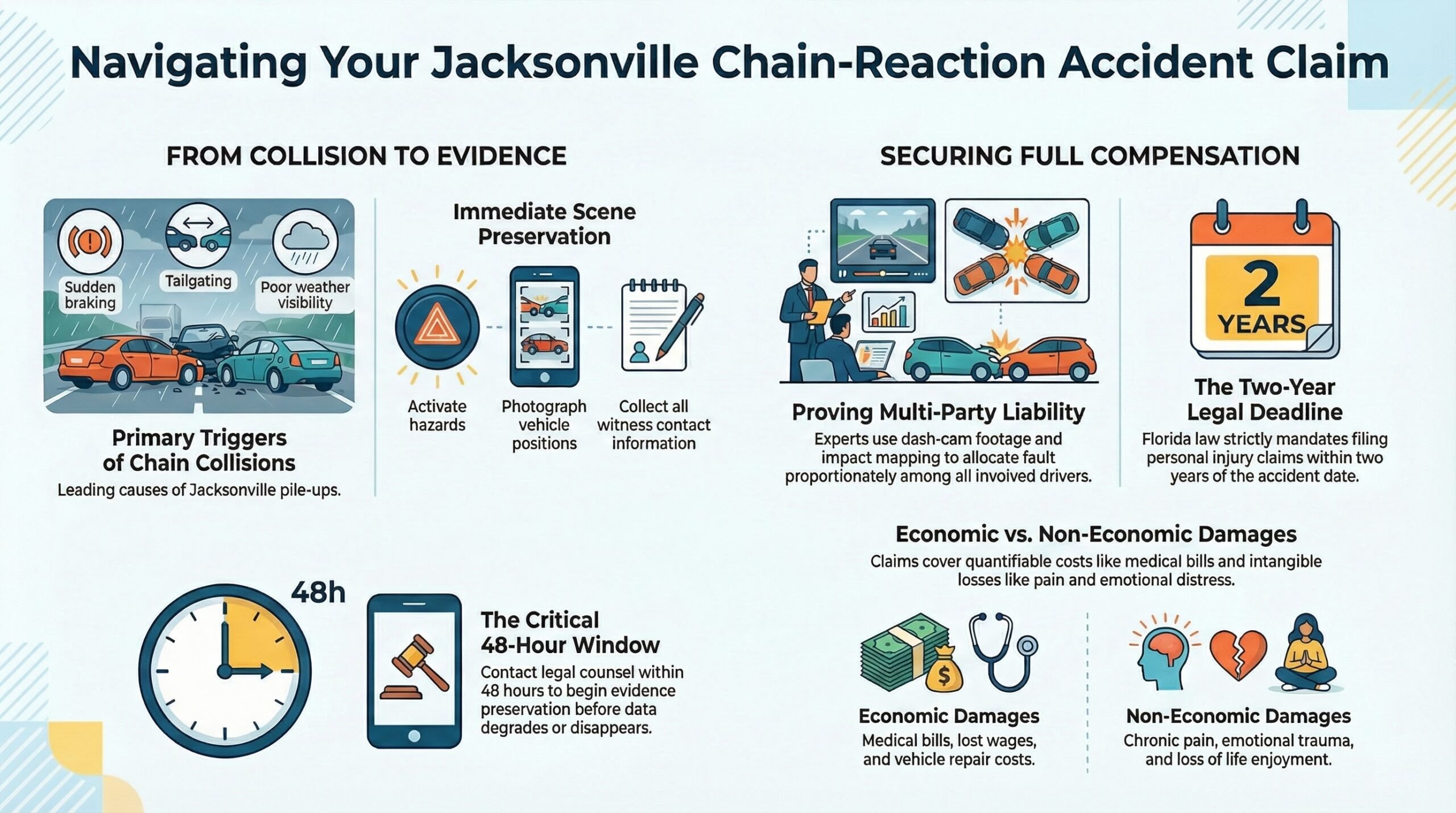
We’ve identified sudden braking actions, tailgating, distracted driving, and poor weather visibility as the primary triggers of chain‑reaction crashes in Jacksonville.
When drivers fail to maintain safe following distances or are momentarily inattentive, a single impact can quickly cascade through traffic.
Understanding these causes helps us advise clients on liability and preventive measures.
Sudden Braking Maneuvers
Although sudden braking maneuvers often stem from momentary driver distraction or unexpected obstacles, they frequently trigger a chain reaction that escalates into multi‑vehicle collisions on Jacksonville’s busy roadways.
We observe that sudden braking reduces the distance between vehicles faster than drivers can adjust, and the resulting loss of control spreads quickly. When a driver applies brakes abruptly, following motorists experience delayed reaction times, forcing them to slam their own brakes or swerve.
This cascade of abrupt stops overwhelms the normal flow of traffic and creates a domino effect that can involve several cars within seconds.
Tailgating and Following Distance
Tailgating dramatically reduces the safety margin between vehicles, making it nearly impossible for drivers to react adequately when the car ahead brakes suddenly.
We observe that maintaining a proper following distance is vital for preventing chain‑reaction crashes, especially on Jacksonville’s busy roadways.
When we keep an adequate gap, we allow sufficient stopping distance for both our vehicle and the one ahead, reducing the likelihood of rear‑end collisions.
Our experience shows that tailgating penalties are enforced to deter this dangerous behavior, yet many drivers underestimate the physics involved.
By educating motorists on safe spacing, we help protect families and communities.
We encourage everyone to measure distance in seconds, account for weather conditions, and respect the law to keep our streets safer.
Distracted Driving Incidents
We observe that smartphone distractions often cause delayed braking and lane deviation, creating the conditions for a multi‑vehicle pile‑up.
Likewise, passenger interference—whether a child reaching for a seatbelt or a conversation that draws attention—can impair a driver’s situational awareness at pivotal moments.
Poor Weather Visibility Conditions


When heavy rain, fog, or sudden thunderstorms roll in, visibility can drop to a fraction of a mile, and drivers often struggle to gauge distances and react in time. We know that reduced visibility creates a cascade of misjudgments, especially when road glare from headlights or streetlights compounds the problem.
OUR CONSULTATIONSARE FREE
START YOUR FREE CASE REVIEW

In Jacksonville, the combination of humid air and sudden downpours frequently blinds motorists, causing delayed braking and lane drift. We advise drivers to increase following distance, use low‑beam headlights, and stay alert to sudden stops ahead.
Legal Rights of Jacksonville Chain Reaction Car Accident Injury Victims
If you’re involved in a chain‑reaction crash on Jacksonville’s busy streets, you’re entitled to specific legal protections that safeguard your recovery, property, and financial future.
Involved in a Jacksonville chain‑reaction crash? Legal protections safeguard your recovery, property, and financial future.
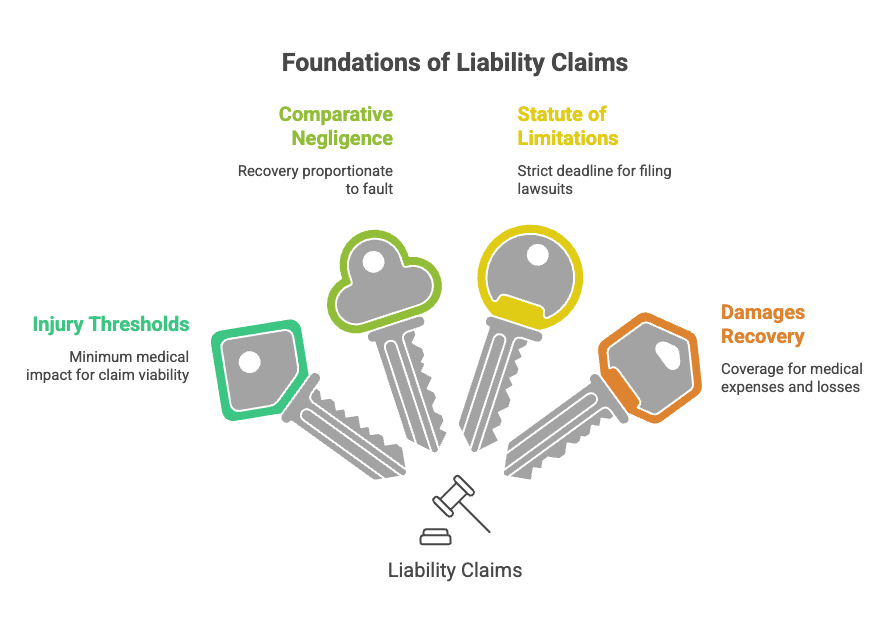
We must understand the injury thresholds that determine the severity of harm and how comparative negligence may affect compensation. By recognizing these principles, we can better advocate for victims and make certain that insurers honor their obligations.
Our role includes guiding clients through the legal landscape, preserving evidence, and negotiating fair settlements.
- Injury thresholds: Establish the minimum medical impact required for a claim to be viable.
- Comparative negligence: Allows recovery proportionate to fault, even if the victim shares responsibility.
- Statute of limitations: Sets a strict deadline for filing lawsuits, protecting the right to timely justice.
- Damages recovery: Covers medical expenses, lost wages, property damage, and non‑economic losses such as pain and suffering.
Steps to Take After a Jacksonville Chain Reaction Car Accident
We should first secure the scene to prevent further hazards and preserve evidence, then promptly document all injuries and vehicle damage with photos and written notes, and finally contact legal representation to protect our rights and guarantee a thorough investigation.
Secure the Scene
We should first assess safety, then activate hazard lights and, if possible, place reflective triangles or flares at appropriate distances to warn oncoming traffic.
Scene preservation is pivotal; we must keep vehicles where they stopped unless moving them is necessary to avoid additional danger.
While waiting for emergency responders, we conduct evidence collection by photographing vehicle positions, skid marks, and any debris. We also record weather conditions and road surface status.
If witnesses are present, we request their contact information and encourage them to stay at the scene.
This disciplined approach safeguards facts vital for future legal analysis.
Document Injuries and Damage
After the collision, we must promptly document every injury and piece of damage to create a reliable record for insurance claims and potential litigation.
We begin by taking thorough photographic documentation of visible injuries, vehicle dents, broken glass, and any displaced parts, ensuring each image captures multiple angles and close‑ups.
Next, we record personal injury details, noting pain levels, swelling, and any medical attention received, while preserving all related receipts and reports.
Simultaneously, we obtain repair estimates from reputable auto body shops and compare at least two assessments to verify fairness.
We keep these documents organized in a dedicated folder, clearly labeling each file and noting the dates.
This systematic approach safeguards our clients’ interests and strengthens their position in negotiations and potential court proceedings.
Contact Legal Representation
Documenting injuries and damage creates a solid evidentiary foundation, and the next step is securing legal representation without delay.


We advise you to contact a qualified Jacksonville chain‑reaction car accident attorney as soon as possible and provide them with all emergency contacts and a concise timeline of events. Prompt communication enables the lawyer to preserve crucial evidence and begin negotiations with insurers.
When you meet the attorney, discuss the retainer agreement in detail, ensuring you understand the fee structure, scope of services, and any obligations on your part. A clear retainer protects both parties and establishes expectations for the case.
By acting swiftly and transparently, we safeguard your rights and enhance the likelihood of a favorable resolution.
How a Jacksonville Chain Reaction Car Accident Lawyer Can Help You
When a chain‑reaction collision occurs on Jacksonville’s busy roadways, the resulting injuries and property damage can be overwhelming, and guiding the ensuing legal complexities often requires focused skill.
Jacksonville chain‑reaction collisions demand expert legal guidance to navigate overwhelming injuries and complex claims.
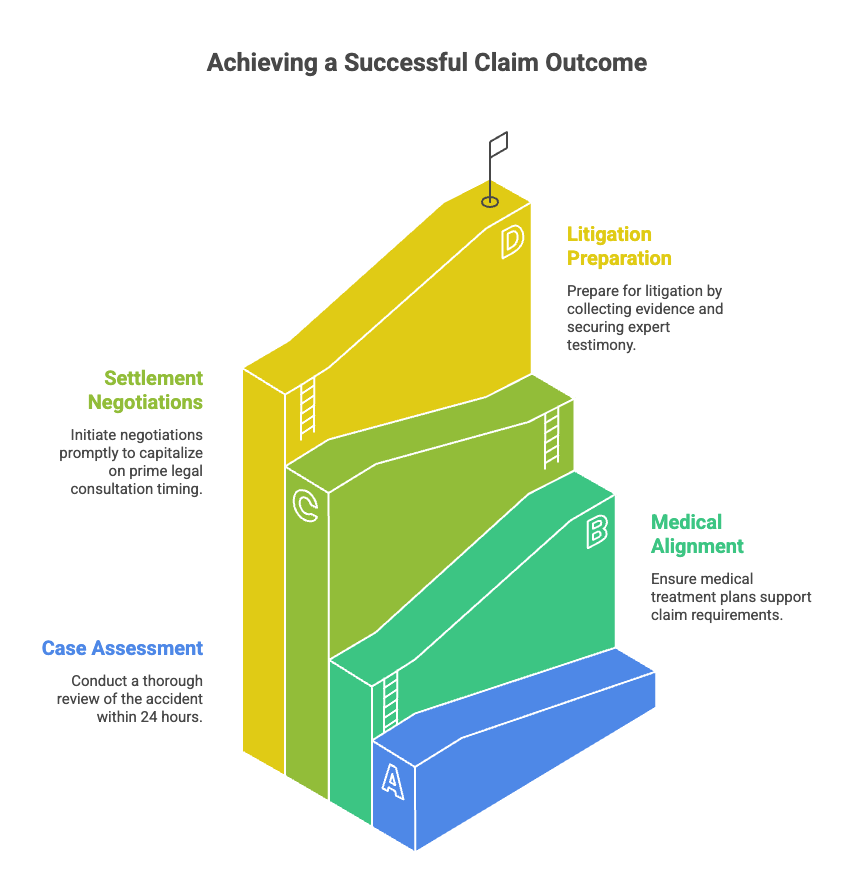
We guide you through every step, ensuring that post‑accident rehabilitation aligns with your claim and that the timing of legal consultation maximizes leverage. Our team coordinates medical documentation, negotiates with insurers, and prepares persuasive evidence while you focus on recovery.
By handling procedural deadlines and liability analysis, we protect your rights and reduce stress.
- Conduct a thorough case assessment within 24 hours of the accident.
- Align medical treatment plans with claim requirements for seamless post‑accident rehabilitation.
- Initiate settlement negotiations promptly to capitalize on prime legal consultation timing.
- Prepare for litigation, if needed, by collecting thorough evidence and securing expert testimony.
Our commitment to service drives us to act decisively, safeguarding your interests and facilitating a smoother path to compensation.
Long-Term Effects of Jacksonville Chain Reaction Car Accident Injuries
We recognize that chronic pain often persists long after the initial injury, requiring ongoing management strategies that can affect daily activities.
We also understand the emotional and psychological impact, including anxiety and depression, which may develop as victims grapple with the aftermath of a chain‑reaction crash.
Finally, we acknowledge that long‑term mobility limitations can restrict independence and necessitate adaptations to both personal and professional environments.
Chronic Pain Management
Addressing chronic pain after a Jacksonville chain‑reaction car accident requires a thorough, evidence‑based approach that integrates medical treatment, physical therapy, and psychological support.
We begin with pain education, explaining nerve pathways and how inflammation sustains discomfort, so clients can make informed decisions about medication, injections, and alternative therapies.
Next, we develop individualized exercise regimens that restore the range of motion while avoiding aggravation.
Sleep strategies are vital; we recommend consistent bedtime routines, ergonomic pillows, and light exposure to improve restorative sleep, which in turn reduces pain perception.
We also incorporate multidisciplinary coordination to ensure physicians, therapists, and case managers communicate regularly.
Emotional and Psychological Impact
Although the physical injuries from a Jacksonville chain‑reaction car accident often dominate the initial focus, the emotional and psychological repercussions can persist for years and profoundly affect a victim’s daily functioning.
We recognize that post‑traumatic stress may manifest as flashbacks, heightened anxiety, or sleep disturbances, which can erode confidence and impair professional responsibilities. By acknowledging these signs early, we empower clients to seek targeted therapy and peer support.
We also emphasize coping strategies such as cognitive‑behavioral techniques, mindfulness practices, and structured counseling, which help restore emotional equilibrium.
Our guidance integrates these interventions with legal advocacy, ensuring that victims receive thorough care while we pursue compensation for both tangible and intangible losses.
This holistic approach safeguards long‑term well‑being and reinforces our commitment to serving those affected.
Long‑Term Mobility Limitations
When a Jacksonville chain‑reaction car accident leaves a victim with lasting injuries, the resulting mobility limitations can reshape daily life for years to come.
We appreciate that chronic pain, reduced range of motion, and balance issues often force individuals to rely on assistive devices such as walkers, canes, or customized wheelchairs.
These tools restore independence while demanding adjustments to home layouts, transportation, and workplace accommodations.
Additionally, we guide clients toward adaptive sports programs that promote physical health, confidence, and social integration, demonstrating that mobility challenges need not end active participation.
Proving Liability in Jacksonville Chain Reaction Car Accident Cases
If a chain‑reaction collision occurs on Jacksonville’s busy streets, establishing liability requires a meticulous reconstruction of each vehicle’s movements, speeds, and points of impact.
Meticulous reconstruction of vehicle movements, speeds, and impact points establishes liability in Jacksonville chain‑reaction collisions.
We begin by gathering police reports, dash‑cam footage, and witness statements to map the sequence of events.
Next, we employ expert testimony to translate physical evidence into a coherent narrative that shows how one driver’s actions precipitated the cascade.
Our analysis often reveals comparative fault, allowing the court to assign responsibility proportionally among the parties.
We scrutinize braking distances, lane changes, and compliance with traffic signals to pinpoint the initial negligent act.
By presenting calibrated data and clear visual aids, we help the jury understand the causal chain and the degree of each driver’s contribution.
This disciplined approach guarantees that the injured party receives fair compensation while upholding the standards of justice in intricate multi‑vehicle accidents.
Dealing With Insurance Companies After a Jacksonville Chain Reaction Car Accident
Maneuvering the aftermath of a Jacksonville chain‑reaction car accident means confronting insurers who often prioritize their own bottom line over the victim’s needs.
We must gather all documentation, keep meticulous records, and communicate consistently with the adjuster to protect our client’s interests.
When a claim denial arises, we review the policy language, request a detailed explanation, and assess whether the insurer’s actions constitute bad faith.
Bad faith can be demonstrated by unreasonable delays, insufficient investigation, or a refusal to settle a legitimate claim.
We advise our clients to submit written inquiries, retain copies of all correspondence, and avoid oral agreements without documentation.
By maintaining a disciplined approach, we can challenge improper denials, negotiate fair settlements, and guarantee that the victim receives the compensation owed.
Our commitment to serving others drives us to hold insurers accountable and safeguard the rights of those affected by chain‑reaction accidents.
What to Expect During a Jacksonville Chain Reaction Car Accident Claim Process
We’ll start by reviewing the initial report and evaluating the facts, then we’ll gather all relevant medical records to substantiate your injuries and expenses.
Next, we’ll negotiate with the insurers, presenting a clear, evidence‑based demand that reflects the full scope of your losses.
If the parties can’t reach a fair settlement, we’ll be prepared to pursue litigation to protect your rights and secure the compensation you merit.
Initial Report Evaluation
When you submit the initial police report after a Jacksonville chain‑reaction car accident, we promptly review every detail to determine the claim’s strengths and potential challenges.
Our claim triage begins with a systematic evidence checklist, ensuring each photograph, witness statement, and diagram is catalogued and assessed for relevance. We compare the report’s facts with traffic laws, vehicle dynamics, and prior case precedents to gauge liability exposure.
Any inconsistencies or missing data are flagged for immediate clarification, allowing us to address gaps before they hinder negotiations. Throughout this phase, we keep you informed, explaining how each piece of evidence supports your position and what steps we’ll take to strengthen the claim.
This disciplined approach lays a solid foundation for a successful resolution.
Medical Records Collection
We’ll gather every medical document related to your injuries, from emergency‑room notes to consultant reports, to build a thorough record of the damage caused by the chain‑reaction crash.
Our team promptly initiates provider outreach, contacting hospitals, clinics, and experts to request complete charts. We prepare HIPAA releases that empower us to retrieve records while safeguarding your privacy.
Each file is organized chronologically, highlighting diagnoses, treatments, and follow‑up care to ensure no detail is overlooked.
Negotiation With Insurers
After compiling a complete medical record, we turn our focus to the insurer’s negotiation stage.
In this phase, we assess the claim’s valuation by reviewing all expenses, lost wages, and future care needs to determine a realistic compensation target.
We leverage settlement leverage by highlighting the strength of our documentation and the legal precedents that support a fair payout.
Throughout discussions, we maintain a professional, collaborative tone, aiming to resolve the dispute without resorting to litigation.
We anticipate counteroffers, prepare detailed rebuttals, and keep the client informed of each development.
By managing expectations and emphasizing the mutual benefit of an early, equitable settlement, we protect the client’s interests while fostering a constructive relationship with the insurer.
This approach guarantees a thorough, efficient resolution.
Litigation If Necessary
If the insurer refuses to offer a fair settlement, we promptly move to litigation, preparing a thorough case that demonstrates the full extent of damages and liability.
We file a complaint, gather expert testimony, and secure medical and financial records to substantiate your claim.
Throughout discovery, we exchange information, conduct depositions, and address any motions that arise.
When the case proceeds to trial, we guide you through jury selection to ensure a fair panel that understands the nuances of chain‑reaction accidents.
Should the verdict be unfavorable, we’re ready to pursue court appeals to preserve your rights and seek a just outcome.
Our disciplined approach balances aggressive advocacy with meticulous preparation, protecting your interests at every stage.
Compensation for Jacksonville Chain Reaction Car Accident Damages
When a chain‑reaction crash occurs on Jacksonville’s busy streets, the resulting injuries and property loss can quickly become overwhelming, and we must navigate through the complex web of liability to secure the compensation our clients are entitled to.
We begin by evaluating all recoverable damages, focusing on both tangible and intangible losses. Medical liens are scrutinized to make certain that any subrogated amounts are properly accounted for, preventing over‑recovery that could jeopardize settlement negotiations.
Simultaneously, we conduct a thorough pain valuation to quantify the physical and emotional distress that bills alone can’t capture.
This dual approach allows us to present an all‑inclusive claim that reflects the true impact of the accident on our clients’ lives. By integrating these elements into a cohesive strategy, we protect our clients’ rights and maximize the compensation they merit.
Economic vs Non-Economic Damages in Jacksonville Chain Reaction Car Accident Cases
We’ll explain how medical loss and other out‑of‑pocket expenses form the economic damages that are relatively easy to quantify, while the non‑economic impact—pain, suffering, and loss of enjoyment—requires a more nuanced assessment.
Our discussion will outline the principal factors courts consider when calculating total compensation, including the severity of injuries, the duration of recovery, and the effect on daily life.
Medical Loss Lossages
Understanding the distinction between economic and non‑economic damages is vital when evaluating medical losses in Jacksonville chain‑reaction car accident cases.
We explain how medical underinsurance can amplify out‑of‑pocket expenses, forcing clients to draw on savings or seek alternative financing.
We also assess lost earning capacity, quantifying the reduction in future income due to permanent or temporary impairments.
By calculating current medical bills, projected treatment costs, and the impact of diminished work ability, we provide a thorough economic picture.
Our analysis incorporates statutory limits and insurance policy nuances, ensuring that claimants receive compensation that truly reflects their financial burden.
This approach aligns with our commitment to serve victims responsibly, protecting their economic interests while upholding legal standards.
Non‑Economic Impact
Because economic damages can be quantified through bills, lost wages, and future earnings, non‑economic damages require a different approach, focusing on pain, suffering, and loss of enjoyment of life.
We explain to our clients that pain valuation captures the intangible distress that can’t be measured by receipts, yet it directly impacts a victim’s quality of life.
Our team assesses how the accident has altered daily routines, relationships, and emotional well‑being, translating these changes into compensable figures. By articulating the severity of psychological trauma and diminished enjoyment, we help juries recognize the full scope of loss.
This thorough view guarantees that victims receive fair restitution for both measurable and immeasurable harms.
Compensation Calculation Factors
In Jacksonville chain‑reaction car accidents, the total recovery hinges on a precise blend of economic and non‑economic factors. We assess economic damages by tallying medical bills, lost wages, and property repair costs, ensuring each line item reflects actual loss.
Simultaneously, we evaluate non‑economic impacts through pain valuation, considering emotional distress, diminished quality of life, and future suffering. Damage apportionment requires us to allocate responsibility among multiple parties, balancing comparative negligence and insurance limits.
When a Jacksonville Chain Reaction Car Accident Case Goes to Trial vs Settlement
When a chain‑reaction car accident in Jacksonville proceeds to trial rather than settlement, the stakes shift dramatically for all parties involved. We explain trial dynamics and settlement strategy so you can guide clients wisely.
In trial, evidence is examined publicly, witnesses testify under oath, and a judge or jury determines liability and damages. This process can extend months, require extensive discovery, and involve higher costs, but it also offers a definitive verdict that may exceed settlement offers.
Conversely, a settlement strategy leverages negotiation, mediation, and risk assessment to resolve the case quickly, preserve resources, and reduce stress for injured parties. We assess the strength of the case, the client’s financial needs, and the opposing insurer’s willingness to compromise.
The Statute of Limitations for Jacksonville Chain Reaction Car Accident Injury Case
Within two years of a Jacksonville chain‑reaction car accident, the statute of limitations demands that we file a claim, and the right to seek recovery is extinguished.
We must understand the nuances of the statutes governing personal injury and property damage actions, because they dictate the deadline for initiating legal proceedings.
In Florida, the two‑year period typically begins on the date of the accident, but certain filing exceptions—such as delayed discovery of injury or the involvement of a government entity—can extend or pause the clock.
We should assess whether any exception applies to our client’s situation, because missing the deadline eliminates any chance of compensation.
By promptly reviewing medical records, police reports, and insurance correspondence, we can identify potential exceptions and preserve the right to file.
Our responsibility is to guide clients through these procedural requirements, ensuring they act within the legal timeframe while protecting their interests.
When to Contact a Jacksonville Chain Reaction Car Accident Lawyer
Understanding the statute of limitations tells us that we must act quickly, but it also highlights that the moment a chain‑reaction crash occurs, we should begin consulting legal counsel.
We recommend reaching out to a Jacksonville chain reaction car accident lawyer within 24‑48 hours to secure your rights and initiate post-accident counseling.
Early contact ensures that evidence preservation begins immediately, allowing us to gather photographs, witness statements, and police reports before they deteriorate or disappear.
Prompt attorney involvement also helps you steer medical evaluation timelines, preventing delays that could affect compensation.
While you focus on recovery, we’ll coordinate with medical providers and insurers to ensure that all documentation aligns with your claim.
By acting swiftly, we protect your claim’s integrity, reduce the risk of procedural setbacks, and lay a solid foundation for a favorable resolution. This proactive approach reflects our commitment to serving victims responsibly and efficiently.
Why You Need an Experienced Jacksonville Chain Reaction Car Accident Lawyer
Because chain‑reaction crashes involve multiple vehicles and complex liability issues, we need an experienced Jacksonville chain-reaction car accident lawyer who can untangle the facts and protect our rights.
Experienced Jacksonville chain‑reaction accident lawyer untangles complex liability and protects your rights.
In these incidents, local nuances such as traffic patterns, state statutes, and regional court practices dramatically affect case outcomes. Our team understands how Jacksonville’s specific regulations intersect with multi‑party negligence, allowing us to identify the responsible parties accurately.
We also bring expert negotiation skills to the table, ensuring insurers receive fair offers and that settlements reflect the full extent of our injuries and losses.
By leveraging seasoned litigation experience, we can anticipate defensive tactics, preserve critical evidence, and present a compelling narrative to judges or juries.
Ultimately, the combination of local insight and strategic negotiation safeguards our interests, maximizes compensation, and reduces the stress of navigating a complex legal landscape on our own.
How to Choose the Right Jacksonville Chain Reaction Car Accident Lawyer for Your Case
Our experience with chain‑reaction crashes shows that selecting the right attorney can make all the difference in securing a fair outcome.
We begin by reviewing a lawyer’s track record in similar cases, focusing on settlements and verdicts that reflect competence and dedication.
Next, we assess how well the firm leverages local resources such as medical experts, accident reconstruction consultants, and community networks that can strengthen our claim.
We also examine fee structures, preferring transparent arrangements—whether contingency, hourly, or hybrid—that align with our financial situation and reduce uncertainty.
Communication style matters; we look for attorneys who listen attentively, explain strategies clearly, and keep us informed throughout litigation.
Finally, we verify professional credentials, bar admissions, and client testimonials to confirm ethical standards and client‑focused service.
About The Law Offices of Anidjar & Levine
The Law Offices of Anidjar & Levine bring decades of personal‑injury experience to Jacksonville, combining seasoned litigation skills with a deep understanding of local court dynamics.
We’ve built a firm history rooted in diligent advocacy and consistent results, which we share openly with prospective clients.
Our approach emphasizes listening, thoroughly evaluating each case, and developing strategies that align with the client’s goals and community values.
Client testimonials frequently highlight our responsiveness, transparency, and commitment to achieving fair compensation.
We maintain a collaborative environment where every team member contributes know‑how, ensuring that each claim receives all‑encompassing attention from investigation through settlement or trial.
By staying current on evolving statutes and local precedents, we protect the rights of those injured in chain‑reaction accidents while upholding the highest professional standards.
Our dedication to service, reinforced by a proven track record, positions us as a trusted partner for those seeking justice in Jacksonville.
Frequently Asked Questions
Will My Insurance Premiums Increase After Filing a Claim?
We can say premiums often rise after a claim, but the exact increase depends on your policy changes and claims history.
Insurers typically assess risk based on recent losses, so a single accident may trigger a modest hike, while multiple claims can lead to larger adjustments.
We recommend reviewing your policy details, discussing the potential impact with your agent, and maintaining a clean claims record to mitigate future premium growth.
Can I Claim for Emotional Distress From a Chain‑Reaction Crash?
We can claim emotional distress from a chain‑reaction crash if we demonstrate that the incident caused substantial mental anguish and that we sought trauma counseling.
To succeed, we must provide medical documentation, therapist notes, and a clear link between the accident and the psychological impact.
Courts typically require proof that the distress is more than ordinary upset and that it resulted directly from the collision.
Proper evidence strengthens the claim and supports compensation.
What if the Other Driver’s Insurance Denies Liability?
We advise that if the other driver’s insurance denies liability, we should immediately challenge the disputed fault by filing a formal complaint and requesting a detailed explanation.
We must preserve all evidence—photos, police reports, medical records—to support our position and guard against bad‑faith tactics.
Simultaneously, we can prepare counterclaims for any additional losses, ensuring our client’s rights remain protected throughout negotiations and possible litigation.
How Long Does It Take to Receive a Settlement Payment?
We typically see a settlement timeline of 30 to 90 days after acceptance, depending on the insurer’s processing speed and any required documentation.
The payout schedule follows once the claim is approved, with a single lump‑sum payment issued within a few business days of the final agreement. We advise you to keep all receipts and medical records organized to prevent delays and make certain the payment reaches you promptly.
Do I Need a Medical Expert to Testify in Court?
We advise that medical testimony is often indispensable, especially when injury severity and causation are contested.
An expert can clarify intricate diagnoses, link symptoms to the accident, and counter defense arguments.
While courts sometimes accept lay testimony, the credibility of a medical professional carries far greater weight.
Consequently, we recommend securing a qualified medical expert to testify to ensure your case presents authoritative, reliable evidence.
—————————
We stand ready to protect your rights and secure the compensation you merit after a Jacksonville chain-reaction car accident.
The Jacksonville Car Accident Lawyer at Law Offices of Anidjar and Levine combines extensive experience with a disciplined, results-focused approach, ensuring every legal avenue is pursued.
By entrusting your claim to us, you benefit from strategic advocacy, thorough investigation, and unwavering dedication.
Let us handle the intricacies while you concentrate on recovery, confident that your case is in capable, expert hands.