The Law Offices of Anidjar and Levine can help injured motorists with chain reaction accident claims involving multiple drivers, disputed fault, and competing insurers.
A Florida Car Accident Lawyer may preserve crash reports, photographs, vehicle data, surveillance footage, repair records, and medical documentation before evidence is lost.
They can also evaluate liability, challenge unsupported denials, document damages, and assess settlement offers for future care, lost income, and shared fault concerns.
The sections below explain crucial rights, steps to claim, and case strategy.
Main Takeaways
- A Florida chain-reaction accident lawyer helps identify responsible drivers when insurers dispute fault among multiple vehicles.
- Early evidence preservation can secure crash reports, photos, vehicle data, surveillance footage, witness statements, and medical records.
- Liability often depends on the sequence of impacts, following distance, distracted driving, sudden braking, weather, and roadway conditions.
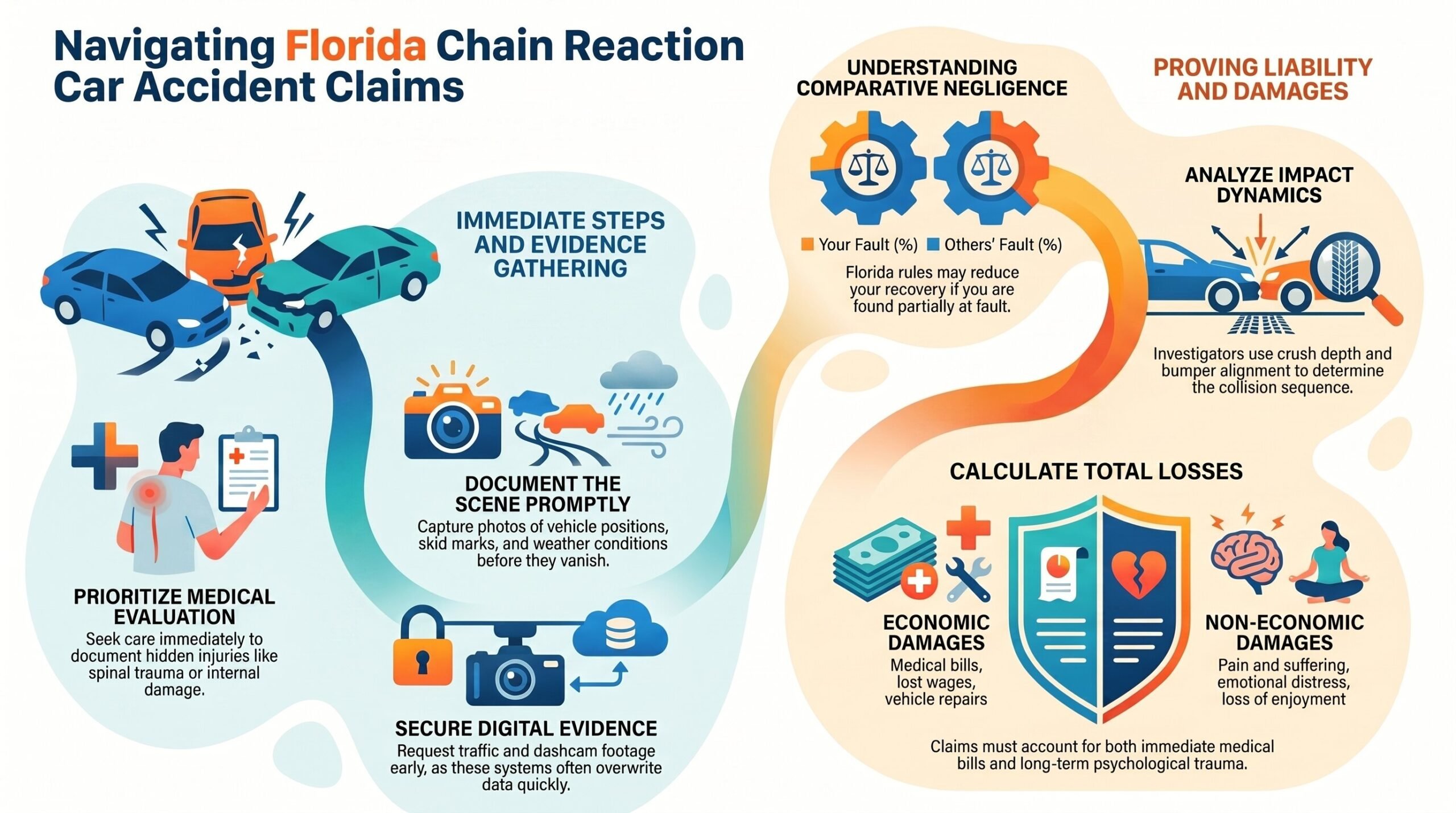
- Florida comparative negligence rules may reduce recovery if injured motorists share fault for the multi-vehicle collision.
- A lawyer can organize damages, challenge unsupported denials, and evaluate settlements for medical care, lost income, and future needs.


How We Can Help With Your Florida Chain Reaction Car Accident Injury Claim
After a chain-reaction crash, injured motorists often face competing insurance claims, disputed fault, and medical expenses that rise before liability is clear. A Florida chain-reaction car accident injury lawyer can help by organizing the claim, meeting deadlines, and communicating with insurers so the injured person can focus on recovery and family responsibilities.
Effective representation begins with Evidence preservation. Counsel may seek crash reports, vehicle data, photographs, surveillance footage, repair records, and medical documentation before crucial information is lost. When an insurance dispute arises, the lawyer can evaluate coverage, challenge unsupported denials, and present damages in a structured manner. Because witness credibility may influence how fault is assigned, statements should be gathered carefully, compared with physical evidence, and assessed for consistency.
This support serves injured motorists by reducing confusion, promoting accountability, and pursuing fair compensation for medical care, lost income, pain, and other documented losses.
OUR CONSULTATIONSARE FREE
START YOUR FREE CASE REVIEW

Understanding Florida Chain Reaction Car Accident Injury Cases
When multiple vehicles collide in quick succession, a Florida chain reaction car accident injury case often requires a careful review of timing, vehicle positions, roadway conditions, and driver conduct. These cases can involve several injured people, each needing fair attention while investigators determine how the impacts unfolded. A lawyer may examine police reports, photographs, medical records, repair estimates, and witness statements to identify the sequence of events and protect the interests of those harmed.
Liability disputes are common because drivers, insurers, and other parties may disagree about who caused each impact and how much harm resulted. Evidence preservation is crucial, especially when vehicles are repaired, roadway debris is cleared, or electronic data may be lost. Prompt legal guidance can help ensure that relevant materials are secured and evaluated. This process supports accurate fault assessment, responsible compensation decisions, and a measured approach that respects every person affected by the collision.
Common Causes of Florida Chain Reaction Car Accidents
Chain reaction car accidents in Florida often result from preventable driving behaviors and hazardous road conditions. Common causes include distracted driving, tailgating, sudden braking, and poor weather conditions, each of which can reduce reaction time and increase collision severity. Identifying these factors is crucial when evaluating fault, liability, and the full scope of injuries in a multi-vehicle crash.
Distracted Driving
Often, distracted driving is the initiating factor in a Florida chain-reaction car accident because it impairs a driver’s ability to recognize stopped traffic, sudden braking, lane changes, or roadway hazards. A moment of cellphone distraction can prevent timely steering, braking, or warning responses, placing nearby motorists, passengers, pedestrians, and first responders at greater risk.
When texting, hands leave the wheel, attention is divided between the screen and the roadway, reducing judgment during key seconds. Other distractions may include adjusting navigation, eating, reaching for items, or interacting with passengers. In injury claims, evidence such as phone records, witness statements, dash-camera footage, and vehicle data may help establish inattentive conduct. Careful review can support accountability and help injured people receive necessary assistance after a preventable crash.
Tailgating
At highway speeds or in congested traffic, tailgating can sharply reduce the time a driver has to react to sudden braking or an unexpected hazard. When one vehicle follows too closely, a minor traffic change can escalate into multiple impacts involving drivers who had no reasonable opportunity to avoid harm. Florida motorists are expected to maintain a safe following distance, taking into account speed, road conditions, visibility, and surrounding traffic.
Tailgating becomes especially dangerous when combined with speeding violations, aggressive lane changes, or impatience during heavy travel periods. In a chain reaction crash, investigators may evaluate vehicle spacing, skid marks, witness accounts, and damage patterns to determine whether following too closely contributed. Responsible driving protects passengers, pedestrians, and other roadway users who depend on careful decisions.
Sudden Braking
When a driver brakes suddenly, vehicles behind may have only seconds to recognize the danger, slow down, and avoid impact. In heavy Florida traffic, abrupt stops can create a rapid sequence of rear-end impacts, especially when following drivers are distracted or traveling too closely. A single unexpected stop may force nearby motorists to make emergency decisions, including swerving into adjacent lanes.
These reactions can contribute to lane change errors, sideswipe collisions, and additional impacts involving vehicles that were not initially at risk. Careful drivers serve the safety of others by maintaining proper distance, monitoring traffic ahead, and anticipating changes in speed. After a chain reaction crash, investigators may examine braking patterns, vehicle spacing, and driver conduct to determine how sudden braking contributed to the collision.
Poor Weather Conditions
Because Florida weather can change quickly, rain, fog, standing water, and high winds may increase the risk of a chain reaction car accident. Wet pavement can create slippery roadways, making it harder for drivers to stop before striking vehicles ahead. Fog and heavy rain also cause reduced visibility, limiting reaction time when traffic slows or hazards appear suddenly.
In these conditions, one driver’s minor mistake may place many others in danger. Careful motorists may slow down, increase following distance, and use their lights appropriately to protect passengers, nearby drivers, and emergency responders. When drivers ignore weather risks, fail to adjust speed, or follow too closely, preventable crashes may occur. Injury claims often examine whether conduct matched the conditions present at the time.


Legal Rights of Florida Chain Reaction Car Accident Injury Victims
After a chain reaction crash occurs, injured victims in Florida may have the right to pursue compensation from one or more negligent parties, depending on how the collision unfolded. These rights may include recovery for medical care, lost income, pain, disability, and other losses tied to the crash. Florida’s Comparative Negligence Rules can affect the amount recovered when fault is shared among drivers or other responsible parties.
Victims and families often serve their communities best by protecting evidence and seeking lawful accountability.
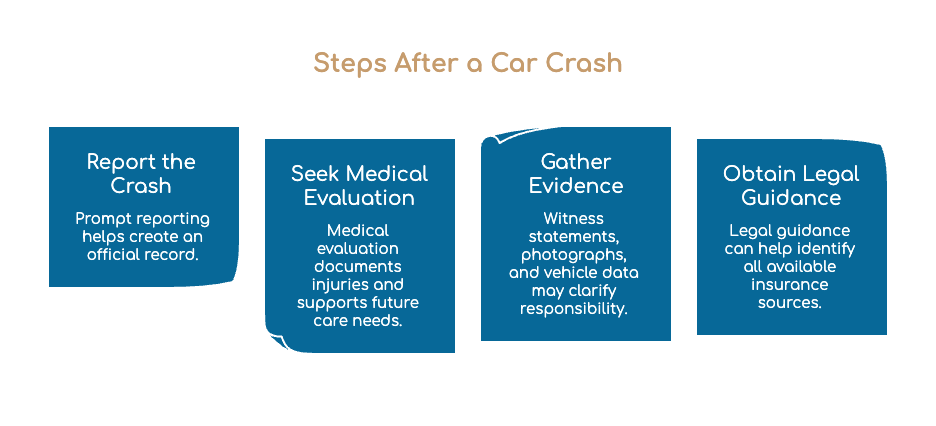
- Reporting the crash promptly helps create an official record.
- Medical evaluation documents injuries and supports future care needs.
- Witness statements, photographs, and vehicle data may clarify responsibility.
- Legal guidance can help identify all available insurance sources.
In limited circumstances, separate Medical Malpractice Claims may arise if negligent medical treatment worsens crash injuries. Each case requires careful review, compassionate attention, and disciplined advocacy focused on restoring stability after harm.
Why Do Florida Chain Reaction Car Accident Injuries Happen?
Although each collision has its own sequence of events, Florida chain reaction car accident injuries often occur when one driver’s unsafe conduct creates a sudden hazard that others cannot avoid in time. Common causes include speeding, distracted driving, aggressive lane changes, impaired driving, and following too closely in congested traffic. When traffic is heavy on highways, bridges, or urban corridors, a single abrupt stop can quickly involve several vehicles.
Other contributing factors may include Inadequate maintenance, such as worn brakes, bald tires, or defective lights that reduce a driver’s ability to react safely. Commercial vehicles may create additional risks through cargo-related impacts, including shifting loads, falling materials, or unsecured equipment that blocks lanes or strikes nearby vehicles. Poor weather, limited visibility, and roadway construction can intensify these dangers. For those committed to helping injured people, understanding these causes supports careful evaluation of fault, prevention, and accountability.
What Should You Do After a Florida Chain Reaction Car Accident Injury?
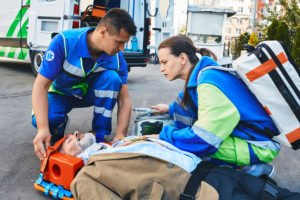
After a Florida chain-reaction car accident, an injured person should seek immediate medical care, even if symptoms appear minor. If it is safe, documenting the crash scene, vehicle positions, injuries, and witness information can help preserve important evidence. Promptly contacting a Florida lawyer may also protect the person’s rights, especially when multiple drivers, insurers, and disputed fault are involved.
Seek Immediate Medical Care
Seek prompt medical attention as soon as possible following a Florida chain reaction car accident, even when injuries appear minor or symptoms seem delayed. A careful medical evaluation can identify concussions, soft tissue damage, internal injuries, or spinal trauma that may not be immediately obvious. Timely care also supports the person’s ability to continue serving family, coworkers, and community while reducing the risk of further harm.
Emergency treatment costs may be included in an injury claim, making early records important for demonstrating the nature and extent of harm. Prompt symptom documentation, including pain levels, mobility limits, headaches, dizziness, or numbness, helps connect the injuries to the collision. Delays in treatment can allow insurers to question causation, severity, or necessity, weakening an otherwise valid claim.
Document The Crash Scene
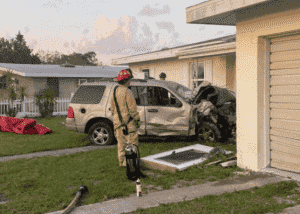
Once medical needs are addressed and safety permits, documenting the crash scene can help preserve facts that may later be disputed. A person involved should photograph vehicle positions, debris fields, skid marks, road conditions, traffic signs, and visible injuries, without interfering with responders. Safety signals, including hazard lights, flares, and emergency cones, may also show how drivers and officials protected others after impact.
Careful scene preservation supports a clearer understanding of the sequence of collisions, especially when several vehicles, lanes, and witness accounts are involved. Names, contact information, license plates, and insurance details should be recorded when it is safe and appropriate. EMS documentation, police observations, and bystander statements may later help connect injuries, timing, and roadway conditions to the crash. Accuracy and restraint are important.
Contact A Florida Lawyer
In the days following a chain reaction crash, contacting a Florida lawyer can help an injured person protect legal rights before evidence is lost, insurers obtain damaging statements, or liability disputes become more difficult to address. Counsel can identify each potentially responsible driver, review police reports, preserve witness accounts, and coordinate requests for vehicle data or surveillance footage.
This guidance is especially important when several insurers attempt to shift blame among motorists. A lawyer may also help organize Medical billing records, document ongoing treatment needs, and evaluate how injuries affect work, caregiving, and daily service to others. With a clear settlement strategy, the injured person can pursue fair compensation while avoiding rushed offers that overlook future care, lost income, or shared fault issues under Florida law.
Critical Evidence in a Florida Chain Reaction Car Accident Injury Case
Important evidence in a Florida chain-reaction car accident injury case helps establish how the collision sequence unfolded, which drivers contributed to the crash, and whether any party violated traffic laws. Essential forms of evidence may include:
- Police crash reports
- Vehicle damage patterns
- Witness statements
- Traffic camera footage
Each item can clarify fault, support injury claims, and strengthen the legal evaluation of liability.
Police Crash Reports
After a Florida chain-reaction crash, the police crash report often becomes one of the first structured records of what happened, who was involved, and how the collision sequence unfolded. It may identify drivers, passengers, witnesses, roadway conditions, citations, insurance details, and the responding officer’s initial observations. For injured people and those helping them recover, this report can guide early case evaluation and support the organized collection of evidence.
Although not always conclusive, the report may assist with Culpable Driver Analysis when compared with witness statements, medical records, and Crash Scene Photos. Attorneys may review inconsistencies, omitted facts, or unclear narratives with care. When used responsibly, the report helps protect the injured person’s interests, supports accountability, and promotes fair resolution after a complicated multi-vehicle collision.
Vehicle Damage Patterns
When several vehicles collide in a chain reaction crash, damage patterns can provide important evidence about the order, direction, and force of the impacts. Investigators may evaluate crush depth, bumper alignment, broken lights, frame displacement, and paint transfer to understand Impact dynamics and determine how each vehicle interacted with the next.
Vehicle deformation can help identify whether a car was struck from behind before being pushed forward, or whether it created a secondary impact after an initial collision. This analysis may also support injury causation, especially when medical findings correspond with documented forces and points of contact. In a Florida injury case, careful review of photographs, repair estimates, and inspection records may clarify the collision sequence, helping to identify responsible parties accurately and preserve fairness for every injured person.
Witness Statements
Vehicle damage may show how the impacts occurred, but witness statements can help explain what happened in the moments before, during, and immediately after a Florida chain reaction crash. Neutral observers may identify sudden braking, unsafe following distances, distracted driving, lane changes, or a driver’s failure to respond to stopped traffic. Their accounts can help clarify fault when several vehicles and competing versions of events are involved.
Prompt collection of witness information supports the broader work of Preserving Physical Evidence because memories can fade and details may become less certain over time. Statements should be recorded carefully, with names, contact information, locations, and observations documented. When paired with Obtaining Crash Photographs, witness accounts may help confirm vehicle positions, road conditions, and the sequence of impacts.
Traffic Camera Footage
In and around busy Florida intersections, traffic camera footage can provide an objective record of the moments leading up to a chain reaction car accident. This evidence may show vehicle speed, signal phases, lane changes, braking patterns, and the sequence of impacts. It can also help identify unsafe conduct, including Cell Phone Usage, that may have delayed a driver’s reaction time.
When Pedestrian Interactions are visible, footage may clarify whether drivers slowed, stopped, or swerved in response to people crossing or standing near the roadway. For injured persons and those assisting them, these recordings can support a fair evaluation of fault and damages. Because many systems overwrite data quickly, requests to preserve prompts are critical. A Florida chain reaction car accident injury lawyer may coordinate the collection, review, and use of footage.
Long-Term Effects of Florida Chain Reaction Car Accident Injuries
Florida chain reaction car accident injuries may cause lasting consequences, including chronic pain complications that interfere with mobility, work capacity, and daily function. Psychological trauma can also persist after the collision, particularly when victims experience anxiety, sleep disruption, or fear of driving. These long-term effects often create ongoing medical needs, making careful documentation necessary to evaluate the full scope of damages.
Chronic Pain Complications
Although some collision injuries appear to improve within weeks, chronic pain can develop after a chain reaction car accident and persist for months or years. Ongoing neck, back, shoulder, or nerve pain may interfere with daily care duties, household responsibilities, and community service commitments. Medical providers may recommend therapy, injections, changes in activity, or prescription medication to control symptoms and preserve function.
However, Medication side effects can create additional concerns, including fatigue, dizziness, reduced concentration, or limited mobility. These complications may affect a person’s ability to assist others safely and consistently. Chronic pain can also produce work capacity limits, especially when lifting, standing, driving, or repetitive movement worsens symptoms. Careful documentation of treatment, restrictions, and functional losses may support the evaluation of long-term damages after a Florida chain-reaction collision.
Psychological Trauma
After a chain reaction collision, psychological trauma may continue long after physical injuries begin to stabilize. Survivors may experience anxiety, sleep disruption, irritability, panic while riding in traffic, or intrusive memories of the crash. In multi-vehicle incidents, confusion about the sequence of impacts can intensify distress, especially when several families are affected.
Those serving injured clients should recognize these symptoms as legitimate consequences rather than personal weakness. Careful documentation of emotional changes, missed work, and daily limitations can support a clearer claim record. Practical post-accident communication tips may help reduce stress during calls with insurers, witnesses, or repair representatives. Compassionate guidance on insurance paperwork can also prevent avoidable mistakes when describing mental and emotional effects. Legal support may help preserve dignity while seeking fair accountability.
Ongoing Medical Needs
When injuries from a chain reaction collision do not resolve quickly, ongoing medical needs can become a central issue in the claim. Serious back, neck, head, or orthopedic injuries may require repeated evaluations, medication management, injections, therapy, or surgery. Rehabilitation planning helps identify the care a patient may need months or years after the crash, including assistive devices, home support, and vocational limitations.
These needs can affect both the value of damages and the case timeline, especially when doctors have not yet determined maximum medical improvement. Careful documentation allows attorneys, insurers, and courts to understand the full burden placed on the injured person and family caregivers. In a service-focused response, the goal is to protect access to necessary care while pursuing fair accountability.
Proving Liability in Florida Chain Reaction Car Accident Injury Cases
Proving liability in a Florida chain reaction car accident requires a careful review of how each collision occurred, which driver’s conduct contributed to the crash, and whether more than one party shares legal responsibility. These cases often involve several impacts, making timing, vehicle positions, road conditions, and witness accounts important to an accurate fault analysis. Police reports, photographs, surveillance footage, event data recorders, and expert reconstruction may help show whether a driver followed too closely, drove distracted, failed to brake, or created a hazard others could not avoid.
Florida’s Comparative Negligence rules may reduce recovery when an injured person shares fault, so assigning responsibility with care is crucial. A proper Damages Calculation also depends on proving how each negligent act caused specific injuries and losses. For those committed to protecting others, establishing liability supports accountability, safer conduct, and fair recognition of harm caused by preventable roadway choices. Counsel may coordinate evidence before memories fade.
Dealing With Insurance Companies After a Florida Chain Reaction Car Accident Injury
Liability findings often shape the insurance process, but they do not prevent insurers from questioning fault, damages, or the connection between the crash and the claimed injuries. After a Florida chain reaction accident, multiple carriers may review the same evidence while protecting different insured drivers. This can create Disputed fault issues, especially when each insurer attempts to shift responsibility to another vehicle in the sequence.
Injured people benefit when communications are organized, accurate, and supported by medical records, repair documentation, witness information, and crash reports. Those serving injured families should understand that adjusters may request recorded statements, broad medical authorizations, or early releases before the full impact is known. Careful review helps prevent unnecessary harm.
Settlement timelines may vary because insurers often wait to evaluate treatment progress, liability allocation, and coverage limits. A measured approach can preserve the injured person’s position while promoting fair, documented resolution.
What to Expect During a Florida Chain Reaction Car Accident Injury Claim Process
A Florida chain-reaction car accident injury claim typically begins with an initial case evaluation, during which available evidence, injuries, and potential sources of compensation are reviewed. The process then moves to filing an insurance claim and conducting a detailed liability investigation, which may involve accident reports, witness statements, vehicle damage, and medical documentation. Settlement negotiations follow once fault and damages are better defined, with the objective of pursuing fair compensation through a structured, evidence-based approach.
Initial Case Evaluation
During the initial case evaluation, a Florida chain reaction car accident injury lawyer reviews the available facts to determine how the collision occurred, which drivers may share fault, and what damages may be recoverable. This review often includes Medical records, immediate symptoms, crash reports, photographs, witness information, and vehicle damage.
The lawyer considers whether driver negligence, such as speeding, distraction, unsafe following distance, or sudden improper braking, contributed to the sequence of impacts. Careful evidence preservation is also addressed because video footage, electronic data, and roadway conditions may become unavailable over time. The evaluation helps clarify the injured person’s needs, including treatment, lost income, and long-term limitations. It also guides respectful, organized action intended to protect the claimant’s rights.
Insurance Claim Filing
Insurance claim filing begins with notice to the appropriate insurers, including the injured person’s personal injury protection carrier and any liability insurers for drivers who may have contributed to the chain reaction collision. A lawyer may help organize medical bills, wage records, repair estimates, and policy information so each submission is complete and service-focused.
Florida claims often require prompt documentation, making claim deadline reminders important for preserving benefits and reducing administrative barriers. Insurers may request statements, authorizations, or proof of loss forms, which should be reviewed carefully before submission. When benefits are delayed or refused, coverage denial strategies may include correcting missing information, challenging policy interpretations, and providing additional supporting records. Careful filing creates a structured record that supports fair consideration.
Liability Investigation Process
When several vehicles are involved, the liability investigation focuses on how the initial impact occurred, how subsequent collisions developed, and whether each driver had sufficient time and distance to react. Investigators review police reports, scene photographs, vehicle damage patterns, traffic camera footage, and electronic data when available. Evidence preservation is crucial because skid marks, debris fields, dashcam recordings, and damaged vehicles may clarify the sequence before proof is lost. Attorneys may also obtain medical records to connect injuries with specific impacts.
Witness credibility analysis helps determine which accounts are reliable, consistent, and supported by physical facts. Each driver’s speed, following distance, distraction, impairment, and compliance with Florida traffic laws may be examined carefully. This process supports a fair understanding of responsibility and protects injured people seeking rightful care.
Settlement Negotiation Steps
Settlement negotiations often begin after the injured person’s condition, treatment needs, and evidence of the claim have been sufficiently documented. The claimant’s representative typically prepares a demand package outlining injuries, medical expenses, lost income, liability facts, and future care concerns. Insurers then review the materials, compare fault positions, and may request clarification.
In chain reaction crashes, Fault negotiation can be complex because several drivers may share responsibility. Careful preservation of evidence, including photographs, repair records, witness statements, and electronic data, supports fair evaluation and prevents important details from being overlooked.
Offers and counteroffers usually follow, with each side evaluating risk, damages, and available insurance coverage. A responsible advocate evaluates whether the proposal serves the injured person’s recovery needs. If the settlement remains unfair, the claim may proceed toward litigation.
Compensation for Florida Chain Reaction Car Accident Injury Damages
After a chain reaction crash in Florida, compensation may depend on the severity of the injuries, the available insurance coverage, and the degree of fault assigned to each driver involved. Because multiple vehicles and insurers may be involved, careful review of crash reports, witness accounts, medical records, and policy limits is often necessary before a fair recovery can be pursued.
A lawyer may evaluate whether compensation should be sought through personal injury protection benefits, liability coverage, uninsured motorist coverage, or other applicable sources. Insurance settlement timelines can vary based on the intricacy of the collision, disputes over fault, and the time required to understand the injured person’s medical outlook.
In rare cases involving intentional misconduct, intoxication, or reckless disregard for safety, eligibility for punitive damages may also be considered. A disciplined claims process helps protect injured parties, support families, and promote accountability among negligent drivers and insurers.
Economic vs Non-Economic Damages in Florida Chain Reaction Car Accident Cases
Florida chain reaction car accident claims often involve both economic damages, such as medical bills, lost income, and vehicle repair costs, and non-economic damages, including pain, suffering, and loss of enjoyment of life. Each category reflects a different type of loss, requiring careful documentation and analysis to establish the full impact of the accident. Proving these losses may depend on medical records, wage documentation, expert opinions, and other evidence linking the injuries and damages to the collision.
Economic Damage Examples
In a Florida chain-reaction car accident case, economic damages are the measurable financial losses resulting from the collision and related injuries. These losses may include ambulance charges, emergency treatment, surgery, rehabilitation, prescription costs, medical equipment, and anticipated future care. Medical record documentation helps link those expenses to the crash, allowing insurers, courts, and advocates to assess the financial impact accurately and fairly.
Economic damages may also include vehicle repair or replacement, rental transportation, towing, and diminished earning capacity. When an injured person cannot work, pay stubs, employer statements, tax records, and lost wages support may help establish income loss. Caregiving costs, household help, and travel expenses for medical appointments can also be included when properly documented and reasonably tied to the injuries.
Non-Economic Damage Types
Non-economic damages address the personal consequences of a Florida chain reaction car accident that do not have a fixed invoice, receipt, or wage statement. These losses may include physical pain, emotional distress, loss of enjoyment of life, disfigurement, inconvenience, and harm to close family relationships. In severe collisions, a person may struggle with anxiety, sleep disruption, or lasting limitations that affect service to family, work, and community.
When injuries cause death, wrongful death claims may include survivors’ mental pain, loss of companionship, and loss of guidance. Punitive damages are different because they are intended to punish especially reckless conduct, not to compensate ordinary personal loss. Each category reflects how the crash changed daily life, dignity, relationships, and the ability to support others with stability and purpose.
Proving Accident Losses
Because chain reaction crashes often involve multiple vehicles, disputed fault, and layered injuries, proving accident losses requires organized evidence that connects each harm to the collision. Economic damages may include medical bills, rehabilitation costs, lost income, reduced earning capacity, and vehicle repair expenses. Non-economic damages address pain, emotional distress, disability, and loss of daily function.
Damages calculation methods should reflect medical opinions, wage records, treatment timelines, and the severity of lasting limitations. Evidence preservation steps are equally important, including securing crash reports, photographs, witness accounts, dashcam footage, medical records, and insurance communications. A careful presentation helps insurers, judges, or juries understand the full human impact while separating verified losses from speculation. This process supports fair recovery and promotes responsible care for injured crash victims in Florida.
When a Florida Chain Reaction Car Accident Injury Case Goes to Trial vs Settlement
When a Florida chain reaction car accident injury case is evaluated for settlement or trial, the decision often depends on the strength of the evidence, the number of vehicles involved, the severity of the injuries, and whether the insurers accept a fair allocation of fault. Settlement may serve injured individuals by resolving claims sooner, reducing stress, and preserving resources for medical care, family needs, and recovery.
A case may proceed to trial when liability remains in dispute, damages are undervalued, or an insurer refuses to provide reasonable compensation. Before trial, counsel may use Pretrial Motions to address evidence, narrow disputes, or challenge unsupported defenses. Careful Trial Strategies may include presenting crash reconstruction, medical testimony, witness accounts, and documentation of wage loss and future care needs. The goal is to help a jury understand how the sequence of collisions harmed the injured person and why full accountability supports a fair result.
Florida Laws That May Affect Your Florida Chain Reaction Car Accident Case
Florida law can meaningfully influence how a chain reaction car accident claim is investigated, valued, and resolved. In these collisions, several drivers may share responsibility, and careful legal analysis helps protect injured people while promoting accountability.
Florida law shapes chain reaction accident claims by guiding fault analysis, compensation, and accountability among multiple drivers.
- Comparative negligence may reduce compensation when an injured person is partly at fault, making evidence of each driver’s conduct important.
- Florida’s no-fault insurance rules often require injured parties to first seek benefits through personal injury protection coverage.
- Liability may extend to negligent drivers, vehicle owners, employers, or other parties whose actions contributed to the crash.
- Punitive damages may be considered when conduct shows intentional misconduct or gross negligence, such as extreme intoxication or reckless disregard.
These laws can affect medical expense recovery, lost income claims, and compensation for pain and suffering. A lawyer evaluating the case may review police reports, witness accounts, vehicle damage, and medical records to identify fault and serve the client’s best interests.
The Statute of Limitations for Florida Chain Reaction Car Accident Injury Cases
Time limits can be as important as fault rules in a Florida chain reaction car accident injury case, since an otherwise valid claim may be barred if it is not filed on time. Florida generally provides a limited period for injured persons to bring negligence claims arising from motor vehicle collisions. When multiple vehicles are involved, careful attention to the filing deadline is especially important because investigation, insurance review, and medical documentation may require substantial time.
The deadline also affects Evidence Preservation. Skid marks fade, vehicles are repaired, roadway cameras overwrite footage, and witnesses may become harder to locate. Prompt action supports a clearer record, which may assist with Shared Liability Comparisons among drivers, vehicle owners, or other responsible parties. Missing the applicable deadline can prevent recovery, regardless of the seriousness of the injuries. For those committed to protecting others after a crash, timely awareness of the statute of limitations helps preserve accountability and lawful remedies.
How a Florida Chain Reaction Car Accident Injury Lawyer Can Help You
Because chain-reaction collisions often involve several drivers, insurers, and competing accounts of fault, a Florida chain-reaction car accident injury lawyer can help organize the claim from the earliest stages. This guidance supports injured people and their families while allowing them to focus on recovery, caregiving, and community responsibilities.
A lawyer may assist by:
- Managing Evidence preservation, including crash reports, photographs, vehicle damage, witness statements, and available surveillance footage.
- Providing legal consultation that explains liability issues, comparative fault, medical documentation, and the value of claimed losses.
- Handling insurance negotiation with multiple carriers, reducing confusion, and helping protect the injured person from unfair blame.
- Developing a settlement strategy that reflects medical needs, lost income, future care, and the full impact of the collision.
Through careful investigation and disciplined advocacy, counsel can present a clear claim, address disputed facts, and seek fair compensation through a process grounded in accuracy and service.
When to Contact a Florida Chain Reaction Car Accident Injury Lawyer
After a chain-reaction collision, injured individuals should contact a Florida chain-reaction car accident injury lawyer as soon as their immediate medical needs are addressed. Early contact helps protect the injured person’s ability to respond responsibly to insurers, medical providers, and others affected by the crash. Delays may allow vital details to fade, vehicles to be repaired, or roadway evidence to disappear.
Prompt communication also supports Evidence preservation steps, including securing photographs, witness information, police reports, dashcam footage, and vehicle damage records. These materials can clarify how the sequence of impacts occurred and may assist those seeking a fair resolution.
Injured individuals should also begin documenting medical expenses from the first appointment forward. Records may include emergency treatment, follow-up visits, therapy, prescriptions, transportation costs, and details on missed work. Careful documentation promotes accountability and helps ensure that the consequences of the collision are presented accurately, in an orderly manner, and with respect for everyone involved.
Why You Need an Experienced Florida Chain Reaction Car Accident Injury Lawyer
An experienced Florida chain reaction car accident injury lawyer can help identify the contributing causes of a complicated Florida chain reaction car accident injury lawyer can help identify the contributing causes of a multi-vehicle crash, where fault may be divided among several drivers, vehicle owners, insurers, or other responsible parties. These cases often require careful review of police reports, witness statements, vehicle damage, medical records, and available video evidence to establish how each impact occurred.
Skilled legal representation also supports injured individuals who may be focused on recovery, family stability, and service to their communities. Insurance negotiation can become difficult when multiple carriers dispute liability or attempt to limit payment. A lawyer can present evidence, address conflicting accounts, and protect the injured person from accepting an unfair resolution.
A thoughtful settlement strategy considers medical needs, lost income, pain, future care, and the broader effect of the crash. By managing complicated claims with discipline, counsel helps pursue accountability while allowing the injured person to concentrate on recovery.
How to Choose the Right Florida Chain Reaction Car Accident Injury Lawyer for Your Case
When selecting counsel for a multi-vehicle collision claim, the injured person should look for a lawyer with specific experience handling chain-reaction accident cases in Florida. These claims often involve multiple drivers, disputed fault, commercial insurers, and involved medical evidence, so careful evaluation of a lawyer’s background is critical.
A suitable attorney should demonstrate strong investigative resources, including accident reconstruction, witness coordination, and timely preservation of evidence. The injured person may also consider whether the lawyer communicates clearly, explains legal options, and respects the client’s recovery needs. Case strategy planning should begin early, with attention to liability, damages, insurance limits, and long-term care concerns.
Effective representation also requires settlement leverage analysis because insurers may shift blame among several parties to reduce payment. A lawyer who can organize facts, document losses, and negotiate from a position of preparation may better protect the injured person’s interests. Compassion, diligence, and disciplined advocacy should guide the selection process.
About The Law Offices of Anidjar & Levine
Selecting a Florida chain-reaction car accident injury lawyer also involves considering the firm behind the attorney, including its resources, client service standards, and experience handling complex injury claims.
The Law Offices of Anidjar & Levine represents injured clients across Florida with an approach centered on careful preparation, responsive communication, and practical support.
The firm’s work often includes Evidence preservation, prompt investigation, and coordination with medical providers, insurers, and other parties connected to a collision.
Through each client consultation, the firm evaluates the facts, injuries, available insurance coverage, and potential liability issues that may affect recovery.
Its attorneys provide legal guidance intended to help clients understand their rights and make informed decisions during a difficult period.
In chain-reaction cases, where multiple drivers and competing accounts may complicate fault allocation, the firm develops a case strategy based on records, witness statements, expert input, and the client’s long-term needs.
Frequently Asked Questions
Can Dashcam Footage From Another Vehicle Help My Claim?
Yes, dashcam footage from another vehicle can greatly help a claim by showing vehicle positions, timing, speed, and the sequence of impacts. It may strengthen evidence in police reports, clarify disputed facts, and support fair accountability. When paired with witness statement reliability, video can help determine whether accounts are accurate, incomplete, or mistaken. A person serving injured others should promptly preserve footage, as recordings may be overwritten or deleted within days.
Should I Repair My Car Before the Investigation Finishes?
No, repairs should generally wait until the investigation fully documents the vehicle damage. Preserve evidence first; avoid alterations, especially when impact points, debris, or electronic data may clarify fault. If safety or transportation needs require action, make insurance repairs and obtain documentation, including photographs, estimates, invoices, and adjuster approvals. A person serving injured parties should carefully protect evidence, because premature repairs can weaken claims, complicate liability review, and reduce fair recovery for others.
What if a Rideshare Driver Was Involved in the Crash?
If a rideshare driver was involved, the claim may require careful review of app status, trip activity, and available policies. Rideshare insurance may apply differently depending on whether the driver is waiting, en route, or transporting a passenger. Liability coverage can come from the driver’s personal insurer, the rideshare company, or another at-fault party. Those assisting an injured person should preserve records, obtain reports, and seek guidance before accepting any payment.
Can Poor Weather Affect Fault in a Chain Reaction Accident?
Yes, poor weather can contribute to a fault in a chain-reaction accident. Poor visibility, liability determination, and driver conduct are closely examined to decide whether motorists adjusted speed, spacing, and attention appropriately. Road conditions, negligence standards, and available evidence may indicate that a driver failed to exercise reasonable care. Those serving injured individuals should recognize that weather may explain a crash, but it does not automatically excuse unsafe driving.
Do Chain Reaction Crashes Require Accident Reconstruction Experts?
Chain-reaction crashes often require accident reconstruction experts, especially when multiple impacts, disputed timing, or unclear fault are involved. These experts analyze vehicle damage, roadway marks, speeds, and collision sequences to clarify responsibility. Evidence preservation is essential because damaged vehicles, photographs, and electronic data may reveal essential facts. Witness statements also assist in establishing the order of impacts, helping responsible parties serve injured people through accurate, fair claims resolution.
—————————
A Florida chain reaction car accident can leave victims facing serious injuries, disputed liability, and significant financial losses.
Experienced legal guidance may help protect their rights, identify responsible parties, and pursue fair compensation through insurance claims or litigation.
The Law Offices of Anidjar and Levine provides focused representation for injured victims and their families, including support from a Florida Car Accident Lawyer.
Those affected should seek legal counsel promptly to preserve evidence, meet deadlines, and make informed decisions about their claim.