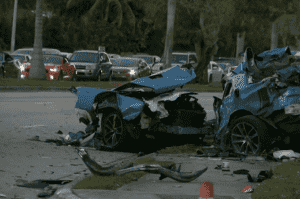
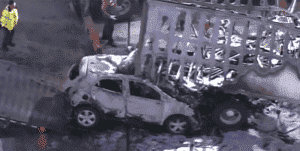
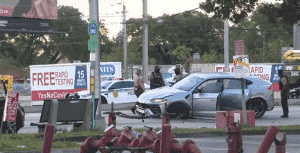
The Law Offices of Anidjar and Levine assists injured passengers by investigating the crash, preserving crucial evidence, managing insurer communications, and documenting medical care and financial losses.
Counsel can identify all liable parties, address disputed claims, protect filing deadlines, and pursue compensation for treatment costs, lost income, and pain and suffering.
Early legal guidance from a Miami Car Accident Lawyer also helps passengers avoid statements or settlements that may weaken recovery.
The sections below explain the process, rights, and practical next steps.
Main Takeaways
- A Miami passenger vehicle accident injury lawyer investigates the crash, preserves evidence, and identifies all liable drivers, owners, or other responsible parties.
- An attorney handles insurer communications, organizes medical records and losses, and helps avoid statements or mistakes that can weaken claims.
- Strong claims rely on prompt medical care, consistent treatment, crash reports, photographs, witness information, and repair or damage documentation.
- Lawyers assess full damages, including medical costs, lost income, pain, and long-term effects, to pursue fair settlement compensation.
- If settlement negotiations fail, a lawyer can file suit, meet deadlines, and present evidence effectively in court.


How We Can Help With Your Miami Passenger Vehicle Accident Injury Claim
Many passenger vehicle accident claims involve more than a simple insurance dispute, particularly when liability is contested or the extent of the injuries is not immediately clear. In these matters, legal counsel can provide organized guidance, protect deadlines, and gather records needed to present a clear and responsible claim.
A Miami passenger-vehicle accident injury lawyer can assist by reviewing reports, preserving evidence, communicating with insurers, and carefully documenting losses. The firm may coordinate treatment information, address medical liens, and help clients avoid procedural mistakes that could reduce recovery. For families seeking to serve and protect loved ones, this support can reduce confusion and create stability during a difficult period.
Bilingual support may also improve communication for Spanish-speaking clients and their households, ensuring instructions, updates, and important decisions are fully understood. Throughout the process, counsel focuses on accountability, practical solutions, and respectful service tailored to the client’s immediate and long-term needs.
OUR CONSULTATIONSARE FREE
START YOUR FREE CASE REVIEW

Understanding Miami Passenger Vehicle Accident Injury Cases
Clarity is vital when evaluating Miami passenger-vehicle accident injury cases because the legal and factual issues often extend beyond the initial collision itself. These matters may involve multiple insurance policies, disputed accounts, medical documentation, and questions about who owed a duty of care to the injured passenger.
A careful review often considers the passenger’s role as a non-driving occupant, which can affect liability analysis and damage recovery. In some claims, ride-sharing liability becomes important when a driver was working through a transportation platform at the time of the event. Cases involving pediatric injuries require additional attention because children may face distinct medical needs, developmental concerns, and longer recovery periods. Evidence from treatment providers, witnesses, and electronic records may shape the strength of the claim. For those committed to helping others, understanding these issues supports informed action, responsible advocacy, and a more complete effort to protect injured passengers and their families.
Common Causes of Miami Passenger Vehicle Accidents
Several recurring factors contribute to passenger vehicle accidents in Miami, often creating serious risks for drivers, passengers, and others on the road. Distracted driving, speeding, reckless behavior, impaired driving, and poor road conditions are among the most common causes identified in these cases. A clear understanding of these causes helps explain how liability may arise and why careful legal evaluation is often necessary after a collision.
Distracted Driving Incidents
Distracted driving remains one of the leading causes of passenger vehicle accidents in Miami, undermining a driver’s ability to recognize hazards, react promptly, and maintain proper control of the vehicle. Common examples include smartphone habits, in-vehicle technology use, eating, grooming, and passenger distraction during routine travel.
These behaviors divert visual, manual, or mental attention from the roadway, often for only seconds, yet those seconds can produce severe harm. In a community-focused legal context, identifying distraction helps injured passengers, drivers, and families understand how preventable negligence affects public safety. Evidence may include phone records, witness statements, traffic camera footage, and vehicle data, all of which can clarify whether attentiveness was compromised before impact. Careful investigation supports accountability and encourages safer driving practices that protect others on Miami roads every day.
Speeding And Reckless Driving
Accelerating beyond posted limits and engaging in reckless maneuvers greatly increases the likelihood of passenger vehicle accidents in Miami, particularly on congested urban roads and high-speed corridors. Speeding reduces reaction time, lengthens stopping distance, and magnifies crash severity for drivers, passengers, pedestrians, and nearby families. Reckless driving behaviors, including abrupt lane changes, tailgating, and ignoring traffic signals, further undermine roadway safety.
Public safety advocates often note that speed-related psychology influences how some motorists misjudge risk, overestimate control, and disregard urban speed limits. In service to the community, careful compliance with traffic laws helps protect vulnerable road users and supports safer travel for everyone. When collisions occur, investigators frequently examine roadway conditions, vehicle movement, witness statements, and electronic data to determine whether excessive speed or recklessness contributed to the harm.
Drunk Or Drugged Driving
Impair judgment, slow reaction time, and disrupt coordination, alcohol and drugs remain a leading cause of passenger vehicle accidents in Miami. Impaired drivers may misjudge distance, ignore traffic signals, drift between lanes, or fail to notice pedestrians and cyclists who depend on careful, attentive motorists.
After a crash, law enforcement may investigate impairment through observations, chemical testing, and field sobriety procedures. Evidence of intoxication can support accountability and help injured passengers pursue compensation for medical care, lost income, and other damages. Florida courts may also impose penalties intended to protect the public, including license suspension, fines, and an ignition interlock requirement in certain cases. By recognizing the risks of drunk or drugged driving, communities can better support safer roads and reduce preventable harm for all.
Poor Road Conditions
On Miami roads, hazardous surface and infrastructure conditions can contribute substantially to passenger vehicle accidents. Uneven pavement, missing signage, malfunctioning traffic signals, poor lighting, and obscured lane markings may leave drivers with little time to respond safely. During heavy rain, standing water can also increase the risk of hydroplaning, especially where drainage systems are poorly maintained.
When public or private entities fail to repair known defects, questions of pothole liability and drainage negligence may arise. These failures can harm families, workers, visitors, and others who depend on safe travel to care for loved ones, reach employment, or serve their communities. Careful investigation often considers maintenance records, prior complaints, weather conditions, and roadway design. Identifying these factors helps clarify responsibility and supports efforts to prevent similar collisions from affecting others in the future.


Legal Rights of Miami Passenger Vehicle Accident Injury Victims
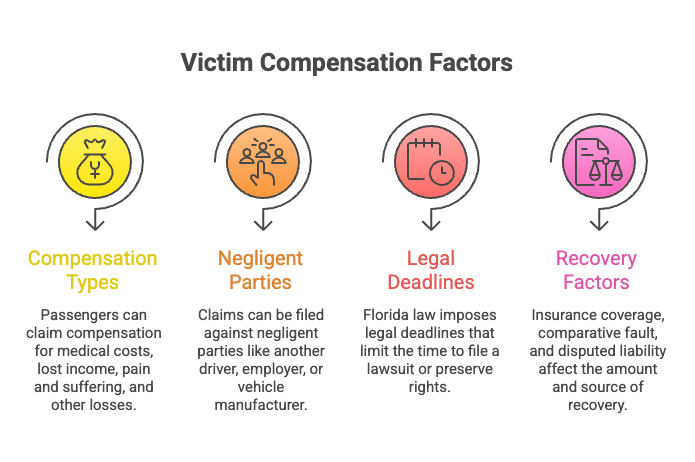
Under Florida law, passengers injured in a Miami vehicle accident generally have the right to pursue compensation when another party’s negligence caused or contributed to the crash. These protections exist to support accountability and promote fair recovery for those harmed while traveling in service to family, work, or community.
- Passengers may seek victim compensation for medical costs, lost income, pain and suffering, and other related losses.
- A claim may be brought against one or multiple negligent parties, including another driver, an employer, or a vehicle manufacturer.
- Florida law also imposes legal deadlines that can limit the time available to file a lawsuit or to preserve important rights.
- Insurance coverage questions, comparative fault issues, and disputed liability may affect the amount and source of recovery.
Because passengers rarely control the vehicle, they are often in a strong position to assert a claim. A careful legal evaluation helps clarify available remedies and responsibilities under applicable Florida law.
Steps to Take After a Miami Passenger Vehicle Accident Injury
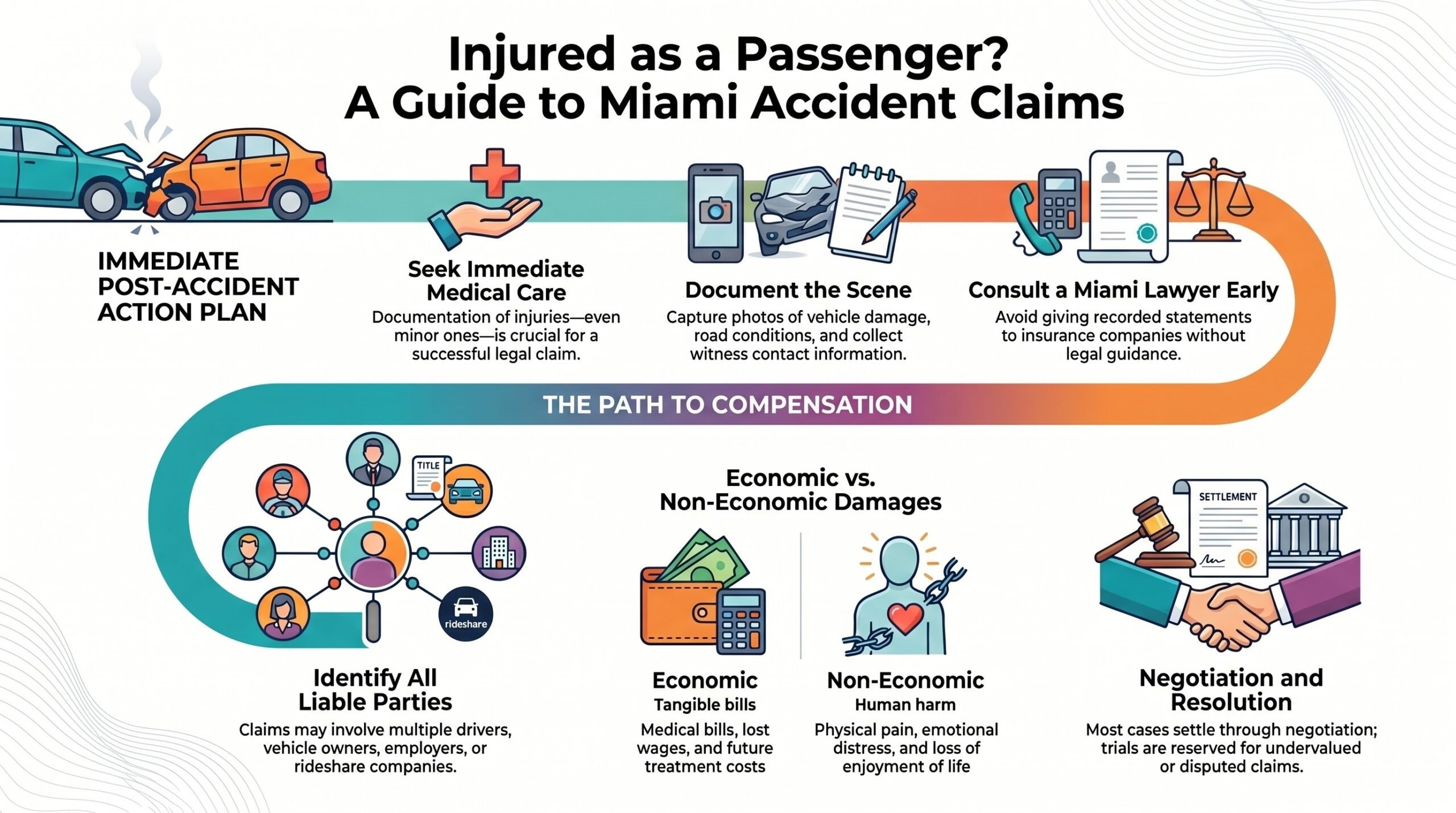
After a Miami passenger vehicle accident, prompt medical care is crucial to identify injuries, protect health, and establish an early treatment record. It is also important to document the accident scene by preserving photographs, witness information, and other evidence that may support a future claim. Contacting a Miami lawyer soon afterward can help guarantee that legal options are assessed promptly and that important deadlines are not overlooked.
Seek Immediate Medical Care
Prompt medical evaluation is vital following a Miami passenger vehicle accident injury, even when symptoms appear minor or delayed. A timely, urgent assessment can identify internal injuries, concussions, soft tissue damage, or shock before conditions worsen. Early treatment also supports recovery, protects long-term health, and helps individuals remain available to care for family members and assist others who depend on them.
Medical professionals may recommend imaging, medication, specialist referrals, and follow-up monitoring based on the nature of the collision and the person’s symptoms. Consistent care can reveal complications that emerge hours or days later, including pain, dizziness, numbness, or limited mobility. By seeking immediate attention and following medical advice carefully, an injured passenger places personal well-being first, which strengthens the ability to continue serving loved ones and the broader community.
Document The Accident Scene
Once immediate medical needs have been addressed, careful documentation of the accident scene can help preserve facts that may become harder to verify with time. If conditions allow, useful steps include noting the location, time, weather, road conditions, vehicle positions, and any visible injuries.
Clear photographic evidence may capture damage, skid marks, traffic signs, debris, and the surrounding area from several angles. This record can support an accurate understanding of how the collision occurred and how others may be protected from similar harm. Gathering witness statements, along with names and contact information, may also help preserve independent observations while memories remain fresh. In addition, retaining copies of the police report number, medical discharge papers, and repair estimates can create an organized record for any future insurance or legal needs.
Contact A Miami Lawyer
In the days following a passenger vehicle accident, contacting a Miami lawyer can help protect important legal and financial interests while the facts are still developing. Early legal guidance may assist injured passengers in understanding insurance issues, preserving evidence, and avoiding statements that could weaken a future claim.
A lawyer can evaluate medical records, witness accounts, and crash reports, then explain available options through legal consultations. This support often helps families make informed decisions that serve both immediate recovery needs and long-term stability. Counsel may also address deadlines, communication with insurers, and the value of documented losses. Reviewing the attorney’s fee structure at the outset promotes transparency and allows injured individuals to seek representation with confidence. Prompt action may strengthen a claim and reduce avoidable complications later.
How a Miami Passenger Vehicle Accident Injury Lawyer Can Help You
Maneuvering the aftermath of a passenger vehicle accident often requires more than medical care and vehicle repairs, particularly when questions of liability, insurance coverage, and damages begin to affect a victim’s recovery. A Miami passenger vehicle accident injury lawyer provides structured guidance, helping injured individuals protect their rights while continuing to serve their families and communities.
- The lawyer investigates the collision, gathers records, interviews witnesses, and identifies liable parties.
- Through Victim advocacy, legal counsel communicates with insurers, reducing pressure on the injured person.
- Using informed Settlement strategies, the attorney evaluates losses, addresses disputed claims, and pursues fair compensation.
- If negotiations fail, the lawyer prepares a strong case for litigation and courtroom presentation.
This support allows victims to make sound decisions without steering legal procedures alone. By organizing evidence, meeting deadlines, and clearly explaining each option, counsel creates a steady path forward. Such representation often strengthens accountability, preserves important claims, and supports a more stable recovery process overall.
Long-Term Effects of Miami Passenger Vehicle Accident Injuries
Miami passenger vehicle accident injuries can produce lasting consequences that extend well beyond the initial recovery period. Many individuals face chronic pain challenges and emotional trauma effects that interfere with daily functioning, personal stability, and overall quality of life. In addition, reduced earning capacity may emerge when physical limitations or psychological symptoms restrict the ability to return to previous work or maintain consistent employment.
Chronic Pain Challenges
Persisting pain often becomes one of the most disruptive long-term consequences of a passenger vehicle accident, limiting physical function, interfering with sleep, and reducing a person’s ability to work or manage ordinary daily tasks. Ongoing back injuries, nerve damage, joint trauma, and soft tissue complications may produce symptoms that remain for months or years after the collision.
These conditions frequently require sustained medical attention, rehabilitation, and careful Medication management to preserve mobility and reduce discomfort. Chronic fatigue may also develop when pain disrupts rest and makes routine movement more taxing. Individuals serving injured community members should recognize that chronic pain can alter treatment needs, employment capacity, and household responsibilities. Clear documentation, consistent care, and practical support often play an important role in helping affected individuals maintain stability and pursue meaningful physical recovery.
Emotional Trauma Effects
How can emotional trauma remain hidden even after visible injuries begin to heal? In many Miami passenger vehicle accident cases, psychological harm develops quietly, shaping daily life long after fractures recover and bruises fade. Survivors may experience post-traumatic stress, persistent anxiety, irritability, fear of travel, and sleep disturbances that disrupt concentration, relationships, and routine responsibilities.
Those who seek to support injured people should recognize that emotional suffering is neither weakness nor always immediately apparent. Flashbacks, avoidance behaviors, and heightened vigilance can interfere with medical recovery and community involvement. Professional counseling, trauma-informed care, and steady encouragement often help restore stability. Careful legal documentation of these effects may also matter, because a full understanding of injury includes the mind as well as the body after a serious collision.
Reduced Earning Capacity
Uncertainty often follows a serious passenger vehicle accident when lasting injuries limit an individual’s ability to perform the same work as before. Reduced earning capacity refers to a diminished ability to earn income over time, even after initial medical treatment ends. Physical pain, cognitive changes, and permanent restrictions may prevent a return to prior duties, promotions, or full-time hours.
For those committed to supporting their families and communities, this loss can extend beyond the immediate loss of wages. It may alter long-term financial stability, retirement planning, and professional identity. The career impact can be significant for workers in physically demanding roles, skilled trades, or positions requiring sustained concentration. Careful evaluation of medical evidence, vocational limitations, and future employment prospects helps demonstrate the true extent of these lasting economic consequences after a serious crash.
Proving Liability in Miami Passenger Vehicle Accident Injury Cases
Establishing liability in a Miami passenger vehicle accident injury case requires a careful analysis of the facts, the applicable traffic laws, and the conduct of each party involved. Attorneys and courts examine police reports, witness statements, photographs, medical records, and vehicle damage to determine how the collision occurred and who failed to act with reasonable care.
Florida law may require consideration of comparative negligence, meaning responsibility can be shared when more than one person contributed to the crash. To serve injured passengers and promote accountability, legal professionals often reconstruct the events through surveillance footage, phone data, and scene measurements. In intricate matters, expert testimony from accident reconstruction authorities, physicians, or human factors professionals may clarify speed, visibility, reaction time, and causation. A strong liability presentation connects the evidence to specific legal duties, such as yielding, obeying signals, or avoiding distracted driving. Clear proof of breach and causation supports a fair and responsible outcome for all involved.
Dealing With Insurance Companies After a Miami Passenger Vehicle Accident Injury
In the aftermath of a Miami passenger vehicle accident, communications with insurance companies can materially affect the value and direction of an injury claim. Insurers often request recorded statements, broad medical authorizations, or quick acknowledgments of fault, each of which may influence later negotiations. A careful, service-minded approach emphasizes accuracy, restraint, and protection of the injured person’s wellbeing.
Those assisting accident victims should recognize common claim tactics, including efforts to minimize symptoms, shift responsibility, or encourage early resolution before the full extent of harm is known. Written documentation, organized records, and measured responses can help preserve credibility. Settlement timing also matters, because accepting compensation too soon may leave necessary care or future losses uncovered. Consistent communication, respectful boundaries, and informed review of insurance correspondence can reduce avoidable mistakes. By approaching insurers with preparation and discipline, injured passengers and those supporting them can better safeguard financial recovery while remaining focused on recovery, accountability, and responsible service to others.
What to Expect During a Miami Passenger Vehicle Accident Injury Claim Process
A Miami passenger vehicle accident injury claim typically begins with the initial filing, followed by the careful collection of medical evidence to document the extent of harm and related losses. The process then moves into insurance negotiations, where liability, damages, and supporting records are reviewed to reach a fair resolution. If settlement efforts do not succeed, the claim may proceed to trial, where the evidence is presented for a formal determination.
Initial Claim Filing
Prompt claim preparation usually begins by gathering the crash report, medical records, insurance information, and any available photographs or witness statements, as these materials form the foundation of a Miami passenger vehicle accident injury claim. Counsel or the claimant then notifies the relevant insurers, confirms policy information, and prepares the first formal submission with care and accuracy. This stage emphasizes preserving initial evidence, identifying all potentially responsible parties, and documenting basic losses without delay.
Attention to filing deadlines is crucial, since missed dates can weaken or bar recovery. A well-organized filing also helps insurers evaluate the matter more efficiently, which may support earlier communication and fairer review. Throughout this process, a service-minded approach values honesty, cooperation, and thorough preparation, helping protect the injured passenger’s interests while promoting responsible resolution.
Medical Evidence Collection
Medical-record development becomes a central part of the claim process once treatment begins, because insurers and opposing parties often rely on clinical documentation to assess the nature, cause, and extent of a passenger’s injuries. Providers typically create progress notes, diagnostic reports, prescriptions, and discharge summaries that help trace symptoms from the collision forward. Prompt, consistent care often strengthens reliability and supports those working to protect an injured person’s well-being.
Additional evidence may include photographs of visible injuries, ambulance records, and specialist assessments. In some cases, forensic imaging helps clarify internal trauma that standard examinations do not fully show. Careful chain preservation of records, scans, and billing statements helps maintain accuracy and prevents challenges about authenticity. Organized evidence collection allows advocates and medical professionals to present a clear, service-minded account of harm and recovery.
Insurance Negotiation Steps
Direct insurance negotiations with a clear understanding that this phase usually begins after liability information, treatment records, and loss documentation have been assembled into a demand package. Adjusters typically review medical findings, wage-loss proof, and supporting evidence, then compare the claim against the coverage terms and policy limits.
Counsel often responds to questions, corrects incomplete assumptions, and presents updated records when continuing care affects value. Effective advocacy remains focused on fairness, accuracy, and the injured person’s practical needs, thereby supporting families and communities relying on that recovery. Insurers may request recorded statements, authorizations, or clarification about prior injuries, and each request should be evaluated carefully. Delays, unreasonable denials, or refusal to deliberate clear evidence may raise concerns about bad faith, requiring close documentation and disciplined communication throughout negotiations.
Settlement Or Trial
When negotiations do not produce a fair resolution, the claim generally moves toward either settlement completion or formal litigation, depending on the strength of the evidence, the extent of damages, and the insurer’s willingness to offer reasonable compensation.
At this stage, counsel evaluates medical records, witness statements, expert opinions, and policy limits to determine whether trial preparation will better serve the injured passenger’s interests. A well-supported case can create settlement leverage, encouraging meaningful offers before court involvement deepens. If a lawsuit is filed, discovery, depositions, motions, and mediation often follow, each requiring patience and careful documentation. Trial may become necessary when liability is disputed or when damages are minimized, yet jury unpredictability remains an important consideration. Throughout either path, informed guidance helps protect the claimant’s rights, promotes accountability, and supports recovery with dignity.
Compensation for Miami Passenger Vehicle Accident Injury Damages
Accountability often begins with a clear assessment of the damages a passenger suffers after a vehicle accident in Miami. Compensation may address emergency treatment, rehabilitation needs, prescription costs, mobility assistance, and the lasting impact of serious injuries on daily function. A careful claim also considers future care, documented disability, and the practical support a recovering passenger may require from family or community caregivers.
A lawyer evaluates records, witness statements, and professional opinions to measure the full extent of harm and to pursue appropriate recovery from liable parties and insurers. That process may include resolving medical liens so treatment providers are properly addressed without undermining the passenger’s overall claim. In rare cases of egregious misconduct, punitive damages may also be considered as a separate remedy to address especially dangerous behavior. Thorough documentation, timely action, and disciplined advocacy help protect the injured passenger while promoting fair accountability and meaningful support for recovery and stability.
Economic vs Non-Economic Damages in Miami Passenger Vehicle Accident Cases
Miami passenger-vehicle accident claims often involve two distinct forms of compensation: economic and non-economic damages. Economic damage categories generally include measurable financial losses, while non-economic losses address harm such as pain, suffering, and diminished quality of life. The value of each category depends on the available evidence, including medical records, wage documentation, expert opinions, and other proof that supports the extent of the injury’s impact.
Economic Damage Categories
In passenger-vehicle accident cases, economic damages refer to the measurable financial losses an injured person incurs as a direct result of the collision. These categories commonly include emergency care, hospitalization, diagnostic testing, rehabilitation, medication, and evidence-based future medical treatment. They also include lost wages when injuries prevent someone from working, as well as diminished earning capacity if long-term limitations reduce future income.
Economic damages may also include property damage, such as vehicle repair or replacement costs, towing, storage, and the value of personal items damaged in the crash. In service-oriented legal advocacy, careful documentation of bills, receipts, employment records, and expert assessments helps accurately establish these losses. A thorough presentation of economic damages can support fair recovery and help injured individuals restore financial stability after a serious accident.
Non-Economic Losses Explained
Clarity is essential when distinguishing non-economic damages from economic losses in a passenger vehicle accident case. These damages address human harm that does not arrive with invoices or wage statements, yet still affects daily functioning and personal dignity. They often include physical suffering, emotional distress, loss of enjoyment, and the strain injuries place on close relationships.
In Miami passenger-vehicle accident matters, non-economic losses account for how injuries reshape routines, independence, and community involvement. Thoughtful pain valuation considers the lived experience of discomfort, anxiety, and reduced mobility without reducing a person to numbers alone. Life changes may involve missed family roles, disrupted service to others, or diminished participation in meaningful activities. A careful legal approach helps present these harms with respect, seriousness, and a clear understanding of their lasting personal impact.
Proving Damage Value
Assigning a fair dollar value to accident-related harm requires more than listing injuries, because economic and non-economic damages are proven through different forms of evidence and measurement. Economic damages often rely on bills, wage records, repair estimates, and expert damage appraisal to show a measurable financial impact. They may also include projected medical care, reduced earning capacity, and other future losses that affect a household’s stability and ability to serve others.
Non-economic damages require a different showing. Testimony from the injured person, relatives, physicians, and counselors can help demonstrate pain, emotional distress, disability, and diminished quality of life. In Miami passenger-vehicle cases, persuasive evidence usually links these losses to daily limitations, treatment history, and credible professional opinions, allowing decision-makers to reach a reasoned and equitable valuation.
When a Miami Passenger Vehicle Accident Injury Case Goes to Trial vs Settlement
Determining whether a Miami passenger-vehicle accident injury case proceeds to trial or is resolved through settlement depends on several factors, including the strength of the evidence, the extent of the injuries, the presence of disputed liability, and the parties’ willingness to negotiate in good faith. Settlement is often preferred when the facts are clear, damages are well-documented, and both sides seek a practical resolution that supports recovery and responsible stewardship of resources.
Trial becomes more likely when insurers undervalue harm, deny fault, or refuse reasonable terms. In those situations, counsel evaluates witness credibility, expert support, jury dynamics, and the risks of uncertainty in a courtroom. A trial may offer fuller accountability, yet it also requires more time, expense, and preparation from everyone involved. Settlement can provide faster financial relief and reduce stress for injured passengers and their families. Sound decision-making also considers possible post-trial motions and an appeals strategy, especially when legal issues are contested or substantial compensation is at stake.
The Statute of Limitations for Miami Passenger Vehicle Accident Injury Cases
In Miami passenger-vehicle accident injury cases, the statute of limitations sets the deadline for filing a lawsuit, and missing that deadline can bar recovery regardless of the claim’s validity. Florida law sets specific filing deadlines, and careful attention to them protects injured people, families, and the broader community from avoidable loss.
Although the limitations period often begins on the date of the accident, certain circumstances may affect the calculation. Courts may grant toll extensions in limited situations, such as legal incapacity or legally recognized discovery delays. These exceptions are narrow and do not apply merely because negotiations continue or medical treatment is ongoing.
Proper documentation, timely investigation, and preservation of evidence support compliance with statutory requirements. Insurance communications do not replace formal court filing obligations. A disciplined approach to dates and records helps guarantee that justified claims are heard, accountability is pursued, and resources needed for care and service remain available.
When to Contact a Miami Passenger Vehicle Accident Injury Lawyer
Contacting a Miami passenger vehicle accident injury lawyer as early as possible after a crash can protect legal rights, preserve vital evidence, and reduce costly mistakes during the claims process. Early first contact is especially important when injuries require prompt evaluation, vehicles need inspection, or witnesses may become difficult to locate. Timely guidance also supports injury mitigation by helping injured passengers document their symptoms, follow treatment instructions, and avoid actions that could weaken their claims.
A lawyer should be contacted soon after emergency medical needs are addressed and basic accident reporting is completed. That timing allows important records, photographs, and statements to be gathered while details remain reliable. It is also prudent to seek counsel before speaking extensively with insurance representatives, signing releases, or accepting settlement offers. Families who seek help early are often better positioned to protect financial stability, encourage accountability, and focus their energy on recovery and the well-being of others after a serious collision.
Why You Need an Experienced Miami Passenger Vehicle Accident Injury Lawyer
Securing experienced legal representation after a passenger vehicle accident can materially affect the strength and value of an injury claim. An experienced Miami passenger-vehicle accident injury lawyer understands how to preserve evidence, accurately assess damages, and address insurer tactics that often minimize legitimate losses. This guidance helps injured individuals pursue accountability while preserving the resources needed to support recovery and continued care for others.
Effective advocacy also depends on Local knowledge and Trial experience. Familiarity with Miami courts, judges, medical providers, and traffic patterns can strengthen investigation and case strategy. Trial experience provides added leverage in settlement negotiations because insurers recognize when counsel is prepared to present a persuasive case to a jury. Experienced representation can also coordinate medical records, expert opinions, and witness statements into a clear claim narrative. In serious cases, that disciplined approach may improve outcomes, reduce procedural errors, and promote fair compensation for injuries, lost income, and long-term needs.
How to Choose the Right Miami Passenger Vehicle Accident Injury Lawyer for Your Case
How should an injured passenger evaluate legal counsel after a serious crash in Miami? A careful review begins with the lawyer’s experience handling passenger injury claims, especially cases involving disputed liability, multiple insurers, and significant medical losses. A qualified attorney should explain rights clearly, outline practical next steps, and communicate with steady professionalism.
An informed selection also considers reputation, responsiveness, and case strategy. During client interviews, the passenger should ask how evidence will be preserved, how damages will be documented, and who will manage day-to-day communication. It is also wise to discuss contingency fees, anticipated timelines, and whether trial preparation begins early. Service-minded individuals often value counsel who treats every matter with respect, listens closely, and pursues fair recovery without unnecessary conflict. Choosing the right lawyer means finding disciplined advocacy, transparent guidance, and a commitment to protecting the injured passenger’s well-being and long-term recovery after the collision.
About The Law Offices of Anidjar & Levine
For injured passengers seeking informed legal representation after a serious Miami collision, The Law Offices of Anidjar & Levine is known for providing focused advocacy and structured client support. The firm assists individuals and families by investigating liability, explaining legal options, and pursuing compensation for medical costs, lost income, and related hardships with consistent attention to detail.
Its approach emphasizes responsive communication, practical guidance, and service rooted in professionalism. Attorneys and staff work to reduce burdens on injured clients so they may prioritize recovery and the well-being of those who depend on them. Client testimonials often highlight accessibility, organization, and a commitment to keeping clients informed throughout each stage of the claims process. Beyond casework, the firm’s Community outreach reflects an interest in serving South Florida residents through education and local involvement.
This combination of legal knowledge, disciplined case management, and public-minded service helps position the firm as a dependable resource for injured passengers seeking meaningful support after a crash.
Frequently Asked Questions
Can Tourists File Miami Passenger Vehicle Accident Claims After Returning Home?
Yes, tourists can often file passenger vehicle accident claims after returning home, provided Florida courts have jurisdiction and filing deadlines are met. Each case requires careful review of evidence, insurance terms, and medical records gathered across state or national lines. Jurisdictional challenges may arise when parties reside elsewhere, yet valid claims remain possible. Prompt action is crucial because statute limitations and notice requirements can affect the ability to pursue fair recovery.
How Do Pre-Existing Injuries Affect a Passenger Vehicle Accident Claim?
Pre-existing injuries can reduce, complicate, or sometimes strengthen a passenger vehicle accident claim, depending on proof of aggravation. A claimant is generally entitled to recover when an accident worsens pre-existing conditions, but clear medical records are crucial. Medical causation must show that the collision caused a measurable decline, not merely ongoing symptoms. Careful documentation helps decision-makers distinguish prior health issues from new harm, supporting fair compensation for all involved.
Can Undocumented Immigrants Pursue Compensation After a Miami Vehicle Accident?
Yes, undocumented immigrants may pursue compensation after a Miami vehicle accident. Florida injury law generally focuses on fault, damages, and insurance coverage, rather than immigration status. However, immigration implications can affect comfort with reporting the crash or participating in litigation. Careful legal guidance may help protect rights, preserve evidence, and improve access to services, including medical care and insurance benefits, while reducing avoidable risks during the claims process.
What if the At-Fault Driver Was Working During the Accident?
If the at-fault driver was working at the time, employer liability may apply under respondeat superior, making the employer responsible for the resulting harm. A careful review of job duties, work schedules, and vehicle use can help determine whether the driver acted within the scope of employment. If the injured person was also working, workers’ compensation benefits may affect available recovery. Thorough investigation helps protect all parties and supports fair, service-minded legal outcomes.
Are Rideshare Passenger Accidents Handled Differently From Private Vehicle Accidents?
Yes, rideshare passenger accidents are often handled differently from private vehicle accidents because multiple insurance policies and company liability issues may apply. An assessment usually considers the driver’s app status, the carrier’s coverage layers, and applicable state law. Rider rights remain important throughout the process, especially when seeking fair compensation. Careful documentation, prompt reporting, and coordinated claims handling often help protect injured passengers and support accountable resolution for all parties.
—————————
Miami passenger vehicle accident claims often involve significant medical, financial, and legal issues that require careful attention. A clear understanding of liability, available compensation, and procedural deadlines can materially affect the outcome of a case. With experienced legal guidance, injured passengers may be better positioned to protect their rights and pursue fair recovery.
The Miami Car Accident Attorney at Law Offices of Anidjar and Levine provides informed support throughout each stage of the claims process.