The Law Offices of Anidjar and Levine assists injured victims after a failure-to-yield crash by preserving essential evidence, investigating traffic signals, roadway markings, witness accounts, and vehicle damage, and determining fault under Florida law.
Counsel also manages insurer communications, documents medical care and lost income, and addresses comparative fault issues that may reduce recovery. This guidance helps protect both legal rights and the value of a claim after a serious collision. For more information, speak with a Miami Car Accident Lawyer.
The sections below explain the process, common causes, and practical next steps.
Main Takeaways
- A Miami failure-to-yield accident injury lawyer investigates police reports, photos, witness statements, and video to identify who violated right-of-way rules.
- The lawyer gathers medical records, repair estimates, and proof of wage loss to calculate injury damages and future treatment needs.
- They handle insurance communications, respond to settlement tactics, and present organized evidence supporting liability and compensation.
- If fault is disputed, the lawyer addresses Florida comparative fault issues using vehicle damage, traffic signals, and expert analysis.
- After a crash, seek medical care, document the scene, collect witness contact information, and quickly obtain the police report number.


How We Can Help With Your Miami Failure To Yield Accident Injury Claim
After a failure to yield collision, an injured person often faces medical bills, lost income, and uncertainty about how to pursue compensation. A Miami failure to yield accident lawyer can provide organized support, allowing the injured person and family to focus on recovery and service to loved ones.
The firm assists by gathering records, preserving evidence, communicating with insurers, and presenting a clear demand for payment. It evaluates the full effect of injuries, including treatment needs, missed work, and future financial strain, so no important loss is overlooked. When appropriate, the firm may recommend traffic mediation to encourage efficient resolution while protecting the claimant’s interests. If settlement efforts fail, it prepares the matter for litigation with discipline and care. Throughout the process, respectful communication helps clients make informed decisions. Client testimonials often reflect appreciation for steady guidance, practical counsel, and a commitment to pursuing fair results with integrity, diligence, compassion, and consistent professionalism.
OUR CONSULTATIONSARE FREE
START YOUR FREE CASE REVIEW

Understanding Miami Failure To Yield Accident Injury Cases
In the context of Miami traffic collisions, failure-to-yield accident injury cases often arise when a driver fails to yield the right of way as required by law, causing a crash that could have been avoided. These matters typically focus on whether a legal duty existed, whether that duty was breached, and whether the breach directly produced injury, loss, or death.
A careful review often includes traffic statutes, roadway markings, witness statements, vehicle damage, surveillance footage, and medical records. In many situations, the analysis also considers pedestrian awareness and the need for right-of-way education, especially in busy urban corridors where safety depends on attentive, lawful conduct. Florida’s comparative fault rules may affect recovery when more than one party shares responsibility. Because these claims involve both legal and factual questions, a timely investigation is important. A clear understanding of the case helps injured people pursue accountability, protect community safety, and support fair outcomes for all parties involved.
Common Causes of Miami Failure To Yield Accidents
Several recurring factors contribute to failure-to-yield accidents in Miami, often creating sudden and preventable conflicts at intersections and merge points. Common causes include misjudging the right-of-way, distracted driving, unsafe left turns, and ignoring traffic signals. Identifying these patterns helps clarify how liability may arise and why these collisions frequently result in serious harm.
Misjudged Right-Of-Way
At many Miami intersections, a misjudged right-of-way is a frequent cause of failure-to-yield accidents. Drivers may incorrectly assume another motorist will stop, turn, or merge later than expected, creating sudden conflicts that injure passengers, pedestrians, and cyclists. These mistakes often arise where traffic patterns are complicated, visibility is limited, or right of way signage is unclear, obstructed, or disregarded.
Peer-reviewed studies have shown that drivers frequently miscalculate speed, distance, and timing when entering intersections or crossing multiple lanes. In service to community safety, careful yielding practices, defensive observation, and respect for posted controls remain vital. When a crash occurs, determining whether a driver misunderstood priority, ignored roadway conditions, or failed to assess approaching traffic can be central to evaluating fault and protecting those harmed.
Distracted Driving Errors
Distracted driving is a leading contributor to failure-to-yield collisions in Miami, because even a brief lapse in attention can prevent a driver from recognizing a traffic signal, crosswalk, merging vehicle, or pedestrian with the legal right of way. Common distractions include cellphone use, dashboard controls, conversations, and eating distractions that draw the eyes, hands, or mind away from the roadway. When attention is divided, drivers may overlook stop signs, misread another vehicle’s movement, or fail to notice a person entering an intersection.
These preventable errors often place vulnerable road users at serious risk and undermine the duty each driver owes to the community. Careful attention, patient observation, and responsible choices behind the wheel help protect others, reduce avoidable harm, and support safer travel throughout Miami’s busy streets each day.
Unsafe Left Turns
On Miami’s crowded roads, unsafe left turns remain a frequent source of failure-to-yield accidents because drivers turning left must give the right of way to oncoming traffic, pedestrians, and, in many situations, cyclists lawfully crossing an intersection. Crashes often occur when a driver misjudges a gap, underestimates vehicle speed, or turns before a crosswalk is clear.
Unsafe left turns may also stem from poor visibility, obstructed views, impatience in heavy traffic, or disregard of left turn signage that clarifies lane use and turning priority. When these errors happen, innocent people may suffer serious harm while simply traveling through an intersection. Careful observation, patience, and respect for roadway rules help protect neighbors, visitors, and families. In this setting, responsible driving serves the broader community by reducing preventable injuries and preserving public safety.
Ignoring Traffic Signals
Why do so many failure-to-yield collisions occur at intersections despite clear traffic controls? Ignoring traffic signals remains a significant cause, particularly when drivers rush through a red light, misjudge another vehicle’s path, or assume others will stop. Even brief inattention can disrupt the orderly movement that signals are designed to protect.
In Miami, these crashes also arise when motorists react poorly to changing lights or blame confusing signal timing for risky decisions. Although traffic controls exist to promote safety for everyone, a single choice to disregard them can harm families, pedestrians, cyclists, and other drivers. From a community-centered perspective, understanding this cause helps identify preventable conduct and encourages safer habits. Careful compliance with every signal protects vulnerable road users and supports a roadway culture grounded in responsibility, patience, and service.


Legal Rights of Miami Failure To Yield Accident Injury Victims
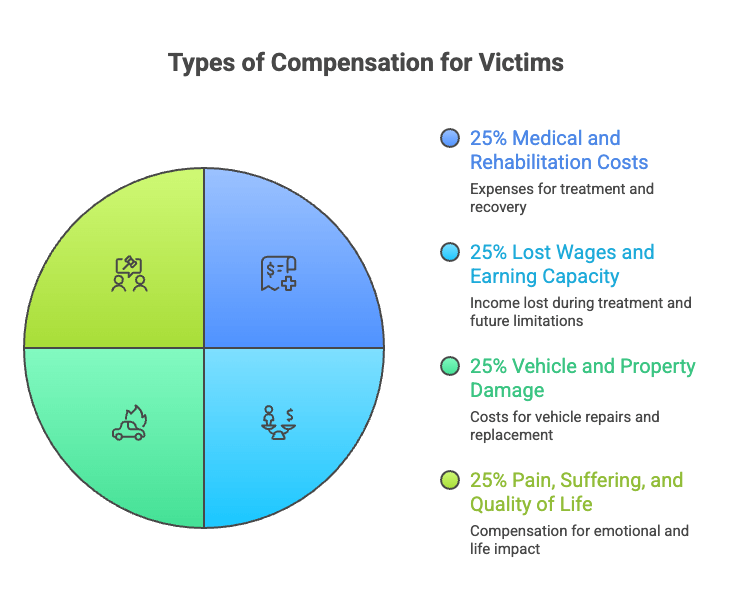
After a failure-to-yield collision in Miami, injured victims retain important legal rights under Florida law, including the right to seek compensation from the at-fault party for medical expenses, lost income, property damage, and other related losses.
These rights support accountability and practical recovery, while promoting dignity, stability, and Victim advocacy for those harmed through another driver’s negligence.
- Victims may seek payment for present and future medical care, rehabilitation, and necessary household assistance.
- They may recover wages lost during treatment, as well as reduced earning capacity when injuries limit future work.
- They may pursue compensation for vehicle repairs, replacement costs, and other measurable financial losses.
- They may assert claims for pain, suffering, and diminished quality of life when permitted under Florida law.
Settlement timelines vary according to injury severity, insurance disputes, and available evidence. Florida law also imposes filing deadlines, making timely legal evaluation important for protecting rights and strengthening community-centered outcomes.
Steps to Take After a Miami Failure To Yield Accident Injury
After a Miami failure-to-yield accident injury, priority should be given to immediate safety by moving to a secure location when possible and contacting emergency services. It is also important to gather crucial evidence, including photographs, witness statements, and details from the parties involved, as these records may later support an injury claim. A prompt medical evaluation should follow, both to identify injuries that may not be immediately apparent and to document treatment and potential legal proceedings.
Ensure Immediate Safety
Two immediate priorities should guide the moments following a Miami failure to yield accident: protecting everyone from further harm and evaluating urgent medical needs. Drivers and bystanders should move to a safer location when possible, activate hazard lights, and call 911 without delay. If anyone appears seriously hurt, immediate triage should focus on breathing, bleeding, and consciousness while awaiting responders.
Once urgent dangers are addressed, scene stabilization becomes crucial. Vehicles should remain out of traffic if they can be moved safely, and vulnerable passengers, including children or older adults, should receive calm assistance. Family communication should occur promptly so loved ones understand the situation and can provide support. If a vehicle is disabled or conditions are unsafe, arranging temporary shelter nearby may help protect occupants until transportation or emergency services arrive.
Gather Key Evidence
Documenting the scene thoroughly can preserve essential facts that may later determine liability in a Miami failure-to-yield accident claim. A careful record serves everyone involved by promoting accuracy, fairness, and accountability after a sudden collision.
Useful evidence often includes photographs of vehicle positions, skid marks, debris, traffic signs, lane markings, weather conditions, and visible property damage. Contact information should be collected from all drivers, passengers, and bystanders who observed the incident. Prompt witness statements may capture details that fade quickly and can clarify who had the right of way. A copy of the police report number should also be secured for later reference. When available, nearby surveillance footage or dash camera recordings can support event reconstruction and strengthen the presentation of the facts to insurers or counsel.
Seek Medical Evaluation
In the immediate aftermath of a Miami failure-to-yield collision, a prompt medical evaluation should be prioritized, even when symptoms appear minor or delayed. Early assessment helps identify hidden injuries, protect overall well-being, and create a clear record of care for those responsible for helping others recover.
A qualified provider can evaluate pain, mobility limitations, head trauma, and internal injuries that may not be obvious at the scene. Careful symptom monitoring is vital during the days following the crash, since conditions can worsen without warning. Attending all recommended appointments, following treatment instructions, and keeping records of diagnoses, medications, and restrictions support proper recovery. Consistent medical follow-up also demonstrates that the injured person acted responsibly, with attention to personal recovery and the broader interests of family, community, and service.
How a Miami Failure To Yield Accident Injury Lawyer Can Help You
After a failure-to-yield collision, a Miami failure-to-yield accident injury lawyer can provide vital guidance by evaluating the facts of the crash, identifying the applicable traffic laws, and determining whether another party’s negligence caused the injuries. Counsel also reviews medical records for consistency, addresses claims of comparative fault, and watches for issues resembling medical negligence during treatment or documentation. This careful review helps protect both the injured person and the broader interests of dependents and caregivers.
Careful legal review clarifies liability, challenges comparative fault, and safeguards the injured person’s recovery and family stability.
- Investigates police reports, witness statements, video footage, and roadway conditions.
- Calculates damages, including medical bills, lost income, and necessary support services.
- Communicates with insurers, resists unfair settlement tactics, and prepares a persuasive claim.
- Represents the client in negotiations or court, seeking accountability and practical relief.
Through steady advocacy, legal counsel helps families pursue resources that restore stability, encourage responsible conduct, and support the injured person’s ability to continue serving others with dignity and compassion.
Long-Term Effects of Miami Failure To Yield Accident Injuries
Failure-to-yield accidents can have consequences that extend well beyond the initial recovery period, affecting an injured person’s well-being, stability, and daily functioning. Common long-term effects include chronic pain complications, emotional trauma that interferes with work and personal life, and lasting mobility limitations that reduce independence. These ongoing conditions often require continued medical care, rehabilitation, and a careful assessment of future losses.
Chronic Pain Complications
Beyond the immediate trauma of a Miami failure-to-yield accident, chronic pain can become one of the most disruptive long-term consequences of an injury. Damage to nerves, muscles, joints, or the spine may continue producing symptoms well after fractures heal and visible wounds close.
For many individuals, Chronic inflammation can intensify discomfort, reduce mobility, and limit the ability to work, drive, or assist loved ones with daily responsibilities. Persistent headaches, back pain, and joint stiffness may require ongoing medical evaluation, rehabilitation, and Pain management strategies tailored to the injury. Physicians may recommend medication, physical therapy, injections, or other supportive care to preserve function and reduce complications. When pain remains untreated, secondary physical decline can follow, making early diagnosis and consistent treatment crucial to long-term recovery and safe independence.
Emotional Trauma Effects
Experiencing a violent traffic collision can leave lasting psychological effects that are not always apparent during the initial stages of medical treatment. Survivors may later develop anxiety, depression, or post-traumatic stress, especially when reminders of the crash disrupt daily responsibilities and relationships.
These emotional injuries can affect concentration, decision-making, and the ability to participate fully in family, work, or community service. Some individuals experience sleep disturbances, irritability, panic symptoms, or persistent fear while traveling near intersections or heavy traffic. Others withdraw socially, struggle with trust, or feel emotionally numb for extended periods. Because these effects often emerge gradually, careful evaluation and compassionate mental health support may be necessary. Timely recognition can help injured people pursue appropriate treatment and regain stability, dignity, and long-term emotional well-being after serious Miami collisions.
Lasting Mobility Limitations
Psychological harm often develops alongside physical impairments that continue long after the initial emergency has passed. After a Miami failure to yield collision, injured individuals may face lasting mobility limitations that disrupt work, caregiving, and daily routines. Damage to the spine, hips, knees, or nerves can reduce strength, balance, and coordination, making ordinary movement difficult and exhausting. Some require Mobility aids, including canes, walkers, or wheelchairs, to preserve safety and independence.
Others need Home modifications, such as ramps, widened doorways, or bathroom supports, to traverse their environment with dignity. These long-term restrictions often demand ongoing therapy, transportation assistance, and practical support from family members and community caregivers. Careful legal evaluation can help document these losses and secure resources necessary for continued treatment, accessibility, and sustained quality of life.
Proving Liability in Miami Failure To Yield Accident Injury Cases
Establishing liability in a Miami failure to yield accident injury case requires a careful review of the facts, the applicable traffic laws, and the conduct of each party involved. Investigators examine police reports, scene photographs, vehicle damage, traffic signals, and roadway markings to determine which driver had the legal duty to yield and whether that duty was breached.
Liability often turns on witness credibility and the consistency of each account with the physical record. Independent witnesses, surveillance footage, event data recorders, and forensic evidence can clarify speed, point of impact, braking, and line of travel. Medical records may also help link the collision to the claimed injuries. In some cases, comparative fault becomes relevant if a second driver was distracted, speeding, or otherwise careless. A thorough legal analysis focuses on objective proof because careful fact development supports accountability, protects injured people, and helps responsible parties understand the consequences of unsafe driving in the community.
Dealing With Insurance Companies After a Miami Failure To Yield Accident Injury
Handling insurance issues after a Miami failure-to-yield accident injury requires prompt attention, careful documentation, and a clear understanding of policy obligations. Injured individuals are often encouraged to notify insurers quickly, preserve correspondence, and organize medical records, repair estimates, and witness information. These measures support accuracy, protect credibility, and help those assisting victims present facts responsibly.
Insurance companies may request statements, authorizations, or supporting materials soon after the collision. A cautious approach is often beneficial because incomplete or imprecise information can affect valuation and claim mitigation efforts. Professional guidance may strengthen insurance negotiation by clarifying damages, identifying policy limitations, and addressing attempts to minimize responsibility. It is also useful to track deadlines, confirm communications in writing, and review settlement language carefully before accepting payment.
By remaining orderly, truthful, and service-minded throughout interactions with insurers, accident victims, and those helping them, they can better protect their financial recovery while reducing avoidable disputes and administrative setbacks after serious roadway injuries.
What to Expect During a Miami Failure To Yield Accident Injury Claim Process
A Miami failure-to-yield accident injury claim typically begins with an initial evaluation of the facts, injuries, and available insurance coverage. From there, the process usually centers on gathering evidence, evaluating liability, and proceeding through structured insurance negotiations. Depending on the strength of the claim and the insurer’s response, the matter may conclude in settlement or advance to litigation.
Initial Claim Evaluation
During the initial claim evaluation, a case review typically focuses on how the failure to yield occurred, the extent of the injuries involved, and the evidence available to support liability and damages. This stage helps counsel understand immediate needs, medical concerns, and the practical impact on the injured person and household.
A careful consultation often includes a preliminary damages assessment, a review of treatment status, and a discussion of insurance communications. It also helps shape an early claim strategy that aligns with the client’s goals, financial pressures, and recovery timeline. Attorneys generally explain the process, identify urgent deadlines, and outline reasonable expectations for next steps. For families motivated by service and responsibility, this evaluation offers structure, informed guidance, and a disciplined foundation for pursuing fair compensation while protecting long-term stability.
Evidence And Liability
In the next phase of a Miami failure-to-yield accident injury claim, attention typically turns to the evidence establishing fault and the facts connecting the collision to the claimed injuries. Attorneys and investigators often review police reports, witness statements, photographs, video footage, vehicle damage, and medical records. This process helps clarify whether a driver violated traffic rules and whether that failure caused harm requiring treatment or support.
Liability analysis may also include accident reconstruction and expert testimony from medical or traffic professionals. In some cases, the defense raises comparative negligence, arguing that the injured person bears some responsibility. A careful review of timelines, physical evidence, and documented symptoms helps determine each party’s role. Clear, organized proof can strengthen accountability and support a just outcome for everyone affected.
Insurance Negotiation Steps
Once evidence and liability are reasonably established, the claim usually moves into negotiations with the insurance company. During this phase, representatives review medical records, repair estimates, wage-loss documentation, and other damages to assess exposure. The insurer may request clarifications, recorded statements, or additional proof before extending an initial response.
Effective policy negotiation often involves a structured demand, followed by careful review of the insurer’s valuation methods and supporting rationale. Counsel may answer objections, correct incomplete assumptions, and present updated records that reflect ongoing care needs. Insurers frequently rely on settlement tactics designed to narrow the claim’s value, so each communication should remain accurate, respectful, and well-documented. This approach helps protect the injured person’s interests while encouraging a fair evaluation grounded in facts, responsibility, and service to those affected.
Settlement Or Litigation
At this stage, a Miami failure to yield accident injury claim may conclude through settlement or proceed into litigation, depending on the strength of the evidence, the extent of damages, and the insurer’s willingness to offer reasonable compensation.
Counsel typically evaluates medical records, wage loss, proof of liability, and future care needs before recommending a Settlement strategy. A fair resolution may spare injured people additional strain and allow families to focus on recovery and service to others. If negotiations stall or the fault remains in dispute, filing suit may be necessary to protect the claim’s full value. The Litigation timeline often includes pleadings, discovery, depositions, mediation, and possibly a trial. Throughout either path, careful preparation, documented losses, and informed decision-making help support accountability, preserve legal rights, and pursue compensation that reflects the harm suffered.
Compensation for Miami Failure To Yield Accident Injury Damages
Accountability often begins with a clear assessment of the losses caused by a failure to yield accident. In Miami, compensation depends on evidence showing how the crash affected the injured person’s health, responsibilities, and daily function. Careful documentation, prompt treatment, and consistent records often strengthen the claim and support fair valuation.
Legal counsel typically reviews police reports, witness statements, medical findings, and insurance communications to measure recoverable damages. This process also considers comparative liability, because an injured person’s share of fault may reduce the amount available under Florida law. Sound settlement strategies may help resolve the matter efficiently, but preparation for litigation often improves negotiating strength.
Attorneys may also coordinate with medical providers and other professionals to clarify the long-term impact of injuries and anticipated care needs. A thorough presentation of damages can promote accountability, protect community well-being, and help injured individuals obtain resources needed to recover and stabilize their lives and continue serving others responsibly.
Economic vs Non-Economic Damages in Miami Failure To Yield Accident Cases
In Miami failure-to-yield accident cases, damages generally fall into two categories: economic and non-economic, each addressing a different aspect of the claimant’s loss. Economic damages refer to measurable financial harm, such as medical expenses, lost income, and property damage, while non-economic losses account for pain and suffering, emotional distress, and reduced quality of life. Establishing the value of either category often requires clear documentation, credible testimony, and evidence linking the accident to the claimed harm.
Economic Damages Explained
From a legal and financial standpoint, economic damages refer to the measurable monetary losses a person suffers after a Miami failure-to-yield accident, such as medical bills, lost wages, rehabilitation costs, and property damage. These losses are typically proven through records, invoices, wage statements, repair estimates, and medical billing documentation. Courts and insurers examine whether each expense is directly tied to the crash and reasonably necessary for recovery.
For families and advocates focused on helping injured people regain stability, understanding economic damages is essential. Compensation may include emergency treatment, follow-up care, therapy, prescription costs, transportation to appointments, and reduced earning capacity when injuries affect future employment. Accurate documentation supports a fair claim and helps make certain responsible parties bear the financial consequences of the harm they caused under Florida law.
Non-Economic Losses Overview
Clarity is especially important when distinguishing non-economic losses from economic damages in a Miami failure-to-yield accident case. These losses address human harm that does not appear on invoices or wage statements, yet still affects daily living, relationships, and the ability to serve family and community with consistency.
Non-economic damages may include physical discomfort, emotional distress, mental anguish, inconvenience, scarring, and loss of enjoyment of ordinary activities. They also recognize how an injury can alter sleep, confidence, independence, and participation in meaningful responsibilities. In this situation, pain valuation refers to the effort to identify the seriousness and duration of suffering, rather than a simple financial calculation. A careful overview helps injured people, caregivers, and advocates understand that justice considers both measurable costs and the broader personal consequences of a collision.
Proving Damage Value
Establishing the value of damages requires more than identifying categories of loss, because a Miami failure-to-yield accident claim must connect each harm to reliable proof. Economic damages are commonly supported by medical bills, wage records, repair estimates, and expert opinions regarding future treatment or diminished earning capacity. Careful damage assessment helps show how the collision affected the injured person’s financial stability and ability to continue serving family or community responsibilities.
Non-economic damages require different valuation methods because pain, emotional distress, disability, and loss of enjoyment do not appear on invoices. Attorneys may rely on medical narratives, psychological evaluations, testimony from loved ones, and evidence of daily limitations. When presented clearly, this proof helps insurers, judges, or juries assign a reasonable value to losses that are deeply personal yet compensable under Florida law.
When a Miami Failure To Yield Accident Injury Case Goes to Trial vs Settlement
In many Miami failure-to-yield accident cases, the decision between settlement and trial depends on the strength of the evidence, the extent of the injuries, and the parties’ willingness to accept reasonable terms. Clear liability, reliable medical records, and credible witness accounts often encourage productive settlement dynamics, especially when both sides seek efficient resolution and fair support for the injured person.
A case may proceed to trial when insurers dispute fault, minimize losses, or refuse to offer compensation that reflects medical needs, lost income, and future care. In that setting, careful trial strategies become crucial. Attorneys may present accident reconstruction, physician testimony, and documentation showing how the collision affected daily functioning and the ability to serve family, work, and community responsibilities. Settlement can reduce delay, expense, and uncertainty, while a trial may provide a path to full accountability when negotiations fail. Each course requires disciplined evaluation, with the client’s long-term recovery and practical interests kept at the center.
The Statute of Limitations for Miami Failure To Yield Accident Injury Cases
After a Miami failure-to-yield collision, the time allowed to file an injury claim can significantly affect whether compensation remains available through the civil court system. Florida law generally sets firm filing deadlines for negligence actions, and missing them can prevent an injured person from recovering medical costs, lost income, and other damages, even when the underlying facts appear strong.
Because every case involves real people and families, careful attention to the statute’s nuances is crucial. Certain circumstances may alter the ordinary limitations period, including claims involving minors, delayed discovery of injuries, or crashes connected to governmental entities. Evidence preservation also matters, since records, witness memories, and scene details can fade well before the deadline arrives. A timely review of crash reports, treatment history, and insurance communications helps maintain an orderly path toward accountability. Understanding these rules supports informed decisions and protects the ability to seek civil remedies that may assist recovery and ongoing community stability.
When to Contact a Miami Failure To Yield Accident Injury Lawyer
Recognizing the right moment to contact a Miami failure to yield accident injury lawyer can materially affect the strength and direction of a claim. Early communication is often prudent after medical needs are addressed, especially when injuries, disputed fault, or insurance pressure create uncertainty. Thoughtful post-accident timing helps preserve records, witness recollections, photographs, and other evidence that may serve the injured person and those depending on fair compensation.
An urgent consultation may also be appropriate when an insurer requests a recorded statement, offers a quick settlement, or delays a response. Contact is wise if lost income, ongoing treatment, or questions about liability begin to burden a household. Families focused on recovery and continued service to others often benefit from prompt guidance on documentation, deadlines, and communication. Reaching out soon after the collision can support orderly decision-making and reduce preventable mistakes, while allowing the claims process to proceed with greater clarity, stability, and purpose for everyone involved.
Why You Need an Experienced Miami Failure To Yield Accident Injury Lawyer
For many injured motorists and passengers, an experienced Miami failure-to-yield accident injury lawyer provides structure and informed judgment when liability is disputed, or losses extend beyond immediate medical bills. Such representation helps preserve evidence, interpret traffic rules, and connect crash facts to recoverable damages with disciplined precision.
Experience also matters because insurers often minimize fault, question treatment, or undervalue future needs. A lawyer with a sound Case strategy can identify witnesses, analyze roadway conditions, review police findings, and work with medical and financial professionals to present a complete picture of harm. This organized approach supports fair compensation for care, lost income, and long-term effects on family stability and service to others. Client trust is strengthened when counsel communicates clearly, anticipates obstacles, and maintains focus on lawful, practical solutions. In serious failure-to-yield cases, seasoned legal guidance can reduce uncertainty and help injured people pursue accountability with confidence and dignity.
How to Choose the Right Miami Failure To Yield Accident Injury Lawyer for Your Case
When selecting the right Miami failure-to-yield accident injury lawyer, careful attention should be given to experience with traffic collision claims, knowledge of Florida negligence law, and the ability to manage disputed liability issues with discipline. A qualified attorney should demonstrate clear communication, timely follow-through, and a practical strategy for protecting injured people while advancing fair outcomes.
Reviewing prior case results, professional standing, and responsiveness can help families make informed decisions rooted in service and accountability. It is also useful to ask how the lawyer approaches investigation, witness interviews, insurer negotiations, and trial preparation when necessary. Thoughtful client selection matters as well, since an attorney should have the resources and commitment to devote proper attention to the claim. Fee structures should be explained plainly, including contingency terms, litigation costs, and communication practices. Choosing counsel with integrity, preparation, and compassion can strengthen confidence during a difficult recovery process.
About The Law Offices of Anidjar & Levine
After considering the qualities that matter when selecting counsel, attention turns to The Law Offices of Anidjar & Levine and the firm’s approach to personal injury representation in Miami, including failure-to-yield accident cases. The firm presents itself as a resource for injured people and families seeking accountable, service-oriented legal guidance after a disruptive collision.
Its practice emphasizes responsive communication, careful case preparation, and advocacy focused on recovering compensation for medical costs, lost income, and related harm. Firm history reflects a commitment to representing injury victims throughout Florida, with a focus on practical support during difficult periods. This service-minded perspective may appeal to readers who value helping others and restoring stability within their households and communities.
Client testimonials often describe accessibility, professionalism, and consistent updates, which can matter greatly when a claim involves uncertainty and financial pressure. In evaluating any law firm, individuals may consider experience, communication standards, and whether the representation aligns with their broader responsibilities to loved ones.
Frequently Asked Questions
Can I Recover Damages if I Was Partially at Fault?
Yes, damages may still be recoverable when a person was partially at fault. Under comparative negligence, compensation is typically reduced by that person’s percentage of responsibility. State apportionment rules determine how fault is assigned and whether recovery is limited or barred at certain thresholds. Careful evidence gathering, accurate fault analysis, and informed legal guidance help ensure a fair result, supporting accountability and the responsible care of all affected parties.
How Much Does Hiring a Failure to Yield Lawyer Cost?
Hiring a failure-to-yield lawyer often costs nothing upfront because many firms use contingency fees and collect payment only if recovery is obtained. Some attorneys may charge hourly rates, especially for limited services or disputed matters, but that approach is less common in injury cases. A careful review of the fee agreement helps families and advocates understand obligations, protect resources, and choose representation that serves the injured person’s best interests.
Will My Case Affect My Immigration Status or Visa?
A case may affect immigration status or visa eligibility, but the outcome depends on the facts, the person’s current status, and whether any criminal or fraud-related issues exist. Civil injury claims alone usually do not create immigration consequences or serious visa implications. However, false statements, prior violations, or related charges can create risk. Careful legal review helps protect the person’s rights while preserving their ability to remain and serve others.
Can I File a Claim if the At-Fault Driver Was Uninsured?
Yes, a claim may still be filed if the at-fault driver was uninsured. Recovery often depends on the injured person’s uninsured motorist coverage, as well as any applicable medical payments or collision benefits. Effective settlement strategies also consider other liable parties, available policy exclusions, and documented losses. A careful review of insurance terms, injuries, and damages helps protect the claimant’s interests and supports a more complete financial recovery for all involved.
Do I Need a Lawyer for a Minor Failure to Yield Accident?
A lawyer is not always necessary for a minor failure to constitute an accident, especially when injuries are limited and fault is clear. However, legal guidance may still help protect all parties by ensuring proper medical documentation, accurate valuation of damages, and fair settlement negotiations. If symptoms worsen, liability is disputed, or an insurer minimizes losses, counsel often becomes advisable. Early review can support a more complete and orderly recovery process.
—————————
A Miami failure to yield accident can leave injured victims facing medical costs, lost income, and difficult legal questions. By understanding the causes of these collisions, the steps to take after a crash, and the value of experienced legal representation, claimants are better positioned to protect their interests.
The Miami Car Accident Lawyer at The Law Offices of Anidjar and Levine assists injured individuals in pursuing compensation and holding negligent parties accountable under Florida law.