Law Offices of Anidjar and Levine helps protect legal rights, preserve vital evidence, and manage communications from the earliest stage of a case.
Counsel can organize timelines, identify witnesses, request video preservation, and carefully address law enforcement inquiries.
Legal guidance is often important when charges, victim rights issues, or possible civil remedies are involved.
Courts may closely examine intent, public visibility, and witness reliability.
The sections that follow explain how these cases are investigated and handled.
For related legal support, visit Florida Sexual Assault Lawyer.
Main Takeaways
- A Florida indecent exposure lawyer can intervene early to protect rights, manage police contact, and reduce avoidable damage to reputation and stability.
- Immediate evidence preservation matters: save messages, receipts, photos, location data, and request nearby video before it is deleted.
- Key legal issues often include intent, public visibility, mistaken identity, and the reliability of witnesses’ perceptions.
- Common allegation settings include parks, beaches, bars, shared housing, parking lots, and roadside encounters, all of which offer limited privacy.
- Florida cases typically move from investigation and probable cause review to arrest, charging decisions, hearings, motions, and possible negotiated outcomes.


How We Can Help With Your Florida Indecent Exposure Claim
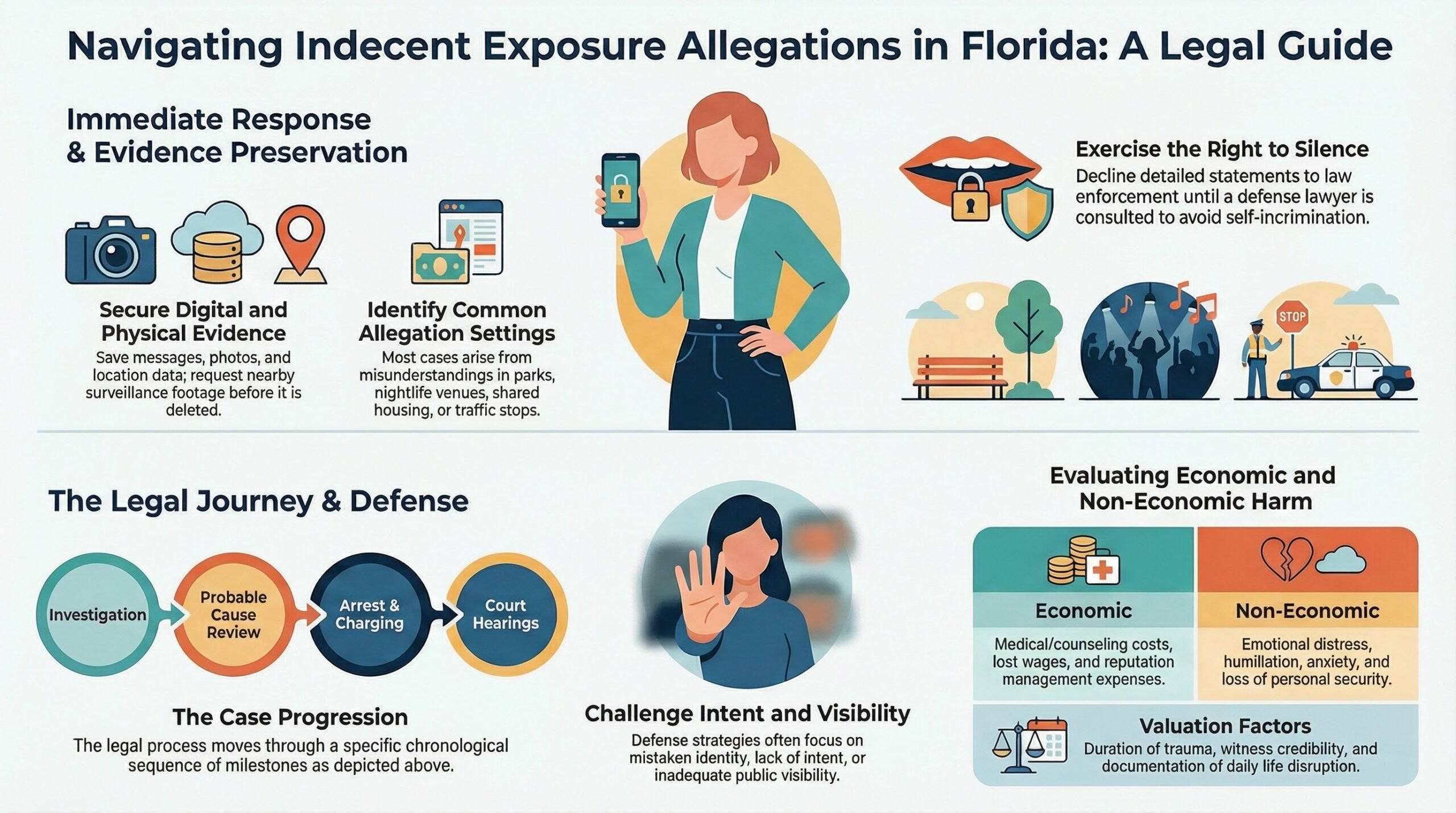
When an indecent exposure allegation arises in Florida, early legal intervention can materially affect the course of the case. Counsel can assist by organizing immediate response measures, identifying urgent deadlines, and establishing a disciplined communication strategy that protects all involved. This support helps families, witnesses, and community members act responsibly while reducing avoidable harm.
A structured legal team can also guide Evidence Preservation efforts, ensuring that messages, surveillance footage, location data, and witness accounts are secured before they are lost. Attorneys may coordinate interviews, document timelines, and address law enforcement inquiries with care and professionalism. In matters involving minors, schools, employers, or vulnerable individuals, the firm’s approach emphasizes dignity, privacy, and Victim Support.
That includes referrals to counseling resources, practical safety planning, and respectful updates about procedural developments. By providing clear advice and dependable advocacy, legal counsel helps clients serve others responsibly while protecting personal rights, reputations, and long-term stability during a difficult period.
OUR CONSULTATIONSARE FREE
START YOUR FREE CASE REVIEW

Understanding Indecent Exposure Cases in Florida
Understanding an indecent exposure case in Florida begins with the statutory definition, the surrounding facts, and the setting in which the alleged conduct occurred. Courts generally examine whether the act was intentional, whether it happened in a public place or in view of others, and whether the evidence supports each required legal element.
A careful review of witness statements, video evidence, police reports, and timeline details often shapes the defense response. In some matters, Mistaken Identity may affect the reliability of an accusation, especially when observations were brief or conditions were poor. Consent Disputes can also arise when the parties disagree about what was seen, intended, or communicated.
Legal analysis usually considers credibility, context, and constitutional protections, while avoiding assumptions based on embarrassment or stigma. For those committed to protecting others and acting responsibly, understanding these issues helps support fair treatment, careful fact-finding, and informed decisions throughout the legal process.

Common Scenarios When Indecent Exposure Might Take Place in Florida
Indecent exposure allegations in Florida may arise in a range of everyday settings, often where visibility to the public or others creates legal risk. Common examples include public parks and beaches, nightlife and bar incidents, shared housing situations, and encounters during traffic stops or on roadways. Each setting presents distinct factual circumstances that can affect how law enforcement, prosecutors, and courts evaluate the alleged conduct.
Public Parks And Beaches
Although public parks and beaches are intended for recreation and leisure, they are also common settings for indecent exposure allegations in Florida due to their open access, frequent foot traffic, and the presence of families and minors. Incidents may arise near picnic areas, boardwalks, restrooms, dunes, trails, or parking lots, where visibility is high, and misunderstandings can quickly escalate.
In these environments, careful legal review often focuses on intent, surrounding circumstances, privacy rights, and whether the conduct was willful or merely mistaken. Because many public areas are monitored, digital evidence such as surveillance footage, phone recordings, and location data may influence the facts. Statements from bystanders also matter, making witness protection and accurate documentation important when seeking accountability, fairness, and informed guidance for all individuals involved.
Nightlife And Bar Incidents
When alcohol consumption, crowded spaces, and late-night confusion intersect, bars, nightclubs, and entertainment districts can become common settings for indecent exposure allegations in Florida. In these environments, misunderstandings may arise from accidental wardrobe malfunctions, unclear interactions, or conflicting recollections after a disruptive evening. Staff members, patrons, and security personnel may report events differently, making Witness Credibility a central issue in evaluating what truly occurred.
A careful response often includes a Surveillance Review, an examination of lighting conditions, and an analysis of whether the alleged conduct was intentional, visible, and offensive under Florida law. Those seeking to protect others in the community often value a measured legal approach that respects all parties, preserves relevant evidence, and distinguishes impaired judgment, confusion, or false accusations from conduct that warrants a criminal charge and defense.
Shared Housing Situations
Shared housing arrangements present a different set of facts than nightlife settings, yet they can produce similarly disputed indecent exposure allegations in Florida. In homes with shared tenancy, questions often arise about whether conduct occurred in a private bedroom, a common area, or a space visible to others. Privacy rights may be unclear when lease terms, guest access, and household routines overlap.
These cases may also arise from roommate disputes, misunderstandings, or retaliation following a conflict. A person may believe certain conduct remained private, while another occupant may view the same behavior as intentional exposure. Witness credibility, layout of the residence, and prior communications can all affect how authorities interpret events.
Careful legal review serves households by separating criminal intent from confusion, preserving fairness while addressing legitimate concerns within a shared living environment.
Traffic Stops And Roadways
Because traffic stops and roadside encounters often unfold in public view, allegations of indecent exposure in these settings can arise from circumstances that are fleeting, disorderly, and highly dependent on context. During vehicle searches, emergency restroom needs, clothing malfunctions, or medical distress, a person may be seen in a state of partial or full undress without criminal intent. Roadways also present limited privacy expectations, yet the surrounding facts still matter when evaluating whether conduct was willful, lewd, or simply incidental to an urgent event.
In these cases, careful review often centers on witness credibility, officer observations, body camera footage, lighting conditions, and the presence of passing motorists. A service-minded legal approach focuses on protecting fairness, examining context, and helping ensure that misunderstandings are not treated as deliberate public misconduct.


Legal Rights of Indecent Exposure Victims in Florida
Under Florida law, victims of indecent exposure have important legal rights that are intended to protect their safety, preserve their dignity, and support their participation in the criminal justice process. These protections recognize that public misconduct can cause lasting harm and that respectful treatment promotes confidence in the legal system.
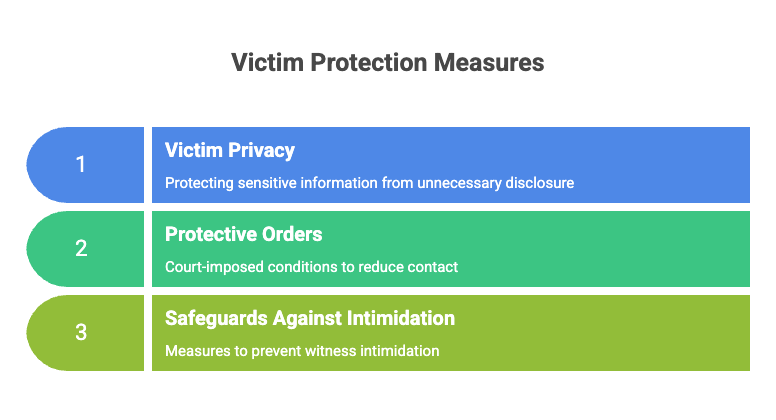
Key rights often include:
- Victim privacy, including limits on unnecessary disclosure of identifying information in appropriate circumstances.
- Protective orders and other court-imposed conditions are designed to reduce contact, harassment, or continued misconduct.
- Safeguards against witness intimidation, retaliation, or coercion during investigations and court proceedings.
Florida law may also impose mandatory reporting duties in certain settings, especially when minors or vulnerable persons are involved. Victims may receive notice of hearings, offer impact statements, and request assistance through victim services programs. These rights help communities respond with care, accountability, and a strong commitment to protecting those harmed by indecent exposure in public settings.
Steps to Take After an Indecent Exposure Incident in Florida
After an indecent exposure incident in Florida, prompt action may help protect an individual’s rights and strengthen any future legal response. Important early measures often include preserving relevant evidence, documenting key details, and identifying any witnesses or related records. It is also often advisable to contact a defense lawyer promptly, as legal guidance may be essential when addressing allegations, protecting legal interests, and preparing for the next steps.
Protect Your Rights
When an indecent exposure allegation arises in Florida, the steps taken in the immediate aftermath can materially affect the outcome of the case. A measured response helps protect legal rights while preserving the ability to serve others responsibly and with integrity. The accused should remain calm, avoid public discussion, and decline detailed statements until legal counsel is consulted. This is especially important where misunderstandings about consent or privacy expectations may influence how conduct is interpreted.
Prompt guidance from a qualified attorney can clarify obligations, explain possible penalties, and help prevent avoidable mistakes. It is also prudent to comply respectfully with lawful instructions, while remembering that cooperation does not require self-incrimination. By acting carefully, lawfully, and with respect for all involved, a person better safeguards both personal interests and future opportunities to contribute meaningfully.
Gather Key Evidence
Because the facts surrounding an indecent exposure allegation may be disputed, preserving relevant evidence as early as possible is often pivotal. Prompt documentation can clarify timelines, locations, and surrounding circumstances, which may later influence witness credibility and factual accuracy.
Useful steps include saving messages, receipts, photographs, and location data that may support alibi statements. If cameras were nearby, requesting immediate video preservation may prevent automatic deletion of footage from businesses, residences, or public systems. Names and contact information for observers should be recorded carefully, along with neutral summaries of what each person saw.
Any physical items connected to the incident should be stored securely and handled as little as possible to protect the chain of custody. Organized records can assist those working to uphold fairness, accountability, and informed decision-making throughout the process for everyone involved.
Contact A Defense Lawyer
In many cases, contacting a defense lawyer as early as possible is highly important, particularly when statements, evidence preservation, and interactions with law enforcement may shape the course of the matter. Counsel can explain legal rights, advise against harmful disclosures, and organize a prompt response grounded in facts and respect for all involved.
A defense lawyer may also evaluate available records, review any witness statements, and identify circumstances that support a fair understanding of events. Early representation often helps protect constitutional rights while reducing avoidable mistakes during interviews or investigations. When sensitive allegations arise, privacy protection becomes especially important for the accused, family members, and others affected. By seeking qualified legal guidance, a person is better positioned to proceed responsibly, support due process, and serve the broader interests of justice.
How a Florida Indecent Exposure Lawyer Can Help You Initiate a Case
Although the decision to pursue legal action can feel urgent, a Florida indecent exposure lawyer helps initiate a case by evaluating the specific facts, identifying the applicable statutes, and determining the most effective legal strategy at the outset. Through careful case assessment, counsel clarifies whether civil remedies are available and which immediate steps best protect the client’s interests and ability to serve others responsibly.
Early representation also supports organized preparation. An attorney commonly focuses on:
- Evidence preservation to secure messages, recordings, photographs, and related documentation.
- Witness statements to identify observers, confirm timelines, and strengthen credibility.
- Legal strategy to coordinate filings, deadlines, and communication with relevant parties.
This structured approach reduces procedural mistakes and helps a client move forward with confidence and purpose. By guiding intake, documenting facts, and explaining realistic options, a lawyer provides an informed foundation for action while respecting the seriousness of the allegations and the needs of all involved.
Long-Term Effects of Indecent Exposure Trauma
Indecent exposure trauma may produce significant emotional and psychological effects, including anxiety, fear, and persistent distress that can continue long after the incident. It may also create lasting social consequences, such as damaged relationships, withdrawal from public settings, and reduced trust in others. Over time, these effects can disrupt daily life by affecting work performance, personal routines, and an individual’s overall sense of safety.
Emotional And Psychological Impact
When a person experiences indecent exposure, the effects may extend far beyond the initial incident, shaping emotional stability and daily functioning for months or even years. Individuals may develop anxiety, hypervigilance, sleep disruption, and persistent fear in ordinary settings. Trauma triggers can emerge unexpectedly, causing renewed distress, avoidance behaviors, or difficulty concentrating on responsibilities and service to others.
In some cases, the psychological burden is intensified by the risk of retaliation or concerns about false allegations, which may deepen feelings of helplessness and mistrust. Without timely intervention, these reactions can contribute to depression, panic symptoms, or reduced confidence in personal safety. Access to mental health support often plays a vital role in recovery, helping affected individuals process the event, restore emotional regulation, and regain a stable sense of control over their daily lives.
Lasting Social Consequences
Beyond the internal effects of trauma, lasting social consequences often emerge that alter how a person relates to others and participates in everyday life. Affected individuals may become more guarded in relationships, less willing to trust unfamiliar people, and more hesitant to engage in community settings that once felt safe. These changes can influence how others perceive their reactions, sometimes raising unfair questions about Witness credibility despite the well-documented effects of trauma.
In service-oriented contexts, careful attention to these consequences is crucial. Family members, advocates, and professionals should recognize that social withdrawal, altered communication, and discomfort around authority figures may shape participation in supportive processes, including a law enforcement investigation. A trauma-informed response helps preserve dignity, encourages cooperation, and promotes a more accurate understanding of the person’s experience over time.
Effects On Daily Life
Although the incident itself may be brief, its long-term effects can disrupt everyday routines for months or years. Survivors may alter travel patterns, avoid public spaces, or experience difficulty concentrating at work, at school, or in caregiving responsibilities. Sleep disruption, heightened vigilance, and fear of unexpected encounters can diminish confidence and reduce participation in service, faith, or volunteer activities.
These disruptions may also affect workplace safety, especially when anxiety impairs focus, attendance, or communication with supervisors and colleagues. In some cases, community stigma discourages reporting, limits access to support, and deepens isolation. Families, employers, and community leaders who prioritize dignity, stability, and practical assistance can help restore daily functioning. Consistent support, informed legal guidance, and trauma-aware care often strengthen long-term recovery and resilience.
What to Expect During a Florida Indecent Exposure Claim Process
A Florida indecent exposure claim process typically begins with an initial investigation, during which law enforcement gathers statements, reviews available evidence, and determines whether probable cause exists. If an arrest occurs and charges are filed, the case generally proceeds through hearings, motions, and other scheduled court events that shape the overall timeline. Throughout this process, possible defense strategies may focus on the facts of the incident, the reliability of witness accounts, and whether the prosecution can meet its burden of proof.
Initial Investigation Steps
When a Florida indecent exposure allegation is first reported, the investigation typically begins with law enforcement gathering statements from the complainant, identifying potential witnesses, and reviewing any available physical or digital evidence. Officers usually document the initial account in a police report, note the time and location, and preserve available surveillance footage, messages, or photographs.
Early steps may also include scene observations, follow-up interviews, and efforts to confirm identity through lawful records checks. Victim support services may be offered to help the reporting person understand procedures, access resources, and participate with dignity. Investigators generally seek consistency, context, and corroboration before making further decisions. During this stage, careful fact gathering helps protect all involved, supports community trust, and promotes a thorough, service-minded response grounded in fairness and accuracy.
Arrest And Charges
After investigators conclude that probable cause exists, an arrest may occur through either a warrant or an on-scene detention, depending on the reported facts and the evidence available at that time. Officers then document statements, identify witnesses, and secure physical or digital materials relevant to the allegation.
The charging decision is typically made after law enforcement submits reports to prosecutors for review. Prosecutors assess whether the available proof supports a formal accusation under Florida law. This stage may involve disputes over witness credibility, review of video evidence, and a close examination of intent, location, and public visibility.
A person accused may face booking, release conditions, and notice of the alleged offense. Early legal guidance often helps protect rights, preserve favorable evidence, and support a careful, service-minded response to the allegations and related investigative concerns.
Court Process Timeline
Although each case develops according to its facts, a Florida indecent exposure claim process generally moves through several predictable stages, beginning with first appearance and arraignment, followed by evidence exchange, pretrial motions, negotiations, and, if necessary, trial. Early proceedings may include bail hearings, appointment of counsel, and scheduling orders that shape the pace of the matter.
During discovery, both sides review police reports, witness statements, and other materials produced through evidence gathering. Courts may then address motions concerning admissibility, procedure, or constitutional issues before setting further dates. In many cases, plea negotiations occur as attorneys assess risks, consequences, and available resolutions. If no agreement is reached, the case proceeds to trial, where testimony, documents, and arguments are presented for judicial or jury determination and final sentencing.
Possible Defense Strategies
Because defense options depend on the specific facts, a Florida indecent exposure case often involves a careful review of whether the alleged conduct was intentional, occurred in a public place, and was witnessed under circumstances that satisfy the statute. Counsel may examine mistaken identity, lack of intent, inadequate visibility, or unreliable witness observations. In some matters, the defense may argue the accused was not in a legally public setting, or that the exposure was accidental rather than willful.
If expressive conduct is implicated, limited First Amendment arguments may arise, though courts apply them narrowly. Attorneys also test police procedure, evidence collection, and credibility issues for weaknesses. By identifying inconsistencies and alternative explanations, the defense seeks to create reasonable doubt while protecting the accused’s rights, reputation, and future ability to serve family and community.
Compensation for Florida Indecent Exposure Damages
When indecent exposure leads to measurable harm, Florida law may allow an injured party to seek compensation through an appropriate civil claim. A careful case assessment often examines conduct, causation, and documented injury, while Statute Timing can affect whether a claim may proceed. Prompt legal guidance may help individuals act responsibly, protect rights, and support community safety through orderly civil remedies.
| Consideration | Why It Matters |
|---|---|
| Case assessment | Clarifies viable claims |
| Statute Timing | Sets filing deadlines |
| Evidence preservation | Protects essential proof |
| Witness statements | Supports credibility |
Strong claims commonly depend on the preservation of evidence, including messages, recordings, photographs, and, when appropriate, related medical or counseling records. Witness statements may help show what occurred and how the event affected daily functioning. Courts generally require credible proof and a clear connection between the wrongful act and the alleged harm. Early documentation and informed counsel can help injured parties pursue accountability with care and respect.
Economic vs Non-Economic Damages in Florida Indecent Exposure Cases
In Florida indecent exposure cases, damages are generally divided into economic and non-economic categories, each addressing a different type of harm. Economic damages typically refer to measurable financial losses, while non-economic damages concern intangible effects such as emotional distress, reputational harm, and related personal suffering. The value of either category depends on case-specific factors, including the severity of the incident, the extent of proven losses, and the quality of the supporting evidence.
Economic Damages Explained
A claim involving indecent exposure in Florida may include economic damages, which refer to measurable financial losses tied directly to the incident and its aftermath. These damages often include medical expenses, counseling costs, lost wages, reduced earning capacity, and reasonable security or relocation expenses when safety concerns arise. In some matters, witness impact can affect employment or business relationships, especially when public allegations disrupt a person’s ability to work or serve others effectively.
Media coverage may also contribute to documented financial harm, such as lost contracts, diminished clientele, or costs associated with reputation management. Courts and insurers generally require records, invoices, employment documentation, and other objective proof to support these claims. Meticulous documentation helps ensure that compensation reflects actual out-of-pocket losses rather than estimates or unsupported assumptions in legal proceedings.
Non-Economic Losses Overview
Although economic damages address documented financial harm, non-economic losses concern the human effects of an indecent exposure incident that do not appear on invoices, pay records, or billing statements. These losses may include humiliation, anxiety, loss of security, sleep disruption, and strain on daily relationships or public functioning.
In Florida indecent exposure matters, this category often reflects the personal impact felt during a Police Interview, throughout Court Preparation, and after the event itself. Non-economic harm may also involve setbacks in Mental Recovery, reduced confidence in community participation, and ongoing emotional discomfort that calls for compassionate Victim Support. While less tangible than medical bills or lost wages, these harms remain significant because they affect dignity, stability, and the capacity to continue serving family, workplace, and community responsibilities with confidence and peace.
Damage Valuation Factors
Assessing damages in a Florida indecent exposure case requires more than listing losses, because the value of a claim depends on the nature, duration, and documented effect of both economic and non-economic harm. Economic damages may include counseling expenses, lost wages, medical care, and other measurable costs tied to the incident and its aftermath.
Non-economic damages are evaluated through evidence of victim trauma, emotional distress, humiliation, fear, and ongoing disruption to daily life. Courts and insurers often examine treatment records, testimony from professionals, and the consistency of the claimant’s account. Witness credibility can strongly influence how decision-makers interpret disputed facts and the seriousness of lasting harm. In service-oriented representation, careful documentation helps ensure the claim reflects both tangible losses and the human impact that may continue long after the event itself.
When a Florida Indecent Exposure Case Goes to Trial vs Settlement
Whether a Florida indecent exposure case proceeds to trial or is resolved through a negotiated agreement depends on the strength of the evidence, the credibility of the witnesses, and the legal issues that shape the prosecution’s ability to prove guilt beyond a reasonable doubt. Trial is more likely when facts are disputed, when constitutional concerns affect police conduct, or when defense counsel believes a jury may reject the state’s theory.
A negotiated resolution may be considered when the evidence appears strong, when exposure was brief or ambiguous, or when mitigating circumstances support leniency and rehabilitation. Defense strategy often evaluates witness reliability, available recordings, prior statements, and the broader impact a conviction could have on family, employment, and future service to others. In some matters, self-defense arguments, mistaken identity claims, or disputes over intent may justify presenting the case to a jury. In others, a carefully structured plea may reduce penalties, preserve dignity, and promote accountability, treatment, and constructive community involvement.
The Statute of Limitations for Florida Indecent Exposure Cases
Because timing can determine whether a prosecution may lawfully proceed, the statute of limitations is a core issue in Florida indecent exposure cases. Florida law generally sets filing deadlines based on the offense level, and those deadlines affect whether the state may still bring charges. A careful review of dates, charging documents, and alleged conduct is therefore essential.
This time limit promotes fairness by encouraging prompt investigation, reliable witness statements, and the preservation of evidence before memories fade or records are lost. In many misdemeanor matters, the state has less time to prosecute than in felony matters, although case-specific facts may alter the analysis. Tolling provisions can also pause or extend the limitations period under limited circumstances, such as concealment or absence from the state.
For community members seeking just and orderly outcomes, understanding these rules supports informed decisions and respect for due process. Accurate timeline analysis often shapes case strategy and procedural challenges importantly.
When to Contact an Indecent Exposure Lawyer in Florida
Early-stage legal guidance is often critical when an indecent exposure allegation arises in Florida, especially before any formal statement is given to law enforcement or a charging decision is made. Contact is often advisable immediately after an accusation, a police inquiry, an arrest, or a notice of investigation. Prompt action can help preserve important facts, support informed decisions, and reduce avoidable missteps during a stressful period.
Counsel may also be contacted when digital evidence exists, when social or professional consequences appear likely, or when a family seeks orderly guidance that protects everyone involved. Timely support can assist with Witness statement management, response planning, document preservation, and privacy protection.
It is also prudent to seek guidance before speaking with employers, school officials, investigators, or alleged witnesses. If a summons, court date, or probation concern appears, delay may create additional complications. Early contact generally promotes steadier communication, thoughtful preparation, and a more responsible path forward for all parties involved.
Why You Need an Experienced Florida Indecent Exposure Lawyer
An experienced Florida indecent exposure lawyer is often essential when the allegation carries criminal, reputational, and long-term personal consequences. Early legal guidance helps protect constitutional rights, limit damaging statements, and frame the facts before misunderstandings harden into formal accusations. Careful counsel also addresses immediate concerns, including bail eligibility questions, court appearances, and conditions that may affect family, employment, and community standing.
Experience matters because indecent exposure cases frequently turn on context, intent, and proof. A seasoned attorney can analyze police procedures, identify evidentiary weaknesses, and challenge the credibility of witnesses when testimony is inconsistent, biased, or unreliable. Strategic advocacy may also reduce exposure to harsh penalties, registration issues, and lasting social stigma. For people committed to serving others, preserving the ability to work, volunteer, and maintain trust within the community is especially important. Skilled representation supports that goal by pursuing a fair process, protecting dignity, and seeking the most favorable lawful outcome possible.
How to Choose the Right Indecent Exposure Lawyer for Your Case in Florida
Selecting the right indecent exposure lawyer in Florida requires careful attention to relevant criminal defense experience, courtroom familiarity, and the ability to assess sensitive facts with discretion and precision. A suitable attorney should understand local procedures, anticipate prosecutorial strategies, and communicate clearly about possible defenses, risks, and next steps from the outset.
Careful evaluation should also include the lawyer’s record in plea negotiations, trial advocacy, and bail-hearing preparation. Because these allegations often turn on limited observations, counsel must know how to investigate issues of witness credibility, gaps in police reporting, and conflicting accounts. It is also helpful to consider responsiveness, professional reputation, and willingness to treat every person involved with dignity.
An informed choice supports not only the accused but also families and communities seeking fairness, accountability, and lawful outcomes. Reviewing case results, client communications, and consultation preparedness can help identify counsel capable of steady guidance through each stage of the Florida criminal process.
About The Law Offices of Anidjar & Levine
The Law Offices of Anidjar & Levine represents individuals facing criminal allegations in Florida with a focus on attentive service, strategic case evaluation, and steady advocacy throughout the legal process.
The firm approaches each matter with professionalism and respect, recognizing that clients often seek guidance that protects both personal dignity and future opportunities.
Its attorneys examine allegations carefully, emphasizing the review of witness statements and the accuracy of police reports when preparing a defense strategy.
This disciplined process helps identify inconsistencies, procedural concerns, and factual gaps that may affect the prosecution’s position.
The firm also values responsive communication, helping clients understand options, deadlines, and likely outcomes in clear terms.
For people committed to supporting family, coworkers, and their broader community, dependable legal counsel can protect the ability to continue serving others.
The Law Offices of Anidjar & Levine aims to provide that support through careful preparation, principled representation, and practical guidance tailored to the circumstances of each case.

Frequently Asked Questions
Can Indecent Exposure Charges Affect Professional Licenses in Florida?
Yes, indecent exposure charges can affect professional licenses in Florida. Licensing boards may review the conduct, the case outcome, and any underlying facts to determine whether Professional Discipline is warranted. Consequences can include investigations, license suspension, probation, or revocation, depending on the profession and severity. In some cases, related Civil Penalties and mandatory reporting obligations may also arise, especially when the conduct suggests impaired judgment, public risk, or ethical misconduct.
Is Public Urination Ever Prosecuted as Indecent Exposure in Florida?
Yes, public urination in Florida is sometimes prosecuted as indecent exposure, especially when the act appears willful, visible, and offensive to others. Courts often examine evidence from police reports, witness statements, location, and intent before making charging decisions. Prosecutors also weigh misdemeanor vs felony distinctions, although most such cases are misdemeanors unless aggravating facts exist. Careful legal review helps affected individuals respond responsibly and protect future opportunities.
Can Minors Be Charged With Indecent Exposure in Florida?
Yes, minors can be charged with indecent exposure in Florida, although the case is usually handled in juvenile court. Authorities generally examine juvenile intent, the surrounding circumstances, and whether the conduct was deliberate or reckless. In some situations, schools, caregivers, or professionals may face mandatory reporting duties when sexualized behavior suggests abuse or exploitation. Early legal guidance often helps families protect the minor’s welfare while supporting accountability and appropriate intervention.
Does Indecent Exposure Have Immigration Consequences in Florida?
Yes, indecent exposure in Florida can create immigration consequences, depending on the facts, the charge, and the person’s status. A conviction may increase the risk of deportation, complicate immigration paperwork, and affect visa, residency, or naturalization decisions. Careful legal review helps individuals and families determine whether the offense could be treated as a crime involving moral turpitude or as another removable ground under federal immigration law and enforcement policies.
Are Indecent Exposure Records Eligible for Expungement in Florida?
Indecent exposure records in Florida may be eligible for expungement, but expungement eligibility depends on the case outcome, prior record, and whether adjudication was withheld. A conviction generally cannot be expunged under Florida law. If charges were dismissed or dropped, relief may be possible. Because background checks impact employment, housing, and service opportunities, careful review of court records and statutory requirements is critical before pursuing relief through proper legal channels.
—————————
Victims of indecent exposure in Florida may face lasting emotional and legal concerns, making informed action crucial.
A qualified Florida Sexual Assault Lawyer can evaluate the facts, explain available legal remedies, and help protect a victim’s rights throughout the process.
With experienced legal guidance, victims can pursue accountability and seek appropriate relief under Florida law.
The Law Offices of Anidjar & Levine provides focused representation for those confronting the consequences of these serious and disruptive incidents.