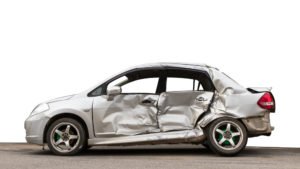
The Law Offices of Anidjar and Levine helps victims pursue claims when unsafe design, faulty manufacturing, inadequate warnings, or defective components cause a crash or worsen injuries.
These cases may involve manufacturers, distributors, dealerships, repair facilities, or parts suppliers.
Counsel can preserve the vehicle, secure records, coordinate expert inspections, review recalls, and connect the defect to the harm suffered.
The following sections explain essential rights, evidence, liability issues, and steps that may protect a claim with help from a Florida Car Accident Lawyer.
Main Takeaways
- A Florida vehicle defect lawyer investigates whether unsafe design, manufacturing flaws, poor repairs, or inadequate warnings caused or worsened the crash.
- These claims may involve manufacturers, distributors, dealerships, repair shops, parts suppliers, or commercial fleet maintenance providers.
- Key evidence includes the damaged vehicle, defective parts, repair records, crash data, photos, recall notices, and expert engineering analysis.
- Compensation may cover medical bills, lost income, reduced earning ability, pain and suffering, and future care needs.
- Preserve the vehicle before repairs or disposal, seek medical care, document symptoms, and promptly contact a qualified lawyer.


How We Can Help With Your Florida Vehicle Defect Car Accident Injury Claim
After a crash involving a suspected vehicle defect, legal counsel can help determine whether the collision resulted from a faulty component, an unsafe design, a manufacturing error, or an inadequate warning. A Florida vehicle defect car accident injury lawyer may preserve evidence, secure the damaged vehicle, review maintenance records, and identify all responsible parties, including manufacturers, distributors, repair facilities, or parts suppliers. This support allows injured people and families to focus on recovery while the claim is developed with care.
The attorney may coordinate inspections, obtain engineering analysis, and evaluate Expert causation evidence linking the defect to the crash and resulting injuries. Counsel can also examine whether a product recall existed, whether notices were properly issued, and whether reasonable corrective action was taken. Through negotiations or litigation, the lawyer seeks compensation for medical care, lost income, disability, and other losses, while advancing accountability that may help protect the broader community.
OUR CONSULTATIONSARE FREE
START YOUR FREE CASE REVIEW

Understanding Florida Vehicle Defect Car Accident Injury Cases
Understanding these cases begins with recognizing that a vehicle defect claim differs from a standard negligence claim arising from driver error. In Florida, an injured person may need to show that a vehicle or component was unreasonably unsafe and that the defect contributed to the collision or worsened the injuries. These claims often involve manufacturers, distributors, dealerships, maintenance providers, or other parties within the vehicle’s chain of responsibility.
Careful evaluation helps separate defect issues from Driver negligence disputes, which can complicate fault and insurance decisions. Product recall procedures may provide important context, but a recall is not always required to support a valid claim. Evidence may include repair records, inspection findings, expert analysis, crash data, and communications from the manufacturer. For those committed to serving injured people with diligence, understanding these distinctions supports a more complete response, preserves accountability, and helps ensure that victims are not left to bear preventable losses alone.
Common Causes of Florida Vehicle Defect Car Accidents
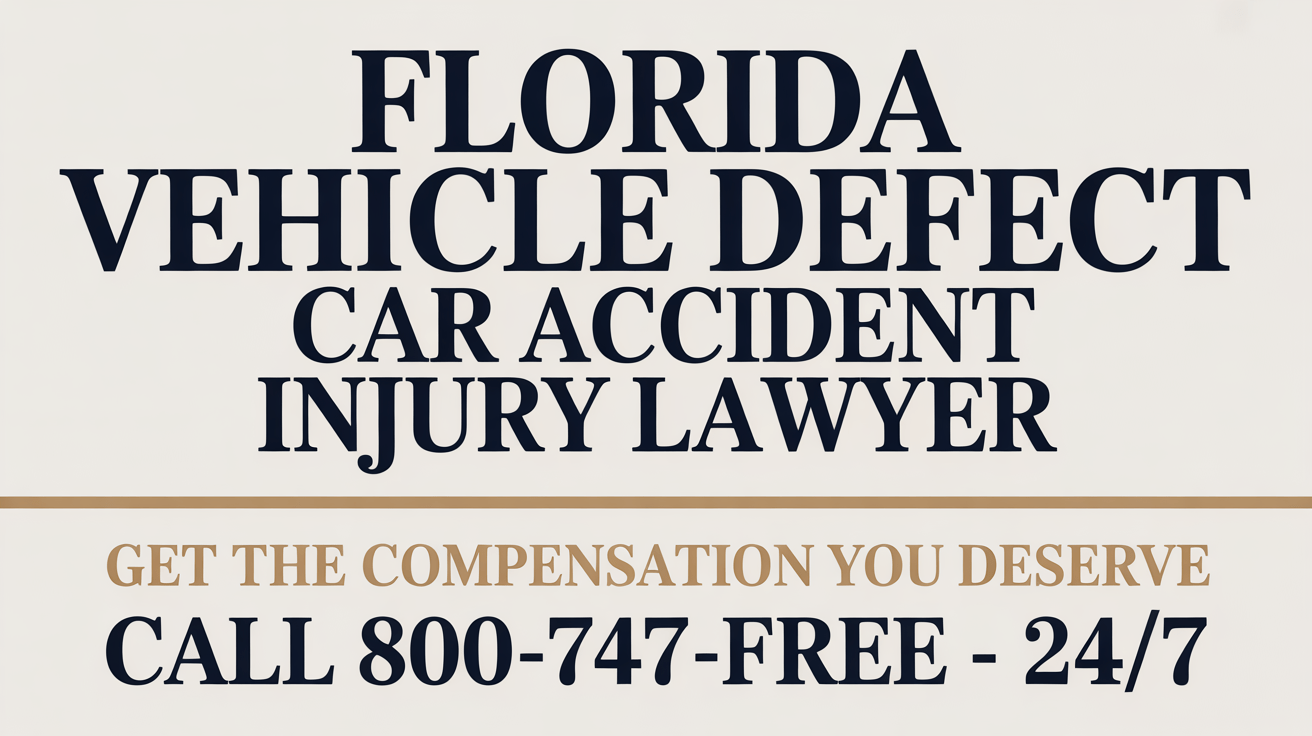
Vehicle defect car accidents in Florida often arise from failures in essential safety components, including defective brake systems, faulty tire manufacturing, airbag deployment failures, and steering system problems. These issues may compromise a driver’s ability to slow, maintain control, or receive proper crash protection, increasing the risk of serious injury. Identifying the specific defect is essential, as liability may involve manufacturers, distributors, repair facilities, or other responsible parties.
Defective Brake Systems
When a braking system fails to perform as intended, a driver may lose the ability to slow, stop, or avoid a collision in time. Defective brake systems may involve faulty master cylinders, contaminated brake fluid, poorly manufactured pads, failed anti-lock components, or design flaws that reduce stopping power under ordinary conditions. In Florida injury claims, Product liability basics may require examining whether the defect existed when the vehicle or part left the manufacturer, distributor, or repair chain.
Evidence can include maintenance records, crash data, expert inspections, and prior consumer complaints. Recall procedures may also become important, particularly when manufacturers knew of brake hazards yet delayed issuing notices or making repairs. Careful legal review helps injured people pursue accountability while protecting community safety through responsible enforcement.
Faulty Tire Manufacturing
Although tires may appear simple on the outside, defects in their manufacturing can create hidden dangers that make a Florida car accident more likely and more severe. A tire with weak bonding, uneven materials, or improper curing may fail under ordinary driving conditions, even when maintained by a careful owner. Reduced tread depth from premature wear can limit traction during rain, increasing the risk for families, passengers, and others sharing the roadway.
A sudden tire blowout may cause loss of control, especially at highway speeds or near a road hazard. Defects can also lead to sidewall failure, making the tire unable to support the vehicle’s weight during turns or braking. When such failures occur, an investigation may help determine whether a manufacturer placed unsafe products into public use.
Airbag Deployment Failures
Because airbags are designed to reduce injury during a serious collision, a failure to deploy can substantially worsen the outcome of a Florida car accident. These failures may result from defective sensors, flawed control modules, damaged wiring, or manufacturing errors that prevent proper activation. When an airbag does not deploy as intended, Occupant safety is compromised, particularly during frontal or side-impact crashes where protection is essential.
Attorneys evaluating these claims often review crash data, vehicle diagnostics, maintenance history, and manufacturer records to determine whether a defect contributed to the injuries. For families, caregivers, and advocates seeking accountability, careful investigation helps identify preventable harm and supports responsible action. A defective airbag system may indicate liability involving automakers, parts suppliers, or other entities in the distribution chain.
Steering System Defects
Steering system defects can cause a driver to lose control with little warning, especially during turns, lane changes, or emergency actions on Florida roads. Defective tie rods, steering columns, power steering pumps, or electronic steering components may prevent a vehicle from responding as intended. When these failures occur, occupants, pedestrians, and nearby motorists may face severe harm. Careful investigation can determine whether the problem resulted from poor design, manufacturing errors, improper repairs, or ignored recalls.
Maintenance records may show prior steering complaints, missed inspections, or service work that failed to correct a dangerous condition. Insurance documentation can also help establish crash details, repair history, and reported losses. By preserving these materials, injured individuals and their advocates can better identify responsible parties and support accountability.


Legal Rights of Florida Vehicle Defect Car Accident Injury Victims
When a defective vehicle or component contributes to a crash, injured victims in Florida may have legal rights that extend beyond a standard negligence claim against another driver. These rights may allow recovery from manufacturers, distributors, repair facilities, or other responsible parties when unsafe design, faulty production, or inadequate warnings contributed to harm.
Victims and their advocates should carefully preserve evidence and seek guidance before repairs, disposal, or insurer inspections occur.
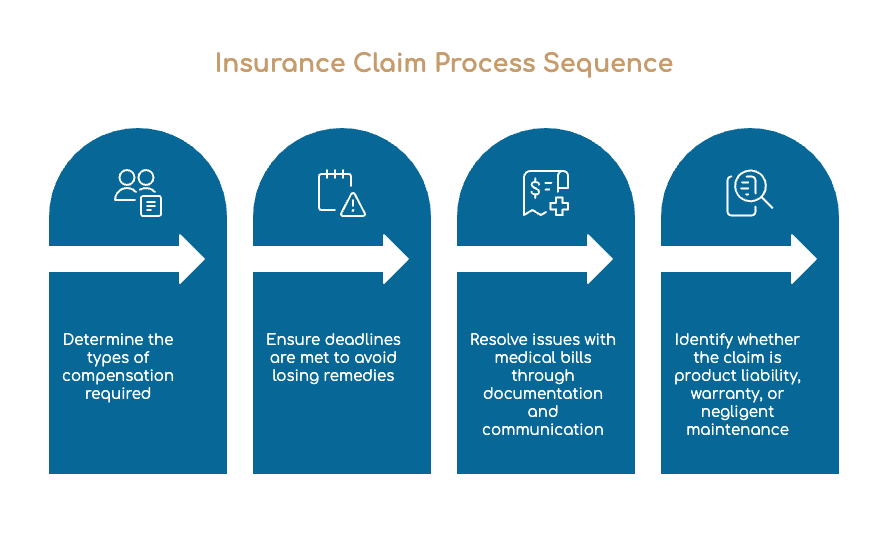
- Compensation may include medical expenses, lost income, reduced earning capacity, pain, suffering, and future care needs.
- Insurance claim timelines must be monitored because missed notice or filing deadlines can weaken available remedies.
- Medical bill disputes may require documentation, communication with the provider, and a review of coverage responsibilities.
- Claims may involve product liability, warranty issues, or negligent maintenance, depending on the facts.
A careful legal review helps protect injured people, supports accountability, and promotes safer transportation for the wider Florida community.
Why Do Florida Vehicle Defect Car Accident Injuries Happen?
Although many crashes are attributed to driver error, vehicle defect car accident injuries in Florida often occur because a safety-critical system fails before, during, or immediately after a collision. Defective brakes, tires, airbags, seatbelts, handling components, fuel systems, or electronic controls can turn an otherwise survivable event into a life-altering injury. These failures may arise from poor design, manufacturing errors, inadequate warnings, or negligent maintenance practices within a commercial fleet.
Product liability basics help explain responsibility when a manufacturer, distributor, retailer, or other party places an unsafe vehicle or component into public use. A defect may exist even when a driver acted carefully, which is important for families, caregivers, and advocates seeking accountability.
Florida cases may also involve evidence spoliation laws, because altered, lost, or destroyed vehicle parts can affect the search for truth. Understanding why these injuries occur supports safer communities and more responsible corporate conduct for everyone.
What Should You Do After a Florida Vehicle Defect Car Accident Injury?
After a Florida vehicle defect car accident injury, the injured person should seek prompt medical attention to recover injuries and protect their health. The vehicle, defective part, repair records, photographs, and related evidence should be preserved because these materials may become central to proving liability. A qualified lawyer should be contacted as soon as possible to evaluate the claim, protect legal rights, and address manufacturers, insurers, or other responsible parties.
Seek Medical Attention
Immediate medical attention is an important step for anyone injured in a Florida vehicle defect car accident, even if symptoms appear minor at first. A physician can identify hidden injuries, provide necessary treatment, and create records that support later recovery efforts. Prompt care also helps protect vulnerable victims, including passengers, older adults, and children, whose conditions may worsen without timely evaluation.
Emergency symptom tracking should begin as soon as possible, noting pain levels, dizziness, limited movement, headaches, or emotional distress. These details assist medical providers and may clarify how the injury developed after the crash. Treatment records can also affect insurance claim deadlines because delays may allow insurers to question causation or severity. Responsible follow-up care demonstrates diligence, protects health, and supports a fair injury claim.
Preserve Defect Evidence
When a vehicle defect may have contributed to a Florida car accident injury, preserving the vehicle and related evidence is essential to determining what failed and why. The vehicle should not be repaired, sold, altered, or discarded until qualified professionals can inspect it. Vital items may include damaged parts, tires, airbags, seat belts, maintenance records, recall notices, photographs, dashcam footage, and electronic data.
Careful preservation supports a Liability investigation by helping identify whether a design flaw, manufacturing error, or inadequate warning played a role. Families serving an injured person can help by securing documents, noting where the vehicle is stored, and preventing unnecessary handling. This evidence may also affect insurance negotiation because clear proof of a defect can strengthen the injured person’s position and promote accountability.
Contact A Lawyer
Why should legal counsel be contacted early in a Florida vehicle defect injury case? Early guidance helps protect injured persons, families, and those assisting them from avoidable mistakes. A lawyer may coordinate evidence preservation, including securing the vehicle, defective components, repair records, photographs, and electronic data before they are altered or lost. Counsel can also identify responsible parties, such as manufacturers, distributors, dealerships, maintenance providers, or other drivers.
Prompt legal review supports an orderly claim timeline, including insurance notices, medical documentation, expert inspections, and filing deadlines. This structure is especially important when caregivers, employers, or community members are helping an injured person manage practical needs. By involving counsel early, the injured person’s interests may be protected while attention remains focused on recovery, stability, and responsible service to others after the accident.
Critical Evidence in a Florida Vehicle Defect Car Accident Injury Case
Critical evidence can determine whether a Florida vehicle defect injury case is supported by a clear, credible chain of proof. Key materials may include:
- Preserving the defective vehicle
- Maintenance and repair records
- Crash scene documentation
- Expert defect analysis
Together, these elements help establish how the defect contributed to the crash, the injuries, and the resulting damages.
Preserving The Defective Vehicle
After a serious collision, the vehicle itself may become the most important piece of evidence in a Florida vehicle defect injury case. Its condition can show whether a tire, brake system, airbag, steering component, seat belt, or electronic system failed before or during impact. Prompt preservation helps protect that proof from being disposed of, repaired, exposed to weather, or altered.
An attorney may request secure storage, photograph the vehicle, and coordinate inspection by qualified experts. Electronic failure diagnosis may reveal fault codes, sensor data, or system interruptions relevant to the crash. Product recall investigations may also compare the vehicle’s components with those known to have safety defects. Preserving the vehicle allows injured people and their advocates to serve the truth, support accountability, and protect others from preventable harm.
Maintenance And Repair Records
In a Florida vehicle defect car accident injury case, maintenance and repair records can help determine whether a crash resulted from a defective component, improper service, inadequate inspections, or a failure to address known mechanical problems. These records may include invoices, service histories, recall work, inspection reports, warranty claims, and notes from mechanics.
Careful review can show whether an owner, repair facility, dealership, or manufacturer knew about a safety issue and failed to act responsibly. Police report review may identify mechanical concerns noted soon after the collision, while Witness statement collection may support how the vehicle behaved before impact. For injured persons and families seeking accountability, these documents help clarify responsibility, preserve truth, and support a claim focused on safety, prevention, and meaningful recovery.
Crash Scene Documentation
Maintenance and repair records often explain what may have been wrong before a collision, while crash scene documentation helps show how the vehicle performed at the time of the failure. This documentation may include roadway conditions, skid marks, debris patterns, impact locations, and vehicle positions after the crash. Photo evidence, preserved promptly, can help clarify whether a tire separated, the brakes failed, the driver’s direction was jammed, or safety systems did not deploy as expected.
Witness statements provide additional context, especially when bystanders observed smoke, unusual sounds, loss of control, or sudden mechanical failure before impact. For injured people and those assisting them, careful documentation supports a fair review of responsibility. In Florida vehicle defect claims, these materials may help connect the defect to the collision without relying only on later recollections.
Expert Defect Analysis
When a suspected vehicle defect is part of a Florida car accident injury case, expert analysis often becomes essential to determine whether the failure resulted from design, manufacturing, maintenance, or crash forces. Qualified engineers may inspect damaged components, review recall history, analyze electronic data, and compare the vehicle’s performance against accepted safety standards.
Their findings can help distinguish a true defect from damage caused by impact or improper repairs. A professional may also assess injury patterns, including through Independent Medical Exams, to determine whether the physical harm aligns with the alleged failure. In litigation, Expert Testimony can explain complicated mechanical and medical issues in clear terms for insurers, judges, or juries. This careful analysis supports fair accountability while helping injured individuals receive informed, service-focused legal guidance and meaningful protection.
Long-Term Effects of Florida Vehicle Defect Car Accident Injuries
Vehicle defect car accidents in Florida can cause injuries that extend far beyond the initial collision, including chronic pain complications that disrupt daily life. Reduced mobility may limit a person’s ability to work, care for family, or perform routine tasks without assistance. Ongoing medical costs, including rehabilitation, expert care, and future treatment, may become a central issue in evaluating the injury’s long-term impact.
Chronic Pain Complications
Chronic pain may develop after a Florida vehicle defect car accident when injuries do not fully recover or when damaged nerves, joints, muscles, or spinal structures continue to generate symptoms long after the crash. Persistent pain can affect sleep, concentration, employment stability, family responsibilities, and the ability to provide dependable care to others. In defect-related claims, the source of pain may involve faulty airbags, seatbacks, brakes, tires, or restraint systems that worsened the impact.
Medical evaluations, treatment histories, medication records, and expert opinions often become necessary Documentation for Losses. These records may also support the Treatment of Insurance Disputes when insurers question the severity, duration, or cause of ongoing symptoms. Careful legal review helps connect chronic pain to the defect, the collision, and the resulting long-term financial and personal harm.
Reduced Mobility Challenges
Although some injuries appear stable after initial treatment, reduced mobility may become a lasting consequence of a Florida vehicle defect car accident when damaged joints, bones, nerves, muscles, or spinal structures limit normal movement. These restrictions may affect walking, lifting, driving, caregiving, or returning to service-oriented work that depends on physical reliability. Defective restraints, handling components, brakes, tires, or airbags can intensify trauma, making seat belt effectiveness and vehicle recall timelines relevant when evaluating the preventability of the harm.
Limited mobility may also require workplace changes, household assistance, or long-term planning to preserve independence and dignity. For injured individuals who have devoted themselves to helping others, these losses can be especially disruptive. Careful legal review may identify accountable parties and support claims addressing lasting functional limitations.
Ongoing Medical Costs
When injuries from a defective vehicle require continued care, medical expenses may extend far beyond the emergency treatment that follows a Florida car accident. Victims may need surgery, rehabilitation, pain management, mobility equipment, counseling, or in-home assistance. These needs can place substantial strain on families and caregivers seeking stability and proper support. Careful evidence preservation helps connect the defect to the injury and documents the future care required. Medical records, repair reports, recall notices, and expert evaluations may all support a claim.
In insurance negotiation, projected costs should be addressed with precision, including therapy, medication, transportation, and follow-up treatment. A Florida vehicle defect injury lawyer can help assess these losses, protect the claim’s value, and pursue compensation that reflects the long-term burden of necessary medical care.
Proving Liability in Florida Vehicle Defect Car Accident Injury Cases
In a Florida vehicle defect injury case, proving liability requires showing that a defective vehicle or component contributed to the crash or worsened the resulting injuries. Evidence may include inspection reports, maintenance records, photographs, event data recorder information, and expert analysis of failed parts. Attorneys often examine whether the defect involved design, manufacturing, or inadequate warnings, then connect that failure to the harm suffered.
Responsible parties may include manufacturers, distributors, dealerships, repair facilities, or others in the vehicle’s chain of distribution. Product recall documentation can help establish notice of a dangerous condition, especially when the defect was known before the collision. Witness statements and medical records may also support the link between the malfunction and the injuries.
During Insurance adjuster negotiations, well-organized liability evidence can strengthen the injured person’s position without shifting focus from the legal burden of proof. Careful documentation helps protect accountability and public safety.
Dealing With Insurance Companies After a Florida Vehicle Defect Car Accident Injury
After liability evidence is gathered, communications with insurance companies often become a central part of a Florida vehicle defect injury claim. Insurers may request statements, repair records, medical information, photographs, and details about how the defect contributed to the collision. Careful insurance claim documentation helps protect the injured person’s position, especially when multiple parties, such as a manufacturer, distributor, repair facility, or another driver, may be involved.
A service-minded approach requires accuracy, patience, and respect, but also caution. Insurance adjusters may evaluate fault, question the severity of injuries, or seek information that limits payment. For that purpose, communication records should be preserved, including emails, letters, claim numbers, call dates, and summaries of conversations.
Consistent records allow attorneys to review insurers’ representations and identify disputes early. Clear communication also helps ensure that medical needs, lost income concerns, and vehicle-related losses are presented in an organized, credible manner.
What to Expect During a Florida Vehicle Defect Car Accident Injury Claim Process
A Florida vehicle defect car accident injury claim typically begins with an initial case evaluation, where the facts, injuries, and potential product issues are assessed. The process then shifts to collecting evidence of defects and conducting a liability investigation, which may involve reviewing the vehicle, maintenance records, crash data, and manufacturer conduct. Depending on the strength of the evidence, the claim may proceed toward settlement negotiations or litigation.
Initial Case Evaluation
Documentation often determines the strength of a Florida car accident injury claim involving a defective vehicle during the initial case evaluation. During this stage, an attorney reviews crash reports, medical records, repair invoices, photographs, witness information, and Insurance documentation to understand liability, injury severity, and available coverage. The evaluation also considers whether negligent maintenance, manufacturing issues, or another party’s conduct may have contributed to the collision.
Clear records help identify immediate client needs, including coordination of medical care and protection against premature insurer contact. The attorney may also explain expected settlement timelines, potential obstacles, and the importance of meeting Florida filing deadlines. This early review allows the injured person to make informed decisions while preserving dignity, stability, and the ability to serve family, community, and responsibilities during recovery.
Defect Evidence Collection
Preserving the vehicle and its components is often the most important step in defect evidence collection during a Florida vehicle defect car accident injury claim. The damaged vehicle, failed parts, maintenance records, recall notices, photographs, and electronic data may help the injured person present a well-supported claim. Counsel may arrange secure storage, request that repairs be delayed, and document the condition of tires, brakes, airbags, seatbelts, handling systems, or other suspected components.
This careful process serves the client by preventing the loss of evidence and supporting a fair review by insurers and opposing parties. Insurance coverage verification may also occur while evidence is preserved. Collected materials can later guide a settlement negotiation strategy, ensuring discussions rest on documented facts rather than unsupported assumptions or incomplete records.
Liability Investigation Process
The liability investigation process in a Florida vehicle defect car accident injury claim examines how the crash occurred, whether a defective component contributed to the injuries, and which parties may bear legal responsibility. Investigators may review police reports, maintenance records, recall notices, repair histories, photographs, electronic data, and expert findings to identify fault.
This work may involve the manufacturer, distributor, dealership, repair facility, another driver, or a maintenance provider. An insurance coverage review helps determine available policies, exclusions, and notice requirements that may affect sources of recovery. Client statement preparation also supports accuracy, consistency, and dignity when the injured person explains events, symptoms, and daily limitations. Through careful coordination, the process seeks accountability while honoring the practical needs of people harmed and those assisting their recovery.
Settlement Or Litigation
After the liability investigation clarifies how the defect may have contributed to the crash, a Florida vehicle defect car accident injury claim often moves toward either settlement negotiations or formal litigation. During settlement discussions, counsel may present medical documentation, repair records, expert findings, and evidence of lost income to insurers, manufacturers, or other responsible parties. Insurance timelines can affect when offers are reviewed, challenged, or accepted, so careful monitoring remains important.
When negotiations do not produce a fair resolution, litigation may follow through a filed complaint, discovery, depositions, and possible trial preparation. This process allows injured individuals to pursue accountability while preserving dignity, stability, and needed support. A lawyer may help coordinate evidence, evaluate risks, and guide decisions that serve the injured person’s long-term recovery.
Compensation for Florida Vehicle Defect Car Accident Injury Damages
When a defective vehicle or component contributes to a crash, compensation may be available for losses resulting from the injuries. A Florida vehicle defect injury claim may involve the manufacturer, distributor, retailer, maintenance provider, or another responsible party, depending on how the defect entered the chain of use. The purpose of compensation is to place the injured person, as closely as the law permits, in the position that existed before the harm occurred.
Attorneys often evaluate evidence of product failure, recall history, maintenance records, expert inspections, and crash reconstruction findings. Comparative fault disputes may arise when a defendant argues that the injured person, another driver, or improper maintenance contributed to the collision.
In serious cases involving known hazards, concealed defects, or reckless disregard for public safety, eligibility for punitive damages may also be reviewed. Careful case development helps protect the injured person’s rights while promoting accountability that can serve the wider community.
Economic vs Non-Economic Damages in Florida Vehicle Defect Car Accident Cases
In Florida vehicle defect car accident cases, damages are often divided into economic and non-economic losses, each serving a distinct role in measuring the injured person’s harm. Economic damages may include medical expenses, lost income, and repair costs, while non-economic damages address pain, suffering, emotional distress, and reduced quality of life. Proving defect-related losses requires clear evidence linking the vehicle defect to the crash, injuries, and resulting financial and personal consequences.
Economic Damages Explained
For an injured person facing the aftermath of a vehicle defect crash, economic damages are the measurable financial losses resulting from the accident. These losses may include emergency care, hospital bills, surgery, rehabilitation, prescription costs, medical equipment, lost wages, reduced earning capacity, transportation to treatment, and necessary household assistance.
In Florida vehicle defect cases, careful documentation helps connect each expense to the crash and the defective component. Attorneys often gather invoices, employment records, medical opinions, and evidence of repairs to support proof of negligence and to address fault allocation among manufacturers, repair shops, distributors, or other drivers. Economic damages serve a practical purpose: they help restore financial stability so the injured person can focus on recovery, family responsibilities, and continued service to others with dignity and security.
Non-Economic Damages Explained
Non-economic damages address the personal consequences of a Florida vehicle defect crash that do not have a fixed invoice or wage record. These losses may include pain, emotional distress, loss of enjoyment of life, disfigurement, and the strain placed on family relationships. In defect cases involving failed brakes, airbags, tires, or guidance systems, the human impact may extend far beyond medical bills.
Courts and insurers consider how the injury changes daily living, caregiving roles, mobility, sleep, and independence. Florida’s shared liability standards may affect the final recovery if multiple parties, including a driver, manufacturer, or repair provider, share responsibility. Vehicle safety recalls may also shape how the harm is understood, especially when preventable danger disrupts a person’s ability to serve, work, and support others.
Proving Defect-Related Losses
When a crash involves a suspected vehicle defect, proving losses requires more than showing that an injury occurred. Evidence must connect the defect to the collision and then link the collision to measurable harm. Economic damages may include medical bills, rehabilitation costs, lost wages, reduced earning capacity, and repair or replacement expenses.
Non-economic damages address pain, suffering, disability, emotional distress, and loss of life enjoyment. Surveillance footage may help show how the vehicle behaved before impact, while maintenance records, expert inspections, and a manufacturer recall can support a determination of defect causation. Careful documentation also helps distinguish injury-related losses from unrelated conditions. In these cases, a disciplined presentation of evidence serves the injured person, the court, and the broader goal of accountability with fairness and clarity.
When a Florida Vehicle Defect Car Accident Injury Case Goes to Trial vs Settlement
Although many Florida vehicle defect injury claims resolve through settlement, some cases require trial when manufacturers, distributors, insurers, or other defendants dispute liability, causation, or the extent of damages. Settlement may serve injured persons by providing compensation sooner, reducing litigation costs, and avoiding the uncertainty of a jury verdict. It often depends on strong expert analysis, preserved vehicle components, medical documentation, and a clear presentation of how the defect caused harm.
Trial may become necessary when a defendant minimizes the defect, challenges the injury connection, or offers inadequate compensation. The litigation team may present engineers, accident reconstruction experts, physicians, and economic witnesses to explain the losses with care and precision. Concerns involving evidence spoilation can also affect strategy when essential parts, data, or records are missing or altered. In severe cases involving reckless disregard for public safety, punitive damages may be pursued, subject to the court’s review and proof requirements.
Florida Laws That May Affect Your Florida Vehicle Defect Car Accident Case
In a Florida vehicle defect car accident case, several state and federal legal rules may affect liability, available damages, filing deadlines, and the evidence needed to prove a claim. Florida law may require careful analysis of product liability principles, negligence, warranty issues, and crash-related causation. These rules help determine whether a manufacturer, distributor, repair facility, or another party failed in a duty owed to the public.
- Comparative negligence standards may reduce recovery if the injured person shared fault.
- Federal safety regulations may support claims involving recalls, design flaws, or manufacturing failures.
- Evidence preservation rules can affect inspections of the vehicle, component parts, and electronic data.
- Insurance requirements may influence available compensation and coordination among responsible parties.
For those committed to serving injured individuals and families, these laws provide a framework for accountability. A defect claim should connect the unsafe condition to the collision, the injuries, and the resulting losses with clear, reliable proof.
The Statute of Limitations for Florida Vehicle Defect Car Accident Injury Cases
After identifying the laws that may affect liability and damages, the filing deadline becomes a central issue in any Florida vehicle-defect car-accident injury case. Florida generally allows two years from the date of injury to file a personal injury lawsuit, including claims involving defective brakes, tires, airbags, directing systems, or other unsafe components. If death results, the wrongful death deadline is also generally two years from the date of death.
These limits matter because evidence can disappear quickly. A damaged vehicle may be repaired, sold, or destroyed, and electronic data may be lost. Claims may involve a manufacturer, distributor, repair facility, or a negligent driver, and each potential party should be evaluated before time expires.
Federal Safety standards may also affect whether a vehicle or component was unreasonably dangerous. Timely action helps preserve records, inspection opportunities, and witness accounts, supporting a careful pursuit of accountability for those harmed and the families they serve.
How a Florida Vehicle Defect Car Accident Injury Lawyer Can Help You
When a crash may have been caused or worsened by a defective vehicle component, a Florida vehicle defect car accident injury lawyer can help determine whether the claim involves product liability, negligent repair, negligent maintenance, or driver negligence. This guidance supports injured people and families seeking fair accountability while preserving their ability to serve, work, and care for others.
Defective vehicle components can shift the fault away from driver negligence, requiring careful investigation to protect injury claims.
A lawyer may assist by coordinating investigation, evidence review, and claim presentation, including:
- Identifying defective brakes, tires, airbags, control systems, or electronic safety features.
- Securing maintenance records, recall notices, repair histories, and damaged vehicle components.
- Consulting engineers, mechanics, and medical professionals when Expert Testimony is needed.
- Proving Damages through medical records, wage documentation, and evidence of future needs.
When to Contact a Florida Vehicle Defect Car Accident Injury Lawyer
Legal help is most effective when contacted as soon as a vehicle defect is suspected, because physical evidence can be lost, repaired, altered, or destroyed shortly after a crash. Prompt contact allows careful Evidence Preservation, including securing the vehicle, damaged parts, maintenance records, recall notices, photographs, and crash data before others handle them.
A lawyer should be contacted after any collision involving brake failure, tire separation, airbag malfunction, handling problems, electrical defects, or unexpected acceleration. Early guidance may also help injured people and their families coordinate medical documentation, accurately report concerns, and avoid statements that could weaken a future claim.
Timely legal involvement supports Expert Consultation, including review by engineers, mechanics, or accident reconstruction professionals who can evaluate whether a defect contributed to the injury. It may also assist with Insurance Negotiation while facts remain clear and records are available. For those Seeking Compensation, acting early helps protect the ability to serve the injured person’s needs responsibly.
Why You Need an Experienced Florida Vehicle Defect Car Accident Injury Lawyer
Because vehicle defect claims often involve multiple layers of responsibility, an experienced Florida vehicle defect car accident injury lawyer can be essential to identifying how the failure occurred and who may be legally accountable. Defective brakes, airbags, tires, steering systems, or electronic components may implicate manufacturers, distributors, repair shops, or negligent drivers. Skilled legal guidance helps preserve evidence, secure expert analysis, and connect the defect to the injuries suffered.
Such representation also supports injured individuals and families seeking stability, care, and accountability after preventable harm. A lawyer familiar with insurance coverage basics can assess available policies, liability limits, and potential disputes that may affect recovery. Experience also informs trial preparation strategies, including witness development, technical evidence presentation, and damages documentation.
This work can help with negotiations and with preparing the case for court, if necessary. In cases of serious defect, informed advocacy helps protect rights, promote safety, and pursue fair compensation with disciplined purpose.
How to Choose the Right Florida Vehicle Defect Car Accident Injury Lawyer for Your Case
Selecting the right Florida vehicle defect car accident injury lawyer begins with evaluating whether the attorney has direct experience handling claims involving defective automotive components, complex liability issues, and serious injury damages. A qualified lawyer should understand how to investigate design flaws, manufacturing errors, inadequate warnings, recalls, and maintenance records while identifying every responsible party.
Those seeking representation should consider whether the lawyer has access to engineers, accident reconstruction experts, medical experts, and other professionals who can help clarify how a defect caused harm. Client communication is also important because injured individuals and families often need clear updates, compassionate guidance, and practical explanations during a difficult recovery.
The attorney’s fee structure should be reviewed carefully, including whether representation is offered on a contingency basis and what costs may apply. A well-suited lawyer should combine legal skill, organized case preparation, and a service-focused approach that protects the injured person’s interests from the start.
About The Law Offices of Anidjar & Levine
When an injury claim involves a defective vehicle or automotive component, The Law Offices of Anidjar & Levine provides representation focused on investigation, liability analysis, and client support.
The firm assists injured Floridians by examining how design flaws, manufacturing errors, inadequate warnings, or failed repairs may have contributed to a crash.
Its legal team works to identify responsible parties, including manufacturers, distributors, dealerships, maintenance providers, and other entities in the vehicle’s chain of commerce.
The firm’s approach emphasizes Defendant accountability and timely preservation of evidence, recognizing that damaged vehicles, electronic data, service records, and product history can be essential to a claim.
Through organized case management and direct communication, the firm helps clients understand each stage of the legal process.
This service-centered representation allows injured people and their families to focus on recovery while the firm pursues compensation for medical expenses, lost income, pain and suffering, and other recoverable losses.
Frequently Asked Questions
Can a Recall Notice Strengthen My Vehicle Defect Injury Case?
Yes, a recall notice can strengthen a vehicle defect injury case when it connects the defect to the harm suffered. It may provide documentation benefits, establish recall timelines, and support claims through manufacturer admissions about safety risks. Repair records can further show whether corrective action was completed or ignored. For those serving injured individuals, this evidence helps clarify responsibility, preserve accountability, and support a well-documented claim.
What if the Defective Vehicle Was Used or Leased?
If the defective vehicle was used or leased, liability may still exist, depending on the origin of the defect, notice, and control. A Maintenance history review helps determine whether prior repairs, neglect, or unresolved recalls contributed to the injury. Lease documentation collection may identify responsible parties, warranty terms, and inspection duties. For those serving injured individuals, these records help preserve evidence, clarify accountability, and support a careful evaluation of available claims.
Can Aftermarket Parts Affect a Vehicle Defect Claim?
Yes, aftermarket parts can affect a vehicle defect claim when they contribute to, worsen, or obscure the alleged defect. Aftermarket Defects may shift responsibility toward installers, parts manufacturers, or service providers, especially when safety systems are altered. Warranty Coverage may also be limited if modifications caused the failure. A careful investigation helps determine whether the original manufacturer, an aftermarket supplier, or another party should be held accountable, thereby supporting fair service to injured individuals.
Who Preserves the Defective Vehicle After a Crash?
The owner, legal representative, or responsible storage custodian should preserve the defective vehicle after a crash. Prompt preservation supports defect evidence gathering, protects service records, and prevents alteration of vital components. Insurers may have insurer duty disclosure obligations when inspections, repairs, or salvage decisions could affect others’ rights. Those serving injured parties should secure the vehicle, document its condition, restrict access, and request written notice before any testing or disposal.
Do Federal Safety Standards Impact Florida Defect Cases?
Yes. Federal safety standards can strongly affect Florida defect cases by shaping duties, evidence, and defenses. Federal standards proof may support claims that a vehicle failed to meet required protections, or show compliance that manufacturers use to contest liability. Preemption defenses may limit certain state-law theories when federal law controls the issue. Careful analysis helps protect injured people, preserve accountability, and guide service-minded advocacy with accuracy and discipline.
—————————
Vehicle defect accident claims in Florida can involve intricate evidence, strict deadlines, and multiple responsible parties.
Injured victims may need legal guidance to identify defects, prove liability, and pursue compensation for medical expenses, lost income, and other losses.
The Law Offices of Anidjar and Levine provides knowledgeable representation focused on protecting clients’ rights.
A qualified Florida Car Accident Lawyer can evaluate the case, manage communications, and pursue a fair recovery.