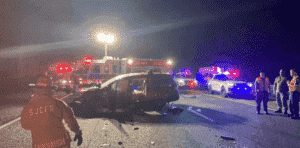
The Law Offices of Anidjar and Levine help spinal cord car accident victims seek compensation for emergency care, rehabilitation, lost income, future medical needs, and lasting disability.
These claims often require detailed crash investigation, preserved evidence, medical documentation, and analysis of fault, including comparative negligence.
Lawyers may work with doctors, vocational experts, economists, and insurers to value present and future losses.
Understanding the claims process with a Florida Car Accident Lawyer can help injured people recognize their options and the next steps.
Main Takeaways
- A Florida spinal cord car accident lawyer investigates liability, preserves evidence, and identifies all responsible parties.
- Strong claims rely on medical records, expert opinions, and documentation of daily limitations and future care needs.
- Recoverable damages may include medical bills, rehabilitation, lost income, reduced earning capacity, and long-term support costs.
- Comparative fault in Florida can reduce compensation if the injured person is assigned partial responsibility.
- A lawyer can handle insurer communications, negotiate settlements, and file a lawsuit if fair compensation is unavailable.


How We Can Help With Your Florida Spinal Cord Car Accident Injury Claim
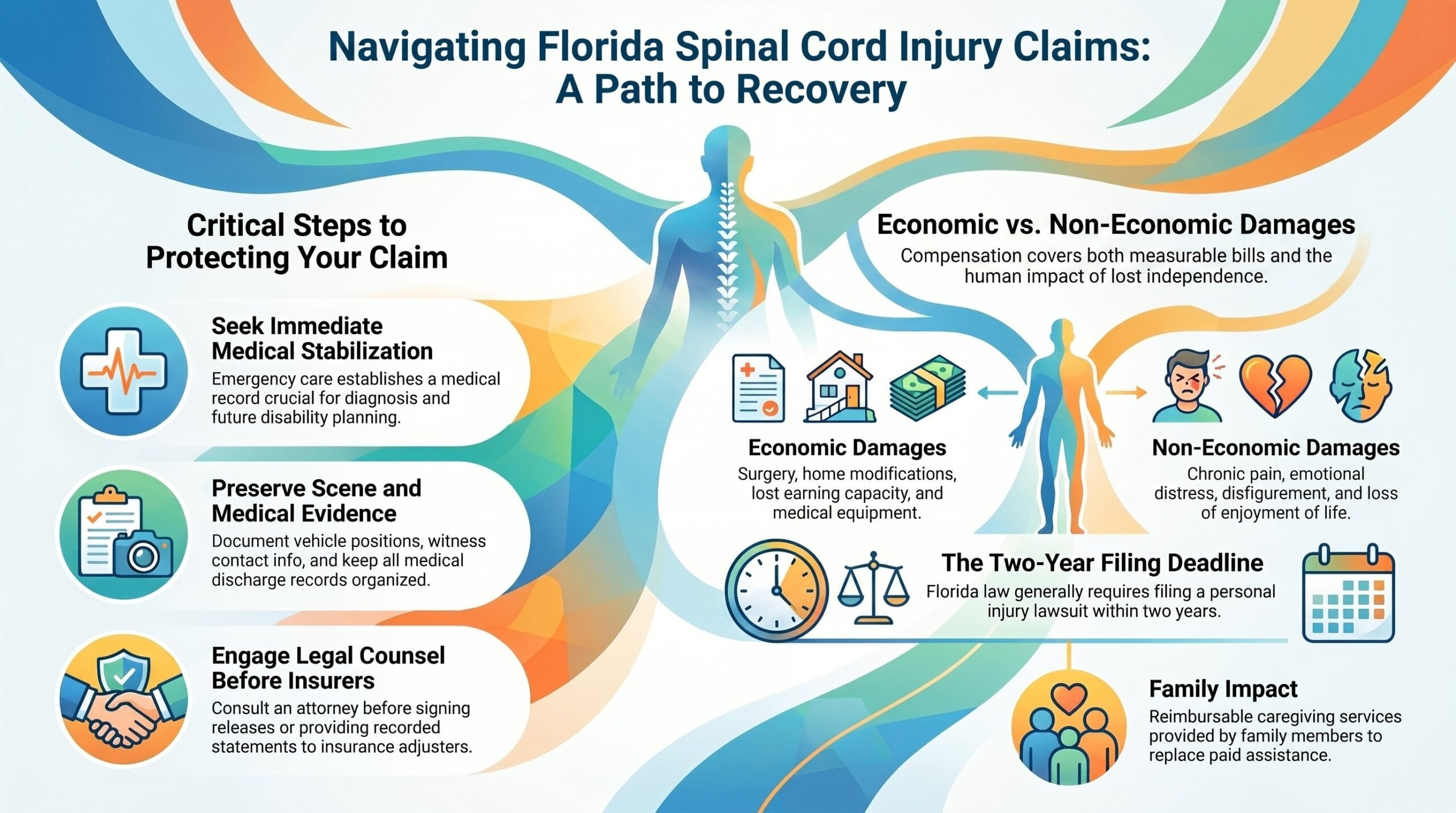
Pursuing a spinal cord injury claim after a Florida car accident requires careful investigation, strong medical evidence, and a clear understanding of how the injury has affected the injured person’s life. Legal counsel can serve the injured person by preserving evidence, identifying liable parties, and coordinating with medical providers to document treatment needs, limitations, and future care costs.
A lawyer may also address Medical billing disputes, communicate with insurers, and seek compensation for medical expenses, lost income, reduced earning capacity, assistive equipment, home modifications, and personal care support. When disability benefits are involved, counsel can help align those claims with the injury case, reducing avoidable delays or conflicts.
This assistance allows the injured person and family to focus on recovery, caregiving, and daily stability. Through organized advocacy, the claim can be presented with accuracy, dignity, and a service-centered commitment to securing long-term resources.
OUR CONSULTATIONSARE FREE
START YOUR FREE CASE REVIEW

Understanding Florida Spinal Cord Car Accident Injury Cases
After considering how legal counsel may assist with a claim, it is important to understand what makes Florida spinal cord car accident injury cases especially complex. These matters often involve severe physical limitations, long-term medical planning, and careful documentation of daily support needs. A person-centered evaluation may include emergency treatment, rehabilitation, assistive equipment, home modifications, attendant care, and ongoing physician recommendations.
Florida law also requires close attention to liability and damages. Comparative fault rules may reduce recovery when an injured person is assigned some responsibility, making an accurate review of the evidence essential. Damages must reflect both present losses and future needs, including future earnings calculations when an injury limits the ability to work or serve in a chosen vocation.
Attorneys, medical providers, vocational experts, and economists may each contribute information that helps present a complete claim. This coordinated approach supports accountability, preserves dignity, and helps injured individuals seek resources necessary for stability and care.
Common Causes of Florida Spinal Cord Car Accident
Spinal cord injuries in Florida car accidents often arise from preventable conduct that creates violent impact forces. Common causes include distracted driving crashes, speeding and reckless behavior, drunk driving collisions, and rear-end accidents. Each cause may affect liability, evidence collection, and the legal strategy for pursuing compensation.
Distracted Driving Crashes
When a driver’s attention shifts from the roadway to a phone, navigation system, passenger, or other distraction, the resulting crash can generate forces severe enough to damage the spinal cord. Phone Distraction often reduces reaction time, limits hazard awareness, and causes delayed braking or improper lane movement. For injured occupants, even a brief lapse in Driver Attention may lead to neck or back trauma with permanent consequences.
Traffic Safety efforts emphasize prevention, yet collisions still occur when drivers lose focus. After such an event, prompt Emergency Response can help stabilize the injured person and reduce further harm. Legal review may examine device use, witness accounts, vehicle data, and roadway conditions to determine how distraction contributed to the spinal cord injury and resulting damages.
Speeding And Recklessness
Because excessive speed reduces the time available to perceive danger and respond safely, speeding and reckless driving are common factors in Florida car accidents involving spinal cord injuries. High-speed impacts can magnify crash forces, overwhelming seat belts, airbags, and other vehicle safety features designed to protect occupants. Reckless behaviors, including unsafe lane changes, tailgating, street racing, and ignoring traffic signals, create unstable conditions that place drivers, passengers, pedestrians, and responders at serious risk.
Road rage escalation may further increase danger when aggressive drivers pursue, block, or intimidate others on crowded roadways. For those committed to serving injured individuals, identifying these patterns of conduct can help explain how preventable choices caused life-altering harm. Careful investigation may reveal speed data, witness statements, traffic camera footage, and roadway evidence supporting accountability.
Drunk Driving Collisions
Impaired driving presents a separate and highly dangerous cause of Florida car accidents involving spinal cord injuries, particularly after speeding or reckless conduct has already increased roadway risk. Alcohol or drug impairment can slow reaction time, distort judgment, and reduce coordination, making a driver less able to protect passengers, pedestrians, and others sharing the road.
For injured individuals, families, and caregivers, understanding Impaired driving laws may help identify accountability and support a focused path toward recovery. DUI accident evidence can include chemical test results, officer observations, field sobriety records, witness statements, and video footage. When spinal trauma follows an impaired driving crash, careful investigation may reveal how preventable choices caused lasting harm, while also helping advocates pursue resources needed for treatment, rehabilitation, and long-term support.
Rear-End Accidents
At intersections, in congested traffic, and on high-speed Florida roadways, rear-end accidents can produce sudden forces that place the spine under severe stress. When one vehicle strikes another from behind, the occupant’s head, neck, and back may move violently, increasing the risk of spinal cord trauma, disc damage, or nerve injury. These crashes often result from distracted driving, speeding, tailgating, or failure to brake in time.
Related roadway events, including lane-change crashes and parking lot incidents, may also generate rear-impact forces that harm vulnerable drivers, passengers, cyclists, or pedestrians. For those serving injured individuals, careful review of vehicle damage, medical findings, and witness accounts can help identify how the collision occurred and support accountability for preventable harm. Early legal guidance may preserve indispensable evidence.


Legal Rights of Florida Spinal Cord Car Accident Injury Victims
After a spinal cord injury caused by a Florida car accident, the injured person may have legal rights that extend well beyond immediate medical expenses. These rights may include compensation for ongoing care, reduced earning ability, pain, mobility needs, and support required to preserve dignity and independence.
A careful legal assessment can help protect the injured person while allowing family members, caregivers, and advocates to serve with clarity and purpose.
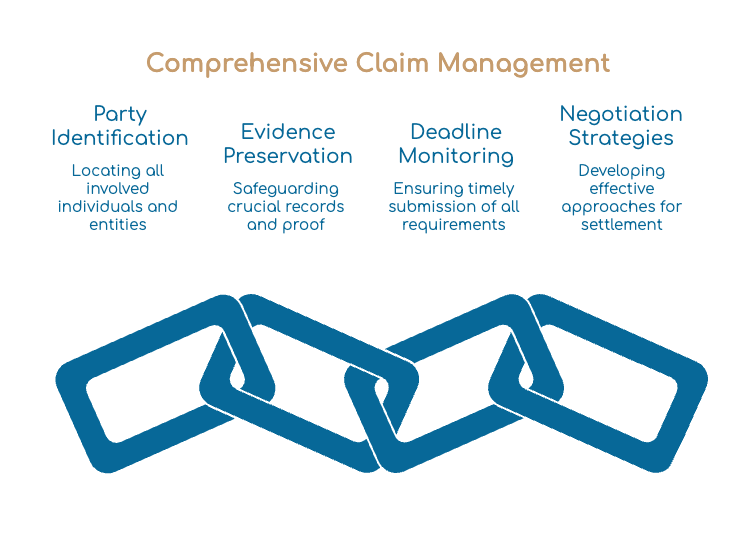
Important considerations may include:
- Identifying all responsible parties and available insurance coverage
- Preserving medical records, wage information, and evidence of daily limitations
- Monitoring Insurance claim deadlines and statutory filing requirements
- Applying Settlement negotiation strategies that reflect long-term care needs
Florida law may permit recovery when another party’s negligence contributed to the injury. Because spinal cord injuries often create lifelong consequences, early guidance can help ensure that decisions are informed, timely, and aligned with the injured person’s future well-being and stability.
Why Do Florida Spinal Cord Car Accident Injuries Happen?
Why do Florida spinal cord car accident injuries happen with such devastating consequences? They often result from violent forces that the spine cannot absorb, including high-speed impacts, rollovers, rear-end collisions, and side-impact crashes.
Florida’s congested highways, distracted driving, impaired driving, speeding, and aggressive lane changes increase the likelihood of collisions involving severe trauma. When a vehicle stops suddenly, the body may continue moving, causing the neck or back to bend, twist, or compress beyond safe limits.
These injuries may also occur when seat belts are misused, airbags deploy with extreme force, or occupants strike hard interior surfaces. Car safety education helps communities understand how safe driving, proper restraint use, and responsible vehicle maintenance reduce risk.
Injury prevention also depends on recognizing hazards that put vulnerable motorists, passengers, pedestrians, and cyclists at risk. For those committed to serving others, understanding these causes supports safer decisions, stronger advocacy, and more informed public awareness throughout Florida.
What Should You Do After a Florida Spinal Cord Car Accident Injury?
After a Florida spinal cord car accident injury, the injured person should seek emergency medical care to protect health and create a clear medical record. Accident evidence should be documented promptly, including photographs, witness information, and available reports, before important details are lost. A lawyer should also be contacted early, so legal rights, insurance issues, and potential compensation claims can be evaluated.
Seek Emergency Medical Care
Call 911 immediately when a spinal cord injury is suspected following a Florida car accident. Emergency responders can stabilize the injured person, protect the neck and back, and reduce the risk of further harm during transport. Bystanders should avoid moving the person unless fire, traffic, or another immediate danger requires relocation. Symptoms such as weakness, numbness, loss of bladder control, severe back pain, or difficulty breathing warrant urgent evaluation.
Prompt hospital care creates a medical foundation for diagnosis, treatment, Medication Adherence, and Disability Planning. Physicians may order imaging, neurological assessments, pain control, and consultations with experts. Follow-up instructions should be observed carefully, including prescriptions, mobility limits, and referrals. Early medical attention supports recovery, protects long-term function, and helps caregivers serve the injured person responsibly.
Document Accident Evidence
At the accident scene, evidence should be preserved as soon as safety and medical needs allow. A trusted helper may photograph vehicle positions, roadway conditions, debris, skid marks, traffic signals, and visible injuries. If witnesses are present, their names and contact information should be recorded with care and respect, since their observations may later clarify how the crash occurred. The injured person or caregiver should keep medical discharge papers, diagnostic reports, prescriptions, and mobility device records in one secure file.
Police report details, insurance information, and repair estimates should also be saved. These records support accurate Insurance negotiation tips by clearly showing losses. They also inform expectations for the settlement timeline because documentation affects review, valuation, and response times. Careful evidence gathering serves truth, accountability, and responsible assistance for the injured.
Contact A Lawyer
Once the accident evidence has been preserved and immediate medical needs have been addressed, legal guidance should be sought promptly. A Florida spinal cord car accident lawyer can evaluate liability, preserve evidence, and communicate with insurers so the injured person and family can focus on care. Counsel may identify insurance tactics that reduce claims, including early statements, broad medical authorizations, or pressure to accept limited payments.
Legal representation also supports the calculation of damages by reviewing medical costs, lost income, future treatment, caregiving needs, mobility equipment, and diminished quality of life. For those committed to serving and supporting the injured, early counsel helps coordinate practical next steps with discipline and compassion. A lawyer may then develop a settlement strategy that reflects documented losses, long-term needs, and available legal remedies.
Critical Evidence in a Florida Spinal Cord Car Accident Injury Case
Critical evidence in a Florida spinal cord car accident injury case helps establish fault, document the severity of the injury, and connect the collision to the claimant’s losses. Important evidence may include:
- Police accident reports
- Medical treatment records
- Crash scene evidence
- Witness testimony and statements
Each category can support a more accurate assessment of liability, damages, and the long-term impact of the injury.
Police Accident Reports
When a spinal cord injury results from a Florida car accident, the police accident report often becomes one of the earliest and most important records of what occurred. It may identify drivers, vehicles, insurance details, road conditions, citations, and the officer’s observations at the scene. For those committed to serving an injured person’s needs, this report can help organize facts before memories fade or vehicles are repaired.
However, it should be reviewed carefully. Witness statement pitfalls may arise when bystanders are confused, rushed, biased, or unable to see the full sequence of events. Dashcam footage reliability also matters because video angles, timestamps, lighting, and missing context can affect interpretation. A lawyer may compare the report with physical evidence, photographs, and testimony to identify inaccuracies and strengthen liability arguments.
Medical Treatment Records
After a serious Florida car accident, medical treatment records may become central evidence in proving the nature, cause, and extent of a spinal cord injury. These records can document emergency care, diagnostic imaging, surgical procedures, rehabilitation progress, prescribed medications, and physician opinions regarding functional limitations. They help connect the collision to the injury, especially when symptoms, findings, and treatment timelines remain consistent.
Accident witness statements may support how the injury occurred, while medical records explain what the body suffered afterward. For injured individuals and those assisting them, complete records also help identify ongoing care needs, disability concerns, and future medical expenses. Accurate documentation from hospitals, experts, therapists, and primary care providers can strengthen a claim by presenting the injury’s full impact in a clear, organized, and compassionate manner.
Crash Scene Evidence
Medical records may show the physical consequences of a spinal cord injury, but crash scene evidence can help establish how the collision happened and why the injury occurred. Photographs of vehicle positions, skid marks, debris fields, road defects, traffic signals, and weather conditions may preserve facts that later clarify fault. Vehicle damage patterns can also support conclusions about speed, angle of impact, and force, which may connect the crash mechanism to the injury and later impairment rating.
Prompt preservation of this evidence can assist those responsible for protecting an injured person’s rights and meeting urgent needs. In Florida claims, clear scene documentation may also deter unreasonable claim denials or delays that suggest bad faith by the insurer. Careful collection supports accountability, fair evaluation, and responsible service to the injured.
Witness Testimony And Statements
Although physical evidence can show what remained at the crash scene, witness testimony may explain what occurred in the moments before, during, and immediately after the collision. In a Florida spinal cord injury case, lay witness testimony may describe vehicle speed, traffic signal changes, driver behavior, pain complaints, or visible impairment after impact.
These statements can help those serving an injured person understand how negligence caused lasting harm. Attorneys evaluate witness credibility factors, including vantage point, consistency, bias, memory, and whether the account matches medical and crash evidence. Recorded statements, police interviews, and sworn testimony may also create evidentiary admissions that shape liability disputes. A careful cross-examination strategy may expose contradictions while preserving reliable testimony that supports fair compensation and accountability.
Long-Term Effects of Florida Spinal Cord Car Accident Injuries
The long-term effects of a Florida spinal cord injury from a car accident may extend far beyond the initial hospitalization. Injured individuals often face chronic pain management, mobility limitations, and significant changes to daily independence. Ongoing medical costs, including therapy, medication, equipment, and future care, can become central issues in evaluating the full value of a claim.
Chronic Pain Management
After a spinal cord injury from a Florida car accident, chronic pain may persist long after emergency treatment, surgery, and initial rehabilitation have ended. This pain can arise from damaged nerves, muscle strain, surgical complications, or altered sensation below the injury site. Effective management often requires coordinated care from physicians, rehabilitation experts, counselors, and caregivers committed to preserving dignity and daily stability.
Treatment may include prescription medication, monitored injections, physical conditioning, and careful evaluation of side effects. Alternative therapies, such as acupuncture, massage, meditation, or therapeutic stretching, may support conventional care when supervised by qualified providers.
Pain psychology can also help an injured person address fear, frustration, sleep disruption, and stress responses. Thorough documentation of ongoing pain supports medical planning, insurance claims, and legal evaluation after a serious crash.
Mobility Limitations
When a spinal cord injury affects strength, sensation, balance, or coordination, mobility limitations may become one of the most disruptive long-term consequences of a Florida car accident. A person may struggle with walking, transferring from a vehicle, using stairs, or moving safely through public spaces. Accessible parking can reduce barriers, but uneven surfaces, crowded entrances, and limited ramps may still restrict independence.
Adaptive equipment, including wheelchairs, braces, walkers, or modified vehicle controls, often becomes crucial for daily function and participation. Transportation challenges may affect medical appointments, family responsibilities, community service, and other meaningful obligations. Workplace accommodations, such as modified duties, accessible workstations, remote options, or adjusted schedules, may help preserve productivity and dignity while supporting the individual’s ability to serve others and remain engaged in community life.
Ongoing Medical Costs
Ongoing medical costs can become a defining long-term burden for a person living with a spinal cord injury after a Florida car accident. Care may include hospitalization, surgery, rehabilitation, medication, mobility equipment, home modifications, nursing support, and recurring visits from experts. Each expense can affect the injured person’s ability to maintain dignity, independence, and stability within the community.
Accurate Insurance claim documentation is critical because medical records, invoices, care plans, and provider opinions help show the full financial impact of the injury. Long-term needs may also require future disability planning, including projected treatment costs, attendant care, adaptive transportation, and loss of earning capacity. Careful evaluation of these expenses supports a claim that reflects both present hardship and the ongoing services needed to cure health issues.
Proving Liability in Florida Spinal Cord Car Accident Injury Cases
Proving liability in a Florida spinal cord car accident injury case requires a clear showing that another party’s negligent conduct caused the crash and the resulting harm. This often involves examining police reports, witness statements, vehicle damage, roadway evidence, and available video footage. A careful review may reveal speeding, distracted driving, impaired driving, unsafe lane changes, traffic signal violations, or failure to yield.
Liability may also arise from Negligent maintenance, such as worn brakes, defective tires, broken lights, or other unsafe vehicle conditions that contributed to the collision. In cases involving commercial vehicles, maintenance records, driver logs, and company safety policies may become important evidence.
The purpose of this investigation is to accurately identify responsibility so that injured individuals and their families can seek support for medical needs, personal care, and long-term stability. Establishing fault helps ensure that those harmed receive fair consideration under Florida law and preserves accountability.
Dealing With Insurance Companies After a Florida Spinal Cord Car Accident Injury
After a spinal cord injury caused by a Florida car accident, insurance companies often come into play quickly, and their interests may not align with the injured person’s long-term requirements. Adjusters may request recorded statements, expansive medical authorizations, or early settlement talks before the full impact is known. Thoughtful communication protects the injured person and supports those assisting with recovery.
Insurance delay tactics can place pressure on families, especially when medical bills, rehabilitation costs, and attendant care needs increase. Coverage disputes may also arise regarding policy limits, excluded benefits, or responsibility among multiple insurers. Strong claim documentation tips include preserving medical records, therapy notes, wage loss information, vehicle photographs, and caregiver observations.
Effective injury-proofing strategies also involve documenting functional limitations, pain patterns, adaptive equipment needs, and future care recommendations. Legal guidance can help ensure that compassionate support is matched with disciplined evidence, preventing insurers from undervaluing a catastrophic injury.
What to Expect During a Florida Spinal Cord Car Accident Injury Claim Process
A Florida spinal cord car accident injury claim typically begins with an initial medical evaluation, which helps document the severity of the injury and necessary treatment. The process then moves through evidence collection, including accident reports, medical records, witness statements, and expert assessments, before insurance claim negotiations begin. If a fair settlement cannot be reached, the claim may proceed toward litigation, where settlement discussions may continue, or the case may be resolved at trial.
Initial Medical Evaluation
Seek immediate medical evaluation following a Florida car accident when spinal cord injury is suspected, even if symptoms appear mild or delayed. Emergency physicians, neurologists, or orthopedic experts may assess sensation, reflexes, strength, balance, and bladder or bowel changes. Prompt care supports patient safety, guides treatment, and helps caregivers understand urgent needs with compassion and discipline.
During this evaluation, medical providers may order X-rays, CT scans, or MRIs to identify fractures, compression, swelling, or nerve involvement. Accurate imaging test documentation can clarify the nature and extent of trauma. Pain symptom tracking, including numbness, tingling, weakness, or radiating pain, may assist clinicians in recognizing progression. Consistent follow-up appointments are often important because spinal cord symptoms can evolve after the initial examination and treatment plan.
Evidence Collection Steps
When a spinal cord injury claim begins, evidence collection usually focuses on preserving proof before it is lost, altered, or disputed. Investigators may gather crash reports, photographs, vehicle damage records, roadway conditions, surveillance footage, and witness statements. Medical records are also organized to connect the collision to the diagnosis, treatment needs, and functional limitations.
This careful process helps clarify the impact of negligence on the injured person’s health, mobility, employment, and daily care requirements. A Florida spinal cord car accident injury lawyer may also review available insurance coverage options, ownership records, driver histories, and electronic vehicle data. Each step supports an accurate understanding of fault and damages while helping caregivers, advocates, and professionals make informed decisions that effectively serve the injured person’s long-term welfare.
Insurance Claim Negotiations
After liability and damages evidence has been organized, insurance claim negotiations typically begin with a formal demand that explains fault, medical causation, treatment history, future care needs, lost income, and the broader effect of the spinal cord injury. The insurer then reviews records, policy limits, comparative fault issues, and claimed losses before responding with questions, objections, or an offer.
For those committed to serving injured people with care, this stage requires patience, accuracy, and firm documentation. Negotiations may address medical expenses, attendant care, home modifications, pain and suffering, and diminished earning capacity. If the crash caused a fatal spinal cord injury, Wrongful death damages may also be evaluated. Each communication should protect the claimant’s dignity while presenting losses clearly and responsibly in accordance with Florida insurance practices.
Settlement Or Trial
A spinal cord injury claim may resolve through settlement if the insurer offers compensation that reasonably reflects the evidence, policy coverage, long-term medical needs, and the injured person’s losses. Counsel may evaluate the proposal against Medical documentation, expert opinions, wage records, home-care needs, and projected long-term damages. When settlement promotes stability, preserves dignity, and supports ongoing care, it may serve the injured person and family well.
If the insurer disputes liability, minimizes impairment, or refuses fair payment, trial may become necessary. During litigation, attorneys present evidence to a judge or jury, explain the collision’s impact, and seek accountability through a verdict. The process can require patience, preparation, and clear testimony, but it may provide the strongest path toward full compensation.
Compensation for Florida Spinal Cord Car Accident Injury Damages
Because spinal cord injuries often create lifelong medical and financial consequences, compensation in a Florida car accident claim must account for both immediate losses and future needs. A careful claim evaluation may include emergency treatment, hospitalization, surgery, rehabilitation, mobility equipment, home modifications, attendant care, and reduced earning capacity. Counsel may also review insurance coverage, liability evidence, medical opinions, and life-care planning to support a full and documented demand.
In severe cases, compensation may address permanent disability, loss of independence, and the need for ongoing personal assistance. When a crash results in death, eligible survivors may pursue Wrongful Death claims to seek recovery tied to their losses and the decedent’s final expenses.
If an insurer refuses to handle a valid claim fairly, an insurance bad faith denial may create additional legal concerns. Properly pursued compensation can help injured individuals receive necessary care while preserving dignity, stability, and support for their families.
Economic vs Non-Economic Damages in Florida Spinal Cord Car Accident Cases
Florida spinal cord car accident cases often involve both economic damages, such as medical costs and lost income, and non-economic losses, such as pain, suffering, and reduced quality of life. Each category serves a distinct purpose and requires careful documentation to demonstrate the full impact of the injury. Proving the value of damages generally depends on medical records, financial evidence, expert opinions, and a clear connection between the crash and the resulting harm.
Economic Damages Explained
Financial losses often form the foundation of a spinal cord injury claim after a Florida car accident, particularly when the injury causes paralysis, long-term medical needs, or a permanent loss of earning capacity. Economic damages include measurable costs that can be documented through records, invoices, expert evaluations, and employment data. These losses may cover emergency treatment, surgery, rehabilitation, medications, assistive devices, home modifications, transportation needs, and ongoing medical expenses.
They may also include lost wages, reduced work ability, vocational retraining, and diminished future earnings when the injured person cannot return to prior employment. Meticulous calculation helps ensure that a claim reflects both current obligations and anticipated needs. For families, caregivers, and advocates, this process supports responsible planning and helps protect the injured person’s stability over time.
Non-Economic Losses
Non-economic losses address the human consequences of a spinal cord injury that do not appear on bills, wage records, or repair estimates. These losses may include physical pain, emotional distress, loss of independence, disfigurement, loss of enjoyment of life, and strain on close family relationships. In Florida car accident cases, such harms often shape the daily realities of an injured person’s care, dignity, and long-term adjustment.
A legal evaluation considers how paralysis, mobility limitations, chronic discomfort, or altered personal roles affect a person’s life beyond financial costs. Causation evidence remains important because the claimed suffering must relate to the crash and resulting spinal cord injury. Liability defenses may also affect recovery, particularly when opposing parties raise fault, prior conditions, or disputed injury severity.
Proving Damage Value
When a spinal cord injury follows a car accident, proving damage value requires a structured showing of both measurable financial loss and the broader human impact of the injury. Economic damages may include hospital charges, physician care, medication, equipment, lost earnings, home modifications, and future rehab. These losses are supported through records, bills, employment data, and expert projections. Non-economic damages require careful evidence of pain, loss of independence, emotional distress, and reduced ability to serve family or community.
Causation proof remains central because each claimed loss must be linked to the crash rather than a prior condition. In Florida, credible testimony from medical providers, life-care planners, economists, and family members can help present a complete picture of value, allowing decision-makers to assess compensation with accuracy and fairness.
When a Florida Spinal Cord Car Accident Injury Case Goes to Trial vs Settlement
Whether a Florida spinal cord car accident injury case proceeds to trial or resolves through settlement depends on the strength of the evidence, the severity of the injury, the available insurance coverage, and the willingness of each party to accept a fair resolution. Settlement may occur when the proof of negligence is clear, the medical documentation is complete, and future care needs are carefully valued. This path can reduce uncertainty, preserve resources, and help an injured person obtain support without the strain of courtroom testimony.
Trial may become necessary when liability is disputed, the insurer undervalues paralysis-related losses, or the parties disagree on long-term medical, vocational, and personal care needs. The case timeline may lengthen as discovery, expert review, mediation, and pretrial preparation unfold. A lawyer evaluates whether settlement offers reflect the full human and financial burden. The guiding purpose remains service: pursuing accountability, protecting dignity, and securing resources that support the injured person’s continuing care.
Florida Laws That May Affect Your Florida Spinal Cord Car Accident Case
Under Florida law, several rules can shape the value, timing, and legal strategy of a spinal cord car accident injury case. These rules guide how responsibility is assigned, how damages are evaluated, and how injured individuals may seek support for medical care, lost income, and long-term needs.
- Comparative Negligence may reduce compensation if the injured person is found partly at fault for the crash.
- Florida’s no-fault insurance system may require use of personal injury protection benefits before pursuing certain claims.
- Serious injury standards can affect whether a person may bring a claim against an at-fault driver.
- Statute Time Limits influence when legal action must be evaluated, preserved, and prepared.
For those serving injured families, understanding these laws helps promote informed decisions and careful planning. A spinal cord injury often requires lifelong resources, so legal analysis should consider medical evidence, fault issues, available insurance, and the person’s future care needs.
The Statute of Limitations for Florida Spinal Cord Car Accident Injury Cases
After a serious collision, the statute of limitations can become one of the most important deadlines in a Florida spinal cord car accident injury case. Florida generally gives injured people two years from the date of a motor vehicle crash to file a personal injury lawsuit. If the claim is not filed within that period, the court may dismiss it, even when the injuries are severe and ongoing.
Statute deadlines help preserve reliable evidence, protect all parties from indefinite uncertainty, and support orderly resolution of claims. Spinal cord injuries often involve long treatment periods, but medical recovery does not usually pause the legal clock. Families, caregivers, and community members assisting an injured person should understand that filing requirements may also involve insurance notices, documentation, and procedural rules.
Certain circumstances, including claims involving government entities or wrongful death, may create different deadlines. Timely attention helps protect the injured person’s ability to seek lawful compensation.
How a Florida Spinal Cord Car Accident Injury Lawyer Can Help You
Meeting legal deadlines is only one part of protecting a spinal cord injury claim, and a Florida spinal cord car accident injury lawyer can help manage the broader legal, medical, and financial issues that often follow a severe crash. Counsel may guide the injured person and family through the Care Process while preserving evidence, documenting losses, and reducing burdens during recovery.
- Investigates the collision, gathers records, and identifies responsible parties.
- Coordinates with physicians, rehabilitation providers, and life care planners to value future needs.
- Provides Insurance Tips, including guidance on recorded statements, policy limits, and claim communications.
- Calculates damages for medical care, lost income, adaptive equipment, home changes, and personal support.
This assistance can help families focus on service, caregiving, and practical stability. By presenting a well-supported claim, the lawyer seeks fair compensation that reflects both immediate harm and long-term consequences, including loss of dignity, independence, and ongoing care needs after the crash.
When to Contact a Florida Spinal Cord Car Accident Injury Lawyer
When should an injured person or family contact a Florida spinal cord car accident injury lawyer? Contact should occur as soon as immediate medical needs are stabilized, and preferably before giving recorded statements, signing releases, or discussing settlement. Spinal cord injuries often require coordinated care, future treatment planning, and careful documentation from the beginning. Early legal contact helps preserve crash evidence, identify responsible parties, and track insurance timelines that may affect notice requirements or claim handling.
Families caring for an injured loved one may also need guidance in managing hospital communications, rehabilitation placement, employment concerns, and benefit questions. Timely consultation can support orderly decision-making without disrupting medical priorities. Damages valuation should begin early because the full impact may include emergency care, surgery, adaptive equipment, lost income, home modifications, and long-term support needs.
Prompt action enables the collection of records, witness information, and medical opinions while details remain available, helping to protect the injured person’s interests.
Why You Need an Experienced Florida Spinal Cord Car Accident Injury Lawyer
Early legal involvement is valuable, but the quality of that representation can materially affect how a spinal cord injury claim is developed and resolved. These cases often require coordination among medical providers, rehabilitation experts, life care planners, and financial experts to show the full impact of paralysis, nerve damage, or lasting functional loss.
An experienced Florida spinal cord car accident injury lawyer understands how severe injuries alter service to family, work, and community. Counsel can preserve evidence, identify all liable parties, and present damages in a manner that reflects both immediate care and lifelong needs. Insurance coverage disputes may arise when policy limits, exclusions, or multiple insurers are involved in the recovery. Skilled legal guidance helps address those disputes with organized documentation and firm advocacy.
Choosing legal representation is, for this reason, more than a procedural step. It can influence whether an injured person receives resources needed for treatment, adaptive equipment, home modifications, and continued dignity after a catastrophic collision.
How to Choose the Right Florida Spinal Cord Car Accident Injury Lawyer for Your Case
Choosing the right Florida spinal cord car accident injury lawyer requires careful evaluation of experience, resources, and approach to catastrophic injury claims. A suitable attorney should understand spinal cord trauma, long-term medical needs, rehabilitation costs, lost earning capacity, and the practical burdens placed on families and caregivers. Reviewing prior case results, professional reputation, and familiarity with Florida insurance and liability laws can help identify counsel prepared to serve an injured person’s full interests.
Families should also assess communication practices, including Client consultation options, case updates, and accessibility during urgent questions. A lawyer should explain strategy clearly, preserve evidence promptly, and coordinate with medical and financial experts when needed.
The Contingency fee structure should be reviewed in writing, including costs and payment obligations. Most importantly, the attorney’s approach should reflect diligence, compassion, and a commitment to securing resources that support recovery, dignity, and continued care after a life-changing collision.
About The Law Offices of Anidjar & Levine
After reviewing the qualities that matter in a spinal cord injury attorney, injured individuals may want to understand how The Law Offices of Anidjar & Levine approaches serious car accident claims in Florida.
The firm represents people facing life-changing injuries, including paralysis, nerve damage, and long-term physical limitations caused by negligent drivers.
Its attorneys focus on building a case strategy that reflects each client’s medical needs, financial losses, and future care requirements.
This approach may include reviewing crash evidence, consulting medical professionals, documenting lost income, and addressing the long-term impact of a spinal cord injury.
Client communication is also central to the firm’s service model.
The legal team aims to keep clients informed, answer questions, and reduce the burden of managing a claim while recovering.
Through organized representation and a service-focused approach, the firm seeks accountability from liable parties and compensation that supports meaningful recovery.
Frequently Asked Questions
Can I Still Travel While My Spinal Cord Injury Claim Is Pending?
Yes, a claimant may travel while a spinal cord injury claim is pending, but caution is required. Physicians should evaluate medical travel risks, including mobility limits, treatment interruptions, and emergency needs. Counsel should be informed before departure because missed appointments, delayed responses, or inconsistent activity may affect insurance claim updates. Travel plans should preserve recovery, documentation, and credibility, especially when responsibilities to family, caregivers, and community remain important.
Will My Immigration Status Affect My Florida Car Accident Injury Claim?
Immigration status generally does not bar a Florida car accident injury claim, and settlement eligibility may still exist when another party caused harm. Courts focus on liability, damages, medical evidence, and claim documentation. An injured person should provide accurate records, avoid false statements, and seek guidance before sharing sensitive information. ICE cooperation is a separate issue, but legal counsel can help protect rights while supporting fair recovery.
How Do Liens Impact a Spinal Cord Injury Settlement?
Liens can reduce a spinal cord injury settlement because certain providers or insurers may claim repayment from the recovery. How liens work depends on who paid medical bills, including health insurers, Medicare, Medicaid, or hospitals. Settlement deductions may include negotiated lien payments, attorney fees, and case costs. A careful review helps restore funds needed for care, support, and service to others while ensuring lawful obligations are resolved.
Can Family Members Recover Damages for Caregiving Responsibilities?
Yes, family members may recover damages for caregiving responsibilities when their services replace paid assistance required by the injury. Courts typically evaluate the reasonable value of care, the injured person’s needs, and proof connecting those needs to the accident. Caregiving costs should be supported through medical documentation, care plans, time records, and testimony. This evidence helps show that family-provided service was necessary, consistent, and compensable under applicable law.
Are Spinal Cord Injury Settlements Taxable in Florida?
Generally, spinal cord injury settlements in Florida are not taxable when compensating physical injuries, medical costs, pain, suffering, or lost wages tied directly to the injury. A taxable settlements analysis may identify exceptions, including punitive damages, interest, or awards for unrelated emotional distress. An overview of reporting requirements helps families, caregivers, and service providers document funds responsibly. Professional tax guidance remains important because settlement language can affect treatment under federal law.
—————————
A Florida spinal cord injury after a car accident can affect every part of a victim’s life, from medical care to long-term financial stability.
Skilled legal representation can help identify liable parties, document damages, and pursue fair compensation through settlement or litigation.
The Law Offices of Anidjar and Levine provides guidance to injured clients seeking accountability after serious crashes, including support from a Florida Car Accident Lawyer.
Prompt legal action can protect vital rights and support a stronger claim for recovery.