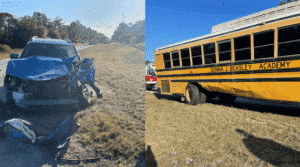
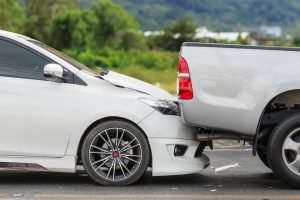
The Law Offices of Anidjar and Levine help injured victims identify sources of recovery when an at-fault driver lacks coverage. This may include PIP benefits, uninsured motorist coverage, household policies, or claims against responsible parties.
A Florida Car Accident Lawyer can gather police reports, medical records, witness statements, and photos to prove fault, causation, and damages.
They also handle insurer disputes, lien issues, and settlement negotiations.
The sections below explain vital rights, claim steps, and coverage options.
Main Takeaways
- A Florida no-insurance car accident lawyer can identify recovery sources, including PIP, uninsured motorist coverage, and claims against at-fault parties.
- Florida’s no-fault rules may limit claims unless injuries meet serious injury thresholds, such as permanent injury or significant impairment.
- Evidence such as police reports, photos, witness statements, medical records, and insurance documents helps establish fault, damages, and available coverage.
- Legal guidance can help challenge low settlement offers, address liens, manage insurer disputes, and protect filing deadlines.
- After a crash, seek medical care, report the accident, preserve evidence, and avoid assuming no compensation is available.
How We Can Help With Your Florida No Insurance Car Accident Injury Claim
When a car accident involves an uninsured driver in Florida, the injury claim can become more complicated than a standard insurance dispute. A law firm can assist by identifying available sources of recovery, organizing evidence, and communicating with insurers or responsible parties. This support allows injured people and their families to focus on care, stability, and service to those who depend on them.
Careful case preparation often begins with documenting injuries, treatment needs, lost income, and the practical effects of the crash on daily responsibilities. Attorneys may gather medical records, witness statements, photographs, repair estimates, and policy information to present a clear claim. They also evaluate whether additional coverage or liable parties may apply.
Negotiating settlements requires disciplined advocacy, accurate valuation, and attention to deadlines. Legal counsel can challenge low offers, address disputed facts, and pursue fair compensation through structured negotiation or, when necessary, litigation.
Understanding Florida No Insurance Car Accident Injury Cases


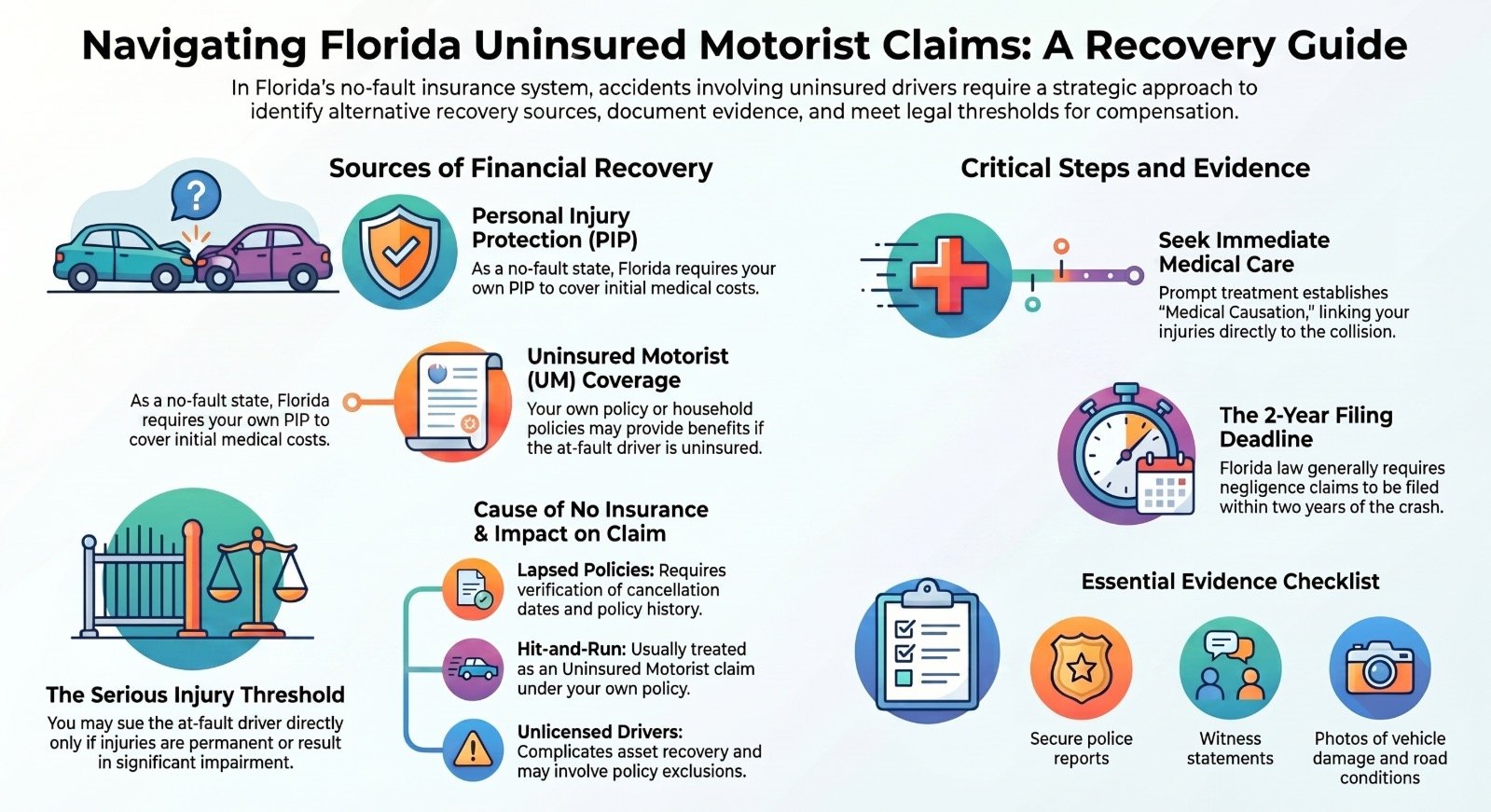
Because Florida uses a no-fault insurance system, a car accident involving an uninsured driver must be evaluated through both personal injury protection benefits and any separate sources of compensation that may be available. These cases often require careful review of policy terms, injury severity, medical treatment, and financial losses. Under Personal Injury Basics, an injured person may first rely on available PIP coverage, regardless of who caused the crash, but serious injuries may support claims beyond those benefits.
OUR CONSULTATIONSARE FREE
START YOUR FREE CASE REVIEW

When the at-fault driver has no insurance, other avenues may include uninsured motorist coverage, health insurance, or claims against responsible parties. Strong documentation is critical. Medical Causation Proof connects the collision to the diagnosed injuries, treatment needs, limitations, and future care. This proof helps establish that the claimed damages are legitimate and not unrelated. A structured legal assessment can protect injured people, support responsible recovery, and guide decisions with dignity and practical purpose.
Common Causes of Florida No Insurance Car Accident
Florida no-insurance car accidents commonly arise from lapsed insurance policies, hit-and-run drivers, unlicensed motorists, and financial hardship issues. These circumstances can complicate injury claims, limit available recovery options, and require careful review of all potential sources of compensation. Understanding these causes helps clarify why uninsured accident cases in Florida often demand prompt legal evaluation and strategic case handling.
Lapsed Insurance Policies


A lapsed insurance policy is one of the most common reasons a driver may be uninsured at the time of a Florida car accident. Coverage may lapse when premiums are unpaid, renewal notices are missed, payment methods fail, or policyholders misunderstand cancellation dates. Policy lapse consequences can be serious, leaving injured parties without an insurer available to cover medical bills, lost income, and related losses. For those committed to helping victims recover, identifying the lapse date and policy history is an important early step. Insurers, agents, and records may confirm whether coverage existed at the time of the collision. Uninsured coverage options, including uninsured motorist benefits, may provide another path to compensation when the at-fault driver’s policy was inactive, subject to the injured person’s own policy terms and limits.
Hit-And-Run Drivers
When a driver leaves the scene after causing a crash, the injured person may face many of the same problems involved in an uninsured motorist claim. Without an identified at-fault driver, there may be no liability insurer available to accept responsibility, investigate damages, or fund necessary medical care. In these cases, a Florida injury lawyer may examine whether the injured person’s own policy includes uninsured motorist coverage and how it applies under the facts. The distinction between uninsured and underinsured coverage can matter because a missing driver is often treated as uninsured, while limited available coverage raises different issues. Counsel may also assess Bodily injury thresholds, medical records, and long-term effects to determine whether a claim may proceed and how compensation can support recovery.
Unlicensed Florida Motorists
Although a driver may operate without a valid license for many reasons, an unlicensed motorist often creates additional complications after a Florida car accident involving no insurance. Lack of licensure may indicate prior suspensions, unresolved citations, or other driving record issues that affect fault investigations and injury claims. For injured people, this circumstance can make service-oriented legal guidance especially important, because documentation, witness accounts, and police reports may become central to proving liability. Insurers may also use Claim denial strategies by arguing that coverage exclusions, misrepresentations, or policy violations limit available recovery. When no insurance exists, the unlicensed status may further complicate efforts to locate assets or alternative sources of compensation. Careful case review helps identify responsible parties, preserve claims, and support the injured person’s need for stability and accountability.
Financial Hardship Issues
Financial hardship often plays a central role in Florida no-insurance car accidents, as some motorists allow coverage to lapse after a job loss, medical debt, rising premiums, or other financial strain. When families face healthcare costs, wage loss, rent pressure, or debt stress, insurance payments may be delayed or abandoned despite legal requirements. This creates serious risks for injured people, especially when lapsed benefits leave limited resources for medical treatment and vehicle repairs. Service-focused advocates recognize that financial hardship does not excuse unsafe driving, yet it may explain why responsible recovery efforts become more complicated. In these cases, careful investigation can identify available coverage, household policies, employer liability, or other sources of recovery. A Florida injury lawyer may help protect victims while addressing the financial realities affecting everyone involved after a collision.
Legal Rights of Florida No Insurance Car Accident Injury Victims
Because Florida’s no-fault insurance system imposes specific rules after a crash, an injury victim without insurance may still have legal rights, but those rights depend on the facts of the collision and the available sources of recovery. A careful review may reveal paths to compensation, especially when another driver caused serious harm.
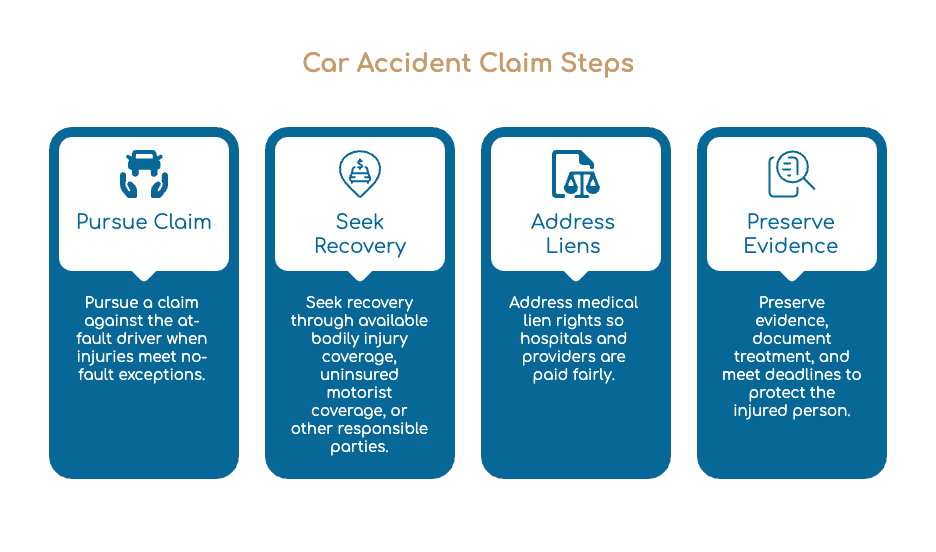
Key rights and considerations may include:
- Pursuing a claim against the at-fault driver when injuries meet no-fault exceptions, such as significant impairment or permanent injury.
- Seeking recovery through available bodily injury coverage, uninsured motorist coverage in a household policy, or other responsible parties.
- Addressing medical lien rights so hospitals, physicians, or treatment providers are paid from any settlement in a fair, lawful manner.
- Preserving evidence, documenting treatment, and meeting deadlines that protect the injured person’s ability to serve family and community.
Legal guidance helps clarify duties, reduce confusion, and support responsible decisions after hardship.
Why Do Florida No-Insurance Car Accident Injuries Happen?
When an uninsured person is injured in a Florida car accident, the lack of coverage often reflects broader circumstances that existed before the crash. Some drivers lose insurance after financial hardship, employment disruption, or prior violations, leaving them exposed when another person’s unsafe conduct causes harm. Crashes involving uninsured injury victims may arise from common roadway dangers, including distracted driving, impaired driving, and failure to yield.
Negligent Vehicle Maintenance can also contribute to severe collisions when worn brakes, defective tires, broken lights, or unsafe wheel alignment systems make a vehicle harder to control. Speeding and Recklessness increase the force of impact, reduce reaction time, and place careful road users at greater risk. In many cases, several factors combine to create preventable harm for people already facing limited protection. Understanding these causes helps service-minded advocates recognize how vulnerable injury victims may be affected by choices, conditions, and conduct beyond their control after serious crashes.
What Should You Do After a Florida No-Insurance Car Accident Injury?
After a Florida car accident injury involving no insurance, the injured person should take prompt steps to protect both health and potential legal rights. Medical care should be sought immediately, the crash should be reported to law enforcement, and all available insurance options should be reviewed. These actions can help preserve evidence, document injuries, and clarify possible sources of financial recovery.
Seek Medical Care
Immediately following a Florida car accident involving an uninsured driver, an injured person should seek medical care without delay, even if symptoms appear minor at first. Prompt evaluation helps identify hidden injuries, including concussions, soft tissue damage, internal injuries, and spinal trauma. Medical professionals can document findings, recommend diagnostic testing, and create a treatment plan that supports both recovery and future claim evaluation. If emergency treatment is provided, emergency room follow-up should occur as directed, because missed appointments may affect mending and weaken injury documentation. Providers may also discuss Pain management options, physical therapy, referrals, or activity restrictions tailored to the person’s condition. Caregivers, family members, and advocates can serve the injured person by encouraging consistent treatment, preserving medical records, and supporting careful compliance with all recommendations.
Report The Crash
A Florida no insurance car accident injury should be reported to law enforcement as soon as circumstances allow, especially if anyone is hurt, there is significant vehicle damage, or the uninsured driver leaves the scene. An official crash report helps preserve facts, identify the parties, and support any later injury claim. The injured person should remain at the scene if it is safe to do so, provide accurate information, and avoid speculation about fault. Documenting photos of vehicle positions, damage, injuries, road conditions, and traffic controls may assist officers and later investigators. If bystanders observed the collision, report witnesses to law enforcement and request their names and contact details. Prompt reporting also promotes public safety, helps protect others on the roadway, and creates a reliable record when memories may later fade.
Explore Insurance Options
Before assuming there is no available coverage, an injured person should carefully review every possible insurance source connected to the Florida car accident. This review may include personal injury protection benefits, household policies, employer coverage, rideshare policies, and any applicable uninsured driver coverage. In the aftermath of a Florida accident, careful documentation helps identify resources that may support medical care and financial stability.
A lawyer may examine declarations pages, policy exclusions, and coverage limits to determine whether compensation remains available despite the at-fault driver’s lack of insurance. This process also helps protect hospitals, caregivers, and service providers seeking proper payment for necessary treatment. By exploring all insurance options early, the injured person may avoid missed deadlines, preserve claims, and make informed decisions while focusing on recovery and responsibility.
Critical Evidence in a Florida No-Insurance Car Accident Injury Case
Critical evidence can determine whether an injured person can establish fault, damages, and available financial recovery after a Florida crash involving no insurance.
Key materials should be preserved early because missing documentation may weaken a claim or limit the ability to challenge disputed facts.
Important evidence may include:
- Police crash reports
- Medical treatment records
- Insurance coverage proof
- Witness statements and photos
Police Crash Reports
After a Florida car accident involving an uninsured driver, the police crash report often becomes one of the first important records reviewed in an injury claim. This report may identify the drivers, vehicles, witnesses, roadway conditions, and responding officer’s observations. Crash scene documentation can help clarify how the collision occurred, especially when an injured person must pursue compensation through limited coverage options. The report may also note citations, statements, vehicle damage, and contributing factors relevant to fault. Liability insurance verification is especially important when one driver claims no coverage or provides incomplete information. While the report may not decide the entire claim, it can guide further investigation and support fair service to injured individuals seeking accountability, stability, and a reliable path forward after preventable harm.
Medical Treatment Records
Police crash reports may explain how a collision occurred, but medical treatment records show how the collision affected the injured person’s body, daily function, and long-term recovery. In a Florida no-insurance car accident injury case, these records help connect the crash to diagnosed injuries, prescribed care, work limitations, and ongoing symptoms. Treatment documentation may include emergency evaluations, imaging results, physician notes, therapy records, medication history, and referrals to medical professionals. When carefully organized, this evidence allows advocates to understand the injured person’s needs and present them accurately and with dignity. Medical records also assist in evaluating future care, permanent restrictions, and the long-term prognosis. Consistent treatment, clear reporting of pain, and timely follow-up visits can strengthen the reliability of the injury claim and support fair recovery efforts.
Insurance Coverage Proof
Proof of insurance helps determine which sources may be available to pay for injuries, vehicle damage, medical care, and other losses after a Florida car accident involving an uninsured or underinsured driver. This evidence may include declarations pages, cancellation notices, renewal records, claim correspondence, and insurer confirmations. Identifying Coverage Sources allows counsel to evaluate personal injury protection, uninsured motorist benefits, health coverage, or other responsible policies that may assist recovery. Policy Lapse Verification is also important because a driver may appear insured while coverage was suspended, canceled, or never properly maintained. Careful review protects injured people from relying on inaccurate assumptions and helps direct claims toward lawful payment sources. Accurate coverage proof promotes orderly service, informed advocacy, and timely assistance for those harmed through no fault of their own.
Witness Statements And Photos
When a Florida car accident involves an uninsured driver, witness statements and photos can become critical evidence because they preserve details that may otherwise be disputed or lost. Neutral witnesses may describe vehicle positions, traffic signals, speed, or conduct after impact, helping establish responsibility with greater accuracy. Eyewitness credibility depends on clear observations, consistency, and the absence of personal bias. Promptly collected contact information allows attorneys to follow up before memories fade. Photos of skid marks, debris, injuries, road conditions, and property damage documentation can support the injured person’s account and clarify the severity of the crash. Dashcam footage, nearby surveillance video, and mobile phone images may also confirm timing and movement. This evidence helps guide fair claims, responsible advocacy, and protection for those harmed.
Long-Term Effects of Florida No Insurance Car Accident Injuries
Long-term injuries from a Florida car accident involving an uninsured driver can create lasting financial and medical burdens beyond the initial claim. Chronic pain complications, reduced earning capacity, and ongoing medical needs may affect a person’s ability to work, function, and maintain stability. These consequences often require careful documentation, since future losses can become central to the value and direction of an injury case.
Chronic Pain Complications
After a crash involving an uninsured driver, chronic pain can become one of the most disruptive and difficult injury complications to document. Persistent neck, back, joint, or nerve pain may persist long after visible wounds have healed, requiring careful medical evaluation and consistent treatment records. Scar Tissue Formation can restrict movement, increase inflammation, and create ongoing discomfort that affects daily care needs and quality of life. Medication Mismanagement may also complicate recovery, especially when injured individuals lack coordinated care or delay treatment because insurance support is unavailable. For those serving injured clients, volunteers, or families, understanding chronic pain requires patience and attention to medical detail. Thorough documentation, diagnostic testing, provider notes, and symptom histories may help show how pain developed and why continued treatment remains necessary after the accident.
Lost Earning Capacity
Chronic pain can affect more than medical recovery, as persistent symptoms may also reduce a person’s ability to work, advance in a career, or maintain a steady income. After a Florida no-insurance car accident, lost earning capacity may involve reduced hours, lower wages, missed promotions, or the inability to return to prior duties. Service-oriented families and caregivers often see these losses as affecting not only the injured person but also dependents and community responsibilities. Evaluating this harm may require employment records, medical restrictions, wage history, and expert review. Future Medical considerations can help show how lasting limitations may influence work performance over time. Vocational Rehabilitation may also identify retraining needs, modified duties, or alternate employment paths when injuries prevent a return to former work.
Ongoing Medical Needs
When injuries require care beyond the initial emergency response, ongoing medical needs may become a central concern in a Florida no-insurance car accident claim. Follow-up visits, physical therapy, diagnostic testing, medication, and expert care may be necessary to preserve function and prevent decline. For injured individuals, especially those serving families, workplaces, or communities, uninterrupted treatment can support stability and future service. Medical billing documentation helps show the cost, frequency, and purpose of care, which may be important when insurance resources are limited or absent. Records should also address pre-existing condition aggravation, because a crash may worsen prior injuries or illnesses. Clear medical opinions, treatment plans, and expense records can help accurately and fairly measure long-term needs and connect them to the collision.
Proving Liability in Florida No-Insurance Car Accident Injury Cases
Although insurance coverage may be absent or disputed, liability in a Florida car accident injury case still depends on proving that another party’s negligence caused the crash and resulting harm. Negligence standards require evidence that a driver owed a duty of care, breached that duty, and directly caused injuries or losses. Useful proof may include police reports, witness statements, photographs, video footage, vehicle damage, medical records, and expert analysis.
A careful liability review also considers whether roadway conditions, distracted driving, speeding, impairment, or failure to yield contributed to the collision. In serving an injured person’s needs, legal advocates must identify all responsible parties and preserve evidence before it is lost. Comparative fault defenses may reduce recovery if the injured person is found to share blame. For that reason, documentation should clearly address how the crash occurred, why the other party acted unreasonably, and how the injuries followed from the collision under Florida law.
Dealing With Insurance Companies After a Florida No Insurance Car Accident Injury
An insurer’s response after a Florida car accident involving no insurance can materially affect an injured person’s ability to recover compensation. When coverage is disputed, adjusters may examine policy exclusions, lapse dates, notice requirements, and uninsured motorist provisions. Careful communication is vital because incomplete statements may be used to limit payment or shift responsibility. Counsel serving injured individuals can help organize medical records, loss documentation, and liability evidence before discussions begin.
Claim denials and appeal rights should be reviewed promptly, especially when an insurer relies on technical grounds or incomplete information. A written denial may identify deadlines, required documents, or policy language that must be addressed. Settlement negotiation and payment plans may also become important when available coverage is limited or when another responsible party lacks adequate resources. Professional guidance can help protect dignity, reduce confusion, and keep the focus on fair compensation for medical care, lost income, and other documented harm after the collision.
What to Expect During a Florida No Insurance Car Accident Injury Claim Process
A Florida no-insurance car accident injury claim typically begins with prompt accident reporting, careful documentation, and verification of all available insurance coverage. The process may then involve filing injury claims through personal injury protection benefits, uninsured motorist coverage, or other applicable sources. When coverage is limited or unavailable, pursuing compensation may require evaluating liability, damages, and potential recovery options against the at-fault party.
Reporting The Accident
After a crash that resulted in injury and no insurance, prompt reporting is a crucial first step in protecting the claim and creating a reliable record of what occurred. The injured person should notify law enforcement, request medical assistance when needed, and ensure an official crash report is prepared. This report may document location, vehicle damage, apparent injuries, citations, and statements made at the scene.
Careful reporting also supports Evidence preservation and witness documentation. Names, contact details, photographs, video, and notes about road conditions may help clarify responsibility later. A service-minded response includes cooperating with officers, avoiding speculation, and providing accurate facts. Early reporting helps attorneys, medical providers, and insurers understand the event while reducing disputes about timing, severity, and causation in the claim.
Verifying Insurance Coverage
Once the accident has been reported and the initial record has been created, the next step is to confirm which insurance coverage may apply to the injury claim. This review may include the injured person’s personal injury protection benefits, uninsured motorist coverage, health insurance, and any policy connected to the at-fault driver. Coverage verification steps often involve obtaining policy numbers, checking active dates, reviewing exclusions, and requesting written confirmation from insurers. For those serving injured individuals, careful documentation supports fair treatment and prevents avoidable delays. If an insurer states that no coverage exists, the reason should be examined closely against the policy language and available facts. In some situations, claim denial appeals may be appropriate, especially when coverage was active or the denial appears incomplete, inconsistent, or unsupported.
Filing Injury Claims
When available coverage has been identified, the injury claim process usually begins with formal notice to the appropriate insurer or responsible party. This notice should state the accident date, parties involved, known injuries, and intent to seek benefits or damages. Supporting records, including medical documentation, crash reports, wage information, and photographs, are then gathered to help establish responsibility and the severity of injuries. Claims representatives may request statements, authorizations, or examinations, so careful review is important before any response is provided. Comparative negligence impacts the evaluation because any assigned fault may reduce recoverable damages under Florida law. Uninsured penalties enforcement may also affect the at-fault driver, but the injured person’s claim should remain focused on proof, deadlines, and documented losses, allowing advocates to serve the client’s needs with diligence.
Pursuing Compensation Options
Because uninsured or underinsured circumstances can limit the most obvious sources of recovery, pursuing compensation usually requires a careful review of all available insurance policies, liable parties, and legal remedies. An injured person may seek benefits through personal injury protection, uninsured motorist Insurance coverage, health insurance, or claims against negligent drivers, vehicle owners, employers, or other responsible entities. Each option requires evidence of fault, medical necessity, damages, and compliance with Florida deadlines. A lawyer may also evaluate whether settlement negotiations, litigation, or asset investigation could support recovery when insurance is insufficient. In rare cases involving intentional misconduct, intoxication, or extreme disregard for safety, punitive damages may be considered. This process helps protect the injured person while promoting accountability, responsible conduct, and fair support after preventable harm.
Compensation for Florida No-Insurance Car Accident Injury Damages
Although Florida’s no-fault system provides limited protection after a crash, an injured person may still face serious financial losses when the at-fault driver has no insurance. Compensation may depend on available policy benefits, uninsured motorist coverage, and the ability to prove liability through clear evidence. A careful review of medical records, crash reports, witness statements, and vehicle damage can help determine whether a claim should proceed beyond basic personal injury protection benefits.
When Faulty driver misconduct causes the collision, such as impaired driving, distraction, speeding, or reckless operation, documentation becomes especially important. Reporting crash timelines also matters because delays may affect insurance notices, evidence preservation, and compliance with Florida requirements. A lawyer may help organize these facts, identify responsible parties, and pursue available recovery while protecting the injured person from procedural mistakes. This approach serves the client’s practical needs and supports fair accountability when insurance coverage is absent or insufficient after a serious Florida collision.
Economic vs Non-Economic Damages in Florida No-Insurance Car Accident Cases
In Florida no-insurance car accident cases, damages are generally divided into economic losses, such as medical bills, lost wages, and repair costs, and non-economic losses, such as pain, suffering, and reduced quality of life. This distinction matters because each category requires different forms of proof, from invoices and employment records to medical opinions and personal impact evidence. A clear presentation of both economic and non-economic damages can strengthen the injured person’s claim and support a more accurate demand for compensation.
Economic Damage Examples
Economic damages are the measurable financial losses resulting from a car accident, and they often become especially important when the injured person has no insurance to cover immediate costs. Examples may include ambulance bills, emergency room treatment, surgery, diagnostic testing, prescriptions, rehabilitation, and pain management services. They may also include lost wages, reduced earning capacity, transportation to medical appointments, and the cost of replacement household help when injuries prevent daily tasks. In serious cases, future expenses for therapy, medical equipment, home modifications, or long-term care must be calculated with care. Medical negligence may also increase financial harm if treatment errors worsen the injury. Proper documentation supports disability claims and helps establish the full economic impact, allowing responsible parties to be held financially accountable.
Non-Economic Losses
Financial records may show the direct cost of an accident, but they do not fully capture how an injury changes a person’s daily life. Non-economic losses address harm that cannot be measured through receipts, wage statements, or repair bills. In Florida, in car accident cases without insurance, these losses may include pain and suffering, emotional distress, loss of enjoyment of life, and physical impairment that limits ordinary routines. A person may struggle to care for family members, serve a community, attend worship, or perform meaningful work with the same steadiness as before. These damages recognize that injury affects dignity, independence, and human connection. Their value depends on the nature, duration, and seriousness of the harm, especially when lasting limitations alter daily responsibilities and personal purpose for many injured Floridians.
Proving Your Damages
A successful injury claim requires proof that connects the accident to specific losses, especially when no available insurance coverage is present to absorb the damages. Economic damages may include medical bills, lost wages, reduced earning ability, and property loss, all supported by medical documentation, employer records, invoices, and expert opinions. Non-economic damages require careful proof of pain, emotional distress, disability, and loss of daily function. In these cases, witness credibility may strengthen testimony from family members, caregivers, or coworkers who observed meaningful changes after the crash. Clear evidence also helps show Economic hardship without exaggeration or uncertainty. Attorneys may use organized records, treating physician statements, and practical negotiation strategies to pursue fair compensation from liable parties, while maintaining respect for the injured person’s dignity and needs.
When a Florida No Insurance Car Accident Injury Case Goes to Trial vs Settlement
When an at-fault driver has no insurance, a Florida car accident injury case may resolve through settlement or proceed to trial depending on liability, available coverage, damages, and the willingness of each party to negotiate. Settlement negotiation may involve the injured person’s uninsured motorist carrier, the at-fault driver personally, or other responsible parties. A fair resolution can spare the injured person additional delay, reduce conflict, and preserve resources for medical care, family needs, and community responsibilities.
If settlement efforts fail, the case may move toward trial. Court procedure then controls filings, hearings, discovery, witness preparation, and presentation of proof. Evidence deadlines become especially important because missed deadlines can limit the availability of testimony, records, or expert opinions. The trial vs. appeal distinction should also be clearly understood. Trial determines facts, liability, and damages, while an appeal generally reviews claimed legal errors after judgment. Careful preparation supports a just outcome and helps injured individuals rebuild with dignity.
Florida Laws That May Affect Your Florida No Insurance Car Accident Case
Florida law shapes every stage of a no-insurance car accident injury case, from the first insurance claim to settlement discussions, trial preparation, and enforcement of any judgment. When an injured person lacks coverage, legal duties, available sources of recovery, and fault rules require careful review. Counsel may examine vehicle ownership, permissive use, employer responsibility, and potential uninsured motorist benefits held by household members.
- Florida’s Comparative Negligence rule may reduce recovery if the injured person shares fault for the crash.
- No-fault principles may affect medical benefits, even when another driver has no bodily injury coverage.
- Financial responsibility laws can influence license consequences, repayment demands, and leverage in the resolution process.
- A Statute of Repose may apply in limited product or construction-related claims tied to defective parts or roadway conditions.
These laws help determine whether a claim can support medical care, lost income, and services to dependents who rely on the injured person.
The Statute of Limitations for Florida No Insurance Car Accident Injury Cases
How long an injured person has to act can determine whether a Florida no-insurance car accident claim remains viable. In Florida, most negligence claims arising from car accidents must be filed within two years of the crash. If the injured person misses that deadline, the court may dismiss the case, even when the harm is serious and the need for compensation is clear.
This time limit matters especially when insurance coverage is absent or disputed. The injured person may need time to identify responsible parties, preserve medical records, document lost income, and gather damages proof. Delay can weaken witness memory, reduce access to evidence, and limit the ability to show the full extent of physical, financial, and personal losses.
Comparative fault rules may also affect the claim because responsibility can be divided among drivers. Timely action helps ensure that facts are preserved before deadlines restrict meaningful recovery through the legal system.
How a Florida No Insurance Car Accident Injury Lawyer Can Help You
A Florida no-insurance car accident injury lawyer can help by identifying available sources of recovery, evaluating liability, and building a claim that does not depend solely on the at-fault driver’s insurance coverage. This assistance may involve reviewing personal injury protection benefits, uninsured motorist coverage, household policies, and the conduct of other responsible parties that contributed to the crash.
A lawyer also helps protect the injured person’s ability to seek fair compensation while supporting the broader purpose of accountability and care for others on Florida roads.
- Conducting insurance verification to confirm all available coverage.
- Coordinating evidence preservation, including photos, records, and witness information.
- Reviewing medical bills, lost income, and long-term care needs.
- Communicating with insurers and opposing parties to reduce pressure on the injured person.
Through organized claim preparation, legal analysis, and careful documentation, counsel can help present damages clearly and pursue recovery from every available lawful source.
When to Contact a Florida No Insurance Car Accident Injury Lawyer
When an injured person learns that the at-fault driver may be uninsured, legal guidance should be sought as soon as practicable to preserve evidence, identify coverage options, and avoid early mistakes that could affect the claim. Prompt contact allows a pre-suit investigation to begin while witnesses remain reachable, vehicles remain available for inspection, and medical documentation can be organized with care.
Early involvement also supports the preservation of evidence, including photographs, crash reports, surveillance footage, repair records, and communications with insurers. These materials may help clarify liability and the available sources of recovery, including uninsured motorist benefits or other applicable coverage.
Timing matters because demand letter timelines, insurer response periods, and treatment milestones can shape the claim’s direction. A careful negotiation strategy can be developed before statements are given, releases are signed, or settlement discussions begin. For those committed to helping injured households regain stability, early direction can prevent avoidable harm and support orderly resolution.
Why You Need an Experienced Florida No Insurance Car Accident Injury Lawyer
Insurance-coverage disputes after a Florida crash can become complex quickly, especially when the responsible driver lacks bodily injury coverage or carries no valid policy. An experienced Florida no-insurance car accident injury lawyer helps injured people identify available sources of recovery, including uninsured motorist benefits, medical payment coverage, and other applicable policies. This work begins with careful Insurance Verification, because incomplete or delayed information can weaken a claim and burden families already serving as caregivers.
Experienced counsel also evaluates medical records, lost income, liability facts, and future care needs before discussions with insurers begin. This measured preparation supports a fair Claim Settlement and helps prevent undervalued offers based on limited evidence. When insurance companies dispute coverage, fault, or damages, legal guidance provides structure and accountability. For injured individuals focused on recovery and supporting others, experienced representation can protect rights, reduce procedural confusion, and pursue compensation through every available lawful avenue.
How to Choose the Right Florida No Insurance Car Accident Injury Lawyer for Your Case
Because uninsured-driver claims often involve hidden coverage issues, selecting the right Florida no insurance car accident injury lawyer requires careful attention to experience, resources, and case strategy. The lawyer should understand uninsured motorist coverage, liability disputes, medical documentation, and the practical barriers injured people face when compensation sources are limited.
A careful selection process considers Client communication, including whether the lawyer clearly explains options, responds promptly, and treats the injured person with dignity. Strong representation also depends on evidence preservation, such as securing crash reports, witness statements, vehicle photos, medical records, and available insurance documents before they are lost or disputed.
The right lawyer should present a case strategy that reflects the client’s injuries, financial losses, and long-term needs, rather than relying on a standard approach. Fee transparency is equally important, as clients should understand costs, contingency arrangements, and potential deductions before moving forward with a claim.
About The Law Offices of Anidjar & Levine
For injured people facing the uncertainty of a Florida car accident without insurance, The Law Offices of Anidjar & Levine provides legal guidance focused on identifying available sources of compensation and protecting the client’s rights. The firm assists clients by reviewing accident facts, insurance issues, medical needs, and potential claims against responsible parties. Its attorneys understand that uninsured crash victims may feel overwhelmed, especially when medical bills, missed work, and family obligations continue.
The firm offers Confidential consultations, allowing injured individuals to discuss their circumstances with care, privacy, and informed direction. Through a contingency fee structure, clients may pursue legal help without paying attorney’s fees unless compensation is recovered. This approach supports access to representation for people who need advocacy during a difficult time. The Law Offices of Anidjar & Levine works to reduce burdens, coordinate case needs, and pursue outcomes that help injured clients move forward with stability and dignity after a serious collision in Florida.
Frequently Asked Questions
Can I Sue if the Uninsured Driver Was Driving a Rental Car?
Yes, an injured person may sue if an uninsured driver was operating a rental car, depending on fault, damages, and available coverage. Rental Coverage Eligibility should be reviewed, including the rental agreement, optional insurance, credit card benefits, and any personal auto policy. Claims Process Steps may include documenting injuries, notifying insurers, preserving evidence, and identifying responsible parties. Legal guidance helps protect compensation for medical care and community-focused recovery.
Does Uninsured Motorist Coverage Apply to Hit-And-Run Crashes?
Yes, uninsured motorist coverage may apply to hit-and-run crashes when the at-fault driver cannot be identified. The injured person must follow hit-and-run reporting duties, including prompt police notice and timely insurer notification. Coverage depends on the policy terms, evidence of contact or causation, and state insurance requirements. A careful presentation of claims helps protect benefits, supports accountability, and serves injured individuals seeking lawful recovery after a serious collision.
Can Passengers File Claims After an Uninsured Car Accident?
Yes, passengers may file claims after an uninsured car accident when injuries result from another party’s negligence. Their claim eligibility may depend on the availability of uninsured motorist coverage, personal injury protection, household policies, or other liable parties. Passenger compensation can include medical expenses, lost income, and pain-related damages. A careful review of policies and facts helps determine the proper claim path, supporting fair recovery while serving injured individuals responsibly.
What Happens if the Uninsured Driver Is From Another State?
When the uninsured driver is from another state, the claim may involve Out-of-State Liability rules, yet the accident location often controls important procedures. Injured passengers may pursue available insurance benefits, including their own uninsured motorist coverage, through a careful Coverage Claim Process. A service-focused legal representative can identify responsible parties, preserve evidence, and coordinate cross-state communications, ensuring injured individuals receive orderly guidance and protection throughout the matter.
Will My Premiums Increase After Using Uninsured Motorist Coverage?
Premiums may increase after using uninsured motorist coverage, but this depends on the insurer, claim history, state rules, Coverage Cost, and Policy Limits. When the insured was not at fault, some carriers may avoid surcharge, while others adjust rates after any paid claim. Those guiding injured persons should review the policy, clearly document fault, and request written explanations before renewal. Careful advocacy helps protect needed benefits and future affordability.
—————————
A Florida no-insurance car accident injury claim can involve difficult coverage issues, strict deadlines, and significant financial losses. An experienced lawyer can evaluate available recovery options, protect the injured party’s rights, and pursue compensation through all applicable sources.
The Law Offices of Anidjar and Levine provides focused legal guidance for victims facing uninsured or underinsured driver claims, including help from a Florida Car Accident Lawyer.
Prompt legal support can help preserve evidence, strengthen the case, and improve the likelihood of a fair outcome.