Law Offices of Anidjar and Levine help injured passengers, drivers, pedestrians, and cyclists assess fault, locate insurance coverage, and protect evidence after a rideshare crash.
Legal support may involve preserving app data, police reports, witness statements, medical records, photographs, and vehicle information.
Counsel can also evaluate medical expenses, lost income, pain, future care, and disputed liability.
Florida Lyft claims often depend on driver app status and available policies, with further guidance available from a Florida Car Accident Lawyer.
Main Takeaways
- A Florida Lyft accident injury lawyer helps identify liable parties and available insurance coverage after a rideshare crash.
- Compensation may include medical bills, lost income, pain and suffering, future care needs, and wrongful death damages.
- Lyft coverage often depends on whether the driver was offline, waiting, en route, or transporting a passenger.
- Important evidence includes app records, GPS data, police reports, photos, witness statements, medical records, and vehicle inspections.
- After a Lyft crash, seek medical care, report the accident, document the scene, and avoid unfair early settlements.


How We Can Help With Your Florida Lyft Accident Injury Claim
After a Lyft accident in Florida, injured passengers, drivers, pedestrians, or occupants of other vehicles may face involved questions about insurance coverage, liability, and the value of their claim. A qualified legal team can provide steady guidance, organize communications, and protect the claimant from missteps that may weaken recovery. Counsel may identify available policies, notify responsible parties, and coordinate medical documentation so the injury record reflects both immediate harm and continuing needs.
Evidence preservation is often a central service. Attorneys may seek ride data, photographs, witness statements, police reports, vehicle inspections, and electronic records before they are lost or changed. They also evaluate damages, including medical expenses, lost income, pain, and future care requirements. With this foundation, the firm can develop a settlement strategy that reflects the client’s losses and promotes fair resolution. When insurers resist reasonable payment, preparing for litigation may strengthen negotiations and support accountability.
OUR CONSULTATIONSARE FREE
START YOUR FREE CASE REVIEW

Understanding Florida Lyft Accident Injury Cases
Many Florida Lyft accident injury cases begin with overlapping issues of fault, insurance status, and the rideshare driver’s activity at the time of the crash. Each claim must be evaluated with care, because the available coverage may depend on whether the driver was logged into the app, waiting for a request, transporting a passenger, or acting outside the platform.
A careful review often includes Liability Proofs, such as police reports, witness statements, trip data, photographs, and communications connected to the ride. Evidence Preservation is also important because digital records, vehicle data, and app information may be lost or altered if not requested promptly. Medical Records serve a separate but critical purpose, connecting the person’s injuries, treatment, limitations, and future needs to the incident.
These cases require organized attention, respectful communication, and a service-minded approach that protects injured individuals while helping families, caregivers, and advocates understand the path toward accountability.
Common Causes of Florida Lyft Accident
Common causes of Florida Lyft accidents often involve driver conduct, passenger logistics, and vehicle condition. Distracted Lyft drivers, speeding and reckless driving, unsafe pickups and drop-offs, and poor vehicle maintenance can each pose serious risks to passengers, pedestrians, and other motorists. Identifying the cause of a crash is a key step in determining liability and pursuing compensation.
Distracted Lyft Drivers
Distracted driving is a frequent factor in Florida Lyft accidents because rideshare drivers often manage navigation apps, ride requests, passenger communications, and traffic conditions simultaneously. This divided attention can reduce awareness, delay reactions, and place passengers, pedestrians, cyclists, and other motorists at unnecessary risk. Texting and driving is especially dangerous, as they draw a driver’s eyes, hands, and focus away from the road.
Smartphone distraction may also occur when a driver checks route changes, responds to app alerts, or communicates with a waiting rider. In injury claims, investigators may review phone records, app activity, witness statements, and vehicle data to determine whether distraction contributed to the crash. Careful documentation helps protect injured individuals and supports accountability for unsafe rideshare conduct under Florida law.
Speeding And Reckless Driving
When a Lyft driver exceeds the speed limit or operates aggressively, the risk of a serious Florida rideshare accident increases considerably. Higher speeds reduce reaction time, lengthen stopping distance, and make collisions more severe for passengers, pedestrians, cyclists, and occupants of other vehicles. Reckless conduct may include tailgating, weaving through traffic, Traffic light violations, and unsafe passing in congested areas.
These behaviors become especially dangerous when combined with nighttime visibility limits or the demands of route traversal. A distracted rideshare driver who is also speeding may overlook changing traffic patterns, sudden braking, or hazards ahead. Lane change errors can further increase the likelihood of side-impact or multi-vehicle crashes. Careful driving supports public safety and reflects the duty owed to every person who shares Florida’s roads.
Unsafe Pickups and Drop-offs
Unsafe pickups and drop-offs can create dangerous conditions when a Lyft driver stops in traffic, blocks a lane, or allows a passenger to enter or exit in an unsafe location. These incidents often occur near street intersections, hotel entrances, airports, or crowded entertainment areas, where traffic patterns change quickly and pedestrians are difficult to see. A passenger may be directed toward an Unsafe crossing, or another driver may swerve to avoid a stopped Lyft vehicle. Cyclists, pedestrians, and nearby motorists may then face preventable harm.
Responsible transportation requires careful judgment, proper use of designated areas, and attention to surrounding conditions. When unsafe stopping contributes to a collision, injured individuals may need guidance in identifying fault, documenting losses, and pursuing accountability through Florida injury claims with appropriate legal support.
Poor Vehicle Maintenance
Across Florida’s busy roads, poor vehicle maintenance can turn a routine Lyft ride into a serious safety risk. Worn brakes, bald tires, broken lights, or neglected vehicle systems may contribute to crashes that injure passengers, pedestrians, and other motorists. A careful review of Vehicle maintenance reports can help determine whether warning signs were ignored, repairs were delayed, or required inspections were missed.
In Lyft accident claims, responsible parties may attempt to rely on mechanical-failure defenses, arguing that the defect was sudden and unavoidable. However, maintenance records, repair invoices, and inspection histories may show whether the problem should have been discovered earlier. When vehicles are used to serve the public, consistent upkeep is necessary, and neglect may support liability when preventable mechanical issues cause harm to others.


Legal Rights of Florida Lyft Accident Injury Victims
After a Lyft crash in Florida, injured passengers, drivers, pedestrians, and occupants of other vehicles may have the right to pursue compensation from the parties responsible for their losses. These rights may include recovery for medical expenses, lost income, pain and suffering, and, in tragic cases, Wrongful death damages for surviving family members.
Florida claims may involve the Lyft driver, another motorist, a vehicle owner, or an insurance company disputing responsibility.
Lyft coverage issues often depend on the driver’s app status, whether a ride was accepted, and which insurance policy applies.
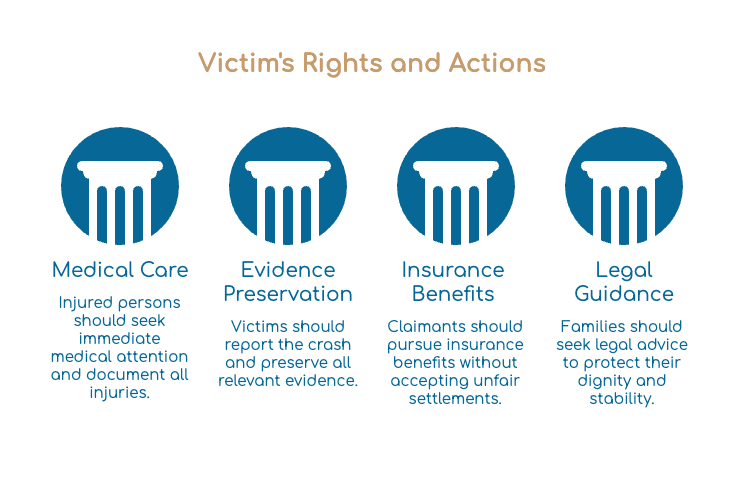
- Injured persons may seek prompt medical care and document all harm.
- Victims may report the crash and preserve electronic, photographic, and witness evidence.
- Claimants may pursue insurance benefits without accepting unfair early settlements.
- Families may seek legal guidance that protects dignity, accountability, and future stability.
These rights support recovery and responsible service to harmed communities.
Why Do Florida Lyft Accident Injuries Happen?
Why do Florida Lyft accident injuries happen when rideshare travel is often viewed as convenient and routine? They often result from ordinary roadway risks made more complicated by app-based transportation. A Lyft driver may be distracted by navigation prompts, passenger communications, traffic conditions, or pressure to complete trips efficiently.
Other motorists may speed, follow too closely, ignore signals, or fail to yield, placing passengers and drivers at risk. Poor weather, unfamiliar routes, vehicle maintenance issues, and congested urban corridors can also contribute to serious harm.
These injuries may involve passengers, Lyft drivers, pedestrians, cyclists, or occupants of other vehicles. Determining why the crash occurred can affect accountability, especially when multiple parties contributed to unsafe conditions. Insurance coverage disputes may arise when the driver’s app status, personal policy, and rideshare coverage must be evaluated. Accurate medical cost documentation can also become important in showing the practical consequences of injuries caused by preventable conduct.
What Should You Do After a Florida Lyft Accident Injury?
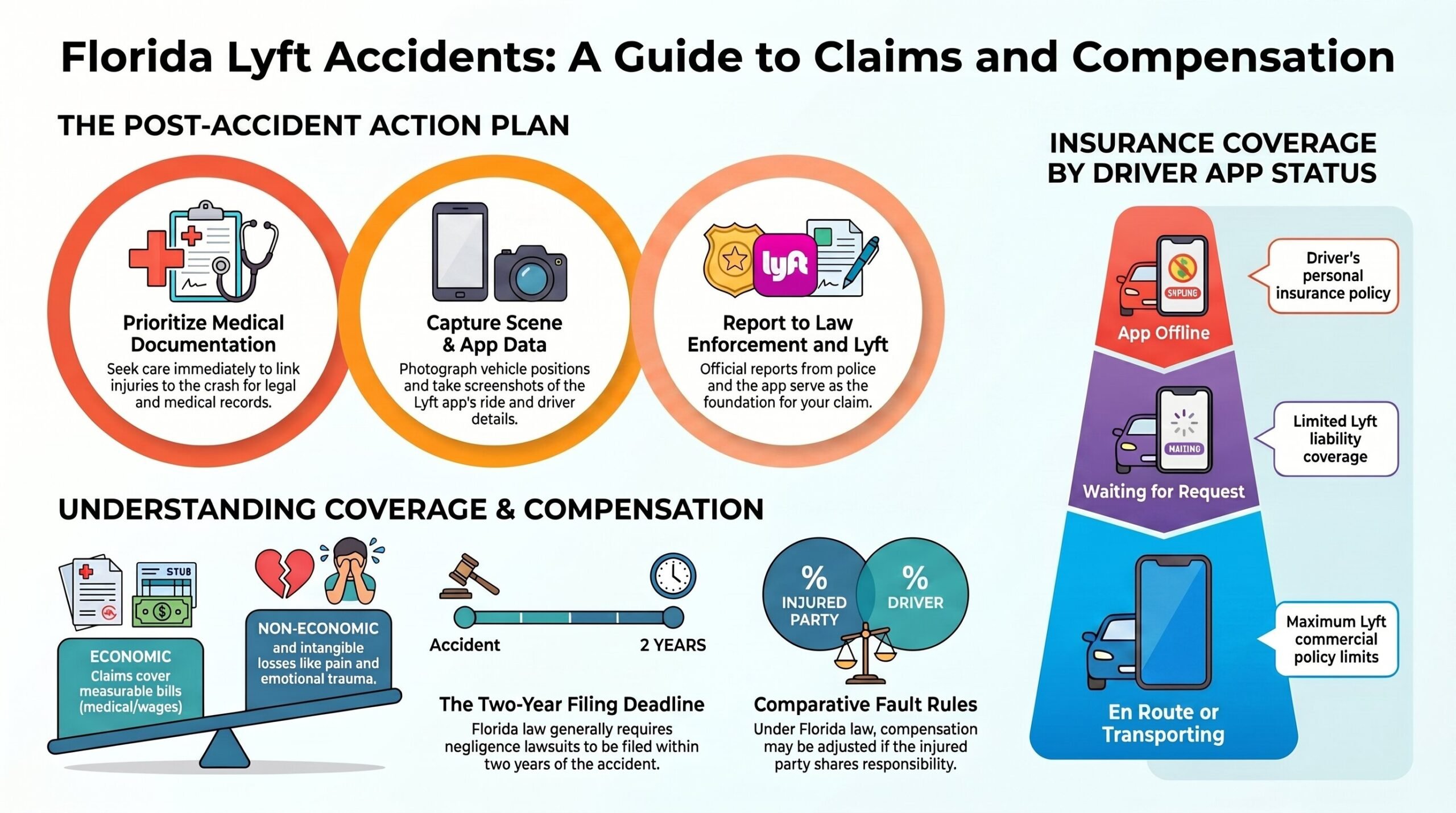
After a Florida Lyft accident injury, an injured person should first seek prompt medical care, even when symptoms appear minor. The scene should be documented through photographs, witness information, and relevant details about the vehicles, location, and conditions. The accident should also be reported to law enforcement, Lyft, and any applicable insurance carriers to preserve a clear record for a potential injury claim.
Prioritize Medical Care
Any person injured in a Florida Lyft accident should seek medical attention as soon as possible, even when pain appears minor or delayed. Prompt evaluation protects health, supports early diagnosis, and helps prevent hidden injuries from worsening. Emergency responders, urgent care providers, or physicians can assess symptoms, order necessary testing, and recommend appropriate Pain management.
This step also creates legal documentation that may later help explain the nature, timing, and severity of the injury. Follow-up visits, {doctor} referrals, therapy, and prescribed treatment should be completed as directed, since consistent care shows a serious commitment to recovery. For individuals who serve families, communities, or vulnerable persons, safeguarding personal health is {critical}. A person cannot continue assisting others effectively while untreated injuries create avoidable risks and long-term complications after a Lyft collision.
Document The Scene
When it is safe to remain near the collision area, the injured person or a trusted companion should begin documenting the scene before vehicles are moved or conditions change. This effort should never interfere with scene safety, but careful observation can preserve important details. Clear photo documentation should include vehicle positions, visible damage, skid marks, traffic signals, road signs, lighting, weather, debris, and any hazards that contributed to the crash.
Images of rideshare app details, license plates, and driver information may also help create an accurate record. If witnesses are nearby, their names and contact details may be respectfully collected. These steps allow caregivers, advocates, and legal professionals to better understand what occurred and to support the injured person with organized, reliable information.
Report The Accident
Once scene details have been preserved, the accident should be reported through the appropriate channels as soon as reasonably possible. A police report may create an important record, especially when injuries, vehicle damage, or disputed facts are involved. The Lyft accident should also be reported through the app, with only accurate, necessary information provided. A person acting with care for others should share facts calmly, avoid speculation, and note any immediate medical concerns.
To preserve privacy, injured riders should limit communications about the crash. Never contact opposing parties unnecessarily, and do not give recorded statements to insurance adjusters without legal guidance. They should also avoid social media, because posts, photographs, or comments may be misread and used against them. Prompt reporting supports accountability, safety, and future claims.
Critical Evidence in a Florida Lyft Accident Injury Case
Critical evidence in a Florida Lyft accident injury case often determines how liability, damages, and insurance responsibility are evaluated. Critical materials may include: 1. rideshare app records, 2. police crash reports, 3. medical treatment documentation, and 4. witness statements and photos. Each category can help establish what occurred, who may be responsible, and how the collision affected the injured person.
Rideshare App Records
In a Florida Lyft accident injury case, rideshare app records can provide a detailed timeline of the trip, the driver’s status, and the events surrounding the collision. These records may include Lyft GPS data, trip timestamps, app communications, and fare history, each helping to clarify how the ride progressed before impact. For injured passengers, drivers, pedestrians, or other motorists, this information can support a careful review of responsibility and damages.
App records may show whether the Lyft driver was logged in, waiting for a request, en route, or transporting a passenger. They can also help confirm pickup and drop-off locations, route changes, and service activity. Preserving this evidence early is important because it may assist those seeking fair accountability and meaningful protection after serious harm.
Police Crash Reports
After a Lyft collision in Florida, a police crash report often serves as an important starting point for evaluating how the accident occurred and who may bear responsibility. This report may identify drivers, passengers, witnesses, vehicles, insurance details, road conditions, citations, and the officer’s observations at the scene. For those seeking to serve injured clients with care, these details help preserve facts before memories fade or records become difficult to locate.
Although the report may not determine legal fault on its own, it can guide further investigation, including follow-up with witnesses and a review of rideshare activity. It may also support later efforts to obtain medical records and prove emotional distress by establishing the event’s timing, severity, and circumstances. An accurate review of the report can strengthen a Florida Lyft injury claim.
Medical Treatment Documentation
Medical treatment documentation provides essential proof of the injuries, care needs, and recovery course following a Florida Lyft accident. Records from emergency departments, physicians, experts, therapists, and diagnostic providers help connect symptoms to the crash and clarify the extent of harm. Detailed notes may identify fractures, soft-tissue damage, head injuries, mobility limitations, or Chronic pain requiring continued care.
Accurate medical billing also supports the financial value of treatment, prescriptions, rehabilitation, and future medical needs. In claims involving ride-share coverage, insurers often examine these records closely to determine whether treatment was necessary, timely, and related to the collision. Complete documentation can reduce insurance disputes by showing consistent care, objective findings, and professional recommendations, allowing advocates to serve injured individuals with stronger evidence and informed guidance.
Witness Statements And Photos
When a Florida Lyft accident occurs, witness statements and photos can preserve essential details that may otherwise become disputed or forgotten. Neutral observers may identify traffic signals, vehicle positions, driver behavior, rideshare app activity, weather, and visible injuries. Their accounts can help clarify fault, especially when drivers, passengers, or insurers present conflicting versions of events. Photos of the crash scene, vehicle damage, roadway markings, debris, and lighting conditions support evidence preservation and provide context for later investigation.
These materials may also affect questions involving insurance coverage, including whether the Lyft driver was logged into the app or transporting a passenger. Prompt collection matters because memories fade, scenes change, and vehicles are repaired. Careful documentation serves injured persons by strengthening truth, accountability, and fair compensation.
Long-Term Effects of Florida Lyft Accident Injuries
Florida Lyft accident injuries may create lasting consequences that extend beyond initial medical treatment and property damage. Chronic pain conditions, emotional trauma, and reduced earning capacity can affect an injured person’s health, employment, and financial stability for years. These long-term effects often require careful documentation, professional evaluation, and a clear assessment of future losses.
Chronic Pain Conditions
Often, chronic pain after a Lyft accident develops gradually, as injuries to the neck, back, joints, nerves, or soft tissue fail to recover as expected. Persistent pain may limit mobility, sleep, employment, caregiving, and daily service to others, even when visible injuries appear minor. Medical Records are central to Chronic Pain Proof because they document diagnoses, treatment history, prescriptions, therapy progress, diagnostic testing, and physician opinions.
Consistent documentation may also connect ongoing symptoms to the crash, reducing disputes over causation. Economic Damages can include future medical care, rehabilitation, reduced earning capacity, assistive devices, and household support when pain prevents ordinary tasks. While Emotional Trauma may exist separately, chronic pain claims focus on measurable physical limitations, treatment needs, and long-term functional impairment following the Lyft collision.
Emotional Trauma Impacts
Physical pain is not the only lasting consequence of a serious Lyft collision, as emotional trauma may continue long after fractures, strains, or other injuries begin to stabilize. A crash victim may experience anxiety, intrusive memories, irritability, or fear of riding in vehicles, which can disrupt daily routines and relationships. These symptoms may also affect sleep and recovery, reducing the body’s ability to recover and increasing fatigue during ordinary responsibilities.
For those committed to serving others, emotional strain can make it harder to sustain patience, focus, and compassion. Workplace stress may intensify when a person must manage fear of accidents while meeting professional expectations. Documenting counseling needs, behavioral changes, and medical observations helps show how trauma affects life beyond the visible injuries and supports a fuller understanding of damages.
Reduced Earning Capacity
When a Lyft accident leaves lasting limitations, the financial impact may extend well beyond missed work during the initial recovery period. Reduced earning capacity may arise when injuries restrict mobility, concentration, endurance, or the ability to perform prior job duties. A person who once served clients, patients, passengers, or the public may be forced into lower-paying work, reduced hours, or permanent changes in vocation.
These losses can be difficult to measure without medical records, employment history, wage data, and professional evaluations. In Florida Lyft accident claims, reduced work capacity should be considered alongside ongoing medical expenses, rehabilitation needs, and future care. Careful documentation helps demonstrate how the injury affects long-term income, family stability, and the injured person’s ability to continue contributing responsibly to others.
Proving Liability in Florida Lyft Accident Injury Cases
Because liability in a Florida Lyft accident may involve multiple parties, proving fault requires a careful review of the crash facts, insurance coverage, and the rideshare driver’s status at the time of the collision. Evidence may show that the Lyft driver, another motorist, a vehicle owner, or another responsible party caused or contributed to the harm. A focused investigation can include police reports, witness statements, photographs, video footage, electronic ride records, and vehicle damage analysis.
Florida law also requires attention to comparative fault, since responsibility may be divided among several parties. Liability defenses may assert that the injured person, another driver, or unavoidable conditions caused the crash. For those committed to helping injured people regain stability, careful documentation supports a fair assessment of responsibility. Establishing liability means connecting negligent conduct to the collision and the resulting injuries, while preserving evidence before it becomes unavailable, altered, or disputed.
Dealing With Insurance Companies After a Florida Lyft Accident Injury
After liability evidence is gathered, insurance issues often become the next major focus in a Florida Lyft accident injury claim. Multiple insurers may be involved, including the Lyft driver’s personal carrier, Lyft’s commercial policy, and coverage held by other motorists. Each insurer may examine the claim differently, often seeking statements, records, or interpretations that limit payment.
Careful communication helps protect the injured person while supporting a fair review of losses. Claim timelines should be monitored closely because delays can affect medical documentation, financial stability, and the ability to respond to coverage requests. Settlement negotiations may involve medical expenses, lost income, future care needs, and the practical impact of pain and disability.
A lawyer may help organize records, evaluate offers, and respond to insurer positions with measured evidence. This approach serves injured individuals by reducing confusion, discouraging unfair pressure, and helping preserve dignity during a demanding recovery period after a Lyft accident injury.
What to Expect During a Florida Lyft Accident Injury Claim Process
A Florida Lyft accident injury claim typically begins with reporting the crash, preserving evidence, and documenting medical treatment, lost income, and other damages. The process may involve multiple insurance policies, including Lyft’s coverage, the rideshare driver’s insurer, and any applicable personal coverage. Negotiating injury compensation requires a clear presentation of liability, damages, and coverage issues, often supported by records, witness statements, and expert assessments.
Reporting The Lyft Crash
In the hours following a Lyft crash in Florida, timely reporting helps create a clear record of the incident and protects the injured person’s ability to pursue compensation. The crash should be reported to law enforcement, especially when injuries, vehicle damage, or traffic disruption occurred. A police report can provide neutral details that later assist insurers, counsel, and any court reviewing the claim.
The incident should also be reported through the Lyft platform, using available Ride App Safety tools. This notice alerts the company and may preserve trip data, driver information, and communications tied to the ride. Careful Evidence Collection begins with accurate reporting, not argument or speculation. Those assisting an injured person should remain calm, provide accurate information, and avoid statements that minimize the crash or prematurely accept fault.
Documenting Injuries And Damages
Documenting injuries and damages builds the foundation for a Florida Lyft accident injury claim, because compensation depends on proof of both physical harm and financial loss. An injured passenger, driver, or pedestrian should seek prompt treatment, then preserve medical records, discharge instructions, prescriptions, and therapy notes. These materials help demonstrate the nature, severity, and ongoing effects of the injuries.
Photographs of visible wounds, vehicle damage, roadway conditions, and personal property losses can support a careful damage assessment. Lyft ride history, receipts, messages, and GPS data may also help confirm timing, location, route, and parties involved. For those serving injured individuals, organized documentation allows needs to be understood with dignity and accuracy. Lost wage records, repair estimates, and daily pain notes may further clarify the full impact of the crash.
Navigating Insurance Coverage
When a Lyft accident occurs in Florida, insurance coverage often depends on the driver’s status in the app at the time of the crash. If the app was off, the driver’s personal policy may apply, subject to policy exclusions for rideshare activity. When the driver was waiting for a ride request, limited Lyft coverage may be available. Once a ride was accepted or a passenger was present, higher commercial coverage may apply.
Claimants, caregivers, and advocates should gather app status details, police reports, and insurer communications early. Florida’s no-fault rules may involve personal injury protection, while UM coverage can matter if another negligent driver lacked adequate insurance. Careful review of each policy helps identify available benefits and supports responsible guidance for injured persons.
Negotiating Injury Compensation
After medical treatment begins and available insurance coverage is identified, the compensation claim typically shifts toward valuing the injured person’s losses and presenting a supported demand. This stage may include medical bills, lost income, future care needs, pain, reduced mobility, and the effect of the collision on daily service to family, work, and community.
A Florida Lyft accident injury attorney may address insurer settlement tactics, including low initial offers, delayed responses, or efforts to minimize rideshare liability. Careful documentation strengthens negotiations and helps ensure that the injured person’s needs are not overlooked. If fair compensation is not offered, trial preparation may begin while discussions continue. This approach shows the insurer that the claim is organized, evidence-based, and, under Florida law, ready for litigation if necessary.
Compensation for Florida Lyft Accident Injury Damages
Because Lyft accident injuries can significantly impact every part of a person’s life, compensation in a Florida claim may include both financial losses and the broader personal consequences of the crash. A well-prepared claim may address medical treatment, rehabilitation needs, lost income, reduced earning ability, transportation concerns, and necessary support during recovery.
When injuries create lasting limitations, compensation may also reflect the effect on daily responsibilities, family roles, and the ability to continue serving others with stability and dignity.
In severe cases, a Lyft collision may result in wrongful death, leaving surviving family members to seek compensation for funeral expenses, lost support, and related losses allowed under Florida law. Each claim must be evaluated within the proper legal timeline, since missed deadlines can bar recovery. Careful documentation, timely notice, and a clear presentation of damages help ensure the claim reflects the full impact of the accident. Legal guidance can assist injured individuals.
Economic vs Non-Economic Damages in Florida Lyft Accident Cases
In Florida Lyft accident cases, damages are generally divided into economic and non-economic categories, each addressing different losses caused by the crash. Economic damages may include medical bills, lost wages, and repair costs, while non-economic damages may involve pain, emotional distress, and reduced quality of life. Proving the value of these damages requires credible documentation, persuasive evidence, and a clear connection between the accident and the claimed harm.
Economic Damage Examples
When a Lyft accident causes financial losses, economic damages provide a way to measure those losses through bills, records, and other objective evidence. Common examples include ambulance charges, emergency care, hospital stays, surgery, prescription costs, rehabilitation, medical equipment, and transportation to necessary appointments. Medical expense documentation helps connect these costs to the crash and supports a clear claim for reimbursement. Economic damages may also include income lost while the injured person is unable to work.
A lost wages calculation may rely on pay stubs, tax records, employer statements, or business records for self-employed individuals. Future medical care and reduced earning capacity may also be considered when supported by reliable evidence. Careful organization of these records allows advocates to present financial harm accurately and responsibly.
Non-Economic Damage Examples
Financial records may show part of the harm caused by a Lyft accident, but they do not capture the full effect of a serious injury. Non-economic damages address losses that affect daily life, dignity, and personal well-being. These damages may include physical pain and suffering, emotional distress, anxiety, depression, sleep disruption, and loss of enjoyment of activities once valued.
A person may also experience strained family relationships, reduced independence, embarrassment from visible injuries, or fear of riding in vehicles. For those committed to serving others, these injuries can limit the ability to care for family, support a community, or maintain meaningful work. In Florida Lyft accident cases, non-economic damages recognize that harm is not limited to bills, as serious injuries may alter how a person lives and connects with others.
Proving Damage Value
Proving the value of damages after a Florida Lyft accident requires evidence that connects the injury, the resulting losses, and the effect on the injured person’s life. Economic damages may be shown through medical bills, wage records, repair estimates, and documentation of future care needs. Non-economic damages require a careful presentation of pain, limitations, emotional distress, and changes in daily function, often supported by medical opinions and consistent personal accounts.
Those serving injured individuals should understand Insurance claim timelines because delayed action can affect review, negotiation, and payment. Prompt evidence preservation steps also matter, including securing photographs, ride data, witness information, medical records, and communication with insurers. A well-supported claim helps demonstrate both measurable financial loss and the broader human impact of the accident.
When a Florida Lyft Accident Injury Case Goes to Trial vs Settlement
Although many Florida Lyft accident injury claims resolve through settlement, some proceed to trial when liability, insurance coverage, or the value of damages remains disputed. Settlement may serve an injured person by providing timely compensation, reducing uncertainty, and avoiding the strain of courtroom proceedings. A trial may become necessary when the insurer refuses to recognize the full effect of injuries, lost income, medical needs, or lasting limitations.
Counsel evaluates whether negotiation can produce a fair result or whether presenting evidence before a judge or jury better protects the injured person’s interests. Trial strategy may involve organizing medical testimony, accident evidence, expert opinions, and witness accounts into a clear narrative.
Juror evaluation also matters because community members may assess credibility, responsibility, and damages differently. A prepared legal team balances compassion for the client with disciplined advocacy, always focused on securing accountability and meaningful recovery under the circumstances presented.
Florida Laws That May Affect Your Florida Lyft Accident Case
Because rideshare collisions involve both personal injury law and transportation insurance rules, Florida Lyft accident cases may be affected by several statutes that shape liability, compensation, and deadlines. These laws help injured passengers, drivers, pedestrians, and caregivers understand how responsibility is evaluated and how available coverage may support recovery.
- Comparative negligence rules may reduce compensation when an injured person shares fault, requiring careful review of conduct by all drivers involved.
- Florida’s no-fault insurance system may require certain benefits to be pursued first through personal injury protection, depending on the injured person’s coverage.
- Rideshare insurance requirements may determine whether Lyft’s commercial policy, the driver’s personal policy, or another source applies.
- The Statute of Limitations establishes a filing deadline, making early legal review important without addressing the specific timing here.
These rules can influence strategy, documentation, and negotiations, especially when serving injured individuals who need stability after a serious collision.
The Statute of Limitations for Florida Lyft Accident Injury Cases
Among the laws that may affect a Florida Lyft accident claim, the statute of limitations is one of the most significant, as it governs how long an injured person has to file a lawsuit. In most Florida negligence cases, including many rideshare injury claims, the deadline is generally two years from the date of the accident. If the claim is not filed within the required period, the injured person may lose the right to seek compensation through the courts.
This deadline also has practical importance for those committed to protecting injured passengers, drivers, and families. Timely action supports evidence collection, including vehicle data, photographs, medical records, and Lyft-related trip information. It also helps preserve witness interviews while memories remain reliable and contact information is available. Certain facts, such as a death, government involvement, or disputed insurance coverage, may affect timing. Careful attention to deadlines helps safeguard claims and promote responsible accountability.
How a Florida Lyft Accident Injury Lawyer Can Help You
Evaluate the full scope of a Lyft accident claim by identifying liable parties, applicable insurance coverage, and the evidence needed to prove injury-related losses. A Florida Lyft accident injury lawyer can bring order to a difficult process, allowing injured individuals and their families to focus on recovery and service to others.
- Liability investigation: Examines driver conduct, Lyft’s involvement, vehicle conditions, roadway factors, and third-party negligence.
- Evidence preservation: Secures ride records, photographs, witness statements, police reports, and digital data before essential information is lost.
- Medical documentation connects diagnoses, treatment plans, limitations, and future care needs to the crash with clarity and consistency.
- Insurance dispute: Addresses claim denials, undervaluation, coverage questions, and communications with insurers.
Through structured advocacy, the lawyer helps present losses accurately, protect the injured person’s dignity, and pursue fair compensation aligned with Florida law and the specific circumstances of the Lyft collision.
When to Contact a Florida Lyft Accident Injury Lawyer
After a Lyft collision, the timing of legal guidance can affect the strength and value of an injury claim. Contact is generally appropriate as soon as injuries are identified, treatment begins, or questions arise about rideshare insurance. Early review helps preserve trip records, witness information, photographs, and vehicle data before they become difficult to obtain. An evidence checklist can also help injured passengers, drivers, or families organize details while focusing on recovery and caregiving responsibilities.
Legal guidance may be especially important if an adjuster requests a recorded statement, disputes fault, delays communication, or issues an insurance claim denial. It may also assist when a medical bill review is needed to connect treatment costs with collision-related harm. Because the Settlement timeline can depend on medical progress, liability review, and insurer response, prompt contact allows the claim to be managed with order, accuracy, and attention to the injured person’s long-term needs and dignity.
Why You Need an Experienced Florida Lyft Accident Injury Lawyer
Because Lyft accident claims often involve multiple insurance layers, shifting liability arguments, and company-specific trip data, an experienced Florida Lyft accident injury lawyer can provide structure where confusion commonly develops. This guidance helps injured passengers, drivers, pedestrians, and families understand which facts matter and how each stage may affect recovery.
A lawyer can evaluate insurance coverage, preserve digital ride records, and identify responsible parties before evidence becomes difficult to obtain. Medical documentation is also essential because treatment records connect injuries to the crash and help show the practical impact on daily life, work, and caregiving responsibilities.
Experience matters during settlement negotiations, where insurers may question fault, minimize injuries, or delay payment. Counsel can present a well-supported claim while protecting the injured person from unnecessary pressure. If a fair resolution is not reached, a legal trial strategy allows the case to proceed with preparation, discipline, and a clear focus on accountability.
How to Choose the Right Florida Lyft Accident Injury Lawyer for Your Case
When selecting counsel for a Lyft accident claim in Florida, the injured person should consider whether the lawyer has specific experience with rideshare collisions, insurance disputes, and serious injury claims. A qualified attorney should understand Lyft’s layered insurance structure, driver status issues, and the practical needs of injured clients seeking stability for themselves and those they support.
The lawyer’s approach to evidence preservation is also important because app data, trip records, vehicle damage, medical documentation, and witness statements may affect liability and compensation. Counsel should act promptly while respecting Statute limitations that control filing deadlines.
A strong candidate should communicate clearly, explain case strategy, and prepare each claim as though litigation may become necessary. This preparation can improve settlement negotiations and help protect the client from undervalued offers. The injured person may also consider responsiveness, case resources, and a demonstrated commitment to guiding clients through a difficult recovery process with dignity and care.
About The Law Offices of Anidjar & Levine
For individuals seeking legal guidance after a Lyft accident in Florida, The Law Offices of Anidjar & Levine provides representation focused on injury claims, insurance disputes, and the practical consequences of serious collisions.
The firm assists injured riders, drivers, pedestrians, and families who need informed support while addressing medical care, lost income, vehicle damage, and long-term recovery needs.
Its attorneys evaluate Liability basics by examining driver conduct, app status, traffic laws, police reports, witness accounts, and available evidence.
They also assess rideshare coverage, including how Lyft’s insurance may apply during different phases of a trip and how it may interact with other policies.
The firm’s approach reflects service to clients who are often managing pain, uncertainty, and financial pressure.
By handling communications with insurers, documenting damages, and preparing claims for negotiation or litigation, The Law Offices of Anidjar & Levine seeks to protect clients’ interests while supporting orderly, accountable case resolution.
Frequently Asked Questions
Can I Sue Lyft if the Driver Was Off-Duty?
Yes, a person may sue Lyft, but off-duty driving often creates Lyft limits. If the driver was not logged in to the app, Lyft may argue that no business relationship existed at that time. Liability may depend on the app’s status, trip acceptance, insurance coverage, and facts regarding negligent hiring. Those serving injured people should promptly preserve records, review policies carefully, and assess whether the driver’s conduct created a separate legal responsibility.
Does Lyft Cover Accidents Involving Rental or Leased Vehicles?
Yes, Lyft may cover accidents involving rental or leased vehicles, but the specifics of insurance coverage depend on whether the driver was logged into the app and authorized to use that vehicle. Lease vehicle liability may involve Lyft’s policy, the rental company, personal insurance, or the driver. Those assisting injured riders should review trip status, rental terms, and policy limits, since coverage often changes by driving phase and contractual responsibility.
What if My Lyft Driver Assaulted Me During the Ride?
If a Lyft driver assaults a passenger, the passenger should seek safety, obtain medical care, and contact law enforcement immediately. Reporting Assaults to Lyft should follow, but police involvement is critical. Preserving Evidence matters greatly, including screenshots, ride details, messages, photos, injuries, witness information, and medical records. A victim may pursue civil claims against the driver and potentially other responsible parties, depending on negligence, notice, and applicable insurance coverage.
Can Tourists File Florida Lyft Accident Injury Claims?
Yes, tourists may file Florida Lyft accident injury claims when negligence causes harm during their visit. Tourist Legal Eligibility generally depends on where the crash occurred, applicable insurance coverage, and timely documentation of injuries. Out-of-state claims can still proceed in Florida, even if the injured visitor returns home. A service-focused legal team may help preserve evidence, coordinate medical records, and pursue compensation through the proper insurers or courts.
Are Lyft Accident Settlements Taxable in Florida?
Lyft accident settlements in Florida are generally not taxable when compensating physical injuries or medical expenses. The Internal Revenue Service may tax portions allocated to lost wages, interest, or punitive damages. Are Settlements Disputed? Careful allocation becomes essential, especially when serving injured persons who rely on accurate recovery guidance. A qualified tax professional can review settlement documents, clarify obligations, and help protect the claimant’s financial stability after resolution.
—————————
A Florida Lyft accident injury claim can involve intricate insurance issues, liability disputes, and significant medical concerns.
Prompt legal guidance helps injured victims protect their rights, preserve evidence, and pursue appropriate compensation.
The Law Offices of Anidjar and Levine provides experienced representation for those harmed in rideshare collisions, including support from a Florida Car Accident Lawyer, offering focused guidance throughout the claims process.
Victims should seek qualified legal assistance as soon as possible to better understand their options and next steps.