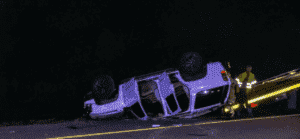
The Law Offices of Anidjar and Levine help injured victims determine why the brakes failed, who had a duty to prevent it, and which evidence supports liability.
Key proof may include repair records, inspection reports, vehicle data, photographs, witness accounts, and medical documentation.
Claims may involve negligent drivers, vehicle owners, repair shops, manufacturers, or commercial carriers.
Compensation can cover medical costs, lost income, pain, and future care, with further guidance available from a Florida Car Accident Lawyer.
Main Takeaways
- A Florida brake failure injury lawyer investigates whether negligent maintenance, unsafe repairs, driver error, defects, or recalls caused the crash.
- Key evidence includes crash reports, repair records, inspection histories, photos, witness statements, brake components, and vehicle electronic data.
- Responsible parties may include careless drivers, vehicle owners, repair shops, parts manufacturers, commercial carriers, or maintenance providers.
- Strong medical documentation helps connect injuries to the crash and supports claims for expenses, lost income, and future care.
- Insurance negotiations require caution because disputed liability, coverage issues, and comparative negligence can reduce available compensation.


How We Can Help With Your Florida Brake Failure Car Accident Injury Claim
Following a crash caused by a brake failure, an injured person may face difficult questions about liability, insurance coverage, vehicle defects, and the full extent of recoverable damages. A Florida brake failure car accident injury lawyer can provide focused support by gathering evidence, preserving repair records, reviewing crash reports, and identifying all parties that may share responsibility. This assistance allows the injured person and family to concentrate on recovery, caregiving, and practical needs.
Counsel may also coordinate medical documentation, ensuring treatment records, diagnostic findings, work restrictions, and future care needs are organized and clearly presented. Careful documentation supports a claim for medical expenses, lost income, pain and suffering, and related losses.
During Insurance negotiations, legal representation can evaluate settlement offers, respond to disputed claims, and protect the client from pressure to resolve the case before the full extent of the harm is understood. This guidance serves the injured person with diligence, structure, and informed advocacy.
OUR CONSULTATIONSARE FREE
START YOUR FREE CASE REVIEW

Understanding Florida Brake Failure Car Accident Injury Cases
Brake failure collisions often require a detailed investigation because the cause may involve driver conduct, poor maintenance, defective parts, improper repairs, or a combination of factors. In Florida injury cases, this inquiry helps identify who may be legally responsible and what evidence should be preserved. Attorneys may review crash reports, service records, inspection histories, electronic data, photographs, and witness statements to understand how the incident unfolded.
These cases also require attention to Brake warning signs, such as grinding, pulling, vibration, delayed stopping, or dashboard alerts reported before the crash. Vehicle recall checks may help determine whether a known safety issue affected the braking system.
For injured people and families, a careful legal review supports accountability, protects access to compensation, and encourages safer practices that benefit the broader community. Each case depends on its facts, including the vehicles involved, the timing of repairs, and the conduct of all responsible parties under Florida law.
Common Causes of Florida Brake Failure Car Accidents
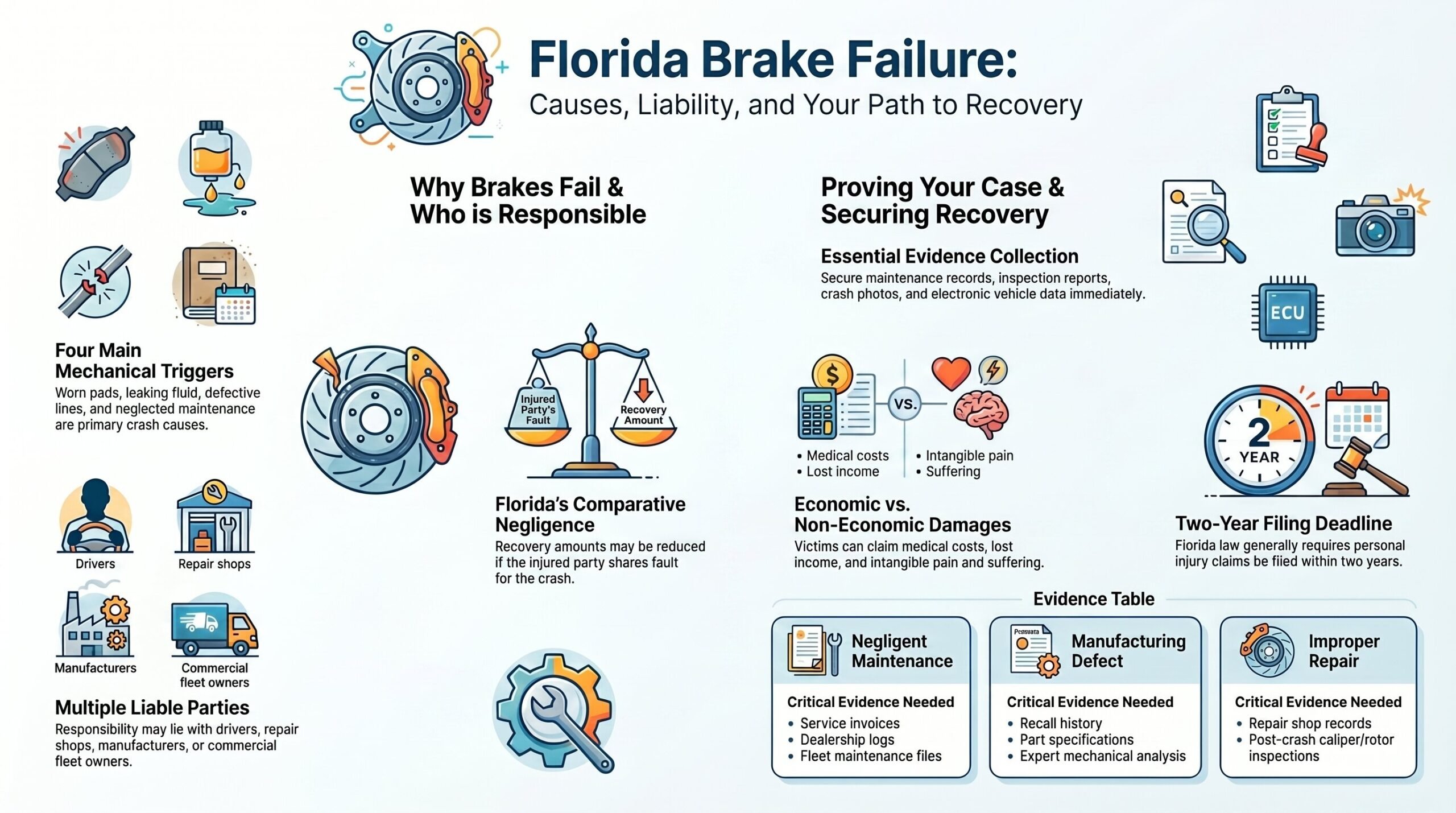
Brake failure accidents in Florida often arise from preventable mechanical issues, including worn brake pads, leaking brake fluid, defective brake lines, and poor vehicle maintenance. These conditions can reduce stopping power, delay response time, or cause a complete loss of braking function in crucial traffic situations. Identifying the specific cause is important because it may determine whether liability rests with a driver, a repair shop, a parts manufacturer, or another responsible party.
Worn Brake Pads
Many Florida brake failure accidents involve worn brake pads that can no longer create sufficient friction to slow or stop a vehicle safely. As pads wear thin, stopping distances increase, especially in heavy traffic, rain, or sudden emergencies. Drivers may notice grinding noises, vibration, pulling, or reduced responsiveness before a collision occurs.
Brake pad inspection helps identify unsafe wear before it endangers passengers, pedestrians, or other motorists who depend on responsible vehicle maintenance. Warning light indicators may also alert drivers to braking concerns, though such signals should never replace regular service. When vehicle owners, rideshare drivers, commercial operators, or maintenance providers ignore these signs, preventable harm may follow. Careful evaluation of maintenance records and inspection history can help determine whether neglected brake pads contributed to a crash in Florida.
Leaking Brake Fluid
Leaks in the braking system can reduce hydraulic pressure, making it difficult or impossible for a vehicle to stop within a safe distance. Brake fluid transfers force from the pedal to primary braking components, and even a small loss may create a delayed response, a soft pedal, or complete brake failure. In Florida traffic, such defects can endanger passengers, pedestrians, cyclists, and other motorists who depend on responsible vehicle maintenance.
A Brake fluid warning should never be ignored, especially when paired with dash light alerts, unusual pedal travel, or visible fluid beneath the vehicle. Drivers, fleet operators, and service providers have a duty to address these signs promptly. Careful inspection and timely repair may prevent collisions and protect those who share the road.
Defective Brake Lines
Defective brake lines can compromise the hydraulic pressure needed to slow or stop a vehicle, creating a serious risk of collision on Florida roads. When brake lines are improperly designed, poorly formed, or made of weak materials, they may rupture, collapse, or restrict fluid flow under ordinary driving conditions. These Brake Line Defects can prevent the braking system from responding as intended, leaving drivers with reduced control in traffic, at intersections, or during sudden stops.
Manufacturers and parts suppliers are expected to follow applicable Manufacturing Standards to ensure brake lines can withstand pressure, heat, corrosion exposure, and vibration. When those standards are not met, injured motorists, passengers, pedestrians, and others may suffer preventable harm, requiring careful legal review to identify responsible parties and support those affected.
Poor Vehicle Maintenance
Brake failure may also result from inadequate maintenance, even when the vehicle’s braking components were properly designed and manufactured. In Florida, heat, humidity, stop-and-go traffic, and heavy rainfall can accelerate wear on pads, rotors, calipers, and brake fluid. Brake maintenance schedules help owners, commercial operators, and service providers identify needed inspections before a preventable failure harms others on the road.
When maintenance is delayed, worn pads may reduce stopping power, contaminated fluid may impair hydraulic pressure, and damaged rotors may cause unsafe vibration. Dash warning lights should not be ignored, as they may indicate low fluid levels, sensor problems, or system imbalances. A careful investigation may determine whether a driver, fleet owner, mechanic, or maintenance company failed to act responsibly before the crash.


Legal Rights of Florida Brake Failure Car Accident Injury Victims
When a collision occurs because a vehicle could not stop as intended, injured victims in Florida may have the right to pursue compensation from every party whose negligence contributed to the crash.
These rights may include recovery for medical care, lost income, pain, and reduced quality of life, when supported by reliable evidence.
- Victims may file claims against careless drivers, vehicle owners, maintenance providers, or other responsible parties.
- Comparative negligence may reduce compensation if the injured person shares fault.
- Medical documentation helps connect injuries to the crash and supports fair evaluation.
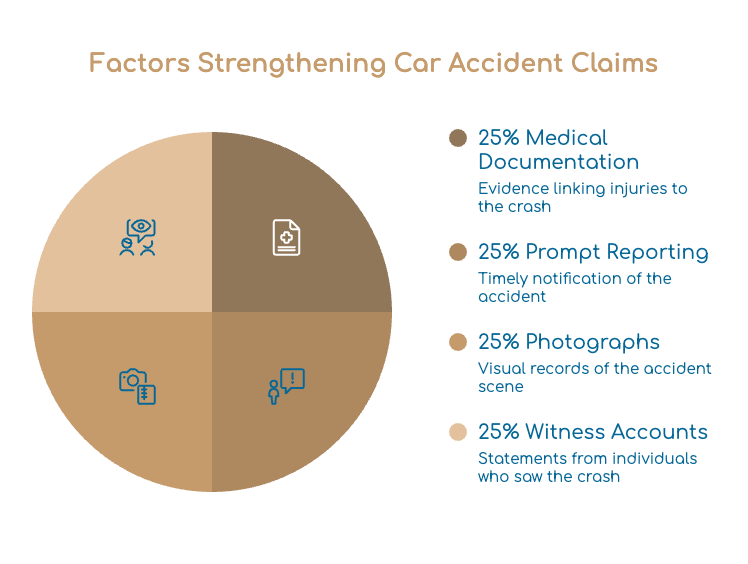
- Prompt reporting, photographs, witness accounts, and repair records may strengthen a claim.
- Families serving injured loved ones may also seek guidance regarding available damages.
Florida law generally requires timely action, and delay can harm a valid claim. A careful legal review may identify responsible parties, preserve evidence, and protect the victim’s interests while the injured person focuses on recovery and necessary care.
Why Do Florida Brake Failure Car Accident Injuries Happen?
Understanding who may be legally responsible often begins with identifying why the vehicle failed to stop. Brake failure injuries in Florida may result from neglected maintenance, worn pads, leaking brake fluid, defective components, or improper repairs. Commercial vehicles may present additional risks when owners, operators, or maintenance contractors fail to follow inspection schedules designed to protect the public.
Road conditions can also contribute to a loss of braking control. Heavy traffic, sudden stops, rain, and long downhill grades may expose weaknesses in a poorly maintained system. Preventive vehicle checks help identify warning signs, including grinding noises, soft pedals, dashboard alerts, or unusual vibrations, before a dangerous failure occurs.
Human factors may play a role as well. Driver braking training can reduce panic responses, improper pedal use, and unsafe following distances. When drivers, companies, or service providers disregard safety duties, preventable brake failure collisions may cause severe harm to passengers, pedestrians, and other motorists.
What Should You Do After a Florida Brake Failure Car Accident Injury?
After a Florida brake failure car accident injury, prompt action can help protect both health and potential legal claims. An injured person should seek medical care, document the crash scene and vehicle condition, and preserve any available evidence. Contacting an attorney can also help to evaluate that liability, insurance issues, and compensation options are properly assessed.
Seek Medical Care
Immediate medical evaluation is often important following a Florida brake failure car accident, even if injuries appear minor at the scene. A prompt Emergency symptom check can identify internal trauma, spinal strain, fractures, or shock that may not be immediately apparent. Medical professionals can also conduct a Head injury evaluation when a person experiences impact, dizziness, confusion, nausea, or loss of consciousness.
Those assisting an injured person should encourage timely care, arrange transportation when appropriate, and avoid moving anyone with suspected neck or back injuries unless safety requires it. Follow-up appointments may be necessary because some conditions worsen over several days. Seeking care protects health, supports recovery, and helps make certain that injuries are properly recognized by qualified providers after a serious brake failure collision in Florida.
Document The Crash
At the crash scene, careful documentation can preserve important details that may later explain how the brake failure occurred and who may be responsible. If it is safe, an injured person or trusted helper should photograph vehicle damage, skid marks, road conditions, traffic signals, debris, and any visible fluid leaks. Images should be taken from several distances and angles, including the surrounding intersection or roadway.
It is also useful to record the time, weather, lighting, and the vehicle’s position after impact. Those assisting should document witness statements, including names, contact information, and brief descriptions of what each person observed. Police report numbers, responding agency details, and tow information should be saved. Organized records may support accurate reporting, medical follow-up, and later review of the circumstances of the crash.
Contact An Attorney
In the days following a suspected brake-failure crash, contacting a Florida car accident injury attorney may help preserve evidence, identify responsible parties, and avoid early mistakes in the claims process. An attorney can guide injured individuals and their families with orderly steps that support recovery, accountability, and service to those affected by unsafe conditions. Legal counsel may coordinate vehicle inspections, retain maintenance records, and review repair histories involving owners, manufacturers, mechanics, or commercial operators.
Witness statement collection can also be handled promptly, before memories fade or contact information is lost. If an insurer disputes fault, minimizes injuries, or refuses payment, counsel may prepare insurance denial appeals supported by medical records, expert findings, and crash evidence. Early representation ensures claims are handled carefully, lawfully, and with purpose.
Critical Evidence in a Florida Brake Failure Car Accident Injury Case
Critical evidence in a Florida brake-failure car-accident injury case can help determine whether negligence, defective parts, or poor maintenance caused the crash. Investigators may assess:
- Vehicle maintenance records
- Brake system inspection results
- Crash scene photographs
- Skid marks, debris, and roadway conditions
- Expert accident analysis
This evidence can support liability findings, clarify the sequence of events, and help connect the brake failure to the resulting injuries.
Vehicle Maintenance Records
Vehicle maintenance records can provide crucial proof in a Florida brake failure car accident injury case, particularly when they show whether the vehicle received timely inspections, repairs, and brake system service. These records may include service invoices, dealership logs, fleet maintenance files, mileage entries, and repair recommendations. Brake inspection reports can help establish whether warning signs were documented before the crash, and whether responsible parties acted with reasonable care.
Manufacturer recall history may also reveal known brake-related defects and whether required corrective work was completed. For injured people and those assisting them, these documents can clarify preventable risks, support accountability, and guide fair resolution. When records are missing, altered, or inconsistent, that absence may raise important questions about negligence, maintenance practices, and vehicle safety.
Brake System Inspection
After maintenance records identify which service was reported, a brake system inspection can show the vehicle’s actual mechanical condition after a Florida crash. This examination may include measurement of pad thickness, rotor condition, brake fluid quality, hydraulic line integrity, and master cylinder function. Diagnostic testing can reveal pressure loss, warning system faults, or electronic control issues that were not visible during routine service.
Brake caliper inspections may reveal sticking, leakage, uneven wear, or corrosion that affects stopping power. For injured people and families seeking accountability, these findings help clarify whether neglected repairs, defective parts, or improper service contributed to the collision. A careful inspection also preserves objective evidence, allowing attorneys and qualified experts to connect mechanical failures with the harm suffered in a disciplined, service-focused manner.
Crash Scene Evidence
When a braking failure is suspected, the crash scene may contain key evidence that helps explain how the collision occurred. Skid marks, gouge marks, debris fields, vehicle resting positions, and damaged roadside objects can help establish whether the driver attempted to stop or had little braking control. Photographs, video footage, 911 records, and witness statements may also preserve details before conditions change.
Investigators may consider weather conditions, roadway grade, traffic signal timing, and surface hazards when evaluating the scene. Evidence of driver distraction, such as phone use or inattention reported by witnesses, may also affect liability. Prompt preservation of scene evidence supports injured people, families, and caregivers seeking accountability. In Florida brake failure cases, these details may help identify responsible parties and protect the interests of those harmed.
Expert Accident Analysis
Because brake failure cases often involve detailed mechanical and roadway factors, expert accident analysis can be pivotal to determining how and why a collision occurred. Qualified professionals may review skid marks, impact angles, vehicle damage, brake components, electronic data, and maintenance records to identify the sequence of events. Expert reconstruction helps clarify vehicle speed, driver response, stopping distance, and whether mechanical failure contributed to the crash.
This analysis can also distinguish brake defects from negligent maintenance, improper repairs, or unsafe driving conduct. In Florida injury cases, careful evaluation supports accurate Accident causation, which is key when injured individuals seek accountability and meaningful assistance. By presenting objective findings, experts help attorneys, insurers, and courts understand detailed evidence, serve harmed parties fairly, and pursue outcomes grounded in reliable proof.
Long-Term Effects of Florida Brake Failure Car Accident Injuries
Brake failure collisions in Florida can cause lasting injuries that extend well beyond the initial emergency treatment. Victims may face chronic pain conditions, reduced mobility, and limitations that affect employment, daily routines, and independence. Emotional trauma effects, including anxiety and distress related to driving, may also become a significant part of the long-term recovery process.
Chronic Pain Conditions
Chronic pain conditions can develop after a Florida brake failure car accident, even when the initial injuries appear manageable or improve with early treatment. Persistent pain may arise from nerve trauma, spinal strain, soft tissue damage, or joint injuries that continue affecting daily function. These conditions often require ongoing medical evaluation, Medication management, and coordinated care from physicians, therapists, and pain consultants.
For injured individuals who serve families, workplaces, or communities, chronic pain can create lasting strain on responsibilities and personal stability. Documentation of symptoms, treatment history, and limitations may be important when seeking compensation for future care needs. In serious cases, disability accommodations may be necessary to support continued participation in work or essential activities while protecting health and dignity. Legal guidance can help assess these long-term damages.
Reduced Mobility
Reduced mobility may become a lasting consequence of a Florida brake failure car accident when injuries affect the spine, hips, knees, ankles, or major muscle groups. Limited movement can interfere with walking, lifting, bathing, driving, working, and providing care to others. Fractures, ligament tears, nerve damage, and joint trauma may require surgery, therapy, assistive devices, or home modifications.
Seatbelt Survivability may reduce fatal harm, yet survivors can still face serious physical restrictions that change daily routines. Driver Reaction also influences injury severity because evasive steering, bracing, or impact position may affect how force is transmitted through the body. Ongoing mobility loss should be documented through medical evaluations, functional assessments, and treatment records to help establish future care needs, lost earning capacity, and the practical support required for recovery.
Emotional Trauma Effects
After a sudden loss of braking control, emotional trauma may persist long after physical injuries begin to recover. Survivors may experience PTSD symptoms, including intrusive memories, sleep disruption, panic during traffic, irritability, and avoidance of driving or riding in vehicles. These effects can interfere with family responsibilities, employment, caregiving duties, and the ability to support others consistently and patiently.
Long-term recovery often requires structured counseling, medical evaluation, and practical stress management strategies. Documentation of emotional harm may also support an injury claim when trauma affects daily functioning. For service-minded individuals, acknowledging psychological injury is not weakness; it is a necessary step toward restored stability. Legal guidance may help ensure that emotional suffering, treatment needs, and future care requirements are properly considered after a Florida brake failure crash.
Proving Liability in Florida Brake Failure Car Accident Injury Cases
When a crash is linked to brake failure, proving liability in Florida requires more than showing that the brakes did not work. Investigators must identify why the failure occurred and who had the duty to prevent it. Evidence may include maintenance records, inspection reports, repair invoices, vehicle data, photographs, and expert analysis of brake components.
A negligent driver may be responsible if warning signs were ignored or required maintenance was delayed. A repair shop, parts manufacturer, vehicle owner, or commercial carrier may also face liability when careless service, defective parts, or poor fleet practices contributed to harm.
Florida cases also require careful evaluation of Comparative negligence defenses because opposing parties may argue that the injured person’s conduct helped cause the crash. In fatal cases, Wrongful death eligibility depends on statutory relationships and proof that negligence caused the death. Clear evidence helps protect victims, support families, and promote safer conduct on Florida roads.
Dealing With Insurance Companies After a Florida Brake Failure Car Accident Injury
Because brake failure claims often involve disputed facts, dealing with insurance companies after a Florida brake failure car accident requires caution from the beginning. Insurers may examine maintenance records, driver statements, repair history, and scene evidence while seeking grounds to reduce or deny payment. Injured individuals serving families, coworkers, or communities may feel pressure to provide quick answers, yet incomplete statements can affect the claim.
Recorded witness accounts may help clarify whether the vehicle showed signs of mechanical trouble, whether evasive action was attempted, or whether another party contributed to the crash. Insurance adjusters may also raise Liability coverage disputes, especially when responsibility may involve a driver, vehicle owner, repair facility, parts manufacturer, or commercial carrier.
Careful communication helps preserve accuracy and avoid unnecessary concessions. A lawyer can manage insurer communications, organize supporting evidence, and respond to coverage arguments, allowing the injured person to focus on recovery and responsibilities.
What to Expect During a Florida Brake Failure Car Accident Injury Claim Process
A Florida brake failure car accident injury claim typically begins with an initial case evaluation, where the circumstances of the crash, injuries, and potential sources of compensation are reviewed. The process then focuses on gathering evidence, determining liability, and negotiating insurance claims based on the available facts and damages. If a fair settlement cannot be reached, the claim may proceed to litigation, where fault and compensation are presented for resolution.
Initial Case Evaluation
During the initial case evaluation, a Florida brake failure car accident injury lawyer reviews the facts needed to determine whether the crash may support a viable personal injury claim. This meeting allows the injured person, or a caregiver assisting them, to explain the event, medical concerns, lost work, and immediate needs. The lawyer may ask about vehicle history, recent repairs, insurance coverage, and communications from other parties.
Negligence standards guide the early assessment of whether another person, company, or service provider may have breached a duty of care. Damages documentation is also reviewed, including medical bills, wage records, photographs, and treatment notes. The goal is to identify urgent concerns, protect the claimant’s position, and provide responsible guidance before additional claim steps begin in Florida.
Evidence And Liability
Once the initial evaluation identifies a potential claim, the focus shifts to evidence preservation and liability analysis. Investigators may secure maintenance records, inspection reports, event data, photographs, witness statements, and vehicle components before crucial proof is lost. A careful review may distinguish true mechanical failure from Negligent driving, poor maintenance, overloaded vehicles, or unsafe repairs.
Liability may involve a driver, vehicle owner, repair shop, parts manufacturer, or commercial carrier, depending on who failed to act responsibly. Driver distractions are also examined, since delayed braking or inattention may worsen a preventable collision. This stage supports accountability by identifying conduct that placed others at risk. For injured people and their families, a disciplined liability review helps clarify what happened, who may be responsible, and which facts require further investigation.
Insurance Claim Negotiations
After liability evidence is organized, insurance claim negotiations often begin with a detailed demand package that explains the crash, the brake-related failure, the injuries, and the financial losses. This submission may include repair records, inspection findings, medical documentation, witness statements, and proof of lost income. Insurers evaluate whether faulty maintenance, defective parts, driver conduct, or another cause contributed to the collision. Adjusters may request clarification, dispute the extent of injuries, or challenge the connection between the brake failure and the damages claimed.
A careful response helps keep the claim focused on verified facts and the injured person’s documented needs. Throughout negotiations, the process should remain orderly, service-minded, and evidence-driven, ensuring that those harmed are treated with dignity while financial responsibility is presented clearly.
Settlement Or Litigation
Many Florida brake failure car accident claims resolve through settlement when the evidence clearly shows fault, causation, and the extent of damages. The process often includes medical documentation, repair records, inspection findings, and witness statements, all organized to support fair compensation. Insurance dispute timelines can affect how quickly an insurer responds, evaluates liability, or issues payment. When negotiations stall, counsel may use a settlement leverage strategy, including expert analysis and litigation readiness, to encourage a responsible resolution.
If the insurer denies fault, undervalues injuries, or disputes evidence of a brake defect, filing a lawsuit may become necessary. Litigation can involve discovery, depositions, mediation, and trial preparation. Throughout either path, the claim should remain focused on accountability, recovery, and the protection of the injured person’s ability to serve family and community.
Compensation for Florida Brake Failure Car Accident Injury Damages
When brake failure causes a crash in Florida, injured victims may be entitled to compensation for the full range of losses connected to the accident. Recovery may depend on proving that defective parts, negligent maintenance, improper repairs, or unsafe vehicle operation contributed to the collision. A careful investigation often includes a review of surveillance footage, witness statements, repair records, inspection reports, and expert analysis of the braking system.
An attorney may also conduct insurance coverage verification to identify all available sources of recovery, including policies held by drivers, vehicle owners, repair shops, manufacturers, or commercial operators. This process can help protect injured individuals and their families from bearing costs that should legally fall on responsible parties. Compensation may address medical treatment, rehabilitation needs, lost income, reduced earning ability, property damage, and the human impact of serious injury. Prompt legal guidance can preserve evidence, support accountability, and promote a fair resolution for those harmed.
Economic vs Non-Economic Damages in Florida Brake Failure Car Accident Cases
Economic and non-economic damages serve different purposes in Florida brake failure car accident claims, and each category requires careful evaluation. Financial losses may include medical bills, lost income, and repair costs, while pain and suffering address the physical and emotional impact of the crash. Proving damage value often depends on records, expert opinions, and evidence showing how the brake failure directly affected the injured person’s life.
Financial Losses
After a brake failure collision, financial losses may extend far beyond the initial vehicle damage and emergency medical care. In Florida, economic damages focus on measurable costs that can be supported with records, invoices, and reliable testimony. Medical bills documentation may include hospital charges, rehabilitation expenses, prescription costs, diagnostic testing, and projected future treatment needs.
Lost wage proof can include payroll records, tax returns, employer statements, and disability notes showing missed work or reduced earning capacity. Additional losses may include towing fees, rental vehicle costs, repair estimates, and home assistance required during recovery. Careful documentation helps attorneys, insurers, and courts evaluate the full financial impact. For individuals committed to serving their families and communities, recovering these losses may help restore stability and preserve necessary responsibilities after a serious crash.
Pain And Suffering
Pain and suffering damages recognize the human consequences of a Florida brake failure car accident that do not appear on invoices or wage records. These non-economic damages may include physical pain, reduced mobility, loss of independence, disrupted sleep, and strain on daily relationships. They may also address emotional distress, including fear of driving, anxiety, frustration, or grief tied to lasting limitations.
Medical documentation can show the nature of injuries and the need for long-term therapy, but the damage itself concerns how those injuries affect ordinary life. In settlement discussions, a cash settlement may include compensation for these intangible harms when liability and injury are properly evaluated. For families and advocates committed to serving others, these damages acknowledge dignity, not merely financial loss.
Proving Damage Value
Valuing a Florida car accident claim involving a brake failure requires more than identifying injuries; it requires proof that connects each loss to the collision and supports a fair monetary demand. Economic damages may include emergency care, surgery, rehabilitation, lost income, reduced earning capacity, and vehicle damage. Non-economic damages address pain, emotional distress, disability, and loss of normal life.
The importance of medical documentation cannot be overstated, because treatment records, diagnostic results, physicians’ opinions, and therapy notes help establish both the severity and duration of harm. Wage records, repair invoices, and expert assessments may further confirm financial losses. Clear evidence also helps reduce insurance claim delays, which often arise when insurers dispute causation, necessity of care, or the extent of suffering. Careful valuation supports accountability and promotes just recovery.
When a Florida Brake Failure Car Accident Injury Case Goes to Trial vs Settlement
When a Florida car accident injury case involving a brake failure is evaluated for settlement or trial, the decision often depends on the strength of the evidence, the severity of the injuries, and whether the liable parties dispute fault or damages. Settlement may serve injured individuals by providing timely compensation, reducing uncertainty, and preserving resources for medical care, family needs, and recovery. However, a trial may become necessary when insurers undervalue losses, deny responsibility, or challenge the mechanical cause of the crash.
Trial strategy focuses on presenting a clear account of the brake failure, the vehicle maintenance history, the expert findings, and the human impact of the injuries. Jury selection may consider whether jurors can fairly assess technical evidence and substantial harm.
Evidence challenges can involve missing repair records, altered vehicles, or conflicting expert opinions. Damages proof must connect medical treatment, lost income, pain, limitations, and future needs to the crash with credible, organized documentation.
Florida Laws That May Affect Your Florida Brake Failure Car Accident Case
Because brake failure crashes often involve overlapping issues of driver conduct, maintenance responsibility, and vehicle condition, several Florida laws may affect how liability and compensation are evaluated. These rules can guide attorneys, insurers, and courts as they assess responsibility and seek fair outcomes for injured people and their families.
- Florida’s Comparative Negligence system may reduce recovery if an injured person shared responsibility for the crash.
- Fault Allocation can involve drivers, repair shops, fleet owners, manufacturers, or others who failed to act with reasonable care.
- The Personal Injury Threshold may affect whether certain noneconomic losses can be pursued after a motor vehicle collision.
- Damages Caps may apply in limited circumstances, depending on the type of claim and parties involved.
- Evidence of maintenance records, inspections, recalls, and prior brake complaints may help clarify whether preventable neglect occurred.
These laws encourage careful investigation, responsible advocacy, and a service-focused approach to helping injured individuals pursue lawful compensation.
The Statute of Limitations for Florida Brake Failure Car Accident Injury Cases
Florida laws governing liability and damages are only part of the analysis in a brake-failure car accident case, as strict filing deadlines can determine whether an injured person may pursue compensation at all. In Florida, personal injury claims generally must be filed within 2 years of the crash. If the collision caused a death, a wrongful death claim is also typically subject to a two-year deadline. Missing the applicable deadline can prevent recovery, even when serious harm resulted from defective brakes, poor maintenance, or negligent driving.
Timely action also supports evidence preservation, which may be critical in proving how and why the braking system failed. Vehicle inspections, maintenance records, electronic data, photographs, and witness statements can become harder to obtain over time. Early attention to deadlines may also affect issues involving comparative negligence, since fault may be disputed among drivers, vehicle owners, mechanics, manufacturers, or other responsible parties.
How a Florida Brake Failure Car Accident Injury Lawyer Can Help You
After a brake failure crash, a Florida car accident injury lawyer can help identify the cause of the failure, determine which parties may be legally responsible, and protect the injured person’s ability to pursue compensation. This support can be especially valuable when the injured person is focused on treating, family duties, and continuing to serve others with dignity.
- Reviewing police reports, repair records, inspection histories, and crash evidence to determine how the brakes failed.
- Investigating negligence by drivers, vehicle owners, maintenance providers, parts manufacturers, or other responsible parties.
- Securing witness statements that may clarify vehicle behavior, road conditions, and events before impact.
- Working with qualified experts to evaluate mechanical defects, improper repairs, or ignored warning signs.
- Communicating with insurers, organizing documentation, and presenting damages in a clear, evidence-based manner.
Through careful case preparation, counsel helps make certain the injured person’s losses are accurately understood and responsibly pursued under Florida law.
When to Contact a Florida Brake Failure Car Accident Injury Lawyer
Contacting a Florida brake failure car accident injury lawyer should occur as soon as the injured person is medically stable and the immediate emergency has passed. Early contact helps preserve facts that may otherwise be lost, including vehicle condition, repair history, roadway evidence, witness accounts, and communications with insurers or service providers.
This timing is especially important when others depend on the injured person for care, guidance, or support. Prompt legal consultation enables responsibilities to be managed with greater order, while documentation remains accessible and memories remain accurate. A lawyer may also help identify whether brake maintenance records, recall notices, or prior warning signs require review.
Those assisting an injured person can also gather practical information, such as Brake safety tips followed before the crash and details about choosing vehicle inspection services afterward. Timely action supports a disciplined response, protects important evidence, and helps the injured person make informed decisions.
Why You Need an Experienced Florida Brake Failure Car Accident Injury Lawyer
When a crash involves suspected brake failure, an experienced Florida brake failure car accident injury lawyer may be essential because the case often depends on evidence that is technical, time-sensitive, and disputed. These cases may require prompt preservation of the vehicle, maintenance records, inspection reports, event data, and repair histories before they are lost, altered, or misunderstood.
A lawyer familiar with Brake system safety can help evaluate whether the failure resulted from poor maintenance, a defective component, negligent repair, improper inspection, or another driver’s conduct. This analysis supports a clearer path toward accountability, which can serve injured people and their families with accuracy and care.
Florida claims also require careful attention to local liability rules, insurance requirements, comparative fault, and deadlines. Without informed guidance, responsible parties may shift blame or minimize the role of mechanical failure. Experienced legal representation helps protect the claim, organize proof, and pursue fair compensation through a disciplined, evidence-based approach.
How to Choose the Right Florida Brake Failure Car Accident Injury Lawyer for Your Case
Selecting the right Florida brake failure car accident injury lawyer begins with identifying counsel who understands both personal injury litigation and the mechanical evidence that often drives these claims. A qualified attorney should know how to review maintenance records, inspection reports, repair histories, recall information, and expert findings to determine whether negligence caused or contributed to the crash.
Injured individuals should consider whether the lawyer has experience handling claims involving drivers, vehicle owners, maintenance providers, manufacturers, or other responsible parties. Clear communication also matters, especially when a client is focused on recovery, family responsibilities, and serving others with stability and purpose.
Before hiring counsel, an injured person may schedule a consultation to ask about case strategy, expected timelines, evidence preservation, and client involvement. It is also important to discuss contingency fees, so financial expectations are understood from the beginning. The right lawyer provides steady guidance, careful investigation, and committed advocacy throughout the legal process.
About The Law Offices of Anidjar & Levine
The Law Offices of Anidjar & Levine represents injured clients across Florida in motor vehicle accident cases, including claims involving brake failure and other mechanical defects.
The firm assists individuals and families who need clear guidance after a collision, while maintaining attention to evidence, deadlines, and insurance communications.
Its legal team provides client-centered legal support by listening to each client’s concerns, explaining available options, and pursuing compensation for medical care, lost income, property damage, and other losses.
In cases of brake failure, the firm may evaluate maintenance records, vehicle history, witness statements, and expert findings to identify responsible parties.
An accident report review can help determine how the crash occurred, whether mechanical failure was noted, and what additional investigation may be required.
Through organized case management and responsive communication, the firm supports clients during a difficult recovery period while seeking accountability from negligent drivers, vehicle owners, repair shops, or manufacturers when the evidence supports such claims.
Frequently Asked Questions
Can Brake Failure Cases Involve Vehicle Recall Investigations?
Yes, brake failure cases can involve vehicle recall investigations when a defect may pose a safety risk. Investigators may review recall notices, service records, repair histories, and manufacturers’ investigations to determine whether a known braking defect contributed to the crash. Careful evidence collection, including damaged components and electronic data, can help establish responsibility. This process supports fair accountability, protects injured persons, and promotes safer practices for the broader community.
Should I Preserve My Damaged Vehicle After the Crash?
Yes, the damaged vehicle should be preserved after the crash to preserve evidence for any later claim or safety review. An owner should take photos immediately, avoid repairs, and keep the vehicle in secure storage when possible. If components are removed, professionals should store parts carefully, with clear labeling. A qualified brake inspection can then document defects, wear, maintenance issues, or failures, helping responsible parties serve truth and accountability.
Can Rental Cars Have Brake Failure Liability Issues?
Yes, a rental car brake failure can raise liability issues involving the rental company, maintenance vendors, manufacturers, or drivers. Liability Limits may depend on insurance contracts, state law, and negligent conduct. Brake Maintenance records are central because they show whether inspections, repairs, or warnings were handled responsibly. Proof Requirements often include photographs, repair histories, expert analysis, and witness statements, enabling injured parties and their advocates to hold accountable parties fairly.
What if Aftermarket Brake Parts Caused the Accident?
If aftermarket brake parts caused the accident, responsibility may extend to the installer, parts manufacturer, distributor, or maintenance provider. Aftermarket defects require a careful liability investigation, including service records, invoices, product specifications, and any brake warranty terms. Evidence preservation is crucial because discarded components can prevent accurate fault analysis. Those seeking to serve injured individuals should ensure the vehicle remains available for inspection and that all related documentation is promptly secured.
Do Commercial Trucks Have Special Brake Inspection Rules?
Yes. A commercial vehicle is generally subject to stricter brake inspection requirements than ordinary passenger vehicles. Federal rules and state regulations may require pre-trip checks, periodic inspections, prompt repairs, and detailed maintenance records. These duties help protect passengers, workers, and the public by ensuring unsafe trucks are removed from service. When a crash occurs, investigators may review inspection history to determine whether neglect or noncompliance contributed to brake failure.
—————————
Brake failure accidents can leave victims facing serious injuries, disputed liability, and significant financial losses.
A qualified Florida Car Accident Lawyer can investigate the cause, identify responsible parties, and pursue compensation through insurance claims or litigation.
The Law Offices of Anidjar and Levine provide focused legal guidance, protecting clients’ rights while managing the demands of the case.
Prompt legal action can preserve evidence, strengthen the claim, and support a more effective recovery strategy.