The Law Offices of Anidjar and Levine can help injured victims protect evidence, address insurance issues, and pursue compensation after a serious rollover crash. A Daytona Beach Car Accident Lawyer may assist with preserving evidence of vehicle damage, obtaining crash reports, reviewing medical records, documenting lost income, and identifying liable parties.
Rollover claims often involve severe injuries, disputed causation, and long recovery periods. Early legal guidance can reduce claim risks and support stronger negotiations. The sections below explain key rights, causes, and legal options.
Main Takeaways
- A Daytona Beach rollover car accident lawyer can protect evidence, manage insurers, and help preserve the value of your injury claim.
- Rollover claims often require review of crash reports, medical records, vehicle data, photos, and witness statements.
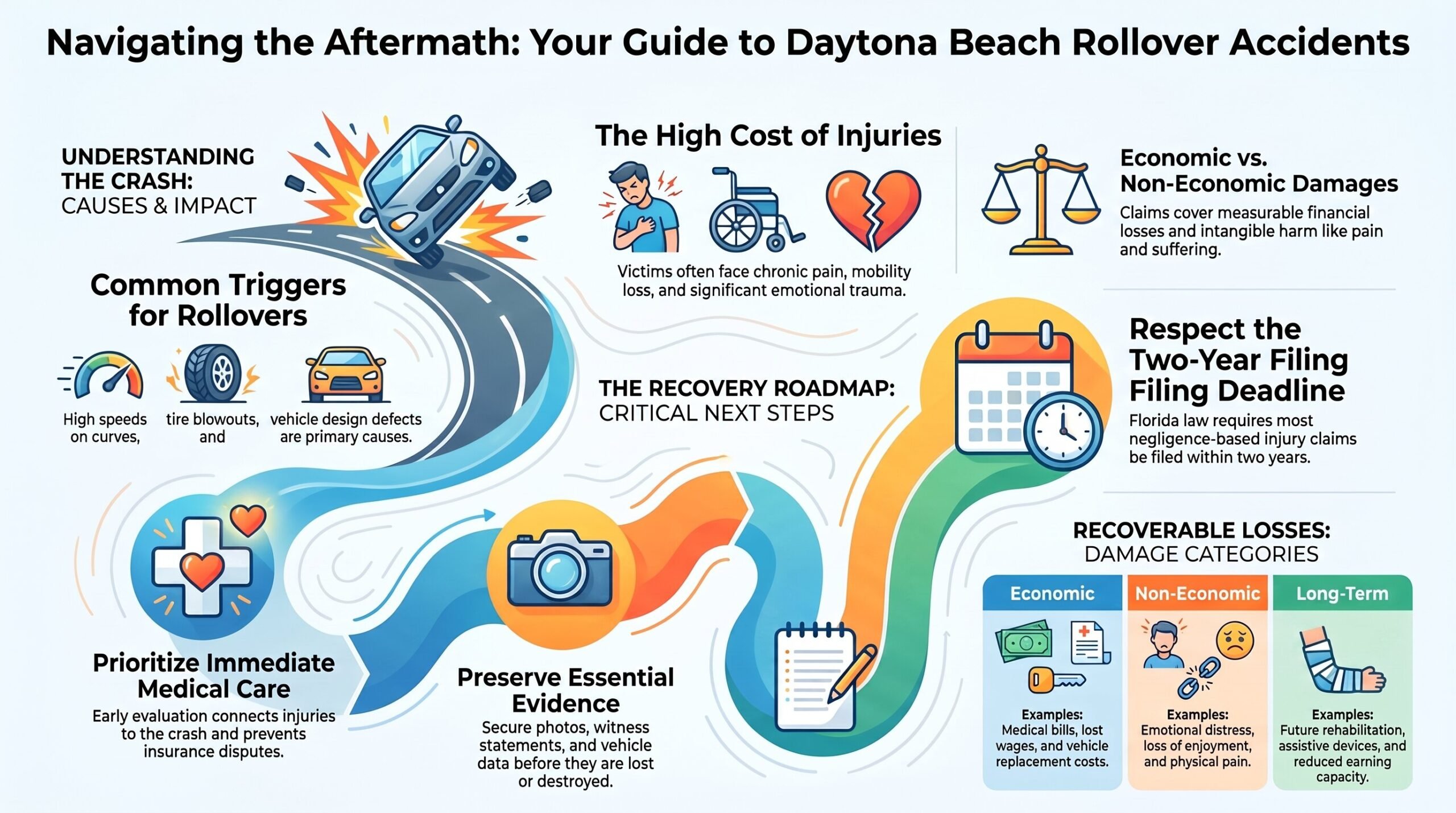
- Common rollover causes include speeding, tire blowouts, impaired driving, vehicle defects, roadway hazards, and sudden evasive maneuvers.
- Injured victims may seek compensation for medical bills, lost income, reduced earning ability, pain, and long-term care needs.
- Prompt medical care and legal guidance can help document injuries, meet deadlines, and support settlement or litigation.


How We Can Help With Your Daytona Beach Rollover Car Accident Injury Claim
Securing effective legal representation after a rollover crash can help an injured person protect the value of a claim from the beginning. A Daytona Beach rollover car accident lawyer can organize urgent priorities, preserve key evidence, and communicate with insurers so the injured person may focus on recovery and family responsibilities.
Early legal guidance after a rollover crash can protect evidence, manage insurers, and support a stronger injury claim.
The legal team may develop a Medical documentation strategy that connects treatment records, physician opinions, therapy needs, and work restrictions to the harm suffered. Careful documentation supports fair evaluation and helps prevent avoidable disputes over the extent of injuries.
Counsel can also review Insurance coverage options, including available liability coverage, personal injury protection, uninsured motorist benefits, and other potential sources of recovery. This review may identify compensation paths that would otherwise be overlooked.
Through disciplined case management, the lawyer serves the client by preparing demands, monitoring deadlines, negotiating firmly, and, when necessary, advancing the claim toward litigation with organized proof and measured advocacy.
OUR CONSULTATIONSARE FREE
START YOUR FREE CASE REVIEW

Understanding Daytona Beach Rollover Car Accident Injury Cases
After legal representation begins to organize the claim, understanding the nature of rollover injury cases helps explain why these crashes often require careful investigation. These claims may involve severe trauma, multiple medical providers, and long recovery periods, requiring careful documentation of harm and future needs. Attorneys often review medical records, emergency reports, vehicle data, witness statements, and photographs to assess the full impact on the injured person’s life.
Rollover accident myths can distort how responsibility and damages are evaluated. Some assume these cases are always single-driver events or that injuries are exaggerated, but evidence may show otherwise. Insurance denial strategies may rely on such assumptions, incomplete records, or arguments that treatment was unrelated or excessive.
A careful legal review helps preserve facts, address disputed medical issues, and present the claim in a manner that respects both the injured person’s dignity and the broader duty to promote fair accountability within the community.
Common Causes of Daytona Beach Rollover Car Accident
Rollover crashes in Daytona Beach often result from a combination of driver conduct, roadway conditions, and vehicle characteristics. Common causes include high-speed curve crashes, tire blowouts, impaired driving, and vehicle design defects that may affect stability during sudden maneuvers. Identifying the cause is pivotal, as it can shape liability, evidence preservation, and the legal strategy used in an injury claim.
High-Speed Curve Crashes
On curved roadways, a vehicle traveling too fast can become difficult to control, especially when the driver misjudges the curve, brakes abruptly, or overcorrects. These actions may suddenly shift weight, reduce vehicle handling, and increase the risk that the vehicle leaves its lane or rolls after striking a shoulder, curb, or barrier. Driver distraction can worsen the danger, as a delayed response may prevent a timely speed reduction before the curve.
For those serving injured people, careful review of roadway design, skid marks, speed estimates, and witness statements can support crash report accuracy. Prompt evidence preservation is also important, including photographs, vehicle data, and scene measurements, because curved-road crashes can change rapidly after cleanup, weather, or repairs. Clear documentation helps identify responsibility and strengthen claims.
Tire Blowouts
When a tire suddenly fails at roadway speed, the driver may lose steering control within seconds, especially if the vehicle is traveling on a highway, entering a curve, or carrying an uneven load. In Daytona Beach, a blowout can cause a vehicle to yaw, leave its lane, strike a curb, or roll after the rim digs into pavement or soft shoulder. Investigators may examine tread separation, underinflation, overloading, punctures, worn tires, and heat damage.
Proper tire maintenance, including pressure checks, rotation, alignment, and timely replacement, helps reduce preventable risks for families, workers, and visitors who share local roads. Safety recalls may also matter when a tire defect contributed to failure. Careful review of vehicle records, tire age, service history, and road evidence can clarify how the rollover occurred.
Impaired Driving
Mechanical failures such as tire blowouts are not the only factors that can cause a vehicle to overturn in Daytona Beach, as impaired driving often creates the same sudden loss of control through delayed judgment and poor coordination. Alcohol, drugs, or certain medications may reduce reaction time, distort speed perception, and cause unsafe steering corrections that lead to a rollover.
For those committed to helping injured residents and families, careful review of police reports, toxicology findings, witness statements, and roadway evidence can clarify how impairment contributed to the crash. Alternative fault defenses may still arise, especially when another party claims that road conditions or the victim’s conduct played a role. Insurance documentation errors can also affect claims, making accurate records critical for protecting the injured person’s rights.
Vehicle Design Defects
Although driver behavior often receives immediate attention after a rollover, vehicle design defects may be a significant cause of serious crashes in Daytona Beach. Certain vehicles have a higher center of gravity, a narrow track width, or a weak roof structure, making them more vulnerable during an emergency maneuver. An Overloaded vehicle may worsen these risks, especially when poor design leaves little margin for safe guidance.
Defective tires, steering components, or suspension systems can also contribute to sudden loss of control. When defective restraint systems fail, occupants may suffer greater harm because seat belts, airbags, or latches do not perform as intended. Careful investigation can help identify whether a manufacturer, distributor, or maintenance provider contributed to the rollover, supporting accountability and safer outcomes for the community and families.


Legal Rights of Daytona Beach Rollover Car Accident Injury Victims
After a rollover crash in Daytona Beach, injured victims may have the right to seek compensation when another party’s negligence contributed to the accident. These rights can support recovery for medical care, lost income, reduced earning ability, pain, and long-term needs.
A careful calculation of damages helps identify the full impact of injuries, while evidence preservation protects the information needed to ensure justice and accountability.
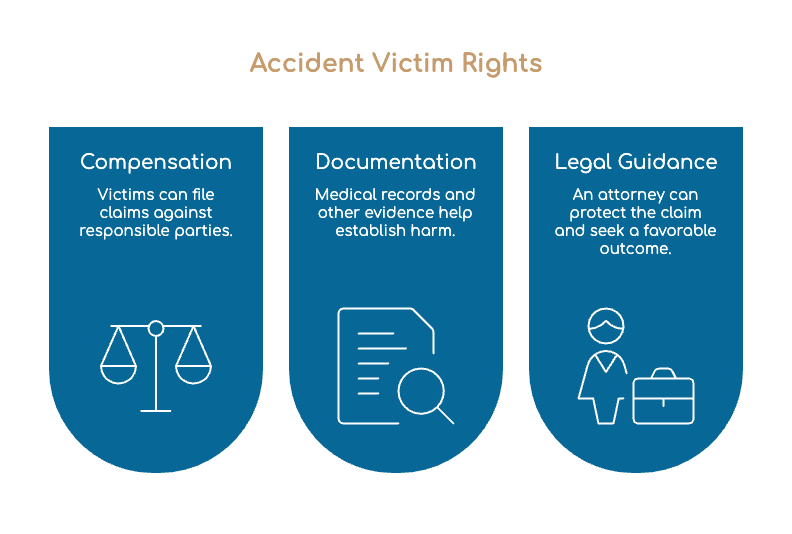
- Right to pursue compensation: Victims may file claims against responsible drivers, vehicle owners, manufacturers, or other liable parties when the facts support legal responsibility.
- Right to documentation: Medical records, photographs, witness statements, repair reports, and crash data can help establish harm and guide fair evaluation of losses.
- Right to legal guidance: An attorney may communicate with insurers, assess deadlines, protect the claim, and seek a result that supports the victim’s recovery and stability.
These protections help injured people move forward with dignity and informed purpose.
Why Do Rollover Car Accident Injuries Happen at Daytona Beach?
Why do rollover car accident injuries occur with such severity in Daytona Beach? These crashes often involve violent vehicle rotation, roof crush, partial ejection, and repeated impacts inside the cabin. Higher speeds on major corridors, sudden evasive actions, impaired driving, tire failure, and collisions with curbs or soft shoulders can cause a vehicle to trip and overturn. Sport utility vehicles, vans, and pickup trucks may face increased rollover risk because of higher centers of gravity.
Injuries may also worsen when seat belts fail, airbags malfunction, or occupants are struck by unsecured objects. Road design, poor lighting, debris, and weather can contribute to loss of control. For those serving injured individuals, understanding these causes supports careful evaluation of responsibility.
Insurance claim timelines may depend on identifying all contributing factors early, including driver conduct, vehicle defects, and roadway conditions. Electronic evidence preservation, such as data from vehicle systems or nearby cameras, can clarify how the rollover occurred.
What Should You Do After a Daytona Beach Rollover Car Accident Injury?
After a Daytona Beach rollover car accident injury, the injured person should seek immediate medical care, even when symptoms appear manageable at first. The crash should also be reported to law enforcement so that an official record documents the location, parties involved, and initial findings. When possible, crucial evidence should be preserved, including photographs, witness information, vehicle damage, and medical records.
Seek Immediate Medical Care
Seek medical attention as soon as possible following a Daytona Beach rollover car accident, even when injuries appear minor or symptoms seem delayed. Rollover impacts can cause head trauma, spinal injuries, internal bleeding, and soft tissue damage that may not be immediately obvious. Prompt evaluation helps recover the injured person’s health and creates medical records that connect the harm to the crash.
If the person can do so safely, they may ask a trusted helper to gather witness contact information and document vehicle damage while care is being arranged. Emergency responders, physicians, and follow-up providers should receive clear descriptions of pain, dizziness, numbness, or confusion. Consistent treatment, accurate records, and attention to medical instructions can support recovery and preserve important information for any later injury claim.
Report The Crash
At the scene of a Daytona Beach rollover accident, reporting the crash to law enforcement is important, especially when injuries, vehicle damage, road hazards, or possible traffic violations are involved. A responding officer can create an official record that identifies the parties, the location, the time, and the reported circumstances. This report may later help caregivers, insurers, and legal representatives understand what occurred without relying solely on memory.
The Report timeline should begin immediately, or as soon as safety and medical needs allow. If a person is transported for treatment, a family member or trusted helper may confirm that the crash was reported. It is also wise to document injuries when speaking with officers, including pain, visible wounds, dizziness, or confusion, so that the report accurately reflects urgent human needs.
Preserve Key Evidence
Once the crash has been reported, preserving evidence can help protect the injured person’s ability to prove how the Daytona Beach rollover occurred and what harm resulted. Photographs of vehicle positions, skid marks, road defects, debris, weather conditions, and visible injuries may help establish the Accident Timeline. If nearby businesses, residences, or traffic systems may have recorded the collision, prompt requests for Surveillance Video can prevent loss through routine deletion.
The damaged vehicle should be stored securely, since roof crush, tire failure, or restraint issues may become important evidence. Witness names, medical records, towing documents, and insurance communications should also be kept alongside. Careful preservation supports those working to serve the injured person’s needs, including medical providers, investigators, and legal counsel evaluating responsibility and damages.
Critical Evidence in a Daytona Beach Rollover Car Accident Injury Case
Critical evidence in a Daytona Beach rollover car accident injury case often determines how fault, causation, and damages are established. Key evidence may include:
- Crash-scene evidence and vehicle-damage analysis.
- Witness statements regarding vehicle movement, road conditions, and driver conduct.
- Medical injury records connecting the rollover impact to documented harm.
Crash Scene Evidence
Because rollover collisions often involve complex vehicle movements, crash scene evidence can be essential to identifying how the accident occurred and who may be legally responsible. Responders, investigators, and legal professionals may review skid marks, gouge marks, debris fields, final resting positions, traffic controls, lighting conditions, weather, and roadway hazards. Accident scene photos can preserve these details before cleanup, repairs, or changing conditions remove important information.
Measurements, witness locations, and police observations may also support liability documentation, helping injured people and their advocates present a clear account of events. In Daytona Beach, where traffic patterns, tourism, and coastal weather may affect roadway safety, careful evidence collection can serve the injured by promoting accountability, supporting insurance claims, and guiding informed decisions about potential legal action.
Vehicle Damage Analysis
In a rollover car accident injury case, vehicle damage analysis can help explain the forces involved, the sequence of impacts, and whether a defect or outside factor contributed to the crash. Examining roof crush, broken glass, frame deformation, and restraint system performance may clarify crash dynamics and the degree of occupant protection provided.
Tire wear patterns, wheel damage, and suspension condition can indicate whether loss of control began before impact. Experts may also assess scrape marks, panel compression, and fluid release points to reconstruct vehicle rotation and establish the rollover trajectory. This evidence can assist attorneys, insurers, and safety professionals in serving injured people with accurate claims evaluation. Careful documentation of vehicle condition before repairs or disposal helps preserve facts that may support accountability and fair recovery.
Witness Statements
After a Daytona Beach rollover crash, witness statements can provide vital details that physical evidence alone may not fully explain. Bystanders, passengers, nearby drivers, or business employees may describe vehicle speed, lane changes, road conditions, signals, or driver behavior before the rollover occurred. These accounts can help clarify disputed facts and support a fair evaluation of responsibility.
Eyewitness reliability must be assessed carefully, as stress, distance, lighting, traffic, and limited viewing angles may affect what a person observed. Statement inconsistencies do not always mean a witness is dishonest; they may reflect confusion, trauma, or memory gaps. A careful review can separate helpful observations from uncertain details. Promptly gathering statements preserves important information, supports those seeking accountability, and helps protect the injured person’s right to a complete and just investigation.
Medical Injury Records
Medical injury records often serve as important evidence in a Daytona Beach rollover car accident injury case, as they document the nature, severity, and progression of a person’s injuries. These records may include emergency room notes, diagnostic imaging, surgical reports, therapy plans, prescriptions, and physician evaluations. Treatment verification helps establish that the injured person sought appropriate care and followed medical guidance after the crash.
Such evidence can also connect specific injuries to the rollover event, reducing disputes about causation or timing. For advocates who serve injured individuals, organized claim documentation supports a clear presentation of medical needs, limitations, and future care requirements. Accurate records may also assist insurers, attorneys, and courts in evaluating damages with fairness, consistency, and respect for the injured person’s circumstances throughout the recovery process.
Long-Term Effects of Daytona Beach Rollover Car Accident Injuries
Rollover accident injuries in Daytona Beach can produce lasting consequences, including chronic pain complications that interfere with work, sleep, and daily activities. Some victims may face reduced mobility or permanent disability, requiring ongoing medical care, assistive devices, or changes to living arrangements. Emotional trauma effects, such as anxiety, depression, or fear of driving, may also influence recovery and the overall value of an injury claim.
Chronic Pain Complications
When trauma from a Daytona Beach rollover crash does not fully resolve, chronic pain can become a lasting complication that affects mobility, sleep, employment, and overall quality of life. Persistent pain may arise from nerve damage, spinal strain, soft tissue injuries, or poorly restored fractures, creating daily burdens that require ongoing care and careful documentation.
For individuals committed to serving families, coworkers, and communities, untreated pain can limit reliability, concentration, and emotional resilience. Treatment delays may worsen symptoms, reduce recovery options, and complicate medical evaluations. Insurance delays can further interrupt therapy, medication management, or expert referrals, leaving injured persons without consistent support. A thorough legal review may help connect chronic pain to the rollover crash, preserve evidence, and pursue compensation for continuing medical needs and related losses.
Mobility And Disability
After a serious Daytona Beach rollover crash, mobility limitations may develop from spinal injuries, joint damage, fractures, nerve trauma, or prolonged complications during recovery. These limitations can affect walking, standing, lifting, driving, and performing crucial household or workplace tasks. Caregivers, employers, and service providers may need to support Accessibility accommodations, including ramps, modified vehicles, mobility devices, or adjusted job duties.
Long-term disability claims often depend on medical documentation that clearly explains functional restrictions, treatment needs, and expected recovery timelines. Physicians may assign impairment ratings to measure permanent loss of function, which can influence compensation, disability benefits, and future care planning. A careful legal review helps connect these losses to the crash, ensuring injured individuals receive resources needed for safety, independence, and continued participation in daily life.
Emotional Trauma Effects
Physical limitations are often the most visible result of a Daytona Beach rollover accident, but psychological injuries may persist long after fractures repair or mobility improves. Survivors may experience anxiety, sleep disruption, depression, intrusive memories, or fear of riding in vehicles. These effects can interfere with work, family responsibilities, and community service, especially when the injured person previously cared for others.
Consistent treatment from mental health professionals helps identify trauma patterns and supports recovery. Post-accident documentation, including medical records, therapy notes, and personal observations, may show how emotional distress affects daily function. Witness contact information may also help confirm changes in behavior, mood, or independence. Careful evaluation of emotional harm allows legal advocates to seek compensation that reflects the full, lasting impact of the rollover.
Proving Liability in Daytona Beach Rollover Car Accident Injury Cases
Proving liability in a Daytona Beach rollover car accident injury case requires a careful review of how the crash occurred, who had a duty to act safely, and whether that duty was violated. Investigators may examine roadway conditions, vehicle damage, skid marks, traffic camera footage, witness accounts, and police findings to identify the responsible party. Drivers, commercial carriers, vehicle manufacturers, maintenance providers, or government entities may be held responsible when their conduct contributes to the rollover.
A legal analysis often focuses on Negligence Elements, including duty, breach, causation, and damages. Each element must be supported by reliable evidence connecting the wrongful conduct to the injuries suffered. In severe rollover cases, careful documentation helps protect injured people and supports those serving their recovery needs. Liability findings may also influence Insurance Coverage Disputes, especially when multiple parties share fault or policy limits affect available compensation. Accurate proof remains central to accountability.
Dealing With Insurance Companies After a Daytona Beach Rollover Car Accident Injury
When a rollover crash causes serious injuries, insurance companies often begin evaluating the claim before the injured person fully understands the extent of the damages. Adjusters may request statements, medical authorizations, or early settlements that do not reflect long-term needs. Careful communication is important, especially when injuries affect work, mobility, caregiving duties, or the ability to support others.
Documenting injuries through medical records, photographs, prescriptions, and provider notes helps establish the connection between the crash and the harm suffered. Consistent treatment also shows the seriousness of the condition and protects the claim from disputes. Insurance companies may question gaps in care or argue that symptoms came from another cause.
A lawyer can help manage insurer contact, preserve evidence, and assess settlement offers against actual losses. This may include reviewing coverage, addressing liens, and negotiating medical bills to ensure compensation is not unfairly reduced. Thoughtful advocacy helps injured people pursue recovery with dignity and focus.
What to Expect During a Daytona Beach Rollover Car Accident Injury Claim Process
The Daytona Beach rollover car accident injury claim process typically begins with an initial case evaluation, where liability, injuries, damages, and available insurance coverage are reviewed. Evidence collection then becomes central, including crash reports, medical records, witness statements, vehicle damage documentation, and any available video or expert analysis. Once the claim is supported, negotiations with the insurance company may lead to a settlement, though unresolved disputes can require filing a lawsuit.
Initial Case Evaluation
How does an initial case evaluation shape a Daytona Beach rollover car accident injury claim? It allows counsel to assess injuries, liability concerns, available insurance coverage, and the claimant’s immediate needs with disciplined care. During this review, the attorney considers crash details, treatment status, lost income, and the long-term impact on daily responsibilities.
Medical record documentation is examined to understand the connection between the rollover and the reported harm, supporting a claim that reflects both present and future needs. The evaluation also guides Insurance negotiation strategies, including how to address insurer defenses and present damages clearly. For those committed to serving injured individuals, this early stage promotes order, protection, and informed decision-making. It helps determine whether the claim can proceed efficiently, while preserving the claimant’s dignity.
Evidence Collection Steps
After the initial case evaluation, evidence collection becomes a structured effort to preserve facts before they are lost, changed, or disputed. A legal team may gather crash reports, roadway photographs, vehicle damage records, and digital documentation from phones, dash cameras, or nearby businesses. This careful process supports an accurate witness timeline, helping clarify how the rollover occurred and who may have observed pivotal events.
Medical records are also organized, including emergency notes, expert assessments, and medical imaging that may show fractures, spinal trauma, or internal injuries. Insurance documentation is collected to confirm policy details, prior communications, and required notices without addressing settlement strategy. Each item is reviewed for reliability, completeness, and relevance. This disciplined approach helps protect the injured person’s claim while serving the broader goal of truthful accountability.
Insurance Claim Negotiations
Once the evidence has been organized and reviewed, insurance claim negotiations typically begin with a formal presentation of liability, damages, and supporting documentation. In a Daytona Beach rollover injury claim, this may include medical records, crash reports, witness statements, repair estimates, and proof of lost income. The insurer evaluates fault, injury severity, and available coverage, often responding with questions or a lower valuation.
A careful policy limits analysis helps identify all applicable coverage, including bodily injury, uninsured motorist, or commercial policies. When a fatality occurred, Wrongful death eligibility must also be assessed, with attention to statutory beneficiaries and recoverable losses. Throughout negotiations, the claimant’s representative communicates clearly, meets deadlines, and seeks a resolution that reflects the full human and financial impact of the crash.
Settlement Or Lawsuit
If negotiations do not produce a fair settlement, the claim may proceed to litigation, in which a formal lawsuit asks the court to resolve disputed issues of fault, damages, or insurance coverage. The injured person’s legal team may file a complaint, serve the defendants, and begin discovery, while continuing insurance negotiations when appropriate.
This stage often requires careful preservation of evidence, including vehicle data, photographs, medical records, witness statements, and expert analysis of how the rollover occurred. A lawsuit does not always lead to trial, as many cases settle after stronger proof is exchanged. However, preparation for court can encourage accountability and help protect the needs of those harmed. Each step should support a fair recovery, allowing families and caregivers to focus on recovery and service.
Compensation for Daytona Beach Rollover Car Accident Injury Damages
A rollover crash in Daytona Beach can cause severe physical, financial, and personal losses, making compensation a central issue in any injury claim. Injured individuals may seek recovery through available insurance coverage, settlement negotiations, or litigation when responsibility is disputed. The process often depends on prompt Florida accident reporting, careful medical documentation, and consistent communication with insurers.
A lawyer may assist by identifying liable parties, preserving evidence, and monitoring the Insurance claim timeline to prevent missed deadlines or undervalued demands. This support can be especially important when victims are focused on recuperation, caregiving responsibilities, or restoring stability for their families.
Compensation is intended to address the harm caused by another party’s negligence and to help restore order after a serious collision. Each claim requires a careful review of the crash facts, policy limits, injuries, and long-term consequences before any resolution is considered fair or complete under Florida law.
Economic vs Non-Economic Damages in Daytona Beach Rollover Car Accident Cases
Economic damages in Daytona Beach rollover car accident cases may include medical expenses, lost income, vehicle damage, and other measurable financial losses. Non-economic damages address less tangible harm, such as pain, emotional distress, and diminished quality of life, which require careful valuation. Proving both categories often depends on medical records, financial documentation, expert opinions, and evidence showing how the rollover affected the injured person’s life.
Recoverable Economic Losses
Recoverable economic losses in a Daytona Beach rollover car accident case refer to the measurable financial harm caused by the crash, including medical expenses, lost income, reduced earning capacity, vehicle damage, and other out-of-pocket costs. These losses are supported through bills, receipts, employment records, repair estimates, and medical documentation. A careful review helps identify both current expenses and future financial needs, such as ongoing treatment, rehabilitation, assistive equipment, or vocational limitations.
Lost wages may include missed work, reduced hours, or lost employment opportunities tied directly to the injury. In service-focused legal representation, documenting these losses promotes accountability and helps protect family stability. A sound settlement strategy uses verified financial evidence to pursue compensation that reflects the full practical burden created by the rollover accident.
Non-Economic Harm Valuation
While financial losses can be calculated through records and receipts, non-economic harm in a Daytona Beach rollover car accident case requires a different form of valuation. These damages may reflect pain, emotional distress, disfigurement, loss of enjoyment, or the disruption of family relationships. Attorneys and insurers often consider injury severity, recovery duration, permanent limitations, and the effect on daily dignity and independence.
In fatal cases, Wrongful Death Eligibility may shape which relatives can seek compensation for grief, companionship loss, and related intangible harm. Because these losses are not tied to invoices, Insurance Coverage Disputes may arise over their fair measure. A careful valuation respects the injured person’s lived experience while presenting a reasoned demand that supports accountability, compassionate service, and lawful recovery within available coverage limits.
Proving Rollover Damages
To prove damages after a Daytona Beach rollover accident, the injured person must connect each claimed loss to the crash through reliable evidence. Economic damages may include medical bills, rehabilitation costs, lost wages, reduced earning capacity, and vehicle replacement expenses. Non-economic damages require proof of pain, emotional distress, disability, disfigurement, and loss of daily function. Accident Investigation helps establish how the rollover occurred and why the injuries are related.
Evidence Preservation protects photographs, vehicle data, medical records, witness statements, and employment documentation before they are lost. A careful Claim Strategy organizes these materials into a clear presentation for liability and damages. During Insurance Negotiation, consistent records and credible testimony may support fair compensation, allowing advocates to serve injured people with diligence, accuracy, and respect.
When a Daytona Beach Rollover Car Accident Injury Case Goes to Trial vs Settlement
How a Daytona Beach rollover car accident injury case is resolved often depends on the strength of the evidence, the severity of the injuries, the available insurance coverage, and each side’s willingness to compromise. Settlement may serve injured people well when liability is clear, damages are documented, and a fair offer protects medical, financial, and family needs. Trial may become necessary when fault is disputed, future care is undervalued, or the insurer refuses accountability.
Careful preparation supports either path. Evidence preservation tips may include securing vehicle data, photographs, witness details, medical records, and expert inspections before important proof is lost. Attorneys may also address Insurance company tactics, such as delayed responses, low initial offers, selective medical reviews, or attempts to shift blame.
A trial can provide a public forum for full accountability, while settlement can reduce delay and uncertainty. The proper course depends on disciplined evaluation and client-centered advocacy.
Florida Laws That May Affect Your Daytona Beach Rollover Car Accident Case
Because rollover crashes often involve disputed fault, serious injuries, and complex insurance issues, Florida law can markedly affect the value and direction of a Daytona Beach rollover car accident case. Several legal rules may guide how responsibility is assessed, how damages are pursued, and how injured people receive support while recovery needs continue.
- Comparative Negligence: Florida’s Comparative Negligence system may reduce compensation if an injured person is found partly responsible, such as for speeding, distraction, or failing to use reasonable care.
- State Fault and insurance rules: State Fault principles may require careful proof that another driver, company, or public entity caused the rollover through unsafe conduct, inadequate maintenance, or hazardous roadway conditions.
- Vehicle Negligence and Federal Regulations: Vehicle Negligence claims may involve defective tires, roofs, brakes, or stability systems. Federal Regulations may also matter when commercial vehicles, cargo loading, maintenance records, or driver safety standards are involved.
The Statute of Limitations for Daytona Beach Rollover Car Accident Injury Cases
A strict filing deadline applies to Daytona Beach rollover car accident injury cases, and missing that deadline can prevent an injured person from pursuing compensation through the courts. In Florida, most negligence-based injury claims must be filed within 2 years of the crash. This deadline matters because rollover injuries may require extended medical care, service from family members, and time away from work or community duties.
The statute of limitations is separate from insurance claim deadlines, medical documentation needs, and negotiations. Insurance denials do not usually pause the court filing period, even when a claim is still under review. Comparative fault may also affect the value of a case, but it does not eliminate the need to file on time. When public service, caregiving, or employment responsibilities delay action, the legal deadline continues to run. Prompt attention preserves access to the civil justice system.
How a Daytona Beach Rollover Car Accident Lawyer Can Help You
After a rollover crash in Daytona Beach, an injury lawyer can help by evaluating liability, preserving evidence, and identifying every available source of compensation. This support allows injured people and their families to focus on care, recovery, and service to one another while legal responsibilities are handled with discipline.
Legal guidance helps injured families focus on recovery while liability, evidence, and compensation are handled with care.
- Evidence development: Counsel may review police reports, vehicle damage, roadway conditions, medical records, and witness accounts to build a clear record of fault and harm.
- Claim management: A lawyer can address Insurance timeline questions, communicate with adjusters, document losses, and seek payment for medical care, lost income, pain, and long-term needs.
- Case preparation: Through trial strategy planning, counsel can assess expert testimony, settlement value, comparative-fault issues, and courtroom risks if negotiations do not yield fair results.
This guidance helps protect the injured person’s interests while promoting orderly, responsible decision-making during a difficult recovery process.
When to Contact a Daytona Beach Rollover Car Accident Lawyer
When serious injuries, disputed fault, or insurance pressure arise, contacting a Daytona Beach rollover car accident lawyer should occur as soon as the injured person’s immediate medical needs are addressed. Early guidance can help protect important interests while the injured person, family members, and caregivers focus on recovery and practical support.
Prompt contact is especially important when vehicles may be repaired or destroyed, witnesses may become difficult to locate, or roadway conditions may change. Evidence Preservation can include photographs, crash reports, vehicle data, medical records, and communications from insurers. Timely attention may also help clarify Insurance Coverage, including liability limits, uninsured motorist benefits, and available medical payment provisions.
A lawyer should also be contacted before any recorded statements, broad medical authorizations, or quick settlement discussions occur. This timing allows decisions to be made carefully, with respect for the injured person’s needs, responsibilities, and long-term stability after a rollover crash.
Why You Need an Experienced Daytona Beach Rollover Car Accident Lawyer
Because rollover crashes often involve complex forces, serious injuries, and multiple potential sources of fault, experienced legal representation can be vital to protecting an injured person’s claim. A knowledgeable lawyer can examine vehicle dynamics, roadway conditions, crash reports, medical records, and witness accounts to identify responsible parties and preserve evidence before it is lost.
In Daytona Beach, rollover cases may involve negligent drivers, defective tires, unsafe vehicle design, or poorly maintained roads. An experienced attorney helps connect these facts to the legal standards required for compensation. This thorough work supports a stronger insurance negotiation by presenting the full scope of medical costs, lost income, disability, and long-term care needs.
Effective representation also includes a disciplined settlement strategy that reflects both present hardship and future consequences. For injured individuals and families focused on recovery, guidance from skilled counsel can reduce burdens, promote accountability, and help secure resources needed to restore stability and continue serving others.
How to Choose the Right Daytona Beach Rollover Car Accident Lawyer for Your Case
Selecting the right Daytona Beach rollover car accident lawyer begins by evaluating whether the attorney has direct experience handling severe rollover claims, rather than general motor vehicle cases. A qualified lawyer should understand vehicle dynamics, roof-crush injuries, roadway hazards, and insurance disputes involving high-value damages. This background helps protect injured individuals who may be unable to advocate for themselves while they focus on recovery.
Prospective clients should also consider the lawyer’s approach to Client communication. Clear updates, timely responses, and careful explanations allow families to make informed decisions during a difficult process. The attorney should demonstrate respect, patience, and a service-minded commitment to reducing confusion.
Fee transparency is equally important. A reputable lawyer should explain costs, contingency arrangements, and potential case expenses before representation begins. Reviewing testimonials, case results, and professional standing may also help identify counsel who combines legal skill with dependable guidance, ethical conduct, and genuine concern for client welfare.
About The Law Offices of Anidjar & Levine
After reviewing the qualities that distinguish effective legal representation, The Law Offices of Anidjar & Levine stands out as a firm that represents injured clients in Daytona Beach and throughout Florida.
The firm focuses on helping people harmed in rollover accidents pursue accountability, financial recovery, and stability after serious disruption.
The Law Offices of Anidjar & Levine helps Daytona Beach rollover accident victims pursue recovery and accountability.
Its team emphasizes attentive Client Intake, allowing staff to understand each person’s medical needs, losses, and immediate concerns.
This approach supports service-minded representation, where clients receive guidance while they focus on recuperation and responsibilities at home.
The firm also recognizes the importance of Evidence Preservation in rollover cases. Vehicle damage, crash reports, witness statements, medical records, and roadway conditions may affect the strength of a claim.
By addressing these matters early, the legal team can build a more complete case.
Through organized case management and consistent communication, The Law Offices of Anidjar & Levine provides advocacy designed to protect injured clients’ rights.
Frequently Asked Questions
Can a Rollover Accident Damage Claim Include Vehicle Replacement Costs?
Yes, a rollover accident damage claim may include vehicle replacement costs when repair is impractical or the vehicle is deemed a total loss. The damages calculation often compares fair market value before the crash, repair estimates, and any salvage depreciation after the loss. A careful assessment helps ensure the injured party receives fair compensation, preserving resources needed to continue serving family, work, and community responsibilities with stability and dignity.
Do Roof Crush Defects Affect Rollover Accident Claims?
Yes, roof crush defects can materially affect rollover accident claims. The impact of the roof defect may increase injury severity, support additional damages, and shift attention beyond driver conduct. Investigators may examine design strength, safety testing, and crash performance to assess theories of manufacturer liability. For those serving injured individuals, careful evidence preservation, expert review, and timely action are critical for identifying responsible parties, protecting valid claims, and pursuing full accountability.
Are Passengers Eligible to File Separate Rollover Accident Claims?
Yes, passengers may file separate rollover accident claims when their injuries arise from another party’s negligence. Each passenger’s claim is evaluated individually, including medical losses, evidence of fault, and available insurance coverage. Comparative negligence defenses may affect recovery if the passenger’s conduct contributed to the harm. Statute deadline issues also require prompt attention. For service-minded advocates, careful documentation and timely action help protect each injured passenger’s legal rights and practical needs.
Can Dashcam Footage Help Prove What Happened During a Rollover?
Dashcam footage can help prove what happened during a rollover by showing vehicle movement, road conditions, impact points, and driver conduct before the crash. It may support Eyewitness testimony or clarify conflicts between accounts. Investigators can compare the video with medical records, police findings, and vehicle damage to assess injuries and causation. For those serving injured people, such evidence may preserve truth, promote accountability, and strengthen a claim.
Do Tire Blowouts Commonly Lead to Rollover Accident Lawsuits?
Yes, tire blowouts can lead to lawsuits when facts suggest preventable failure, unsafe maintenance, or negligent driving contributed to a rollover. Rollover liability may involve drivers, vehicle owners, tire manufacturers, repair shops, or roadway entities. Those serving injured people often rely on expert reconstruction, inspection records, tire age, tread condition, and causation evidence to determine whether the blowout triggered loss of control, or whether another act created the dangerous condition.
—————————
A Daytona Beach rollover car accident can leave victims facing severe injuries, financial losses, and complicated insurance disputes.
Experienced legal representation can help protect their rights, evaluate liability, gather evidence, and pursue fair compensation for medical care, lost income, and related damages.
A Daytona Beach Car Accident Lawyer from The Law Offices of Anidjar & Levine provides informed guidance and dedicated advocacy for injured clients.
Those affected should seek legal assistance promptly to preserve evidence, meet deadlines, and strengthen their injury claim.