A Daytona Beach Car Accident Lawyer from The Law Offices of Anidjar and Levine helps injured victims prove fault, preserve evidence, and pursue compensation for medical care, lost income, vehicle damage, and lasting limitations.
These cases often involve speeding, unsafe lane changes, distracted driving, impaired motorists, poor weather, or multi-vehicle impacts.
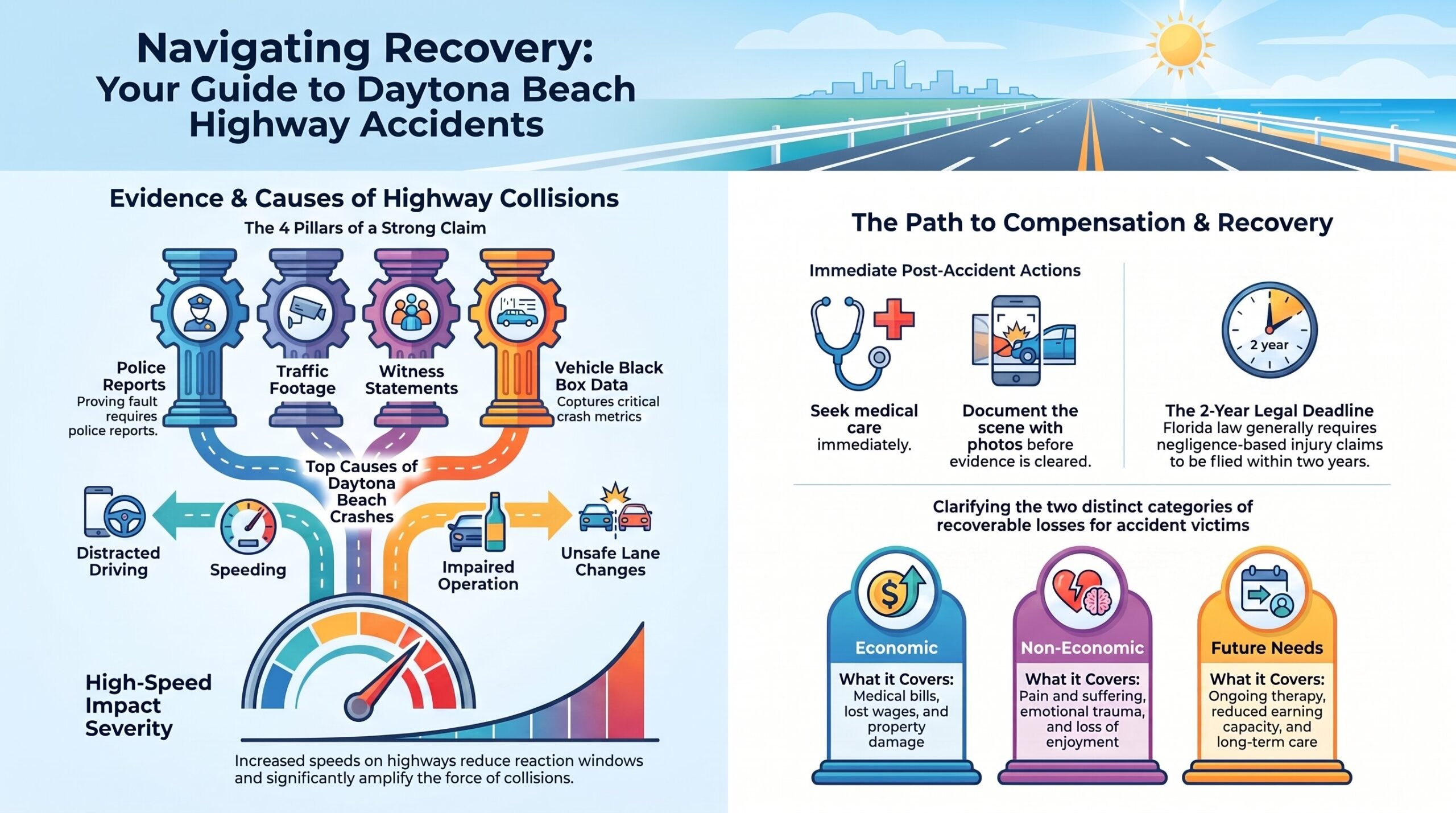
Strong claims rely on police reports, medical records, witness statements, traffic footage, vehicle damage, and black box data.
Effective legal guidance can also address insurer tactics, disputed liability, and future losses explained below.
Main Takeaways
- A Daytona Beach highway car accident lawyer can investigate fault, preserve evidence, and handle communications with insurers.
- Key evidence may include crash reports, medical records, witness statements, traffic footage, vehicle damage, and black box data.
- Common highway crash causes include speeding, tailgating, distracted driving, unsafe lane changes, impairment, weather, and road rage.
- Injury claims should account for medical bills, lost wages, pain, reduced mobility, emotional trauma, and future treatment needs.
- Legal help can challenge low settlement offers and protect your claim from missed deadlines or documentation mistakes.


How We Can Help With Your Daytona Beach Highway Car Accident Injury Claim
After a highway crash in Daytona Beach, an injury claim often requires immediate attention to evidence, insurance deadlines, and the full scope of the injured person’s losses. A qualified legal team can organize records, communicate with insurers, and help protect the claimant from avoidable mistakes. This support may include obtaining crash reports, medical documentation, wage information, and witness statements, then presenting them in a clear demand package.
Insurance settlement negotiations should reflect both current harm and reasonably supported future needs, including ongoing care, reduced earning ability, and daily limitations. Counsel can evaluate offers, explain risks, and pursue a resolution that honors the injured person’s dignity and practical needs. Legal fee agreements should also be reviewed carefully, so the claimant understands costs, payment timing, and responsibilities before moving forward. Through steady guidance, the lawyer’s role is to serve the injured person with preparation, accuracy, and firm advocacy.
OUR CONSULTATIONSARE FREE
START YOUR FREE CASE REVIEW

Understanding Daytona Beach Highway Car Accident Injury Cases
Highway-collision claims in Daytona Beach often involve complex questions about fault, injury severity, insurance coverage, and the long-term impact of the crash. These cases require careful review because injuries may affect mobility, employment, caregiving duties, and the ability to serve family or community. Medical records, diagnostic findings, and physician opinions help establish Injuries classifications, including soft-tissue harm, fractures, spinal damage, traumatic brain injury, and permanent impairment.
A clear trauma recovery timeline also supports fair evaluation. Some individuals improve within weeks, while others face surgery, rehabilitation, pain management, or lasting limitations. This timeline can show how treatment needs develop, whether complications arise, and how daily responsibilities are disrupted. Attorneys, insurers, and medical professionals often examine the consistency between symptoms, treatment, and functional losses. Understanding these elements helps protect injured people from undervalued claims and promotes outcomes that account for both immediate care and future needs.
Common Causes of Daytona Beach Highway Car Accident
Highway collisions in Daytona Beach often result from preventable driver conduct, including distracted driving, speeding, tailgating, impaired driving, and unsafe lane changes. These behaviors can reduce reaction time, increase crash severity, and create dangerous conditions for surrounding motorists. Identifying the cause of a highway accident is crucial to evaluating fault, liability, and the potential legal options available to an injured person.
Distracted Driving
Distracted driving frequently contributes to serious highway collisions in Daytona Beach, where fast-moving traffic leaves little time to react to sudden hazards. Phone use and text messaging can divert a driver’s eyes, hands, and attention, creating dangerous gaps in awareness. Even brief distractions may prevent recognition of changing signals, slowing vehicles, debris, or other roadway hazards.
These failures can place passengers, nearby motorists, and vulnerable individuals at risk, making pedestrian safety an essential concern near exits, crossings, and commercial areas. Service-minded drivers help protect the community by staying attentive, securing devices, and avoiding conversations that compromise safe operation. When distraction leads to injury, investigators may review records, witness statements, and vehicle data to determine how inattention contributed to the crash and harm.
Speeding And Tailgating
When drivers exceed posted limits or follow too closely, they reduce the time and space needed to respond safely to changing traffic conditions. On Daytona Beach highways, these behaviors can turn routine congestion into severe collisions, particularly near exits, construction zones, and merging lanes. Speeding increases stopping distance and crash forces, while tailgating leaves little margin when traffic suddenly slows or a vehicle drifts across a lane boundary.
A Distracted pedestrian near a shoulder or ramp area can also create an unexpected hazard requiring careful braking. Drivers who ignore safe following distances place passengers, nearby motorists, and roadside workers at preventable risk. Responsible road use requires patience, steady observation, and respect for traffic flow. These practices support community safety and protect those serving the public daily.
Impaired Driving
On Daytona Beach highways, impaired driving remains one of the most dangerous causes of serious motor vehicle collisions. Alcohol, drugs, fatigue, or prescription medication can slow reaction time, reduce judgment, and impair coordination, placing drivers, passengers, and roadside responders at severe risk. Alcohol related enforcement helps deter this conduct, yet crashes still occur when motorists choose to drive after consuming substances that compromise safe operation.
Impairment may also combine with Vehicle maintenance lapses, such as worn brakes, poor lighting, or neglected tires, increasing the likelihood that a driver cannot avoid a hazard. Those serving injured individuals often review toxicology evidence, police observations, and vehicle condition records to understand fault. Careful investigation supports accountability, promotes safer roads, and assists victims seeking appropriate recovery after preventable highway harm.
Unsafe Lane Changes
Unsafe lane changes also contribute to many serious highway collisions in Daytona Beach, especially when drivers fail to check their blind spots, misjudge the speed of nearby vehicles, or change lanes without proper signaling. These actions reduce Driver communication and leave surrounding motorists with little time to respond safely. Turn signal failure can be especially dangerous on busy highways, where traffic flow depends on predictable movement and shared awareness.
Proper lane boundary awareness helps drivers maintain safe positioning, avoid sideswipe impacts, and protect passengers, pedestrians, and emergency responders serving the community. During sudden traffic disruptions, a poor choice of emergency lane may put others at risk or block needed access. Careful investigation of lane-change collisions can identify negligent conduct and support accountability for injured individuals.


Legal Rights of Daytona Beach Highway Car Accident Injury Victims
After a highway collision in Daytona Beach, injured victims may have the right to seek compensation from the party responsible for the crash. These rights can include recovery for medical treatment, lost income, reduced earning capacity, property damage, and pain related to the injury. Understanding Insurance claim basics helps victims protect deadlines, document losses, and avoid statements that may weaken a claim.
Medical lien timelines also matter, because hospitals and providers may assert repayment rights from any settlement.
- Victims may seek evidence, including police reports, witness statements, photographs, and medical records, to support claims for liability and damages.
- Victims may communicate through counsel, allowing a legal representative to address insurers while the injured person focuses on recovery and family duties.
- Victims may reject inadequate settlement offers when the amount fails to reflect future care, ongoing limitations, or unpaid bills.
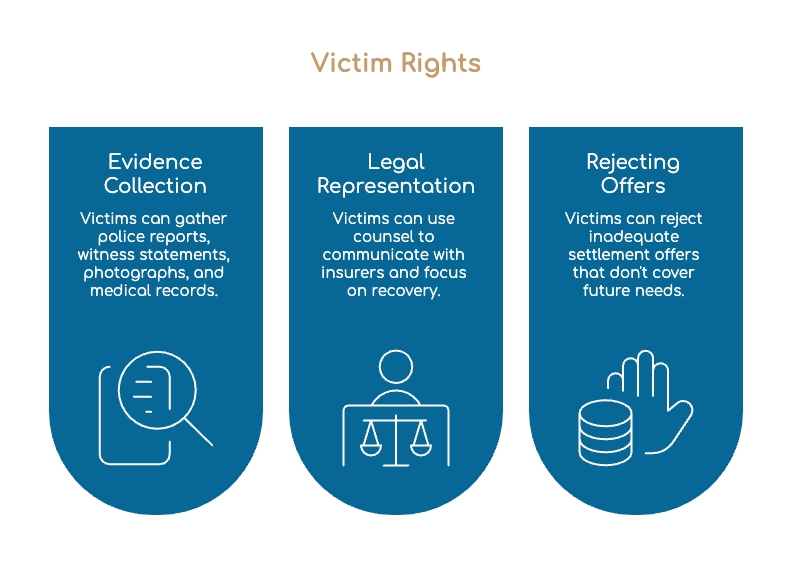
These protections help preserve dignity, stability, and accountability after serious highway injuries.
Why Do Highway Car Accident Injuries Happen on Daytona Beach?
Because highway travel involves higher speeds and shorter reaction times, Daytona Beach car accident injuries often result from a combination of driver negligence, road conditions, and traffic congestion. On busy routes, unsafe lane changes, distracted driving, tailgating, speeding, and impaired operation can quickly turn ordinary travel into severe collisions. Commercial vehicles, tourists unfamiliar with local exits, and daily commuters may share limited space, increasing the risk of sudden braking and side-impact crashes.
Road Rage Escalation may also contribute when aggressive drivers cut off others, refuse to yield, or follow too closely. These behaviors can pose preventable dangers to families, workers, emergency responders, and others who rely on safe highways. Weather-related collisions are another concern in Daytona Beach, where rain, standing water, glare, and reduced visibility can make control more difficult. When drivers fail to adjust to these conditions, injuries may result from rollovers, rear-end collisions, or multi-vehicle crashes.
What Should You Do After a Daytona Beach Highway Car Accident Injury?
After a Daytona Beach highway car accident injury, an injured person should seek immediate medical care to identify and treat any trauma. The crash scene should be documented when it is safe to do so, including photos, witness information, and relevant vehicle details. A car accident lawyer may then help preserve evidence, address insurance issues, and evaluate potential claims.
Seek Immediate Medical Care
Seek prompt medical attention as soon as possible following a Daytona Beach highway car accident, even when injuries seem minor at first. A careful medical evaluation can detect internal injuries, concussions, soft tissue damage, or delayed symptoms that may worsen without treatment. For those committed to serving others, protecting personal health is necessary before resuming family, work, or community responsibilities.
Immediate care also helps preserve medical records, including diagnoses, treatment plans, prescriptions, and follow-up recommendations. These records may connect the injury to the collision and support a future insurance claim or legal action. Medical providers may also help identify evidence of liability through documented injury patterns and patient statements. Delaying treatment can create doubt about causation, reduce claim value, and place long-term recovery at unnecessary risk for everyone involved.
Document The Crash Scene
When it is safe to remain at or near the scene, crash documentation should begin as soon as possible following a Daytona Beach highway car accident. Clear records can help preserve facts for insurers, investigators, and those assisting the injured. Useful steps include Photographing vehicle damage, roadway debris, traffic signals, lane positions, weather conditions, and visible injuries.
Documenting skid marks may also help show braking, speed, or evasive movement before impact. If possible, a person should record the location, time, road direction, and names of witnesses. Notes should remain factual, without guesses about fault. Those helping others should avoid blocking traffic or entering dangerous areas. Careful documentation, completed calmly and safely, can support accurate review of the crash and the needs of those harmed afterward.
Contact A Car Accident Lawyer
Why should legal guidance be considered early after a Daytona Beach highway car accident injury? An injured person may face medical decisions, damaged transportation, lost income, and pressure from insurance representatives at the same time. A car accident lawyer can help organize the response, protect important evidence, and explain Insurance claim timelines before deadlines create avoidable harm. This support allows families, caregivers, and community members to focus on practical care while legal issues are addressed in a structured way.
Counsel may also assist with medical record collection, including emergency reports, diagnostic results, therapy notes, and physician opinions. These records help connect the crash to the injury and support fair evaluation. Early contact does not require immediate litigation, but it can preserve rights, reduce confusion, and promote a disciplined path forward after the collision.
Critical Evidence in a Daytona Beach Highway Car Accident Injury Case
Critical evidence can strongly influence liability, causation, and damages in a Daytona Beach highway car accident injury case. Key materials often include 1. police accident reports, 2. traffic camera footage and witness statements, and 3. vehicle damage evidence. Each category may help reconstruct the collision, verify the parties’ accounts, and support a claim for compensation.
Police Accident Reports
After a highway collision in Daytona Beach, the police accident report often becomes one of the first critical records reviewed in an injury claim. This report may identify drivers, witnesses, vehicle positions, citations, weather, injuries, and the responding officer’s preliminary observations. For injured motorists and families seeking accountability, police documentation can help organize facts and preserve details that might otherwise fade.
The report may also note roadway defects, debris, poor lighting, or signs of Negligent maintenance when such conditions contributed to the crash. While not always conclusive, it can guide further investigation, including witness interviews, vehicle inspections, medical records, and dashcam footage. A Daytona Beach highway car accident lawyer may use the report to assess fault, challenge inaccuracies, and support a claim for fair compensation.
Traffic Camera Footage
When a highway collision occurs near monitored intersections, ramps, toll areas, or commercial properties, traffic camera footage may provide an objective view of how the crash unfolded. This evidence can show vehicle positions, lane changes, traffic signal phases, speed patterns, and the timing of impacts. A Daytona Beach highway car accident lawyer may act quickly to identify camera sources, request preservation, and prevent routine deletion.
Footage can also support the collection of Witness evidence by clarifying what nearby individuals may have observed, without addressing their statements. When liability is disputed, video may reduce uncertainty and strengthen the evaluation of the case. It can also guide Insurance negotiation strategies by presenting visual evidence that supports fault, causation of injury, and damages. Careful review helps injured people pursue accountability with dignity and purpose.
Witness Statements
Because highway crashes often happen in seconds, witness statements can provide important context that physical evidence or traffic camera footage may not fully capture. Neutral observers may describe lane changes, speeding, sudden braking, driver distraction, road hazards, or weather conditions before impact. Their accounts can help clarify fault, especially when involved drivers provide conflicting versions of events. In some cases, witnesses may also note poor lighting, debris, missing signage, or unsafe roadway conditions relevant to Negligent maintenance claims.
Prompt post-accident documentation of witness names, contact information, and statements helps preserve details before memory fades. Attorneys may compare these accounts with police reports, medical records, and available video to build a reliable timeline. Careful witness follow-up supports fair evaluation and helps injured people pursue accountability with dignity and purpose.
Vehicle Damage Evidence
Witness statements often explain how a highway collision unfolded, but evidence of vehicle damage can show the forces, angles, and points of impact involved. Crushed panels, broken glass, paint transfer, tire marks, and airbag deployment may help establish speed, lane position, and collision sequence. Vehicle black boxes can preserve braking, throttle, steering, and impact data, providing objective evidence when memories differ or accounts conflict.
For injured motorists, careful preservation of damaged vehicles may prevent important proof from being lost through repairs, salvage, or disposal. This evidence also helps counter Insurance adjuster tactics that minimize the severity of the impact or argue that injuries were unrelated. Attorneys and reconstruction experts may inspect the vehicles, photograph damage, and compare physical findings with medical records, police reports, and roadway evidence to protect a valid injury claim.
Long-Term Effects of Daytona Beach Highway Car Accident Injuries
Highway car accident injuries in Daytona Beach may cause lasting consequences that extend well beyond initial medical treatment. Chronic pain conditions, reduced mobility, and emotional trauma can interfere with employment, daily activities, and overall quality of life. These long-term effects are often central to evaluating the full scope of damages in an injury claim.
Chronic Pain Conditions
After a serious crash on a Daytona Beach highway, chronic pain may develop from injuries that do not fully recover or from damage that worsens over time. Persistent neck, back, shoulder, nerve, or joint pain can affect sleep, concentration, employment, and the ability to care for others. These conditions may require ongoing evaluations, medication management, therapy, injections, or expert referrals.
How insurance handles chronic pain often depends on medical consistency, diagnostic support, treatment history, and evidence showing that symptoms relate to the collision. Pain documentation strategies may include daily symptom journals, functional limitation notes, provider records, imaging results, prescription histories, and statements from caregivers or coworkers. Careful documentation helps clarify the true burden of pain and supports fair consideration of future medical needs, lost earnings, and diminished quality of life.
Reduced Mobility
Chronic pain often overlaps with reduced mobility, particularly when an injury limits strength, balance, flexibility, or endurance. After a Daytona Beach highway crash, reduced mobility may follow fractures, spinal injuries, joint damage, or severe soft tissue trauma. These limitations can affect walking, standing, driving, household tasks, and the ability to provide steady support to family members or others who rely on daily assistance.
Careful evaluation helps identify Assistive device needs, including canes, walkers, braces, wheelchairs, or vehicle modifications. Physical therapy, home adjustments, and coordinated medical follow-up may also be required. When mobility loss is expected to continue, long-term care planning becomes important. This planning may address future treatment, attendant care, transportation support, and accessible living arrangements, ensuring the injured person’s functional needs are responsibly documented and addressed.
Emotional Trauma Effects
Although physical injuries may be the most visible consequence of a Daytona Beach highway collision, emotional trauma can produce lasting disruption in daily life. Individuals may experience anxiety while traveling, heightened alertness near traffic, or avoidance of roads that resemble the crash scene. Survivor guilt can affect those who lived when others were severely harmed, creating persistent sorrow, shame, or difficulty accepting support. Post-crash nightmares may interfere with sleep, concentration, and steady caregiving responsibilities at home or work.
Over time, these symptoms can weaken relationships, reduce patience, and limit a person’s ability to serve family, coworkers, or community members. Careful documentation, counseling, and appropriate medical evaluation can help connect emotional injuries to the collision, supporting recovery and any related legal claim with clarity.
Proving Liability in Daytona Beach Highway Car Accident Injury Cases
Proving liability in a Daytona Beach highway car accident injury case requires a careful review of how the crash occurred, who acted negligently, and what evidence connects that conduct to the victim’s injuries. This process may involve police reports, roadway evidence, witness statements, vehicle damage, traffic camera footage, and expert reconstruction when necessary.
A responsible legal review considers whether a driver violated traffic laws, followed too closely, changed lanes unsafely, drove while distracted, or failed to adjust to highway conditions. In Florida, Comparative Negligence may reduce recovery if the injured person shares fault, making accurate fault analysis essential for fair outcomes.
Liability findings also support Damages Calculation, including medical costs, lost income, reduced earning capacity, pain, and long-term limitations. For those committed to serving injured community members, clear proof helps ensure that accountability is based on facts, not assumptions, and that each harmed person’s needs are fully recognized.
Dealing With Insurance Companies After a Daytona Beach Highway Car Accident Injury
After a Daytona Beach highway car accident, insurance companies often begin evaluating the claim before the injured person fully understands the medical, financial, and legal consequences of the crash. Their representatives may request recorded statements, broad medical authorizations, or quick settlement discussions that do not reflect the full impact of the injury. Careful communication is necessary, especially when the injured person is focused on recovery, family responsibilities, and preserving stability for others who depend on them.
A Daytona Beach highway car accident lawyer may help protect the claim by managing insurer communications, reviewing policy terms, and accurately documenting losses. Negotiation tactics used by insurers can include disputing treatment needs, minimizing pain complaints, or shifting blame despite evidence.
When an insurer unreasonably delays, denies, or undervalues a valid claim, concerns involving insurance bad faith may arise. Professional guidance helps ensure communications remain measured, complete, and aligned with the injured person’s long-term interests.
What to Expect During a Daytona Beach Highway Car Accident Injury Claim Process
A Daytona Beach highway car accident injury claim typically begins with reporting the crash, obtaining medical care, and preserving evidence related to injuries and fault. The insurance claim review may involve examining police reports, medical records, witness statements, vehicle damage, and the long-term effects of the collision. If negotiations do not result in a fair settlement, the claim may proceed toward a lawsuit to pursue compensation through the court system.
Reporting The Crash
On a Daytona Beach highway, promptly reporting the crash creates an official record that can be important in an injury claim. The involved motorists should contact law enforcement, request medical assistance when needed, and follow Emergency response steps that protect everyone from further harm. Officers may secure the scene, speak with drivers and witnesses, and prepare a crash report that later helps clarify fault and timeline.
A person serving an injured passenger, family member, or community member can support the process by staying calm, sharing accurate information, and avoiding speculation. When safe, documenting vehicle damage through photographs or notes may help preserve basic scene details. The report number, officer’s name, agency, and location should be recorded for future reference and insurance communication after the highway crash.
Gathering Injury Evidence
Once the crash has been reported, the injury claim process often turns to evidence that shows the nature, severity, and cause of the harm suffered. Medical records, diagnostic images, treatment plans, and physician notes help establish how injuries affect daily function, work capacity, and long-term care needs. Accident Scene Documentation may include photographs, roadway conditions, vehicle damage, debris fields, traffic signals, and witness information collected near the time of the collision. These materials can help connect physical injuries to the highway crash rather than unrelated causes.
A careful Insurance Evidence Review may also consider ambulance records, emergency room findings, therapy notes, prescriptions, and documented pain complaints. When organized promptly, this evidence supports accurate communication, protects injured persons from avoidable confusion, and helps responsible decision-makers serve those harmed with fairness.
Insurance Claim Review
As medical and accident evidence becomes organized, the insurance claim review typically shifts to assessing coverage, liability, damages, and the information each insurer requests. Adjusters may examine policy limits, recorded statements, photographs, medical records, wage documentation, and Police report timelines to determine whether the claim file is complete. A careful review helps identify gaps that could delay assistance for an injured person and supports a service-focused approach to protecting their needs.
Counsel may monitor communications, clarify disputed facts, and ensure that insurers consider the full impact of highway-related injuries. During this stage, settlement negotiation tactics may be assessed, but the focus remains on preparation, documentation, and fair evaluation of the claim. Accurate submissions can reduce confusion, preserve credibility, and help the injured party move toward an informed decision.
Settlement Or Lawsuit
After the insurance claim review clarifies coverage, liability, and damages, the claim often reaches a point where the injured person must evaluate whether settlement remains reasonable or whether filing a lawsuit may be necessary. Insurance negotiation may resolve the matter when the offer reflects medical needs, lost income, pain, and future limitations. When an insurer undervalues the harm or disputes fault, litigation can provide structure, deadlines, and formal evidence gathering.
A Daytona Beach highway car accident lawyer may assess whether continued negotiation serves the client’s recovery goals or whether court action better protects long-term interests. Trial preparation can also strengthen settlement discussions, because documented readiness shows that the claim is supported by evidence. Each decision should promote fair accountability while respecting the injured person’s stability and practical needs.
Compensation for Daytona Beach Highway Car Accident Injury Damages
When a highway collision in Daytona Beach causes serious injury, compensation may be available for the financial and personal losses that follow. A lawyer may evaluate medical records, crash reports, witness accounts, and treatment plans to connect the collision to the claimed harm. This process is central to proving damages, especially when injuries require ongoing care, rehabilitation, or assistance with daily responsibilities.
Careful documentation also helps address liability defenses raised by insurers, such as claims that symptoms existed before the crash or resulted from unrelated conduct. If Medical negligence contributed to worsening injuries after the collision, that issue may require separate review while preserving the highway accident claim.
A structured pain assessment can help assess the seriousness of the injury, including physical limitations, sleep disruption, and reduced ability to fulfill family, work, or community duties. Effective representation seeks fair recovery while respecting the injured person’s dignity and long-term needs.
Economic vs Non-Economic Damages in Daytona Beach Highway Car Accident Cases
In Daytona Beach highway car accident cases, damages are generally divided into economic losses, such as medical bills and lost wages, and non-economic losses, including pain and emotional distress. This distinction helps establish the full scope of harm caused by the crash, beyond the immediate financial burden. Proving these damages requires organized evidence, credible documentation, and a clear connection between the highway accident and the claimed losses.
Medical Bills And Wages
Many Daytona Beach highway car accident claims fall into two broad categories of compensation: economic and non-economic damages. Medical bills and lost wages fall within economic damages because they can be documented through records, invoices, and employment information. These losses may include emergency care, hospital treatment, rehabilitation, prescriptions, follow-up visits, and income missed during recovery.
When injuries limit a person’s ability to return to work, projected wage loss may also require careful review. Independent witness accounts can support the timeline of the collision, assisting in proving fault negligence when liability is disputed. Accurate documentation helps insurers, attorneys, and courts understand the financial burden placed on an injured person. A careful approach protects resources needed for treatment, stability, and responsible support of family obligations.
Pain And Emotional Distress
Pain and emotional distress are generally classified as non-economic damages because they reflect human losses that do not come with invoices or payroll records. After a highway collision, an injured person may endure daily discomfort, anxiety in traffic, Sleep interruption, or reduced independence. These harms can affect family roles, volunteer commitments, caregiving duties, and the quiet routines through which people serve others.
Non-economic damages also address loss of enjoyment, including the inability to participate in worship, community work, exercise, hobbies, or meaningful time with loved ones. In Daytona Beach highway accident cases, these losses are evaluated separately from medical bills and wages because they concern dignity, function, and quality of life. Their value depends on the seriousness, duration, and personal impact of the injuries involved.
Proving Highway Accident Damages
To recover fair compensation after a highway collision, the injured person must prove both the existence and the value of each claimed loss. Economic damages may include emergency care, surgery, rehabilitation, lost wages, reduced earning capacity, and vehicle repair costs. Medical documentation, billing records, employment records, and expert opinions help connect these losses to the crash. Non-economic damages address pain, emotional distress, loss of enjoyment, and daily limitations that cannot be measured by invoices alone.
Credible testimony, treatment history, and consistent symptom reporting can support these claims. In Daytona Beach highway cases, careful preparation is important during insurance settlement negotiations, because insurers often challenge necessity, causation, and severity. A well-supported damages presentation helps protect the injured person’s interests while promoting accountability, stability, and responsible care.
When a Daytona Beach Highway Car Accident Injury Case Goes to Trial vs Settlement
When a Daytona Beach highway car accident injury claim reaches a pivotal stage, the central question often becomes whether the case should settle or proceed to trial. Settlement may provide timely compensation, reduced stress, and privacy, helping injured individuals focus on recovery and family responsibilities. A trial may be necessary when liability, injury severity, or the value of losses remains disputed.
A Trial strategy overview evaluates the strength of the evidence, witness credibility, medical documentation, and the likely response of a jury. Attorneys may assess whether presenting the case publicly serves the client’s long-term interests and supports a just outcome. The Jury selection process also matters, because impartial jurors must be chosen to hear the facts carefully and apply reasoned judgment.
For those committed to serving injured people with dignity, the decision should reflect preparation, compassion, and practical risk assessment. Both paths require careful advocacy and disciplined attention to the person harmed.
Florida Laws That May Affect Your Daytona Beach Highway Car Accident Case
The choice between settlement and trial is shaped not only by the evidence but also by Florida law governing highway car accident claims in Daytona Beach. These rules guide fault, compensation, and the responsibilities of drivers, riders, and insurers.
- Comparative Negligence Rules: Florida may reduce an injured person’s recovery when that person shares responsibility for the crash. Careful fact review helps protect a fair outcome.
- Insurance requirements: Personal injury protection and liability coverage can affect how medical bills, lost income, and damages are pursued after a highway collision.
- Helmet Requirements: Motorcycle and moped riders may face questions about lawful helmet use, especially when head injuries are alleged. Compliance can influence defense arguments and case value.
For those committed to serving injured people, understanding these laws supports better decisions, clearer guidance, and a more disciplined approach to negotiations or trial preparation. Legal counsel can apply them to specific facts.
The Statute of Limitations for Daytona Beach Highway Car Accident Injury Cases
In Daytona Beach highway car accident injury cases, the statute of limitations sets a strict deadline for filing a lawsuit after a crash. Under Florida law, most negligence-based injury claims must be filed within 2 years of the date of the accident. If this deadline passes, an injured person may lose the right to seek compensation through the civil court system, regardless of the severity of the harm.
This deadline often runs alongside the Insurance dispute timeline, but it is not controlled by insurer delays, negotiations, or claim reviews. Those assisting injured individuals should understand that patience with an insurance process does not extend the legal filing period. Maintaining injury documentation is also important throughout this period, including medical records, therapy notes, wage loss information, and evidence of ongoing limitations. Careful attention to dates supports accountability, preserves available claims, and helps ensure that injured people are treated with procedural fairness.
How a Daytona Beach Highway Car Accident Lawyer Can Help You
After legal deadlines are identified and preserved, a Daytona Beach highway car accident lawyer can help by organizing the injury claim, evaluating liability, and protecting the injured person from avoidable procedural errors. This support allows families, caregivers, and community-minded advocates to focus on recovery while the legal issues are managed with care.
- Claim assessment: The lawyer reviews crash reports, Medical expenses, lost income, and insurance coverage to determine the practical value of the claim and available sources of compensation.
- Evidence development: Effective evidence preservation may include securing photographs, vehicle data, roadway details, medical records, and repair documentation before important information becomes unavailable.
- Liability presentation: The lawyer evaluates witness credibility, compares statements with physical evidence, and addresses disputes raised by insurers or opposing parties.
Through structured preparation, the injured person’s position can be presented clearly, fairly, and consistently in negotiations or litigation.
When to Contact a Daytona Beach Highway Car Accident Lawyer
For many injured motorists and passengers, contacting a Daytona Beach highway car accident lawyer should occur as soon as immediate medical needs are addressed and basic safety concerns are resolved. Early contact helps ensure the preservation of evidence, including crash reports, vehicle damage, witness accounts, roadway conditions, and available surveillance footage. These materials may become harder to obtain over time, especially after highway collisions involving multiple vehicles or commercial carriers.
A lawyer should also be contacted when insurers request recorded statements, dispute medical treatment, delay communication, or offer a quick settlement before the full extent of the harm is known. Such circumstances may raise concerns about insurance bad faith, particularly when a fair evaluation is avoided. Prompt legal guidance can support organized documentation, careful communication, and timely claim handling.
If injuries are serious, liability is disputed, or long-term losses are expected, early involvement also allows responsible trial preparation, even while settlement remains possible and appropriate.
Why You Need an Experienced Daytona Beach Highway Car Accident Lawyer
Because highway crashes often involve severe injuries, complex liability issues, and aggressive insurance defense strategies, experience can have a particularly significant impact on the direction of a claim. An experienced Daytona Beach highway car accident lawyer understands how high-speed collisions create urgent legal and practical needs, especially when injured people require steady support while families focus on care.
Such representation helps protect evidence before it disappears. Crash scene preservation, prompt investigation, and careful review of roadway conditions may clarify how the collision occurred. Strong medical documentation can connect injuries to the crash and support the full scope of damages, including future care needs. Witness credibility also requires careful assessment, since statements may influence fault decisions and settlement value.
Insurance negotiation is another essential area. Insurers may minimize losses, dispute treatment, or shift blame. A seasoned lawyer can respond with organized proof, informed analysis, and disciplined advocacy, helping preserve the injured person’s rights while pursuing fair accountability.
How to Choose the Right Daytona Beach Highway Car Accident Lawyer for Your Case
Choosing the right Daytona Beach highway car accident lawyer begins with evaluating whether the attorney has direct experience handling high-speed collision claims, serious injury cases, and disputes involving multiple potentially liable parties. A qualified lawyer should understand accident reconstruction, insurance defense tactics, medical documentation, and the long-term effects of catastrophic injuries. This knowledge supports accurate Case valuation, which helps injured individuals pursue compensation that reflects medical needs, lost income, pain, and future limitations.
The selection process should also consider communication, responsiveness, and a service-focused approach. An attorney who explains each stage clearly can help clients make informed decisions during a difficult time. The lawyer should present a settlement strategy based on evidence, liability, damages, and the client’s best interests, rather than pressure or convenience.
Reviewing prior results, professional reputation, and trial readiness can further indicate whether the attorney is prepared to protect the claim from undervaluation and serve the client effectively.
About The Law Offices of Anidjar & Levine
When injured individuals need legal support after a highway collision in Daytona Beach, The Law Offices of Anidjar & Levine offers representation focused on client service, case preparation, and financial recovery.
The firm assists victims and families with claims involving negligence, serious injuries, medical costs, lost income, and long-term losses.
Its approach begins with careful case evaluation, allowing the legal team to identify liability issues, damages, and available insurance coverage.
Through a detailed review of evidence, the firm examines crash reports, medical records, witness accounts, and other materials that may support a claim.
Client communication remains central, as injured people often need timely updates, clear explanations, and responsive guidance while recovering.
The firm also develops a settlement strategy tailored to each case, seeking fair compensation while preparing for litigation when necessary.
This service-oriented model helps clients pursue justice, restore stability, and focus on rehabilitation after a serious Daytona Beach highway accident.
Frequently Asked Questions
Can Out-of-State Drivers File Claims After Highway Accidents in Daytona Beach?
Yes, out-of-state drivers may file claims after highway accidents in Daytona Beach. Out-of-state jurisdiction can affect venue, service, and applicable procedures, but Florida law often governs crashes occurring within Florida. Claimants should observe the claims deadline, follow the Florida insurance process, and preserve evidence across multiple states, including medical records, repair estimates, and witness information. A careful approach helps protect recovery while supporting fair outcomes for injured parties.
Are Highway Construction Zones Relevant to My Daytona Beach Accident Claim?
Yes, highway construction zones may materially affect an accident claim. Construction zone limits can influence speed requirements, driver duties, lane changes, and fault analysis. Barricade evidence, signage placement, traffic control plans, and worker reports may show whether hazards were properly managed. An injured person serving family or community interests should promptly preserve photographs, witness statements, and records, as these facts may help determine liability among drivers, contractors, or agencies.
What if a Rental Car Was Involved in the Highway Crash?
If a rental car was involved, investigators examine Rental Liability, the driver’s conduct, rental agreements, and applicable Insurance Coverage. The rental company may have limited responsibility unless poor maintenance, negligent entrustment, or statutory duties apply. The renter’s personal policy, credit card benefits, and purchased rental protection may affect recovery. A careful claims review helps injured parties and those assisting them identify responsible parties and promptly preserve critical evidence.
Do Commercial Truck Accidents Require Different Legal Strategies?
Yes, commercial truck accidents often require different strategies because regulations, evidence sources, and responsible parties are broader than in ordinary collisions. Counsel may examine driver logs, maintenance records, loading practices, employer policies, and federal safety compliance. Liability Proofs may involve the driver, carrier, broker, shipper, or maintenance provider. A service-focused legal approach preserves evidence quickly, supports injured individuals, and builds a precise claim for fair accountability.
Can Tourists Hire a Daytona Beach Highway Car Accident Lawyer?
Yes, tourist eligibility generally allows visitors injured on local highways to hire counsel in Daytona Beach. An attorney may explain the local claim process, preserve evidence, coordinate medical documentation, and communicate with insurers while the visitor returns home. This support helps protect legal rights, promotes orderly resolution, and serves injured travelers with practical guidance. Timely consultation is advisable because Florida deadlines and insurance requirements may affect recovery options.
—————————
Highway crashes in Daytona Beach can leave victims facing serious injuries, financial strain, and intricate insurance disputes.
Prompt legal guidance helps protect their rights, preserve evidence, and pursue fair compensation for medical care, lost income, and other damages.
The Law Offices of Anidjar and Levine provides knowledgeable representation for injured clients throughout the claims process.
Those harmed in a highway collision should consider contacting a qualified Daytona Beach Car Accident Lawyer for case-specific guidance.