The Law Offices of Anidjar and Levine helps injured victims preserve evidence, document liability, and pursue compensation for medical care, lost income, pain, and long-term limitations after a drunk driving crash. A Daytona Beach Car Accident Lawyer can assist with cases involving police reports, breath or blood alcohol evidence, witness statements, crash photographs, medical records, and insurance disputes over fault or damages.
Legal support can also protect victims from risky statements and premature settlements. The sections below explain the process, rights, evidence, and lawyer selection in greater detail.
Main Takeaways
- A Daytona Beach drunk driving accident lawyer can help preserve evidence, including photos, crash reports, witness statements, and surveillance footage.
- Legal support can connect the impaired driver’s reckless conduct to injuries, property damage, and financial losses.
- Victims may seek compensation for medical bills, lost income, reduced earning ability, pain, suffering, and future care needs.
- A lawyer can handle insurer communications and protect you from unfair disputes over fault, treatment, or claim value.
- Early legal review helps identify liable parties, meet deadlines, organize records, and prepare for negotiation or trial.


How We Can Help With Your Daytona Beach Drunk Driving Car Accident Injury Claim
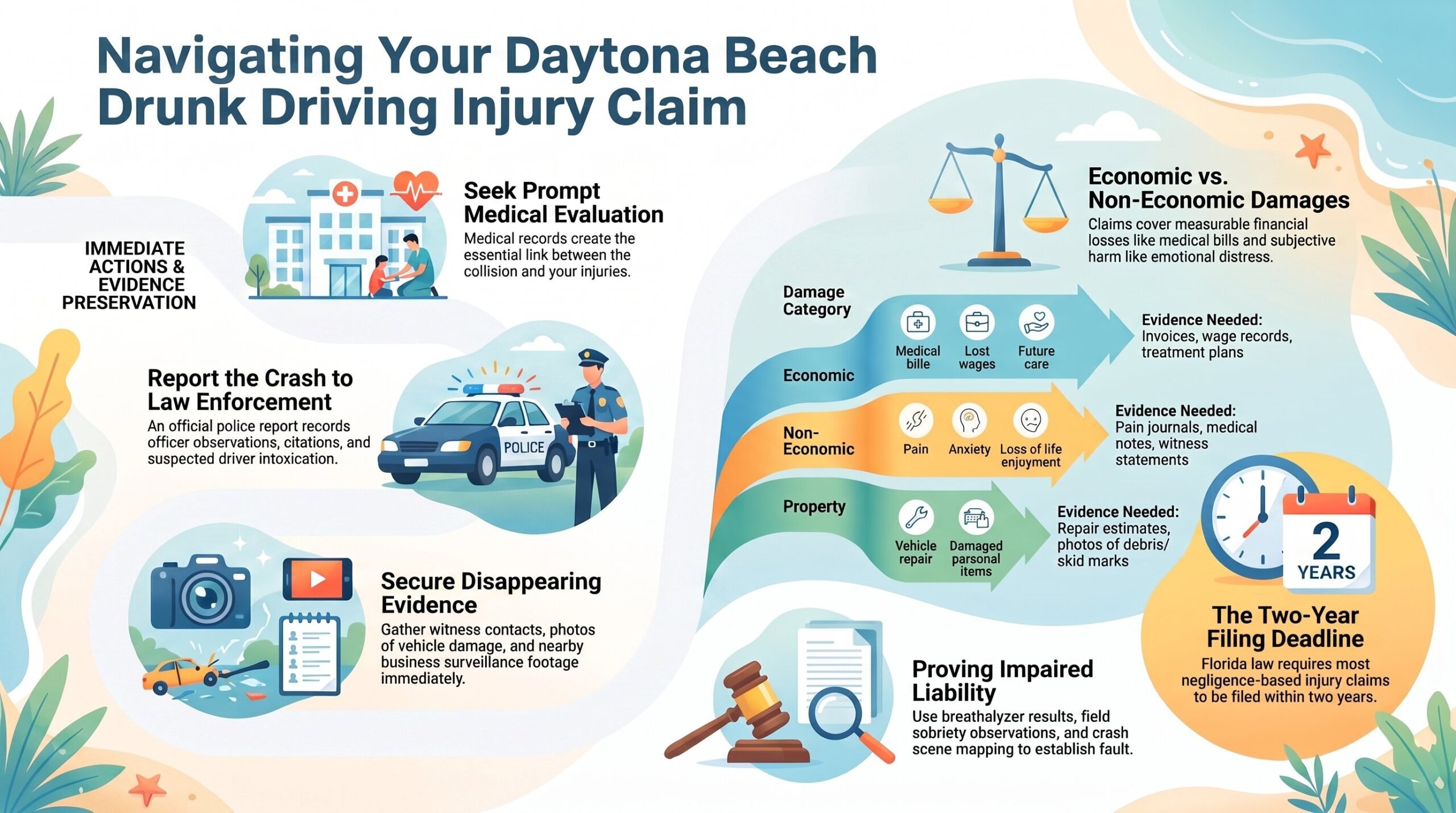
When a drunk driving crash in Daytona Beach results in serious injuries, a personal injury lawyer can help protect the injured person’s rights while building a claim for full and fair compensation. The legal team may begin with evidence preservation, including photographs, vehicle data, witness information, medical records, and available surveillance footage. Careful liability documentation can link reckless conduct to the harm suffered while also addressing potential insurance disputes.
A lawyer can also evaluate damages, coordinate communication with insurers, and help prevent statements that may weaken the claim. A focused Negotiation strategy can present the injured person’s losses clearly and demand accountability without unnecessary delay. If settlement efforts do not yield a fair result, trial preparation may include expert review, exhibit preparation, testimony planning, and courtroom filings. Through steady guidance, the lawyer supports the injured person’s recovery and pursues justice with discipline, compassion, and professional resolve following serious harm.
OUR CONSULTATIONSARE FREE
START YOUR FREE CASE REVIEW

Understanding Daytona Beach Drunk Driving Car Accident Injury Cases
Because impaired driving can turn an ordinary trip into a severe collision, Daytona Beach drunk driving car accident injury cases often involve both complex liability issues and substantial damages. These claims may include emergency treatment, ongoing medical care, lost income, reduced earning ability, pain, and long-term physical limitations. A careful review helps clarify how the crash affected the injured person and the family members who may now provide daily support.
Case evaluation often requires organized evidence, including medical records, witness statements, crash reports, and photographs. It may also be necessary to Document Property Damage to show collision severity and preserve a complete record of losses. Insurance carriers may question fault, medical necessity, treatment length, or the value of the claim. Skilled legal review can Identify Insurance Disputes early, allowing advocates to respond with accurate documentation and firm negotiation. This structured approach supports accountability while helping injured individuals pursue fair recovery.
Common Causes of Daytona Beach Drunk Driving Car Accident
Drunk driving crashes in Daytona Beach often stem from impaired judgment, slower reaction times, excessive speeding, and wrong-way driving. These factors can cause drivers to misread traffic conditions, fail to respond to hazards, or make reckless decisions that place others at serious risk. Understanding these common causes helps explain how intoxication contributes to preventable collisions and resulting injury claims.
Impaired Judgment
Although alcohol affects each person differently, impaired judgment is one of the most dangerous causes of drunk driving car accidents in Daytona Beach. When judgment declines, a driver may underestimate intoxication, ignore traffic laws, misread road conditions, or choose to drive despite safer options. These decisions place passengers, pedestrians, cyclists, and other motorists at preventable risk.
Field sobriety observations, witness accounts, and chemical testing may help establish how poor judgment contributed to a collision, provided the evidence satisfies applicable evidentiary standards. After a crash, injured individuals often face insurer delay, disputed liability, or attempts to minimize harm. A careful settlement strategy considers the impaired driver’s choices, available proof, medical losses, and long-term needs. This approach supports accountability while helping victims pursue financial recovery with dignity.
Slower Reaction Times
When alcohol slows the brain’s ability to process information, a driver may need more time to recognize danger and navigate appropriately. This reaction delay can turn ordinary traffic conditions into serious hazards, especially when pedestrians, cyclists, or nearby vehicles require immediate attention. Alcohol impairment affects visual focus, judgment, and coordination, making collision avoidance more difficult even at lawful speeds.
A sober driver may brake, navigate, or yield in time, while an impaired driver may respond too late to prevent harm. In Daytona Beach, where visitors and residents share busy roads, slower reactions can endanger families, workers, and community members. Defensive driving by others may reduce risk, but it cannot always overcome delayed responses caused by intoxication. These crashes often reflect preventable choices with lasting consequences.
Excessive Speeding
Slower reaction times become even more dangerous when alcohol-impaired drivers also choose to exceed the speed limit. Excessive speeding reduces the time available to recognize hazards, stop safely, or yield to pedestrians, cyclists, and other motorists. In Daytona Beach, where visitors, workers, and families share busy roads, this conduct can turn a preventable mistake into a severe collision.
Alcohol may also increase risk-taking, contributing to Traffic signal violations, unsafe lane changes, and aggressive acceleration near intersections. Cases involving underage drinking can be especially troubling, because inexperienced drivers may lack the judgment to appreciate how speed and impairment combine. For those committed to protecting the community, identifying speeding as a contributing factor helps explain liability, support injury claims, and promote safer driving practices after a drunk driving crash.
Wrong-Way Driving
Because alcohol can impair orientation, judgment, and visual processing, wrong-way driving is a serious and often catastrophic cause of drunk driving accidents in Daytona Beach. An impaired driver may enter a highway ramp incorrectly, cross a centerline, or travel against traffic after leaving a bar, hotel, or event. These collisions often occur at high combined speeds, creating severe injuries and, in the gravest cases, Wrongful death.
Careful review of liability factors may include intoxication levels, roadway signage, lighting, witness statements, and any business that continued serving alcohol. Insurance coverage must also be examined, including bodily injury limits, uninsured motorist benefits, and potential commercial policies. Prompt evidence preservation, such as securing video footage and vehicle data, helps protect injured people and supports accountability after preventable harm.


Legal Rights of Daytona Beach Drunk Driving Car Accident Injury Victims
After a drunk driving crash in Daytona Beach, injured victims may have the legal right to pursue compensation for the harm caused by an impaired driver’s negligence. These rights may include claims for medical expenses, lost income, diminished earning capacity, pain and suffering, and future care needs.
A careful legal review can help preserve evidence, identify liable parties, and protect the victim from unfair insurance practices.
The Insurance claim timeline can affect deadlines, documentation, and negotiation strategy, making early action important for those assisting an injured person.
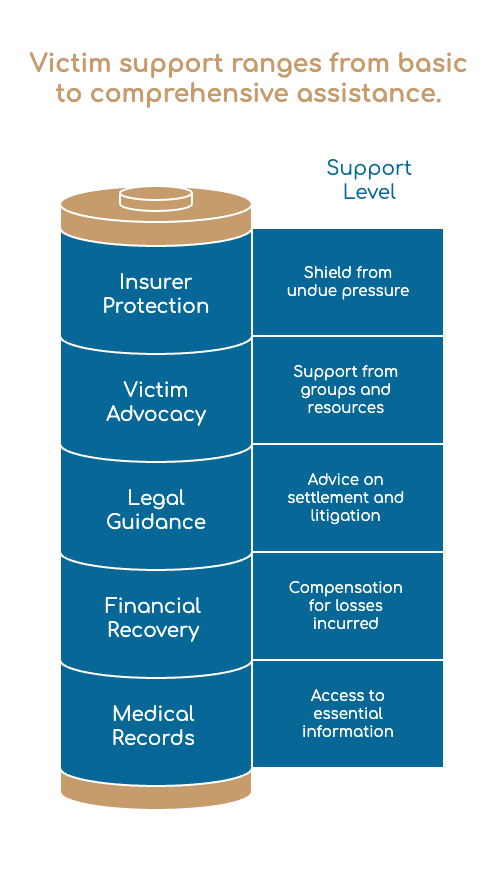
- Access to medical treatment records and crash reports
- Recovery for financial losses and non-economic harm
- Protection from pressure by insurers or opposing parties
- Support from victim advocacy groups and community resources
- Legal guidance regarding settlement offers or litigation
For families, caregivers, and service-minded supporters, understanding these rights helps ensure the injured person is treated with dignity, stability, and appropriate legal protection after a serious collision.
Why Do Daytona Beach Drunk Driving Car Accident Injuries Happen?
When alcohol impairs a driver’s judgment, coordination, and reaction time, ordinary traffic conditions in Daytona Beach can quickly become dangerous. Intoxicated drivers may drift between lanes, misread traffic signals, follow too closely, or enter intersections without recognizing oncoming vehicles. These errors often leave sober motorists, passengers, cyclists, and pedestrians with little time to avoid harm.
Injuries occur because impaired driving changes both the likelihood and severity of a collision. A drunk driver may brake too late, strike another vehicle at an unsafe angle, or cause a high-speed impact on roads near beaches, hotels, restaurants, and entertainment areas. Seatbelt impact can reduce ejection risks, yet it may also correspond with chest, shoulder, or abdominal trauma when forces are severe.
Crash safety features help protect occupants, but they cannot eliminate injuries caused by reckless impairment. Those committed to serving injured people should understand that these crashes often result from preventable choices rather than unavoidable roadway hazards.
What Should You Do After a Daytona Beach Drunk Driving Car Accident Injury?
After a Daytona Beach drunk driving car accident injury, the injured person’s immediate actions can affect both medical recovery and any future legal claim. Prompt medical attention, a timely crash report, and careful preservation of evidence help establish the facts surrounding the collision. These steps create a clearer record of injuries, liability, and damages, which may become essential in pursuing compensation.
Seek Medical Attention
Even if an injury seems minor at first, prompt medical attention is necessary following a Daytona Beach drunk driving car accident. A medical evaluation protects the injured person’s health and helps identify conditions that may worsen without treatment, including concussions, internal injuries, or soft tissue damage. For those committed to caring for family members, coworkers, and the wider community, seeking care also supports responsible recovery and reduces preventable harm.
Medical records can also document the connection between the crash and the injuries sustained. Clear documentation may become important if treatment costs, Faulty medical bills, or coverage questions arise later. When an injured person needs help with an insurance dispute, accurate records from qualified providers can support a fair review of necessary care and related expenses. Follow-up appointments should be kept as directed.
Report The Crash
Because an impaired driving crash may involve criminal conduct, the collision should be reported to law enforcement as soon as it is safe to do so. A prompt report allows officers to secure help, assess suspected intoxication, and create an official record for all injured persons. If anyone is unable to call, a bystander, passenger, or caregiver may contact 911 and provide the location, vehicle descriptions, and visible dangers.
The injured person should share accurate symptoms with responders and request an incident number when available. Loved ones may use an emergency contacts list to notify family, employers, or care providers without delay. After medical evaluation begins, the person may document their injuries in a written summary for later reference, while avoiding statements that speculate about fault.
Preserve Crucial Evidence
Often, the evidence that proves how a drunk driving crash occurred can begin to disappear within minutes of the collision. After emergency needs are addressed, an injured person or trusted helper should preserve photographs of vehicle positions, damage, skid marks, debris, traffic signals, weather, and visible injuries. Witness names, phone numbers, and brief statements should be collected when safe to do so.
Clothing, damaged personal items, dashcam footage, rideshare records, and tow receipts may also become important. Evidence preservation tips include saving medical records, police report information, repair estimates, and all Florida insurance documentation, without altering original files. Businesses near the scene may hold surveillance video for only a short period. Prompt requests to preserve footage can help preserve facts, support accountability, and enable a legal team to serve the injured person effectively.
Critical Evidence in a Daytona Beach Drunk Driving Car Accident Injury Case
Pivotal evidence in a Daytona Beach drunk driving car accident injury case can help establish impairment, fault, and the extent of resulting harm. Essential materials often include:
- Police crash reports
- Breathalyzer test results
- Field sobriety observations
- Witness statements
- Surveillance camera footage
When preserved promptly, this evidence may strengthen an injury claim and support a clear account of how the collision occurred.
Police Crash Reports
After a suspected drunk driving crash in Daytona Beach, the police crash report can become one of the first major pieces of evidence reviewed in an injury claim. This report may record vehicle positions, roadway conditions, citations, officer observations, and statements from drivers or witnesses. For injured victims and those assisting them, it can help organize facts quickly and support a careful search for accountability.
Accident scene mapping may clarify impact points, skid marks, debris fields, and traffic control devices, giving context to how the collision occurred. Eyewitness credibility is also important, since statements may vary in detail, consistency, and proximity to the crash. Although not always conclusive, the report can guide further investigation, preserve early observations, and help identify evidence needing prompt protection.
Breathalyzer Test Results
How a breathalyzer test is administered and documented can greatly affect its value in a Daytona Beach drunk driving injury case. These results may help show whether an impaired driver endangered others and caused preventable harm. Breathalyzer Accuracy depends on proper operation, officer training, observation periods, and compliance with testing procedures. Calibration Records are also important because they may confirm whether the device was maintained and functioning within accepted standards.
When injury claims are evaluated, careful review may reveal Test Discrepancies, including inconsistent readings, timing concerns, or procedural errors. Handling Field Sobriety evidence alongside breath results can provide a clearer picture of impairment, while still respecting the need for fairness and accuracy. Reliable testing helps victims pursue accountability and supports responsible service to the injured community.
Witness Statements
Witness statements can provide pivotal context in a Daytona Beach drunk driving car accident injury case, especially when they describe the driver’s conduct before, during, or after the crash. A bystander may report erratic lane changes, slurred speech, open containers, or attempts to leave the scene. These observations can help clarify disputed facts and support a fair assessment of responsibility.
Eyewitness credibility often depends on the witness’s location, attention, consistency, and lack of bias. Attorneys may evaluate whether the account aligns with police findings, medical records, and physical evidence. Witness availability is also important, because memories fade and contact information may become outdated. Promptly identifying and preserving statements can strengthen the injured person’s claim while honoring the broader duty to protect others from the harm caused by impaired driving.
Surveillance Camera Footage
Surveillance camera footage can provide objective evidence in a Daytona Beach drunk driving car accident injury case, particularly when liability, timing, or driver behavior is disputed. Cameras from businesses, intersections, parking areas, and nearby homes may show lane position, speed changes, traffic signal status, or erratic movement before impact. This evidence can help legal teams serve injured people by preserving facts before memories fade or accounts conflict. Prompt action is important because many systems overwrite recordings quickly.
Footage should be compared with police findings, witness statements, Dashcam timestamp issues, and pre-crash vehicle records to confirm sequence and reliability. When properly preserved and authenticated, surveillance video may strengthen claims involving impairment, negligence, causation, and damages, supporting a clear presentation to insurers, judges, or juries in contested proceedings.
Long-Term Effects of Daytona Beach Drunk Driving Car Accident Injuries
Injuries from a Daytona Beach drunk driving accident may extend far beyond the initial medical treatment, affecting a person’s health, employment, and daily independence. Chronic pain conditions and permanent mobility limitations can require ongoing care, assistive devices, or changes to living arrangements. Emotional trauma effects, including anxiety, depression, and fear of driving, may also influence recovery and the value of an injury claim.
Chronic Pain Conditions
After a drunk driving crash in Daytona Beach, chronic pain may persist long after fractures, sprains, or soft tissue injuries appear to have recovered. Persistent neck, back, shoulder, or nerve-related pain can disrupt sleep, concentration, caregiving duties, and the steady routines that allow victims to serve their families and communities. Medical providers may recommend therapy, injections, or prescription medication, yet Medication Side Effects can create fatigue, dizziness, or cognitive difficulty that further complicates daily life.
Careful documentation helps connect ongoing symptoms to the collision, especially when Crash Causation Evidence shows impaired driving, excessive speed, or unsafe maneuvers. Treatment records, pain journals, imaging results, and physician opinions may demonstrate the severity, duration, and financial impact of chronic pain. Such evidence supports fair evaluation of future care needs.
Permanent Mobility Limitations
When a drunk driving collision causes severe orthopedic, spinal, or neurological trauma, the resulting mobility limitations may permanently alter how an injured person walks, works, drives, and performs daily tasks. Some individuals require canes, walkers, braces, wheelchairs, modified vehicles, or accessible housing to maintain independence and safety. These limitations may reduce earning capacity, restrict household responsibilities, and require assistance from relatives, caregivers, or community support providers.
Ongoing medical oversight, including Medication Follow Up, helps address inflammation, nerve symptoms, muscle spasticity, and related complications that may affect function. Careful Rehabilitation Planning may involve physical therapy, occupational therapy, assistive technology, home modifications, and vocational evaluation. In a legal claim, documenting these permanent functional changes helps demonstrate the injury’s lasting practical consequences and the resources needed for future care.
Emotional Trauma Effects
Physical limitations are often visible, but the emotional trauma from a Daytona Beach drunk driving car accident may be equally lasting and disruptive. Survivors may experience anxiety, depression, nightmares, irritability, or fear of driving, which can interfere with work, caregiving, medical recovery, and community involvement. Family members may also carry emotional strain as they assist with appointments, household needs, and changing responsibilities.
Long-term recovery often requires consistent counseling, medical documentation, and compassionate guidance from those serving injured individuals. Victim support programs may help survivors locate counseling, peer support, and crisis services that reduce isolation and encourage stability. Financial assistance resources can also help address therapy costs, transportation, and related needs. A legal claim may include emotional distress damages when evidence connects psychological harm to the drunk driving collision and its aftermath.
Proving Liability in Daytona Beach Drunk Driving Car Accident Injury Cases
Because alcohol impairment can affect nearly every aspect of a collision, establishing liability in a Daytona Beach drunk driving injury case requires a careful review of both the driver’s conduct and the evidence surrounding the crash. Determining fault often begins with police reports, witness statements, crash scene photographs, field sobriety observations, and blood or breath alcohol test results.
Negligence standards require showing that the impaired driver owed others a duty of care, violated that duty, and caused injuries through unsafe conduct. Evidence may show speeding, lane departure, failure to yield, delayed braking, or other choices that endangered the community. In some cases, expert reconstruction helps explain how intoxication contributed to the impact and resulting harm. Medical records also link the collision to the claimed injuries. A thorough liability review supports accountability, safeguards injured people, and helps ensure that those harmed receive a fair opportunity to pursue recovery under Florida law.
Dealing With Insurance Companies After a Daytona Beach Drunk Driving Car Accident Injury
After a drunk driving collision in Daytona Beach, communications with insurance companies can greatly affect the value and direction of an injury claim. Adjusters may request recorded statements, broad medical authorizations, or early settlement discussions before the full impact of injuries is known. Careful handling protects the injured person from statements that may be misinterpreted or used to reduce compensation.
A sound Negotiation Strategy begins with organized documentation, consistent communication, and a clear understanding of damages. Medical Evidence is especially important, including emergency records, diagnostic findings, treatment notes, physician opinions, and proof of future care needs. These materials help connect the crash to the injuries and support a fair evaluation.
For those focused on serving injured individuals and families, patience and accuracy are vital. Insurance carriers often protect financial interests first, so responses should be measured, truthful, and supported by documentation. Professional guidance can help preserve dignity, accountability, and rightful recovery.
What to Expect During a Daytona Beach Drunk Driving Car Accident Injury Claim Process
A Daytona Beach drunk driving car accident injury claim typically begins with an initial case evaluation, followed by a structured evidence collection process. The claim may then proceed through insurance negotiations, where liability, damages, and available coverage are carefully assessed. Depending on the facts, documentation, and insurer response, the potential settlement timeline can vary substantially.
Initial Case Evaluation
When a drunk driving crash in Daytona Beach causes injuries, the initial case evaluation is the first step in determining whether a legal claim may be viable and what evidence will be needed to support it. During this review, an attorney considers the known facts, the injured person’s medical condition, insurance coverage, and whether the impaired driver’s conduct supports liability.
Damages calculation begins with identifying medical expenses, lost income, pain, limitations, and future care needs. The evaluation also considers evidence preservation, including the need to protect records, photographs, reports, and communications from loss or alteration. This early assessment helps counsel provide informed guidance, set realistic expectations, and identify urgent priorities. For service-minded families, it offers structure during a difficult, disruptive period.
Evidence Collection Process
Because evidence can change or disappear quickly, the collection process in a Daytona Beach drunk driving accident claim should begin as soon as possible. Legal representatives may gather crash reports, photographs, body camera footage, witness statements, vehicle damage records, and any available information about sobriety testing or citations. This work helps preserve facts that can support the injured person’s account and clarify how the intoxicated driver caused harm.
Victim interview tips often include asking clear, respectful questions, allowing time for accurate recall, and documenting pain levels, missed work, and daily limitations. Medical record organization is also important, as treatment notes, diagnostic results, prescriptions, and follow-up instructions can demonstrate the nature and progression of injuries. Careful evidence collection allows the claim to be prepared with dignity, order, and service-focused attention.
Insurance Claim Negotiations
After the initial evidence is organized, insurance claim negotiations typically focus on liability, injury severity, medical expenses, lost income, and the long-term effect of the crash. In a drunk-driving injury claim, the insurer may evaluate evidence of impairment, crash details, and whether the injured person’s needs are fully documented. Collecting police reports and securing medical records help establish a clear foundation for fair review.
Attorneys may present treatment history, wage documentation, property damage records, and statements showing how the collision affected daily responsibilities. The process often involves responding to insurer questions, correcting incomplete assumptions, and explaining the full value of care needed. For those committed to supporting an injured person, careful preparation helps protect dignity, accountability, and access to appropriate compensation.
Potential Settlement Timeline
During the early stages of a Daytona Beach drunk driving car accident injury claim, the potential settlement timeline often depends on the severity of the injuries, the availability of evidence, and the progress of medical treatment. A claimant may wait until doctors identify long-term needs, because fair compensation should reflect both present losses and future care. Insurance review, liability investigation, and criminal proceedings can also affect timing, including any Plea bargain timeline related to the impaired driver.
Counsel may prepare a Trial readiness checklist while negotiations continue, ensuring witnesses, records, and damage calculations remain organized. This disciplined approach supports service to injured persons by promoting accuracy, accountability, and steady communication. Some claims resolve within months, while intricate cases may require litigation before meaningful settlement discussions advance toward resolution.
Compensation for Daytona Beach Drunk Driving Car Accident Injury Damages
Compensation in a Daytona Beach drunk driving car accident claim may cover the financial and personal losses caused by an impaired driver’s reckless conduct. These claims often focus on restoring stability for injured individuals and families who must respond to sudden harm with patience, discipline, and care for others affected by the collision. Financial recovery options may include insurance claims, negotiated settlements, or litigation when responsible parties refuse fair payment. A lawyer may evaluate police reports, toxicology evidence, medical records, and witness statements to connect the intoxicated driver’s conduct to the resulting injuries.
Wrongful injury defenses may arise when insurers dispute causation, question the severity of harm, or attempt to shift blame to the injured person. Careful documentation helps answer these defenses and protects the claim’s value. In serious cases, compensation may also reflect aggravated misconduct, especially when impaired driving showed a conscious disregard for community safety and public responsibility.
Economic vs Non-Economic Damages in Daytona Beach Drunk Driving Car Accident Cases
In Daytona Beach drunk driving car accident cases, damages are generally divided into economic losses, such as medical bills and lost wages, and non-economic losses, such as pain and emotional distress. This distinction helps clarify the full scope of harm caused by an impaired driver, including both measurable financial costs and personal suffering. Proving damages after a crash often requires medical records, employment documentation, expert opinions, and other evidence linking the injuries to the collision.
Medical Bills And Lost Wages
Recovering damages after a Daytona Beach drunk driving accident often requires a clear distinction between economic and non-economic losses. Medical bills and lost wages are economic damages because they can be measured through records, invoices, and employment documentation. These losses may include emergency treatment, hospitalization, surgery, rehabilitation, prescriptions, future medical care, missed paychecks, reduced hours, and diminished earning capacity. Careful recordkeeping helps establish the financial burden placed on the injured person and supports a claim for full compensation.
Crash scene documentation tips, such as photographing vehicle damage, roadway conditions, and visible injuries, can strengthen the evidentiary foundation. Eyewitness credibility factors, including consistency, opportunity to observe, and lack of bias, may also support proof of liability. Accurate documentation serves justice, accountability, and responsible community protection.
Pain And Emotional Distress
Pain and emotional distress after a Daytona Beach drunk driving accident are generally classified as non-economic damages because they do not have a fixed invoice or wage statement. These harms may include ongoing pain, anxiety, sleep disruption, loss of enjoyment, or fear associated with driving again. For injured individuals and families focused on coping, these effects can shape daily responsibilities, relationships, and the ability to serve others with steadiness.
Unlike medical bills or wage-loss documentation, non-economic damages reflect the human impact rather than direct financial expense. Therapy and counseling may be part of the recovery process, but the deeper concern is how trauma affects dignity, independence, and emotional stability. In drunk driving cases, these losses are often significant and merit careful, respectful evaluation.
Proving Damages After Crashes
Proving damages after a Daytona Beach drunk driving crash requires clear evidence that connects the collision to specific financial losses and personal harm. Economic damages may include medical bills, rehabilitation expenses, lost income, reduced earning capacity, and vehicle repair costs. Documenting injury costs through invoices, wage records, treatment plans, and pharmacy receipts helps establish the crash’s measurable impact.
Non-economic damages address pain, emotional distress, loss of enjoyment, and daily limitations that affect the injured person’s life. Careful journals, medical notes, and witness statements can support these harms. An Evidence preservation checklist may include crash reports, photographs, video footage, damaged property, toxicology records, and insurance communications. Organized proof allows advocates to serve injured individuals with accuracy, fairness, and a stronger claim for full compensation.
When a Daytona Beach Drunk Driving Car Accident Injury Case Goes to Trial vs Settlement
Determining whether a Daytona Beach drunk driving car accident injury case should settle or proceed to trial depends on the strength of the evidence, the extent of the injuries, the available insurance coverage, and the conduct of the impaired driver. Settlement may provide timely compensation, reduce uncertainty, and spare injured individuals and their families from prolonged stress. It can also support practical needs, including medical care, lost income, and ongoing assistance.
Trial may become necessary when liability is disputed, damages are undervalued, or the insurer refuses to make a fair offer. In those circumstances, Trial Strategy focuses on presenting clear evidence, credible witnesses, medical testimony, and the human impact of the crash. Jury Selection is also important, because jurors must be able to evaluate the facts fairly and without bias. A careful legal team weighs service to the injured person against the risks, delays, costs, and the likelihood of achieving full accountability.
Florida Laws That May Affect Your Daytona Beach Drunk Driving Car Accident Case
Florida law can substantially influence a Daytona Beach drunk driving car accident case, including how liability is established, what damages may be recovered, and how insurance coverage applies. These rules help injured people seek orderly remedies while promoting public safety and service to the community.
- Florida DUI limits generally set impairment at 0.08% blood alcohol concentration, though lower thresholds apply to certain drivers.
- DUI blood evidence may support negligence claims, but collection, testing, and chain of custody can affect reliability.
- Comparative fault rules may reduce compensation if an injured person is found partly responsible.
- No-fault insurance requirements often require injured parties to first use personal injury protection benefits for medical care.
- Punitive damages may be available when intoxicated driving shows intentional misconduct or gross negligence.
Understanding these laws allows attorneys, insurers, and courts to evaluate responsibility fairly, preserve evidence, and pursue compensation that supports recovery and accountability.
The Statute of Limitations for Daytona Beach Drunk Driving Car Accident Injury Cases
When an injury results from a drunk driving crash in Daytona Beach, strict filing deadlines may determine whether the injured person can pursue compensation through the civil court system. In Florida, most negligence-based injury claims must be filed within 2 years of the crash. Missing this deadline can bar recovery, even when the impaired driver’s conduct was clearly wrongful.
The limitations period supports timely action by preserving evidence, witness accounts, medical records, and crash details that may serve the injured person’s interests and the community’s interest in accountability. It may also affect Negotiation strategy, because insurers often assess whether a claimant is prepared to file suit before the deadline expires.
In serious cases, trial readiness can influence how responsibly opposing parties evaluate risk. Certain facts may alter the filing period, including claims involving government entities or wrongful death. Prompt attention to deadlines helps protect legal rights and preserves meaningful options.
How a Daytona Beach Drunk Driving Car Accident Lawyer Can Help You
After a drunk driving crash, a Daytona Beach car accident lawyer can help protect the injured person’s claim by investigating the collision, identifying all responsible parties, and preserving evidence before it becomes hard to obtain. Legal guidance can also support families, caregivers, and community members who are helping the injured person recover with dignity.
- Reviewing police reports, chemical test results, and witness statements for inconsistencies.
- Coordinating medical documentation to connect injuries with the collision.
- Calculating economic and non-economic losses with careful attention to future needs.
- Communicating with insurers while negotiating settlements based on documented harm.
- Preparing evidence and participating in trial strategy discussions if litigation becomes necessary.
Through these services, counsel helps ensure the claim is presented clearly, fairly, and with respect for the injured person’s circumstances. This assistance can reduce confusion, promote accountability, and allow supporters to focus on practical care, stability, and recovery.
When to Contact a Daytona Beach Drunk Driving Car Accident Lawyer
Prompt legal consultation is often important following a suspected drunk driving crash in Daytona Beach, particularly where injuries, disputed fault, insurance delays, or serious property damage are involved. Contact may be appropriate as soon as emergency medical needs are addressed and the crash is reported. Early guidance can help families, caregivers, and community-minded individuals protect vulnerable people while avoiding decisions that may weaken a claim.
A lawyer may explain Evidence preservation tips, including saving photographs, witness names, medical records, repair estimates, and communications from insurers. Prompt contact can also reduce social media risks, as posts, comments, or shared images may be misinterpreted during claim review. Consultation may be especially important when the impaired driver faces Florida DUI penalties, because criminal proceedings may affect available information.
It may also help when carriers raise insurance denial reasons, such as delayed treatment, alleged preexisting injuries, coverage disputes, or questions about the circumstances of the crash after the collision.
Why You Need an Experienced Daytona Beach Drunk Driving Car Accident Lawyer
Because drunk driving collisions often involve both civil liability and criminal proceedings, an experienced Daytona Beach drunk driving car accident lawyer can provide guidance that general claim handling may not address. These cases require careful evaluation of police reports, impairment evidence, crash reconstruction, medical records, and witness accounts. A lawyer can build a case strategy that supports the injured person’s recovery while respecting the broader public interest in accountability and safer roads.
Drunk driving cases may involve Criminal penalties for the impaired driver, but those proceedings do not automatically compensate victims. Separate civil claims are often needed to pursue medical expenses, lost income, pain, and long-term care needs.
An attorney can also manage insurance disputes, identify available coverage, and prepare evidence for negotiation or litigation. Through disciplined settlement preparation, the legal team can present the harm clearly, protect the claim’s value, and help the injured person pursue a just resolution.
How to Choose the Right Daytona Beach Drunk Driving Car Accident Lawyer for Your Case
When selecting legal representation after a drunk driving crash, an injured person should look for a Daytona Beach lawyer with focused experience in impaired driving accident claims. The attorney should understand evidence involving intoxication, police reports, breath or blood testing, witness accounts, and insurance disputes. This knowledge helps protect the injured person’s interests while supporting a responsible effort to hold negligent drivers accountable.
A careful search should include reviewing case results, professional background, and client feedback. Focus on attorney-client communication, including whether the lawyer explains options clearly, responds promptly, and treats the client’s concerns with respect. Compassionate service matters, especially when the injured person is facing medical care, lost income, and family responsibilities.
It is also wise to verify courtroom experience. Although many claims settle, a lawyer prepared for trial may negotiate from a stronger position. The right attorney should combine skill, integrity, and service-minded advocacy from the start.
About The Law Offices of Anidjar & Levine
The Law Offices of Anidjar & Levine represents injured people in Daytona Beach and throughout Florida, including those harmed in drunk driving car accidents.
The firm serves clients by providing structured legal support, attentive communication, and case preparation focused on accountability and recovery.
Its Legal representation process may include reviewing crash reports, gathering medical records, identifying liable parties, evaluating insurance coverage, and pursuing compensation through negotiation or litigation.
Attorneys and staff work to reduce the burden on injured clients, allowing them to focus on medical care, family needs, and personal stability.
The firm also emphasizes its commitment to client confidentiality, recognizing that injury claims often involve sensitive health, financial, and personal information.
By maintaining professional discretion and organized case management, the office supports clients with respect and care.
Its approach reflects a commitment to service, helping injured individuals seek justice after preventable harm caused by impaired driving in Daytona Beach.
Frequently Asked Questions
Can a Drunk Driver’s Criminal Case Affect My Civil Claim?
Yes, a drunk driver’s criminal case can affect a civil claim. A guilty plea, conviction, or admissible testimony may strengthen liability arguments, while evidence discovery from the criminal matter can reveal police reports, test results, and witness statements. However, the civil case remains separate, with different burdens of proof. Insurance coverage issues may also arise, requiring careful review to protect the injured person’s recovery and support responsible service to others.
What if the Drunk Driver Was From Out of State?
If the drunk driver was from out of state, the injured person may still pursue a civil claim where the crash occurred. Out-of-state laws can affect insurance coverage, service of legal papers, and available sources of recovery. Jurisdiction issues may determine which court has authority and how the case proceeds. Careful coordination helps protect the injured party’s rights, supports accountability, and promotes responsible resolution for all affected individuals.
Can Passengers Sue After a Drunk Driving Crash?
Yes, passengers may sue after a drunk driving crash when they suffer injuries caused by another party’s misconduct. Passenger negligence claims can seek compensation for medical care, lost income, pain, and related losses. Responsible parties may include the impaired driver, another negligent driver, or, in limited cases, an alcohol provider. Joint liability factors, insurance coverage, and comparative fault rules should be reviewed carefully to protect injured passengers and support recovery efforts.
Will My Case Involve the Drunk Driver’s Employer?
A case may involve the drunk driver’s employer if the driver was working, using a company vehicle, or acting within the scope of their job duties. Employer liability coverage may affect available recovery, but an insurance investigation must confirm employment status and vehicle use. Evidence preservation, including logs, policies, GPS data, and communications, helps define the scope of civil damages. Careful review supports fair accountability and protects those harmed while serving broader community safety.
Can Bars Be Liable for Serving the Drunk Driver?
Yes, bars may be liable in limited circumstances when alcohol service contributes to a crash. Under dram shop principles, liability often depends on state law, including whether staff knowingly continued serving intoxicated patrons or served a minor. Host liability may also arise for certain alcohol providers. The negligence standard focuses on foreseeability, conduct, and causation. Those serving injured people should promptly preserve receipts, witness names, surveillance footage, and police findings.
—————————
A Daytona Beach drunk driving car accident can create serious medical, financial, and legal challenges.
Injury victims may have the right to pursue compensation for medical care, lost income, pain and suffering, and other losses.
A qualified attorney can investigate the crash, identify liable parties, and manage negotiations or litigation.
The Law Offices of Anidjar and Levine provides experienced representation for injured victims, helping protect their rights and pursue the recovery they are entitled to.
To learn more, contact a Daytona Beach Car Accident Lawyer.