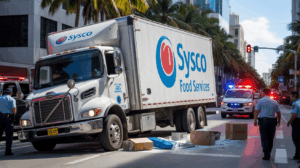




The Law Offices of Anidjar and Levine represent amputation victims with decisive, trial‑ready advocacy, serving as your dedicated Miami Truck Accident Attorney.
We secure emergency care, preserve black box and scene evidence, and coordinate medical documentation that proves causation and lifelong prosthetic and rehabilitation needs.
We calculate full damages, including home and vehicle modifications, attendant care, and diminished earning capacity, while managing insurers and meeting strict Florida deadlines.
We identify every liable party and prepare a compelling, evidence‑driven claim to pursue maximum compensation, and the following sections explain how we accomplish this.
Key Takeaways
- Seek immediate trauma care, follow providers’ orders, and preserve all medical records to document amputation treatment, rehab, and lifelong prosthetic needs.
- Retain a Miami truck accident lawyer to issue spoliation letters and secure black box data, logs, dashcam footage, and maintenance records.
- Coordinate accident reconstruction to analyze skid marks, crush profiles, rollover dynamics, and cargo securement to prove causation and liability.
- Calculate full damages: surgeries, rehab, prosthetics, socket refitting, home/vehicle modifications, vocational retraining, counseling, and future replacement costs with inflation.
- Investigate carrier and driver compliance with hours‑of‑service, loading standards, inspections, and training to establish negligence and maximize recovery.
How We Can Help With Your Miami Truck Accident Amputation Claim
From day one, we move quickly to protect your rights and build a strong amputation claim after a Miami truck accident. We gather essential evidence, interview witnesses, preserve electronic data, and coordinate with medical providers to ensure your injuries and future needs are accurately documented.
Dig deeper with our in-depth case study on this subject: Strategic Management of Miami Truck Accident Amputation Claims
Our approach is grounded in Victim advocacy, so we center your voice, priorities, and recovery at every stage.



We calculate damages with precision, incorporating lifetime care, prosthetics, home modifications, and lost earning capacity. We integrate Financial planning to align settlement strategy with your long-term stability, collaborating with experts on life-care costs and structured payouts.
We manage all insurer communications, counter low offers with substantiated demands, and prepare every case as if it will proceed to trial.
We also connect you with trusted rehabilitation resources and community support. Throughout, we provide clear updates, explain options, and seek the maximum compensation available under Florida law, without delay or distraction.
Understanding Miami Truck Accident Amputation Cases
Although every collision is unique, Miami truck accident amputation cases share legal and medical complexities that demand early, disciplined action. We assess injury mechanisms, document surgical decisions, and map rehabilitation needs, ensuring the record reflects the full scope of limb loss.
We coordinate with trauma surgeons, prosthetists, and life‑care planners to calculate lifetime costs, including prosthetics, revisions, therapy, and adaptive technology.
We ground our approach in Victim advocacy, centering your stability, dignity, and long‑term independence. We also evaluate Workplace safety intersections when crashes involve commercial fleets, examining policies on training, hours, and maintenance to illuminate systemic failures that affect recovery options.
Evidence control is crucial, so we secure black-box data, inspection logs, and chain‑of‑custody documentation for damaged components.
We translate complicated findings into clear claims for economic and non‑economic damages. By aligning medicine, engineering, and law, we build a fact‑driven path that protects your rights and advances your recovery.
Common Causes of Miami Truck Accident Amputations
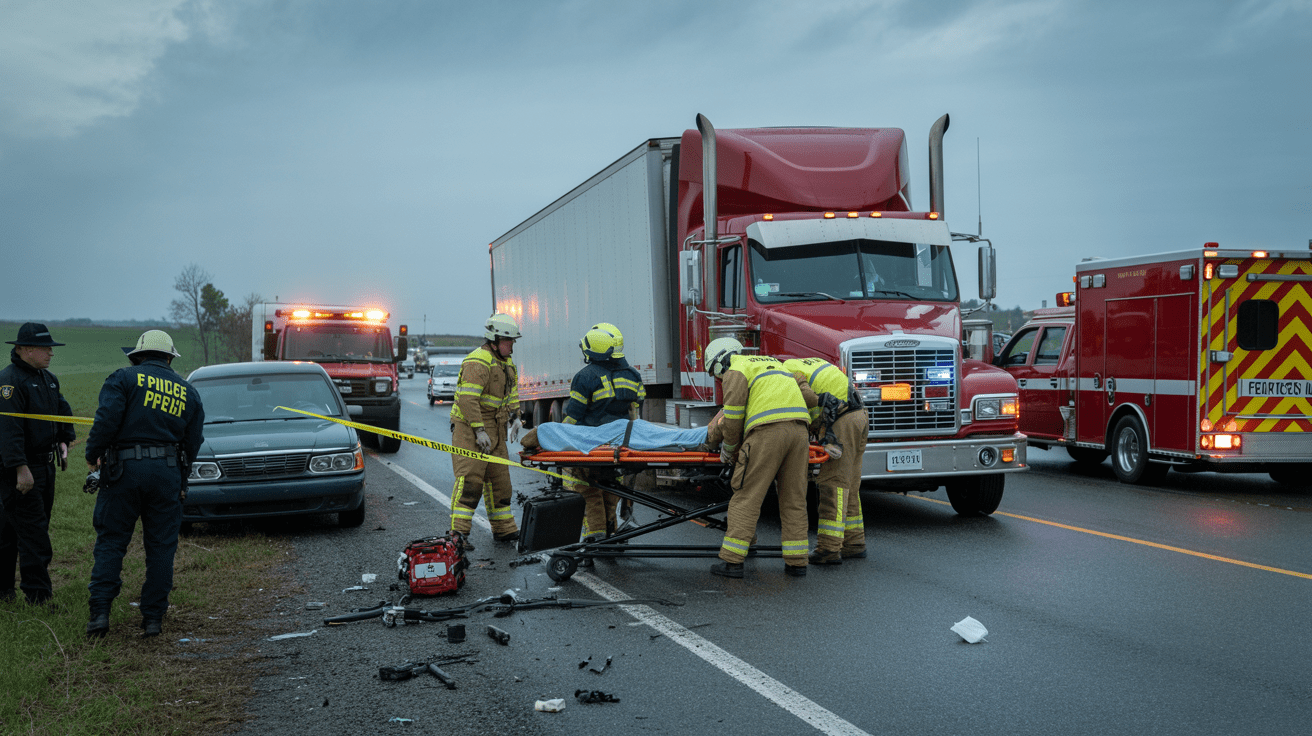
We’ll examine how high-speed impact forces, rollover with possible ejection, and crushing under shifting cargo can cause traumatic amputations in Miami truck crashes.
We also address entrapment in wreckage, where twisted metal and delayed extrication increase the risk of severe limb injury.
High-Speed Impact Forces


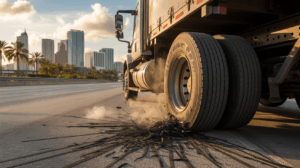
Because tractor‑trailers carry immense mass, high-speed impact forces multiply the energy released in a crash and dramatically increase the risk of traumatic amputations. At elevated speeds, kinetic energy rises exponentially, driving extreme vehicle deformation, crushing cabins, and intruding into occupant space.
When structures fail, limbs are exposed to sharp metal edges, shearing loads, and compression loads that exceed human biomechanical thresholds.
We focus on the physics because understanding impact dynamics helps us prove causation and responsibility. Skid marks, crush profiles, and black box data reveal speed and force, while medical records link tissue damage to specific loading patterns.
We work with reconstruction experts to model the collision, quantify forces, and identify preventable factors such as excessive speed, inadequate following distance, or delayed braking. This approach supports accountability and thorough recovery.
Rollover and Ejection
When a tractor-trailer rolls over or when occupants are ejected, the mechanisms of injury shift from blunt impact to crushing, shearing, and high-energy contact with roadway hazards. In these events, rollover dynamics generate violent rotational forces that collapse vehicle structures and expose limbs to sharp metal, shattered glass, and unforgiving pavement.
Passenger ejection magnifies risk, as bodies strike guardrails or are dragged along the roadway, producing traumatic amputations or severe degloving injuries.
We investigate skid marks, yaw patterns, and trailer instability to determine why a rollover occurred and who bears responsibility. We also analyze restraint use, door-latch integrity, and roof strength, establishing causation for the Passenger’s ejection.
By quickly preserving evidence and coordinating advanced medical evaluations, we would like to position your claim to reflect the full extent of loss and future care needs.
Crushing Under Cargo


Crushed beneath shifting freight, victims face catastrophic limb trauma as unsecured or overweight loads break free and pin occupants, pedestrians, or roadside workers. We see how load shifting transforms a routine haul into a scene of cargo compression, crushing soft tissue, fracturing bones, and severing blood supply in minutes.
Amputations often follow when prolonged pressure causes irreversible ischemia, nerve destruction, or compartment syndrome that resists salvage.
We investigate whether carriers violated securement standards, exceeded weight limits, or ignored inspection protocols. Improper tie-downs, inadequate blocking, and sudden braking can amplify forces that drive pallets, coils, or pipes into people within the danger zone.
Our role is to preserve evidence quickly, document force pathways, and retain experts who can map movement, quantify compression, and establish causation with precision.
Entrapment in Wreckage
Twisted up in mangled steel and shattered glass, victims of truck collisions often suffer limb entrapment that turns minutes into a race against ischemia. In severe vehicle entrapment, metal compresses soft tissue and vessels, depriving a limb of blood flow, while debris complicates airway access and stabilization.
We prioritize rapid assessment, controlling hemorrhage, and coordinating rescue extraction that limits further crush damage.
Time matters. Prolonged compression increases compartment pressures, nerve injury, and the risk of irreversible necrosis that can necessitate amputation. We document scene conditions, identify mechanical forces, and preserve evidence while advocating for proper extrication techniques.
When responders employ disciplined cuts, controlled spreading, and staged lifting, viable tissue can be saved.
Afterward, we work to secure resources for surgery, rehabilitation, and long-term support.
Legal Rights of Miami Truck Accident Amputation Victims
Although every case turns on its facts, Miami truck accident amputation victims hold clear legal rights under Florida law to pursue full compensation from all responsible parties.
We can seek damages for medical care, prosthetics, lost income, diminished earning capacity, and pain and suffering.
We also preserve claims against trucking companies, insurers, maintenance contractors, and manufacturers whose negligence or defects contributed to the harm.
Our role centers on Victim advocacy and precise Benefit navigation, aligning legal remedies with community resources that sustain long‑term recovery.
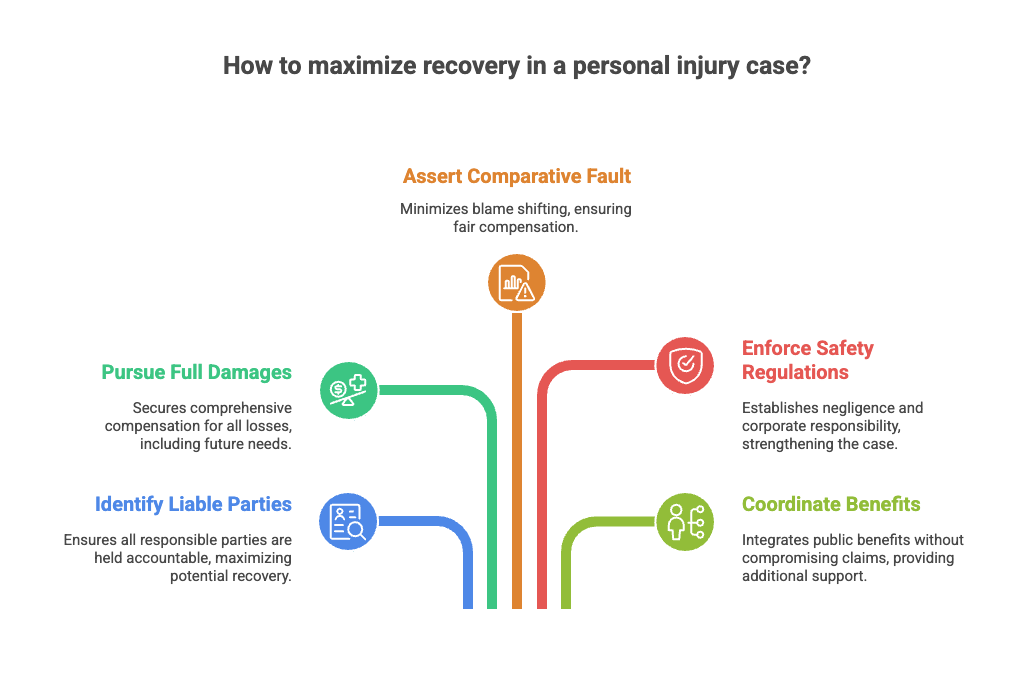
- Identify all liable parties through evidence, regulatory audits, and expert analysis.
- Pursue full economic and non‑economic damages, including future medical and vocational needs.
- Assert rights under Florida’s comparative fault rules, minimizing improper blame shifting.
- Enforce federal and state safety regulations to establish negligence and corporate responsibility.
- Coordinate Benefit navigation for Medicaid, SSDI, and vocational supports without jeopardizing claims.
We stand ready to safeguard your rights, accurately document losses, and demand thorough accountability.
Steps to Take After a Miami Truck Accident Amputation
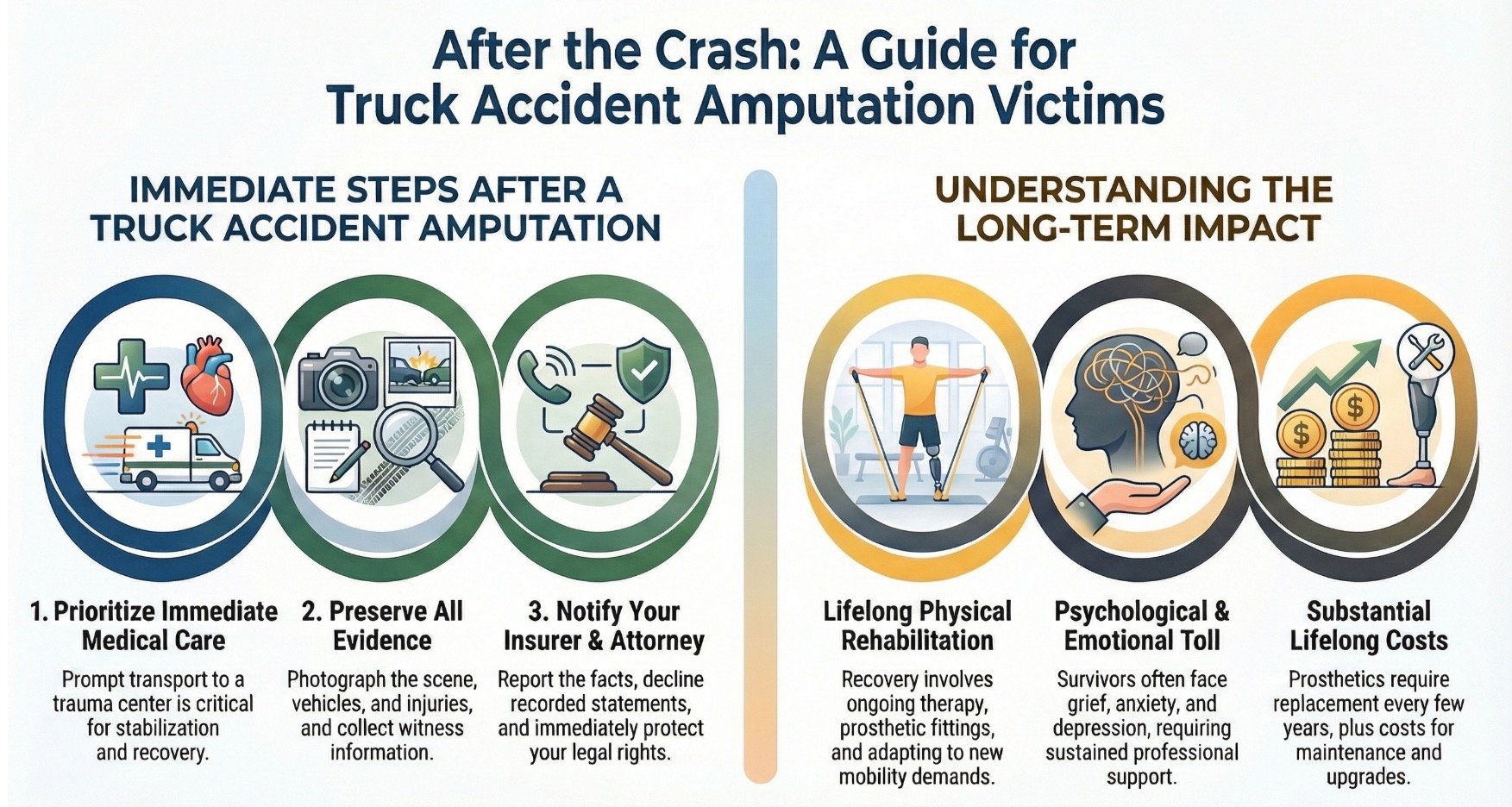
After a truck accident amputation, we should first make sure you receive immediate medical care to protect your health and document the injury.
We then help you preserve vital evidence by securing photos, witness information, and damaged property before it’s lost or altered.
Finally, we notify your insurer promptly and contact an attorney to manage communications, protect your claim, and set the case on a solid legal footing.
Seek Immediate Medical Care
Because time is critical after a traumatic limb injury, we should seek emergency medical care immediately following a Miami truck accident amputation. Prompt transport to a trauma center enables immediate assessment, bleeding control, and stabilization, which can prevent complications and protect long‑term function.
We should inform first responders of all symptoms, medications, and allergies, ensuring the care team has full information.
At the hospital, we must consent to recommended imaging, surgery, or antibiotics without delay, while asking concise questions to understand risks and benefits. We should keep discharge instructions, provider names, and billing documents organized for continuity of care.
Early communication with our insurer supports insurance coordination, preauthorization, and coverage of emergent services, rehabilitation, and prosthetic needs, reducing administrative delays during recovery.
Preserve Evidence and Photos
Stabilizing our health comes first, yet we must also protect the record of what happened by preserving evidence as soon as it’s safe to do so.
We document the scene methodically, capturing wide shots, close-ups, and identifying landmarks. We photograph vehicle positions, debris fields, skid marks, traffic signals, weather, and road conditions. We record injuries, damaged clothing, and safety equipment.
Digital timestamps should be enabled, and we back up files to maintain authenticity.
We secure contact information for witnesses and first responders, noting unit numbers and badge names. We retain medical discharge papers, imaging, and prescriptions. We save two records and repair estimates.
For physical items, we maintain chain preservation by labeling, sealing, and storing them securely, avoiding alterations. These steps anchor facts, deter disputes, and support accountability.
Notify Insurer and Attorney
Set the process in motion by promptly notifying our insurance carrier and contacting a qualified Miami truck accident attorney.
We report the collision factually, avoid speculation, and provide the claim number, medical contacts, and basic timelines. We decline to record statements until counsel is present, protecting accuracy and preventing misinterpretation.
We also review our policy for coverage limits, exclusions, and any recent policy changes that could impact benefits. Our attorney coordinates communication with all insurers, preserves evidence, and stops aggressive adjuster tactics.
Because privacy concerns are heightened after an amputation, we limit releases to what the law requires and authorize access to medical records only when necessary.
Early legal involvement helps secure no‑fault benefits, identify liable parties, and meet strict deadlines. Prompt notice safeguards rights and strengthens our claim.
How a Miami Truck Accident Amputation Lawyer Can Help You
Although every amputation case is unique, a Miami truck accident amputation attorney can immediately protect your rights, preserve essential evidence, and position your claim for maximum compensation.
A Miami truck amputation attorney protects your rights, preserves evidence, and positions your claim for maximum compensation.
We step in quickly, coordinate communications, and make sure critical deadlines are met. We manage investigations, consult accident reconstruction experts, and collect medical documentation that substantiates the full scope of your losses.
Our guidance helps you focus on healing while we handle strategy, valuation, and insurance negotiation with disciplined advocacy.
We also connect you with trusted rehabilitation resources, prosthetic professionals, and vocational support, aligning legal goals with practical recovery needs. By preparing a thorough damages portfolio, we present a clear, evidence-based claim that reflects medical care, prosthetics, home modifications, and caregiving.
Throughout the process, we communicate transparently and act with steady resolve.
- Thorough scene and vehicle evidence preservation
- Coordination with medical and rehabilitation resources
- Precise claim valuation and policy analysis
- Strategic insurance negotiation and litigation readiness
- Compassionate, consistent client guidance and communication

Long-Term Effects of Miami Truck Accident Amputation Injuries
We recognize that long-term recovery after an amputation often involves rigorous physical rehabilitation, ongoing pain management, and adaptation to new mobility demands.
We also understand the profound psychological and emotional impact, including grief, anxiety, depression, and the need for sustained mental health support.
Finally, we address prosthetics and the lifelong costs, including replacements, maintenance, training, and related medical care that can persist for decades.
Physical Rehabilitation Challenges
Navigating physical rehabilitation after a truck accident amputation demands persistence, coordinated care, and realistic expectations. We work closely with therapists to rebuild strength, protect residual limbs, and master safe transfers.
Gait training, balance work, and wheelchair adaptation are vital, as is ongoing prosthetic fitting and socket adjustments to prevent skin breakdown. We guide you through insurance approvals, equipment procurement, and scheduling to ensure continuity of care.
We also prioritize functional goals that restore independence in daily activities, from bathing and dressing to community mobility. Home modifications, vehicle controls, and fall-prevention strategies reduce risk and support progress.
As recovery stabilizes, we plan for vocational reintegration with targeted conditioning, ergonomic assessments, and job-specific training. Through consistent measurement and recalibration, we help you achieve sustainable, meaningful function.
Psychological and Emotional Impact
Even as physical healing progresses, the psychological and emotional impact of a truck accident amputation can intensify and evolve over time. We often see survivors confront grief, anxiety, depression, and identity disruption, all of which can affect relationships, work, and community engagement.
Sleep disturbances and intrusive memories can persist, while hypervigilance and avoidance behaviors limit daily function. Compassionate, structured support matters.
We encourage early trauma counseling to process loss, reduce fear responses, and build resilience. Evidence-based coping strategies—such as mindfulness, gradual exposure, and cognitive reframing—help regulate stress and restore confidence.
Peer support groups provide validation and practical guidance, while family education strengthens communication and trust. We also coordinate care with physicians and therapists to monitor mood changes, prevent isolation, and sustain progress through each recovery phase.
Prosthetics and Lifelong Costs
Often overlooked at first, prosthetics introduce a lifelong financial and medical commitment that shapes every stage of recovery after a Miami truck accident amputation. We plan for the full arc of care, not just the initial fitting.
A prosthetic typically requires replacement every few years, and routine prosthetic maintenance prevents painful complications and costly downtime. We also account for socket refitting, physical therapy, and skin care supplies, which add recurring costs.
As technology advances, device upgrades become vital to maintain function and independence. Microprocessor knees, myoelectric hands, and adaptive feet improve safety and mobility, yet they increase expenses and insurance disputes.
We rigorously document these needs, project inflation and lifespan, and build claims covering training, transportation, and home modifications, ensuring thorough, durable financial support.
Proving Liability in Miami Truck Accident Amputation Cases
While every catastrophic crash is unique, proving liability in a Miami truck accident amputation case demands a disciplined, evidence-driven approach that anticipates defense strategies from day one.
We begin by preserving essential evidence, issuing spoliation letters to secure electronic logging data, dashcam footage, and maintenance records. We analyze Driver compliance with hours-of-service rules, load securement standards, and pre-trip inspections to identify systemic safety failures.
We coordinate prompt scene reconstruction using qualified experts who document skid marks, vehicle resting positions, crush profiles, and ECM downloads. We gather witness statements, 911 audio, and surveillance video, then align timelines to expose inconsistencies.
We scrutinize the motor carrier’s hiring, training, supervision, and dispatch practices, evaluating whether pressure to meet schedules contributed to negligence.
We also assess roadway design, lighting, and weather to address comparative fault claims. Throughout, we build a clear causal chain linking breaches to the amputation, supported by medical testimony and biomechanical analysis.
Compensation for Miami Truck Accident Amputation Damages
Establishing fault lays the groundwork for what matters next—securing full compensation that reflects the lifetime impact of an amputation. We evaluate every category of damages to guarantee your recovery supports both dignity and independence.
Economic losses include past and future medical care, prosthetics, surgical revisions, rehabilitation, and adaptive equipment. We also pursue home and vehicle modifications, attendant care, and lost wages, as well as diminished earning capacity when returning to prior work is no longer feasible.
We document non-economic damages with equal rigor. Pain and suffering, loss of enjoyment of life, disfigurement, and loss of consortium merit full valuation. We highlight the costs of occupational retraining to open sustainable employment paths and secure funding for counseling and peer support that strengthens long-term adjustment.
When appropriate, we pursue punitive damages for egregious conduct. Our team builds a persuasive, evidence-driven damages model that anticipates future needs, protects your choices, and honors your service to others.
The Statute of Limitations for Miami Truck Accident Amputation Cases
Because deadlines control your right to recover, we move quickly to identify and preserve all applicable statutes of limitations for a Miami truck accident amputation.
Florida law generally imposes strict filing deadlines for negligence claims, and missing them can bar recovery entirely. We assess when the clock starts, which is usually the date of the crash or the date the injury was reasonably discovered, then map every step backward to protect your claims.
We also evaluate parties and forums that may carry different time limits, including claims against governmental entities that require rapid notice. When appropriate, we analyze tolling exceptions, such as periods when the injured person is a minor, mentally incapacitated, or when the defendant conceals pivotal facts.
Evidence control matters, so we secure records promptly, link expert analysis to the timeline, and document all communications.
Our approach guarantees you understand your deadlines, preserves your rights, and positions your case for timely, compliant action.
Why You Need an Experienced Miami Truck Accident Amputation Lawyer
Deadlines are only one part of protecting your recovery; the stakes in an amputation case demand seasoned advocacy from the outset. We steer intricate liability webs—truck drivers, carriers, maintenance vendors, and manufacturers—so evidence is preserved, analyzed, and presented with precision.
We coordinate with medical experts to quantify prosthetics, revisions, and lifelong rehabilitation, ensuring your claim reflects real needs and future risks.
An experienced lawyer anticipates insurer tactics, challenges flawed causation theories, and exposes unsafe policies, driver fatigue, or improper loading. We also evaluate potential Medical negligence when emergency care, surgery, or post-operative management worsens your outcome, integrating those claims without diluting your case.
Our approach is meticulous, from accident reconstruction to vocational loss analysis.
When settlement negotiations begin, we anchor our demands in verifiable data and credible testimony, countering low offers with disciplined valuation models. If the defense resists accountability, we litigate decisively, using focused discovery and expert-backed narratives to advance your recovery.
How to Choose the Right Miami Truck Accident Amputation Lawyer for Your Case
While options may seem similar at first glance, choosing the right Miami truck accident amputation lawyer requires disciplined criteria and careful vetting.
We begin by evaluating focused experience in catastrophic injury litigation, particularly amputation cases arising from commercial truck collisions. We verify case results, trial readiness, and access to medical and vocational experts.
We look for clear communication, prompt updates, and patience with Client questions, as these matters demand trust and transparency.
We also examine resources and workload to ensure the firm can investigate quickly, preserve evidence, and retain authorities without delay. References from past clients and peer ratings help confirm professionalism and integrity.
During consultations, we ask about strategy, timelines, and likely challenges, seeking answers that are specific, practical, and candid.
Finally, we scrutinize the Fee structure. We expect a written contingency agreement, explained in detail, including costs, lien handling, and who pays expenses if recovery is unsuccessful. Precision here protects your interests.
About the Law Offices of Anidjar and Levine
Meet the Law Offices of Anidjar and Levine, a Miami-based personal injury firm known for rigorous advocacy in catastrophic truck accident cases, including amputation claims.
We focus on restoring dignity and stability for clients facing life-altering injuries, and we pursue results through disciplined preparation and strategic litigation.
Our firm’s history reflects decades of combined experience, courtroom readiness, and sustained service to South Florida families.
We’ve built a practice that prioritizes thorough investigation, early case structuring, and clear communication, ensuring you understand each step.
Client testimonials consistently highlight our responsiveness, professionalism, and steady guidance during multifaceted claims.
We collaborate with medical, vocational, and economic experts to quantify long-term losses, from prosthetic costs to reduced earning capacity.
We negotiate assertively and, when necessary, try cases to secure full accountability. We accept contingency fees, aligning our success with yours.
When you need tireless representation and precise execution, we’re prepared to act decisively on your behalf.
Frequently Asked Questions
Will Health Insurance Subrogation Affect My Truck Amputation Settlement?
Yes, health insurance subrogation can reduce your truck accident settlement. If your policy paid medical bills, the insurer may assert healthcare liens and seek insurer reimbursement from your recovery.
We evaluate plan type, lien validity, and reductions for attorney fees or equitable defenses, then negotiate to minimize paybacks. We also coordinate with Medicaid, Medicare, or VA rules, preserving your net compensation while ensuring compliance and protecting funds for future prosthetics and rehabilitation needs.
How Do Medicare/Medicaid Liens Impact My Recovery After Amputation?
They reduce your net recovery because Medicare offsets and Medicaid liens must be repaid from settlement funds. We verify conditional payments, audit charges, and dispute unrelated or excessive expenses.
We then negotiate reductions, apply hardship or procurement-cost deductions, and make certain proper set‑asides for future care when required. We coordinate timing, protect benefits eligibility, and document compliance, so you retain the maximum lawful amount while honoring statutory reimbursement obligations and avoiding penalties or benefit disruptions.
Can Compensation cover Adaptive Vehicle and Home Modifications?
Yes, compensation can cover adaptive vehicle and home modifications when medically necessary and reasonably priced. We document needs through expert evaluations, then claim costs for ramps, widened doorways, bathroom retrofits, and vehicle adaptations like hand controls or lifts.
We also seek funds for installation, training, maintenance, and future replacements. We coordinate benefits, address lien issues, and substantiate life-care plans, ensuring your recovery includes safe mobility, independence, and reliable access to community and work.
Are Prosthetic Replacement and Maintenance Costs Recoverable Long-Term?
Yes, long-term prosthetic replacement and maintenance costs are recoverable when substantiated by medical and vocational evidence. We document projected device life cycles, routine maintenance, socket refits, and prosthetic upgrades, then present a life-care plan that quantifies future expenses.
We also account for training, assistive technology, and travel for specialized care. Additionally, we evaluate component warranties, service intervals, and expected failure rates to secure funds that responsibly sustain your mobility and independence over time.
How Do I Handle Media or Social Media After a Catastrophic Truck Injury?
We advise you to limit public statements, adopt a disciplined media strategy, and prioritize privacy management from day one.
We recommend declining interviews, directing inquiries to a designated spokesperson, and preserving all posts and messages.
We suggest locking down accounts, avoiding speculation, and never discussing fault, injuries, or negotiations online.
We document outreach, correct misinformation with vetted statements, and coordinate supportive community updates that respect boundaries while safeguarding evidence, dignity, and your legal interests.
—————————–
We recognize the profound impact a truck accident amputation has on your life, and we’re ready to protect your rights with precision and resolve.
Our team investigates thoroughly, builds compelling claims, and pursues full compensation for medical care, prosthetics, lost income, and future needs.
We handle insurers and litigation so that you can focus on recovery.
If you or a loved one suffered an amputation in a Miami truck crash, contact a Miami Truck Accident Attorney for a free, confidential consultation.


We Can Help.