Introduction: The Collision
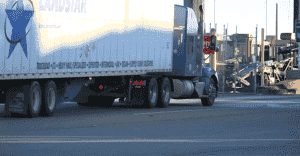
The afternoon sun was bright over Miami as Alex drove home from work. In an instant, the routine commute turned into chaos. A large commercial truck from “Speedy Freight Inc.” swerved suddenly, its brakes screeching too late. The massive vehicle collided with Alex’s car, the impact a jarring explosion of metal and glass.
Learn More: Miami Truck Company Negligence Lawyer
Dazed and injured, Alex was surrounded by the immediate aftermath—the blare of horns, the smell of smoke, and the sharp reality of a life-altering event. This moment marked the beginning of a complex legal journey to uncover the truth and seek accountability.
——————————————————————————–


1. The Immediate Aftermath: Securing the Scene
In the disorienting moments following the collision, the first priority was safety. A bystander helped Alex move away from the wreckage to a secure location, while another called 911 to request emergency services and law enforcement. Once the immediate danger was managed, the crucial process of documenting the scene began.
Following established protocols, Alex and others took several key steps to preserve evidence before it could fade:
- Photographing Evidence: Using a smartphone, pictures were taken of the vehicle positions, the debris field scattered across the road, any visible skid marks, and the surrounding traffic controls.
- Gathering Witness Information: The names and phone numbers of bystanders who saw the crash were collected, ensuring their firsthand accounts could be captured later.
- Preserving Records: The police incident number was obtained, and all initial medical evaluations, towing receipts, and vehicle repair estimates were carefully saved.
With the scene secured and initial information gathered, it became clear that navigating the complexities of a commercial trucking claim would require professional legal guidance.
2. Engaging Legal Counsel: Protecting Rights and Acting Quickly
Recognizing the need for expert help, Alex contacted the Law Offices of Anidjar and Levine. The decision to act quickly was driven by two critical factors that can make or break a trucking negligence case.
- The Statute of Limitations: The firm explained that Florida’s statute of limitations sets a strict deadline for filing a negligence lawsuit. Missing this window, regardless of the strength of the case, can permanently bar any chance for recovery. Acting promptly protects the right to pursue justice.
- Evidence Preservation: Commercial trucking companies are required to keep records like driver logs and vehicle data, but not indefinitely. Without a formal preservation letter from an attorney, aggressive corporate defense teams may follow procedures that allow for the legal destruction of critical evidence. The legal team needed to act fast to prevent key information from disappearing.
With legal counsel engaged, the firm immediately launched its own investigation to protect Alex’s rights and uncover the facts.
3. The Investigation: Uncovering the Truth
The law firm’s investigation moved swiftly to establish duty, breach, and causation—the core elements required to prove a negligence claim. The process was methodical, focusing first on preserving fragile evidence and then on identifying the company’s systemic failures.
- Rapid Evidence Preservation
- The firm’s first action was to send a legal notice to Speedy Freight Inc. demanding the preservation of all relevant evidence. This was crucial for securing electronic data that is often overwritten or deleted. Key evidence included:
- Electronic Control Module (ECM) Data: Often called the truck’s “black box,” this device records critical data about the truck’s speed, braking, and engine status in the moments leading up to the crash.
- Electronic Logging Device (ELD) Data: This device tracks a driver’s hours of service, providing a digital record of driving time, on-duty time, and rest breaks to ensure compliance with federal safety rules.
- Dashcam and Surveillance Footage: Footage from the truck’s own camera or nearby traffic cameras can provide an unbiased view of how the collision occurred.
- The firm’s first action was to send a legal notice to Speedy Freight Inc. demanding the preservation of all relevant evidence. This was crucial for securing electronic data that is often overwritten or deleted. Key evidence included:
- Identifying Systemic Failures
- With the evidence secured, experts began their analysis. The data revealed that this was no simple accident but the result of deep-rooted company negligence. Two major failures came to light:
- Hours-of-Service Violations: The ELD data, when cross-referenced with fuel receipts and dispatch records, showed a clear pattern. The investigation also uncovered emails from a major shipperpressuring Speedy Freight for dangerously fast delivery times, which the company then passed on to its driver. This created a complex liability picture involving both the carrier and a third party.
- Negligent Vehicle Maintenance: A mechanical expert examined the truck’s maintenance logs and the vehicle itself. The records revealed that the company had repeatedly delayed critical brake repairs to keep the truck on the road and generating revenue. The faulty brakes were a key factor in the driver’s inability to stop in time. This documented failure to maintain safe equipment constituted a clear breach of the duty of care that Speedy Freight Inc. owed to other motorists, directly causing Alex’s injuries.
- With the evidence secured, experts began their analysis. The data revealed that this was no simple accident but the result of deep-rooted company negligence. Two major failures came to light:
The investigation proved that the collision was not just an instance of driver error, for which the company held vicarious liability (where an employer is responsible for an employee’s actions), but a direct result of the company’s own negligent retention of a driver with prior infractions and systemic pressure to violate safety rules.


4. Calculating the Harm: Understanding Damages
With negligence and causation clearly established, the next step was to document the full extent of Alex’s losses, or damages. In personal injury law, these are categorized into two main types: economic and non-economic. The firm worked to build a comprehensive case that accounted for every way the crash had impacted Alex’s life.
| Type of Damage | Description & Examples for Alex’s Case |
| Economic | These are tangible, verifiable financial losses resulting from the injury. For Alex, these included:<br>- Mounting medical bills for emergency care, surgery, and ongoing rehabilitation.<br>- Lost wages from being unable to work during recovery.<br>- Diminished earning capacity due to a permanent disability preventing a return to a previous career. |
| Non-Economic | These are intangible losses related to the human cost of the injury and the decline in quality of life. For Alex, these were significant:<br>- Chronic pain from the physical injuries.<br>- Psychological trauma, including anxiety and PTSD triggered by traffic.<br>- Loss of enjoyment of life, as injuries prevented participation in hobbies and social activities. |
This detailed accounting was essential to ensure that any compensation would address both the past and future needs created by the collision.
5. The Path to Resolution: Negotiation and Accountability
Armed with powerful evidence of systemic negligence and a detailed calculation of damages, Alex’s legal team presented a demand package that aligned facts, law, and valuation to Speedy Freight Inc.’s insurance company. The goal was to achieve a fair and just resolution through strategic negotiation.
The firm leveraged the proof of hours-of-service violations and negligent maintenance to argue that the company’s liability was clear and substantial. The demand for compensation was structured to cover all of Alex’s economic and non-economic damages, ensuring long-term financial stability and acknowledging the profound personal suffering involved. The focus was on securing a settlement that would provide full accountability without the need for a lengthy trial. However, the firm also made it clear that if a fair offer was not forthcoming, they were fully prepared to take the case to court.
6. Conclusion: Key Learnings from the Case
The case of Alex vs. Speedy Freight Inc. provides a clear illustration of the core principles of a trucking negligence claim. For any student of the law, this story offers three essential takeaways.
- Act with Urgency: The most critical evidence in a trucking case, such as black box data and driver logs, is electronic and fragile. It can be overwritten or destroyed within days or weeks. Immediate legal action to preserve this evidence is fundamental to building a successful claim.
- Pinpoint Systemic Failures: While driver error may be the immediate cause, a robust claim uncovers the company’s underlying negligence—the root causes of harm. This involves investigating inadequate training, negligent maintenance, and company policies that prioritize profit over safety.
- Compensation Must Be Comprehensive: Justice requires that compensation covers all four elements of negligence: duty, breach, causation, and damages. A successful claim accounts for all damages, including the tangible financial costs (economic) and the intangible human suffering (non-economic), such as chronic pain and psychological trauma.