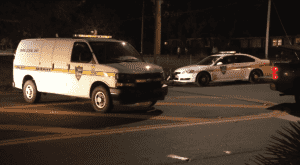
The Law Offices of Anidjar and Levine help victims prove drowsy driving, fault, and liability after crashes caused by exhaustion.
Legal support may include preserving crash evidence, reviewing work logs, electronic vehicle data, medical records, and witness statements, and identifying responsible drivers, employers, or insurers.
Counsel can also value medical costs, lost income, pain, and future care needs while challenging unfair denials or low offers.
A Florida Car Accident Lawyer can explain major claim issues and legal options.
Main Takeaways
- A Florida driver fatigue car accident lawyer investigates exhaustion, negligence, liability, and documented losses after a drowsy driving crash.
- Evidence may include crash reports, witness statements, dashcam footage, medical records, work logs, schedules, and electronic vehicle data.
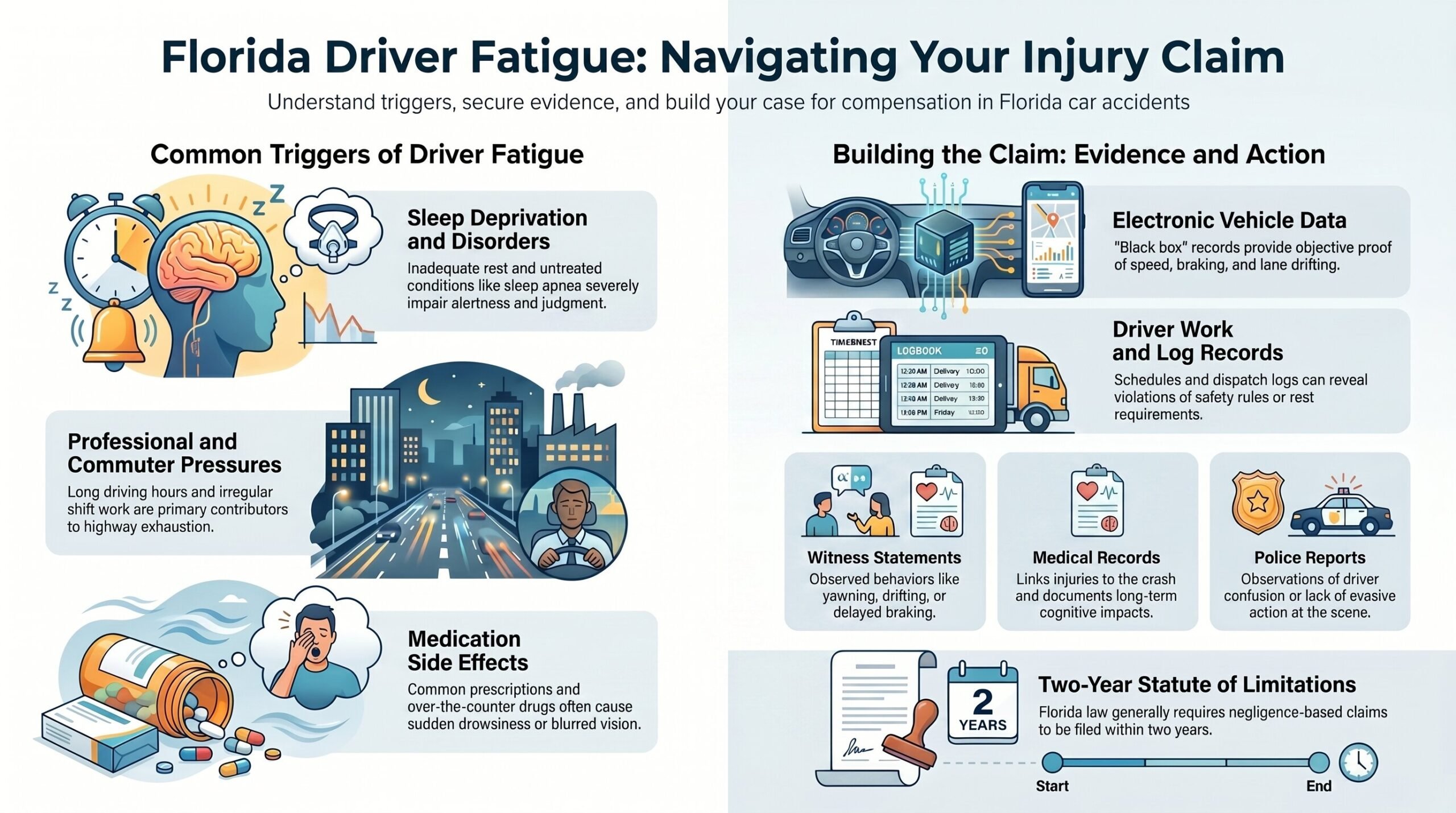
- Driver fatigue claims may involve lack of sleep, long hours, shift work, sleep disorders, medication effects, or nighttime hazards.
- Liability may extend to employers when unsafe schedules, supervision failures, or work policies contribute to a fatigue-related collision.
- Legal support includes insurer communication, settlement evaluation, denial appeals, and litigation preparation when fair compensation is refused.


How We Can Help With Your Florida Driver Fatigue Car Accident Injury Claim
When a fatigued driver causes a serious crash, an injury claim often requires careful investigation, clear proof of negligence, and a detailed assessment of the victim’s losses. A Florida driver fatigue car accident injury lawyer may help by preserving evidence, identifying liable parties, consulting qualified experts, and organizing medical, employment, and financial records. This work supports a claim focused on accountability and meaningful recovery, while allowing injured people and their families to concentrate on recovery and service to their communities.
Legal representation may also include an Independent case strategy, tailored to the facts, available insurance, and long-term effects of the injuries. Counsel can communicate with insurers, evaluate settlement offers, and prepare litigation when fair compensation is refused. Insurance denial appeals may be pursued when carriers reject valid claims or minimize documented harm. Through disciplined advocacy, the legal team helps protect the injured person’s rights and promotes a just resolution.
OUR CONSULTATIONSARE FREE
START YOUR FREE CASE REVIEW

Understanding Florida Driver Fatigue Car Accident Injury Cases
Because fatigue can impair driving in ways similar to alcohol or drug use, Florida driver fatigue car accident injury cases often depend on proving how exhaustion affected a motorist’s judgment, reaction time, and ability to remain alert. These claims require careful review of the driver’s conduct before the collision, available fatigue warnings, and any evidence showing reduced awareness or delayed responses.
In some cases, liability may extend beyond the driver. When a fatigued motorist was working, employer responsibility may be examined to determine whether policies, schedules, supervision, or safety practices contributed to the unsafe condition. This analysis can be important for injured people, families, and advocates seeking accountability that supports safer roads for the broader community.
Evidence may include crash reports, witness statements, electronic data, medical records, work logs, and communications. A focused legal review helps identify negligent decisions, preserve proof, and connect fatigue-related impairment to the harm suffered in the collision.
Common Causes of Florida Driver Fatigue Car Accidents
Driver fatigue accidents in Florida often arise from predictable factors that impair alertness and reaction time. Common causes include lack of sleep, long driving hours, untreated sleep disorders, and medication side effects that reduce a driver’s ability to operate a vehicle safely. Identifying these causes is an important step in evaluating fault, preventability, and the circumstances surrounding an injury claim.
Lack Of Sleep
Often, lack of sleep is a central cause of Florida driver fatigue accidents, as inadequate rest can impair alertness, slow reaction time, and reduce sound judgment behind the wheel. When a motorist has not slept enough, the brain may struggle to process changing traffic conditions, pedestrian movement, or sudden hazards. Night driving can intensify this risk, especially when darkness and reduced visibility place greater demands on attention.
Observable drowsy warning signs may include frequent yawning, heavy eyelids, drifting within a lane, or missing traffic signals. These symptoms can lead to a loss of concentration at times when careful driving is crucial to protect others. For injury victims, evidence of insufficient sleep may help explain how a preventable crash occurred and why accountability should be carefully evaluated.
Long Driving Hours
Long driving hours can gradually erode a motorist’s ability to remain alert, especially on Florida highways where extended travel, commercial routes, and tourism-related trips are common. As time behind the wheel increases, reaction time may slow, judgment may narrow, and lane control may become less consistent. These risks can affect delivery drivers, rideshare operators, vacation travelers, and workers responding to demanding schedules.
Attorneys reviewing fatigue-related crashes often examine mileage, trip duration, rest opportunities, and drowsy driving patterns to determine whether preventable fatigue contributed to a collision. Commuter routines change, such as longer routes after relocation or additional work obligations, which may also increase exposure to fatigue. Careful evaluation of these factors helps support accountability while promoting safer choices that protect passengers, pedestrians, and other roadway users.
Untreated Sleep Disorders
Untreated sleep disorders can greatly increase the risk of fatigue-related crashes by impairing alertness even after a seemingly adequate night of rest. Conditions such as obstructive sleep apnea may cause repeated breathing interruptions, reducing restorative sleep and leaving a driver prone to slowed reaction time, poor judgment, and brief lapses in attention.
A timely diagnosis of sleep apnea can help identify risks before they endanger passengers, pedestrians, and other motorists on Florida roads. Other disorders may involve circadian rhythm disruption, which interferes with the body’s natural sleep-wake cycle and can be especially hazardous for drivers with irregular schedules. When these conditions remain untreated, fatigue may appear suddenly and severely. Responsible care, proper evaluation, and consistent treatment can support safer driving and help protect communities from preventable harm.
Medication Side Effects
Medication side effects can impair a driver’s ability to remain alert, react quickly, and make safe decisions behind the wheel. In Florida, fatigue-related crashes may involve prescriptions, over-the-counter remedies, or combinations of medicines that cause sedation, dizziness, blurred vision, or slowed judgment. Medication drowsiness hazards are especially concerning when drivers begin a new drug, increase a dosage, or mix medication with alcohol.
Healthcare providers, caregivers, employers, and family members can help protect others by encouraging label review, medical guidance, and honest reporting of symptoms before driving. Driver alertness screening may also identify risks for commercial drivers or others responsible for passenger safety. When medication-related fatigue contributes to a collision, careful investigation can clarify whether warnings were ignored, duties were breached, and injured people are held accountable.


Legal Rights of Florida Driver Fatigue Car Accident Injury Victims
When a fatigued driver causes a crash in Florida, injured victims may have the right to pursue compensation for medical expenses, lost income, pain and suffering, and other related losses.
These rights may also extend to families when fatal injuries occur, subject to Florida’s Wrongful Death Eligibility requirements.
- Injured victims may seek recovery from the negligent driver, an employer, or other responsible parties when the evidence supports liability.
- Florida’s Comparative Negligence Rules may reduce compensation if the injured person is found partly responsible, making careful case evaluation important.
- Claims often require proof of damages, including treatment records, wage documentation, and evidence showing how the injuries affect daily service, work, and caregiving.
- Families and victims may benefit from legal guidance that protects deadlines, organizes evidence, and communicates with insurers.
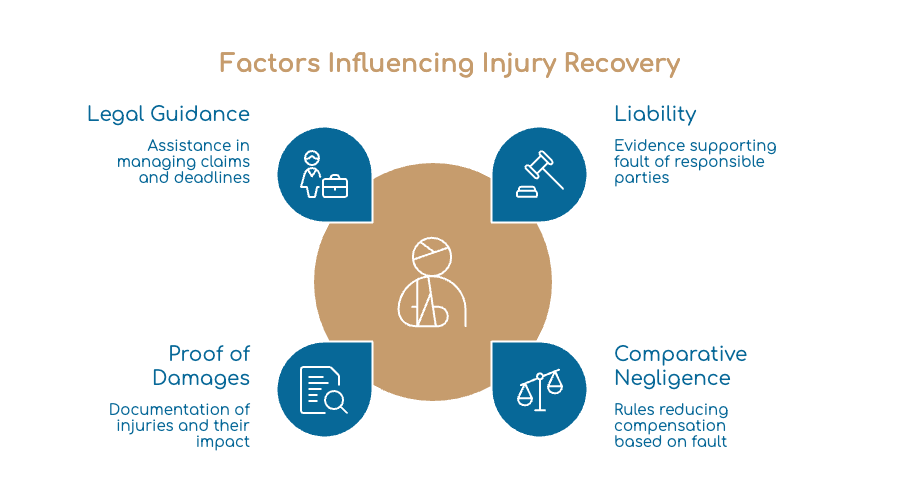
These legal rights help restore stability and allow victims to focus on recovery and supporting those who depend on them.
Why Do Florida Driver Fatigue Car Accident Injuries Happen?
Understanding legal rights after a fatigue-related crash also requires examining why these collisions occur in the first place. Fatigue reduces alertness, slows reaction time, and weakens judgment, making ordinary traffic conditions more dangerous. In Florida, long commutes, shift work, tourism, and extended commercial driving can leave tired motorists on busy roads. Nighttime hazards, including reduced visibility, glare, and unexpected pedestrians, may further increase the risk when a driver is already drowsy.
Fatigue-related crashes may also involve distracted driving, because tired drivers often struggle to maintain attention and may drift mentally or physically from the task of driving. A fatigued motorist may miss traffic signals, follow too closely, leave a lane, or fail to respond to sudden changes in traffic. These failures can harm passengers, pedestrians, cyclists, and other drivers. Understanding these causes helps communities promote safer habits, support accountability, and protect vulnerable people who share Florida roadways.
What Should You Do After a Florida Driver Fatigue Car Accident Injury?
After a Florida driver fatigue car accident injury, an injured person should seek prompt medical care, even when symptoms appear minor. Careful documentation of the crash, including photographs, witness statements, and treatment records, may help preserve important evidence. Contacting a lawyer can also help protect legal rights, address insurance issues, and assess available compensation options.
Seek Medical Care
Seek medical attention promptly following a Florida driver fatigue car accident, even if injuries appear minor at first. A trained provider can identify conditions that may worsen over time, including concussion symptoms, soft tissue injuries, internal trauma, or delayed pain responses. Early treatment also supports recovery, helping the injured person return to family, work, and community responsibilities with greater stability.
Medical documentation creates a reliable record linking injuries to the crash, treatment dates, diagnoses, and physician recommendations. This record may become important when care costs, lost income, or long-term limitations must be evaluated. Timely care can also support insurance notification requirements because insurers often closely examine gaps in treatment. Anyone injured should follow medical advice, attend appointments, and report any changes in symptoms to appropriate healthcare professionals without delay.
Document The Crash
At the scene and in the days that follow, careful documentation can help preserve important facts about a Florida driver-fatigue car accident. Once immediate medical needs are addressed, a responsible person may photograph vehicle positions, skid marks, road conditions, traffic signs, lighting, and visible injuries. A written Safety checklist can help ensure that names, phone numbers, insurance details, license plates, and witness statements are recorded accurately.
Notes should include the time of day, weather, statements about tiredness, and any observed behavior, such as drifting, delayed braking, or confusion. Evidence preservation also includes saving dashcam footage, medical discharge papers, repair estimates, and communication from insurers. Organized records may later help clarify how the crash occurred and support fair consideration of injuries, losses, and community responsibilities after the incident.
Contact A Lawyer
When injuries, disputed facts, or insurance questions arise, contacting a Florida car accident lawyer can help preserve legal rights and prevent avoidable mistakes. Legal counsel may evaluate whether driver fatigue contributed to the crash, review police reports, identify witnesses, and request records before they disappear. Sleep research can support claims involving reduced alertness, delayed reaction time, or unsafe driving schedules. Prompt guidance also assists with evidence preservation, including vehicle data, dash camera footage, phone records, work logs, and medical documentation.
A lawyer can communicate with insurers, protect the injured person from unfair statements, and calculate losses related to treatment, lost wages, and long-term limitations. For families and advocates focused on helping others, early legal support promotes accountability, safer road practices, and informed decisions during recovery after a serious fatigue-related collision.
Critical Evidence in a Florida Driver Fatigue Car Accident Injury Case
Important evidence in a Florida driver fatigue car accident injury case can help establish how the collision occurred, whether fatigue contributed to the crash, and which parties may bear legal responsibility. Essential materials often include: 1. Police Crash Reports, 2. Driver Work Records, 3. Electronic Vehicle Data, 4. Witness Statements. Each category may provide distinct proof of impairment, driving patterns, hours of service, or observed conduct before the accident.
Police Crash Reports
In a Florida driver fatigue car accident injury case, the police crash report often serves as an important starting point for identifying how the collision occurred and which facts may support a legal claim. The report may record roadway conditions, time of impact, witness statements, citations, vehicle positions, and observations about impairment, distraction, or drowsiness.
Details involving night driving can be especially meaningful, since limited visibility and extended wakefulness may increase crash risk. Officers may also note whether a commercial driver appeared confused, slow to respond, or unable to explain the event clearly. While the report is not the final word, it can guide further investigation and help determine whether safety training, supervision, or driving practices require closer review by counsel. Such records may support accountability.
Driver Work Records
Because fatigue often develops over hours or days, driver work records can become central evidence in a Florida driver fatigue car accident injury case. These records may include schedules, time sheets, dispatch logs, delivery assignments, rest periods, and communications showing when a driver was expected to work or remain available. When reviewed carefully, driver work records can help determine whether unsafe demands contributed to impaired alertness behind the wheel.
For commercial drivers, employer compliance requirements may also reveal whether a company followed applicable safety rules, properly trained supervisors, and monitored excessive hours. This evidence can support accountability when an injured person seeks answers after a preventable collision. Careful preservation and review of these materials help protect the facts, promote responsible practices, and serve the broader goal of safer Florida roads.
Electronic Vehicle Data
After a serious Florida collision, electronic vehicle data can provide objective insight into how a vehicle was being operated in the moments before impact. Many commercial trucks and newer passenger vehicles record speed, braking, throttle use, wheel-direction commands, seat-belt status, and sudden-deceleration events. This black box data may help determine whether a fatigued driver failed to react, drifted from a lane, or continued traveling without meaningful braking.
In a driver fatigue case, electronic data should be secured quickly because it may be overwritten, lost, or altered. When reviewed with logbook records, dispatch information, and maintenance materials, it can reveal inconsistencies in reported driving activity. Careful preservation and analysis of this evidence help injured individuals, families, and advocates pursue accountability with accuracy and purpose.
Witness Statements
Electronic vehicle data may show what a vehicle did, but witness statements can help explain what others observed before, during, and immediately after the crash. In a Florida driver fatigue case, bystanders, passengers, and nearby motorists may describe drifting, delayed braking, closed eyes, or confused behavior. Their accounts can support a careful reconstruction of how fatigue affected judgment and reaction time.
Independent testimony gathering helps preserve details before memories fade or outside influences take hold. Attorneys may contact witnesses promptly, document statements, and compare accounts with physical evidence. Eyewitness credibility checks are also important because distance, lighting, distraction, and bias can affect reliability. When properly collected and evaluated, witness statements can assist injured people, insurers, and courts in pursuing fair accountability and safer road practices.
Long-Term Effects of Florida Driver Fatigue Car Accident Injuries
Long-term injuries from Florida driver fatigue crashes may involve chronic pain complications that interfere with work, mobility, and daily functioning. Victims may also experience cognitive and emotional effects, including memory problems, anxiety, depression, or reduced concentration. Future medical needs, such as ongoing therapy, pain management, and expert care, can become central issues in evaluating the full extent of damages.
Chronic Pain Complications
When fatigue-related collisions cause trauma to the spine, joints, nerves, or soft tissue, chronic pain can develop and persist well beyond the initial recovery period. Persistent back pain, neck pain, headaches, radiating limb pain, or joint instability may limit mobility, work capacity, and ability to perform daily responsibilities. For injured individuals who care for families, patients, coworkers, or communities, these limitations can disrupt the dependable service they provide.
Medical providers often track pain patterns through examinations, imaging, therapy notes, and prescribed care, creating a treatment timeline that shows whether symptoms improve, plateau, or worsen. Accurate insurance documentation is also important because chronic pain claims may require consistent records connecting ongoing limitations to the fatigued driver’s crash. Proper evaluation helps clarify future care needs, functional restrictions, and the long-term impact of physical impairment.
Cognitive And Emotional Impact
Physical pain after a fatigue-related crash may be accompanied by cognitive and emotional symptoms that interfere with recovery and daily functioning. Injured individuals may experience memory problems, reduced concentration, slowed decision-making, anxiety, irritability, or depression. These effects can limit work performance, family responsibilities, and the ability to serve others with patience and consistency. In some cases, trauma reminders, sleep disruption, and fear of driving may deepen emotional strain, especially when the crash involved preventable fatigue.
Careful documentation of these symptoms can help show how the collision changed daily life beyond visible injuries. Safety education and traffic awareness may also support broader community prevention efforts by helping drivers recognize fatigue risks before harm occurs. These concerns warrant measured attention when evaluating long-term losses after a Florida crash.
Future Medical Needs
Over months or years, injuries from a fatigue-related Florida car accident may require continued medical care beyond the initial emergency treatment. Victims may need orthopedic follow-up, neurological evaluations, pain management, physical therapy, counseling, or future surgery. Care plans can also include mobility devices, home modifications, medication monitoring, and vocational rehabilitation. For those helping injured families, careful documentation of projected treatment costs is important to support recovery needs and financial stability.
Physicians may address sleep disruption after trauma with Sleep hygiene tips, while employers may consider workplace fatigue management when return-to-work limits are necessary. These future needs can affect earning capacity, independence, and daily caregiving demands. A legal evaluation may consider medical opinions, life-care planning, and expert projections to pursue compensation reflecting long-term consequences.
Proving Liability in Florida Driver Fatigue Car Accident Injury Cases
Although fatigue can be more difficult to prove than intoxication or speeding, liability in a Florida driver fatigue car accident case may be established through a careful review of the driver’s conduct, available evidence, and the circumstances leading up to the collision. Investigators may examine lane departures, delayed braking, inconsistent statements, lack of evasive action, or travel patterns showing extended time behind the wheel.
Evidence preservation is important because crucial information may disappear quickly. Vehicle data, phone records, work schedules, delivery logs, surveillance footage, and roadway evidence may help show whether the driver was impaired by exhaustion. Witness credibility also matters, especially when passengers, nearby motorists, or first responders observed drowsiness, confusion, drifting, or admissions of tiredness.
Liability may also involve an employer or other party if negligent scheduling, unsafe policies, or pressure to continue driving contributed to the crash. Careful proof helps injured persons seek accountability while promoting safer conduct for the community as a whole.
Dealing With Insurance Companies After a Florida Driver Fatigue Car Accident Injury
After a fatigue-related crash, insurance companies often begin evaluating the claim before the injured person fully understands the extent of the harm. Adjusters may request statements, medical authorizations, or early settlement discussions, each of which can affect the value of a claim. Careful communication helps protect the injured person’s rights while allowing needed information to be shared responsibly.
In these matters, a lawyer may assist by reviewing coverage, requesting policy limits, and ensuring that recorded statements are not used unfairly. The insurer’s goal is often to limit financial exposure, while the injured person may need resources for treatment, lost income, and ongoing care. This imbalance requires disciplined advocacy and accurate documentation.
A lawyer may also address billing concerns, including negotiating medical liens, to preserve recovery funds for the injured person’s needs. Thoughtful handling of insurance communications supports a fairer outcome and helps families focus on well-being, stability, and service to others.
What to Expect During a Florida Driver Fatigue Car Accident Injury Claim Process
A Florida driver fatigue car accident injury claim typically begins with an initial case evaluation, where liability, damages, and available insurance coverage are assessed. The process then moves into evidence collection and insurance claim negotiations, including reviewing crash reports, medical records, witness statements, and fatigue-related indicators. If negotiations do not produce a fair resolution, the claim may proceed toward settlement discussions, formal litigation, or trial.
Initial Case Evaluation
The initial case evaluation in a Florida driver fatigue car accident injury claim focuses on identifying how the crash occurred, what evidence may prove drowsy or fatigued driving, and whether the injured person has a viable claim for compensation. During this review, an attorney considers the timing of the collision, driver conduct before impact, injury severity, insurance coverage, and any immediate facts suggesting impaired alertness.
Sleep research may help explain how reduced rest affects reaction time, judgment, and lane control. When commercial drivers are involved, the evaluation may also consider work schedules, delivery demands, and regulatory duties. This stage helps determine whether pursuing a claim may serve the injured person’s recovery, protect family stability, and promote safer conduct on Florida roads through accountability and careful legal guidance.
Evidence Collection Process
Once the initial case evaluation identifies a potential fatigue-related claim, evidence collection begins by preserving information that may show how the driver’s alertness affected the collision. Investigators may obtain police reports, crash scene photographs, vehicle damage records, and available video footage. They may also seek witness statements describing lane drifting, delayed braking, or other driving behavior consistent with fatigue.
Phone records, work schedules, delivery logs, medical histories, and sleep patterns may help clarify whether rest deprivation contributed to the crash. When appropriate, experts may apply sleep research to evaluate reaction time, impairment, and the likelihood of drowsy operation. This careful process supports an accurate account of events, honors the injured person’s need for responsible advocacy, and helps establish facts before later steps in the claim begin.
Insurance Claim Negotiations
Begin negotiations by presenting the insurer with organized evidence, a clear liability theory, and documentation of the injured person’s losses. In a fatigue-related crash, this may include police reports, medical records, witness accounts, employment schedules, phone records, and dashcam evidence showing drifting, delayed braking, or lane departure. The claims representative may question causation, treatment costs, or the extent to which pre-existing conditions contributed to the injuries.
A careful response should distinguish prior health issues from new harm or aggravation caused by the collision. Negotiations often involve written demands, insurer evaluations, counteroffers, and requests for additional records. Throughout this process, the injured person’s advocate should remain service-focused, accurate, and firm, ensuring every claimed loss is supported while preserving dignity, fairness, and accountability for all parties involved.
Settlement Or Trial
As negotiations progress, a Florida driver fatigue car accident claim may be resolved through settlement or move toward trial if the parties cannot agree on liability, causation, or the value of damages. Settlement can provide closure, conserve resources, and allow injured persons to focus on recovery and service to their families and communities.
Before accepting any offer, counsel may assess medical evidence, wage loss, future care needs, and Comparative negligence issues that could reduce recovery. Insurers may rely on insurance negotiation tactics, including delayed responses, disputed evidence of fatigue, or low evaluations of pain and impairment. If trial becomes necessary, the claim proceeds through pretrial filings, witness preparation, expert testimony, and presentation to a jury. The process is structured to seek accountability and fair compensation under Florida law.
Compensation for Florida Driver Fatigue Car Accident Injury Damages
Pursuing compensation after a Florida driver fatigue car accident requires a careful assessment of the injuries, financial losses, and long-term effects caused by the collision. A claim may involve the fatigued driver, an employer, a vehicle owner, or another responsible party, depending on the facts. Careful documentation helps protect the injured person’s ability to seek recovery through insurance negotiations or litigation.
Available sources of recovery may include bodily injury liability coverage, personal injury protection benefits, and uninsured motorist coverage when the at-fault driver lacks sufficient insurance. In fatal crashes, eligible survivors may pursue Wrongful death damages to address the legal consequences of a life lost through preventable negligence. Attorneys often gather medical records, crash reports, witness statements, and employment information to support the claim. This process serves injured people and grieving families by promoting accountability, preserving evidence, and seeking resources needed for stability, care, and continued responsibilities.
Economic vs Non-Economic Damages in Florida Driver Fatigue Car Accident Cases
In Florida driver fatigue car accident cases, damages are generally divided into economic losses and non-economic harm. Economic damages may include medical bills, rehabilitation costs, and lost wages, while non-economic damages address pain, emotional distress, and reduced quality of life. Proving the value of each category requires clear documentation, credible testimony, and a careful assessment of how the crash affected the injured person’s life.
Medical Bills And Wages
Quantifying losses from a Florida driver fatigue car accident often begins with the economic damages that can be documented through bills, wage records, and financial statements. These losses may include ambulance charges, emergency treatment, hospitalization, surgery, rehabilitation, prescriptions, medical equipment, and follow-up care. Lost wages are also evaluated, including missed work, reduced hours, diminished earning capacity, and lost employment benefits.
When a fatigued commercial driver is involved, evidence may also show Negligent supervision by an employer that failed to monitor schedules, rest periods, or safety compliance. Black box analysis can further support the claim by identifying speed, braking, driving time, or sudden impacts. Careful documentation helps injured persons, families, and advocates present a clear financial record that supports accountability, fair recovery, and responsible service to those harmed.
Pain And Emotional Distress
Pain and emotional distress often represent the non-economic side of a Florida driver fatigue car accident claim, addressing harms that do not appear on invoices or wage statements. These losses may include chronic discomfort, sleep disruption, anxiety while traveling, loss of enjoyment, and strain within family or caregiving relationships. In severe crashes, emotional suffering can extend to survivors pursuing wrongful death claims, where grief and loss of companionship require careful legal consideration.
Because these damages are personal, they are influenced by settlement valuation factors such as injury severity, recovery duration, visible limitations, and the effect on daily responsibilities. A service-minded legal evaluation recognizes that compensation should reflect human impact, not merely financial records, while maintaining the discipline needed to present the claim responsibly under Florida law.
Proving Damage Value
After a fatigue-related collision, establishing the value of the damage requires a clear separation between economic losses and non-economic harm. Economic damages include medical bills, rehabilitation costs, lost wages, reduced earning capacity, and long-term economic needs caused by lasting impairment. Non-economic damages address pain, emotional distress, loss of enjoyment, and diminished daily function.
Evidence should show Medical Necessity for treatment, connecting each service to crash-related injuries. A consistent Treatment Timeline helps confirm that symptoms, care, and limitations developed in a medically reasonable sequence. Records, expert opinions, employer statements, and financial documents support the claim of measurable losses. For non-economic harm, Witness Credibility becomes important, as family members, caregivers, coworkers, and providers may describe functional changes. Careful documentation allows claims professionals, insurers, or courts to evaluate compensation with fairness and accuracy.
When a Florida Driver Fatigue Car Accident Injury Case Goes to Trial vs Settlement
In a Florida driver fatigue car accident injury case, the decision to settle or proceed to trial often depends on the strength of the evidence, the severity of the injuries, the available insurance coverage, and whether liability is disputed. Settlement may provide a timely resolution, reduce uncertainty, and allow the injured person to focus on recovery, family stability, and future care needs. A trial may become necessary when an insurer undervalues losses, denies responsibility, or disputes whether fatigue caused the crash.
Preparation for trial requires disciplined case evaluation, including the basics of jury selection and a focused trial-evidence strategy. Attorneys may organize medical records, crash reports, witness accounts, expert opinions, and fatigue indicators to present a clear account of harm and responsibility. Even while preparing for trial, settlement discussions may continue. A well-prepared case can encourage fair negotiation while preserving the ability to serve the injured client effectively before a judge and jury.
Florida Laws That May Affect Your Florida Driver Fatigue Car Accident Case
Florida law can materially shape how a driver fatigue car accident injury case is investigated, valued, and resolved. For injured people and families seeking fair care, these rules help identify responsibility and available recovery.
- Negligence standards: A fatigued driver may be liable when lack of sleep, long hours, medication, or ignored warning signs contributed to unsafe driving.
- Comparative fault: Florida’s fault allocation may reduce compensation if another party argues the injured person shared responsibility for the crash.
- Commercial truck rules: When a tired truck driver is involved, federal and Florida safety requirements, logbooks, maintenance records, and employer practices may become central evidence.
- Insurance requirements: Personal injury protection, liability coverage, and insurance coverage limits can affect how medical bills, lost income, and other losses are paid.
These laws may guide a careful case review, support accountability, and help protect the dignity of those harmed by preventable fatigue-related collisions.
The Statute of Limitations for Florida Driver Fatigue Car Accident Injury Cases
For individuals injured in a fatigue-related crash, the statute of limitations is a crucial deadline that can determine whether a legal claim may proceed. In Florida, most negligence-based car accident injury claims must be filed within two years from the date of the crash. Missing this deadline may prevent recovery, regardless of the severity of harm or the strength of evidence.
Fatigue cases can involve medical issues such as sleep apnea, long work schedules, or medication risks that impair alertness. Because these factors may take time to identify, injured persons should preserve records early. Helpful documentation tips include keeping crash reports, medical records, prescription information, employer schedules, and notes about symptoms. A clear treatment timeline may also support the connection between the collision and resulting injuries. Those serving injured families should recognize that prompt action protects evidence, supports accountability, and helps ensure that deadlines do not quietly eliminate a valid claim under Florida law.
How a Florida Driver Fatigue Car Accident Injury Lawyer Can Help You
Protecting a legal claim after a fatigue-related crash requires more than meeting a filing deadline, as evidence must be identified, preserved, and connected to the cause of the collision. A Florida driver fatigue car accident injury lawyer can support the injured person by organizing facts, evaluating losses, and presenting the claim with care for the client’s recovery and in consideration of the client’s responsibilities.
- Crash reports are reviewed for accuracy, consistency, and any missing details that may affect fault findings.
- Causation evidence, including witness statements, vehicle data, work schedules, and medical records, is gathered to show how fatigue contributed to the collision.
- Insurance negotiation is handled with documented damages, reducing pressure on the injured person and promoting a fair review of the claim.
- Settlement timelines are monitored so decisions are made with informed judgment, not haste.
This guidance helps preserve dignity, accountability, and financial stability after a preventable fatigue-related crash.
When to Contact a Florida Driver Fatigue Car Accident Injury Lawyer
After a fatigue-related collision, early legal guidance can be important when injuries, disputed fault, commercial driving issues, or unclear crash details are involved. A person should consider contacting a Florida driver fatigue car accident injury lawyer soon after medical care is secured and necessary reports are made. Prompt communication may help preserve records, witness statements, dash camera footage, vehicle data, and work schedules that could show signs of exhaustion or unsafe driving.
Legal contact may also be appropriate when an insurance representative requests a recorded statement, offers a quick payment, or questions treatment needs. Understanding insurance adjuster tactics can help injured individuals avoid statements that may later be used to reduce responsibility. Families assisting an injured loved one may benefit from guidance before signing releases or discussing losses. Counsel can also explain settlement timeline expectations, including factors that may affect claim review, medical documentation, and negotiation timing, while the injured person focuses on recovery and necessary support.
Why You Need an Experienced Florida Driver Fatigue Car Accident Injury Lawyer
Because fatigue-related crashes often rely on indirect, time-sensitive evidence or evidence controlled by another party, experienced legal representation can be crucial to building a well-supported claim. A lawyer familiar with Florida injury cases can examine police reports, electronic data, work schedules, witness accounts, and medical records to identify signs of drowsy driving.
In a serious Truck Accident, fatigue may involve company policies, delivery pressure, or hours-of-service violations. Careful investigation helps reveal whether a driver, employer, or other responsible party failed to protect the public. Skilled counsel can also accurately document losses, including medical expenses, lost income, Property Damage, and the long-term effects of Emotional Trauma.
For injured individuals and families who seek restoration, accountability, and fair treatment, legal guidance can provide structure during a difficult period. An experienced attorney helps preserve evidence, address insurance disputes, and present the claim with the diligence that justice requires under Florida law.
How to Choose the Right Florida Driver Fatigue Car Accident Injury Lawyer for Your Case
When selecting a Florida driver fatigue car accident injury lawyer, the injured person should look for counsel with specific experience handling fatigue-related collisions, not merely general personal injury claims. These cases often require careful liability investigation, including review of work schedules, driving logs, witness accounts, electronic data, and crash reconstruction evidence. A capable lawyer should understand how fatigue affects reaction time, judgment, and vehicle control.
The right lawyer should also emphasize evidence preservation from the beginning, since records may disappear or become harder to obtain. Client communication is another important factor. The injured person should be informed about legal options, deadlines, expected challenges, and the progress of the claim. A thoughtful case strategy should address medical needs, lost income, future care, and accountability for unsafe conduct. By choosing counsel with diligence, compassion, and organized advocacy, the injured person can better pursue a result that supports recovery and protects the well-being of others.
About The Law Offices of Anidjar & Levine
The Law Offices of Anidjar & Levine represents injured people throughout Florida, including those harmed in crashes involving fatigued drivers.
The firm assists clients by investigating collisions, identifying liable parties, and pursuing compensation for medical care, lost income, and other losses.
Its work may also include wrongful death claims when families lose a loved one because a drowsy driver failed to act responsibly.
The firm emphasizes Client communication, helping injured people understand their rights, case timelines, and the steps involved in seeking recovery.
Its attorneys and staff recognize that service requires both legal skill and consistent attention to each client’s needs.
In fatigue-related crash cases, evidentiary preservation can be important.
The firm may seek driver logs, phone records, vehicle data, witness statements, and accident reports before key proof is lost.
Through organized advocacy, The Law Offices of Anidjar & Levine works to support accountability and meaningful recovery for injured Floridians statewide.
Frequently Asked Questions
Can Fatigue Be Detected if the Driver Denies Being Tired?
Yes, fatigue may be detected even when a driver denies being tired. Investigators may assess Eyewitness observations, vehicle movement, braking patterns, lane departures, and delayed responses before impact. Behavioral inconsistencies, such as conflicting statements, confusion, or lack of evasive action, may also support fatigue indicators. Those serving injured persons should preserve records, surveillance footage, phone data, and work schedules, as objective evidence often clarifies the circumstances despite a driver’s denial.
Do Drowsy Driving Crashes Increase During Certain Florida Seasons?
Yes, drowsy driving crashes can increase during certain Florida seasons, particularly amid summer traffic and holiday travel. Longer trips, heat-related exhaustion, irregular schedules, and late-night returns may heighten the risk of fatigue. Nighttime prevalence also remains significant, as reduced alertness combines with limited visibility. Those serving injured motorists should consider seasonal travel patterns, work demands, and opportunities for rest when evaluating whether fatigue likely contributed to a preventable crash.
Can Passengers Be Liable for Distracting a Fatigued Driver?
Yes, passengers may face Potential Liability when their conduct distracts a fatigued driver and contributes to a crash. Distracting Passengers who knowingly interfere with safe driving, encourage risky behavior, or create serious disturbances may be evaluated under applicable Legal Standards. Eyewitness Evidence, phone records, and vehicle data can clarify their role. Those committed to public safety should understand that accountability may extend beyond the driver when harmful conduct affects others.
Do Fatigue-Related Accidents Affect My Car Insurance Rates?
Yes, fatigue-related accidents can affect car insurance rates when an insurer assigns fault or records a chargeable claim. Fatigue evidence, such as police findings, witness statements, or admissions, may influence liability decisions and underwriting review. The insurance impact often includes higher premiums, loss of discounts, or policy scrutiny. A person seeking to serve others responsibly should report accurately, preserve records, and understand how coverage terms govern any rate changes.
Are Commercial Drivers Held to Stricter Fatigue Rules?
Yes, commercial drivers are held to stricter fatigue rules because their work can affect public safety. Federal and state regulations limit driving hours, require rest periods, and mandate accurate logs. Employers may use cameras, scheduling systems, and audits to monitor alertness and lawful conduct. Proper training compliance is also critical, helping drivers recognize fatigue and serve others responsibly. Violations can support negligence findings after a crash or workplace investigation.
—————————
Driver fatigue accident claims in Florida require prompt investigation, clear evidence, and informed legal action.
Injured victims may face medical costs, lost income, and long-term consequences caused by a tired or negligent driver.
A qualified Florida Car Accident Lawyer can identify liable parties, manage insurance communications, and pursue fair compensation.
The Law Offices of Anidjar and Levine provides experienced guidance for victims seeking accountability and a structured path forward after a serious collision.