The Law Offices of Anidjar and Levine help surviving families preserve evidence, address insurance issues, and pursue compensation through a wrongful death claim after a fatal crash. These cases may involve medical expenses, funeral costs, lost support, and loss of companionship under Florida law.
Legal review can examine crash reports, witness statements, vehicle data, roadway conditions, and available coverage.
Prompt guidance from a Florida car accident lawyer may protect survivor rights and reduce costly errors, while the sections below explain important steps, causes, and claim considerations.
Main Takeaways
- A Florida fatal car accident lawyer can explain wrongful death rights for surviving family members and the estate.
- Claims may seek compensation for funeral costs, medical expenses, lost support, and loss of companionship.
- Prompt legal help can preserve crash reports, witness statements, vehicle data, phone records, and roadway evidence.
- A lawyer can manage insurer communications, investigate fault, review coverage, and document the full impact of the loss.
- Common fatal crash causes include distracted driving, DUI, speeding, reckless driving, poor road conditions, and vehicle defects.
How We Can Help With Your Florida Fatal Car Accident Injury Claim
A fatal car accident claim in Florida requires immediate attention to evidence, insurance issues, and the legal rights of surviving family members. A qualified legal team can guide the family through urgent decisions while protecting the dignity of the person lost. This support may include preserving crash reports, locating witnesses, reviewing available coverage, and coordinating communication with insurers so the family is not burdened by avoidable pressure.
Counsel can also explain the wrongful death process, including who may bring the claim and what categories of loss may be considered under Florida law. With careful preparation, the legal team can document damages, consult appropriate experts, and build a claim that reflects the full impact of the death. During settlement negotiations, representation helps promote fair evaluation, orderly communication, and informed choices. This assistance allows families to focus on service, recovery, and responsibilities that remain after a devastating loss.
Understanding Florida Fatal Car Accident Injury Cases


When a fatal crash occurs in Florida, the legal issues often extend beyond the collision itself and involve questions of fault, insurance coverage, survivor rights, and recoverable damages. A fatal accident claim is typically brought under Florida’s wrongful death framework, which allows designated survivors and the estate to seek compensation for specific losses. These may include medical expenses, funeral costs, lost support, loss of companionship, and other wrongful death damages recognized by law.
OUR CONSULTATIONSARE FREE
START YOUR FREE CASE REVIEW

Understanding these cases requires careful attention to deadlines, available insurance benefits, and the relationship between the deceased person and surviving family members. Evidence preservation is also significant because vehicle data, witness statements, roadway conditions, and medical records may affect liability and damages. Attorneys serving grieving families often coordinate investigations, communicate with insurers, and protect the claim from early mistakes. This structured approach helps ensure the case is evaluated with care, dignity, and legal accuracy.
Florida Fatal Car Accident Statistics — Why Evidence Must Be Preserved Immediately
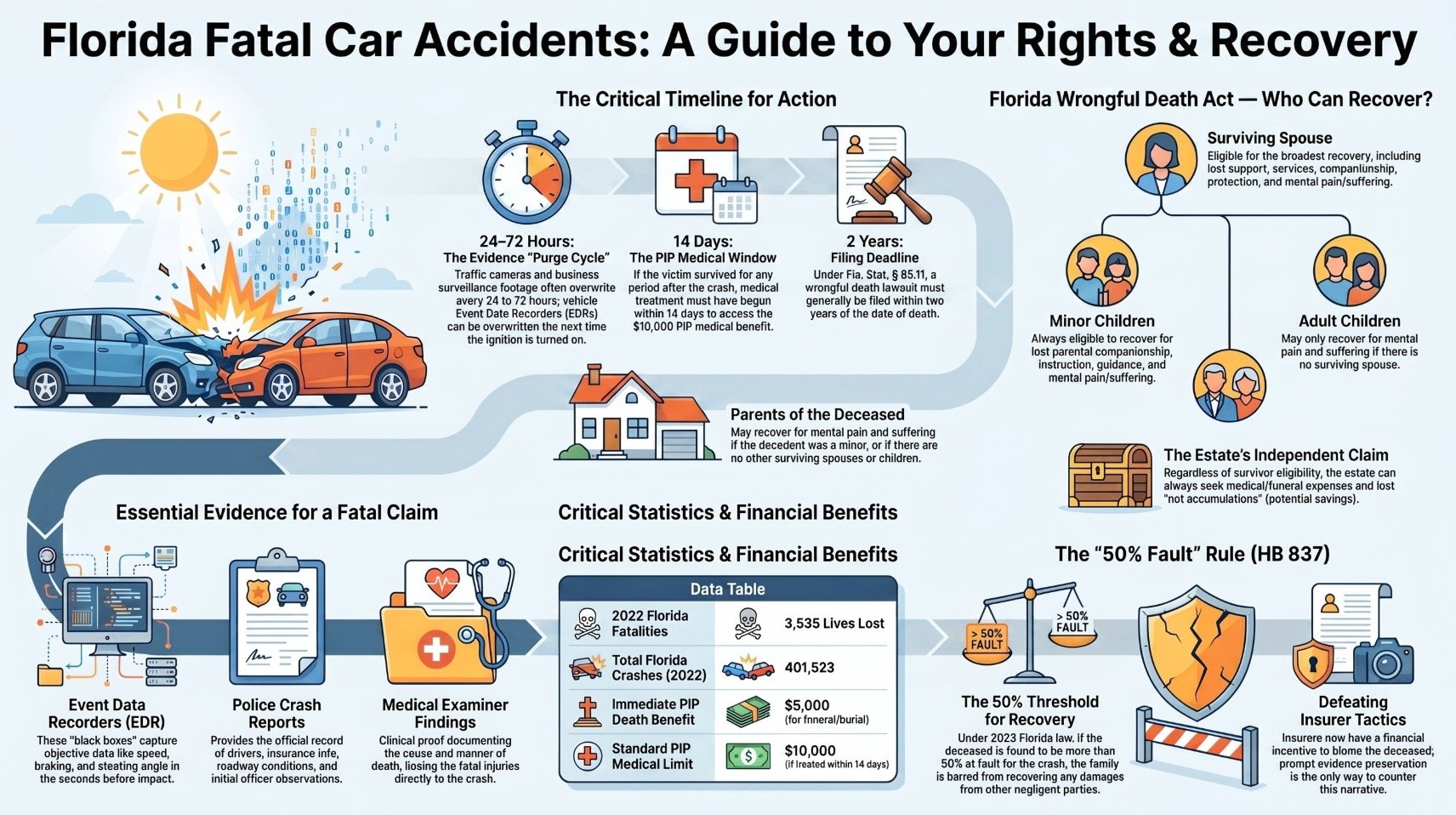
Fatal crashes are the most consequential — and evidentiary-intensive — cases in Florida personal injury law. According to the FLHSMV 2022 Florida Traffic Crash Facts, Florida recorded 401,523 total crashes in 2022, resulting in 3,535 fatalities and more than 253,888 people injured, with combined economic losses reaching $21.4 billion. More than 50,000 Florida crashes involved distracted driving — one of the leading causes of fatal collisions statewide. When death results from a crash, the medical and legal stakes are highest: the Mayo Clinic notes that traumatic brain injuries — a common consequence of high-force vehicle crashes — can cause rapid deterioration and death even when initial symptoms appear manageable.


In wrongful death cases specifically, key evidence — including traffic camera footage, vehicle event data, and delivery app logs if a commercial driver was involved — follows the same 24–72-hour purge cycle as other crash types. Florida’s 2-year wrongful death filing deadline (Fla. Stat. § 95.11) may sound generous, but most evidence of fault disappears within the first 72 hours. Preservation must begin before the family has even arranged the funeral.
Florida Wrongful Death Claim — Who Can File & What They Can Recover
Florida’s Wrongful Death Act (Fla. Stat. §§ 768.16–768.26) assigns specific damages to specific survivors. Knowing which category you’re in determines what your claim can pursue — and how it should be built.
Florida HB 837 (2023) impact on wrongful death claims: Before March 24, 2023, Florida’s pure comparative fault system allowed recovery even when the deceased person shared some blame for the crash. HB 837 converted this to modified comparative fault — if the decedent is assigned more than 50% of fault, the family recovers nothing from the negligent party. In fatal crash cases, insurers now have a direct financial incentive to build a record attributing majority fault to the deceased. Prompt evidence preservation — particularly EDR data, camera footage, and witness accounts — is the most effective way to protect the family’s claim before that narrative can take hold.
Common Causes of Florida Fatal Car Accidents
Fatal car accidents in Florida often result from preventable conduct, hazardous conditions, or a combination of both. Common contributing factors include distracted driving, drunk driving, speeding, reckless behavior, and poorly maintained or unsafe roadways. Identifying the cause of a fatal crash is necessary, because it may determine liability, available evidence, and the legal options for surviving family members.
Distracted Driving
Even a brief lapse in attention can lead to a deadly collision on Florida roads. Distracted driving often involves mobile phone use, navigation systems, eating, grooming, or conversations that reduce driver attention at crucial moments. When a driver looks away, removes a hand from the wheel, or allows thoughts to drift from traffic conditions, reaction time decreases and the risk of fatal impact increases. Families, first responders, and advocates who serve injured communities understand that these preventable choices can create lasting harm. In fatal accident investigations, evidence may include phone records, vehicle data, witness statements, and roadway conditions. Careful review helps identify whether distraction contributed to the crash, supporting accountability and helping survivors pursue appropriate legal remedies under Florida law.
Drunk Driving
Impaired driving presents another major cause of deadly collisions on Florida roads, particularly because alcohol and drugs can reduce judgment, coordination, reaction time, and hazard recognition. When a driver operates a vehicle while impaired, surrounding motorists, passengers, pedestrians, and families may face catastrophic harm that could have been prevented through responsible choices. In fatal crash investigations, DUI evidence may include officer observations, field sobriety results, toxicology reports, witness statements, and video footage. BAC testing can help establish the level of impairment, although drug-related impairment may require additional analysis. In some cases, alcohol liability may also be examined when a business or individual unlawfully provided alcohol to an underage or habitually addicted person. Careful review of these facts helps identify accountability and supports families seeking justice.
Speeding and Recklessness
When drivers exceed posted limits or operate aggressively, the margin for avoiding a serious collision can narrow within seconds. High speeds increase stopping distance, magnify crash forces, and reduce the time available to perceive hazards or protect passengers, pedestrians, and nearby motorists. In fatal Florida crashes, investigators may examine speeding penalties, citation history, event data recorders, skid marks, surveillance footage, and witness accounts to determine whether unlawful speed contributed to the loss of life. Evidence of reckless driving may also include unsafe lane changes, tailgating, racing, ignoring traffic signals, or deliberate disregard for surrounding vehicles. For families seeking accountability, these facts can help clarify how preventable conduct caused irreversible harm. Careful documentation supports a claim aimed at justice, financial stability, and public safety for others.
Poor Road Conditions
Although driver behavior is often central to a fatal crash investigation, poor road conditions can also play a significant role in causing or worsening a collision. In Florida, hazards such as standing water, faded lane markings, broken pavement, inadequate lighting, and missing warning signs may leave drivers with limited time to react. Roadway design defects, including unsafe intersections, sharp curves without proper notice, or insufficient drainage, can increase the risk of catastrophic impact. These conditions may become even more dangerous when combined with vehicle maintenance issues, such as worn tires or faulty brakes. Families seeking answers after a fatal crash may benefit from a careful review of maintenance records, construction history, and government responsibility, helping ensure that all contributing factors are identified and accountability is pursued with diligence.
Legal Rights of Florida Fatal Car Accident Injury Victims
After a fatal car accident in Florida, surviving family members may have the right to pursue compensation through a wrongful death claim when another party’s negligence, recklessness, or misconduct caused the loss. Florida law allows certain relatives and the estate to seek damages for medical expenses, funeral costs, lost support, and the profound loss of companionship. Causation standards require a clear connection between the wrongful conduct and the death, supported by liability evidence such as crash reports, witness statements, expert analysis, and vehicle data.
A wrongful death claim connects legal responsibility with the family’s lasting financial and emotional loss.
During an insurance investigation, families may face questions that affect the value and direction of the claim. Careful guidance can protect those who are grieving while serving the memory of the person lost.
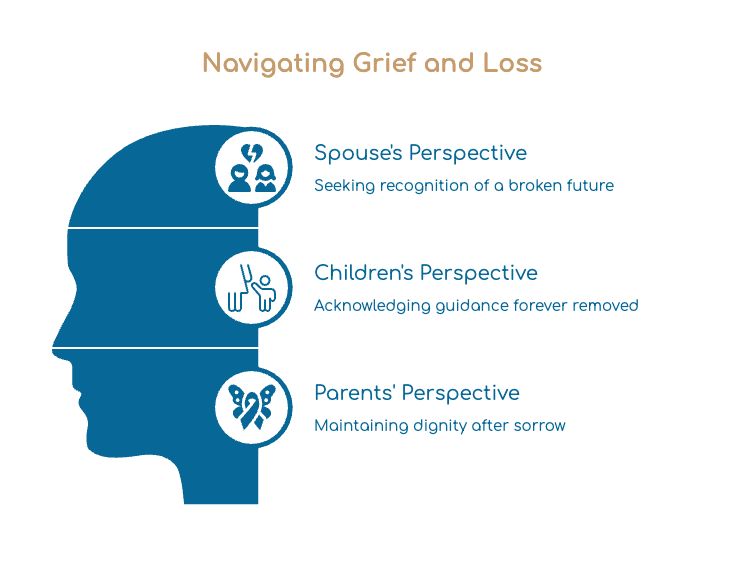
- A spouse may seek recognition of a broken future.
- Children may seek acknowledgment of guidance forever removed.
- Parents may seek dignity after unimaginable sorrow.
Settlement negotiation should reflect legal rights, documented losses, and enduring human harm.
Why Do Florida Fatal Car Accident Injuries Happen?
Fatal car accidents in Florida often happen because preventable conduct turns ordinary traffic conditions into life-threatening events. Common causes include speeding, impaired driving, distracted driving, unsafe lane changes, and failures to yield. When motorists disregard traffic laws or underestimate risk, they can create collisions that leave families, first responders, and communities facing profound loss.
Other contributing factors may include weather-related hazards, driver fatigue, poor vehicle maintenance, and dangerous roadway conditions. Heavy rain, standing water, low visibility, and sudden storms can reduce control and stopping distance. Fatigued drivers may react slowly, drift out of their lanes, or miss vital signals. Commercial vehicles, motorcycles, pedestrians, and cyclists can face heightened danger when other road users fail to exercise proper care.
Understanding these causes helps identify patterns of negligence and supports efforts to prevent future harm. It also reflects a broader duty to protect vulnerable people, promote safer roads, and encourage accountable conduct throughout Florida’s transportation system.
What Should You Do After a Florida Fatal Car Accident Injury?
After a fatal car accident in Florida, immediate action can affect both public safety and the ability to pursue a legal claim. Emergency services should be contacted at once, and essential evidence should be preserved whenever it can be done safely. A lawyer can then help protect the family’s rights, address insurance issues, and evaluate potential claims under Florida law.
Call Emergency Services
When a severe crash occurs, the first priority is to call 911 to contact emergency services. Dispatchers should receive clear details about the location, visible injuries, hazards, blocked lanes, and whether anyone appears trapped or unresponsive. Prompt reporting allows police, fire rescue, and emergency medical personnel to coordinate care, protect the public, and support those affected with dignity.
In a fatal Florida collision, officers may secure the area, manage traffic signals, and begin an official report. Their response can help identify witness statements, create initial scene documentation, and reduce later insurance disputes about timing, location, or emergency conditions. Bystanders who wish to serve should remain calm, follow dispatcher instructions, avoid moving injured persons unless necessary for safety, and provide accurate information to first responders when asked.
Preserve Critical Evidence
Once emergency responders have been contacted and immediate dangers are addressed, preserving evidence becomes a crucial priority in a Florida fatal car accident injury claim. Those assisting the family should, when safe, document vehicle positions, roadway conditions, skid marks, traffic signals, debris, weather, and visible injuries through photographs or video. Witness names, phone numbers, and brief statements may also help establish what occurred before memories fade. Digital evidence preservation is equally important, including dashcam footage, surveillance video, phone records, vehicle data, and navigation histories that may be overwritten or deleted. Individuals should avoid altering damaged property, repairing vehicles, or discarding personal items connected to the crash. Social media scrutiny may affect the claim, so posts, comments, and shared images should be limited and carefully considered.
Contact a Lawyer
Because fatal crash claims can involve strict deadlines, multiple insurance policies, and disputed liability, the family should contact a qualified Florida fatal car accident injury lawyer as early as possible. Early legal guidance helps protect evidence, coordinate communication with insurers, and reduce burdens on grieving relatives who must serve one another while making difficult decisions. During a free consultation, counsel can review available reports, explain wrongful death rights, identify responsible parties, and outline the expected case timeline. The attorney may also address legal fees, including whether representation is offered on a contingency basis, so the family understands financial obligations before proceeding. Prompt contact allows the lawyer to investigate, preserve claims, and pursue compensation with diligence, accuracy, and respect for the family’s loss and continuing responsibilities.
Critical Evidence in a Florida Fatal Car Accident Injury Case
Critical evidence often determines whether a fatal crash case can establish responsibility, preserve the truth, and honor the life that was lost. Essential materials may include: 1. police crash reports, 2. eyewitness testimony, and 3. vehicle damage analysis, each offering a distinct view of how the collision occurred. Medical examiner findings may also provide critical proof of the cause and manner of death, linking the fatal injuries to the crash with necessary precision.
Police Crash Reports
After a fatal collision, the police crash report often becomes one of the first structured records used to evaluate what occurred. It may identify drivers, vehicles, insurance information, roadway conditions, citations, and the responding officer’s initial observations. For grieving families and those assisting them, this report can provide an organized starting point for understanding liability and preserving important facts. In Florida, counsel may compare the report with speeding enforcement records, traffic camera data, vehicle damage, and scene measurements to determine whether negligent conduct contributed to the death. Although the report may contain limitations and should not be treated as the complete case, it can guide further investigation, support insurance communications, and help responsible advocates pursue accountability with care, diligence, and respect for the loss involved.
Eyewitness Testimony
What did nearby drivers, passengers, pedestrians, or business employees see in the moments before impact? In a Florida fatal car accident case, their observations may help clarify unsafe speed, lane changes, traffic signal compliance, distraction, impairment, or aggressive driving. Investigators and attorneys often seek prompt statements, because memory can fade and outside influence may affect recall. Eyewitness reliability depends on viewing distance, lighting, weather, stress, attention, and the time available to observe. Witness credibility factors also include consistency, neutrality, prior relationship to the parties, and whether the account aligns with physical evidence and official findings. Careful witness evaluation can honor the deceased, support grieving families, and assist the court in reaching a fair determination based on trustworthy information rather than assumption or speculation.
Vehicle Damage Analysis
When a fatal collision occurs, the condition of each vehicle can provide objective evidence about how the crash unfolded. Damage patterns, crush depth, airbag deployment, broken glass, and fluid trails may help indicate impact angles, speed estimates, and points of contact. Investigators may also examine tires, brakes, lights, steering components, and electronic data to determine whether vehicle maintenance issues contributed to the event. These findings can either support or challenge witness statements, especially when memories differ or visibility was limited. Crash reconstruction methods use the physical damage, roadway marks, and vehicle positions to create a clearer sequence of events. For families seeking accountability, careful vehicle damage analysis can preserve truth, guide legal decisions, and help ensure that responsible parties are identified with fairness and thorough attention to evidence.
Medical Examiner Findings
Medical examiner findings can provide pivotal evidence in a Florida fatal car accident injury case by documenting the cause and manner of death with clinical precision. These findings may clarify whether trauma, medical complications, or contributing conditions led to the loss of life. When reviewed with police documentation, witness statements, and vehicle damage analysis, the report can help establish a reliable sequence of events. An independent medical review may further assess whether the examiner’s conclusions align with the physical evidence and accepted forensic standards. For families seeking accountability and service-minded resolution, this evidence supports informed decisions and careful advocacy. It can also address disputed causation, timing of injuries, and impairment issues, helping a legal team present facts with accuracy, dignity, and respect for the deceased.
Event Data Recorders and Fatal Crash Evidence in Florida
In fatal crash cases, the driver who caused the collision cannot be questioned — which makes objective vehicle data even more critical than in a standard injury case. According to the National Highway Traffic Safety Administration (NHTSA), most vehicles manufactured after 2012 are equipped with an event data recorder (EDR) that captures vehicle speed, brake application, throttle position, steering angle, and seat-belt status in the seconds immediately before impact. In a fatal crash, EDR data can confirm that the at-fault driver never braked, was traveling at a speed inconsistent with posted limits, or was not wearing a seat belt — objective facts that directly support a wrongful death claim.
In fatal cases specifically, EDR preservation is more urgent than in ordinary crashes. The vehicle is typically towed from the scene and stored in an impound lot or insurance facility — where it may sit for weeks with the ignition accessible. Each time the vehicle is powered on, the EDR buffer can be overwritten. We send formal preservation demands to insurers, tow facilities, and the at-fault driver’s estate immediately upon being retained, and we work with certified EDR extraction specialists to retrieve the recording under chain-of-custody protocols before it is permanently lost.
Florida Personal Injury Protection (PIP) and Fatal Car Accident Claims
Florida is a no-fault insurance state, which means that after a fatal crash, the deceased person’s own insurer — not the at-fault driver’s — is the first source of payment for medical treatment received before death. Every Florida driver must carry a minimum of $10,000 in personal injury protection (PIP) coverage under Florida Statute §627.736. PIP pays 80% of reasonable medical expenses and 60% of lost wages, but only if treatment began within 14 days of the crash. If a qualifying provider determined an emergency medical condition existed, the full $10,000 is available; without that determination, the benefit is capped at $2,500.
In fatal cases, PIP has a second distinct component that many families are unaware of: a separate $5,000 death benefit payable to the estate or designated survivors specifically for funeral and burial expenses. This death benefit is not subject to the 14-day treatment window — it applies whenever death results from a crash covered by the policy. Families should file for this benefit promptly, as it provides immediate financial relief while the larger wrongful death claim is being developed. PIP does not replace the wrongful death claim against the at-fault driver; it is a first-dollar benefit that pays out regardless of fault while the liability fight plays out.
Long-Term Effects of Florida Fatal Car Accident Injuries
Fatal car accidents in Florida often leave long-term effects that extend well beyond the initial loss. Surviving family members may face lasting trauma, ongoing financial hardship, and difficult decisions tied to estate, insurance, and wrongful death claims. These consequences can also create permanent legal issues, making careful evaluation of every available remedy critical.
Lasting Family Trauma
Although the immediate aftermath of a deadly crash often receives the most attention, the emotional and practical consequences for surviving family members can persist for years. Parents, spouses, children, and siblings may struggle with shock, anger, guilt, and recurring memories that disrupt daily routines and relationships. In many Florida families, one loss can alter roles, caregiving patterns, and the sense of safety within the household. Grief counseling may help survivors process trauma, communicate more effectively, and identify signs of depression, anxiety, or complicated mourning. Community leaders, faith groups, and service providers can support family grief by offering consistent presence, respectful listening, and referrals to qualified professionals. Long-term trauma should be recognized as a serious harm, requiring patience, structure, and compassionate attention. Early support may reduce isolation and distress.
Ongoing Financial Hardship
A sudden loss of income after a deadly Florida car accident can place surviving relatives under financial pressure that lasts long after the funeral. Families may face mortgage payments, childcare costs, medical balances, and daily living expenses without the support they relied upon. This strain can affect decisions about housing, education, employment, and caregiving responsibilities, especially when one household member must assume multiple roles.
Careful financial review may help identify immediate needs and available resources. Budgeting relief can provide structure while families adjust to reduced income and increased obligations. In some situations, debt negotiation may help address overdue accounts, collection pressure, or unsecured balances. Supportive guidance can help families preserve stability, protect necessary needs, and make informed choices during a difficult period after fatal injuries.
Permanent Legal Consequences
Beyond financial hardship, a deadly Florida car accident can create permanent legal consequences that shape a family’s rights, responsibilities, and future decision-making. Surviving relatives may face probate issues, guardianship questions, lien disputes, and deadlines tied to wrongful death claims. When criminal negligence is alleged, civil proceedings may overlap with investigations, requiring careful coordination and accurate preservation of evidence. Families committed to serving others often seek accountability not only for compensation, but also to promote safer conduct within their communities. Insurance claim denials can further complicate recovery, forcing survivors to challenge incomplete investigations or policy interpretations. Legal outcomes may influence estate distribution, future benefits, and the protection of dependent children. Prompt legal guidance helps preserve rights, reduce preventable errors, and support responsible decisions during a difficult period.
Proving Liability in Florida Fatal Car Accident Injury Cases
In fatal car accident cases, proving liability requires a careful investigation into how the crash occurred, who owed a duty of care, and which actions or omissions caused the fatal injuries. Attorneys may examine police reports, crash scene photographs, vehicle damage, roadway conditions, medical findings, and witness statements to identify negligent conduct. Evidence preservation is especially important because essential proof can disappear quickly, including surveillance footage, electronic vehicle data, and physical debris.
Florida law also requires attention to comparative fault rules, which may reduce recovery when more than one party contributed to the collision. A careful liability analysis may involve drivers, vehicle owners, employers, maintenance providers, or others whose conduct increased the risk of harm. By establishing causation with reliable documentation and qualified testimony, legal advocates help grieving families pursue accountability while honoring the life lost. This process supports a service-focused commitment to truth, responsibility, and meaningful civil justice.
Dealing With Insurance Companies After a Florida Fatal Car Accident Injury
After a fatal car accident in Florida, insurance companies often begin evaluating claims quickly, sometimes before the surviving family fully understands the legal and financial consequences of the loss. Adjusters may request statements, medical authorizations, or policy paperwork that can affect available recovery. Families acting from compassion and duty may wish to cooperate, yet careful review is crucial before providing information.
Insurers are businesses, and their interests may not align with those of grieving relatives. Coverage limits, exclusions, recorded statements, and disputed facts can influence payment decisions. Claim denials may arise from alleged lack of coverage, contested liability, missed deadlines, or incomplete documentation. A Florida fatal car accident injury lawyer can communicate with insurers, protect the family from unnecessary pressure, and help ensure that requested materials are accurate and appropriate. This support allows survivors to focus on honoring their loved one while pursuing accountability through informed, deliberate action after a preventable tragedy.
What to Expect During a Florida Fatal Car Accident Injury Claim Process
A Florida fatal car accident injury claim typically begins with an initial case evaluation, where the circumstances, available damages, and eligible survivors are reviewed. The process may then involve filing a wrongful death claim, gathering evidence, and establishing liability through accident records, witness statements, and expert analysis. Depending on the strength of the claim and the insurer’s response, the matter may proceed toward settlement negotiations or, when necessary, trial.
Initial Case Evaluation
During an initial case evaluation, a Florida fatal car accident injury lawyer reviews the known facts of the collision, identifies the parties who may be legally responsible, and determines whether the claim may proceed under Florida’s wrongful death laws. This meeting often includes discussion of the decedent’s family relationships, available insurance coverage, police reports, medical records, and witness information. The lawyer may explain the insurance claim timeline, including expected communications with insurers and possible delays. Families may also receive evidence preservation tips, such as saving photographs, vehicle information, repair records, funeral expenses, and correspondence. A careful evaluation helps clarify immediate priorities, protect the family’s interests, and support responsible decision-making during a difficult period, while allowing the legal team to serve the surviving family with diligence.
Wrongful Death Filing
When a fatal car accident claim is ready to proceed, the wrongful death filing process generally begins with identifying the proper personal representative and confirming the survivors who may be entitled to recover damages under Florida law. The filing must reflect the interests of the estate and eligible family members, including those who depended on the deceased for support, services, or guidance. Counsel typically prepares the complaint, ensures required deadlines are observed, and coordinates early evidence preservation without addressing liability in detail. Administrative steps may also include gathering death certificates, medical records, witness statements, and expense documentation. Insurance negotiations may begin before or after filing, depending on claim posture and coverage issues. Settlement timing often depends on court scheduling, insurer review, and the family’s documented losses.
Evidence and Liability
Several categories of evidence may shape the liability assessment in a Florida fatal car accident injury claim, including crash reports, scene photographs, vehicle damage, surveillance footage, electronic data, and witness statements. Investigators may evaluate speed, impairment, distraction, roadway conditions, and compliance with traffic laws. Medical records and autopsy findings can help connect the crash to the death, while expert analysis may clarify causation for grieving families seeking accountability.
A comparative negligence overview is also important because Florida law may reduce recovery when the decedent shares fault. Liability may involve drivers, employers, vehicle owners, manufacturers, or public entities responsible for dangerous roads. When a public agency is implicated, government immunity defenses may limit claims or impose strict notice requirements, making careful evidence preservation vital from the beginning.
Settlement or Trial
After liability and damages are evaluated, a Florida fatal car accident injury claim may proceed toward settlement negotiations, litigation, or trial depending on the strength of the evidence and the insurer’s response. Counsel typically calculates wrongful death damages, documents financial and personal losses, and presents a demand supported by records, testimony, and expert analysis. During insurance negotiations, the goal is a fair resolution that serves the surviving family’s needs while honoring the loss with careful advocacy. If the insurer disputes fault, undervalues damages, or delays payment, filing a lawsuit may become necessary. The case timeline can vary based on discovery, mediation, court availability, and witness issues. A thoughtful litigation strategy helps determine whether settlement protects the family’s interests or trial is required for accountability.
Compensation for Florida Fatal Car Accident Injury Damages
Although no financial recovery can replace a lost family member, compensation in a Florida fatal car accident claim can provide necessary support for surviving relatives and the estate. These funds may help address immediate obligations, preserve household stability, and honor responsibilities the deceased can no longer fulfill. A wrongful death filing may seek recovery for losses recognized under Florida law, including support, services, medical expenses, funeral costs, and the impact of lost companionship on eligible survivors.
A lawyer evaluates available insurance, liability evidence, and the full scope of harm before presenting a claim. This process often includes gathering records, consulting appropriate professionals, and documenting how the death changed the family’s practical needs. Economic damages may be part of that presentation, along with other legally permitted losses. Careful preparation helps ensure that insurers, opposing counsel, or a court receive a complete account of the consequences, supporting a fair resolution that serves those left behind.
Economic vs. Non-Economic Damages in Florida Fatal Car Accident Cases
In Florida fatal car accident cases, damages are generally classified as economic or non-economic, with each category serving a distinct purpose in compensation. Economic damages address measurable financial losses, while non-economic damages account for the profound personal losses that do not carry a fixed market value. Proving these damages requires organized evidence, careful valuation, and a clear connection between the fatal crash and the losses claimed.
Understanding Economic Damages
For families pursuing a fatal car accident claim in Florida, economic damages refer to the measurable financial losses caused by the death. These losses may include medical expenses incurred before death, funeral and burial costs, lost income, loss of benefits, and the value of household services the deceased would have provided. Careful evidence collection is required, because records, invoices, employment documents, tax returns, and expert financial analysis help establish the full scope of loss. In a service-oriented legal process, documenting these amounts supports fair provision for surviving relatives who depended on the deceased’s contributions. Florida law may allow recovery for losses affecting the estate and eligible survivors, depending on the facts. Clear financial proof helps ensure that practical needs are addressed with accuracy, dignity, and responsible advocacy.
Valuing Non-Economic Losses
Financial records can establish measurable losses, but fatal car accident claims in Florida also require careful attention to non-economic damages. These losses reflect the human consequences of a death, including survivors’ mental pain, loss of companionship, guidance, protection, and parental instruction. Their value is not derived from invoices but from the depth of the relationship and the role the deceased person held within the family. A careful assessment considers each eligible survivor with dignity, recognizing grief without overstating it. Florida law also requires attention to wrongful death limits, because recoverable losses may depend on the survivor’s relationship to the deceased. Punitive damages may be considered separately in rare cases involving extreme misconduct, but they do not replace the need to evaluate personal loss with care.
Proving Fatal Accident Damages
After a fatal collision, proving damages requires separating economic losses from non-economic losses while showing how each category is supported by evidence under Florida law. Economic damages may include medical bills, funeral expenses, lost income, lost benefits, and the value of services the decedent provided. These losses often depend on records, employment history, expert analysis, and financial documentation. Non-economic damages address grief, loss of companionship, guidance, and parental support, requiring testimony that respectfully explains the family’s changed circumstances. In an insurance dispute, clear proof helps prevent undervaluation or unsupported denials. A careful case valuation considers statutory beneficiaries, liability evidence, comparative fault, available coverage, and the strength of documentation. This process helps families pursue accountability while honoring the person whose life was lost.
When a Florida Fatal Car Accident Injury Case Goes to Trial vs. Settlement
When a fatal car accident claim in Florida cannot be resolved through negotiation, the case may proceed toward trial, where liability, damages, and the value of the wrongful death claim are decided through formal court procedures. Settlement often remains possible before trial, during mediation, or even after evidence is presented, depending on the strength of proof and the parties’ willingness to resolve the matter responsibly.
The trial settlement timeline may include investigation, filing, discovery, mediation, pretrial motions, and final preparation. Attorneys review records, consult experts, and present evidence showing how the loss affected surviving family members. If trial begins, jury selection basics involve identifying impartial jurors who can fairly evaluate testimony and damages without bias. A court then hears arguments, witnesses, and expert opinions before a verdict is reached. For grieving families, this process can provide structure, accountability, and a formal path toward justice when fair resolution is otherwise unavailable.
Florida Laws That May Affect Your Florida Fatal Car Accident Case
Although every fatal car accident claim depends on its facts, Florida law establishes the rules that determine who may bring a wrongful death case, what damages may be pursued, and how fault affects recovery. A personal representative generally acts for the estate and eligible survivors, ensuring the claim serves those left behind.
Florida law may affect a case through:
- Survivor rights, which recognize spouses, children, parents, and certain dependents whose lives may be permanently altered by the loss.
- Wrongful death damages, which may include lost support, services, companionship, protection, mental pain, funeral expenses, and estate losses.
- Comparative negligence, which can reduce recovery when the deceased person is assigned a share of responsibility for the crash under Florida HB 837 (2023).
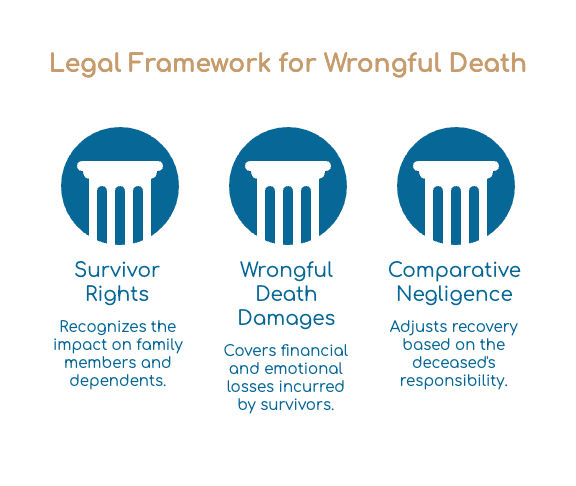
These rules require careful review of relationships, financial dependence, medical evidence, and crash facts. For families committed to honoring a loved one’s life, the law provides a structured path toward accountability, dignity, and practical support.
The Statute of Limitations for Florida Fatal Car Accident Injury Cases
In Florida fatal car accident cases, the statute of limitations sets a strict deadline for filing a wrongful death lawsuit, and missing that deadline can prevent a family from pursuing compensation through the courts. Under Florida law, the personal representative generally must file the wrongful death action within two years from the date of the decedent’s death (Fla. Stat. § 95.11(4)(d)). This deadline applies even when survivors are still grieving, arranging services, or seeking family trauma support after a sudden loss.
The time limit matters because evidence can fade, witnesses may become difficult to locate, and insurance disputes often take time to evaluate. Wrongful death damages may include lost financial support, funeral expenses, loss of companionship, and other losses recognized by statute. Families who serve and support one another after a fatal crash benefit from understanding this deadline early, so important rights are not lost before the claim can be properly reviewed and prepared under Florida law.
How a Florida Fatal Car Accident Injury Lawyer Can Help You
After understanding the filing deadline, families often need guidance on the legal steps required to protect a wrongful death claim after a fatal car accident. A Florida fatal car accident injury lawyer can help organize evidence, evaluate liability, and communicate with insurers while grieving relatives focus on service, remembrance, and care for one another.
Legal support may include reviewing police reports, securing medical and financial records, and addressing insurance paperwork with accuracy. Counsel can also monitor claim deadlines, reduce procedural errors, and present the loss in a manner that reflects both legal value and human dignity.
- Preserving a loved one’s story through careful documentation.
- Shielding family members from unnecessary insurer pressure.
- Pursuing accountability so surviving relatives may move forward with stability.
This assistance can help families honor the deceased while seeking lawful compensation for funeral costs, lost support, and other damages recognized under Florida law after tragedy.
When to Contact a Florida Fatal Car Accident Injury Lawyer
When should a family contact a Florida fatal car accident injury lawyer after a deadly collision? Contact should occur as soon as practical, once urgent medical, funeral, and family needs are stabilized. Early guidance can help responsible relatives understand deadlines, reporting obligations, and communications that may affect a claim.
Prompt contact is especially important when vehicles are moved, witnesses disperse, roadway conditions change, or electronic data may be lost. A lawyer can help coordinate crash evidence preservation, including crash reports, photographs, surveillance footage, maintenance records, and driver information, before critical proof disappears.
Families should also seek legal input before giving recorded statements, signing releases, or responding to settlement offers. Insurers may begin an insurance denial strategy early, especially when liability, coverage, or damages are disputed. Timely consultation allows the family to protect the decedent’s interests, support dependents, and proceed with dignity while preserving the ability to pursue lawful compensation.
Why You Need an Experienced Florida Fatal Car Accident Injury Lawyer
Early contact with legal counsel matters, but the value of that contact depends heavily on the lawyer’s experience with fatal motor vehicle claims in Florida. These cases require careful coordination of crash evidence, medical findings, estate authority, and survivor damages under state law. An experienced lawyer understands how to preserve proof before it is lost and how to present the full human and financial impact of a preventable death.
Families often face insurers that act quickly to limit exposure. Wrongful insurance practices may include delayed responses, low valuations, or efforts to shift blame before the record is complete. Skilled counsel can identify these problems and respond with disciplined case development.
Experience also informs settlement negotiation tactics. A lawyer familiar with fatal accident litigation can assess liability, damages, and policy issues with precision. This guidance supports a claim that honors the deceased, protects surviving family members, and advances accountability through a measured legal process.
How to Choose the Right Florida Fatal Car Accident Injury Lawyer for Your Case
How should a family assess legal representation after a fatal crash in Florida? They should look for a lawyer with proven experience handling wrongful death and fatal collision claims, including investigations, insurance negotiations, and litigation. A qualified attorney should explain legal options clearly, identify eligible survivors, and outline how compensation may support those left behind.
Focus on attorney fees, contingency payments, communication updates, case strategy, and the lawyer’s readiness to answer difficult questions with care. Families honoring a loved one’s memory may benefit from counsel who respects their responsibilities, promptly preserves evidence, and coordinates with experts when needed. The right lawyer should provide regular communication updates, discuss likely challenges, and craft a case strategy based on facts rather than assumptions. Since many firms use contingency payments, families should understand when fees apply and what costs may arise. Careful evaluation helps ensure steady guidance during a demanding legal process.
About The Law Offices of Anidjar & Levine
Founded in 2005 by Marc Anidjar and Glen Levine, the firm began as a two-person operation working out of a construction office conference room. Over the past 20 years, that modest start has grown into one of Florida’s most recognized personal injury practices — with more than $1 billion recovered in settlements for injury clients across the state. We bring that same determination and depth of experience to every case we handle.
For families seeking guidance after a fatal car accident in Florida, The Law Offices of Anidjar & Levine provides legal representation focused on wrongful death claims, fatal collision investigations, and insurance recovery. The firm assists surviving relatives as they confront legal duties, financial pressures, and questions about accountability following a preventable loss.
Its attorneys conduct a case assessment to identify liable parties, review evidence, and determine available sources of compensation. This process may include examining crash reports, medical records, witness statements, vehicle data, and insurance policies. By organizing these facts, the firm helps families pursue claims with purpose and care.
The Law Offices of Anidjar & Levine also emphasizes client support throughout the legal process. The firm communicates with insurers, manages case deadlines, and prepares claims while families focus on service, recovery, and honoring their loved one. Its role is to provide steady advocacy during a difficult and consequential time.
Frequently Asked Questions
Can Multiple Family Members File Separate Fatal Accident Claims?
Multiple family members may have rights after a fatal accident, but they typically do not file entirely separate claims. Separate claim eligibility depends on the governing wrongful death law, the representative’s role, and each survivor’s recognized losses. Multiple beneficiary rights may include support, services, companionship, or other damages. A coordinated claim often protects fairness, reduces conflict, and ensures each eligible family member’s interests are properly presented.
Are Punitive Damages Available in Florida Fatal Car Accident Cases?
Punitive damages may be available in Florida fatal car accident cases, but only under limited circumstances. They require evidence beyond ordinary negligence, such as intentional misconduct or gross negligence. Courts examine eligibility factors including reckless disregard for safety, impaired driving, excessive speeding, or knowingly dangerous conduct. Families seeking accountability while serving a loved one’s memory should understand that these damages are intended to punish and deter egregious behavior.
Who Pays Funeral Expenses After a Fatal Florida Car Accident?
Funeral expenses after a fatal Florida car accident may be paid through PIP death benefits (up to $5,000 under Florida Statute §627.736), the at-fault driver’s liability insurance, the estate, or surviving family members initially. A wrongful death claim may seek reimbursement for funeral and burial expenses. Insurers may raise coverage disputes, delaying payment or limiting available benefits. Responsible parties are identified through policy review, accident evidence, and careful coordination by those serving the family’s needs.
Can Undocumented Families Pursue Wrongful Death Claims in Florida?
Undocumented families may pursue wrongful death claims in Florida if they meet statutory eligibility requirements. Immigration status generally does not erase wrongful death rights, though it may affect practical issues, documentation, or court strategy. Eligible survivors may include spouses, children, parents, and certain dependent relatives. Family claim limits depend on the statute, available damages, and proof of loss, so careful legal guidance helps protect vulnerable families serving one another.
What Happens if the At-Fault Driver Died Too?
If the at-fault driver also died, surviving families may still seek compensation through the driver’s auto insurance, and potentially through the estate settlement process. The claim generally proceeds against available coverage, with insurance claim handling managed by the insurer, not the deceased driver personally. If damages exceed policy limits, a claim against the estate may be considered. Careful documentation helps protect dependents, honor losses, and support responsible service to affected families.
How Does Florida’s PIP Coverage Apply After a Fatal Car Accident?
Florida’s personal injury protection (PIP) coverage provides two benefits relevant to fatal crashes. First, the medical coverage — up to $10,000 — may pay 80% of treatment costs the deceased person incurred before death, but only if care began within 14 days of the crash. If a physician determined an emergency medical condition existed, the full $10,000 is available; without that determination, benefits are capped at $2,500. Second, Florida PIP includes a separate $5,000 death benefit payable to the estate or designated survivors for funeral and burial expenses — a benefit that is not subject to the 14-day treatment window. PIP applies first, before the at-fault driver’s liability coverage is accessed, so the family should file for this benefit immediately while the larger wrongful death claim is being built.
Can Vehicle Black Box Data Prove Fault in a Fatal Florida Crash?
Yes. Most vehicles manufactured after 2012 contain an event data recorder (EDR) that captures vehicle speed, brake application, throttle position, steering angle, and seat-belt status in the seconds before impact. In fatal crash cases — where the at-fault driver may not be available to testify — EDR data can provide objective, unimpeachable proof of speed, the absence of braking, and crash forces. This data can be overwritten if the vehicle is operated after the crash, so preservation demands must be sent to the insurer, tow facility, and at-fault driver’s estate immediately upon retaining an attorney.
A fatal car accident can leave families facing grief, financial strain, and difficult legal questions. A Florida car accident lawyer can help identify liable parties, pursue available compensation, and manage the legal process with care and precision. The Law Offices of Anidjar and Levine provides guidance for families seeking accountability after a preventable loss. Timely legal support can protect important rights, preserve evidence, and help families move forward with greater security.
Results may vary. Prior results do not guarantee a similar outcome.