The Law Offices of Anidjar and Levine helps Tampa car accident victims with nerve damage pursue compensation for medical care, lost income, reduced earning capacity, pain and suffering, and future treatment needs.
Our Tampa Car Accident Lawyer team gathers medical records, diagnostic results, crash evidence, witness statements, and provider opinions to connect your symptoms to the collision.
We also handle insurer pressure, comparative fault claims, and denial tactics.
Understanding your rights, deadlines, and evidence needs can make the next steps clearer.
Main Takeaways
- A Tampa nerve damage car accident lawyer helps connect crash evidence to symptoms, diagnosis, treatment, and long-term limitations.
- Strong claims rely on medical records, diagnostic tests, accident photos, witness statements, and provider opinions.
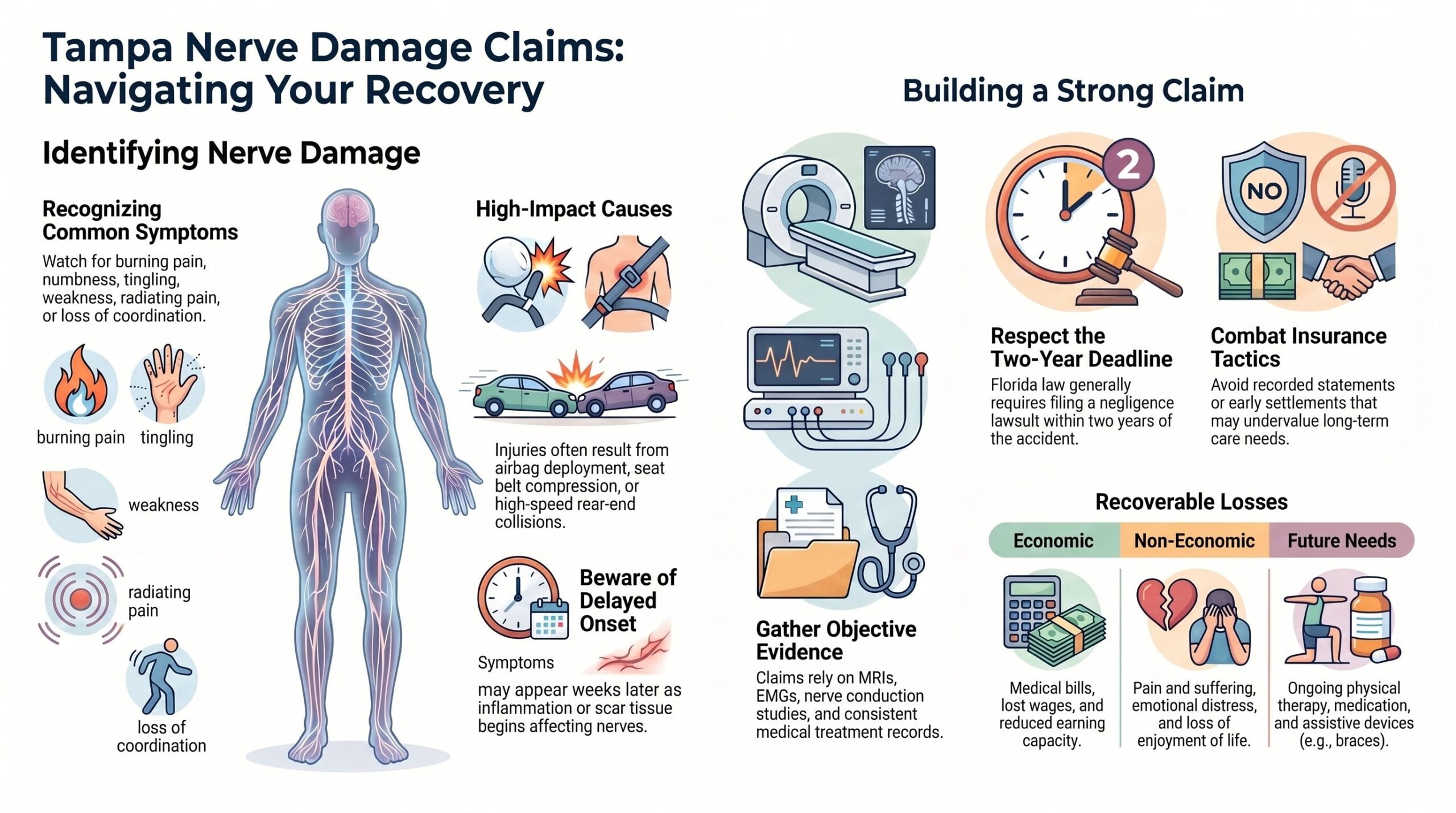
- Nerve damage symptoms may include burning pain, numbness, tingling, weakness, radiating pain, and loss of coordination.
- Compensation may include medical care, future treatment, lost income, reduced earning capacity, and limitations in daily life.
- Speak with a lawyer before recorded statements, insurance forms, or early settlement offers that may undervalue the claim.


How We Can Help With Your Tampa Nerve Damage Car Accident Injury Claim
After a car accident causes nerve damage, we can help you build a claim that reflects the full scope of your injury, treatment needs, and financial losses. We gather medical records, consult with treating providers, document functional limits, and clearly link your symptoms to the collision. We also calculate lost income, reduced earning ability, future care costs, and other damages that may affect your ability to serve your family, workplace, and community.
Insurers may raise Comparative fault arguments to reduce what they owe. We respond with police reports, witness statements, photographs, expert input, and careful analysis of the crash facts. Our settlement negotiation strategy focuses on presenting a complete, organized demand that shows liability, damages, and long-term consequences. If the insurer refuses a fair resolution, we’re prepared to advance your case through litigation while keeping you informed, supported, and ready for each decision ahead.
OUR CONSULTATIONSARE FREE
START YOUR FREE CASE REVIEW

Understanding Tampa Nerve Damage Car Accident Injury Cases
When a crash injures the nerves, the effects can extend far beyond immediate pain and may disrupt movement, sensation, strength, and daily function. We help you understand how these injuries affect your health, work, caregiving duties, and ability to serve those who depend on you. Nerve symptoms may include burning, numbness, tingling, weakness, radiating pain, or loss of coordination, and they often require careful medical documentation.
We also recognize that each recovery timeline differs. Some people recover with therapy and time, while others face lasting limitations that change daily routines. Because insurers may rely on settlement myths to reduce the value of claims, we focus on evidence, not assumptions.
We review records, treatment plans, prognosis opinions, and functional losses. Then we use negotiation strategies that connect your medical condition to real consequences, including lost income, care needs, and reduced independence. Our goal is to protect your claim with accuracy, dignity, and purpose.
Common Causes of Tampa Nerve Damage in Car Accidents
We often see nerve damage after serious Tampa car accidents caused by high-speed rear-end collisions, airbag deployment trauma, seat belt compression, and spinal cord impact. These forces can stretch, compress, or injure nerves, leaving you with pain, weakness, numbness, or reduced mobility. We’ll examine how each cause can affect your claim and why prompt medical and legal guidance matters.
High-Speed Rear-End Collisions
Because rear-end crashes transfer force through the spine, a high-speed impact can stretch, compress, or tear nerves in the neck, back, shoulders, and limbs. We often see victims develop radiating pain, numbness, weakness, burning sensations, or loss of coordination after these collisions. When you serve an injured loved one, coworker, or neighbor, prompt medical attention helps protect their recovery and documents the harm caused.
Whiplash symptoms may appear immediately or over several days, and they can signal deeper nerve irritation. Head movement during impact may also require concussion treatment, especially when dizziness, confusion, or headaches follow. We help you connect these injuries to the crash, preserve evidence, and pursue accountability from negligent drivers whose speed left another person with lasting limitations and serious daily challenges in Tampa.
Airbag Deployment Trauma
Although airbags save lives, deployment can create enough force to injure nerves in the face, neck, chest, arms, and hands during a Tampa car accident. We often see symptoms such as burning pain, numbness, weakness, or tingling after the bag strikes sensitive tissue. These injuries may affect your ability to work, care for family, or serve others safely.
We review crash data, medical records, and vehicle history to determine whether deployment timing, defects, or Airbag recall impacts contributed to nerve trauma. We also address seat belt restraint myths when insurers argue that an airbag alone prevents serious injury. Prompt evaluation matters because nerve damage can worsen without proper care. If you notice persistent symptoms after deployment, we can help protect your health and claim.
Seat Belt Compression
A seat belt can prevent catastrophic injury, but the force of a Tampa collision can also compress nerves across the shoulder, chest, neck, abdomen, and pelvis. We often see bruising, tingling, numbness, burning pain, weakness, or radiating discomfort after the belt tightens suddenly during impact. These signs may appear with whiplash symptoms, making prompt medical evaluation important for anyone who serves family, coworkers, or community members and needs to return safely.
We help you connect those symptoms to the crash through records, imaging, physician opinions, and clear documentation of daily limitations. Seat belt marks, delayed nerve pain, and reduced mobility can support an injury compensation claim when properly preserved. We work to show how compression affected your health, responsibilities, and ability to care for others.
Spinal Cord Impact
When a crash jolts the spine, the spinal cord and surrounding nerve roots can sustain bruising, stretching, compression, or inflammation, disrupting signals throughout the body. We often see these injuries after rear-end, side-impact, or rollover collisions, especially when headrest whiplash forces the neck beyond its normal range.
You may notice numbness, burning pain, weakness, balance problems, or post-accident fatigue that makes daily service to family, work, and community harder. We encourage prompt medical evaluation because spinal cord impact can worsen when swelling or disc pressure goes untreated. Our role is to help you document symptoms, connect them to the collision, and protect your claim with evidence. By acting early, we support your recovery and your ability to keep caring for others.


Legal Rights of Tampa Nerve Damage Car Accident Injury Victims
After a Tampa car accident causes nerve damage, the injured person has the right to pursue compensation from the party whose negligence caused the crash. We help you understand those rights so you can protect your health, support your family, and continue serving others with dignity.
Florida law may allow recovery for medical treatment, lost income, reduced earning capacity, pain, suffering, and future care needs. We also address Insurance coverage misunderstandings that may unfairly limit your options.
Insurers sometimes use wrongful denial tactics, and we challenge those efforts with evidence and timely action.
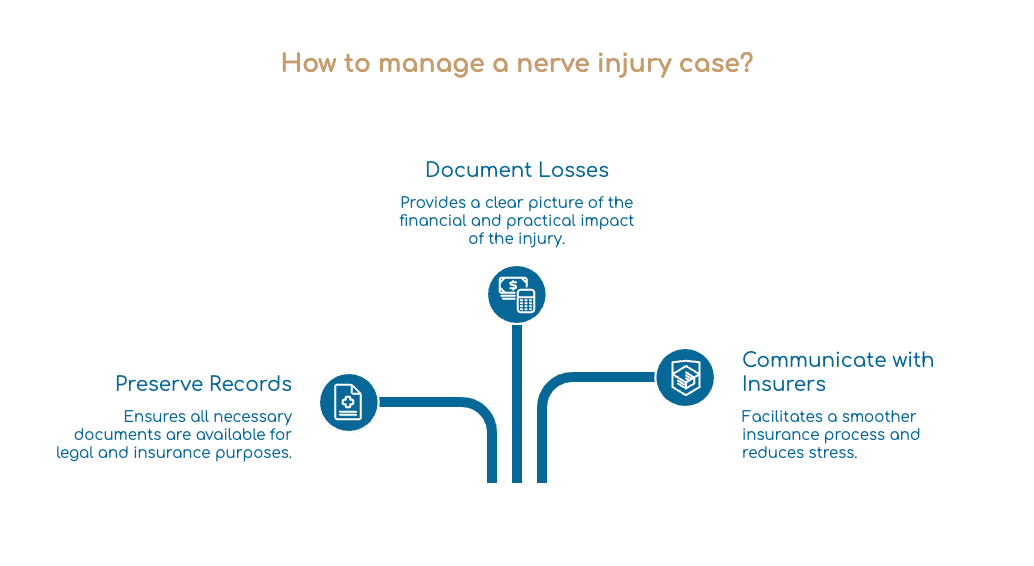
- We preserve medical records, diagnostic results, and provider opinions that explain the nerve injury.
- We document financial losses, daily limitations, and the practical impact on your responsibilities.
- We communicate with insurers so you don’t face pressure, delay, or confusing demands alone.
Your rights matter, and we work to pursue accountability with care, precision, and resolve.
Why Do Tampa Nerve Damage Car Accident Injuries Happen?
Tampa’s high-speed roads, crowded intersections, and sudden impact forces can place extreme stress on the body’s nerves during a car accident. We often see nerve damage develop when a collision stretches, compresses, or tears nerve tissue in the neck, back, shoulders, arms, or legs. Even a low-speed crash can cause harm when the body twists sharply or absorbs force through the spine.
These injuries may not appear immediately, which can lead to unreported injuries and confusion about the symptom timeline. You may feel numbness, burning, weakness, or radiating pain hours or days later. When symptoms develop slowly, insurance claim delays can follow, especially if an insurer questions how the injury relates to the crash.
We understand that clear legal documentation helps protect your ability to serve your family, workplace, and community. Accurate records connect the collision, symptoms, diagnosis, and long-term effects, giving your claim structure and credibility from the beginning.
What Should You Do After a Tampa Nerve Damage Car Accident Injury?
After a Tampa car accident, we must act quickly to protect your health, your evidence, and your potential injury claim. We recommend that you seek immediate medical care, document accident evidence when possible, and avoid giving detailed statements before you understand your rights. We can then help you evaluate your nerve damage, identify liable parties, and contact the appropriate lawyer for guidance.
Seek Immediate Medical Care
If you suspect nerve damage from a car accident, get medical care right away, even when your symptoms seem mild at first. If you recognize treatment urgency, because numbness, tingling, weakness, burning pain, or loss of coordination can worsen without prompt evaluation. You should let medical professionals examine you, order appropriate tests, and begin care that protects your long-term function and ability to serve your family, work, and community.
We also encourage symptom tracking, including when pain starts, where sensations change, and how movement becomes limited. After an emergency visit, schedule an emergency follow-up with experts if recommended, and attend every appointment. Consistent injury documentation from healthcare providers helps connect your condition to the crash while supporting clear decisions about treatment and recovery. Keep all medical instructions.
Document Accident Evidence
Medical treatment should remain your priority, but you should also preserve evidence as soon as you can safely do so. We encourage you to document the crash scene with care, especially when the injury may affect strength, sensation, or mobility. Preserve photos of vehicle damage, skid marks, traffic signals, road conditions, visible injuries, and any medical devices used after the collision.
If witnesses stopped to help, gather their names and contact information. We should also keep damaged personal items, repair estimates, discharge papers, prescriptions, and symptom notes in one secure place. These records may help explain how the crash disrupted your work, service, family duties, and daily responsibilities. When insurers later file claims or request statements, accurate evidence helps protect the truth of what happened.
Contact A Lawyer
Once your immediate medical needs are addressed, you should contact a lawyer before giving recorded statements, signing insurance forms, or accepting any early settlement offer. We can help protect your rights while you focus on recovery, family responsibilities, and serving those who rely on you. Early legal guidance supports Evidence preservation, including vehicle data, photographs, surveillance footage, and repair records.
We also evaluate witness credibility before memories fade or accounts change. Strong medical documentation connects your nerve damage to the crash, treatment, limitations, and future care needs. We monitor the insurance claim timeline, respond to requests, and prevent missed deadlines that could weaken your case. By involving counsel promptly, you gain structure, protection, and a clearer path toward fair compensation after a serious Tampa accident.
Critical Evidence in a Tampa Nerve Damage Car Accident Injury Case
We build a strong Tampa nerve damage car accident injury case by preserving evidence that connects the crash to your diagnosis, treatment needs, and long-term limitations. Major evidence may include:
- Medical records and diagnostic test results, such as MRIs, EMGs, nerve conduction studies, and physician evaluations
- Accident scene evidence, including photographs, vehicle damage, skid marks, debris, and roadway conditions
- Witness statements from passengers, bystanders, responding officers, or medical providers
When we gather and organize this proof early, we can present your claim with greater accuracy, credibility, and force.
Medical Records
Build your Tampa nerve damage car accident claim on records that show exactly what happened to your body, when symptoms began, how providers diagnosed the injury, and why ongoing care is necessary. We use emergency notes, primary care records, medical professional evaluations, prescriptions, therapy reports, and referral histories to connect your condition to the crash.
These documents also demonstrate the urgency of treatment, which helps counter arguments that delayed care makes your injury minor or unrelated. We guide you in records preservation, because missing or incomplete files can weaken an otherwise valid claim. When we review your medical history, we look for consistent complaints, work restrictions, pain descriptions, and care plans. Clear records help us present your needs with dignity, accountability, and respect for the people who depend on your recovery.
Diagnostic Test Results
Medical records tell the story of your treatment, but diagnostic test results often provide the objective proof that explains the injury. We use EMG studies, nerve conduction tests, MRIs, CT scans, and related evaluations to connect your symptoms to nerve trauma after a crash. These results can confirm damage, identify severity, and help distinguish new injuries from prior conditions.
Diagnostic imaging accuracy matters because insurers often challenge pain complaints that they cannot easily see. We also rely on Symptom progression tracking, comparing early findings with later studies to show worsening numbness, weakness, burning pain, or loss of function. When we present clear test results, we help decision-makers understand your limitations, your medical needs, and the support required for your recovery. Strong evidence protects your right to fair compensation.
Accident Scene Evidence
After a serious crash, accident scene evidence can reveal how the force, angle, and timing of impact caused nerve trauma. We examine vehicle positions, skid marks, debris fields, road defects, traffic signals, and damage patterns to understand what happened and how your body absorbed the collision. Photographs, measurements, event data, and police scene diagrams can support medical findings and connect your symptoms to the crash.
This evidence becomes especially important in liability disputes, when insurers question fault or argue that your nerve injury was caused by another factor. We use scene details to strengthen your settlement strategy, protect your access to pain treatment, and present a clear account of your losses. By preserving this proof early, we help serve your recovery and pursue accountability with disciplined focus.
Witness Statements
When witness statements are gathered early, they can preserve important details about the crash, your visible symptoms, and the moments before emergency responders arrived. We look for people who saw the impact, heard your complaints, or helped you after the collision. Their accounts can support the timing of nerve pain, numbness, weakness, or mobility problems.
We also evaluate Eyewitness credibility issues, including distance, lighting, distractions, and possible bias. If disputes arise over dashcam footage, witness statements may clarify what the recording does not show or put the footage in proper context. We ask careful questions, document answers, and compare statements with medical records and accident evidence. By securing reliable testimony, we help present your injury claim with accuracy, integrity, and service-focused diligence.
Long-Term Effects of Tampa Nerve Damage Car Accident Injuries
We understand that nerve damage after a Tampa car accident can affect you long after the initial crash, especially when chronic pain symptoms interfere with daily life. We also consider how mobility limitations may restrict your work, independence, and routine activities. As we evaluate your claim, we can’t overlook the emotional health impacts that often follow persistent pain and physical limitations.
Chronic Pain Symptoms
Although nerve damage can begin with numbness, tingling, or sharp pain, its long-term effects often develop into chronic pain that disrupts daily life well after a Tampa car accident. We help you recognize persistent burning, stabbing, electric-shock sensations, hypersensitivity to touch, and pain that intensifies at night or after routine activity.
These symptoms may reflect a Neuropathy diagnosis, especially when damaged nerves continue sending pain signals after tissues should have recovered. We also consider how chronic pain affects sleep, concentration, caregiving duties, and your ability to serve others reliably. When you bring settlement timeline inquiries to us, we explain why ongoing treatment, expert assessments, and documented pain patterns matter. We work to connect your symptoms to the crash with clear medical evidence and a careful legal strategy.
Mobility Limitations
Chronic pain can limit more than comfort; it can change how you walk, stand, drive, work, and move through ordinary routines after a Tampa car accident. When nerve damage affects balance, grip strength, leg control, or coordination, we often see daily tasks become slower and less predictable. You may need breaks, modified duties, or reduced hours because Work capacity limits affect both service and income.
We also consider assistive device needs, including braces, canes, walkers, ergonomic tools, or vehicle modifications, when documenting long-term mobility changes. These limitations matter because they influence medical care, household responsibilities, transportation, and your ability to help others. We work to connect functional losses with clear evidence, so your claim reflects the full impact of impaired movement.
Emotional Health Impacts
How does nerve damage affect emotional health after a Tampa car accident? We often see pain, numbness, and reduced function create fear about work, caregiving, and daily service to others. When symptoms persist, you may face sleep loss, irritability, and isolation, which can lead to a coping mechanisms breakdown. Panic anxiety symptoms may appear during driving, medical visits, or sudden pain flares.
We encourage early post-accident trauma therapy, because emotional injuries merit the same careful attention as physical harm. With stress recovery support, we can help you document these effects, connect them to the crash, and protect your claim’s full value. You shouldn’t have to carry invisible suffering alone while trying to recover, serve your family, and regain stability after serious nerve damage.
Proving Liability in Tampa Nerve Damage Car Accident Injury Cases
When a crash causes nerve damage, proving liability requires clear evidence that another party’s careless conduct led to the collision and the resulting injury. We help you build that proof by examining police reports, witness statements, traffic camera footage, vehicle damage, and medical records. Each detail can show how a driver violated a duty of care, whether through speeding, distraction, unsafe lane changes, or impaired driving.
We also focus on connecting the crash to your nerve injury. Causation experts may explain how the force of impact damaged nerves, aggravated a prior condition, or caused lasting neurological symptoms. This evidence matters when opposing parties raise a Comparative fault defense, claiming you share responsibility for the crash or your injuries. We address those claims with facts, timelines, and credible analysis. By presenting a clear liability case, we work to protect your rights while supporting your recovery and your ability to serve others.
Dealing With Insurance Companies After a Tampa Nerve Damage Car Accident Injury
After a Tampa crash causes nerve damage, insurance companies often move quickly to limit what they pay. We help you respond with care, discipline, and purpose, so your focus can remain on recovery and supporting those who rely on you. Adjusters may question the severity of nerve symptoms, argue that pain is unrelated, or request statements that can weaken your position. We recommend avoiding recorded statements until we’ve reviewed the facts and your medical records.
Strong communication with insurers begins with a planning documentation strategy. We gather treatment notes, diagnostic results, work restrictions, pain journals, and provider opinions to show how the injury affects daily service, family duties, and employment. If an insurer refuses benefits or undervalues necessary care, we prepare coverage denial appeals supported by clear evidence and policy language. We also track deadlines, preserve correspondence, and challenge unfair tactics, helping you protect your rights without having to carry that burden alone.
What to Expect During a Tampa Nerve Damage Car Accident Injury Claim Process
We guide you through each stage of the Tampa nerve damage car accident injury claim process, beginning with an initial case evaluation and a careful review of your medical condition. We collect medical evidence, document how the injury affects your daily life, and present a clear claim to the insurance company. If negotiations don’t result in a fair settlement, we’re prepared to pursue litigation to protect your rights.
Initial Case Evaluation
Before a nerve damage car accident claim can move forward, we start with a focused case evaluation that identifies how the crash occurred, what injuries you’ve suffered, and how those injuries affect your daily life. We listen carefully because your ability to serve your family, coworkers, and community may now depend on practical support and clear legal guidance. We review fault concerns, insurance coverage, deadlines, and the early facts that may shape your claim.
Insurance document gathering helps us locate policies, claim numbers, correspondence, and benefit notices that may affect available recovery. We also use an Eligibility filing checklist to confirm required details before action begins. By organizing this information early, we help you understand your options, avoid preventable delays, and prepare for the next stage with confidence.
Medical Evidence Collection
Once the initial case evaluation identifies the crucial facts, medical evidence collection gives structure to the injury claim and helps show how the crash caused your nerve damage. We gather emergency records, treating physician notes, therapy reports, and diagnostic findings to build a complete medical timeline. Imaging studies coordination helps ensure that MRIs, CT scans, EMGs, and nerve conduction studies are obtained, reviewed, and linked to your symptoms.
We also organize documentation of pain severity, including medication history, functional limits, sleep disruption, and changes in daily service to family, work, or community. When appropriate, we request provider opinions addressing causation, prognosis, and future care needs. By collecting consistent, reliable evidence early, we help present your injury clearly, support your credibility, and preserve important details before memories fade or records become harder to obtain.
Insurance Claim Negotiations
After we’ve developed a clear medical record, insurance claim negotiations begin with a careful presentation of liability, damages, and the long-term impact of your nerve injury. We organize Medical Documentation, wage information, treatment plans, and expert opinions to show how the collision affected your work, mobility, caregiving, and daily service to others.
We also review Recorded Evidence, including crash reports, photos, witness statements, and available video footage, so we can address disputes before insurers use it to reduce the value. During negotiations, we communicate directly with adjusters, respond to requests, and protect you from statements that may be misinterpreted. Our role is to present a complete, disciplined claim that reflects your losses, supports your recovery, and keeps the process focused on fair evaluation.
Settlement Or Litigation
When settlement negotiations don’t produce a fair offer, we evaluate whether litigation gives your nerve damage claim the stronger path forward. We review medical evidence, liability disputes, policy limits, and the insurer’s conduct to determine the best next step. Filing a lawsuit can increase Insurance negotiation leverage, especially when the defense has undervalued long-term pain, weakness, numbness, or work limitations.
We also conduct a careful trial risk evaluation, so you understand the strengths, uncertainties, costs, and timeline before making decisions. Litigation may involve discovery, depositions, expert testimony, mediation, and, if necessary, trial. Throughout the process, we prepare your case with discipline and purpose. Our goal is to protect your recovery, support your ability to serve others, and pursue fair compensation.
Compensation for Tampa Nerve Damage Car Accident Injury Damages
Pursue full compensation for nerve damage after a Tampa car accident by documenting how the injury affects your medical needs, work capacity, daily function, and long-term prognosis. We help you gather treatment records, diagnostic results, physician opinions, rehabilitation plans, and credible witness statements that show the full impact of your injury.
We also track Insurance claim timelines because missed deadlines can weaken your claim and limit your ability to serve your family, workplace, and community. When insurers delay, dispute causation, or minimize symptoms, we respond with organized evidence and a clear demand for accountability.
Before representation begins, we explain attorney fee agreements so you understand costs, responsibilities, and what happens if recovery is obtained. Our role is to protect your claim, reduce confusion, and prepare every step with care. You should focus on recovery, while we pursue the compensation needed to support recovery and restore stability after serious nerve trauma.
Economic vs Non-Economic Damages in Tampa Nerve Damage Car Accident Cases
We separate economic damages, such as medical bills and lost wages, from non-economic damages, including pain, emotional distress, and loss of daily function. We help you understand how each category affects the value of a Tampa nerve damage car accident claim. We also focus on proving damage value with medical records, employment documentation, expert opinions, and clear evidence of how the injury has changed your life.
Medical Bills And Wages
Many nerve damage claims involve two distinct categories of compensation: economic damages and non-economic damages. For medical bills and wages, we focus on measurable losses that affect your ability to recover and serve your family, employer, and community. These damages may include emergency care, diagnostic testing, doctor visits, therapy, medication, pain management options, and future treatment needs. We also document missed work, reduced hours, lost bonuses, and diminished earning capacity when nerve symptoms limit job duties.
We help you organize records, employment documents, and provider statements so the full financial impact becomes clear. Because insurance claim timelines can affect evidence, payment decisions, and settlement negotiations, we act promptly. Our goal is to pursue fair reimbursement while protecting your stability during treatment, recovery, and ongoing care after a Tampa crash.
Pain And Emotional Distress
Although nerve damage often creates measurable financial losses, pain and emotional distress reflect the personal harm that doesn’t appear on an invoice or paystub. We recognize that constant burning, tingling, weakness, and other neuropathy symptoms can disrupt sleep, movement, family responsibilities, and the ability to serve others with steadiness and compassion. These losses matter because they affect dignity, independence, and daily purpose.
We also understand that a serious crash can create fear, irritability, depression, and anxiety that persist long after medical treatment begins. When anxiety disorders recovery becomes part of your restoring process, the emotional burden may be as limiting as the physical injury. Non-economic damages address the human impact of nerve trauma, including suffering, inconvenience, loss of enjoyment, and reduced quality of life.
Proving Damage Value
Damage value in a Tampa nerve damage car accident case depends on clear proof that connects the crash, the injury, and the full extent of your losses. We separate economic damages, such as medical bills, rehabilitation costs, lost wages, and reduced earning capacity, from non-economic damages, including pain, limitations, emotional distress, and loss of daily function.
We guide you through evidence gathering with medical records, diagnostic tests, treatment plans, employment documents, and testimony from qualified professionals. This proof helps show how nerve damage affects your work, family duties, and ability to serve others. We also focus on liability proofing because insurers often challenge fault before discussing fair compensation. By presenting organized evidence, we help you pursue a value that reflects both measurable costs and the human impact of your injury.
When a Tampa Nerve Damage Car Accident Injury Case Goes to Trial vs Settlement
When a nerve damage injury claim follows a Tampa car accident, we usually evaluate settlement and trial as two parts of the same strategy, not as separate paths. Settlement may serve your needs when the evidence clearly shows the severity of the injury, future care costs, and the effect on daily functioning in family, work, and community. We prepare each claim with Trial Strategy in mind, because careful preparation often strengthens negotiation.
A case may move toward trial when the insurer disputes diagnosis, minimizes chronic pain, challenges causation, or raises Comparative Fault to reduce responsibility. We then present medical testimony, functional limitations, treatment history, and credible witness accounts in a clear sequence. Trial can require patience, but it may provide a structured way to pursue full accountability. Throughout both phases, we help you weigh risk, timing, privacy, and potential recovery so your decision reflects informed judgment, not pressure.
Florida Laws That May Affect Your Tampa Nerve Damage Car Accident Case
Because Florida law governs nearly every aspect of a nerve damage claim, we begin by identifying the rules that may govern fault, insurance benefits, deadlines, and available compensation. When we help you pursue accountability, we examine how these laws affect medical evidence, claim value, and negotiations with insurers.
- Florida No Fault rules generally require your own PIP coverage to pay initial medical expenses and lost wages, regardless of who caused the crash.
- Comparative Negligence may reduce compensation if an insurer argues you share responsibility for the collision or your injuries.
- Florida’s injury threshold can affect whether you may pursue damages beyond basic benefits, including pain, suffering, and long-term impairment.
We apply these rules with care because nerve damage can limit mobility, work, caregiving, and service to others. By organizing records, consulting medical experts, and addressing insurer defenses, we protect your claim while you focus on recovery and continued responsibilities.
The Statute of Limitations for Tampa Nerve Damage Car Accident Injury Cases
Although every case turns on its facts, Florida’s statute of limitations sets a strict deadline for filing a Tampa nerve damage car accident lawsuit. For most negligence claims arising from crashes, we must generally file within 2 years of the accident. If we miss that deadline, the court may dismiss the case, leaving you without a civil remedy for medical costs, lost income, and lasting impairment.
We also consider how related issues affect timing and strategy. Comparative fault rules may reduce recovery if an injured person shares responsibility, but they don’t extend the filing deadline. Punitive damages claims, when supported by evidence of intentional misconduct or gross negligence, must also fit within the applicable time limits and procedural requirements.
Because nerve damage may develop or worsen over time, we encourage you to preserve records, track symptoms, and act promptly, so your claim remains positioned for fair consideration under Florida law.
How a Tampa Nerve Damage Car Accident Injury Lawyer Can Help You
Build your claim on evidence, medical documentation, and a clear legal strategy from the start. We help you connect nerve damage symptoms to the crash, preserve key records, and present your losses with accuracy. When you’re focused on healing and serving your family, we manage the legal pressure with care and discipline.
- We gather medical records, diagnostic test results, expert opinions, and pain documentation to demonstrate how the injury affects your daily life.
- We identify Insurance denial tactics, respond with organized evidence, and challenge attempts to minimize your condition.
- We calculate damages, including treatment costs, lost income, reduced earning ability, and the need for future care.
We also communicate with insurers, track deadlines, and prepare your claim as though litigation may become necessary. Our role to protect your voice, reduce avoidable burdens, and pursue accountability while you concentrate on recovery, stability, and the people who rely on you.
When to Contact a Tampa Nerve Damage Car Accident Injury Lawyer
After understanding how legal support strengthens a nerve damage claim, timing becomes the next important concern. We encourage you to contact a Tampa nerve damage car accident injury lawyer as soon as symptoms appear, especially numbness, tingling, burning pain, weakness, or loss of coordination. Early action helps protect medical records, witness information, and evidence from the crash scene.
We should not wait until an insurer denies treatment or minimizes the injury. The Insurance dispute timeline can move quickly, and missed deadlines may limit your ability to serve your family, coworkers, or community while recovering. Prompt guidance also supports a careful calculation of Settlement value, including medical care, lost income, future treatment, and reduced daily functioning.
If doctors suspect nerve compression, trauma-related neuropathy, or permanent impairment, it is time to seek legal direction. We can help you understand next steps before statements, releases, or settlement offers affect your claim.
Why You Need an Experienced Tampa Nerve Damage Car Accident Injury Lawyer
Because nerve damage can involve complex symptoms, delayed diagnosis, and long-term medical consequences, you need a Tampa nerve damage car accident injury lawyer who understands both the legal and medical issues behind these claims. We help you connect your symptoms, treatment history, and accident facts into a clear claim that insurers must take seriously.
We also monitor Insurance claim timelines, so important deadlines don’t jeopardize your ability to recover compensation. When your injury affects work, caregiving, mobility, or service to others, we document those losses with purpose and precision.
Our guidance includes Evidence preservation tips, such as saving medical records, photographs, repair documents, witness information, and communications with insurers. These details can strengthen your case before disputes arise.
How to Choose the Right Tampa Nerve Damage Car Accident Injury Lawyer for Your Case
When you’re choosing a Tampa nerve damage car accident injury lawyer, look for a firm that understands how these injuries develop, how insurers challenge them, and how to prove their full effect on your life. We should evaluate experience with neurological injuries, serious vehicle collisions, medical documentation, and long-term care needs.
Strong Client communication matters because you are entitled to clear updates, honest guidance, and prompt answers while you focus on recovery and those who depend on you. We also value fee transparency, so you know how costs work before making decisions.
Ask how the lawyer handles evidence preservation, including crash reports, vehicle data, witness statements, imaging studies, and expert opinions. These details can protect your claim from delay or denial.
Finally, consider trial readiness. Even when we seek a fair settlement, insurers respond differently when they know your lawyer can present a complete case in court with discipline, preparation, and confidence.
About The Law Offices of Anidjar & Levine
At The Law Offices of Anidjar & Levine, we represent car accident victims in Tampa who are dealing with nerve damage, chronic pain, reduced mobility, and the financial strain that often follows a serious collision.
We recognize that your case affects your health, your work, and the people who depend on you.
Our team handles communication with insurers, gathers medical records, consults experts, and builds evidence that supports your claim.
Through careful case strategy planning, we identify liable parties, calculate damages, and pursue compensation for treatment, lost income, and long-term needs.
We also believe service continues beyond legal filings.
Our Aftercare support helps you stay informed, connect with medical providers, and manage the practical demands that arise during recovery.
When you work with us, you receive attentive guidance, regular updates, and a legal team committed to protecting your rights while you focus on recovering and serving those who rely on you.
Frequently Asked Questions
Can Nerve Damage Symptoms Appear Weeks After a Tampa Car Accident?
Yes, nerve damage symptoms can appear weeks after a car accident. We often see delayed symptom onset when inflammation, swelling, or scar tissue begins affecting nerves after the initial trauma. Your nerve symptom timeline may include numbness, tingling, weakness, burning pain, or radiating discomfort that develops gradually. We encourage you to seek medical evaluation promptly, document changes carefully, and protect your ability to receive appropriate care and support.
Which Doctors Diagnose Nerve Damage After a Car Accident?
Primary care doctors, emergency physicians, neurologists, and physical medicine experts diagnose nerve damage after a car accident. We’d start with an emergency assessment if symptoms are severe, then guide you through a Primary care evaluation and a neurologist referral if numbness, weakness, or pain persists. Physical medicine doctors may assess function and recovery needs. We help you seek timely care because a clear diagnosis supports treatment, documentation, and responsible service to those affected.
Can Nerve Damage From a Car Accident Be Permanent?
Yes, nerve damage from a car accident can be permanent, especially when trauma crushes, stretches, or severs nerves. We help you understand that Long-Term Recovery depends on early diagnosis, consistent treatment, and your body’s repair response. You shouldn’t ignore numbness, burning, weakness, or radiating pain. Through Follow-Up Care, physicians can monitor progress, adjust treatment, and document limitations that affect your daily responsibilities and ability to serve others.
What Tests Prove Nerve Damage After a Tampa Car Accident?
Doctors prove nerve damage with a focused exam, EMG testing, nerve conduction studies, and MRI imaging when they need to identify compression, trauma, or structural injury. We help you understand how these tests connect symptoms to the crash, especially when pain, numbness, weakness, or loss of function affects your ability to serve others. Medical records, expert opinions, and consistent follow-up care can strengthen your injury claim and support proper treatment.
Can I Work While Recovering From Accident-Related Nerve Damage?
Yes, you can work while recovering if your physician provides a doctor’s release and defines clear restrictions. We recommend you follow those limits closely, especially for light-duty work, because overexertion can worsen nerve symptoms and delay recovery. Tell your employer what tasks you can safely perform, and keep records of missed hours, reduced duties, and pain levels. We help you protect your health, income, and service to others.
—————————
If you suffered nerve damage in a Tampa car accident, our team can help you pursue accountability and fair compensation.
We understand how these injuries affect mobility, work, and daily life, and we’re prepared to handle the legal process while you focus on recovery.
The Law Offices of Anidjar & Levine will review your case, protect your rights, and fight for the damages you merit.
Contact our Tampa Car Accident Lawyer today for a free consultation.