The Law Offices of Anidjar and Levine help Tampa blind spot car accident victims protect their claims, prove fault, and pursue compensation for medical care, lost income, pain, and lasting harm.
Our Tampa Car Accident Lawyer team acts quickly to preserve police reports, witness accounts, vehicle damage photos, medical records, and camera footage before evidence disappears.
We also handle insurer communications, respond to blame-shifting arguments, and prepare for settlement or litigation when needed.
Below, we explain the essential rights, evidence, causes, and steps to take after a blind-spot crash.
Main Takeaways
- A Tampa blind spot car accident lawyer can identify liability after unsafe lane changes, merging errors, or disputed crash circumstances.
- Prompt medical care helps document concussions, soft tissue injuries, internal trauma, and symptoms that may appear after the collision.
- Key evidence includes police reports, witness statements, vehicle damage photos, medical records, traffic camera footage, and insurance information.
- A lawyer can manage insurer communications, respond to blame-shifting, and challenge denials or low settlement offers.
- If fair compensation is refused, legal counsel can prepare litigation while protecting deadlines, evidence, and your injury claim.
How We Can Help With Your Tampa Blind Spot Car Accident Injury Claim
After a blind spot crash, we can help you identify who caused the collision, preserve essential evidence, and pursue compensation for the losses you’ve suffered. We act quickly to gather police reports, witness accounts, vehicle damage records, traffic camera footage, and medical documentation that support your claim.
We also manage communications with insurers, so you can focus on recovery and serving the people who depend on you. Insurance companies may raise Liability defenses, argue comparative negligence, or issue a claim denial before fully evaluating the facts. We respond with organized evidence, clear legal arguments, and persistent advocacy.


If the insurer refuses to make a fair payment, we can prepare an insurance appeal and, when necessary, pursue litigation. Throughout the process, we explain your options, track deadlines, and protect your rights. Our goal is to reduce your burden while seeking the financial recovery you need to rebuild stability and continue moving forward.
Understanding Tampa Blind Spot Car Accident Injury Cases
OUR CONSULTATIONSARE FREE
START YOUR FREE CASE REVIEW

Understanding how blind spot car accident injury cases work helps us build stronger claims from the beginning. We assess how the crash affected your health, work, family duties, and ability to serve others. These cases often require prompt attention because important details can disappear quickly. Evidence preservation allows us to secure photographs, vehicle damage records, witness information, traffic camera footage, and electronic data before they are lost.
We also focus on medical documentation, since clear treatment records connect your injuries to the collision and show how your recovery has progressed. We encourage you to follow medical guidance, attend appointments, and report symptoms accurately. This helps us present the full impact of your losses with credibility.
When we review your case, we identify liable parties, evaluate insurance issues, and prepare for negotiations or litigation. Our goal is to protect your rights while helping you pursue fair compensation with purpose and discipline after a serious Tampa collision.
Common Causes of Tampa Blind Spot Car Accidents


We often see blind spot crashes in Tampa arise from unsafe lane changes, merging without looking, and drivers failing to confirm that nearby lanes are clear. We also recognize that distracted behavior, including texting or adjusting in-vehicle controls, can prevent a driver from noticing nearby vehicles, cyclists, or motorcyclists. When poor mirror adjustment compounds these risks, we help you determine how the collision occurred and who may be responsible.
Unsafe Lane Changes
When a driver changes lanes without confirming the adjacent lane is clear, a blind-spot crash can happen in seconds. We see these collisions occur when motorists drift across lane markings, rely only on mirrors, or fail to signal before moving beside your vehicle. Lane departure violations often show that a driver ignored basic duties designed to protect everyone sharing the road. In Tampa traffic, even a single careless lane shift can injure a motorcyclist, a bicyclist, or a nearby family. We also examine whether roadway signage errors contributed to confusion about lane use, direction, or restricted movements. If you were harmed, we help identify every responsible party, preserve evidence, and explain how unsafe lane changes may support your injury claim with clarity and purpose.
Merging Without Looking
As vehicles enter a highway, change lanes from an on-ramp, or move into dense Tampa traffic, a driver who merges without looking can sideswipe another motorist or force them out of position. We often see these crashes arise when a motorist fails to check mirrors, scan blind spots, or adjust speed before entering an occupied lane. These lane change errors can place careful drivers, passengers, cyclists, and nearby workers at immediate risk. When driver visibility is limited by traffic, vehicle size, rain, or road design, the duty to merge carefully becomes even greater. We help you identify how the merge occurred, what the driver should have seen, and whether safer action could have prevented the collision and related injuries. This evidence can support accountability.
Distracted Driver Behavior
Because blind spot checks require a driver’s full attention, distracted behavior can quickly turn an ordinary lane change into a serious Tampa collision. We often see how texting habits, navigation adjustments, eating, or reaching for items can draw a driver’s eyes and judgment away from surrounding traffic. When someone fails to stay alert, a vehicle, cyclist, or motorcyclist may remain unnoticed until impact occurs. We recognize that careful driving protects the community, including families, workers, visitors, and first responders who share the road. Inattentive driving behavior also reduces the time a driver has to react, signal, and yield safely. If you were harmed because another driver ignored these basic responsibilities, we can help evaluate what happened and pursue accountability with diligence.
Poor Mirror Adjustment
Distracted driving often overlaps with another preventable hazard: poor mirror adjustment. When drivers fail to position side and rearview mirrors correctly, they reduce their ability to see vehicles, cyclists, or pedestrians moving beside them. We believe that a small blind spot can create serious risk, especially on Tampa’s busy roads, where traffic changes quickly. As we serve injured clients, we often see how improper mirror use contributes to unsafe lane changes and sideswipe collisions. You merit careful drivers who check their mirrors, signal, and look over their shoulders before changing lanes. Proper adjustment expands visibility and supports safer decisions, but it does not replace full attention. When drivers ignore these duties, we help hold them accountable for the harm they cause to others.
Legal Rights of Tampa Blind Spot Car Accident Injury Victims
After a blind spot collision in Tampa, injured victims have the right to seek compensation when another driver’s negligence caused the crash.
We help you understand those rights so you can protect your health, family, and ability to keep serving others.
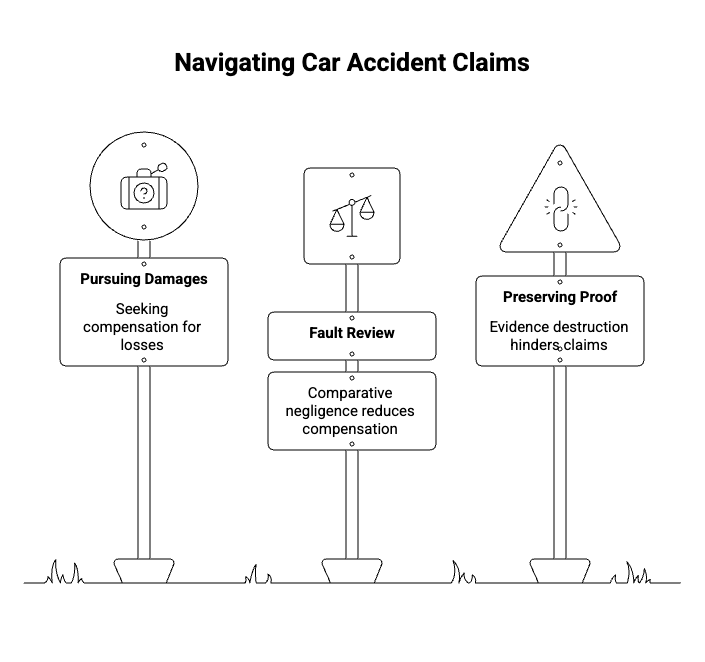
- Right to pursue damages: You may seek payment for medical care, lost income, pain, suffering, and future needs tied to the crash.
- Right to fair fault review: Comparative negligence rules may reduce compensation if you share blame, but they don’t erase your claim automatically.
- Right to preserve proof: Evidence spoliation laws can address the destruction or withholding of evidence, including vehicle data, photos, videos, and maintenance records.
We encourage you to act promptly, document every loss, and avoid statements that may weaken your claim. When we stand with you, we focus on accountability, careful preparation, and a result that supports your recovery.
Why Do Tampa Blind Spot Car Accident Injuries Happen?
Understanding your rights is only part of protecting a blind spot injury claim; we also need to identify why the collision happened and who had the power to prevent it. In Tampa, blind spot injuries often occur when drivers merge, pass, or turn without confirming that the adjacent lane is clear. Driver visibility issues may arise from vehicle design, improper mirror adjustment, weather, traffic density, or large vehicles blocking sightlines.
We also see lane change collisions caused by distraction, speeding, fatigue, and aggressive driving. A driver may glance too quickly, rely only on mirrors, or fail to signal before moving into your lane. Commercial drivers, rideshare operators, and delivery drivers can create added risks when schedule pressure forces them to move faster than conditions allow.
When we examine these causes, we focus on responsibility, not assumptions. Careful analysis helps determine whether negligent driving, poor vehicle maintenance, or unsafe roadway conditions contributed to your injuries.
What Should You Do After a Tampa Blind Spot Car Accident Injury?
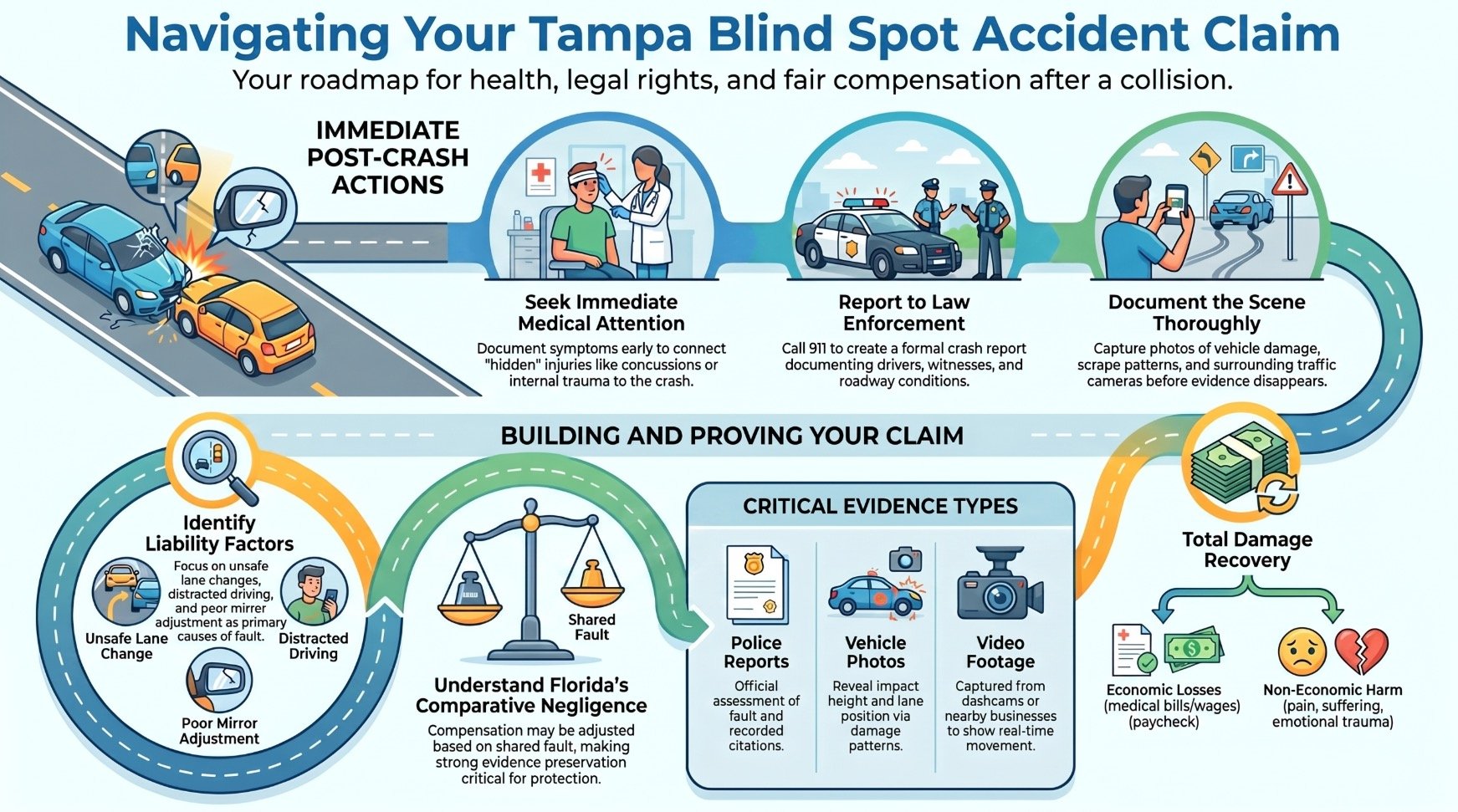
After a Tampa blind spot car accident, we recommend that you take immediate steps to protect your health, your rights, and your potential injury claim. We’ll start by addressing why you should seek medical attention, report the crash, and document your damages as soon as possible. These actions can preserve important evidence, establish the extent of your injuries, and support your claim for compensation.
Seek Medical Attention
Even if you believe your injuries are minor, you should seek medical attention promptly after a Tampa blind spot car accident. Even if you realize many people focus first on helping passengers, checking others, or returning to work, but your health must come first. Some injuries, including concussions, soft tissue damage, and internal trauma, may not appear immediately.
Medical care also creates records that connect your injuries to the collision. Documenting impacts through examinations, diagnoses, prescriptions, and follow-up instructions can help you seek compensation later. We encourage you to describe every symptom clearly, even pain that seems manageable. Keep copies of medical bills, discharge papers, and treatment plans. These records may guide future recovery and support accurate insurance communication, without allowing insurers to minimize your condition.
Report The Crash
Once you’ve addressed immediate medical needs and safety concerns, report the crash to law enforcement as soon as possible. We encourage you to call 911 at the scene, even if the damage appears limited or the other driver asks to handle it privately. A formal crash report helps establish when, where, and how the blind spot collision occurred. Officers can identify drivers, record insurance details, note roadway conditions, and document any citations or statements.
If Emergency room visits are necessary, tell responding officers where you’re being treated so the report reflects your condition. We also advise you to mention any witnesses before they leave. Photo documentation, when safely gathered, can support the officer’s understanding, but the official report remains an essential first record.
Document Your Damages
A police report can anchor your claim, but your own records help prove the full scope of your losses. We recommend that you save every medical bill, prescription receipt, therapy invoice, and repair estimate. Keep treatment records organized by date, including discharge papers, referrals, and notes about symptoms that limit your work, caregiving, or service commitments.
Photograph vehicle damage, visible injuries, and road conditions as soon as you can. Imaging documentation, such as X-ray, MRI, or CT scan reports, can link your injuries to the collision and support the necessary care. We should also track missed work, transportation costs, and help you pay for at-home. When we preserve these details early, we build a clearer claim that reflects what the crash truly cost you.
Critical Evidence in a Tampa Blind Spot Car Accident Injury Case
We focus on evidence that can prove how the blind spot collision happened, who had the better opportunity to avoid it, and how your injuries connect to the crash. Primary evidence may include: 1. Police crash reports, 2. Vehicle damage photos, and 3. Witness statements or surveillance camera footage. We secure and review these materials quickly, because delays can make important proof harder to obtain.
Police Crash Reports
When a blind spot collision occurs in Tampa, the police crash report often becomes one of the first pieces of evidence we review. It can identify drivers, passengers, witnesses, insurers, roadway conditions, citations, and the officer’s initial assessment of fault. We use this information to help you understand what happened and to protect your ability to serve your family, workplace, and community after injury disrupts your life. A report may also document Negligent driving, such as an unsafe lane change, speeding, or failing to yield. While the report isn’t the final word, it gives us a reliable starting point for further investigation. If an insurer ignores clear facts, misstates the report, or delays payment without cause, we also evaluate possible Insurance bad faith and respond firmly.
Vehicle Damage Photos
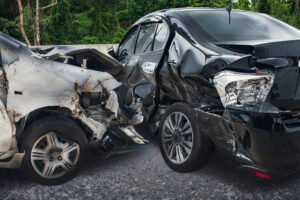
Beyond the police crash report, photos of vehicle damage often show how the blind-spot collision actually occurred. We examine crushed panels, mirror damage, scrape patterns, paint transfer, and impact height to understand lane position and movement before contact. These images can confirm whether a driver merged without seeing you, sideswiped your vehicle, or forced a corrective adjustment that caused further harm.
We also compare photos with repair records, roadway markings, and any dashcam footage to identify inconsistencies. Clear images taken from multiple angles help us protect your claim and serve your recovery with accurate, disciplined evidence. Damage patterns may also reveal vehicle alignment issues caused by the crash, which can affect safety, repair costs, and long-term value. Preserve these photos early, before repairs change the evidence.
Witness Statements
Because blind-spot crashes often unfold in seconds, witness statements can provide critical details that photos and reports may miss. We look for people who saw lane positioning, turn signals, speed changes, braking, or driver inattention before impact. Their accounts can help us serve you by clarifying what occurred and supporting a fair claim. We also evaluate witness credibility, including vantage point, consistency, and any relationship to the parties. When needed, we contact witnesses promptly, preserve their observations, and compare their statements with the physical evidence.
Strong preparation matters, so deposition prep may include reviewing timelines, identifying pivotal facts, and ensuring testimony remains accurate. By gathering reliable statements early, we strengthen your case and help protect your right to meaningful recovery.
Surveillance Camera Footage
Surveillance camera footage can be pivotal after a Tampa blind-spot crash, especially since video may show the moments when a driver failed to check a lane, drifted into traffic, or merged without enough clearance. We move quickly to identify nearby businesses, traffic cameras, residences, and vehicles equipped with dashcam technology before recordings are overwritten. When you’re focused on recovering and supporting your family, we help preserve evidence that may serve the truth. Video can confirm vehicle positions, speeds, turn signals, traffic flow, and the timing of impact.
We also compare footage with police reports, witness statements, and accident reconstruction findings to build a clear account of what happened. This evidence can strengthen your claim, challenge inaccurate defenses, and support accountability for the harm you suffered.
Long-Term Effects of Tampa Blind Spot Car Accident Injuries
We often see blind spot collisions cause lasting harm that extends beyond the initial crash, especially when you face chronic pain complications or reduced mobility. We assess how these injuries affect your daily activities, work capacity, and medical needs over time. We also consider emotional trauma effects, because anxiety, sleep disruption, and fear of driving can materially influence your recovery and claim value.
Chronic Pain Complications
After a blind spot collision in Tampa, chronic pain can become one of the most disruptive long-term complications, especially when soft tissue injuries, spinal trauma, nerve damage, or joint injuries don’t recover properly. We often see pain persist after initial treatment, affecting sleep, concentration, caregiving, work duties, and the ability to serve others reliably. You may need ongoing evaluations, medication management, injections, physical therapy, or whiplash rehab to reduce symptoms and prevent worsening harm. We help document how pain affects your daily life because insurers may minimize invisible injuries or delay necessary care.
When claim handling crosses into insurance bad faith, we can address that misconduct while pursuing fair compensation. Chronic pain earns serious attention, careful proof, and advocacy that protects your health, purpose, and future stability.
Reduced Mobility
When a blind spot collision causes lasting injuries, reduced mobility can interfere with nearly every part of daily life. We may see you struggle with walking, climbing stairs, standing at work, driving, or caring for others who depend on you. These limitations can affect your ability to serve family members, support your community, and maintain independence with dignity.
We help document how restricted movement changes your routine and future needs. Medical records, therapy notes, work restrictions, and disability documentation can show the full impact of your condition. Assistive devices, including braces, walkers, canes, or modified vehicles, may become necessary expenses. By identifying these needs early, we can pursue compensation that reflects both current limitations and long-term support, allowing you to focus on recovery and purposeful living.
Emotional Trauma Effects
Although physical injuries often receive the most attention, emotional trauma after a blind spot accident can shape your recovery for months or years. We comprehend how fear and anxiety may appear when you drive, ride as a passenger, or even approach busy Tampa roads. These reactions can affect sleep, concentration, work performance, and your ability to care for others with patience and confidence.
We encourage you to recognize these symptoms as real injuries, not personal weakness. Counseling, medical evaluation, support groups, and consistent coping strategies can help you rebuild stability while protecting your legal claim. We can help document how trauma affects daily life, family responsibilities, and community service. By addressing emotional harm early, you strengthen both your recovery and your pursuit of fair compensation.
Proving Liability in Tampa Blind Spot Car Accident Injury Cases
Because blind spot crashes often involve competing accounts of who could see what and when, proving liability requires a careful review of the driver’s conduct before the impact. We look at whether the driver checked mirrors, used turn signals, maintained lane position, and followed Tampa traffic laws. When you’ve been hurt while serving your family, workplace, or community, clear evidence helps protect your rights.
We may examine crash reports, witness statements, vehicle damage, roadway markings, and nearby camera footage. Traffic signal violations, improper lane changes, distracted driving, and failure to yield can show that another driver acted carelessly. Speeding evidence, including event data recorders, skid marks, and surveillance timing, may also help establish how the collision occurred.
Dealing With Insurance Companies After a Tampa Blind Spot Car Accident Injury
After a Tampa blind spot crash, insurance companies often move quickly to protect their financial interests. We may want to cooperate, give a statement, and help resolve matters fairly. Still, adjusters may use early conversations to limit payment or shift blame. Before you discuss injuries, vehicle damage, or lane changes, we can help you understand what information is necessary and what may be harmful.
Insurers may question whether faulty roadways, speeding violations, or another driver’s conduct caused the crash. They may also minimize pain, dispute medical treatment, or suggest you share responsibility. We review communications, preserve evidence, and respond with clear, documented facts. You receive respectful treatment as you focus on recovery and support for your family. We also guarantee that deadlines, forms, and requests do not overwhelm you. By handling insurer contact directly, we protect your voice and help prevent avoidable mistakes following a serious blind-spot collision.
What to Expect During a Tampa Blind Spot Car Accident Injury Claim Process
We guide you through each stage of a Tampa blind spot car accident injury claim, beginning with an initial evaluation of liability, damages, and available insurance coverage. We then collect evidence, address insurer tactics, and pursue negotiations designed to reflect the full extent of your losses. If the insurance company won’t offer a fair settlement, we prepare your claim for litigation and protect your interests in court.
Initial Claim Evaluation
During the initial claim evaluation, we focus on identifying how the blind-spot collision occurred, who may be legally responsible, and what losses the crash has caused. We listen to your account, review the basic facts, and determine whether another driver failed to check mirrors, signal, or maintain safe lane control. This driver fault analysis helps us understand liability and prepare a practical strategy for your claim.
We also consider your medical needs, missed work, property damage, and the support your family may require. By clarifying these issues early, we can guide you with purpose and help protect your right to fair compensation. This stage also shapes future Insurance negotiation, because insurers often test the strength of a claim before offering meaningful resolution.
Evidence Collection Process
Once we comprehend the basic facts of the crash, our evidence collection process focuses on preserving proof before it disappears or becomes harder to obtain. We gather police reports, scene photographs, witness information, vehicle damage records, and available camera footage from nearby businesses or traffic systems. We also help you organize Medical records, treatment notes, prescriptions, and billing statements to connect your injuries to the collision. Because recovery affects daily service to family, work, and community, we encourage careful symptom documentation that explains pain levels, mobility limits, missed duties, and medical appointments.
We review insurance claim forms for accuracy, ensuring dates, parties, and injury descriptions remain consistent. By building a clear record early, we prepare your claim with discipline, purpose, and respect for your experience.
Insurance Negotiation Steps
After the evidence file takes shape, the insurance negotiation process usually begins with a careful review of liability, injury documentation, available coverage, and the long-term effect of the crash. We examine your medical records, wage information, repair estimates, and witness accounts to present a clear claim that reflects your needs. We also identify insurers’ arguments early, including disputes over blind-spot visibility, comparative fault, or treatment gaps.
From there, we prepare a negotiation strategy built on organized proof and realistic case valuation. We communicate with the insurer, respond to requests, and protect you from statements that may weaken your claim. Our goal is to serve you with steady guidance, keep the process focused, and pursue fair compensation through disciplined, evidence-based negotiation at every stage.
Settlement Or Litigation
Strong negotiation can resolve many blind spot accident claims, but some insurers won’t make a fair offer until they face the pressure of litigation. We guide you through Insurance negotiation with a clear view of your medical needs, lost income, and future care. Our goal is to protect your recovery while reducing unnecessary delay.
If settlement discussions stall, we prepare the case for court with disciplined evidence, witness support, and expert analysis. Filing a lawsuit doesn’t mean trial is certain; it often strengthens your position and encourages serious evaluation. We explain each step, including the settlement timeline, so you can make informed choices. Throughout the process, we continue to serve your interests with careful advocacy, consistent communication, and a focus on fair compensation.
Compensation for Tampa Blind Spot Car Accident Injury Damages
When a blind spot crash disrupts your health, work, and daily life, compensation should reflect the full extent of your losses, not just the initial repair bill or emergency room visit. We pursue recovery that accounts for the practical burdens you now face, including ongoing treatment needs, interrupted household responsibilities, and the strain placed on those who depend on you.
We also prepare for the obstacles that often arise after blind-spot collisions. Insurers may raise liability defenses, arguing that you should have reacted differently or that another driver caused the crash. They may issue an insurance coverage denial, delay payment, or undervalue the claim. We respond with organized evidence, clear documentation, and a disciplined strategy designed to protect your right to fair compensation.
Our role is to help you restore stability, support your family, and continue serving others while we handle the legal pressure with focus and care after a serious Tampa crash.
Economic vs Non-Economic Damages in Tampa Blind Spot Car Accident Cases
We separate your damages into economic losses, such as medical bills and lost wages, and non-economic losses, such as pain and suffering. We use records, expert input, and case facts to prove the value of each category. By documenting both financial and personal harm, we help you pursue compensation that reflects the full impact of your Tampa blind spot accident.
Medical Bills And Wages
After a blind spot collision in Tampa, medical bills and lost wages often become the most immediate financial burdens. We help you document treatment costs, rehabilitation expenses, prescription needs, follow-up care, and any income you lose while recovering. These economic damages are measurable, but insurers may still dispute them, especially when records are incomplete or employment losses are unclear. We work to connect each expense to the crash, so your car accident settlement reflects the real financial impact on your life and responsibilities.
When insurance claim denials arise, we respond with organized evidence, wage records, medical statements, and timely advocacy. Our goal is to protect your stability, preserve your ability to serve others, and pursue compensation that supports your recovery with dignity and practical security.
Pain And Suffering
Medical bills and lost wages show part of the damage from a Tampa blind spot car accident, but they don’t capture the physical pain, emotional strain, and daily limitations that may follow. We recognize that pain and suffering reflect non-economic harm, including discomfort, reduced mobility, anxiety, sleep disruption, and emotional damages affecting your family responsibilities and service to others.
These losses often become central during Insurance disputes because they don’t appear on invoices like economic damages. We consider how injuries affect your routines, independence, relationships, and ability to support those who rely on you. Medical records may describe symptoms and treatment, but they may not fully express long-term impacts on your daily life. We help frame these human losses with care, accuracy, and respect.
Proving Damage Value
When a blind-spot collision causes injuries, proving the value of damages requires more than listing expenses or describing pain. We build economic damages through medical bills, wage records, repair estimates, and future care opinions, giving you a clear record of measurable loss. We also prove non-economic damages by showing how the crash changed your mobility, work, family duties, and ability to serve others.
Comparative negligence can reduce recovery, so we address fault carefully with evidence that meets evidentiary standards. We examine witness credibility, vehicle positions, photos, treatment history, and expert opinions to connect injuries to the crash. Insurance coverage also matters because available policies may limit practical recovery. We help you present a complete, disciplined claim that accurately reflects both financial harm and human impact.
When a Tampa Blind Spot Car Accident Injury Case Goes to Trial vs Settlement
Although many blind spot accident claims in Tampa resolve through settlement, we prepare every case as if a jury may ultimately decide it. This approach helps us serve you with discipline, patience, and clear purpose from the beginning.
Settlement may be appropriate when liability is well supported, damage calculations are complete, and the insurer offers fair compensation. Trial becomes necessary when the other side disputes fault, minimizes injuries, delays payment, or acts in possible insurance bad faith. We evaluate Comparative negligence arguments carefully because insurers may claim you share responsibility for the crash.
We also explain the trial timeline, including discovery, depositions, mediation, pretrial motions, and jury selection, so you understand each step before making decisions. Our goal is to protect your dignity, present strong evidence, and pursue a result that reflects the full impact of your injuries on your work, family, and service to others.
Florida Laws That May Affect Your Tampa Blind Spot Car Accident Case
Because Florida law can shape liability, insurance coverage, and the value of your claim, we analyze these rules early in every Tampa blind spot car accident case. We help you understand how legal standards affect accountability, especially when you were simply trying to travel safely and protect others on the road.
Florida law can shape your claim, and early legal guidance helps protect your path to recovery.
- Comparative negligence may reduce compensation if insurers argue you shared responsibility, so we gather evidence that reflects your care and judgment.
- Florida statutes guide duties for lane changes, signaling, and safe driving, allowing us to measure the other driver’s conduct against clear legal obligations.
- Insurance coverage limits and fault determination rules affect available recovery, negotiation strategy, and whether additional sources of compensation should be pursued.
We apply these rules with purpose, so your claim reflects the truth of what happened and supports your recovery after a serious blind spot collision.
The Statute of Limitations for Tampa Blind Spot Car Accident Injury Cases
After a blind spot crash in Tampa, the statute of limitations can control how long you have to file a personal injury lawsuit and protect your right to compensation. We recognize that you may be focused on recovery, supporting family, and serving others, but legal deadlines still move forward. In Florida, injury claims generally must be filed within a limited period, and missing that deadline can bar recovery.
We encourage prompt post accident documentation, including medical records, photographs, witness information, and repair estimates. These evidence preservation steps can also strengthen your position during insurance dispute resolution. Delays may give insurers room to raise Comparative negligence defenses, arguing that you shared responsibility for the crash or failed to reduce harm.
How a Tampa Blind Spot Car Accident Injury Lawyer Can Help You
Protect your claim from the start by working with a Tampa blind spot car accident injury lawyer who can investigate the crash, identify liable parties, and manage communications with insurers. We help you build a clear record, preserve evidence, and present your losses with accuracy, so your recovery supports both your household and the people who rely on you.
Start protecting your blind spot crash claim early with evidence, clear records, and experienced legal guidance.
- We gather police reports, witness statements, vehicle data, and medical records to show how the blind spot collision occurred and who acted negligently.
- We track Insurance claim deadlines, organize required documents, and respond to insurer requests, reducing the risk of procedural mistakes that could weaken your case.
- We pursue Fair settlement negotiation by valuing medical costs, lost income, pain, and future needs, then challenging low offers with evidence.
When to Contact a Tampa Blind Spot Car Accident Injury Lawyer
If you’ve been hurt in a blind spot collision, you should contact a Tampa blind spot car accident injury lawyer as soon as your immediate medical needs are addressed. We believe your first concern is recovery, especially when others depend on your strength and care. After you are safe, prompt legal contact helps protect important details before they disappear.
Early communication allows us to support evidence preservation, including vehicle damage, roadway conditions, camera footage, and crash reports. We can also help you organize insurance paperwork before deadlines or statements create unnecessary complications. As treatment continues, medical documentation becomes necessary, so we encourage you to keep records of diagnoses, appointments, symptoms, and limitations. Timely witness outreach may also protect valuable accounts from people who saw the collision.
You do not need to wait until pain worsens or bills accumulate. Reaching out early helps us protect your claim.
Why You Need an Experienced Tampa Blind Spot Car Accident Injury Lawyer
In the aftermath of a blind spot collision, an experienced Tampa injury lawyer can identify the legal and factual issues that may affect your recovery. We examine how the crash occurred, who had the duty to check surrounding lanes, and whether commercial drivers, vehicle owners, or employers share responsibility.
Blind spot cases often involve disputed fault. Comparative negligence may reduce compensation if an insurer argues you contributed to the collision, so we work to develop evidence that protects your position. That evidence may include roadway conditions, witness accounts, vehicle damage, electronic data, and medical records connecting the crash to your injuries.
We also evaluate insurance policy limits early, because available coverage can shape the path toward fair recovery. When you’re focused on recovery and caring for your family or community, we address negotiations, documentation, and legal deadlines. Our role is to pursue accountability while helping you move forward with stability and confidence.
How to Choose the Right Tampa Blind Spot Car Accident Injury Lawyer for Your Case
Choosing the right Tampa blind spot car accident injury lawyer starts with evaluating whether the attorney understands the mechanics of lane-change collisions, Florida negligence law, and the insurance issues that often shape these claims. We should look for a lawyer who listens carefully, explains the claims process clearly, and treats your recovery as a priority.
During an Initial Attorney Consultation, we can assess whether the lawyer asks detailed questions about vehicle positions, traffic conditions, injuries, medical care, and available evidence. We should also expect a clear discussion of communication practices, case strategy, and potential challenges.
Because many injured people are also supporting families, jobs, and communities, cost matters. Contingency Fee Options can help you pursue justice without paying attorney’s fees upfront. We should choose counsel who provides transparent fee terms, honest expectations, and a steady commitment to protecting your rights while you focus on recuperating and serving those who rely on you daily.
About The Law Offices of Anidjar & Levine
The Law Offices of Anidjar & Levine represents injured clients throughout Florida, including those harmed in Tampa blind spot car accidents. We acknowledge that you may be facing medical care needs, vehicle loss, lost income, and difficult conversations with insurers. Our team helps you move forward by handling the legal work so you can focus on recovery and serving your family.
We build each case with careful attention to Case evidence, incident documentation, insurance tactics, and claim strategy. We review crash reports, medical records, witness statements, photographs, and available video to identify fault and damages. We also communicate with insurers, challenge unfair positions, and prepare every claim as though it may require litigation.
When you work with us, we keep you informed, answer your questions, and pursue compensation with discipline and purpose. We’re committed to protecting your rights and helping you seek a fair result.
Frequently Asked Questions
Can Rental Car Blind Spot Features Affect My Tampa Accident Claim?
Yes, rental car blind spot features can affect your claim. We examine whether alerts, cameras, or mirrors worked, whether the driver understood them, and whether warnings were ignored. If an Elderly driver relied on technology but failed to check carefully, negligence in changing lanes may still apply. We also review rental records, maintenance records, and user instructions, helping you ensure accountability and protect injured people with clear evidence.
Do Blind Spot Accidents Increase Premiums for Injured Tampa Drivers?
Yes, blind spot accidents can increase premiums for injured Tampa drivers, but fault, claim history, and policy terms matter. We help you assess whether the insurer may raise rates after benefits are paid or liability is assigned. Navigation camera evidence can clarify fault and protect your position. We also review insurance coverage limits, so you understand available compensation and can make informed decisions while continuing to serve your family and community.
Can Cyclists File Blind Spot Accident Claims in Tampa?
Yes, cyclists can file blind spot accident claims in Tampa when a driver’s unsafe maneuver causes injury. We help you assess fault, preserve evidence, and address Cyclist liability issues that insurers may raise. Florida law doesn’t treat lane splitting for bicycles the same as motorcycles, so facts matter. If you’re serving others through lawful, careful riding, we’ll pursue compensation for medical costs, lost income, and related losses.
Are Rideshare Blind Spot Crashes Handled Differently in Tampa?
Yes, rideshare blind spot crashes are handled differently in Tampa because we must examine app status, driver negligence, insurance layers, and possible company involvement. We help you preserve evidence, identify coverage, and protect injured people through service-focused advocacy. Comparative fault rules may reduce recovery if shared blame exists. Municipal roadway coverage can matter when road design, signage, or public maintenance contributed to the crash and resulting harm.
Do Vehicle Modifications Impact Tampa Blind Spot Accident Cases?
Yes, vehicle modifications can affect blind spot accident cases. We examine Aftermarket Safety equipment, lifted suspensions, tinted windows, oversized mirrors, or altered cameras to assess Accident Causation. If a modification limited visibility or violated standards, Comparative Negligence may reduce recovery. We also review Liability Coverage because insurers may dispute claims involving undisclosed changes. When you serve injured people, we help identify responsible parties and preserve evidence with disciplined, practical care.
—————————
If you were injured in a Tampa blind spot car accident, The Law Offices of Anidjar and Levine is ready to help you pursue the compensation you may qualify for.
Our team can investigate the crash, identify liable parties, handle insurance communications, and build a strong claim on your behalf. You shouldn’t have to manage the legal process alone while recovering.
Contact our Tampa Car Accident Lawyer today for a free consultation and learn how we can protect your rights.