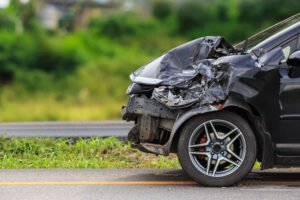
The Law Offices of Anidjar and Levine helps Tampa head-on collision victims pursue compensation by building evidence-driven claims and handling insurers directly. Our team gathers police reports, medical records, wage information, photographs, witness statements, and insurance documents to establish fault and damages. We also protect deadlines, address disputed liability, and evaluate long-term losses, including future care, reduced earning capacity, and pain and suffering.
A Tampa Car Accident Lawyer can strengthen your claim early, especially when evidence may disappear quickly, and the sections below explain how.
Main Takeaways
- A Tampa head-on collision injury lawyer helps gather evidence, including medical records, insurance documents, proof of wages, photos, and witness statements.
- Prompt medical care protects your health and creates records linking injuries to the head-on collision.
- Critical evidence may include police reports, crash-scene photos, vehicle-damage analysis, skid marks, debris, and witness accounts.
- Lawyers investigate fault from distracted driving, impaired driving, wrong-way driving, unsafe passing, roadway conditions, and insurance disputes.
- Legal support helps present compensation demands for medical bills, lost wages, future care, pain, and wrongful death damages.


How We Can Help With Your Tampa Head-On Collision Injury Claim
Build your claim with evidence, strategy, and steady legal guidance after a serious head-on collision in Tampa. We help you protect your rights while you focus on recovery, family, and the people who depend on you. Our work begins with listening, then organizing the facts, records, and deadlines that shape your claim.
We gather Insurance documentation, medical records, wage information, photographs, and witness accounts, then use them to present a clear demand for compensation. We also communicate with insurers, opposing parties, and medical providers, reducing stress and limiting mistakes that can weaken your position.
Because recovery often requires coordinated care, we help you account for treatment needs, follow-up appointments, and pain management options. We evaluate how the crash affects your work, service to others, and daily responsibilities. With disciplined preparation and direct advocacy, we pursue a result that reflects your losses and supports your path forward.
OUR CONSULTATIONSARE FREE
START YOUR FREE CASE REVIEW

Understanding Tampa Head-On Collision Injury Cases
When a head-on collision happens in Tampa, the force of two vehicles traveling toward each other can create severe injuries, disputed liability, and complex insurance issues. We help you understand how these cases differ from ordinary crash claims because the medical harm, financial losses, and long-term care needs often become substantial quickly.
We evaluate your injuries, treatment records, wage loss, and future limitations to present the full impact of the crash. When a loved one dies, we also guide families through Wrongful Death Claims with respect, diligence, and attention to each beneficiary’s rights.
Insurance companies may question damages, policy limits, or the connection between the crash and your condition. We prepare each claim as if it may enter the Florida Trial Process, thereby strengthening negotiations and protecting your position. Our role is to serve you with steady advocacy, clear communication, and evidence-driven representation from the start.
Common Causes of Tampa Head-On Collision
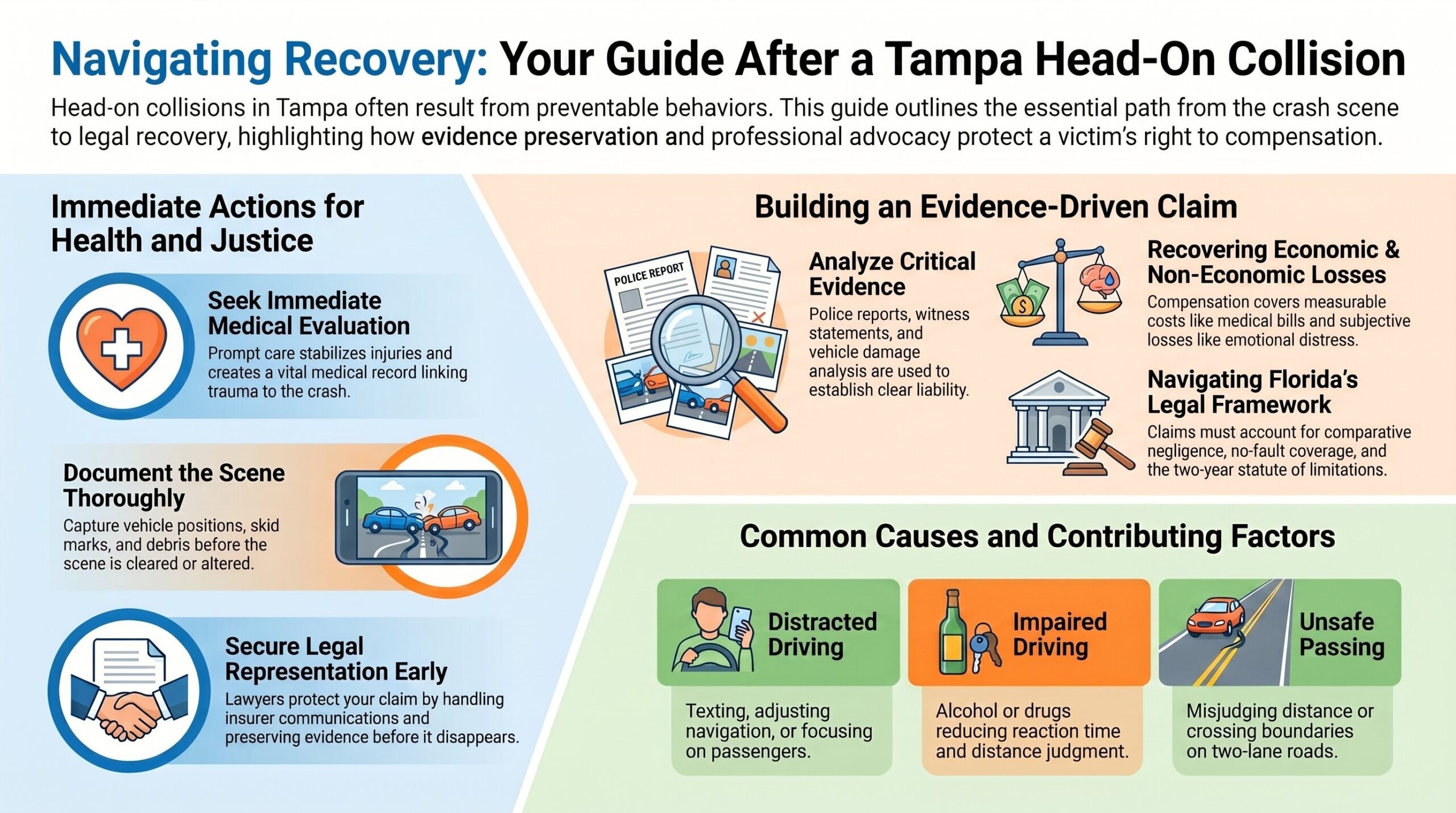
We often see Tampa head-on collisions arise from preventable conduct, including distracted driving, impaired driving, wrong-way driving, and unsafe passing. When you understand these common causes, you can better recognize how a driver’s choices may have created a dangerous and unlawful roadway condition. We’ll examine these factors with the seriousness they require because identifying the cause often plays a central role in proving liability and pursuing compensation.
Distracted Driving
Too often, distracted driving turns a routine trip through Tampa into a head-on collision because a driver’s attention leaves the road at the worst possible moment. We see this danger when a driver texts, adjusts navigation, reaches for an item, or focuses on passengers instead of traffic. A brief glance away can cause lane departure, placing an oncoming family, worker, or volunteer directly in harm’s way.
We investigate these crashes with care because accountability helps protect the community you serve. Cellphone records, witness statements, vehicle data, and roadway evidence may show whether distraction contributed to the collision. When we identify negligent conduct, we work to connect that conduct to your injuries, losses, and need for support. Our goal is to help you pursue justice.
Impaired Driving
Impaired driving creates another serious risk for head-on collisions in Tampa, especially when alcohol or drugs reduce a driver’s judgment, coordination, and reaction time. We recognize that alcohol impairment can cause unsafe lane choices, delayed braking, and poor distance judgment, placing your family and our community at risk.
During nighttime driving, reduced visibility often magnifies these dangers, particularly when a driver’s blood alcohol level affects focus and control. We believe prevention begins with responsible choices, attentive friends, and a shared commitment to protect others on the road. Florida’s DUI penalties may include fines, license suspension, ignition interlock requirements, and jail time, but civil accountability may also matter after a crash. We help injured people seek answers and pursue compensation with diligence and care.
Wrong-Way Driving
When a driver enters the wrong lane or travels against traffic, the risk of a violent head-on collision rises sharply. We often see these crashes near highway ramps, divided roads, one-way streets, and construction zones where confusion can turn deadly. Wrong-way negligence may involve ignoring traffic signs, making an improper turn, or continuing forward despite clear warnings from other motorists.
When you or someone you serve suffers harm, we focus on establishing liability through police reports, roadway evidence, witness statements, and available camera footage. These details help show how the wrong-way driver breached the duty to operate safely. By identifying each contributing factor, we work to protect injured people, support their recovery, and pursue accountability from those responsible for the collision in Tampa courts.
Unsafe Passing
Although passing another vehicle may seem routine, unsafe passing can quickly place drivers in the path of oncoming traffic and cause a devastating head-on collision. We often see these crashes occur when a driver misjudges distance, accelerates into a limited sight area, or crosses a lane boundary without enough time to return safely.
Unsafe overtaking becomes especially dangerous on two-lane roads, near curves, on bridges, or in heavy Tampa traffic where conditions change rapidly.
When we evaluate these cases, we consider road markings, witness statements, vehicle positions, and available video footage to determine whether the passing operation violated safety rules. By identifying careless decisions, we help you pursue accountability and protect others from preventable harm on our shared roads.


Legal Rights of Tampa Head-On Collision Injury Victims
After a head-on collision in Tampa, injured victims have the right to seek compensation from any party whose negligence caused the crash. We help you understand those rights so you can protect your recovery and continue supporting the people who depend on you.
Under Florida law, your claim may include several Florida injury damages, depending on your losses and medical needs. Comparative negligence rules may also affect recovery if an insurer argues you share fault. We work to present evidence clearly and fairly.
You may have the right to pursue compensation for:
- Medical treatment, rehabilitation, and future care needs.
- Lost income, reduced earning capacity, and job-related losses.
- Pain, suffering, emotional distress, and diminished quality of life.
- Property damage and other financial consequences are tied to the crash.
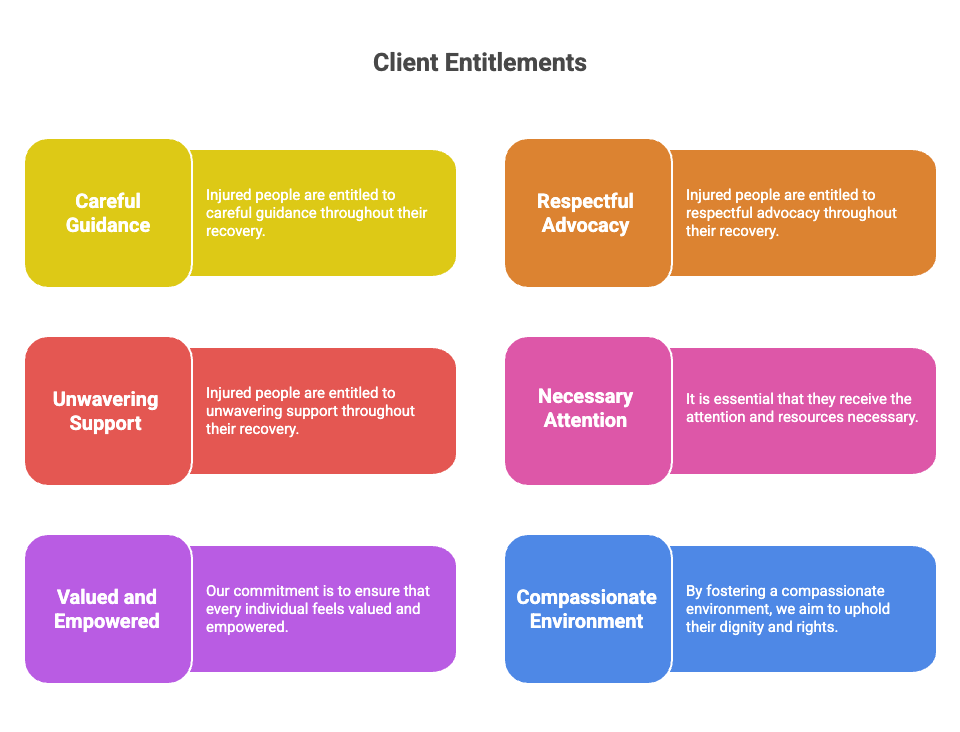
We believe injured people are entitled to careful guidance, respectful advocacy, and accountability from those responsible.
Why Do Tampa Head-On Collision Injuries Happen?
Understanding your rights also requires identifying why the head-on collision happened and who had the opportunity to navigate it. We often see these crashes result from choices that place every road user at risk. Speeding violations can reduce a driver’s time to react, increase stopping distance, and make it harder to stay within a lane. Impaired driving, distraction, fatigue, and unsafe passing can also cause a vehicle to cross the centerline.
We also examine whether broader safety failures contributed. Poor roadway design, missing signs, inadequate lighting, or confusing traffic patterns may create conditions where attentive drivers still face danger. Vehicle maintenance issues, including worn brakes, defective tires, or navigation problems, can make a driver lose control and drift into oncoming traffic.
When we identify the cause, we can better determine responsibility. That process helps protect you, supports accountability, and promotes safer practices for families, workers, and communities throughout Tampa.
What Should You Do After a Tampa Head-On Collision Injury?
After a Tampa head-on collision injury, we need to act quickly to protect your health, your evidence, and your legal rights. We recommend that you seek immediate medical care, document the crash scene when it’s safe, and preserve any information that may support your claim. We can then help you contact a collision lawyer who understands how to evaluate liability, damages, and the steps needed to pursue compensation.
Seek Immediate Medical Care
If you’re hurt in a Tampa head-on collision, seek medical care as soon as possible, even when your symptoms seem minor at first. We believe adrenaline can mask pain, and conditions like concussions, internal bleeding, spinal trauma, or soft-tissue injuries may worsen without prompt evaluation.
Call 911 when anyone has serious pain, confusion, breathing problems, heavy bleeding, or cannot move safely. These Emergency response steps help stabilize victims, guide first responders, and prevent further harm while protecting everyone at the scene.
We encourage you to follow all medical advice, attend recommended appointments, and report new symptoms promptly. Early treatment supports your recovery and creates clear medical records that connect your injuries to the collision. When we serve injured clients, timely care helps us understand the full impact of the crash.
Document The Crash Scene
Once you’re safe and your medical needs are addressed, document the crash scene as thoroughly as possible, as physical evidence can disappear quickly. We should use photos and video to preserve what first responders, insurers, and investigators may need later. Focus on capturing vehicle positions before anything is moved, including lane placement, angles, and distances from intersections, signs, or medians.
Documenting skidmarks can help show braking, impact direction, or avoidance efforts. Identifying debris, such as glass, metal, fluid trails, or broken vehicle parts, may also clarify where the collision occurred. We should photograph traffic signals, road conditions, weather, lighting, and visible injuries. If witnesses remain nearby, politely record their names and contact information. Careful documentation helps protect your interests while supporting a fair, accurate account of what happened.
Contact A Collision Lawyer
When the immediate evidence is preserved, we should contact a collision lawyer as soon as possible to protect the injury claim and prevent avoidable mistakes. Early legal guidance helps us organize medical records, identify liable parties, and communicate with insurers without weakening your position. We can also help locate car accident witnesses, request surveillance footage, and secure official reports before crucial details become harder to obtain.
A lawyer can evaluate damages beyond the first medical bills, including future treatment, lost income, and reduced ability to serve your family or community. If the insurer disputes fault, delays payment, or undervalues the claim, legal representation supports effective insurance dispute resolution. By acting promptly, we help protect your rights while you focus on recovery and supporting those who depend on you.
Critical Evidence in a Tampa Head-On Collision Injury Case
We use essential evidence to establish fault, confirm the severity of your injuries, and protect your claim after a Tampa head-on collision. Important evidence may include: 1. Police Crash Reports 2. Scene Photographs 3. Witness Statements 4. Vehicle Damage Analysis. We’ll evaluate each item carefully, connect it to the facts of your case, and use it to pursue the compensation you’re entitled to seek.
Police Crash Reports
Although a police crash report doesn’t decide fault by itself, it often becomes one of the most important pieces of early evidence in a Tampa head-on collision injury case. We use it to identify drivers, witnesses, insurers, roadway conditions, citations, and the officer’s initial observations. When you’re focused on recovery and supporting your family, this report helps preserve details that can quickly become harder to confirm.
It may also note suspected impairment, improper passing, lane departures, or other facts relevant to liability disputes. We compare the report with medical records, witness statements, vehicle data, and dashcam footage to build a fuller picture of what happened. If the report contains errors, we act promptly to address them and protect your claim with care, accuracy, and purpose.
Scene Photographs
Because crash scenes can change within minutes, photographs of the scene often provide key evidence in a Tampa head-on collision injury case. We use these images to document vehicle positions, lane markings, debris fields, skid marks, weather conditions, traffic controls, and roadway defects before cleanup begins. Emergency photo preservation helps protect details that may otherwise disappear, especially when tow trucks, rain, or repairs alter the scene.
When we review photographs, we look for facts that support the people we serve and clarify how the collision occurred. Liability photo analysis can reveal impact angles, improper lane use, visibility issues, or evidence of unsafe driving.
Clear photographs may also strengthen negotiations with insurers and support courtroom presentation. If you have images, we urge you to preserve the original files and share them promptly.
Witness Statements
When a head-on collision happens, witness statements can provide independent details that photos and reports may not capture. We look for people who saw the vehicles before the impact, heard relevant statements afterward, or observed the driver’s behavior. Prompt Eyewitness Identification helps preserve accurate contact information, locations, and viewing angles before memories fade.
We may also seek Recorded Statements, when appropriate, to document what each witness recalls in their own words. These accounts can clarify lane position, speed impressions, traffic signals, weather conditions, and whether either driver appeared distracted or impaired. When you’re helping an injured person seek accountability, reliable witness information can strengthen the claim and support fair compensation. We treat every statement carefully, comparing it with other evidence while protecting the integrity of your case.
Vehicle Damage Analysis
After a head-on collision, vehicle damage can reveal how the crash occurred and why the injuries were so severe. We examine crush patterns, intrusion into the passenger cabin, airbag deployment, and damage alignment to understand impact direction and force. These details help us connect the physical evidence to your medical harm, including fractures, head trauma, and spinal injuries.
We also review vehicle speed factors, braking evidence, and roadway conditions to identify whether a driver acted carelessly. Modern vehicle crumple zones may absorb energy, but when damage reaches protected spaces, the risk to occupants increases sharply. By preserving photographs, repair records, and inspection reports, we help build a clear record that supports your claim and serves the broader goal of accountability. This evidence can also effectively challenge unfair insurance defenses.
Long-Term Effects of Tampa Head-On Collision Injuries
We acknowledge that head-on collision injuries can greatly affect your health long after the initial crash, especially when chronic pain conditions limit mobility and daily function. We also realize that traumatic brain injuries may disrupt memory, concentration, and independence, creating lasting medical and financial concerns. As we evaluate your claim, we consider emotional trauma impacts as well, because anxiety, depression, and post-traumatic stress can support your recovery and quality of life.
Chronic Pain Conditions
Although emergency treatment often focuses on fractures, bleeding, or visible trauma, chronic pain can become one of the most lasting consequences of a Tampa head-on collision. We often see pain from damaged muscles, ligaments, discs, joints, and nerves continue long after the crash scene clears. You may struggle to work, care for your family, or assist others as daily movement becomes difficult.
We help document how persistent pain affects sleep, mobility, concentration, and routine responsibilities. Strong medical records, consistent treatment, and careful Medication Management can support the value of your injury claim. When pain prevents steady employment, we also consider how Disability Claims may relate to your recovery needs. Our goal is to present the full impact of your condition, not just the injuries first seen in the emergency room.
Traumatic Brain Injuries
Because head-on collisions often involve violent forces, traumatic brain injuries can occur even when there’s no direct blow to the skull. We recognize how these injuries can disrupt your ability to work, communicate, and care for others. Concussions, brain bleeding, and diffuse axonal injuries may cause lasting cognitive, physical, and functional limitations.
When a crash also damages the spinal cord, your recovery needs can become more intricate and demanding. We help you identify medical evidence, future care needs, and the full effect on your daily life. Severe brain trauma may require long-term supervision, rehabilitation, and assistive support. In the most serious cases, these injuries can lead to wrongful death claims, and we pursue accountability with diligence, compassion, and respect for your family.
Emotional Trauma Impacts
After a violent head-on collision, emotional trauma can become as limiting as physical injury. We often see survivors struggle with nightmares, panic, irritability, and long-term anxiety that affects work, caregiving, and daily service to others. When trauma remains untreated, PTSD recovery can take longer, and the person may withdraw from the support systems that once helped them function.
We encourage you to recognize these effects as real injuries, not personal weakness. Survivor support, counseling, and consistent medical documentation can help restore stability while also showing how the crash changed your life.
Emotional harm can also create family strain, especially when loved ones become caregivers or absorb financial pressure. We help connect these losses to the collision, so your claim reflects the full impact.
Proving Liability in Tampa Head-On Collision Injury Cases
When a head-on collision occurs in Tampa, proving liability begins by showing how the crash occurred and who failed to exercise reasonable care. We look at the full roadway story, including lane position, impact angles, skid marks, traffic controls, lighting, visibility, and whether a driver crossed the centerline. Careful evidence preservation helps protect photographs, vehicle data, surveillance footage, 911 records, and debris patterns before they disappear.
We also evaluate police reports, medical documentation, and expert analysis to connect careless conduct to your injuries. Eyewitness credibility matters because neutral observers can clarify speed, direction, distraction, impairment, or unsafe passing. We assess each witness’s opportunity to see the crash, consistency, and lack of bias.
Our goal is to build a clear, responsible account that honors your need for justice and accountability. By proving duty, breach, causation, and damages, we help you present a strong claim grounded in facts.
Dealing With Insurance Companies After a Tampa Head-On Collision Injury
Once medical care begins, insurance companies often move quickly to shape the claim before the full extent of your injuries is clear. We help you protect your interests by keeping communication with adjusters accurate, limited, and properly documented. Adjusters may request recorded statements, broad medical authorizations, or early settlement discussions that do not reflect your future treatment needs, lost income, or family responsibilities.
We understand that you may want to cooperate, especially when your focus is on recovery and supporting others. Still, we urge caution before signing forms or accepting payment. The Claim settlement timeline can vary based on medical progress, available insurance coverage, and the evidence needed to show the full impact of the crash.
We work to prevent insurers from undervaluing your losses or using incomplete information against you. With steady guidance, you can respond responsibly while preserving the strength of your injury claim.
What to Expect During a Tampa Head-On Collision Injury Claim Process
We guide you through each stage of a Tampa head-on collision injury claim, beginning with an initial case evaluation and a careful review of your losses. We then collect evidence, document liability, and handle insurance negotiations with a clear strategy focused on fair compensation. If the insurer won’t make a reasonable offer, we’re prepared to pursue settlement options or litigation based on what best protects your claim.
Initial Case Evaluation
Before a Tampa head-on collision injury claim can move forward, we need to evaluate the facts that shape liability, damages, insurance coverage, and the overall strength of the case. We begin by listening to your account, identifying immediate concerns, and reviewing emergency documentation that may show the nature of your injuries and early treatment.
We also examine available insurance information, policy limits, and possible insurance claim pitfalls that could reduce or delay recovery. During this evaluation, we help you understand your role, your options, and the steps ahead without overwhelming you. Our purpose is to serve your needs with clear guidance, protect your interests, and determine whether the claim can support fair compensation for medical care, lost income, and related losses. This early review sets direction.
Evidence Collection Process
As the claim moves beyond the initial evaluation, evidence collection becomes the foundation for proving fault, documenting injuries, and protecting the value of your Tampa head-on collision case.
We gather crash reports, photographs, vehicle damage records, witness statements, roadway details, and available video footage to build a clear factual record. We also focus on evidence preservation because skid marks, debris fields, and electronic vehicle data can disappear quickly.
Medical documentation receives careful attention, since treatment records connect your injuries to the collision and show how the harm affects your daily responsibilities. We review these materials with compassion and discipline, recognizing your need to recover while serving your family and community. This process supports liability assessment and shapes an effective insurance strategy without prematurely entering into negotiation.
Insurance Negotiation Steps
Once the evidence gives us a reliable picture of fault, injuries, and damages, the insurance negotiation phase can begin with purpose and control. We prepare a demand package that explains your losses, supports liability, and presents treatment records, wage information, and future care needs. We also focus on medical bill management, ensuring charges are organized, verified, and linked to the crash.
When insurers respond, we review each offer carefully, identify unfair reductions, and answer with documented facts. Our pain compensation strategies address physical suffering, emotional strain, disrupted family duties, and the loss of daily function. We keep you informed before major decisions, so you can serve your recovery, your household, and your responsibilities while we press the insurer for a fair evaluation.
Settlement Or Litigation
When negotiations don’t produce a fair offer, we evaluate whether filing a lawsuit is the right next step for your Tampa head-on collision claim. We explain Insurance claim timelines, assess unresolved liability issues, and help you understand how each choice may affect your recovery, family responsibilities, and ability to keep serving others.
Settlement can provide certainty, but it must reflect medical needs, lost income, pain, and future care. If the insurer minimizes your harm, we prepare for litigation with focused evidence, witness development, and clear trial strategy options.
We’ll discuss mediation, discovery, court deadlines, and the risks of trial before recommending a path. Throughout the process, we keep your goals central, protect your dignity, and pursue an outcome that supports your long-term stability and purposeful service within our community.
Compensation for Tampa Head-On Collision Injury Damages
After a head-on collision in Tampa, compensation may cover both the immediate financial losses and the long-term harm that changes a person’s daily life. We help you identify every recoverable loss so your claim reflects the full impact of the crash. This process may include reviewing medical records, wage information, repair documentation, and future care needs.
We also use Medical cost estimates to show how treatment, rehabilitation, medication, and follow-up care may affect your future. Accurate documentation matters because insurers often question the scope of injuries or the need for continued treatment. We prepare your claim with careful attention to detail, so you can focus on recovery and supporting those who rely on you.
We also monitor insurance claim timelines because delays can create pressure and uncertainty. By managing communication, evidence, and deadlines, we work to pursue compensation that supports stability, dignity, and responsible planning after a serious collision.
Economic vs Non-Economic Damages in Tampa Head-On Collision Cases
We help you distinguish economic damages, such as medical bills, lost wages, and future treatment costs, from non-economic damages tied to pain, suffering, and reduced quality of life.
In Tampa head-on collision cases, we consider how the injury affects your finances, daily activities, relationships, and long-term stability. We also work to prove these losses with medical records, wage documentation, expert opinions, and clear evidence of how the crash changed your life.
Economic Damage Examples
Several financial losses can follow a Tampa head-on collision, and these economic damages often form the foundation of an injury claim. We help you identify documented costs that show how the crash affected your household, work, and ability to serve others. Medical bills may include emergency care, surgery, therapy, medication, and future treatment.
Lost wages can reflect missed work, reduced hours, or diminished earning capacity when injuries limit your duties. Property damage includes repairs to your vehicle and damaged personal items, while vehicle replacement may be necessary after a total loss. We also consider transportation costs, home health assistance, and needed medical equipment. By gathering records, invoices, pay statements, and repair estimates, we build a clear financial picture that supports fair recovery.
Non-Economic Damage Factors
While economic damages address measurable losses, non-economic damages account for the personal harm that doesn’t appear on bills, receipts, or wage records. We look at pain, emotional distress, disfigurement, loss of enjoyment, and strain on family relationships after a head-on collision. These losses matter because they affect how you serve your family, workplace, and community each day.
Comparative fault can reduce recovery if you share responsibility, so we assess how liability influences the value of these harms. Policy limits may also affect available compensation, even when suffering is substantial. In rare cases involving reckless or intentional conduct, punitive damages may apply to punish wrongdoing. Medical documentation supports the connection between injuries and lived limitations, but the focus here remains on how those injuries changed your daily life.
Proving Injury Losses
Proving injury losses starts with connecting each category of harm to reliable evidence after a Tampa head-on collision. We gather Medical documentation, treatment records, bills, wage statements, and expert opinions to show how the crash changed your health, work, and daily service to others. Economic damages require clear proof of measurable costs, including hospital care, therapy, medication, lost income, and reduced earning capacity.
Non-economic damages require a different approach. We document pain, limitations, emotional distress, and loss of enjoyment through physician notes, personal statements, and testimony from those who see your struggles. When we present both forms of damages with care, we help protect your dignity and pursue compensation that reflects the full impact of your injuries and your recovery needs.
When a Tampa Head-On Collision Injury Case Goes to Trial vs Settlement
After a serious head-on collision in Tampa, the decision to settle or proceed to trial depends on the strength of the evidence, the severity of the injuries, and the insurance company’s willingness to pay fair compensation. We evaluate each case with care because your recovery affects your family, caregivers, and community.
Settlement negotiations may resolve the claim efficiently when the insurer recognizes the full value of medical care, lost income, pain, and future needs. When offers fall short, we build a Litigation strategy that prepares your case for court from the outset.
A trial timeline can involve discovery, depositions, expert testimony, mediation, and courtroom presentation. We explain each step so you can make informed choices without feeling left behind.
Jury verdicts can provide accountability when responsible parties refuse to act fairly. Whether we pursue settlement or trial, we focus on serving your long-term well-being with discipline, preparation, and clear communication.
Florida Laws That May Affect Your Tampa Head-On Collision Case
Because Florida law controls how fault, insurance coverage, and filing deadlines apply, we examine these rules early in every Tampa head-on collision case. We help you understand how each rule may affect your ability to serve your family, recover medical losses, and move forward with dignity.
- Comparative Negligence: Florida may reduce compensation if evidence shows you share fault, so we work to challenge unfair blame.
- No-Fault Coverage: Personal injury protection may pay certain medical expenses first, regardless of who caused the crash.
- Liability Thresholds: Serious injuries may allow a claim against the at-fault driver beyond basic insurance benefits.
- Evidence Duties: We preserve crash reports, medical records, vehicle data, and witness statements before key details fade.
We apply these laws with care because your case supports more than recovery; it supports the people who depend on your stability and service.
The Statute of Limitations for Tampa Head-On Collision Injury Cases
When a head-on collision causes serious injuries, Florida’s statute of limitations sets a strict deadline for filing a lawsuit against the responsible party. We must respect that deadline because missing it can end your right to seek compensation, regardless of the severity of your harm.
For many Florida personal injury claims, the filing period is 2 years from the date of the crash, though specific facts can affect how the time period applies.
We also consider how comparative negligence rules may influence the case. If another party argues that you shared fault, timely action helps protect records that clarify what happened and support a fair evaluation. Evidence preservation timing matters because vehicles, roadway debris, camera footage, phone records, and witness memories can fade or disappear quickly.
As we serve injured people and their families, we encourage prompt attention to these deadlines. Acting early helps preserve accountability, protect your claim, and support a clearer path toward justice.
How a Tampa Head-On Collision Injury Lawyer Can Help You
Protecting your claim starts with a thorough investigation, careful preservation of evidence, and strategic communication with insurers and opposing parties. We help you understand each step so you can focus on recovery, support your family, and continue serving those who depend on you.
Our role is to build a complete, reliable claim by identifying liability, documenting losses, and presenting your damages with precision. We coordinate with medical providers, review records, and use injury documentation to connect your condition to the collision.
We can assist by:
- Investigating the crash scene, vehicles, reports, and witness accounts.
- Preserving evidence before it is lost, altered, or overlooked.
- Calculating medical expenses, lost income, care needs, and other damages.
- Handling insurer communications to reduce pressure and protect your position.
When we manage these tasks, we help safeguard your rights while pursuing fair compensation with diligence, accuracy, and purpose.
When to Contact a Tampa Head-On Collision Injury Lawyer
Early legal guidance can make a meaningful difference after a head-on collision, especially while evidence is still available and insurers are evaluating the claim. We encourage you to contact us as soon as your urgent medical needs are addressed, or sooner if a trusted family member can reach out on your behalf.
Prompt action helps preserve police reports, witness information, vehicle data, Dashcam Footage, and roadway evidence that may clarify how the crash occurred.
You should also call when the collision involves a commercial vehicle, disputed fault, serious injuries, or a fatality. Trucking Liability issues often require immediate attention because carriers, drivers, maintenance companies, and cargo handlers may all hold relevant records.
We can help you protect your ability to serve your family, meet financial responsibilities, and pursue accountability with dignity. If an insurer contacts you quickly, speak with us before giving recorded statements or signing releases.
Why You Need an Experienced Tampa Head-On Collision Injury Lawyer
After a head-on collision, you need an experienced Tampa injury lawyer because these crashes often involve severe injuries, disputed facts, and aggressive insurance defense. We help you protect your health, your family’s stability, and your ability to serve others during recovery. These cases require prompt investigation, careful medical documentation, and a clear understanding of Florida liability rules.
We work to identify every responsible party, preserve evidence, and calculate losses that may include future care, reduced earning capacity, and long-term limitations. Insurers may minimize your injuries or shift blame, so we respond with organized proof and firm advocacy.
A sound Settlement strategy can position your claim for fair compensation while avoiding unnecessary delay. When appropriate, we also evaluate Mediation options to seek resolution without trial. Our role is to guide you through each step, reduce pressure, and pursue the financial support you need to recover.
How to Choose the Right Tampa Head-On Collision Injury Lawyer for Your Case
When you’re choosing a Tampa head-on collision injury lawyer, focus on experience with serious crash claims, knowledge of Florida negligence law, and the ability to build a case from the first day. We should look for counsel who investigates promptly, preserves evidence, consults qualified experts, and understands the medical, financial, and personal harm these collisions cause.
Strong Client communication also matters. You merit clear updates, direct answers, and guidance that helps you serve your family while protecting your claim. Ask how the lawyer explains the case timeline, including treatment, evidence review, negotiations, and possible litigation.
We also recommend discussing the contingency fee in writing, so you understand costs before moving forward. A thoughtful settlement strategy should reflect your injuries, future care needs, lost income, and the insurer’s tactics. Choose a lawyer who prepares every claim as if a trial may become necessary, because thorough preparation often supports stronger results.
About The Law Offices of Anidjar & Levine
At The Law Offices of Anidjar & Levine, we represent people injured in head-on collisions throughout Tampa and the surrounding areas with a clear focus on accountability, recovery, and client support.
We appreciate that serving others often starts with protecting your own health, stability, and future after a serious crash.
Our Client intake process helps us learn what happened, identify urgent needs, and explain how we can help.
We listen carefully, gather crucial details, and move quickly to preserve evidence, contact insurers, and address medical or financial concerns.
Through case strategy planning, we evaluate liability, damages, insurance coverage, and available legal options.
We keep you informed, answer your questions, and handle the legal work so you can focus on restoration.
When you trust us with your case, we work to pursue fair compensation and hold negligent drivers responsible for the harm they caused.
We are ready to stand with you.
Frequently Asked Questions
Can Passengers File Separate Head-On Collision Injury Claims?
Yes, passengers can file separate head-on collision injury claims, and we help you evaluate each person’s losses independently. Multiple passenger injuries may involve different medical needs, wage losses, and long-term effects. Joint claim eligibility can apply in limited situations, but separate claims often protect each passenger’s recovery more effectively. We assess liability, insurance limits, and damages carefully, so you can pursue fair compensation while supporting others affected by the crash.
What if the Other Driver Was Uninsured?
If the other driver was uninsured, we can help you examine uninsured coverage options through your own policy, including uninsured motorist benefits and related medical coverage. We also evaluate comparative negligence effects because any assigned fault may reduce recovery. You shouldn’t have to carry the burden alone while serving your family and community. We gather evidence, notify insurers, document losses, and pursue every available source of compensation with disciplined, professional advocacy.
Are Head-On Collision Claims Different for Rideshare Passengers?
Yes, rideshare passenger claims differ because multiple policies may apply. We help you protect riders’ rights, identify active insurance coverage, and determine whether the driver, another motorist, or the rideshare company bears responsibility. Comparative fault usually focuses on drivers rather than passengers, but insurers may still dispute liability. We gather evidence of damages, including medical records and trip data, so you can pursue fair compensation while continuing to serve others responsibly.
Can I Change Lawyers During My Injury Claim?
Yes, you can change lawyers during your injury claim. We encourage you to acknowledge Reasons to switch, such as poor communication, lack of progress, or reduced trust. You don’t need to compromise your recovery or service to your family. We can help review your case, coordinate file transfer, and address new attorney fees, which often come from the same contingency fee rather than an added out-of-pocket charge.
Will My Case Be Handled by a Local Tampa Attorney?
Yes, we’ll ensure your case receives attention from a local Tampa attorney when a local presence serves your needs. We may use remote case management for efficiency, but we recognize that injury claims often require community knowledge, familiarity with the court, and direct coordination. When appropriate, we support your claim by retaining local counsel, helping protect your interests while we guide you with diligence, professionalism, and a service-focused commitment throughout.
—————————
If you were injured in a head-on collision in Tampa, we can help you pursue the compensation you qualify for.
Our team can investigate the crash, identify liable parties, handle insurers, and protect your rights throughout the claims process.
At The Law Offices of Anidjar and Levine, we recognize the serious impact these injuries can have on your life.
Contact our Tampa Car Accident Lawyer today for a free consultation, and let us discuss your legal options.