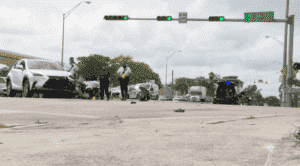
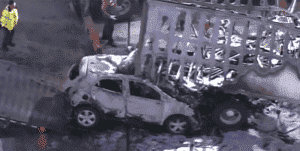
The Law Offices of Anidjar and Levine assists surviving families after a fatal crash by preserving evidence, investigating negligence, managing insurer communications, and pursuing wrongful death compensation under Florida law.
A Miami Car Accident Attorney can identify eligible claimants, document funeral costs, lost support, and other recoverable losses, while helping ensure compliance with filing deadlines and court procedures.
Early legal guidance also helps protect the value of a claim and reduce avoidable mistakes during a difficult time. The sections below explain these issues in greater detail.
Main Takeaways
- A Miami fatal car accident lawyer guides families through wrongful death claims, protects rights, and handles insurer communications after a deadly crash.
- Florida wrongful death claims may compensate eligible survivors for funeral costs, lost support, lost services, and certain emotional losses.
- Fast evidence preservation is critical, including crash photos, witness statements, police reports, vehicle data, and roadway condition documentation.
- An attorney investigates negligence such as speeding, impairment, distraction, unsafe lane changes, employer liability, or dangerous road conditions.
- Most firms offer free consultations and may work on contingency, while managing deadlines, filings, settlement demands, and trial preparation.
How We Can Help With Your Miami Fatal Car Accident Injury Claim
Pilot through the aftermath of a fatal collision with clear legal guidance and disciplined case preparation. A Miami fatal car accident injury lawyer provides structured support to families, personal representatives, and caregivers seeking accountability after a devastating loss. Counsel gathers records, preserves evidence, communicates with insurers, and coordinates with qualified experts when needed. This careful process helps protect the claim’s value while reducing avoidable stress on those focused on honoring a loved one and supporting others in the household.
The firm also provides compassionate representation at every stage of a wrongful death matter. Attorneys explain options plainly, prepare required filings, calculate losses with care, and pursue fair compensation through negotiation or litigation. They manage deadlines, document review, and strategy so clients can make informed decisions with confidence. By combining service-minded counsel with rigorous advocacy, legal representation helps families pursue justice, safeguard financial stability, and move forward with greater clarity during an exceptionally difficult period.
Understanding Miami Fatal Car Accident Injury Cases


Clarity is essential when evaluating a Miami fatal car accident injury case, because the legal issues often differ markedly from those in a nonfatal collision claim. These matters typically involve wrongful death statutes, estate concerns, insurance coverage questions, and the calculation of losses suffered by surviving family members and dependents.
OUR CONSULTATIONSARE FREE
START YOUR FREE CASE REVIEW

A proper understanding also requires attention to Miami’s urban traffic environment, where dense road use can complicate evidence gathering, witness accounts, and timelines. Courts and insurers may examine medical records, accident reconstruction findings, employment history, and the decedent’s role in supporting others. Cultural considerations can also affect communication with grieving families, expectations about decision-making, and the presentation of damages.
A careful legal approach helps preserve dignity while identifying recoverable losses, including financial support, services, companionship, and funeral expenses. For those committed to serving others, understanding these cases supports informed advocacy, responsible guidance, and a more orderly path through a difficult legal process.
Common Causes of Miami Fatal Car Accidents


Several recurring factors are frequently associated with fatal car accidents in Miami, each presenting serious risks to motorists and pedestrians alike. Distracted driving, speeding, reckless behavior, and impaired driving often reduce reaction time and increase the likelihood of catastrophic collisions. In addition, poor road conditions may further contribute to deadly crashes by creating hazardous driving environments and limiting a driver’s ability to respond safely.
According to recent statistics from the Florida Department of Highway Safety and Motor Vehicles (FLHSMV), there were 152,067 injuries and 3,135 fatalities in car crashes throughout the state during 2018 alone. Sadly, many fatal accidents are caused by negligence and are therefore preventable. Below are some of the potential causes of fatal car accidents.
Distracted Driving Hazards
Among the most dangerous causes of fatal car accidents in Miami, distracted driving continues to play a significant role in reducing a driver’s ability to recognize hazards and respond in time. Even brief inattention can place passengers, pedestrians, cyclists, and other motorists at grave risk. Visual, manual, and cognitive distractions each disrupt the constant awareness required for safe driving. Texting, navigation use, conversations, and in-vehicle technology often divide attention when full focus is vital. Although cellphone bans aim to reduce preventable harm, violations still contribute to tragic outcomes across Miami roadways.
Pedestrian distraction also increases danger near intersections, crosswalks, school zones, and parking areas, where shared vigilance is crucial. A service-minded community benefits when drivers choose attentiveness, limit avoidable interruptions, and protect every person traveling Miami’s streets with deliberate care daily.
Reckless Driving
Reckless driving is based on dangerous decisions by a motorist that can cause fatal accidents, including speeding, failing to stop at lights, tailgating, braking suddenly, not signaling when turning, and making illegal lane changes. According to a study by the National Highway Traffic Safety Administration (NHTSA), speeding was a contributing factor accounting for 26% of all traffic fatalities in 2017.
Speeding And Recklessness
Too often, speeding and reckless driving turn ordinary traffic conditions into deadly events on Miami roads. Excess speed reduces stopping distance, increases crash force, and leaves little time for drivers, passengers, and nearby families to respond safely. Reckless behaviors, including abrupt lane changes, tailgating, and ignoring signals, can endanger entire communities in seconds.
A careful review of speed-related psychology shows that impatience, overconfidence, and thrill seeking often influence dangerous choices behind the wheel. These decisions place vulnerable road users at serious risk, especially at intersections and in dense traffic. Strong enforcement of reckless driving laws serves an important public purpose by discouraging hazardous conduct and reinforcing accountability. When preventable fatal collisions occur, a thorough legal investigation can help surviving relatives pursue answers, accountability, and measures to promote safer roads for everyone.
Drunk Driving Crashes
Drunk driving remains one of the most persistent causes of fatal car accidents in Miami, often producing severe and irreversible consequences within moments. Impaired drivers frequently misjudge distance, react too slowly, and disregard traffic laws, placing passengers, pedestrians, and other motorists at grave risk.
These crashes often arise after late-night drinking, social events, or patterns of underage intoxication that go unaddressed. In South Florida, related forms of impaired operation, including boating underage, also reflect a broader disregard for public safety and lawful responsibility. Families and community advocates often seek accountability not only to address personal loss, but also to protect others from similar harm. A careful legal review may help identify negligence, preserve vital evidence, and support efforts aimed at justice, prevention, and safer streets throughout Miami for everyone.
Poor Road Conditions
In many fatal Miami car accidents, poor road conditions create hazards that leave drivers with little time or space to respond safely. Cracked pavement, missing signs, inadequate lighting, and uneven shoulders can cause sudden loss of control, especially at night or during heavy traffic.
Standing water from drainage failures may trigger hydroplaning, while debris and neglected construction zones increase the risk of catastrophic impact. In some cases, dangerous defects raise questions of pothole liability when agencies or contractors knew, or should have known, that a roadway posed an unreasonable danger. Families seeking accountability often benefit from careful investigation, because maintenance records, prior complaints, and inspection histories can reveal whether preventable neglect contributed to a fatal collision. Understanding these conditions helps communities promote safer roads and protect those who depend on them daily.
Legal Rights of Miami Fatal Car Accident Injury Victims
Accountability becomes a central concern when a fatal car accident in Miami results from another party’s negligence, because Florida law grants surviving family members important rights through a wrongful death claim.
These legal protections recognize both loss and service to dependents, while requiring attention to compensation rights and procedural deadlines under state law.
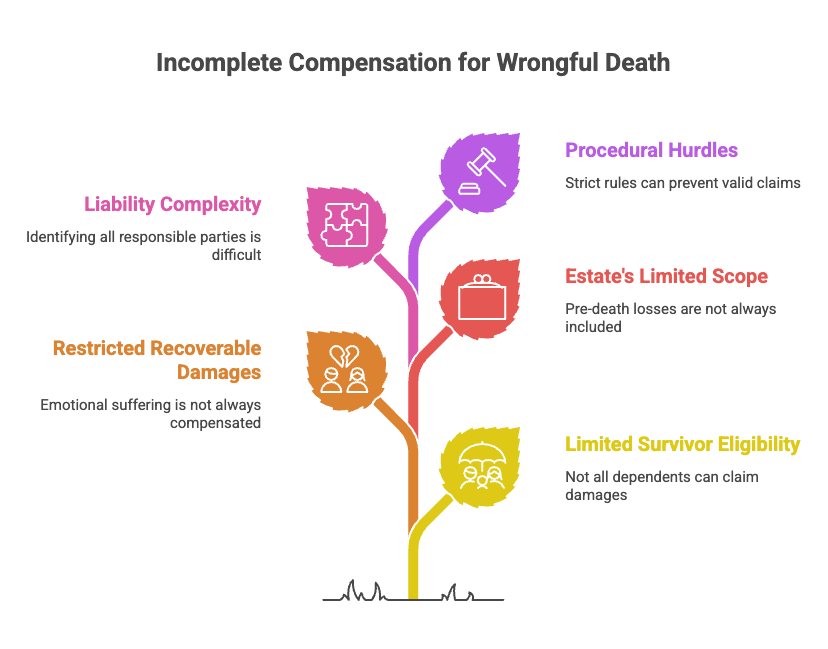
- Eligible survivors may include a spouse, children, parents, and other relatives who are dependent on the deceased.
- Recoverable damages can address funeral costs, lost support, lost services, and emotional suffering in specific circumstances.
- The estate may pursue additional losses, including medical expenses and lost earnings before death.
- Liability may extend to negligent drivers, employers, vehicle owners, or other responsible parties.
- Courts expect claims to satisfy filing rules, evidentiary standards, and procedural deadlines.
A Miami fatal car accident injury lawyer can clarify these rights, preserve lawful claims, and support families seeking justice that may also promote public safety and compassionate accountability within the community.
Steps to Take After a Miami Fatal Car Accident Injury
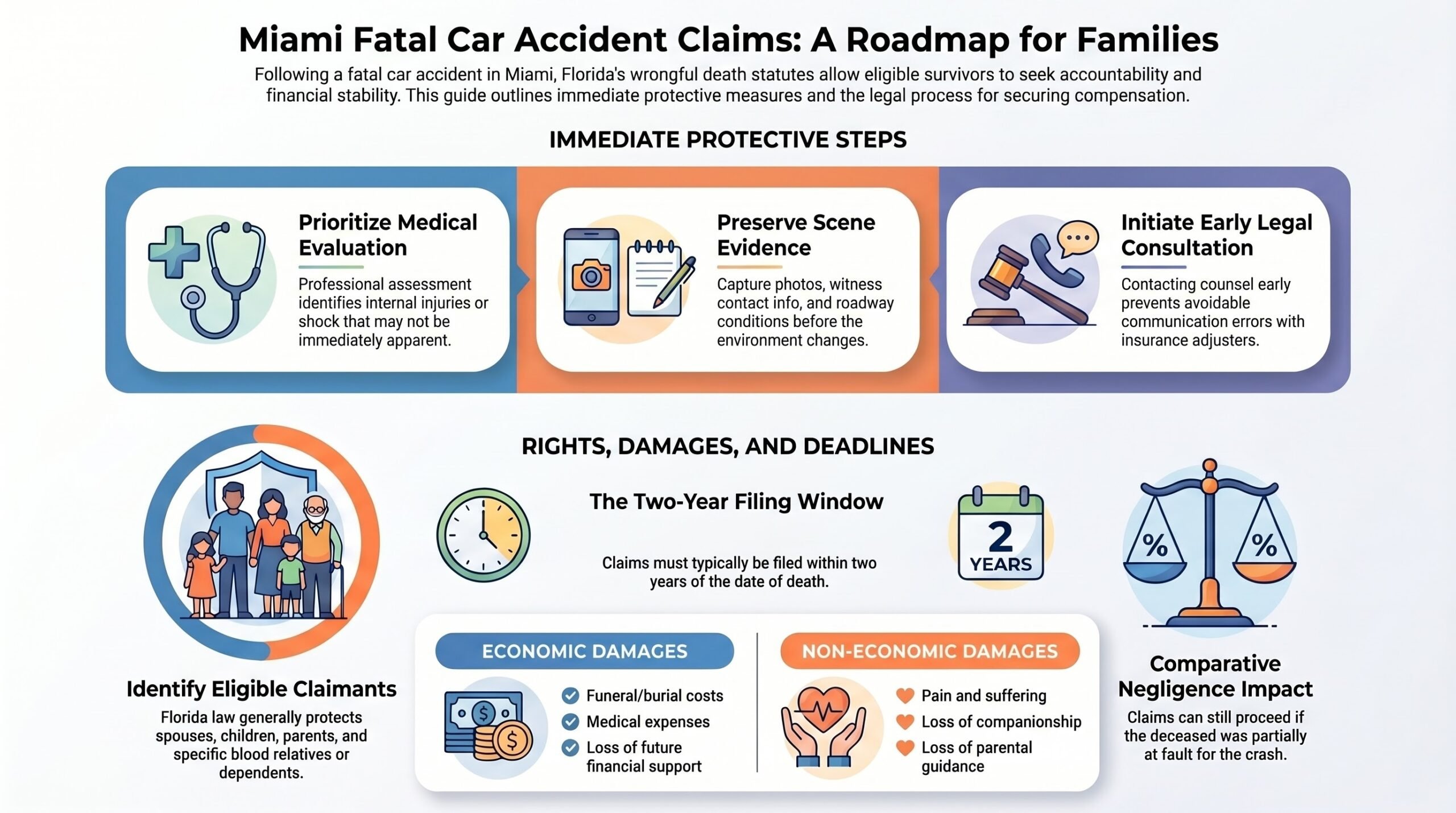
After a Miami fatal car accident injury, immediate medical care should be prioritized to address urgent health concerns and create a clear record of treatment. Attention should also be given to preserving crash-scene evidence, including photographs, witness statements, and official reports, as these materials may support later claims. Early contact with a Miami lawyer is often vital, as legal guidance can help protect important rights and guarantee that pivotal steps are handled properly.
Seek Immediate Medical Care
Without delay, immediate medical evaluation should be treated as a priority following a Miami fatal car accident injury, even when symptoms appear minor or are not immediately apparent. Prompt assessment can identify internal bleeding, head trauma, spinal damage, or shock before complications worsen and place additional lives at risk.
Emergency responders may recommend urgent transport to a hospital, where physicians can stabilize injuries and begin a clear treatment plan. Caregivers and family members who wish to serve effectively should encourage full examinations, follow discharge instructions, and monitor changes in condition. Accurate pain documentation also matters because recorded symptoms, diagnoses, and prescribed care create a reliable timeline of injury progression. Timely medical attention supports recovery, informs decision-making, and helps those assisting the injured respond with compassion, discipline, and practical responsibility.
Preserve Crash Scene Evidence
At the scene, preserving available evidence should be treated as a vital step when a Miami fatal car accident injury has occurred. Those present should, when possible, protect the area and avoid disturbing debris, vehicle positions, skid marks, damaged barriers, or roadway conditions that may later clarify what happened. Careful documentation can support public safety and accountability for everyone affected.
Practical preservation measures may include noting the time, weather, traffic signals, and visible injuries, while obtaining names and contact information from bystanders. Forensic photography can capture angles, impact points, license plates, and surrounding hazards before conditions change. Witness interviews may also help preserve observations while memories remain fresh. When handled responsibly, this evidence can assist investigators, insurers, and grieving families seeking truthful answers and meaningful community protection.
Contact A Miami Lawyer
Once immediate evidence has been preserved, contacting a Miami car accident lawyer should be considered promptly when a fatal car accident injury is involved. Legal counsel can help surviving relatives understand their rights, protect important records, and prevent harmful communication with insurers or opposing parties. Early guidance often supports families who wish to serve one another with care, responsibility, and informed decisions.
A lawyer may offer a Free consultation to review the collision, identify possible claims, and explain deadlines under Florida law. Counsel can also clarify the Fee structure, including whether payment depends on recovery. During this stage, families should gather medical records, police reports, insurance information, and funeral expense documentation. Timely legal support helps preserve claims, promote accountability, and reduce avoidable complications during a difficult period for everyone involved.
How a Miami Fatal Car Accident Injury Lawyer Can Help You
In the aftermath of a fatal car accident, a Miami fatal car accident injury lawyer can provide essential guidance to surviving family members as they pursue accountability and financial recovery under Florida law. Legal counsel helps prevent wrongful lawsuits, preserves evidence, and supports emotional recovery by reducing avoidable burdens during a difficult time.
A Miami fatal car accident injury lawyer helps families pursue accountability while avoiding preventable legal errors during a devastating loss.
A lawyer may assist by:
- Investigating the collision, liability, and insurance coverage
- Identifying recoverable damages for eligible family members
- Managing communications with insurers and opposing counsel
- Filing claims within Florida deadlines and court requirements
- Negotiating a settlement or preparing the case for trial
Through careful case development, counsel works to protect the family’s interests and present a clear demand for compensation. This support allows relatives to focus on honoring their loved one and serving one another, rather than steering through intricate legal procedures alone. Timely representation also strengthens the claim and reduces preventable errors throughout the process for grieving families.
Long-Term Effects of Miami Fatal Car Accident Injuries
Fatal car accident injuries often produce lasting physical and emotional trauma that extends well beyond the initial event. Survivors and families may also face substantial financial strain and family burdens, particularly when income loss, caregiving demands, and funeral expenses are involved. In many cases, ongoing medical complications require extended treatment and monitoring, which can markedly affect long-term stability and quality of life.
Physical And Emotional Trauma
Beyond the immediate loss, surviving family members and seriously injured victims often face lasting physical and emotional trauma that reshapes daily life for years. Many experience chronic pain, reduced mobility, sleep disruption, and recurring medical complications that limit independence and strain ordinary routines. Emotional injuries may appear as anxiety, depression, post-traumatic stress, or survivor’s guilt, each affecting concentration, relationships, and a person’s sense of safety.
In service-minded communities, these harms often extend into caregiving roles, where loved ones must balance compassion with their own grief and exhaustion. Children and spouses may struggle with fear, isolation, or behavioral changes after a fatal collision. Meaningful recovery usually requires coordinated medical care, counseling, rehabilitation, and patient support. Early recognition of trauma can help protect dignity, encourage mending, and restore stability over time.
Financial And Family Burdens
For many households, the long-term effects of catastrophic or fatal crash injuries include severe financial disruption alongside profound changes in family structure and daily responsibilities. Lost income, reduced savings, and unexpected burial expenses can quickly destabilize a family’s ability to meet housing, education, and caregiving needs. Surviving relatives may assume new roles, including child care, household management, and support for older family members, often while grieving a significant loss.
These burdens frequently extend beyond immediate bills. Families may require counseling services, transportation assistance, and workplace flexibility to maintain stability and continue serving one another. In many cases, spouses, parents, or adult children must revise long-term plans, postpone opportunities, and make difficult financial decisions. The resulting strain can affect relationships, community participation, and a household’s overall sense of security for years.
Ongoing Medical Complications
Managing the medical aftermath of a catastrophic collision often involves persistent complications that continue long after the initial emergency treatment has ended. Survivors may face chronic pain, reduced mobility, organ damage, and recurring neurological symptoms that require coordinated care. Some individuals also experience cognitive decline, affecting memory, judgment, concentration, and the ability to complete daily tasks safely.
These conditions often demand ongoing rehabilitation, specialized evaluations, medication management, and assistance from family members or community caregivers. In many cases, recovery does not follow a predictable path, and setbacks may occur without warning. For those committed to helping injured people and their families, understanding these medical realities is crucial. A clear view of long-term complications supports informed planning, compassionate advocacy, and more effective efforts to secure resources that promote stability and dignified care.
Proving Liability in Miami Fatal Car Accident Injury Cases
In Miami fatal car accident cases, proving liability requires a careful examination of the facts, the applicable traffic laws, and the conduct of every party involved. Courts and investigators review police reports, witness statements, photographs, vehicle damage, roadway conditions, and electronic data to determine how the collision occurred.
A thorough liability analysis may reveal speeding, distracted driving, impairment, unsafe lane changes, or failure to yield. In some matters, Comparative liability applies, meaning responsibility may be shared among drivers or other parties whose actions contributed to the crash. Careful documentation helps families pursue accountability in a way that honors the loss and supports the broader goal of public safety.
Expert testimony often strengthens a claim by explaining accident reconstruction, medical causation, visibility, reaction time, or mechanical failure. This evidence can clarify disputed facts and connect negligent conduct to the fatal outcome. A disciplined legal approach helps establish responsibility with precision, fairness, and respect.
Dealing With Insurance Companies After a Miami Fatal Car Accident Injury
Following a fatal car accident in Miami, insurance companies often begin evaluating exposure almost immediately, and their early communications may markedly affect the direction of a claim. Families are often contacted for statements, medical authorizations, or recorded interviews, yet careful restraint is generally advisable because insurer questions may shape later disputes.
A service-minded approach emphasizes protecting surviving relatives while preserving accurate information for fair review. Insurance representatives may appear cooperative, but their claims handling practices are designed to limit financial risk and control settlement timelines. Documentation should consequently be organized, communications should be measured, and unsupported estimates of loss should be avoided. Counsel can help monitor policy disclosures, identify applicable coverage, and respond to requests without creating unnecessary harm.
This guidance also supports respectful treatment of grieving families, who may be vulnerable to pressure during a difficult period. In serious matters, disciplined communication with insurers can protect legal interests while encouraging accountability and more responsible claim evaluation overall.
What to Expect During a Miami Fatal Car Accident Injury Claim Process
A Miami fatal car accident injury claim process typically begins with an initial case evaluation, during which the facts, potential liability, and available damages are assessed. It then proceeds with evidence collection and investigation, followed by insurance claim negotiations to resolve the matter efficiently and fairly. If a settlement cannot be reached, the claim may advance to trial, where the court determines liability and compensation.
Initial Case Evaluation
Evaluating a fatal car accident claim begins with a careful review of the collision, the available evidence, and the legal basis for pursuing compensation under Florida law. During this initial case evaluation, counsel typically considers whether the surviving family may bring a wrongful death claim and what losses may be addressed through civil action.
The process often includes a discussion of initial damages, potentially responsible parties, insurance considerations, and filing deadlines. It also helps establish realistic client expectations regarding the timeline, required participation, and possible outcomes. A thoughtful evaluation gives families a clearer understanding of their legal options while supporting informed, service-minded decisions during a difficult period. This early assessment does not resolve the claim, but it provides an organized foundation for the next steps in seeking accountability and financial recovery.
Evidence And Investigation
In the investigative stage, a Miami fatal car accident claim typically turns on the prompt collection and preservation of evidence that can establish how the collision occurred and who may be legally responsible. Attorneys often secure crash reports, photographs, surveillance footage, electronic data, and medical and autopsy records. They may also work with experts in forensic reconstruction to analyze vehicle damage, roadway conditions, speed, visibility, and impact angles.
Witness interviews are conducted carefully, because witness credibility can materially affect how events are understood. Investigators may inspect the scene, document debris patterns, and identify possible mechanical defects or traffic signal issues. This thorough process helps families pursue accountability by building a factual record that can support lawful action and encourage safer conduct within the broader community over time.
Insurance Claim Negotiations
After the initial evidence has been assembled, insurance claim negotiations generally begin with a careful review of the available facts, policy terms, and documented losses. Adjusters may request statements, records, and supporting materials to evaluate liability, damages, and coverage limits. Families are often served best when all communications remain organized, accurate, and timely.
During this stage, representatives may encounter common negotiation tactics, including delayed responses, disputed valuations, or attempts to narrow compensable losses. Legal counsel can help present a well-supported demand, respond to insurer questions, and identify signs of bad faith if obligations are ignored. The process typically requires patience, professionalism, and close attention to detail. A clear strategy, grounded in evidence and service to the surviving family, can strengthen the claim and encourage a more responsible response from the insurer.
Settlement Or Trial
When negotiations do not produce a fair resolution, the claim may proceed toward settlement finalization or trial, depending on the strength of the evidence, the parties’ willingness to compromise, and the court’s schedule. Counsel evaluates liability, damages, witness credibility, and settlement timing before recommending the next step.
If settlement remains possible, both sides may continue discussions, often through mediation, with the goal of securing meaningful support for surviving family members and honoring the loss suffered. If trial becomes necessary, preparation intensifies. Attorneys organize exhibits, prepare testimony, address motions, and develop a clear jury strategy that presents the facts with dignity and precision. Throughout this stage, the legal team keeps clients informed, explains risks and likely outcomes, and seeks a path that serves justice, accountability, and the family’s long-term financial stability.
Compensation for Miami Fatal Car Accident Injury Damages
Under Florida law, compensation for fatal car accident damages in Miami may include both economic and non-economic losses suffered by the surviving family and the decedent’s estate. In a wrongful death claim, recoverable damages are intended to provide accountability, stability, and meaningful support after a preventable loss. Courts and insurers evaluate the facts carefully, including liability, the relationship of survivors to the decedent, and the overall impact of the death on the family unit.
In some cases, punitive damages may also be available when the at-fault party engaged in intentional misconduct or gross negligence, such as reckless driving or operating a vehicle while intoxicated. These damages are not awarded in every case, but they can serve a broader public purpose by discouraging similar conduct and promoting safer roads. A Miami fatal car accident lawyer may help families pursue compensation efficiently, protect legal rights, and seek results that honor the decedent while serving the well-being of surviving loved ones.
Economic vs Non-Economic Damages in Miami Fatal Car Accident Cases
In Miami fatal car accident cases, damages are generally divided into economic and non-economic categories, each addressing a distinct type of loss. Economic damages typically include measurable financial harms, such as medical expenses, funeral costs, lost income, and loss of financial support, while non-economic damages may involve pain and suffering, emotional distress, and loss of companionship. In court, both categories require persuasive evidence: economic losses are often supported by records and calculations, while non-economic losses are established through testimony and related proof.
Economic Damage Categories
Clarity is essential in Miami fatal car accident cases, because economic damages address the measurable financial losses a surviving family may face after a wrongful death. These categories often include medical expenses incurred before death, funeral and burial costs, lost wages the deceased would likely have earned, and loss of financial support provided to dependents. In some cases, property damage involving the vehicle or other personal items may also be part of the overall claim.
A careful review of records, invoices, employment history, and expert calculations helps establish these losses with accuracy. This process supports families who seek accountability while also protecting the resources needed to continue caring for others. By clearly identifying each economic category, a legal team can present a well-supported demand grounded in objective financial evidence.
Non-Economic Loss Types
Several non-economic loss types may arise in a Miami fatal car accident case, reflecting harms that do not come with receipts or fixed dollar amounts. These losses address the human consequences of a wrongful death, especially those affecting close family members and the household left behind.
Common examples include pain and suffering experienced before death, when permitted under applicable law, and the emotional anguish endured by surviving relatives. A spouse may also face loss of consortium, which concerns the deprivation of companionship, affection, and marital support. Children may experience the loss of parental guidance, instruction, and emotional care. In service-oriented families, these harms often extend to the disruption of shared roles, comfort, and daily stability. Such losses recognize dignity, relationships, and the personal value of a life cut short.
Proving Damages In Court
Courts in Miami fatal car accident cases require more than a description of loss; they require evidence that connects each claimed damage to the death and supports a reasonable monetary value. Economic damages are commonly proved through documentation, including medical bills, funeral expenses, wage records, tax returns, and expert testimony regarding lost earning capacity. Non-economic damages require equally careful proof, though they are less exact. Testimony from family members, counselors, and other witnesses may help show companionship loss, mental pain, and the disruption of daily life.
Effective presentation also matters. Clear timelines, credible experts, and consistent records strengthen persuasive power to juries by making the harm understandable and measurable. When evidence is organized and reliable, the court is better equipped to award compensation that reflects both financial impact and human loss.
When a Miami Fatal Car Accident Injury Case Goes to Trial vs Settlement
Although many Miami fatal car accident injury cases resolve through negotiated settlement, some proceed to trial when the parties cannot agree on liability, causation, or the full value of the losses involved. In those matters, counsel evaluates trial dynamics and develops a settlement strategy that reflects the strength of the evidence, the credibility of witnesses, and community standards.
Settlement may serve families by reducing delay, limiting public exposure, and providing financial support sooner. Trial may become necessary when insurers minimize responsibility, dispute expert findings, or refuse to recognize the human and economic impact of the death. A court proceeding also permits formal discovery, evidentiary rulings, and a jury determination when accountability remains contested.
A careful comparison of risks, costs, and likely outcomes guides the decision. Experienced representation helps surviving relatives understand their options, protect the estate’s interests, and pursue a path aligned with justice, service, and the dignified resolution of a profound loss for all involved.
The Statute of Limitations for Miami Fatal Car Accident Injury Cases
In Miami fatal car accident injury cases, the statute of limitations sets a strict deadline for filing a wrongful death claim, and failure to act within that period can bar recovery entirely. Florida law generally allows two years from the date of death to bring a wrongful death action, although limited exceptions may apply in uncommon circumstances. These filing deadlines matter because they protect the integrity of evidence, preserve witness memory, and promote fair resolution.
Families seeking accountability often devote their energy to honoring a loved one and supporting others affected by the loss. Even so, the legal system expects timely action. Missing the statute of limitations can prevent recovery of damages for medical expenses, funeral costs, lost support, and related losses. Careful attention to dates, records, and procedural requirements helps guarantee that a wrongful death claim is evaluated on its worth rather than dismissed on procedural grounds. Awareness of these rules serves grieving families and the broader community alike.
When to Contact a Miami Fatal Car Accident Injury Lawyer
Prompt legal guidance should be considered soon after a fatal car accident, particularly once immediate family needs and basic record preservation are underway. Early contact may be appropriate when questions arise about insurance calls, vehicle evidence, death certificates, witness information, or communication with investigators. Families focused on caring for one another and serving dependents often benefit from timely guidance on organizing documents, identifying emergency contacts, and avoiding preventable mistakes.
A Miami fatal car accident injury lawyer may also be contacted when funeral expenses, estate questions, or requests for statements begin to create pressure. If there is uncertainty about preserving photographs, medical records, employment information, or correspondence, prompt outreach can help maintain order during a difficult period. Families seeking stability may also consider legal consultation alongside post-accident counseling, especially when practical decisions must be made before memories fade, records are misplaced, or deadlines begin approaching unexpectedly or concurrently.
Why You Need an Experienced Miami Fatal Car Accident Injury Lawyer
Because fatal collision claims often involve overlapping insurance issues, estate concerns, and time-sensitive evidence, an experienced Miami fatal car accident injury lawyer provides structure and informed judgment at a point when pivotal decisions can carry lasting consequences.
Such representation helps protect surviving relatives from preventable errors while preserving the facts needed to pursue accountability. A seasoned lawyer understands how to coordinate investigators, medical experts, and probate-related professionals so the claim reflects both legal requirements and the family’s broader responsibilities to loved ones. Experience also supports effective communication with insurers and opposing counsel, reducing opportunities for delay or unfair pressure.
In many cases, practical advantages matter. Local networking can assist in locating witnesses, obtaining records, and efficiently navigating court procedures. When public attention affects a case, thoughtful Media strategies may help safeguard privacy and maintain focus on the underlying loss. Overall, experienced counsel strengthens stability, service, and informed advocacy for grieving families.
How to Choose the Right Miami Fatal Car Accident Injury Lawyer for Your Case
Choosing the right Miami fatal car accident injury lawyer requires careful evaluation of qualifications, case experience, and professional judgment rather than a decision based solely on advertising or broad promises. Families should review the attorney’s history with wrongful death and catastrophic collision claims, courtroom readiness, and familiarity with Florida procedures. A lawyer’s record of ethical conduct, responsiveness, and careful preparation often reveals whether representation will truly protect surviving relatives.
Practical considerations also matter. Clear explanations of Contingency fees help families understand financial obligations without added strain during a period of loss. Strong Client communication is equally important, because timely updates and respectful guidance allow loved ones to make informed decisions that honor the deceased. It is also wise to take into account available staff support, investigative resources, and willingness to consult qualified experts. A careful selection process can strengthen a claim and support accountability, financial recovery, and a sense of justice for those affected.
About The Law Offices of Anidjar & Levine
The Law Offices of Anidjar & Levine represents injured clients and grieving families in Miami with a focus on thorough case preparation, responsive service, and practical legal guidance. The firm assists those affected by fatal car accidents by investigating liability, documenting losses, and pursuing compensation that may ease financial strain while honoring a loved one’s memory.
Its approach reflects service-minded advocacy, with attention to communication, accessibility, and steady support during difficult periods. Firm history shows a commitment to personal injury representation across Florida, built on preparation, negotiation skills, and readiness for litigation when insurers resist fair outcomes. The attorneys and staff emphasize respectful treatment, timely updates, and clear explanations so families can make informed decisions.
Client testimonials often describe professionalism, compassion, and persistence, qualities that can matter greatly after a sudden loss. For families seeking counsel that values dignity, accountability, and practical results, the firm offers a structured, experienced legal resource in Miami.
Frequently Asked Questions
Can I File a Claim if the Deceased Was Partially at Fault?
Yes, a claim may still be filed if the deceased was partially at fault. Under comparative negligence, any recovery is generally reduced by the percentage of responsibility assigned to the deceased, rather than barred entirely. Families seeking accountability may pursue a wrongful death claim, and in some cases a survival action, to recover certain damages. Careful factual investigation is crucial, because fault allocation directly affects the value and scope of recovery.
How Are Wrongful Death Settlements Divided Among Surviving Family Members?
Wrongful death settlements are typically divided according to state law, the decedent’s will, and each survivor’s proven losses. Courts may allocate funds among a spouse, children, parents, or other dependents, while some portions pass through estate distribution. If beneficiaries are deceased, division may follow per capita vs. per stirpes rules. Careful legal review helps families protect one another, honor the decedent, and guarantee equitable, lawful recovery for all.
Can Unmarried Partners Recover Damages After a Fatal Car Accident?
Yes, unmarried partners may recover damages after a fatal car accident, but recovery depends on state law and the relationship’s legal status. Some jurisdictions recognize a domestic partnership and allow limited wrongful death claims, while others restrict recovery to spouses or blood relatives. In certain cases, financial losses may be pursued through palimony claims or estate actions. Careful legal review is crucial to protect surviving partners and dependent family members.
What Happens if the at-fault driver dies in the Crash?
If the at-fault driver died in the crash, a claim may still proceed through available insurance coverage and, when necessary, against the driver’s estate. Survivors or injured parties often seek an insurance payout first, because it is usually the primary source of recovery. If damages exceed coverage, estate claims may be pursued under probate rules. Prompt legal guidance helps preserve evidence, meet deadlines, and protect the interests of those affected.
Are Fatal Car Accident Settlements in Miami Subject to Income Taxes?
Generally, fatal car accident settlements in Miami are not subject to income taxes when they compensate for physical injuries or wrongful death. However, the taxable portion may include interest, emotional distress damages unrelated to physical injury, and punitive damages. Because tax treatment depends on how the settlement is structured, careful review is crucial. Families seeking to serve and protect surviving loved ones should obtain guidance from qualified legal and tax professionals.
—————————
A Miami fatal car accident claim requires careful legal analysis, prompt action, and a clear understanding of applicable rights and remedies.
Families facing these cases benefit from experienced counsel that can investigate the collision, preserve crucial evidence, and pursue full compensation under Florida law.
Anidjar and Levine provide focused representation as Miami car accident attorneys, designed to protect clients’ interests and guide them through each stage of the legal process with diligence, clarity, and professional support.