

An Orlando Medical Malpractice Lawyer at the Law Offices of Anidjar and Levine can assess your child’s birth records, preserve essential evidence, consult medical experts, and determine whether preventable errors caused the injury.
You need counsel who can explain Florida deadlines, handle insurers, and pursue compensation for lifelong care, therapy, equipment, and other losses.
If settlement efforts don’t reflect the full impact on your family, your lawyer should be ready to litigate.
The sections below explain what to expect and how your claim may proceed.
Main Takeaways
- An Orlando perinatal brain injury lawyer reviews pregnancy, labor, delivery, and newborn records to identify possible medical negligence and legal options.
- Strong claims rely on fetal monitoring strips, imaging, medication logs, expert opinions, and a clear timeline linking mistakes to the child’s injury.
- A lawyer preserves critical evidence, coordinates with medical experts, and calculates long-term damages, including therapy, equipment, and future care needs.
- During consultation, ask about birth injury experience, case evaluation methods, fees, and Florida filing deadlines that may affect your claim.
- Your attorney handles insurers and settlement talks, and can file suit if offers do not reflect the child’s lifelong needs.
How We Can Help With Your Orlando Perinatal Brain Injury Claim
When a preventable medical error causes a perinatal brain injury, you need legal counsel that can assess the facts quickly and act with precision. You merit a team that listens carefully, gathers records, consults qualified experts, and builds a clear claim focused on your child’s needs. We help you pursue accountability without losing sight of your family’s calling to care, protect, and serve others with strength.
Your claim requires organized action at every stage. We investigate labor and delivery decisions, identify signs of birth trauma, calculate current and future losses, and present persuasive evidence to insurers or opposing counsel. We also explain settlement timelines, prepare you for important decisions, and keep communication direct and steady. If negotiations fail to reflect the full impact of the injury, we stand ready to litigate. Throughout the process, you receive practical guidance to make informed choices and stay focused on your child’s well-being and future.
Understanding Orlando Perinatal Brain Injury Cases


Because these claims often involve a complex mix of medical facts and legal standards, understanding how Orlando perinatal brain injury cases work is essential before you take action. You need to know how records, timelines, and expert opinions shape whether a claim can move forward and how strongly it may stand in court.
OUR CONSULTATIONSARE FREE
START YOUR FREE CASE REVIEW

Your case often turns on detailed evidence from labor, delivery, and the newborn period. That may include fetal monitoring strips, imaging studies, medication records, and testimony from qualified authorities. In some matters, doctors review neonatal hypothermia decisions or placental pathology findings to determine what occurred and whether accepted standards were met. You also must connect the injury to measurable harm, including long-term care needs and developmental effects.
When you understand this process, you can make informed choices that protect your child and support your family’s ability to serve, advocate, and plan responsibly for the future with confidence and compassion.

Common Causes of Orlando Perinatal Brain
When you examine common causes of perinatal brain injury, you should focus on oxygen deprivation events, delayed emergency delivery, maternal infection risks, and improper fetal monitoring. Each of these failures can interrupt timely medical care and increase the risk of serious harm during labor and delivery. If your child’s injury followed any of these circumstances, you may have grounds to question whether the accepted standard of care was met.
Oxygen Deprivation Events


Oxygen deprivation during labor or delivery can interrupt the steady flow of oxygen to a baby’s brain, and even a short delay in recognition or treatment can lead to serious injury. If your family is serving a newborn with neurological harm, you may hear terms like fetal hypoxia, which describes inadequate oxygen reaching the baby before or during birth.
These events can arise from umbilical cord compression, maternal blood pressure problems, uterine rupture, or placental abruption, where the placenta separates too soon and limits oxygen exchange. You are entitled to clear answers on whether warning signs were identified, monitored, and addressed in accordance with accepted standards of care. By understanding how oxygen deprivation occurs, you can better advocate for your child, support your family’s needs, and seek accountability when preventable lapses contribute to lifelong challenges ahead.
Delayed Emergency Delivery
Delayed emergency delivery often becomes the defining issue after signs of fetal distress or other labor complications appear, and the medical team doesn’t act within the time the situation requires. When minutes matter, a decision delay can allow avoidable harm to develop, especially if monitoring strips, failed labor progress, or cord concerns already indicate danger.
You want caregivers to respond with urgency, skill, and respect for every life in the delivery room. A delayed cesarean may follow communication failures, slow escalation, understaffing, or hesitation about operative delivery. Those lapses can reduce oxygen flow and increase the risk of permanent brain injury. If your child was harmed after providers failed to move promptly, careful legal review can help you seek answers, accountability, and resources that support your family’s service-minded future.
Maternal Infection Risks
Because infections during pregnancy and labor can escalate quickly, they demand timely recognition, testing, and treatment to protect both mother and child. When you seek attentive prenatal and delivery care, you trust providers to identify warning signs, order cultures, begin antibiotics, and respond before infection harms the baby’s developing brain.
If a provider misses fever, prolonged rupture of membranes, uterine tenderness, or abnormal lab results, preventable injury can follow. A placental infection can reduce oxygen and trigger inflammation that affects the infant’s brain. Maternal sepsis can also compromise blood flow, increase delivery complications, and place both patients in immediate danger. You merit a care team that acts decisively, communicates clearly, and follows accepted standards.
When that does not happen, legal guidance can help you pursue accountability and support for your family.
Improper Fetal Monitoring
Even when providers address maternal infection risks, they must also monitor the baby’s condition throughout labor and delivery with care and accuracy. When you entrust a medical team with your child’s safety, you expect timely fetal monitoring and a prompt response to warning signs. Failures in equipment calibration can distort heart rate data, delay intervention, and increase the risk of oxygen deprivation.
You should also expect competent cardiotocography interpretation, because misreading tracings may cause providers to miss fetal distress or labor complications. If clinicians ignore abnormal patterns, wait too long to escalate care, or fail to document concerns, preventable injury can follow. By identifying these lapses, you help protect your family and support accountability, which also helps other families receive the attentive and competent care they merit during birth.

Legal Rights of Orlando Perinatal Brain Injury Victims
Accountability matters when a preventable perinatal brain injury changes your child’s future, and Florida law gives affected families the right to seek answers and financial recovery from negligent medical providers. When birth trauma results from substandard prenatal, labor, delivery, or neonatal care, you may pursue a medical malpractice claim. Your parental rights include demanding truthful information, reviewing relevant records, and seeking compensation that supports your child’s long-term wellbeing and your family’s stability.
Florida families have the right to demand answers and pursue recovery when preventable birth trauma results from negligent medical care.
You may have the right to pursue damages for:
- Past and future medical treatment, therapy, and specialized equipment
- Rehabilitation, home modifications, and assistive care services
- Lost earning capacity and other long-term financial impacts
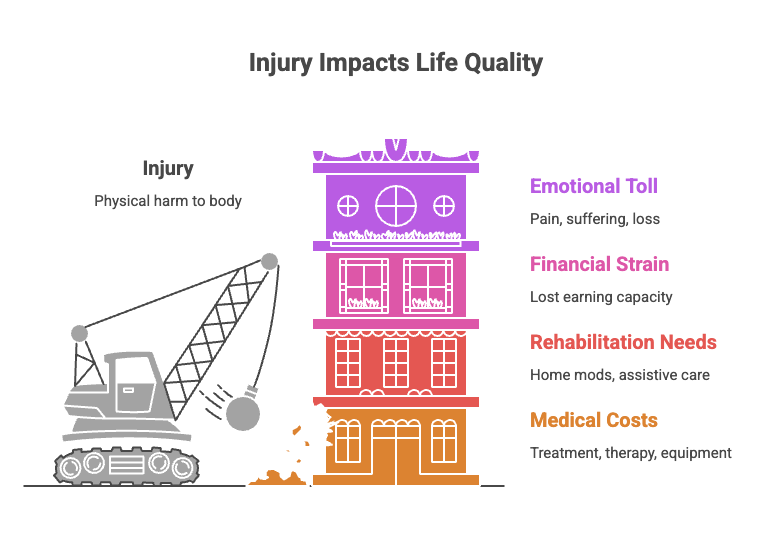
- Pain, suffering, and loss of quality of life
Steps to Take After an Orlando Perinatal Brain Injury
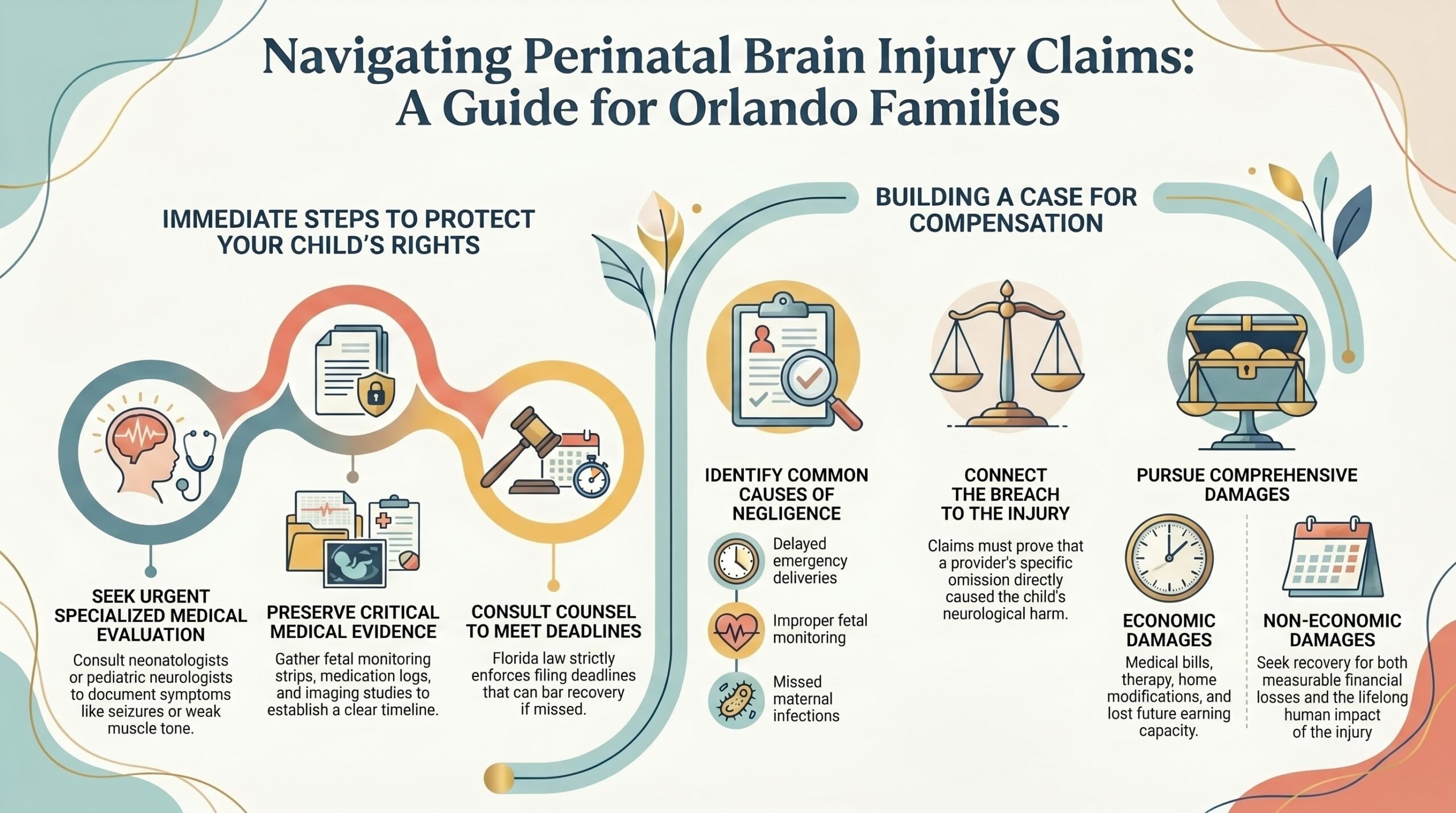
After an Orlando perinatal brain injury, you should seek immediate medical care to protect your child’s health and create a clear record of the injury. You should also preserve crucial evidence, including medical records, test results, and notes about what occurred before, during, and after delivery. As soon as possible, you should consult legal counsel to understand your options and protect your family’s right to seek accountability.
Seek Immediate Medical Care
Because a perinatal brain injury can worsen quickly without prompt evaluation, you should seek immediate medical care for your child and make sure qualified providers document all symptoms, test results, and treatment decisions. Request an urgent assessment from neonatology, neurology, or another appropriate expert if your child shows seizures, feeding problems, unusual sleepiness, weak muscle tone, or breathing changes.
As you focus on your child’s wellbeing, support the care team by giving a clear timeline of labor, delivery, and early symptoms. Ask questions, follow discharge instructions carefully, and return immediately if conditions change. Consistent symptom tracking can help providers recognize patterns, adjust treatment, and protect your child’s long-term health. Acting quickly serves your child, equips caregivers, and promotes informed medical decisions during a crucial and often uncertain time.
Preserve Key Evidence
Preserve every record connected to your pregnancy, labor, delivery, and your child’s condition from the earliest possible moment. Gather prenatal charts, fetal monitoring strips, medication logs, imaging, discharge papers, billing records, and written instructions. Request complete copies, then organize them by date so that caregivers and advocates can clearly understand the sequence of events.
Keep a detailed journal of symptoms, conversations, appointments, and changes in your child’s abilities. Save photographs, videos, text messages, emails, voicemails, and device data through careful digital preservation. Label each item with the date, source, and context. Protect originals whenever possible, and document who handled important materials to maintain a reliable chain of custody. By carefully preserving evidence, you strengthen your ability to seek answers, support your child, and serve your family faithfully.
Consult Legal Counsel
Once you’ve gathered and organized the available records, speaking with an Orlando perinatal brain injury lawyer can help you assess what happened and what steps to follow. Counsel can review medical timelines, identify potential negligence, and explain whether your child’s injuries warrant further investigation. This guidance helps you protect your family while pursuing accountability that may also improve future patient safety.
During an initial consultation, you should ask about the lawyer’s relevant experience, approach to case evaluation, and fee structure. You should also discuss deadlines, including any statute of limitations issues that affect when claims must be filed. A careful attorney can coordinate experts, preserve testimony, and handle communication with insurers or providers. By obtaining sound legal advice early, you strengthen your ability to make informed, service-minded decisions.
How an Orlando Perinatal Brain Injury Lawyer Can Help You
Steer this process with counsel that understands both the medical and legal issues involved. An Orlando perinatal brain injury lawyer helps you investigate records, consult qualified experts, and determine whether preventable errors contributed to birth trauma or neonatal hypoxia. You gain a clear strategy for protecting your child and pursuing accountability through each stage of the claim.
A lawyer can help you:
- Review prenatal, labor, delivery, and neonatal records for warning signs and missed interventions
- Identify responsible providers, facilities, and insurers, then preserve vital evidence before it disappears
- Calculate present financial losses, negotiate firmly, and present your claim with credible medical support
- Guide your family through deadlines, filings, and decisions so you can focus on care and service
With informed legal counsel, you can ask stronger questions, understand your options, and pursue resources that support your family’s immediate needs. That guidance also helps you serve your child faithfully.
Long-Term Effects of Orlando Perinatal Brain Injuries
You may face long-term challenges when a perinatal brain injury causes cognitive and developmental delays that affect your child’s learning, behavior, and daily functioning. You may also need to plan for lifelong medical care, including ongoing therapy, consultant visits, and adaptive support as your child grows. As these needs continue, you can experience substantial emotional strain and financial pressure that affect your entire family.
Cognitive And Developmental Delays
Because perinatal brain injuries can disrupt pivotal stages of early brain development, they often lead to cognitive and developmental delays that affect a child well beyond infancy. You may notice challenges with attention, memory, language, problem-solving, or social interaction as your child grows and faces new expectations.
These delays can influence learning, communication, behavior, and daily independence, making school and relationships more demanding. With early intervention, you can help your child strengthen vital skills and build confidence through targeted educational and therapeutic support. Family counseling can also help you understand your child’s needs, improve communication, and create a stable, encouraging home environment. When you recognize these impacts early, you’re better prepared to advocate for meaningful resources, protect your child’s opportunities, and serve your family with informed, steady care.
Lifelong Medical Care
Managing a perinatal brain injury often requires lifelong medical care that changes as your child grows and faces new physical, cognitive, and developmental demands. You may need coordinated treatment from neurologists, therapists, pediatric experts, and educators who monitor progress and adjust care goals over time.
Your child’s needs may include medications, mobility support, speech therapy, nutritional guidance, assistive technology, and regular evaluations. Effective rehabilitation planning helps you organize services, anticipate shifts, and promote the greatest possible independence. You may also need focused insurance arrangements to maintain access to vital providers, therapies, and equipment. By staying informed and working closely with qualified professionals, you can advocate for consistent care that protects your child’s health, supports daily function, and honors your commitment to serving your family with diligence and compassion.
Emotional And Financial Impact
Long-term treatment plans often bring lasting emotional strain and significant financial pressure for families affected by an Orlando perinatal brain injury. You may face daily stress, caregiver fatigue, and uncertainty about your child’s future, which can affect your mental health and relationships. Serving your child faithfully often means setting aside personal needs, yet sustained support remains crucial.
You must also prepare for ongoing therapy costs, adaptive equipment, home modifications, transportation, and reduced earning capacity. Careful financial planning helps you protect your household while meeting your child’s changing needs over time. When negligence caused the injury, pursuing legal guidance can help you seek compensation for both immediate and long-term losses. With informed support, you can make stable decisions and continue providing compassionate, consistent care for your family.
Proving Liability in Orlando Perinatal Brain Injury Cases
When a perinatal brain injury occurs, proving liability in an Orlando medical malpractice case requires more than showing that a child suffered harm during labor or delivery. You must connect the injury to a provider’s specific act or omission and show that competent care would’ve likely prevented the outcome. That demands clear evidence, careful analysis, and a focused legal strategy.
To establish fault, you need records, fetal monitoring strips, imaging, and timelines that reveal what happened and when. Your case must address medical causation, meaning you show how delayed intervention, improper medication use, or missed signs of distress led to oxygen loss or other trauma. Because these issues are intricate, expert testimony is often crucial. Qualified authorities explain the accepted standard of care, identify where it was breached, and connect that breach to your child’s condition. By building a precise, evidence-based claim, you can pursue accountability and protect your family’s ability to provide meaningful, lifelong support.
Dealing With Insurance Companies After an Orlando Perinatal Brain Injury
Sorting through insurance issues after an Orlando perinatal brain injury can quickly become difficult, especially while you’re trying to understand your child’s medical needs and future care. You may receive calls, forms, and settlement questions before you have a clear picture of long-term expenses. In that moment, careful communication matters.
You should document every conversation, keep copies of records, and avoid accepting quick offers that may not reflect ongoing therapy, equipment, and support needs. Insurance representatives often focus on minimizing payouts, so your response should remain measured, accurate, and informed. Strong claims negotiation helps you protect resources your child may need for years.
You should also review all available coverage, including possible policy limits, so you don’t overlook sources of financial support. When you approach insurers with organized information and a service-minded commitment to your child’s well-being, you place yourself in a stronger position to advocate responsibly and preserve stability for your family.
What to Expect During an Orlando Perinatal Brain Injury Claim Process
You can expect your Orlando perinatal brain injury claim to begin with an initial case evaluation, where your attorney assesses the facts, identifies potential liability, and explains your legal options. From there, your lawyer will review medical records, expert opinions, and other evidence, then file the claim and negotiate with the opposing side for a fair outcome. If settlement efforts don’t resolve the matter, you should be prepared for trial, where the court will determine the final resolution.
Initial Case Evaluation
Because perinatal brain injury claims often turn on precise medical facts and timelines, the initial case evaluation focuses on whether the available evidence supports a viable malpractice claim under Florida law. During this meeting, you outline what happened before, during, and after birth, and explain how your child’s condition affects daily life and future care. You may also discuss family history, insurance coverage, prior pregnancies, and any concerns raised by providers.
Your attorney then assesses whether the facts suggest preventable harm, identifies potential legal issues, and explains the basic path of a claim in Orlando. This early review helps you understand your options, protect your family’s ability to seek accountability, and make informed decisions that support your child and others who depend on your care each day.
Evidence And Record Review
After the initial case evaluation identifies a potentially preventable birth-related injury, the next step is a careful review of the evidence and medical records. You can expect your legal team to gather prenatal records, labor and delivery notes, fetal monitoring strips, imaging studies, medication logs, and neonatal assessments. They’ll compare timelines, identify gaps, and consult qualified medical experts when standards of care appear to have been missed.
You also play an important role by preserving photos, messages, bills, and caregiving notes that show how the injury affects your child and family. Your attorney will address the chain of custody for physical and digital evidence, including the preservation of metadata for electronic files. This disciplined review helps protect accuracy, strengthen accountability, and support your effort to seek answers while honoring your child’s needs and future.
Filing And Negotiation
Once counsel confirms that the evidence supports a viable claim, the filing stage begins with a formal complaint that identifies the responsible parties, outlines the alleged negligence, and states the harm your child suffered.
After filing, the defense receives notice and submits a response. Your attorney then manages document exchanges, preserves crucial deadlines, and evaluates early positions for productive negotiation. You can expect careful communication that protects your interests while keeping your family’s service-centered values in view. During this phase, counsel may discuss mediation strategies, assess insurance involvement, and estimate realistic settlement timelines based on the medical evidence and legal issues.
Negotiations often require patience, because each offer must account for present needs, future care, and long-term support. Clear preparation helps you make informed decisions without losing focus on your child’s well-being.
Trial And Resolution
If the parties don’t reach a fair settlement, your claim may proceed to trial, where each side presents evidence, questions witnesses, and asks the court or jury to decide liability and damages. You should expect careful preparation, including expert testimony, medical records, and witness statements that explain how the injury occurred and how it affects your child and family.
During jury selection, your attorney helps identify jurors who can evaluate the facts fairly and understand the importance of accountability. At trial, you may testify about your experience and your child’s ongoing needs. Your legal team will present a clear case that supports both justice and future care. If the court returns a favorable decision, the verdict impact can provide financial resources, reinforce safer medical practices, and help you continue serving your child with stability and dignity.
Compensation for Orlando Perinatal Brain Injury Damages
Because a perinatal brain injury can alter every aspect of a child’s future, compensation in these cases must account for both the immediate losses your family has suffered and the long-term care the child may require. You may need resources for hospitalization, consultants, medications, adaptive equipment, and ongoing evaluation as your child grows. Compensation can also help secure neonatal rehabilitation and reliable caregiver support, so you can focus on your child’s development and your family’s stability.
When you pursue compensation, you’re seeking practical support that allows you to serve your child well over time. A thorough claim can reflect the costs of future therapies, educational assistance, home modifications, and transportation for treatment. It can also address the strain placed on your household when one or both parents must reduce work to provide care. With careful legal preparation, you can pursue funds that protect your child’s needs and preserve your family’s ability to provide consistent, compassionate care daily.
Economic vs Non-Economic Damages in Orlando Perinatal Brain Cases
You should understand how economic damages cover measurable losses, including medical bills, rehabilitation costs, future care, and lost earning capacity. You should also recognize that non-economic damages address harder-to-measure harm, such as pain, suffering, and loss of quality of life, which can materially affect your child and family. Because these categories compensate different types of harm, you may see important differences in how courts calculate and award damages in an Orlando perinatal brain injury case.
Economic Loss Categories
When a perinatal brain injury leads to a legal claim, damages generally fall into two categories: economic and non-economic losses. Economic losses address measurable financial harm your family may face while caring for your child and protecting long-term stability. You may seek compensation for past and future medical treatment, rehabilitation, therapy, medications, assistive equipment, and tailored education. These damages can also include transportation to appointments, home or vehicle modifications, and the cost of in-home nursing or attendant care.
If the injury affects your child’s ability to work later in life, you may pursue damages tied to future earnings. You may also recover the value of household services your child may never be able to provide. Careful documentation helps you present these losses clearly and responsibly for your child’s future needs.
Non-Economic Harm Valuation
Financial records can show the cost of care, but they don’t capture the full human impact of a perinatal brain injury. When you pursue non-economic damages, you seek recognition for pain, suffering, loss of enjoyment, and the strain placed on your family’s daily life. These losses matter because they affect how your child experiences relationships, learning, comfort, and dignity.
You may use medical evidence, caregiver testimony, and expert analysis to show how the injury changes your child’s quality-adjusted life. Courts and insurers may also consider your emotional distress and, in tragic cases, bereavement compensation. By presenting a clear, compassionate account of these harms, you help decision-makers understand the injury beyond bills and forecasts. That approach supports accountability and honors the lifelong human consequences your family now carries every day.
Damage Award Differences
Although both categories can produce substantial compensation in an Orlando perinatal brain injury case, economic and non-economic damages serve different purposes and are proved in different ways. Economic damages repay measurable losses, such as medical bills, future therapy, adaptive equipment, home modifications, and reduced earning capacity.
Non-economic damages address human harm that receipts can’t capture. You may seek compensation for your child’s pain, limitations, and loss of life’s experiences, as well as your family’s emotional suffering and altered daily responsibilities. To prove these damages, you often rely on testimony, life-care planning, expert opinions, and credible witnesses who explain your child’s needs and your family’s service-centered caregiving. Jury verdicts may vary because these losses are personal. Insurance caps, where applicable, can also substantially affect recovery and shape settlement negotiations.
When an Orlando Perinatal Brain Injury Case Goes to Trial vs Settlement
Because every perinatal brain injury claim turns on its own medical facts, liability evidence, and projected lifetime care costs, your Orlando case may resolve through settlement or proceed to trial depending on how strongly the hospital, physician, or insurer disputes fault and damages. In many medical malpractice matters, settlement offers certainty, privacy, and faster access to funds your family can use for treatment, therapy, equipment, and long-term support.
If the defense denies negligence, challenges causation, or minimizes future needs, a trial may become necessary. A courtroom lets you present expert testimony, cross-examine witnesses, and ask a jury to weigh accountability and damages. Still, jury dynamics can affect outcomes in ways neither side can fully predict. You must balance potential recovery against added time, stress, expense, and public scrutiny. By preparing every case as if it will be tried, your legal team can strengthen negotiations and position you to pursue the result that best protects your child and serves your family’s future well.
The Statute of Limitations for Orlando Perinatal Brain Injury Cases
When your child suffers a perinatal brain injury, the time limit for filing a medical malpractice claim can affect your rights just as much as the underlying medical evidence. In Florida, filing deadlines can vary based on the child’s age, the date of the injury, and when you discovered possible negligence. These nuances of the statute matter because a missed deadline can bar recovery, even when the harm is severe and preventable.
You serve your child best by understanding that exceptions may apply in cases involving delayed discovery, fraudulent concealment, or injuries to minors. Even so, courts enforce these rules strictly, and medical malpractice claims follow procedural requirements that differ from many other injury cases. Careful recordkeeping, prompt review of treatment history, and close attention to notice obligations can protect your ability to seek accountability. By respecting the statute of limitations, you preserve the chance to secure resources that support your child’s care, stability, dignity, and future.
When to Contact an Orlando Perinatal Brain Injury Lawyer
Filing deadlines shape your legal options, but timing matters in another way as well: you should contact an Orlando perinatal brain injury lawyer as soon as you suspect that a preventable error during pregnancy, labor, delivery, or newborn care may have harmed your child.
An early consultation helps you preserve records, identify witnesses, and organize questions while events remain fresh. If your child shows developmental delays, seizures, feeding problems, or unusual muscle tone, you should not wait for complete certainty before seeking guidance. Prompt action can help your family understand available paths, coordinate information from providers, and reduce avoidable delays. You can also begin gathering practical support for your child and for those who care for your child daily.
In addition to medical follow-up, you may benefit from connecting with counselors, care coordinators, and support groups that strengthen your ability to serve your child with stability, patience, and informed compassion during a difficult season ahead.
Why You Need an Experienced Orlando Perinatal Brain Injury Lawyer
Secure experienced legal help early, and you’ll put your family in a stronger position to evaluate what happened and what can be proven. An experienced Orlando perinatal brain injury lawyer helps you act with purpose, preserve evidence, and identify whether birth trauma resulted from avoidable medical errors. You need clear answers, not assumptions, because timely investigation often shapes the strength of your claim.
You also need counsel who understands how perinatal injuries affect your child’s future care, your household, and the broader responsibility to protect other families. By pursuing accountability, you may recover resources for treatment, therapy, and long-term support while also advancing malpractice prevention. Experienced representation can analyze records, consult qualified experts, and present a well-supported case that reflects the full extent of harm. When you serve your child through informed legal action, you also encourage higher standards in medical care and help promote safer practices throughout the Orlando community for everyone.
How to Choose the Right Orlando Perinatal Brain Injury Lawyer for Your Case
Because the lawyer you choose will shape both the investigation and the value of your claim, you should look for counsel with direct experience handling perinatal brain injury and complex medical malpractice cases in Orlando. You need someone who understands labor and delivery records, neonatal care standards, and the long-term needs your child may face. Strong counsel also communicates clearly, acts promptly, and treats your family with dignity and purpose.
During Attorney interviews, ask how the lawyer builds causation, works with medical experts, and prepares cases for trial if settlement efforts fail. Review past results in similar claims, but also consider responsiveness and whether the firm explains each step in plain terms. Ask specific questions about Fee structures, litigation costs, and who will manage your case day to day. When you choose carefully, you strengthen your ability to secure accountability, obtain meaningful resources, and protect your child while honoring your family’s desire to serve others.
About The Law Offices of Anidjar & Levine
When your family needs answers after a preventable birth injury, The Law Offices of Anidjar & Levine offers focused legal advocacy backed by experience in serious personal injury and medical negligence matters. You receive responsive counsel, clear communication, and a legal team that treats your concerns with respect and urgency throughout every stage of your claim.
You can expect careful case preparation, strategic negotiation, and courtroom readiness when insurers or healthcare providers refuse accountability. The firm works to recover compensation that supports your child’s medical care, therapy, and long-term needs, while helping you make informed decisions. Its reputation is strengthened by client testimonials that reflect professionalism, accessibility, and results.
You also see a commitment to service through community outreach, which reflects values many families share when seeking justice with purpose. By choosing this firm, you align with advocates who understand both the legal standards involved and the human responsibilities that follow a life-changing injury for your family.
Frequently Asked Questions
Can Grandparents File a Perinatal Brain Injury Lawsuit in Orlando?
Yes, you can sometimes file a perinatal brain injury lawsuit in Orlando, but your right depends on the grandparent’s standing under Florida law. You typically need custodial guardianship, legal authority, or another recognized basis to act for the child’s interests. If the parents are unavailable, unfit, or unwilling to proceed, you may have stronger grounds. You should consult counsel promptly, so you can protect the child and preserve essential evidence.
Are Birth Injury Settlements for Minors Subject to Court Approval?
Yes, birth injury settlements for minors usually require court approval. You must show that the agreement protects the child’s best interests, especially when significant funds or future care needs are involved. In many cases, the court may appoint a settlement guardian to review terms and help safeguard the minor’s recovery. By seeking approval, you help guarantee the settlement serves the child responsibly, preserves funds, and supports long-term medical and personal needs.
Can Social Media Posts Affect a Perinatal Brain Injury Claim?
Yes, your social media posts can affect a perinatal brain injury claim. You should assume insurers and defense counsel review online evidence, even when privacy settings seem strong. Photos, comments, and activity can undermine your account of events or damages. You should also avoid defamation, because accusations against providers may create separate legal issues. To serve your child’s interests well, you should pause posting and preserve potentially relevant information.
What Medical Specialists Help Diagnose Perinatal Brain Injuries?
You’ll often need a neonatology consultation and pediatric neurology to diagnose perinatal brain injuries. Neonatologists assess your baby’s condition at birth, review oxygen loss, infections, and delivery complications, then coordinate urgent testing. Pediatric neurologists evaluate seizures, reflexes, muscle tone, and developmental concerns, and they interpret brain imaging and EEG results. You may also see radiologists, developmental consultants, and genetic experts, who help clarify causes and guide timely, compassionate care.
Are There Support Resources for Orlando Families After a Diagnosis?
Yes, you can find meaningful resources for Orlando families after a diagnosis. You should ask your child’s hospital, early intervention program, and local nonprofits about support groups, care coordinators, and counseling. You can also explore Medicaid waivers, SSI, and charitable programs for financial assistance, therapy, and equipment. If you serve a child with multifaceted needs, these resources can strengthen daily care, reduce strain, and help your family plan responsibly.
—————————
If your child suffered a perinatal brain injury in Orlando, you need clear guidance and decisive legal support. The Law Offices of Anidjar and Levine can help you pursue accountability, protect your family’s future, and seek compensation for the harm caused by negligent medical care.
By acting promptly, you preserve crucial evidence and strengthen your claim.
An experienced Orlando Medical Malpractice Lawyer can assess your case, explain your options, and help you move forward with confidence and a strategy grounded in results.

