

The Law Offices of Anidjar and Levine evaluates whether a preventable medical error caused nerve damage, weakness, paralysis, or lasting impairment. The review may examine medical records, imaging, surgical and anesthesia reports, informed consent documents, treatment timing, and expert opinions to assess duty, breach, causation, and damages. Potential claims may involve surgery, childbirth, anesthesia, diagnosis, or postoperative monitoring. Florida deadlines can limit recovery, making prompt legal evaluation important. Learn more from an Orlando Personal Injury Lawyer about evidence, compensation, and case development.
Main Takeaways
- An Orlando medical malpractice lawyer can investigate whether preventable errors caused nerve damage, palsy, weakness, numbness, or paralysis.
- Attorneys review medical records, imaging, treatment timelines, informed consent documents, and communications to identify departures from accepted medical practices.
- Qualified medical experts evaluate the standard of care, causation, prognosis, and whether earlier diagnosis or treatment could have prevented additional harm.
- Potentially responsible parties may include surgeons, anesthesiologists, hospitals, nurses, obstetricians, and other healthcare providers.
- Prompt legal guidance helps preserve evidence, assess deadlines, document losses, and pursue compensation for medical care, impairment, lost income, and future needs.
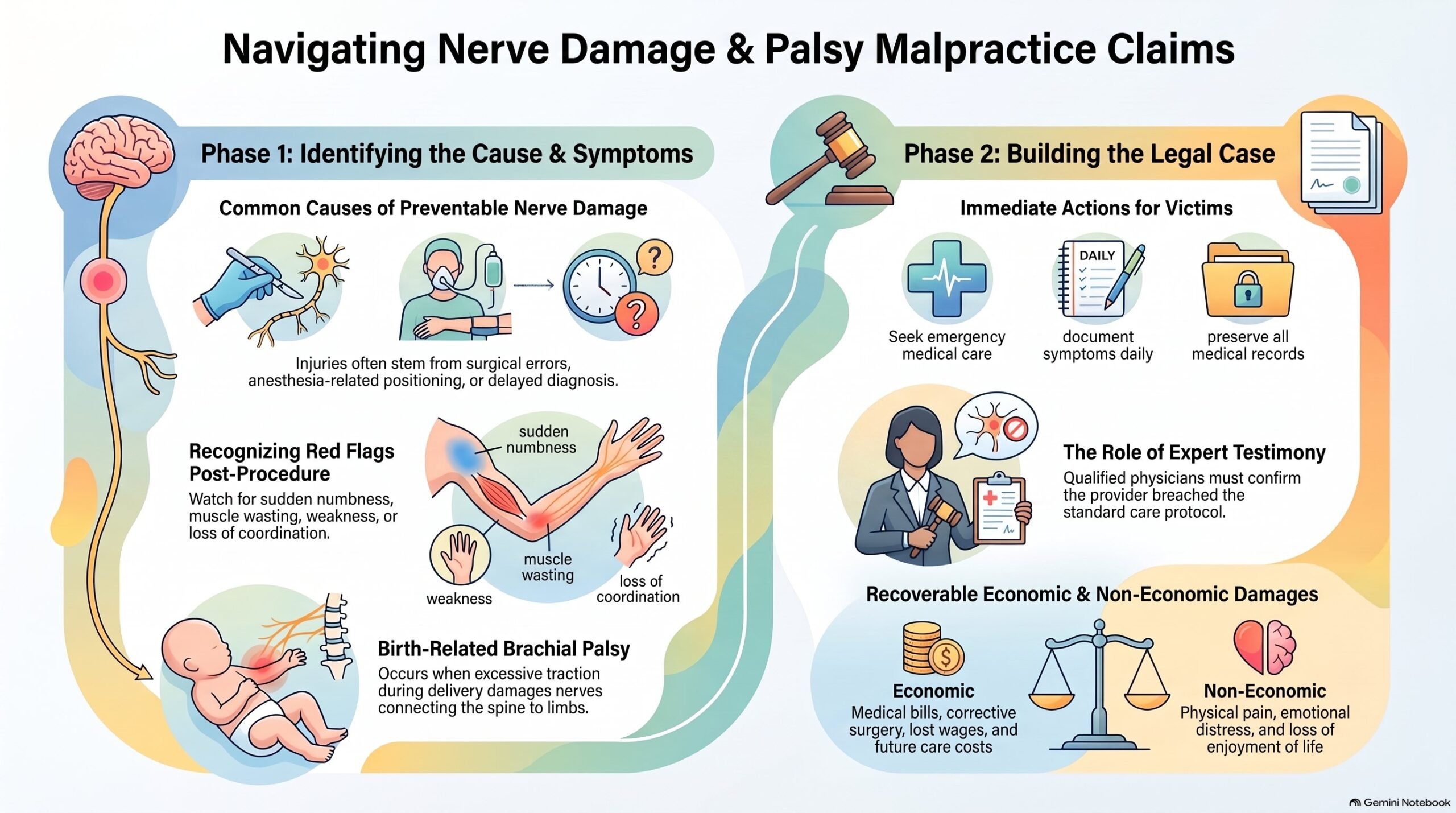


How We Can Help With Your Orlando Medical Malpractice Nerve & Palsy Injury Claim
When medical negligence causes nerve damage or palsy, an experienced Orlando medical malpractice attorney can help determine whether the injury resulted from a preventable error and identify the parties legally responsible. The attorney may begin by reviewing medical records, treatment timelines, imaging studies, witness accounts, and communications related to the injury. This investigation can reveal departures from accepted medical practices and preserve important information before it becomes difficult to obtain.
Strong Causation evidence is critical because a claim must connect the alleged error to the nerve injury, palsy, impairment, or related losses. Qualified medical professionals may evaluate the records and provide opinions about whether appropriate care could have prevented the harm. The legal team can also assess applicable deadlines, insurance communications, and potential sources of compensation.
A carefully developed Case strategy addresses documentation, expert testimony, negotiations, and, when appropriate, litigation. Through organized advocacy, the attorney can help protect the injured person’s interests and pursue accountability while treating the affected individual and family with dignity.
OUR CONSULTATIONSARE FREE
START YOUR FREE CASE REVIEW

Understanding Orlando Medical Malpractice Nerve & Palsy Injury Cases
Orlando medical malpractice nerve and palsy injury cases typically involve claims that a healthcare provider’s negligent act or omission caused damage to nerves, muscles, or motor function. These cases require careful evaluation of medical records, informed consent materials, treatment notes, and testimony from qualified experts. Common signs may include weakness, numbness, loss of coordination, persistent pain, muscle wasting, or impaired movement. The pattern and severity of these symptoms can help establish whether an injury is temporary, progressive, or permanent.
A patient’s recovery timeline is also significant because delayed improvement may affect treatment decisions, employment, and long-term care needs. Nerve function testing, imaging, and physical examinations may document impaired sensation or motor response and help distinguish the alleged injury from unrelated conditions. Disability documentation can further clarify functional limitations, accommodations, and projected losses. A thorough claim generally addresses medical causation, the applicable standard of care, damages, and the support required for recovery, independence, and continued service to others.
Common Causes of Orlando Medical Malpractice Nerve & Palsy
Common causes of nerve and palsy injuries may include surgical nerve damage, birth-related brachial palsy, and injuries associated with anesthesia. Delayed diagnosis or treatment can also worsen nerve damage or reduce the effectiveness of available interventions. Each circumstance requires careful evaluation of the medical records, applicable standards of care, and resulting harm.
Surgical Nerve Damage
Surgical nerve damage may occur when a procedure, positioning method, or postoperative decision injures a nerve or disrupts its blood supply. Common examples include improper retractor use, accidental cutting, excessive stretching, compression during lengthy operations, and failure to recognize developing complications. Anesthesia-related positioning and inadequate monitoring may also contribute to weakness, numbness, burning pain, or loss of movement. Symptoms can emerge immediately or develop gradually as swelling and scar tissue affect nerve function. Prompt evaluation may help identify whether the injury is temporary or permanent and whether additional treatment is necessary. Physicians may recommend imaging, electrodiagnostic testing, medication, physical therapy, or post-surgery rehabilitation. In serious cases, nerve repair options may include decompression, grafting, or referral to a focused surgeon. Careful documentation supports informed decisions.
Birth-Related Brachial Palsy
Birth-related brachial palsy occurs when nerves connecting the spinal cord to an infant’s shoulder, arm, or hand are stretched or damaged during labor and delivery. Common birth injury causes include excessive traction on the head or neck, difficult shoulder delivery, prolonged labor, and failure to recognize risk factors such as fetal size or maternal diabetes. In some cases, appropriate positioning, timely intervention, or cesarean delivery may reduce preventable harm. Affected infants may show limited arm movement, weakness, an abnormal resting position, or diminished reflexes. These neonatal reflex injuries can interfere with feeding, grasping, and early development, although some children improve with prompt evaluation and therapy. When permanent impairment results, medical review may help determine whether negligent management contributed to the injury and identify appropriate support for the child and family.
Anesthesia-Related Injuries
Anesthesia-related nerve injuries may occur when positioning, equipment use, medication administration, or patient monitoring causes excessive pressure, stretching, or reduced blood flow to a nerve. During surgery, staff must protect vulnerable areas, secure limbs appropriately, and use equipment according to established safety procedures. Anesthesia consent forms should explain material risks, including potential nerve damage, and allow patients or their authorized representatives to make informed decisions. Inadequate monitoring of oxygen levels, blood pressure, positioning, or anesthetic depth may prevent timely recognition of harmful conditions. Improper dosing, difficult airway management, and prolonged immobilization can also contribute to neurological injury. Documentation of assessments, interventions, and patient responses helps clarify whether accepted standards were followed. A qualified attorney can evaluate records, expert opinions, and resulting impairment for potential malpractice claims.
Delayed Diagnosis or Treatment
When nerve damage is not recognized or treated promptly, a potentially reversible condition may progress to permanent weakness, numbness, paralysis, or loss of function. Delayed diagnosis can occur when symptoms are dismissed, examination findings are inadequately documented, imaging is misread, or warning signs are attributed to unrelated conditions. Treatment may also be delayed when a patient’s complaints are not communicated effectively between providers or when missed specialty referrals prevent timely evaluation by a neurologist, surgeon, or rehabilitation professional. Establishing negligence generally requires showing that a reasonably careful provider would have investigated symptoms, ordered appropriate testing, or arranged referral sooner. Misdiagnosis liability timelines vary based on the injury, the discovery date, applicable notice requirements, and Florida’s medical malpractice statutes. Prompt records review can clarify whether delay contributed substantially to the patient’s lasting impairment.
Don’t Wait. Call Our Florida Personal Injury Lawyers Now!


Legal Rights of Orlando Medical Malpractice Nerve & Palsy Injury Victims
Victims of nerve and palsy injuries caused by medical negligence in Orlando may have the legal right to pursue compensation for medical expenses, lost income, reduced earning capacity, pain and suffering, and ongoing rehabilitation needs. Florida law may also permit recovery for future care when permanent impairment affects independence, employment, or quality of life. A qualified attorney can assess records, consult medical professionals, and identify responsible parties while protecting the victim’s interests.
Orlando victims of medical negligence may pursue compensation for nerve injuries, lost income, rehabilitation, and long-term care needs.
- Legal claims generally require proof of a professional duty, a breach, and a connection between that breach and the injury.
- Compensation timelines can be limited by Florida’s medical malpractice statutes, making prompt legal evaluation important.
- Documented treatment, disability effects, and pain management options may help establish the injury’s financial and personal consequences.
Victims may have rights to participate in settlement decisions, receive clear explanations of litigation risks, and seek representation without sacrificing access to necessary care. An attorney serving injured individuals can coordinate evidence collection, communicate with insurers, and pursue a fair resolution through negotiation or court proceedings.
Why Do Orlando Medical Malpractice Nerve & Palsy Injuries Happen?
Nerve and palsy injuries in Orlando medical malpractice cases may result from preventable errors during surgery, anesthesia, childbirth, diagnosis, or postoperative care. Excessive pressure, improper positioning, severed or stretched nerves, delayed treatment, and inadequate monitoring can damage motor or sensory function. During childbirth, excessive traction or failure to recognize complications may contribute to brachial plexus injuries. Anesthesia-related events may involve positioning problems, medication errors, or insufficient oxygen, while diagnostic failures can allow compression, infection, or neurological injury to worsen.
Causation misconceptions often complicate these cases. Symptoms may appear immediately, develop gradually, or resemble complications from an underlying condition. A careful review of medical records, informed consent, clinical standards, and expert opinions may be necessary to distinguish an unavoidable outcome from negligence. Nerve recovery timelines also vary substantially. Some injuries improve with timely treatment and rehabilitation, while others cause permanent weakness, numbness, or paralysis. Understanding the mechanism and progression of injury helps clarify responsibility and the medical needs associated with long-term recovery.
What Should You Do After an Orlando Medical Malpractice Nerve & Palsy Injury?
After a nerve or palsy injury, the patient should seek immediate medical care to address urgent concerns and establish a medical record. The patient should document symptoms, treatments, expenses, and relevant communications, and preserve supporting records. Consulting a qualified medical malpractice lawyer can help evaluate potential negligence and explain available legal options.
Seek Immediate Medical Care
Prompt medical evaluation is essential when an individual experiences numbness, weakness, loss of movement, or other signs of nerve or muscle impairment following medical treatment. The individual should contact the treating provider promptly or seek emergency care if symptoms are severe, rapidly worsening, or accompanied by difficulty breathing, facial drooping, confusion, or loss of bladder or bowel control. A clinician can assess possible nerve damage, circulation problems, medication effects, or other urgent conditions and recommend appropriate treatment. Pain symptom management may include prescribed medication, immobilization, physical support, or referral to a neurologist, depending on the findings. The individual should follow all discharge instructions and attend recommended follow-up appointments. Prompt care can protect function, reduce complications, and provide an informed medical response while concerns are evaluated.
Document Your Injury
When symptoms of nerve damage or palsy arise following medical treatment, the individual should create a detailed record of the injury and its effects. A symptom timeline should identify when weakness, numbness, pain, facial drooping, or impaired coordination began, including changes after procedures, medications, or follow-up care. Each entry should include the symptom’s severity, duration, location, and impact on daily activities. Records should also describe functional limitations, such as difficulty walking, lifting, speaking, eating, working, or providing personal care. Photographs or videos may help demonstrate visible changes or movement restrictions when appropriate. The individual should preserve appointment summaries, discharge instructions, prescriptions, test results, and billing records. A written account should remain factual and consistent, avoiding speculation about the cause while documenting questions and instructions provided by healthcare professionals.
Consult A Malpractice Lawyer
A detailed record of symptoms and functional limitations can provide a malpractice lawyer with a clearer basis for evaluating a potential claim. After a suspected nerve injury or palsy, the patient should promptly schedule a confidential consultation. The lawyer can review medical records, treatment timelines, informed-consent documents, photographs, and communications with providers. During the meeting, the patient should explain what changed, when symptoms appeared, and how the injury affects work, mobility, caregiving, or daily activities.
Practical doctor visit tips include requesting complete records, following prescribed care, and documenting worsening symptoms without altering evidence. Understanding the basics of insurance claims is also important; statements to insurers should remain accurate and limited until legal guidance is obtained. A qualified Orlando malpractice lawyer can assess deadlines, consult medical experts, identify responsible parties, and explain available remedies while protecting the patient’s interests.
Don’t Wait. Call Our Florida Personal Injury Lawyers Now!
Critical Evidence in an Orlando Medical Malpractice Nerve & Palsy Injury Case
A strong Orlando medical malpractice nerve and palsy injury case depends on organized evidence connecting the medical error to the resulting harm. Medical records, expert testimony, nerve-injury documentation, and evidence of damages can clarify liability, diagnosis, treatment, and financial losses.
Essential evidence commonly includes:
- Complete medical records, imaging studies, treatment notes, and surgical reports
- Qualified expert opinions addressing the applicable standard of care and causation
- Documentation of symptoms, functional limitations, medical expenses, lost income, and related damages
Medical Records
Medical records provide vital evidence in an Orlando medical malpractice nerve and palsy injury case because they document the patient’s condition, treatment, decisions, and outcomes over time. Progress notes may reveal reported symptoms, neurological findings, medication changes, and delays in evaluation or intervention. MRI results and other diagnostic reports can help establish when an injury occurred and whether follow-up care was provided. Surgical records, nursing observations, consent forms, and anesthesia documentation may clarify what providers explained and performed. Discharge summaries can identify remaining impairments, instructions, and recommended appointments. Records may also expose inconsistencies, missing entries, or billing errors that affect the accuracy of the treatment history. Organized copies, including rehabilitation notes and pharmacy records, allow the patient’s legal representative to construct a clear chronology and preserve evidence supporting accountability and informed service.
Expert Testimony
How can expert testimony clarify whether a provider’s conduct caused a nerve or palsy injury? Qualified physicians can compare the provider’s actions with accepted standards of care and explain whether an error more likely than not produced the claimed harm. Their analysis may address diagnosis, treatment decisions, surgical technique, informed consent, and foreseeable complications without replacing the court’s role in determining facts.
An expert can also interpret intricate medical information in language understandable to jurors, identify alternative causes, and assess whether the injury reflects negligence or a recognized risk. Attorneys typically review an expert’s qualifications, methodology, and impartiality before presenting testimony. Families should understand that expert costs may include review time, consultation, deposition preparation, and trial appearances. Those expenses differ from medical billing and should be discussed during case planning.
Nerve Injury Documentation
Following expert review, thorough documentation of the nerve injury can link the medical record to the claimed harm and help establish when, how, and why the injury occurred. Clinical notes should identify reported symptoms, changes in sensation, muscle weakness, reflex abnormalities, and the timing of each finding. Diagnostic testing, including imaging and nerve-conduction studies, may provide objective support when properly interpreted alongside examinations and treatment records. Documentation should also show the patient’s baseline condition, relevant medical history, and any observations made before and after a procedure. Consistent dates, provider statements, test results, and follow-up entries strengthen the accuracy of the record and help clarify whether symptoms developed during treatment or afterward. Attorneys and medical reviewers may compare these materials to identify omissions, contradictions, or indications that additional evaluation was warranted, thereby supporting a careful and fair review.
Damages Evidence
When a nerve or palsy injury causes lasting harm, damages evidence helps establish the full scope of the patient’s losses and the associated compensation. Medical records can document treatment, prescribed therapies, functional limitations, and the prognosis for recovery. Hospital billing, pharmacy receipts, rehabilitation invoices, and related financial records may demonstrate past medical expenses, while expert opinions can estimate future care costs. Employment records, wage statements, and testimony may support claims involving missed work, reduced earning capacity, or permanent occupational restrictions. Demonstrative evidence, including timelines, anatomical illustrations, and care projections, can help explain intricate losses clearly to decision-makers. Documentation of pain, emotional distress, and diminished quality of life may further establish non-economic damages. Careful organization permits a fair assessment of the patient’s needs and losses.
Long-Term Effects of Orlando Medical Malpractice Nerve & Palsy Injuries
Long-term nerve and palsy injuries may cause permanent nerve damage that affects strength, sensation, and coordination. Loss of mobility can limit a person’s ability to work, perform daily activities, or maintain independence. Lifelong medical needs may include rehabilitation, assistive equipment, medication, professional care, and ongoing treatment.
Permanent Nerve Damage
Permanent nerve damage can leave an Orlando medical malpractice victim with lasting pain, numbness, weakness, or loss of motor function that affects daily activities and independence. These impairments may interfere with employment, self-care, sleep, and meaningful participation in family or community life. Medical evaluation can identify the affected nerves, document sensory changes, and determine whether damage is permanent or likely to improve. A careful scar assessment may reveal surgical complications, tissue entrapment, or other evidence relevant to the cause of the injury. Treatment options can include medication, physical or occupational therapy, injections, nerve stimulation, counseling, and, in selected cases, corrective surgery. Ongoing care may require coordinated experts and periodic reassessment. Documentation of symptoms, diagnoses, treatment costs, and functional limitations can help establish the injury’s long-term effects and support informed legal review.
Loss of Mobility
Loss of mobility can be a serious long-term consequence of nerve or palsy injuries associated with medical malpractice, limiting a person’s ability to walk, stand, balance, use an affected limb, or perform routine activities independently. These restrictions may interfere with employment, education, transportation, and participation in family or community responsibilities. Physical therapy can improve strength, coordination, and functional movement, although results may vary according to the injury’s severity and the timing of treatment. Medical evaluations may document muscle weakness, reduced range of motion, gait abnormalities, and other limitations affecting daily performance. Physicians and vocational professionals may also assess impairment ratings to describe the extent of functional loss. Clear records can help demonstrate how reduced mobility affects independence and quality of life when a legal claim is evaluated.
Lifelong Medical Needs
Lifelong medical needs may arise when nerve or palsy injuries caused by medical malpractice result in lasting weakness, paralysis, impaired sensation, or reduced coordination. Ongoing care may include physical, occupational, or speech therapy, assistive devices, pain management, and periodic neurological evaluations. A medication review can identify side effects, interactions, and treatments that require adjustment as the individual’s condition changes. Practitioners may also monitor skin integrity, muscle contractures, bladder or bowel function, and risks associated with limited movement. Home safety planning can address ramps, bathroom supports, improved lighting, adaptive equipment, and arrangements for personal assistance. Family members and professional caregivers may need training to provide safe, respectful support. Documented future care needs can help clarify the resources required and may inform the legal evaluation of damages arising from the injury and its continuing consequences.
Proving Liability in Orlando Medical Malpractice Nerve & Palsy Injury Cases
In Orlando medical malpractice nerve and palsy injury cases, liability generally depends on proving that a healthcare provider’s conduct fell below the accepted standard of care and directly caused the patient’s nerve damage or paralysis. Evidence may include medical records, imaging studies, operative reports, informed-consent documents, and testimony from qualified experts. An expert typically explains the applicable standard, identifies the provider’s deviation, and connects that deviation to the injury and resulting limitations. Documentation of rehabilitation, assistive needs, lost earning capacity, and anticipated treatment can help establish the full scope of the harm. Medicare coverage records may clarify payments or future medical obligations, although they do not, by themselves, prove negligence. Attorneys often investigate whether delayed diagnosis, surgical error, improper positioning, medication mistakes, or inadequate monitoring contributed to the condition. Careful preparation supports trial readiness if disputes concerning causation, comparative fault, or damages remain unresolved. The process requires patient-centered advocacy, preserving evidence and presenting the injured person’s needs with accuracy, dignity, and respect.
Dealing With Insurance Companies After an Orlando Medical Malpractice Nerve & Palsy Injury
After liability evidence has been preserved, communication with insurance companies requires careful management. Insurers may request recorded statements, authorizations, medical histories, or explanations of symptoms. A claimant should avoid speculation and provide only accurate, relevant information, preferably after consulting qualified counsel. Each interaction should be documented, including names, dates, requests, and deadlines.
An early review of Policy limits can clarify the resources potentially available for medical care, rehabilitation, lost income, and other legally recognized damages. Insurers may also raise comparative-fault arguments or issue a claim denial based on causation, treatment gaps, or alleged preexisting conditions. A prompt response should address factual errors and preserve supporting records.
A documentation walkthrough can organize operative reports, diagnostic studies, therapy records, billing statements, employment evidence, and witness information. With that foundation, counsel can develop a settlement strategy that reflects long-term nerve damage, functional limitations, and future care needs. Professional representation can also reduce pressure on injured individuals while protecting their ability to serve families and communities.
What to Expect During an Orlando Medical Malpractice Nerve & Palsy Injury Claim Process
The claim process typically begins with an initial case evaluation to assess potential negligence, the severity of the injury, and legal options. Counsel then gathers medical records and other evidence, negotiates with insurers, and evaluates whether a fair resolution is achievable. If negotiations fail, filing a lawsuit may initiate formal litigation and further review of evidence.
Initial Case Evaluation
When a patient experiences nerve damage, paralysis, or another serious complication after medical treatment, an initial case evaluation helps determine whether the injury may support an Orlando medical malpractice claim. During this confidential discussion, a legal professional typically asks about the procedure or treatment performed, when symptoms began, and how the condition has affected daily life, employment, and independence. Factual timelines can clarify whether the injury followed an unexpected event, delayed response, or possible departure from accepted care. Symptom tracking, including changes in strength, sensation, movement, and pain, may help explain progression and functional limitations. The evaluation also considers potential deadlines, responsible parties, and the nature of requested assistance. No outcome is guaranteed, but a careful assessment can identify practical next steps and help families pursue accountability while protecting the patient’s dignity.
Gathering Medical Evidence
During an Orlando medical malpractice nerve or palsy injury claim, gathering medical evidence establishes the factual and clinical basis for evaluating negligence and causation. Counsel typically requests prenatal, hospital, surgical, emergency, therapy, and follow-up records, including imaging, medication histories, consent forms, and nursing notes. These materials help reconstruct the timeline of care and identify changes in symptoms, treatment decisions, and documented communications. Independent medical professionals may review the records, examine the injured person, and explain whether the care departed from accepted standards or caused the nerve injury. Employment records and rehabilitation documentation can also demonstrate functional limitations and ongoing needs. Witness statements from family members, caregivers, and medical personnel may clarify symptoms, instructions, and events absent from formal records. Organized evidence promotes a careful, service-oriented evaluation of the claim.
Negotiating With Insurers
Because nerve and palsy injuries may involve substantial medical expenses and uncertain long-term effects, insurers typically evaluate a claim closely before making an offer. A claimant’s medical records, treatment history, prognosis, lost income, and documented daily limitations can provide leverage in claim discussions. Adjusters may question causation, minimize future care needs, request broad authorizations, or emphasize early settlement, reflecting common insurer tactics. An informed negotiation strategy addresses these issues with organized evidence, a carefully supported demand, and clear explanations of how the injury affects the individual’s life and responsibilities. Counsel may communicate with adjusters, protect the claimant from unnecessary statements, and assess whether proposed compensation reflects documented losses. Settlement timelines vary depending on medical stability, record collection, insurer responsiveness, and the complexity of damages. Patience may help preserve informed decision-making.
Filing a Lawsuit
Filing a medical malpractice lawsuit begins with preparing and submitting a formal complaint that identifies the alleged negligence, the resulting nerve or palsy injury, and the compensation sought. Before filing, counsel typically reviews medical records, consults qualified experts, and evaluates whether the evidence supports a viable claim. Orlando filing deadlines can limit available time, making prompt investigation important. After submission, the court issues procedural documents, and the defendant must receive notice in accordance with applicable lawsuit notification rules. The defendant may answer, raise defenses, or seek dismissal. The discovery phase then permits both sides to exchange records, question witnesses, and obtain expert opinions. Settlement discussions may continue throughout the case. If resolution is not achieved, the matter proceeds toward trial, where evidence, causation, and damages are presented for determination.
Compensation for Orlando Medical Malpractice Nerve & Palsy Injury Damages
What compensation may be available after a nerve or palsy injury caused by medical malpractice depends on the harm sustained, the evidence establishing negligence, and the long-term effects on the patient’s life. A claim may address losses associated with necessary treatment, rehabilitation, assistive services, and changes to daily functioning. It may also recognize the patient’s reduced independence, physical limitations, and disruption of family responsibilities. Establishing entitlement generally requires medical evidence linking the injury to a preventable error, such as delayed diagnosis, improper treatment, or inadequate monitoring. Medical record gaps can complicate that showing, making careful review of records, consultations, and witness accounts important. Counsel may also examine employment information, care requirements, and testimony from qualified professionals when evaluating the claim. During trial preparation, the legal team can organize evidence, identify disputed issues, and present the patient’s circumstances clearly. Each matter requires an individualized assessment, and available compensation depends on Florida law, proof of liability, and the injury’s documented consequences.
Economic vs Non-Economic Damages in Orlando Medical Malpractice Nerve & Palsy Cases
Economic damages may include medical expenses, rehabilitation costs, lost income, and other measurable financial losses associated with a nerve or palsy injury. Non-economic damages address less tangible harm, such as pain, emotional distress, disability, and diminished quality of life, which require careful valuation. Calculating total compensation generally involves evaluating both categories alongside the evidence supporting the claimed losses.
Economic Damage Categories
In Orlando medical malpractice nerve and palsy cases, economic damages represent the measurable financial losses caused by a healthcare provider’s negligence. These losses may include emergency treatment, corrective surgery, hospitalization, prescription medication, rehabilitation, and transportation for medically necessary appointments. Documented out-of-pocket costs can establish the immediate economic loss resulting from an injury. Damages may also cover lost wages when nerve impairment prevents employment or reduces working capacity. If the condition results in permanent limitations, an assessment may project future expenses for therapy, assistive equipment, personal care, home modifications, and ongoing medical supervision. Records such as invoices, pay statements, employment documentation, and treatment plans help demonstrate the amounts claimed. Careful calculation allows a legal team to present an accurate financial picture while supporting a client’s recovery and long-term stability.
Non-Economic Damage Valuation
Although non-economic damages do not have fixed invoices or easily calculated totals, they may represent a substantial part of a medical malpractice claim involving nerve injury or palsy. These damages may address physical pain, emotional distress, loss of enjoyment, disfigurement, embarrassment, and limitations on daily activities. Documentation can help establish how symptoms affected the injured person’s dignity, independence, relationships, and ability to participate in meaningful service to others. Pain symptom timelines, treatment observations, personal journals, and statements from family members may clarify the injury’s progression and continuing effects. In Orlando cases, jury verdict factors can include the severity and permanence of impairment, credibility of testimony, disruption to ordinary life, and the defendant’s conduct. Valuation remains individualized, based on the evidence and the harm demonstrated rather than a predetermined schedule.
Calculating Total Compensation
A total compensation assessment in an Orlando medical malpractice nerve or palsy case combines documented economic losses with non-economic harm arising from the injury. Economic damages may include emergency treatment, rehabilitation, medications, lost wages, reduced earning capacity, transportation, and necessary adaptive equipment. Future care planning helps estimate ongoing therapy, surgeries, assistive devices, personal support, and related medical expenses over the claimant’s expected lifetime. Non-economic damages address pain, emotional distress, diminished mobility, disfigurement, loss of independence, and reduced quality of life. Attorneys and medical experts may use pain rating methods, functional assessments, treatment records, and testimony from family members to explain the injury’s daily impact. A careful evaluation separates past losses from projected costs, supports each calculation with reliable evidence, and seeks compensation that reflects both measurable expenses and enduring personal consequences.
Don’t Wait. Call Our Florida Personal Injury Lawyers Now!
When an Orlando Medical Malpractice Nerve & Palsy Injury Case Goes to Trial vs. Settlement
When an Orlando medical malpractice nerve or palsy injury claim cannot be resolved through negotiations, the parties may proceed to trial, where a judge or jury evaluates whether the healthcare provider breached the applicable standard of care and caused the resulting injury. A settlement, however, can provide a defined payment without the uncertainty, expense, and delay of courtroom proceedings. Counsel may assess medical records, expert opinions, rehabilitation needs, lost earnings, and testimony when comparing both paths. At trial, the plaintiff must present persuasive evidence linking the alleged negligence to the nerve injury and explaining its impact on daily life, work, and future care. A carefully developed Trial evidence strategy may address conflicting records, witness credibility, and expert methodology. The defense may raise Comparative fault defenses or dispute causation, severity, and damages. Settlement discussions can continue before or during trial, allowing the parties to preserve resources and pursue a resolution that supports the injured person’s recovery and long-term needs.
Florida Laws That May Affect Your Orlando Medical Malpractice Nerve & Palsy Case
Florida law establishes specific requirements that may shape an Orlando medical malpractice nerve or palsy claim from investigation through resolution. Florida medical statutes address professional negligence, evidentiary standards, damages, and the responsibilities of healthcare providers.
Understanding these rules helps a potential claimant, family, or advocate pursue accountability while protecting the interests of an injured patient.
- Pre-suit notice requirements generally require a reasonable investigation and written notice to each prospective defendant before filing.
- Medical records, expert opinions, and provider disclosures can influence whether a claim proceeds and how negligence is evaluated.
- Comparative fault, patient consent, and statutory damage provisions may affect available recovery and litigation strategy.
Counsel may also assess whether governmental immunity, emergency-care protections, or special rules for licensed facilities apply. These provisions can change notice procedures, proof requirements, or potential liability. A careful review promotes informed decisions, preserves evidence, and supports a fair process for patients and families seeking answers. Because legal standards are fact-specific, qualified Florida counsel should evaluate the circumstances before any formal action is taken.
The Statute of Limitations for Orlando Medical Malpractice Nerve & Palsy Injury Cases
Time limits play a central role in Orlando medical malpractice nerve and palsy injury cases because a claim may be barred if it is not filed within the applicable period. Florida law generally requires a malpractice action to be brought within two years after the injury is discovered, or should reasonably have been discovered, and no more than four years after the negligent act. The discovery rule may affect when the limitations period begins, particularly when nerve damage or palsy develops gradually or remains concealed. However, statutory exceptions can apply when fraud, concealment, or misrepresentation prevented earlier discovery. Tolling exceptions may also protect certain claimants, including minors, although their application depends on specific facts. Before filing suit, the claimant typically must satisfy presuit notice requirements, which may include an investigation, a medical expert opinion, and notice to the potential defendant. These steps may affect filing deadlines, making prompt attention important for individuals seeking accountability and preserving resources for injured patients and their families.
How an Orlando Medical Malpractice Nerve & Palsy Lawyer Can Help You
An Orlando medical malpractice nerve and palsy lawyer can evaluate whether a healthcare provider’s conduct caused or contributed to nerve damage, paralysis, or related complications. The lawyer may review medical records, consult qualified experts, and explain how Florida malpractice standards apply to the circumstances. This assistance can help an injured patient and family understand available legal remedies while protecting the integrity of the claim.
Key services may include:
- Investigating treatment decisions, surgical technique, diagnostic delays, and preventable complications.
- Calculating Patient compensation for medical expenses, rehabilitation, lost income, and long-term care.
- Managing insurance negotiations and presenting evidence to support a fair settlement or courtroom claim.
The lawyer can also identify responsible parties, organize documentation, communicate with insurers, and address defenses raised by healthcare providers. By coordinating with medical professionals and financial specialists, counsel can present a comprehensive account of the injury’s effects. Legal guidance may further support families seeking accountability and resources for continued care, while ensuring that communications and settlement decisions remain informed, orderly, and consistent with the patient’s interests.
When to Contact an Orlando Medical Malpractice Nerve & Palsy Lawyer
When symptoms such as numbness, weakness, loss of movement, or persistent pain arise after medical treatment, prompt consultation with an Orlando medical malpractice nerve and palsy lawyer may help preserve key evidence and legal options. Early contact is also appropriate when symptoms develop after surgery, injections, childbirth, anesthesia, or another procedure and the patient received limited explanations about possible nerve injury. A lawyer can identify whether medical records, imaging, operative reports, medication information, and witness accounts should be secured before materials become difficult to obtain. This initial review may support a pre-suit investigation into treatment decisions, communications, and the timing of symptoms. Evidence Preservation is particularly important when equipment, electronic messages, staffing records, or facility policies may become relevant later. Individuals who believe preventable harm occurred should document symptoms, appointments, and related expenses, and follow medical advice. Consultation should occur promptly because Florida law imposes deadlines that may restrict available claims and remedies.
Why You Need an Experienced Orlando Medical Malpractice Nerve & Palsy Lawyer
An experienced Orlando medical malpractice nerve and palsy lawyer can evaluate whether a healthcare provider’s conduct departed from the applicable standard of care and caused a patient’s nerve injury. Such an assessment requires careful attention to medical records, treatment decisions, informed consent, and the timing of symptoms.
Medical negligence claims are subject to strict statutes of limitations that may bar recovery if missed. Counsel can also arrange expert review to determine whether the treatment met professional standards and whether the injury was a foreseeable result of substandard care. This analysis helps clarify intricate issues for patients, families, insurers, and courts.
Early representation supports the preservation of evidence, including records, imaging, surgical materials, witness accounts, and electronic communications. It also helps address insurance tactics that may minimize injuries, shift blame, or encourage premature settlements before the full medical outlook is known. By organizing the facts and protecting a patient’s interests, experienced counsel can promote accountability and pursue resources needed for rehabilitation, continued treatment, and meaningful support.
How to Choose the Right Orlando Medical Malpractice Nerve & Palsy Lawyer for Your Case
Selecting the right Orlando medical malpractice nerve and palsy lawyer requires evaluating experience, resources, and a demonstrated understanding of intricate nerve injury claims. A suitable attorney should have handled cases involving surgical errors, delayed diagnosis, anesthesia complications, and other events that may damage nerves or cause paralysis. Reviewing professional credentials, relevant results, and client feedback can help identify counsel who are prepared to investigate complex medical records and consult with qualified specialists.
Client communication also deserves careful attention. The lawyer should explain legal options, potential challenges, and case developments in understandable terms while responding promptly and respectfully. During an initial consultation, prospective clients can assess whether the attorney listens carefully and provides realistic guidance rather than making unsupported promises.
A well-defined case strategy should address liability, causation, damages, and applicable deadlines. The firm’s ability to organize evidence, work with medical experts, and pursue a fair resolution should align with the injured person’s needs. Careful comparison enables families to select representation committed to protecting their interests and supporting meaningful recovery.
About The Law Offices of Anidjar & Levine
The Law Offices of Anidjar & Levine represents individuals and families pursuing compensation after suspected medical negligence causes nerve damage, paralysis, or other serious injuries.
The firm evaluates medical records, treatment decisions, and long-term consequences to help determine whether professional standards were violated.
Its attorneys develop a case strategy tailored to each client’s circumstances, including the nature of the injury, disputed medical conduct, and anticipated care needs.
They may consult qualified medical professionals, gather relevant evidence, and explain potential legal options in clear terms.
This preparation supports informed decision-making while allowing clients and their families to focus on recovery and stability.
The firm also handles settlement negotiations with insurers and opposing counsel when resolution may serve the client’s interests.
If a fair outcome cannot be reached, its legal team undertakes trial preparation and presents the evidence in court.
Representation may include pursuing damages for medical expenses, lost income, rehabilitation, pain, and continuing support needs.

Frequently Asked Questions
Can Nerve Damage From Medical Malpractice Heal Completely Over Time?
Nerve damage from medical malpractice may repair completely, but the outcome depends on the injury’s severity, location, timing, and treatment. Mild nerve irritation can resolve over weeks or months, while severe damage may cause permanent weakness, numbness, or palsy. Nerve recovery timelines vary considerably, and rehabilitation options may include physical therapy, occupational therapy, medication, or surgery. A qualified medical professional can evaluate prognosis, document progress, and recommend appropriate care while preserving relevant records.
What Types of Nerve and Palsy Injuries Commonly Result From Anesthesia Errors?
An anesthesia error may cause nerve or palsy injuries through improper positioning, excessive pressure, injection trauma, or inadequate monitoring. Common nerve injuries include damage to the ulnar, radial, brachial plexus, sciatic, and peroneal nerves, which can cause weakness, numbness, burning pain, or impaired movement. Palsy complications can affect facial, vocal, diaphragmatic, or limb function. The affected nerves and prognosis depend on the procedure, mechanism, and duration of injury.
Can Family Members Pursue Claims for a Patient’s Fatal Nerve Injury?
Family members may pursue claims after a patient’s fatal nerve injury when medical negligence caused or substantially contributed to death. A wrongful death overview generally includes eligible beneficiaries, recoverable losses, and applicable filing deadlines. Claim eligibility depends on state law, the family relationship, estate administration, and evidence linking an anesthesia error or other malpractice to the fatal outcome. Counsel can identify responsible parties, preserve records, and coordinate estate and survivor claims.
Are Medical Malpractice Nerve Injury Claims Confidential?
Medical malpractice nerve injury claims are not automatically confidential, although several protections may apply. HIPAA restrictions limit disclosure of protected health information, while legal confidentiality generally safeguards discussions between a patient and counsel. Attorney communications remain privileged when properly maintained, but filings, evidence, and hearings may become part of the public record. Counsel can seek protective orders, redactions, or sealed proceedings when justified. Careful handling of case documentation helps protect privacy while serving the patient’s interests.
Can I Change Lawyers During an Ongoing Medical Malpractice Case?
Yes, a client can generally switch counsel during an ongoing medical malpractice case, although the change may require court approval, written notice, or cooperation with current counsel. The client should review the engagement agreement, potential fees, procedural deadlines, and the disclosure process before acting. Clear client communications with both attorneys can protect continuity, preserve evidence, and prevent missed filings. A replacement lawyer should promptly evaluate the status of the case and assume responsibility.
—————————
Victims of nerve and palsy injuries caused by medical negligence may face lasting pain, limited mobility, lost income, and substantial medical expenses.
An experienced Orlando medical malpractice lawyer can investigate the care provided, identify deviations from accepted standards, consult qualified medical professionals, and pursue compensation supported by the evidence.
Orlando Personal Injury Lawyer: The Law Offices of Anidjar and Levine evaluates each claim carefully and helps injured patients understand their legal options, applicable deadlines, and potential remedies under Florida law.

