

The Law Offices of Anidjar and Levine can help you protect crucial evidence, identify the cause of the oxygen loss, and pursue compensation for medical treatment, rehabilitation, lost income, and future care.
You should seek immediate medical attention, preserve records, photographs, and witness information, and avoid giving insurers unsupported statements.
Early legal guidance can strengthen your claim, protect deadlines, and support your family’s long-term planning.
Learn more from our Orlando Medical Malpractice Lawyer. The sections below explain the process, your rights, and the next steps.
Main Takeaways
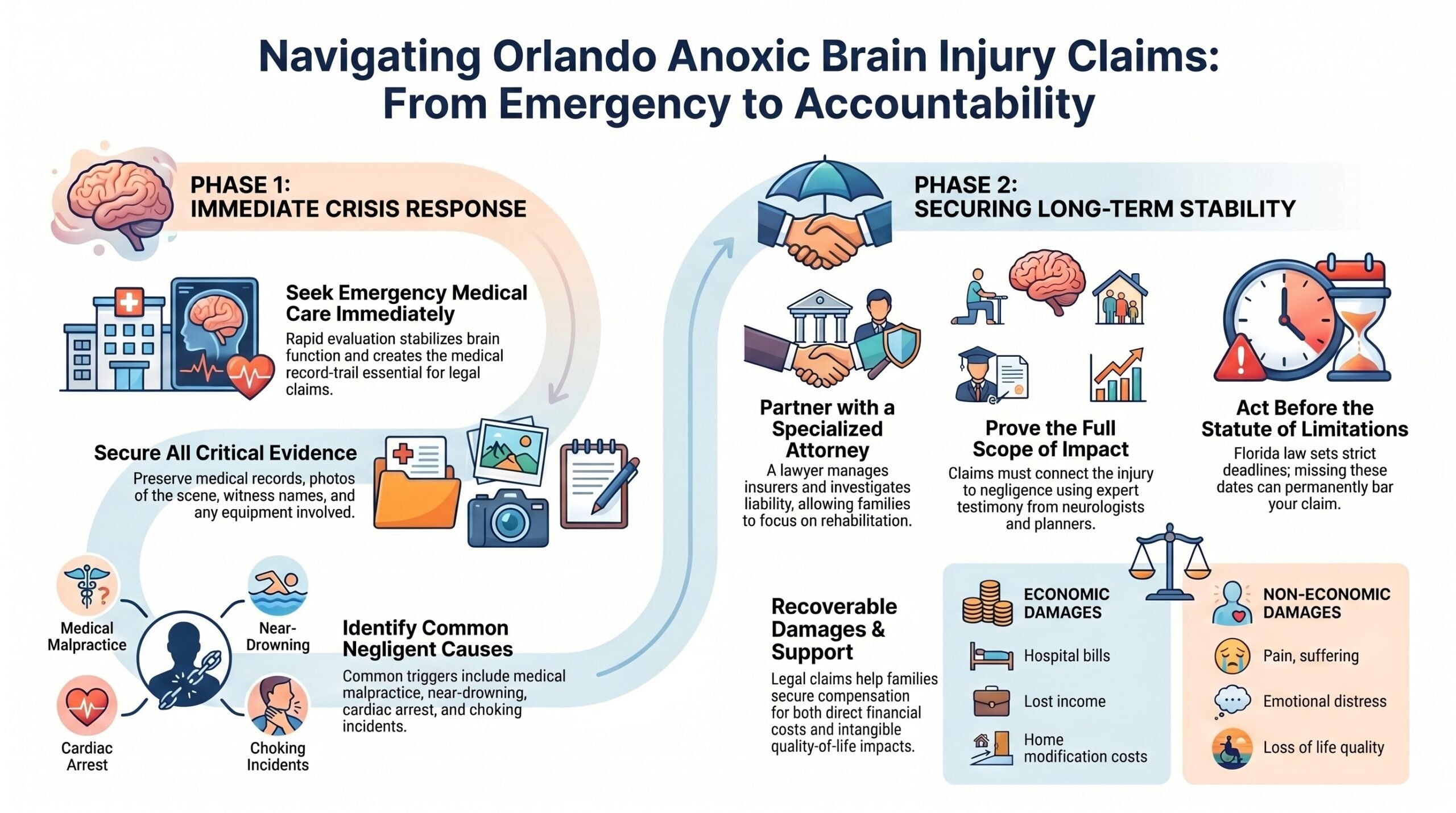
- Seek emergency medical care immediately after suspected oxygen deprivation to protect brain function and create records critical to any future legal claim.
- Preserve evidence, including medical records, ambulance reports, photographs, witness names, damaged items, and any available surveillance footage.
- Common causes include medical malpractice, near-drowning, cardiac arrest, choking, suffocation, and restraint-related oxygen deprivation.
- An Orlando anoxic brain injury lawyer can identify liable parties, protect evidence, and handle insurers while you focus on recovery.
- You may pursue compensation for medical treatment, rehabilitation, lost income, future care needs, and pain and suffering.
How We Can Help With Your Orlando Anoxic Brain Injury Claim
When an anoxic brain injury occurs, the legal and medical issues often become complicated very quickly. You need steady guidance that protects your loved one while preserving your ability to care for others. Our team helps you gather records, document losses, and communicate with insurers and providers in a clear, organized way.
You can rely on us to assess immediate needs and long-term concerns, including rehabilitation options, in-home support, and family counseling. We work to identify responsible parties, preserve essential evidence, and present a strong claim that reflects the full impact on your household. Throughout the process, you receive timely updates, practical answers, and a strategy shaped around your goals. We also coordinate with medical and financial professionals when needed, so your claim supports treatment, stability, and future planning. With disciplined advocacy and careful attention to detail, you can pursue accountability while focusing your energy on service, recovery, and your family’s well-being.
Understanding Orlando Anoxic Brain Injury Cases


Because these claims often involve complex medicine and disputed facts, understanding how an Orlando anoxic brain injury case works can help you make informed decisions from the start. You need evidence showing when the oxygen loss occurred, how it affected the brain, and who may bear legal responsibility under Florida law.
OUR CONSULTATIONSARE FREE
START YOUR FREE CASE REVIEW

Your case may depend on medical records, imaging studies, witness statements, and expert opinions that connect the injury to negligent conduct. Courts and insurers often examine timing, severity, future care needs, and the effect on your ability to serve your family and community. These matters can arise in many settings, including disputes involving neonatal causes or workplace incidents, yet each claim turns on its own facts.
You must also document damages carefully, including treatment costs, rehabilitation, lost income, and long-term support needs. When you understand this process early, you can protect your rights, strengthen your claim, and pursue accountability with confidence and purpose.
Common Causes of Orlando Anoxic Brain Injury
You should understand the common events that can cut off oxygen to the brain and lead to a serious anoxic injury. In Orlando cases, these causes often include medical malpractice events, drowning and near-drowning accidents, cardiac arrest incidents, and choking or suffocation. When you recognize how these situations occur, you can better assess whether another party’s negligence contributed to the harm.
Medical Malpractice Events


Although hospitals and clinicians must follow clear standards of care, medical malpractice events still remain a serious cause of anoxic brain injuries in Orlando. You may see these injuries after delayed diagnosis, anesthesia mistakes, surgical errors, medication mix-ups, or failures to monitor oxygen levels during treatment.
When a provider misses warning signs or delays emergency action, your loved one’s brain can lose oxygen within minutes. In these cases, careful medical recordkeeping often reveals what happened, when staff responded, and whether protocols were ignored. You can pursue accountability not only to recover losses, but also to protect other families and strengthen patient safety. Your claim may also depend on expert testimony that explains how competent providers should have acted under similar circumstances. That evidence can help you seek justice with purpose and clarity.
Drowning And Near-Drowning
Drowning and near-drowning incidents can unfold in seconds, yet the loss of oxygen they cause may leave lasting brain damage. When you serve children, seniors, or vulnerable adults around pools, lakes, or boats, you must recognize how quickly a preventable emergency can become a life-altering injury.
You help protect others by promoting water safety, close supervision, and barriers that limit unsupervised access. If an incident occurs, prompt rescue techniques, rapid breathing support, and immediate emergency care can reduce the duration of oxygen deprivation. Even so, survivors may face memory loss, impaired judgment, speech difficulties, or permanent cognitive limitations. When negligence contributes to the event, you may need legal guidance to identify responsible parties and secure resources for treatment, rehabilitation, and the long-term support your loved one and family now require.
Cardiac Arrest Incidents
When cardiac arrest cuts off circulation, the brain can begin to suffer oxygen deprivation within minutes, and the resulting damage may be severe or permanent. If you witness a collapse, your prompt action can protect life and preserve function. Emergency response measures, including calling 911, starting chest compressions, and using an AED when available, may restore circulation before irreversible harm occurs.
You may also see cardiac arrest arise from heart disease, electrical shock, medication errors, or surgical complications. In each situation, delays in recognition or treatment can worsen an anoxic brain injury. CPR training equips you to serve others effectively during these crucial moments, while hospitals, employers, and property owners must maintain appropriate safeguards. If negligence contributed to the event, you may have grounds to seek accountability and support for long-term care.
Choking And Suffocation
Choking and suffocation can unfold in seconds, cutting off oxygen to the brain and leaving you with consequences that may be catastrophic. When an airway obstruction prevents normal breathing, brain cells begin to die within minutes, and the damage can become permanent.
You may face this danger after food aspiration, unsafe restraint, defective products, or negligent supervision in a hospital, school, or care facility. Positional asphyxia can also occur when someone is left in a posture that restricts the chest or neck, limiting airflow without immediate recognition. If another party failed to monitor, protect, or respond to clear warning signs, you may have grounds to pursue accountability. By acting promptly, you help protect your future and uphold the duty of care every vulnerable person merits under the law.
Legal Rights of Orlando Anoxic Brain Injury Victims
Although an anoxic brain injury can alter nearly every part of your life, Florida law may give you the right to pursue compensation when another party’s negligence or misconduct caused the harm. You may seek damages for medical care, lost income, future support, and pain and suffering. If a hospital, driver, property owner, or caregiver failed in a legal duty, you can hold that party accountable through a civil claim.
Your legal rights often include the ability to demand evidence, challenge insurers, and present expert testimony that explains how the injury affects your capacity to serve your family and community.
Strong patient advocacy can protect your voice throughout the process, while legislative reform continues to shape protections for vulnerable people.
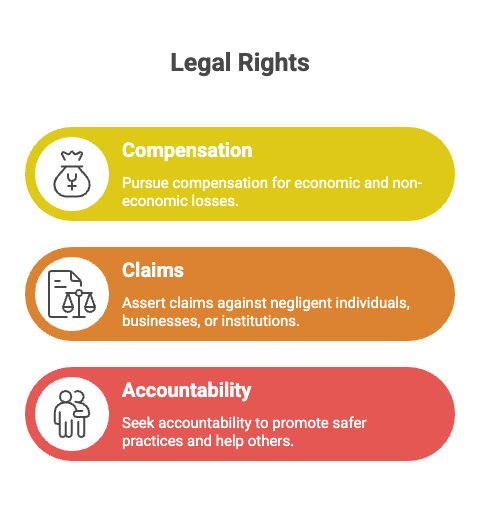
- You may pursue compensation for economic and non-economic losses.
- You may assert claims against negligent individuals, businesses, or institutions.
- You may seek accountability to promote safer practices and help others avoid similar harm in the future.
Steps to Take After an Orlando Anoxic Brain Injury
After an Orlando anoxic brain injury, you should seek immediate medical care to protect your health and create a clear record of your condition. You should also preserve essential evidence, including medical records, accident reports, photographs, and witness information, because these materials can support your claim. Once you’ve taken these initial steps, you should contact a brain injury lawyer who can safeguard your rights and guide your next decisions.
Seek Immediate Medical Care
In the moments following a suspected anoxic brain injury, you should seek emergency medical care without delay, because rapid evaluation can protect brain function and improve the chances of recovery. Call 911, describe the symptoms clearly, and request urgent transport to the nearest emergency department for emergency assessment and immediate stabilization.
While help is arriving, keep the person safe, monitor their breathing, and follow the dispatcher’s instructions carefully. If you are trained in CPR and breathing stops, begin lifesaving measures at once. At the hospital, tell clinicians when symptoms began, what happened beforehand, and any known medical conditions. Prompt treatment may restore oxygen flow, reduce secondary complications, and guide pivotal decisions about ongoing care. By acting quickly and responsibly, you serve your loved one with compassion, diligence, and sound judgment.
Preserve Critical Evidence
Preserve every available record and physical item tied to the event, because early evidence can clarify how the oxygen deprivation occurred and who may be responsible. Keep discharge papers, medication lists, ambulance reports, incident logs, and billing statements in one secure place. Save damaged equipment, bedding, containers, and any device involved, and avoid cleaning or altering them.
You should also photograph the scene, visible injuries, warning labels, and environmental conditions as soon as possible. Write down names of witnesses, staff members, and responders, along with times, dates, and observations. If surveillance footage may exist, note the location and request that it be retained. Maintain a clear chain of custody for each item, and use careful forensic preservation practices so the facts remain reliable for those depending on your advocacy.
Contact A Brain Injury Lawyer
Once you’ve secured the available evidence, contact an Orlando anoxic brain injury lawyer as soon as possible to protect your rights and guide the next steps. Prompt legal help helps you make informed choices, avoid costly mistakes, and focus on your loved one’s care.
Your attorney can assess liability, preserve additional records, and manage communication with insurers and providers. Legal consultation timing matters because delays can weaken evidence, limit witness access, and affect filing deadlines. When you act early, you strengthen your ability to seek compensation for treatment, rehabilitation, lost income, and future needs. A lawyer can also identify resources for post-recovery support, helping your family serve the injured person with stability and dignity. By retaining counsel promptly, you create a clear path toward accountability, financial relief, and long-term planning.
How an Orlando Anoxic Brain Injury Lawyer Can Help You
When an anoxic brain injury stems from medical negligence, a preventable accident, or another party’s misconduct, an Orlando anoxic brain injury lawyer can help you identify the source of liability and protect your right to pursue compensation. Your attorney evaluates records, preserves evidence, and explains rehabilitation options and financial planning so you can make informed decisions while continuing to care for your loved one and community.
An Orlando anoxic brain injury lawyer helps identify liability, preserve evidence, and protect your right to pursue compensation.
A skilled lawyer helps you by:
- Investigating the incident, consulting qualified experts, and determining who should be held accountable under Florida law.
- Calculating damages, including medical costs, lost income, care needs, and other measurable losses tied to the injury.
- Negotiating with insurers and opposing counsel, then preparing a strong case for court if a fair resolution isn’t offered.
You don’t have to manage intricate legal procedures alone. With focused guidance, you can pursue accountability, secure resources for necessary care, and protect your family’s ability to continue serving others with stability.
Long-Term Effects of Orlando Anoxic Brain Injuries
You may face lasting cognitive and memory changes after an Orlando anoxic brain injury, making it harder to focus, retain information, and manage daily responsibilities. You may also experience physical and motor limitations that affect your balance, coordination, strength, and independence. In addition, you may notice emotional and behavioral effects, including mood changes, irritability, and difficulty regulating your responses.
Cognitive And Memory Changes
Often, an anoxic brain injury causes lasting cognitive and memory changes that affect nearly every part of daily life. You may struggle to recall conversations, follow instructions, organize tasks, or make sound decisions under pressure. Attention deficits can also reduce your ability to stay focused, shift between responsibilities, and process new information efficiently.
These challenges often affect how you care for your family, serve your community, and maintain trusted relationships. You may need Memory rehabilitation to strengthen recall, build routines, and improve problem-solving skills over time. Consistent support from medical providers, therapists, and loved ones can help you adapt to these changes with dignity. If another party caused your injury, legal guidance can help you pursue resources for treatment, long-term care, and stability for those who depend on you.
Physical And Motor Limitations
Because an anoxic brain injury can disrupt the brain’s control over movement, balance, and coordination, physical limitations may continue long after the initial medical crisis has passed. You may struggle with walking, standing, lifting, or using your hands for routine tasks. Reduced strength, muscle stiffness, tremors, and poor motor coordination can interfere with work, caregiving, and daily service to others.
You may also need rehabilitation, adaptive therapy, or mobility aids to regain independence and prevent falls. Even simple activities, such as bathing, dressing, or preparing meals, can require added time and support. In some cases, persistent weakness or paralysis affects one side of your body, limiting safe movement. Understanding these challenges helps you seek appropriate medical care, document your losses, and access resources that protect your future and your ability to serve.
Emotional And Behavioral Effects
Physical limitations don’t tell the whole story of an anoxic brain injury, as many survivors also face lasting changes in mood, personality, and behavior. You may notice Mood swings, irritability, anxiety, depression, or emotional withdrawal that strain family relationships and disrupt daily routines. Impulse control problems can also emerge, making it harder for you to pause, judge consequences, or respond calmly under stress.
These behavioral changes can affect your work, your caregiving role, and your ability to support others in the way you value most. You may feel frustrated when reactions seem unfamiliar or disproportionate. With proper treatment, counseling, and structured support, improvement is possible, but recovery often takes time. A lawyer who understands these effects can help present the full impact of your injury and advocate for resources that support long-term recovery and stability.
Proving Liability in Orlando Anoxic Brain Injury Cases
When an anoxic brain injury results from another party’s negligence, proving liability requires more than showing that the injury occurred. You must connect the defendant’s conduct to the oxygen deprivation and the resulting harm through a clear chain of causation. Medical records, incident reports, witness statements, and timeline evidence often help establish what happened and when.
You also need to show that the responsible party owed a duty of care, breached that duty, and caused measurable damages. In many cases, expert testimony is crucial. Physicians, neurologists, and life care planners can explain how delayed treatment, surgical error, medication mistakes, or safety failures led to the injury. Their opinions can clarify whether the outcome was preventable and how the injury affects your ability to support and serve your family or community. By building organized, evidence-based proof, you strengthen your position and pursue accountability with purpose, integrity, and diligence under Florida law.
Dealing With Insurance Companies After an Orlando Anoxic Brain Injury
After an anoxic brain injury in Orlando, dealing with insurance companies often becomes a pivotal part of protecting your claim and your financial stability. You may feel pressure to give recorded statements, accept quick settlements, or minimize the full impact of your injuries. You should proceed carefully, because insurers often focus on limiting payouts rather than honoring long-term needs.
You can protect yourself by keeping organized records, following medical recommendations, and documenting how the injury affects daily life, caregiving, and work. During insurance negotiation, you should avoid speculation and provide only accurate, supported information. You also need to watch claim timelines closely, since delays or missed deadlines can weaken your position. When you communicate clearly and preserve evidence, you strengthen your ability to pursue fair compensation. If you are helping a loved one recover, this diligence also serves your family and supports the resources needed for treatment, rehabilitation, and future care in your community.
What to Expect During an Orlando Anoxic Brain Injury Claim Process
You can expect your claim to begin with an initial case evaluation, where your attorney reviews the facts, identifies liable parties, and explains your legal options. From there, you’ll need to gather strong medical evidence, while your lawyer communicates with insurers and works to negotiate a fair settlement on your behalf. If the insurer won’t offer appropriate compensation, your attorney can file a lawsuit and move your case into formal litigation.
Initial Case Evaluation
Because an anoxic brain injury claim often turns on complex medical and factual issues, the initial case evaluation focuses on whether the evidence supports liability, causation, and the full scope of your damages. During this stage, you can expect a structured conversation about how the injury occurred, who may bear legal responsibility, and how the harm has affected your daily life and ability to serve your family.
Your attorney will usually begin with an intake checklist and appointment scheduling, then review timelines, witnesses, insurance information, and available records. You should come prepared to answer detailed questions clearly and honestly. This early assessment helps your legal team identify strengths, flag potential challenges, and determine whether pursuing a claim aligns with your goals, your responsibilities, and the justice your circumstances may warrant.
Gathering Medical Evidence
Gathering medical evidence forms the backbone of an Orlando anoxic brain injury claim, and this stage often begins with collecting hospital records, emergency response reports, diagnostic imaging, physician notes, rehabilitation records, and medication histories. You help build a clear timeline by securing every document that shows how the injury occurred, how providers responded, and how your condition affects daily life.
Your attorney may also obtain medical imaging, specialist evaluations, therapy progress notes, and care plans that explain prognosis and future needs. You can strengthen the record by preserving discharge instructions, appointment summaries, and receipts for treatment-related expenses. In some cases, witness statements from family members, caregivers, or bystanders support the medical file by describing symptoms, changes in functioning, and the circumstances surrounding the event.
Careful documentation equips your legal team to present a complete, credible claim.
Negotiating With Insurers
Expect insurers to scrutinize every aspect of an Orlando anoxic brain injury claim, from liability and medical causation to the scope of long-term damages. You should prepare for detailed questions, document requests, and efforts to minimize what they pay. Strong records, expert opinions, and organized timelines help you respond clearly and protect your credibility.
As negotiations progress, you may see disputes over claim valuation, future care costs, lost income, and non-economic harm. Insurers also examine policy limits and may argue that coverage does not fully address lifelong needs. By presenting complete evidence and a well-supported demand, you strengthen your position and encourage meaningful settlement discussions. This process often requires patience, discipline, and careful communication, especially when your goal is to secure resources that help your loved one receive consistent, dignified care.
Filing A Lawsuit
When negotiations don’t produce a fair result, filing a lawsuit may become the next step in an Orlando anoxic brain injury claim. You and your attorney prepare a complaint, identify liable parties, and submit the case within applicable filing timelines. This formal action preserves your rights and creates a structured path toward accountability.
After filing, the defense responds, and both sides exchange evidence through discovery. You may answer written questions, provide records, and attend a deposition. Your lawyer guides each step so you can remain focused on recovery and supporting your family. The court may schedule hearings, encourage settlement talks, or move the case toward trial. Comparative jurisdictions can affect procedure and strategy, especially when facts involve multiple states. Through steady preparation, you help seek justice and resources for long-term care.
Compensation for Orlando Anoxic Brain Injury Damages
Pursuing compensation for an anoxic brain injury in Orlando requires a careful assessment of how the injury has changed your recovery, income, and daily life. You need clear documentation that shows the extent of your condition, the care you require, and the support your family now provides as you mend and adapt.
Your claim should reflect the full impact of the injury on your ability to serve others, maintain independence, and participate in your community. That often includes ongoing medical treatment, therapy, assistive services, psychological adjustment, and vocational rehabilitation when returning to meaningful work becomes uncertain. You may also need resources for home modifications, transportation assistance, and long-term supervision, depending on the severity of your symptoms.
An attorney can help you gather records, consult qualified experts, and present a persuasive demand supported by evidence. With a thorough approach, you place yourself in a stronger position to pursue the compensation your future care will require.
Economic vs Non-Economic Damages in Orlando Anoxic Brain Cases
When you pursue an anoxic brain injury claim in Orlando, you may seek economic damages for measurable losses such as medical bills, rehabilitation costs, lost income, and future care needs. You may also recover non-economic damages, which address harder-to-measure harm like pain, suffering, emotional distress, and loss of enjoyment of life. To recover the full value of both, you’ll need clear evidence, credible documentation, and often expert support to prove the amount of your damages.
Economic Loss Categories
Because an anoxic brain injury often creates long-term financial strain, Orlando claims typically separate losses into economic and non-economic damages so you can present a complete picture of the harm. Economic losses focus on measurable costs tied to treatment, recovery, and daily support.
You may seek compensation for hospital bills, rehabilitation, medication, assistive devices, home modifications, and ongoing nursing or attendant care. If you cannot return to work right away, your claim may include lost wages. If your condition limits your long-term ability to earn, you may also pursue damages for reduced future earnings. Transportation to appointments, therapy expenses, and other out-of-pocket costs can matter as well. By documenting each expense carefully, you help protect your household, preserve resources for those who depend on you, and strengthen the foundation of your case.
Non-Economic Harm Valuation
Although non-economic damages don’t come with receipts or invoices, they often reflect some of the most serious consequences of an Orlando anoxic brain injury. You may face lasting pain, cognitive frustration, loss of independence, and changes in relationships that alter daily living in profound ways. These harms affect far more than comfort.
When you consider non-economic harm valuation, you focus on how the injury reshapes your life quality, dignity, and ability to serve your family and community. Emotional valuation also matters because fear, grief, anxiety, and loss of enjoyment can undermine purpose and connection. In many cases, these damages recognize the human cost of limitations that interfere with communication, memory, companionship, and ordinary experiences. A careful legal approach treats these losses with the seriousness and respect they merit under Florida law.
Proving Damage Amounts
Valuing human loss is only part of the case; you must also prove the amount of each category of damages with reliable evidence. In an Orlando anoxic brain injury claim, you should document every economic loss through records, invoices, expert opinions, and employment data.
You can substantiate medical expenses and rehabilitation costs with bills, treatment plans, and testimony from physicians, life care planners, and therapists. If the injury limits work, vocational and economic experts can calculate lost wages and future earning capacity. For non-economic damages, you should present persuasive evidence of pain, cognitive decline, loss of independence, and changes in relationships. Family members, caregivers, and mental health professionals often help explain those losses. When you organize clear proof, you strengthen your ability to recover full and fair compensation for the person you serve.
When an Orlando Anoxic Brain Injury Case Goes to Trial vs Settlement
Whether your Orlando anoxic brain injury case ends in a settlement or proceeds to trial often depends on the strength of the evidence, the extent of your damages, and the other side’s willingness to accept responsibility. If liability is clear and your losses are well documented, settlement negotiations may resolve your claim efficiently and provide resources sooner for your care and family.
However, if the insurer disputes fault, minimizes your condition, or refuses fair compensation, you may need to prepare for jury trials. Trial can create leverage, especially when expert testimony, medical records, and witness accounts show how the injury changed your ability to serve and support others. While a trial takes more time and carries uncertainty, it may be necessary to pursue full accountability. Your lawyer should evaluate offers carefully, explain risks plainly, and build a strategy that protects your long-term needs. By weighing settlement against trial, you can make decisions that honor your recovery, your family, and your future.
The Statute of Limitations for Orlando Anoxic Brain Injury Cases
In Florida, the statute of limitations can determine whether you have the right to pursue compensation for an anoxic brain injury at all. If you miss the applicable deadline, the court may bar your claim, regardless of how serious the harm is or how deeply your family depends on accountability and support.
You should understand that filing deadlines can vary based on how the injury occurred, who caused it, and whether the claim involves medical negligence, a public entity, or a minor. These nuances of the statute matter because exceptions, notice requirements, and tolling rules may affect the time available. If the injury was not immediately discoverable, different timing issues may arise, but that does not guarantee extra time. Acting with diligence protects your ability to seek resources for care, rehabilitation, and stability for those you serve. Careful attention to dates, records, and procedural requirements helps preserve your claim and your opportunity to pursue justice fully.
When to Contact an Orlando Anoxic Brain Injury Lawyer
Time limits shape your legal options, but they’re only one reason to contact an Orlando anoxic brain injury lawyer as soon as possible. You should also reach out when a loved one shows early warning signs after a medical event, near-drowning, choking incident, or delayed oxygen loss. Quick action helps preserve records, identify witnesses, and document changes in function before important details fade.
You should contact counsel if the injury affects your family’s ability to provide safe, steady care. As you balance treatment decisions, work obligations, and service to others, legal guidance can help you protect the injured person’s needs without losing focus on recovery. It’s also wise to seek help when insurers request statements, medical bills increase, or providers disagree about what happened. If you’re searching for caregiver support resources, an attorney may point you toward practical options while your case develops. Early consultation supports informed choices and steadier planning.
Why You Need an Experienced Orlando Anoxic Brain Injury Lawyer
Because anoxic brain injury claims often turn on subtle medical facts and disputed timelines, you need an experienced Orlando anoxic brain injury lawyer who can investigate the cause, connect the evidence, and present the full extent of the harm with precision.
You may be focused on care, stability, and protecting your loved one’s dignity, but legal and medical issues can quickly become overwhelming. Experienced representation helps you uncover what happened, identify negligent parties, and document how the injury affects daily function, future treatment, and long-term support. Your lawyer can work with medical experts, challenge incomplete records, and prevent insurers from minimizing the damage.
Strategic advocacy also strengthens your ability to pursue accountability in a way that honors the seriousness of the injury and the needs of those depending on you. When the stakes involve lifetime care, lost income, and profound human consequences, you need counsel that can build a clear, credible case and advance it effectively under Florida law.
How to Choose the Right Orlando Anoxic Brain Injury Lawyer for Your Case
When you’re choosing an Orlando anoxic brain injury lawyer, focus on proven experience with complex brain injury litigation, not just general personal injury practice. You need counsel who understands medical causation, long-term care costs, and the evidentiary demands these cases present. Review verdicts, settlements, and professional credentials, then examine whether the attorney has handled cases involving oxygen deprivation injuries.
During Client interviews, ask how the lawyer investigates liability, works with medical experts, and prepares for trial if settlement efforts fail. You should also evaluate your communication habits, as your family deserves timely updates and clear guidance while you care for your loved one. Compare Fee structures carefully, including contingency percentages, litigation expenses, and whether costs are advanced. Look for a lawyer who explains obligations plainly and treats your case with disciplined attention. The right advocate will align legal strategy with your goal of securing resources that support recovery, dignity, and ongoing service to your injured family member.
About The Law Offices of Anidjar & Levine
At The Law Offices of Anidjar & Levine, you can turn to a firm that approaches anoxic brain injury claims with careful preparation, client-focused service, and a clear understanding of what these cases demand. You receive responsive communication, practical guidance, and representation shaped by the serious medical, financial, and personal effects of catastrophic injury.
When you work with this firm, you benefit from a team that values service, accountability, and thorough advocacy. The firm’s history reflects a sustained commitment to helping injured people and their families pursue justice with dignity. That foundation matters when your case requires investigation, coordination with medical professionals, and persistent negotiations with insurers. You can also review client testimonials that highlight professionalism, accessibility, and consistent support throughout the legal process.
Those experiences help show how the firm serves clients with respect while pursuing meaningful results. If you seek counsel that combines experience with compassionate attention, this firm offers a dependable path forward.
Frequently Asked Questions
Can Family Members File a Claim for an Incapacitated Brain Injury Victim?
Yes, you can often file a claim for an incapacitated brain injury victim if you have legal authority to act on that person’s behalf. You may need guardianship petitions to establish decision-making power, especially when no prior authority exists. You can also pursue statutory claims to protect the victim’s rights and secure necessary care. By acting promptly, you help ensure accountability, preserve evidence, and diligently advance the victim’s best interests.
How Much Does It Cost to Hire an Anoxic Brain Injury Lawyer?
You usually won’t pay upfront to hire an anoxic brain injury lawyer. Most work on contingency fees, so you pay only if your case succeeds, and the lawyer receives a percentage of the recovery. Costs vary by case intricacy, expert needs, and litigation expenses. You should also ask about fee caps, case costs, and whether expenses come out before or after the attorney’s percentage. That protects your family and supports informed service.
Will My Medical Records Remain Private During the Legal Process?
Yes, your medical records usually remain private, and you control much of what gets shared. During your case, you may sign privacy waivers that allow limited doctor access and disclosure relevant to your claim. Your attorney should request only necessary records, protect unrelated information, and challenge excessive demands. Courts and insurers can review pertinent records, but you still retain important privacy rights throughout the legal process under applicable laws.
Can Social Media Posts Affect My Anoxic Brain Injury Case?
Yes, your social media posts can affect your anoxic brain injury case. Insurance companies and defense attorneys review public posts for statements, photos, or activities they may use to challenge your injuries or credibility. Privacy settings help, but they don’t guarantee protection, as others can still share your content. You should avoid posting about your condition, daily activities, or the case itself. Careful online conduct helps protect your claim and supports fair accountability.
Do Orlando Anoxic Brain Injury Lawyers Offer Virtual Consultations?
Yes, you can often schedule virtual consultations with lawyers handling these cases. Many firms now offer telemedicine consultations and remote intake, allowing you to share records, discuss injuries, and review next steps without travel. This approach helps you protect your time while focusing on care for your loved one. You should confirm availability, technology requirements, and whether the lawyer can evaluate liability, damages, and deadlines during the first virtual meeting.
—————————
If you’re facing the effects of an anoxic brain injury in Orlando, you need clear guidance and strong legal support. You can protect your rights by acting promptly, preserving evidence, and speaking with counsel who understands these intricate claims.
The Law Offices of Anidjar and Levine can evaluate your case, explain your options, and pursue the compensation you may merit.
For help from an Orlando Medical Malpractice Lawyer, experienced representation can allow you to focus on your recovery while your legal team handles the demands of your claim.

