

An Orlando Medical Malpractice Lawyer from the Law Offices of Anidjar and Levine can help you act quickly to protect your claim, preserve essential records, and determine whether a provider breached the standard of care.
Your attorney can gather anesthesia charts, monitoring notes, consent forms, witness accounts, and expert opinions to connect the error to your injury and losses.
You may recover compensation for medical costs, lost income, pain, and long-term harm.
The sections below explain the process, your rights, and the next steps.
Main Takeaways
- An Orlando anesthesia error lawyer can quickly preserve records, witness statements, and critical evidence before hospital details disappear.
- Your attorney reviews anesthesia charts, dosage logs, monitoring notes, consent forms, and discharge instructions for gaps or inconsistencies.
- Strong claims must show a provider breached the anesthesia standard of care and directly caused measurable harm.
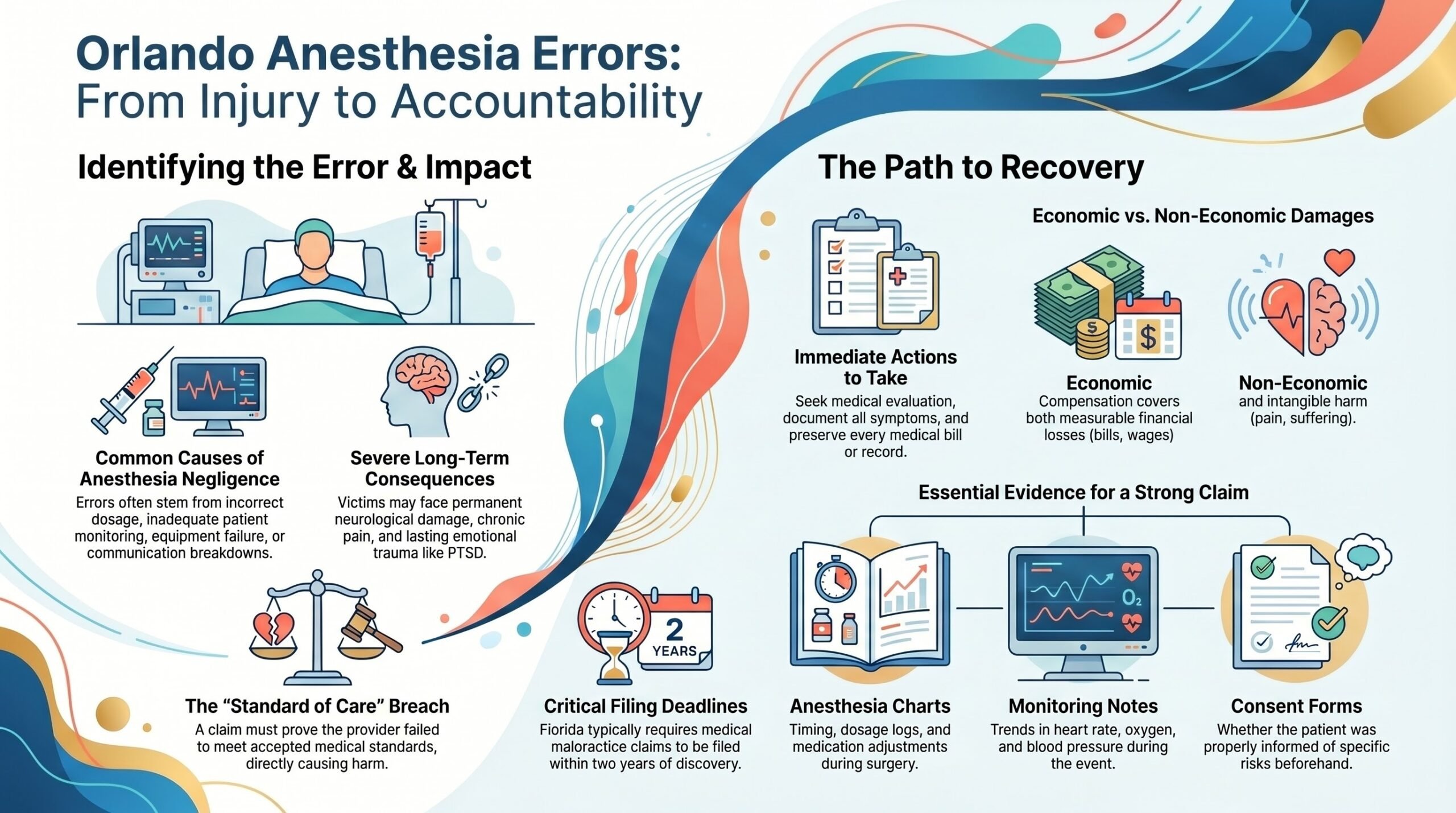
- Common anesthesia errors include incorrect dosage, inadequate monitoring, equipment failure, communication breakdowns, or ignored warning signs.
- Seek immediate medical evaluation, document symptoms and injuries, and keep all bills, records, and insurer communications organized.
How We Can Help With Your Orlando Anesthesia Errors Injury Claim
When an anesthesia error causes serious harm, you need a legal team that can identify what went wrong and act quickly to protect your claim. You merit counsel that listens carefully, gathers records, consults qualified experts, and builds a clear case grounded in facts. Our role is to shoulder the legal burden so you can focus on recovering and caring for those who depend on you.
We guide you through each step with diligence and respect. We investigate the medical timeline, preserve vital evidence, calculate losses, and communicate with insurers and opposing counsel on your behalf. Through strong patient advocacy, we work to present the full impact of the injury on your health, work, and family responsibilities. We also pursue financial recovery for medical costs, lost income, future care, and other related damages. Throughout the process, you receive honest guidance, prompt updates, and a strategy designed to protect your interests and advance your claim effectively.
Understanding Orlando Anesthesia Errors Injury Cases


Because anesthesia is used in many routine and high-risk procedures, errors can occur in several ways, from improper dosing and inadequate monitoring to delayed responses during surgery or recovery. If you or someone you serve suffers harm, you need to understand what these cases involve and why they matter. An anesthesia injury case examines whether medical professionals met the accepted standard of care before, during, and after a procedure.
OUR CONSULTATIONSARE FREE
START YOUR FREE CASE REVIEW

Your case may involve failures related to anesthesia consent, communication, charting, or adherence to sedation protocols. It can also address preventable complications such as oxygen deprivation, awareness during surgery, stroke, cardiac events, or lasting neurological injury. To move forward, you must connect the injury to a breach of duty and show how that breach caused measurable harm. Medical records, expert review, and a clear timeline often shape the strength of your claim. When you understand these elements, you can better protect others and lawfully pursue accountability.
Common Causes of Orlando Anesthesia Errors
You may face serious harm when anesthesia errors stem from incorrect dosage administration, inadequate patient monitoring, equipment malfunctions, or communication breakdowns among medical staff. As you evaluate what went wrong, it is crucial to understand how each failure can disrupt your care and put your safety at risk. By identifying the cause of the error, you can better assess whether preventable negligence contributed to your injury.
Incorrect Dosage Administration


Although anesthesia professionals rely on carefully calculated dosing protocols, incorrect dosage administration remains a frequent cause of serious anesthesia errors in Orlando surgical settings. You may face harm when a provider misjudges dosage calculation, overlooks weight-based adjustments, or administers medication too quickly during surgery.
You should also understand how confusing vial labeling, similar drug names, and communication breakdowns can lead to dangerous overmedication or underdosing. When anesthesia doses don’t match your age, medical history, or the duration of the procedure, preventable complications can result. If you or someone you serve suffered because an anesthetic was improperly measured or delivered, you merit answers. An experienced Orlando anesthesia injury lawyer can investigate records, identify where dosing failures occurred, and help you pursue accountability, financial recovery, and safer care for other patients in the future.
Inadequate Patient Monitoring
Too often, inadequate patient monitoring turns a manageable anesthesia event into a preventable medical emergency. When you place your trust in a surgical team, you expect careful attention to every change in breathing, oxygen levels, heart rate, and blood pressure. If providers ignore subtle warning signs, delay responding to critical sign alarms, or fail to document trends, your condition can deteriorate rapidly.
You merit clinicians who remain vigilant throughout the procedure and recovery period. Proper observation includes timely reassessment, clear communication, and accurate capnography interpretation so providers can identify airway compromise before it causes lasting harm. When monitoring falls below accepted standards, anesthesia complications may escalate into brain injury, cardiac arrest, or wrongful death. Holding negligent professionals accountable helps protect future patients and supports safer care for every family your community serves each day.
Equipment Malfunctions
During anesthesia, equipment malfunctions can undermine even a well-planned procedure and place your safety at immediate risk. Faulty ventilators, depleted oxygen supplies, defective alarms, or medication pump failures can rapidly turn a routine surgery into a medical emergency. You depend on anesthesia equipment to deliver precise support every second, and even a brief malfunction can cause serious harm.
Proper Equipment calibration helps providers verify that machines deliver accurate readings and medications before your procedure begins. Backup systems also matter because they allow clinicians to respond immediately if a primary device fails during surgery. When a facility neglects inspections, maintenance, or timely replacement of aging equipment, you may suffer preventable complications. If that happens, you merit answers, accountability, and legal guidance that helps protect your well-being and supports the people who rely on your care.
Communication Breakdowns
When communication breaks down in the operating room, anesthesia errors can happen quickly and with serious consequences. You depend on every provider to share accurate, timely information before, during, and after a procedure. If critical details are missed, delayed, or misunderstood, your safety can be placed at risk.
Problems often arise during patient handoffs, when one clinician transfers care to another without clearly reporting allergies, medication use, airway concerns, or changes in essential signs. Language barriers can also prevent informed consent, obscure symptoms, and lead to incorrect assumptions about your medical history. In a setting where seconds matter, even a brief misunderstanding can affect dosing, monitoring, or emergency response. By recognizing these failures, you can better understand how preventable communication errors may support an anesthesia injury claim.
Legal Rights of Orlando Anesthesia Errors Injury Victims
Although an anesthesia error can leave you facing serious medical and financial consequences, Florida law gives you the right to pursue compensation when a healthcare provider’s negligence caused your harm. You may seek damages for added treatment, lost income, pain, disability, and other losses tied to the mistake. If providers ignored patient consent, administered the wrong dosage, or failed to monitor you properly, they may be legally responsible.
Florida law allows patients to pursue compensation when anesthesia negligence causes avoidable injury, additional treatment, lost income, pain, or disability.
Your rights may include:
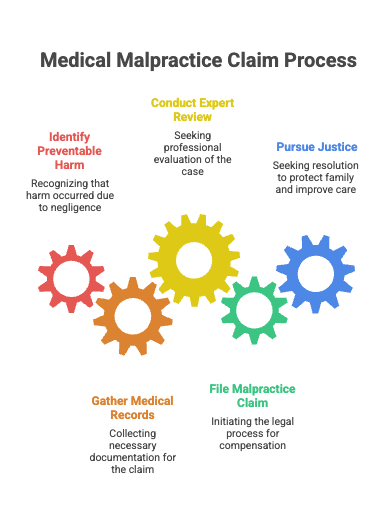
- Holding doctors, anesthesiologists, nurses, or hospitals accountable for preventable harm
- Seeking compensation through a claim supported by medical records, expert review, and malpractice insurance coverage
- Pursuing justice in a way that protects your family and encourages safer care for future patients
Florida law also places duties on medical professionals to meet accepted standards of care. When they violate those duties, you have the right to demand accountability. By asserting your rights, you serve both your recuperation and the well-being of others.
Steps to Take After an Orlando Anesthesia Error Injury
After an Orlando anesthesia error, you should seek immediate medical care to protect your health and create a clear record of your injuries. You should also preserve crucial evidence, including medical records, discharge papers, bills, and any notes about what occurred before, during, and after the procedure. Once you’ve taken these steps, you should contact an injury lawyer who can assess your claim, protect your rights, and guide your next actions.
Seek Immediate Medical Care
In the hours following a suspected anesthesia error, seek immediate medical care to protect your wellbeing and create a clear record of your condition. Prompt treatment helps identify breathing problems, heart irregularities, nerve damage, medication reactions, or delayed awareness during surgery. You should request an urgent assessment, clearly describe every symptom, and answer questions completely.
As you receive care, ask providers to explain their findings, treatment plan, and warning signs that require attention. If symptoms change after discharge, return promptly for evaluation rather than waiting to see whether they resolve on their own. Careful follow-up monitoring can reveal complications that emerge later, including cognitive changes or organ issues. By acting quickly, you protect your health, support those who depend on you, and place yourself in a stronger position to make informed decisions later.
Preserve Key Evidence
Once your immediate medical needs are addressed, preserve evidence that shows what happened before, during, and after the anesthesia event. Request copies of records, discharge papers, medication lists, consent forms, billing statements, and follow-up instructions. Keep every item together and note who gave it to you and when, because chain preservation matters.
Document visible injuries, equipment marks, and recovery conditions with dates, times, and clear descriptions. If possible, use forensic photography standards by capturing multiple angles, lighting conditions, and close-up and wide shots. Save messages, voicemail, appointment reminders, and notes about symptoms, pain levels, and conversations with staff. Ask trusted family members who witnessed the events to write down what they saw while the memories are still fresh. Careful documentation helps you serve your family by protecting truth and accountability.
Contact An Injury Lawyer
Contact an injury lawyer as soon as your condition is stable, because early legal guidance can protect vital evidence and prevent avoidable mistakes. You need an advocate who understands anesthesia error claims and can evaluate records, witness accounts, and hospital procedures before important details disappear.
When you speak with counsel, ask about client communication, investigation steps, and the fee structure, so you know what to expect. A qualified lawyer will explain your rights, identify liable parties, and coordinate with medical experts to assess whether negligence caused your harm. Prompt action also helps preserve filing deadlines and strengthens your ability to seek fair compensation. By taking this step, you not only protect your own future, but also support accountability that can improve patient safety and serve others in your community well.
How an Orlando Anesthesia Errors Injury Lawyer Can Help You
When an anesthesia error causes serious harm, an Orlando anesthesia errors injury lawyer can help you identify what went wrong, determine whether a provider failed to meet the accepted standard of care, and build a claim supported by medical records, expert review, and other vital evidence. Through focused patient advocacy, you can pursue accountability while protecting your family’s stability and future.
An Orlando anesthesia errors injury lawyer can uncover negligence, secure critical evidence, and help protect your family’s future.
A lawyer can guide you through each stage of the process by helping you:
- gather records, witness statements, and expert opinions
- communicate with insurers and healthcare providers effectively
- seek financial recovery for medical bills, lost income, and related losses
You don’t have to manage these demands alone. Your attorney can investigate timelines, review consent issues, assess medication administration, and determine whether monitoring failures contributed to your injury. With a clear strategy, you can make informed decisions that honor your well-being and your responsibility to those who depend on you. Legal guidance also helps preserve evidence and protect your rights.
Long-Term Effects of Orlando Anesthesia Errors Injuries
An anesthesia error can leave you facing permanent neurological damage, persistent pain, and serious disruptions to your daily life. You may also experience chronic pain complications that limit your mobility, interfere with your work, and require ongoing medical treatment. In many cases, you must also cope with emotional trauma effects, including anxiety, depression, and lasting psychological distress.
Permanent Neurological Damage
Loss can take many forms, and permanent neurological damage after an anesthesia error is often among the most serious because it can alter memory, speech, movement, sensation, and independent function for years or for life. You may face postoperative neuropathy, weakness, impaired coordination, or cognitive decline that changes how you communicate, work, and care for others each day.
When these injuries persist, you often need ongoing rehabilitation, home assistance, and careful medical monitoring. You may struggle with concentration, balance, or fine motor tasks that once seemed routine. Family members may also take on new responsibilities as they support your recovery and daily needs. Because permanent neurological damage can reshape nearly every part of your life, a thorough legal investigation can help identify what happened and pursue resources that protect your future and family.
Chronic Pain Complications
Chronic pain can remain long after an anesthesia error, affecting far more than the initial recovery period. You may experience persistent nerve pain, muscle weakness, or severe headaches that limit your ability to work, care for family, and serve your community. Over time, pain can require repeated treatment, expert visits, and careful monitoring.
You may also face Chronic medication interactions when pain medicines combine with other prescriptions, creating additional health risks and complicating treatment decisions. Daily activity modifications often become necessary, including changes to lifting, driving, standing, sleeping, and household responsibilities. These restrictions can reduce your independence and alter how you support others each day. When chronic pain follows an anesthesia injury, you need clear medical guidance and strong legal advocacy to protect your long-term well-being and future care needs.
Emotional Trauma Effects
Even when physical symptoms begin to improve, emotional trauma can continue to disrupt your daily life after an anesthesia error. You may struggle with anxiety, sleep disruption, mood changes, or post traumatic stress that affects your work, relationships, and sense of safety. These injuries can make it harder for you to care for others, fulfill responsibilities, and remain present in your community.
You don’t have to minimize these effects. Professional counseling, medical support, and healthy coping strategies can help you regain stability and confidence. Journaling, structured routines, and trusted support systems may also reduce isolation and fear. When emotional harm follows medical negligence, documenting your symptoms matters. Clear records can support your treatment and strengthen your legal claim, helping you pursue accountability and the resources needed for long-term recovery and restoration.
Proving Liability in Orlando Anesthesia Errors Injury Cases
Establishing liability in an Orlando anesthesia error case requires more than showing that a patient suffered harm during surgery or recovery. You must connect the injury to a specific breach of the accepted standard of care, then show how that failure directly caused the damage. This process often begins with a careful review of Anesthesia documentation, including dosage records, monitoring notes, consent forms, and timing entries.
You strengthen your case by identifying who made the error and whether a hospital, surgical center, or supervising physician also shares responsibility. An Expert witness can explain what competent anesthesia providers should have done under similar circumstances and where the care fell short. You may also rely on operative reports, witness statements, and post-procedure evaluations to establish causation. When you pursue accountability, you do more than seek compensation. You help protect future patients, support safer medical practices, and honor the trust families place in healthcare professionals every day.
Dealing With Insurance Companies After an Orlando Anesthesia Errors Injury
When insurance companies step in after an Orlando anesthesia injury, they often move quickly to limit what they pay, gather statements that protect their position, and frame the event as an unavoidable complication rather than a preventable error.
You should respond carefully, because early conversations can affect your ability to secure fair support for treatment, lost income, and long-term care. Keep records of bills, discharge instructions, medications, and every communication with adjusters. Do not guess about your condition or minimize symptoms out of courtesy. Instead, speak accurately and briefly. As you serve your family and others who depend on you, protecting your claim also protects their stability.
Strong documentation helps during policy negotiation and reduces opportunities for insurers to challenge medical necessity or causation. You should also track claim timelines closely, since delays, missed deadlines, and incomplete submissions can weaken your position. Careful preparation gives you leverage and helps you address insurers from a place of facts, discipline, and credibility.
What to Expect During an Orlando Anesthesia Errors Injury Claim Process
You can expect your claim to begin with an initial case evaluation, where your attorney assesses the facts, your injuries, and the strength of your potential case. Next, your legal team reviews your medical records to identify what occurred, determine liability, and connect the anesthesia error to the harm you suffered. From there, your claim may move toward settlement negotiations, but if a fair resolution isn’t offered, you should be prepared for trial.
Initial Case Evaluation
Begin by meeting with an Orlando anesthesia injury lawyer who’ll review the facts of your case, examine how the anesthesia error occurred, and assess whether medical negligence likely caused your injury. During this initial consultation, you’ll explain what happened, describe your symptoms, and share how the harm affected your ability to care for others and fulfill daily responsibilities.
Your attorney will conduct case screening to identify liable parties, evaluate timelines, and determine whether your claim appears legally viable. You can expect direct questions, practical guidance, and an honest discussion about potential challenges. This stage helps you understand your options and decide how to move forward in ways that protect your interests and support your family, your community, and the people who rely on your continued strength and service.
Medical Record Review
Reviewing your medical records is one of the most important steps in an Orlando anesthesia errors injury claim, because those documents often show exactly what happened before, during, and after the procedure. Your attorney will gather hospital charts, anesthesia notes, medication logs, monitoring strips, consent forms, and discharge instructions. Then, a careful chart audit helps identify missing entries, timing gaps, and inconsistencies that merit closer attention.
You may also see a review of coding accuracy, which can indicate whether records match the documented services. This process helps organize facts clearly, preserve essential details, and support informed communication with medical experts. As someone seeking accountability and better care for others, you can expect this review to be thorough, respectful, and focused on understanding the full medical timeline before your claim moves forward in the legal process.
Liability And Causation
Because anesthesia injury claims often turn on fine clinical details, liability and causation usually become the central issues once the records have been organized and reviewed. You should expect your legal team to compare what happened against the accepted standard of care and identify who failed to act responsibly.
Your attorneys will then connect that failure to the injury through evidence, expert testimony, and a careful timeline. In many cases, proximate causation requires showing that the harm flowed naturally from the anesthesia error, not from an unrelated medical condition. A foreseeability analysis also helps determine whether a competent provider should have anticipated the risk and taken preventive steps. As you move through this stage, your role is to provide complete information so that your team can advocate clearly, responsibly, and effectively for those who depend on you.
Settlement Or Trial
As your claim moves forward, the case will often narrow to two paths: settlement negotiations or trial preparation. Your lawyer will evaluate medical evidence, damages, and defense positions to advise whether meaningful settlement negotiations can meet your needs and protect your family’s future.
If the other side refuses fair compensation, you may need to prepare for trial. That process often includes depositions, expert testimony, motions, and careful review of how anesthesia errors changed your life and your ability to serve others. Although many claims resolve before court, a trial can become necessary when insurers dispute liability or minimize harm. Strong preparation matters in either path, because credible evidence influences settlement value and potential jury verdicts. With clear guidance, you can make informed decisions and pursue accountability with confidence, dignity, and purpose throughout the process.
Compensation for Orlando Anesthesia Errors Injury Damages
Accountability matters when an anesthesia error leaves you with serious physical, emotional, and financial harm. When that happens, you have the right to pursue compensation that reflects the full impact on your life and your ability to care for others. A careful claim can address immediate losses, ongoing treatment needs, and the emotional distress that often follows a preventable medical mistake.
You shouldn’t have to carry these burdens alone while providers and insurers minimize what happened. An experienced attorney can gather records, work with medical experts, and present clear evidence demonstrating how the error affected your health, daily functioning, and future stability. Your legal team can also confront arguments about insurance caps and other tactics designed to limit fair recovery. By seeking compensation, you aren’t acting out of selfishness. You’re protecting your family, preserving your capacity to serve your community, and upholding the standard of care that every patient in Orlando deserves from anesthesia professionals today.
Economic vs Non-Economic Damages in Orlando Anesthesia Errors Cases
In an Orlando anesthesia error case, you may seek economic damages for measurable losses such as medical bills, rehabilitation costs, and lost income. You may also pursue non-economic damages for harm that doesn’t come with a fixed price, including pain, suffering, and reduced quality of life. To recover full compensation, you must show clear evidence of both types of losses and establish their value with records, expert opinions, and other supporting proof.
Economic Damages Explained
Clarity matters when you evaluate damages after an anesthesia error, because the law separates losses into economic and non-economic categories. Economic damages cover the measurable financial harm you can document with records and testimony. You may seek payment for hospital bills, rehabilitation costs, prescription expenses, future treatment, and medical invoices tied to the injury.
You can also pursue recovery for lost wages when the injury keeps you from working or limits your duties. If your condition affects your long-term earning capacity, those projected losses may also qualify. Careful documentation strengthens your claim and helps you protect your family while remaining focused on serving others. An experienced Orlando anesthesia injury lawyer can organize proof, consult qualified experts, and present a clear calculation that reflects the full financial impact of the error.
Non-Economic Losses Overview
Financial records show only part of the harm an anesthesia error can cause, because the law also recognizes non-economic damages for losses that don’t come with a fixed dollar amount. When you suffer beyond medical bills and lost income, your claim may include compensation for pain, disability, disfigurement, and reduced enjoyment of life.
These losses reflect how the injury changes your daily living, relationships, and ability to serve your family and community. Emotional suffering may include anxiety, trauma, sleep disruption, or loss of confidence after a preventable medical event. Pain valuation addresses the human impact of ongoing discomfort, limitations, and diminished independence. Although these damages are not tied to receipts, they remain crucial because they acknowledge the personal cost of negligence and support your path toward stability, dignity, recovery, and restored purpose after serious harm.
Proving Damage Value
Proof matters when you seek full compensation for an anesthesia injury, because every category of loss must be supported with credible evidence and tied to the error that caused it. You prove economic damages with records that show medical bills, rehabilitation costs, lost wages, and reduced earning capacity. You support non-economic damages through treatment notes, daily limitations, pain levels, and the ways the injury changes your ability to care for others and participate in family life.
Your claim becomes stronger when expert testimony explains future care needs, permanent impairment, and the connection between the anesthesia mistake and your losses. You also need persuasive facts that guide jury valuation, because jurors must assign a fair dollar amount to suffering, disability, and diminished quality of life. Careful proof helps you pursue justice while protecting your family’s future.
When an Orlando Anesthesia Errors Injury Case Goes to Trial vs Settlement
Although many Orlando anesthesia error claims resolve through settlement, a case may need to go to trial when the parties dispute liability, the extent of your injuries, or the long-term cost of your medical care. In these situations, you need clear evidence, credible experts, and a focused Trial strategy that shows how the error harmed you and affected those who depend on your care.
Settlement timing often depends on whether insurers evaluate your losses fairly and whether your future treatment needs are reasonably understood. You may choose settlement when it provides dependable compensation without the delay, expense, and uncertainty of trial. You may pursue a trial when the defense minimizes your suffering, denies responsibility, or refuses to address lifelong consequences. A careful attorney helps you weigh both paths in light of your medical needs, financial stability, and commitment to your family and community. The goal is to secure results that support recovery and let you continue serving others well.
The Statute of Limitations for Orlando Anesthesia Errors Injury Cases
Because Florida strictly limits the time you have to file a medical malpractice claim, you must act promptly after an anesthesia error causes harm. In many cases, you have two years from when you discovered, or reasonably should have discovered, the injury. However, nuances of the statute can affect that period, especially when the harm is not immediately apparent.
You should also understand that Florida imposes an outside deadline that may bar claims even when discovery happens later. Certain filing exceptions may apply in limited situations, such as fraud, concealment, or injuries involving minors, but courts interpret these rules narrowly. If you delay, crucial records may become harder to obtain, witnesses’ memories may fade, and your ability to secure accountability for preventable harm may weaken. By learning the timeline early, you protect not only your own interests, but also the broader goal of safer medical care for future patients in your community and the people who depend on you daily.
When to Contact an Orlando Anesthesia Errors Injury Lawyer
In the aftermath of a suspected anesthesia error, you should contact an Orlando anesthesia injury lawyer as soon as you notice unexpected complications, receive a concerning diagnosis, or learn that a provider may have departed from accepted standards of care. Early action helps you preserve records, document symptoms, and protect your ability to seek accountability for preventable harm.
You should also reach out if you experience breathing problems, nerve injuries, awareness during surgery, medication reactions, or unusual post op confusion that does not resolve as expected. If questions arise about patient consent, incomplete risk disclosures, or whether the anesthesia team properly monitored you, timely legal guidance matters. Families who serve and support loved ones should contact counsel after a serious decline, emergency transfer, extended hospitalization, or death linked to anesthesia care.
Prompt consultation allows you to organize medical information, identify responsible parties, and take informed steps that honor your recovery, your family, and your commitment to others.
Why You Need an Experienced Orlando Anesthesia Errors Injury Lawyer
Once you recognize that an anesthesia error may have caused serious harm, the next step is to understand why experienced legal representation matters. You need counsel who understands how anesthesia injuries occur, how medical records reveal preventable errors, and how those errors affect your health, family, and future responsibilities to others.
An experienced Orlando anesthesia errors injury lawyer helps you pursue accountability with precision and purpose. You benefit from informed case analysis, strong evidence development, and a clear strategy for proving negligence, causation, and damages. This work supports Patient recovery by giving your voice structure and credibility when institutions attempt to minimize what happened. It also advances Risk management by identifying unsafe practices that may endanger future patients.
When you act with experienced representation, you protect your rights, strengthen your claim, and create an opportunity for meaningful change. Your case can promote safer care, fair compensation, and responsible conduct across the medical community.
How to Choose the Right Orlando Anesthesia Errors Injury Lawyer for Your Case
When you evaluate attorneys for an anesthesia injury claim, you should focus on proven medical malpractice experience, access to qualified experts, and a clear record of handling complicated cases involving surgical error, negligent monitoring, dosage mistakes, and delayed emergency response. Ask how the lawyer investigates records, identifies breaches in care, and connects those failures to lasting harm.
You should also assess communication, professionalism, and honesty. A strong lawyer explains legal strategy in plain terms, sets realistic Client expectations, and responds promptly when your family needs guidance. Review verdicts, settlements, and disciplinary history, but also consider whether the attorney treats your case with respect and purpose. Ask direct questions about Fee structures, litigation costs, and who will manage your matter day-to-day. If you want accountability for preventable harm and hope to protect future patients, choose counsel who combines courtroom skill with compassion and disciplined preparation throughout every stage.
About The Law Offices of Anidjar & Levine
Choosing counsel with the right experience and discipline matters, and The Law Offices of Anidjar & Levine presents a client-focused approach to serious injury litigation. When you face the consequences of an anesthesia injury, you need attorneys who listen carefully, investigate thoroughly, and act decisively on your behalf. The firm emphasizes responsive service, clear communication, and practical guidance during each stage of your claim.
You can evaluate this commitment through the firm’s history and client testimonials, which reflect sustained advocacy for injured people and families across Florida. That record matters when you seek accountability from medical providers and insurers.
The attorneys work to build strong cases, document damages, and pursue compensation that supports your recovery and ability to care for others.
You also benefit from a team that understands how serious medical negligence can disrupt your health, livelihood, and service to your family. Their disciplined representation helps you move forward with confidence and a clear legal strategy.

Frequently Asked Questions
Can Anesthesia Errors Affect Future Surgeries or Medical Treatments?
Yes, anesthesia errors can affect your future surgeries or medical treatments. You may face long-term implications, including altered responses to anesthesia, organ complications, or heightened surgical risks. These errors can also create medication interactions that complicate pain control, sedation, or recovery planning. By informing your medical team about any prior anesthesia problems, you help them protect your health and better serve everyone involved in your ongoing care.
Are Children and Elderly Patients at Higher Anesthesia Error Risk?
Yes, you should recognize that children and elderly patients face a higher risk of anesthesia errors. In children, pediatric vulnerability affects dosing, airway management, and monitoring because small changes can cause serious harm quickly. In older adults, geriatric physiology alters drug metabolism, organ reserve, and recovery, which increases complications. If you care for vulnerable patients, you must demand careful assessment, precise administration, and vigilant postoperative observation to reduce preventable anesthesia-related injuries.
Can I Request My Anesthesia Records From the Hospital?
Yes, you can request your anesthesia records from the hospital. You have legal access to your medical records under federal and state law, and the hospital must usually provide them within required timeframes. Submit a written request to the records department and ask for anesthesia notes, consent forms, medication logs, and monitoring reports. If delays or omissions occur, you should follow up promptly and document each communication for accountability.
Do Anesthesia Mistakes Only Happen During Surgery?
No, anesthesia mistakes don’t occur only during surgery. You can face harm before a procedure if the preoperative assessment misses allergies, medications, or airway risks. Errors may also happen after surgery, when staff monitor breathing, pain control, and recovery. In some cases, intraoperative awareness occurs during the operation itself. If you serve others by advocating for safe care, you should know anesthesia risks can arise throughout the entire perioperative process.
How Common Are Anesthesia Errors in Outpatient Procedure Centers?
Anesthesia errors in outpatient procedure centers appear uncommon, but you should view reported rates cautiously. Incidence studies show low overall frequencies, yet reporting gaps likely understate how often mistakes occur. You’ll find risks vary by patient condition, procedure type, staffing, and monitoring practices. If you serve affected individuals, you should assess whether the center followed screening, dosing, communication, and recovery protocols, because preventable lapses can still cause serious harm.
—————————
If you’ve suffered harm from an anesthesia error in Orlando, you should act promptly to protect your health, rights, and financial recovery.
With experienced legal guidance, you can pursue accountability, preserve vital evidence, and seek compensation for your medical costs, lost income, and related losses.
The Law Offices of Anidjar and Levine can evaluate your claim, explain your options, and advocate for you at every stage.
To learn more, speak with an Orlando Medical Malpractice Lawyer now can strengthen your case and next steps.

