
The Law Offices of Anidjar and Levine helps crash victims with chest injuries document harm to the ribs, sternum, lungs, heart, or internal tissues.
Legal support may include gathering medical records, crash reports, witness statements, vehicle data, and wage documentation.
A Florida Car Accident Lawyer can address insurer delays, fault disputes, PIP benefits, and policy limit issues while evaluating medical costs, lost income, pain, and long-term impairment.
The sections below explain crucial rights, evidence, deadlines, and claim strategies.
Main Takeaways
- A Florida chest injury lawyer can help prove liability using crash reports, witness statements, vehicle data, and medical evidence.
- Prompt medical evaluation is critical for chest pain, shortness of breath, rib fractures, lung trauma, or possible internal injuries.
- Compensation may include medical bills, lost wages, reduced earning capacity, pain, impairment, and future care needs.
- An attorney can manage insurance communications, challenge delays or denials, and protect against premature settlement pressure.
- Florida claims require timely filings, coverage review, PIP benefit use when available, and careful evidence of injury severity.
How We Can Help With Your Florida Chest Injury Car Accident Injury Claim
After a crash causes a chest injury, a Florida car accident lawyer can help document the full extent of the harm, identify all liable parties, and pursue compensation through the appropriate insurance claims or legal action. The legal team may gather medical records, crash reports, witness statements, vehicle data, and employment records to show how the injury has affected daily life and service to others. Counsel can also manage communications with insurers, reducing the risk that insurance adjusters’ tactics will pressure an injured person into making an unfair statement or settling prematurely. A careful claim review may include estimating medical costs, lost income, reduced earning capacity, and non-economic losses.
The firm can maintain a filing-deadlines calendar to ensure that notices, insurance submissions, and court requirements are completed on time. Through organized advocacy, the lawyer helps protect the claimant’s rights while seeking a recovery that supports recovery, stability, and continued responsibilities.
Understanding Florida Chest Injury Car Accident Injury Cases


A strong claim strategy begins with understanding how chest injuries occur in Florida car accidents, how they are diagnosed, and how they may affect a person’s health over time. These cases often involve injury to the ribs, sternum, lungs, cardiac structures, or internal tissues, requiring prompt medical review and careful documentation. Even when pain seems manageable, delayed complications can arise, including breathing difficulty, internal bleeding, or reduced Lung safety.
OUR CONSULTATIONSARE FREE
START YOUR FREE CASE REVIEW

In Florida injury claims, medical records, imaging results, physician opinions, and treatment plans help establish the nature and extent of harm. A lawyer may evaluate whether the injury meets legal thresholds, how it limits daily function, and what future care may be needed. Insurance coverage can also shape available recovery, including personal injury protection, bodily injury liability, or uninsured motorist benefits. A service-focused legal approach protects the injured person’s dignity while pursuing fair compensation for medical costs, lost income, and lasting physical limitations.
Common Causes of Florida Chest Injury Car Accidents
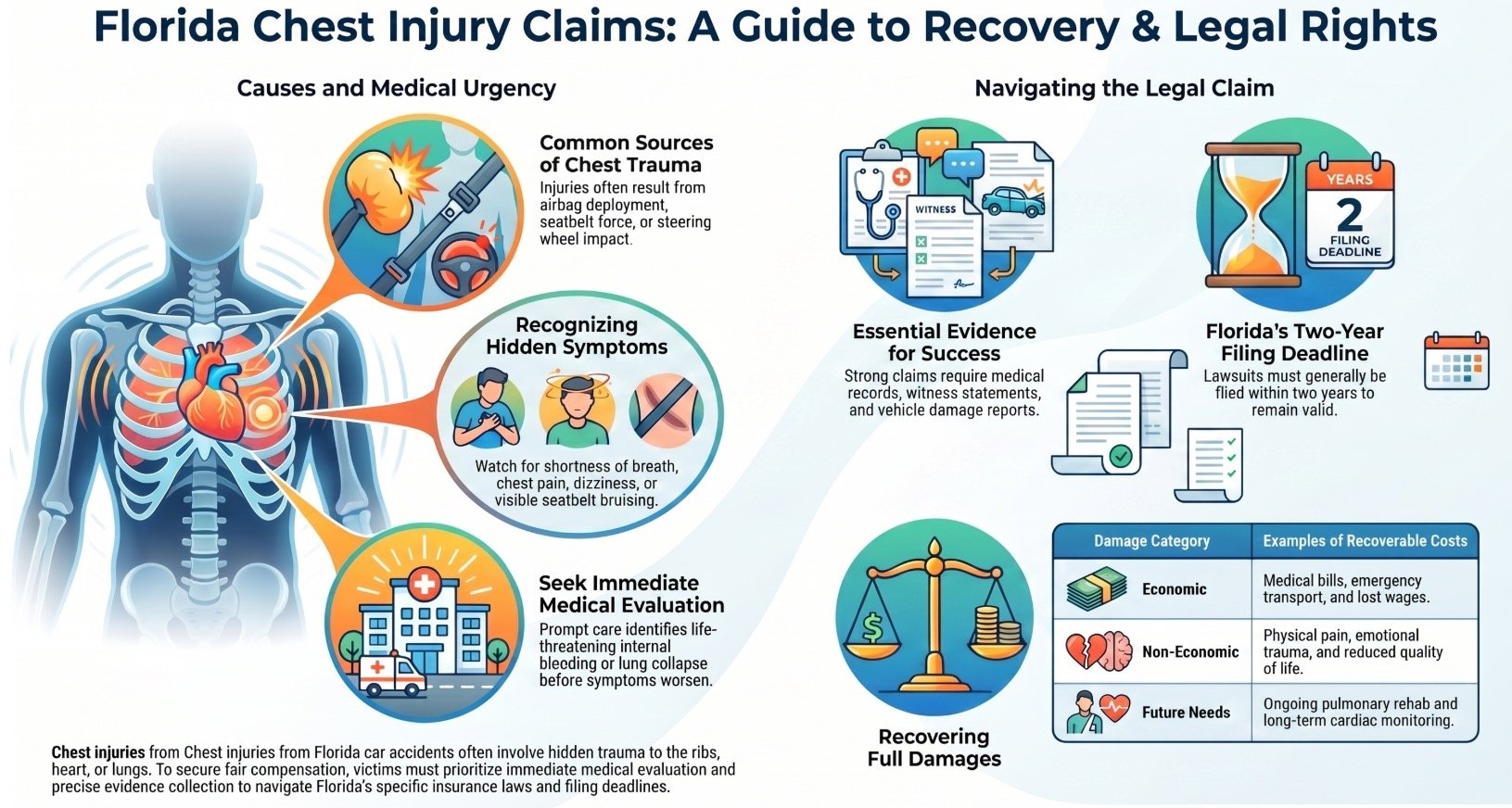
Chest injuries in Florida car accidents often result from the force and mechanics of a crash, particularly in high-speed collisions. Common sources include airbag deployment impact, seat belt trauma, and direct contact with the wheel. These causes can result in serious injuries, making careful evaluation of the crash circumstances crucial.
High-Speed Collisions


When vehicles collide at high speeds, the force transferred to the occupants can place extreme pressure on the chest, ribs, sternum, lungs, and heart. In Florida crashes, this impact may occur during interstate collisions, sudden lane changes, or rear-end collisions at high speeds. Even with Seat belt compliance, the restraint system may concentrate force across the torso, contributing to rib fractures, bruising, internal bleeding, or cardiac complications. Emergency responders, medical providers, and caregivers should remain alert for signs of chest trauma, including shortness of breath, chest pain, coughing up blood, dizziness, or worsening tenderness. Some injuries may not appear immediately, making timely evaluation critical. A Florida car accident lawyer may assess crash dynamics, medical records, and liability evidence to support injured individuals seeking appropriate recovery under applicable law.
Airbag Deployment Impact
Beyond the force of high-speed collisions, airbag deployment can also contribute to serious chest trauma during a Florida car accident. Although airbags are designed to save lives, their rapid inflation may strike the chest with substantial force, especially when an occupant is positioned too close to the steering wheel or dashboard. This impact can cause bruised ribs, sternum injuries, lung complications, or aggravated heart conditions. For those assisting injured individuals, prompt medical evaluation and careful documentation are critical.
Evidence collection, Witness accounts, and vehicle data may help clarify how the airbag deployed and whether defects or crash dynamics contributed to the harm. These details can influence Settlement negotiations, Pain damages, and the broader evaluation of losses tied to medical care, recovery needs, and diminished daily function after the collision.
Seat Belt Trauma
A seat belt can prevent fatal ejection during a Florida car accident, but the force it applies across the chest may also cause significant trauma. When a vehicle stops abruptly, the restrained occupant’s torso continues forward, creating concentrated pressure along the shoulder and lap belt path. Seatbelt bruising may appear across the collarbone, ribs, or upper abdomen, and these marks can signal deeper injury. A sternum impact from belt loading may contribute to fractures, cartilage damage, or pain with breathing and movement.
Older adults, children, and medically fragile occupants may face heightened risk because chest structures may tolerate less force. Prompt evaluation helps identify internal complications that are not immediately visible. Careful documentation can support treatment planning and assist advocates who serve injured crash victims.
Steering Wheel Contact
Although modern airbags and seat belts reduce many serious injuries, guiding wheel contact remains a common source of chest trauma in Florida car accidents. When a driver’s torso strikes the steering wheel during a sudden collision, the impact may cause rib fractures, sternum injuries, cardiac bruising, or lung complications. These injuries can occur even when restraint systems function properly, especially in high-speed crashes or when a driver sits too close to the wheel. Medical providers, advocates, and legal professionals often review crash forces, vehicle design, and emergency care records to understand the injury pattern. Steering wheel trauma may also overlap with Seat belt injuries, creating difficult medical and legal questions. Thorough documentation can help address insurance coverage disputes and support fair evaluation of treatment needs, recovery limits, and lasting impairment.
Legal Rights of Florida Chest Injury Car Accident Injury Victims
When a chest injury occurs in a Florida car accident, the injured person may have legal rights that depend on the severity of the harm, the cause of the crash, and the available insurance coverage. These rights may include access to medical benefits, compensation for lost income, and recovery for pain, impairment, and related losses when legal thresholds are met. Caregivers, advocates, and professionals serving the injured should recognize that timely documentation supports both treatment and claims.
Timely care and documentation can preserve medical treatment options and protect against potential injury claims after a Florida crash.
Key rights may involve:
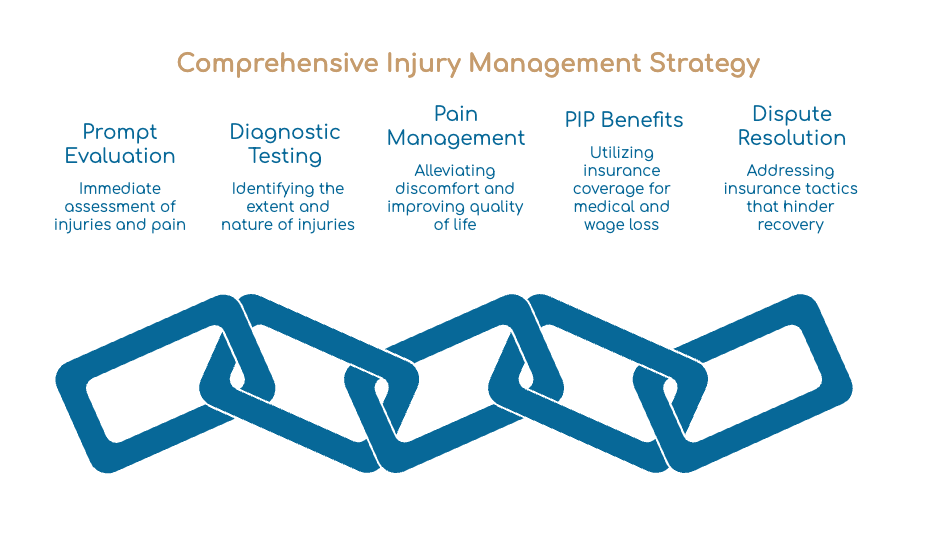
- Seeking prompt evaluation, including diagnostic testing and Pain management options.
- Using personal injury protection benefits, when available, for covered medical expenses and wage loss.
- Challenging insurance dispute tactics that minimize symptoms, delay payment, or question necessary care.
A chest injury claim should be handled with careful attention to medical evidence, deadlines, and communications. Florida law may limit recovery if required procedures are missed or if insurers dispute fault.
Why Do Florida Chest Injury Car Accident Injuries Happen?
Chest injuries in Florida car accidents often happen because the upper body absorbs sudden force during a collision, especially when the torso strikes a seat belt, control wheel, dashboard, airbag, or door panel. Ribs, sternum, lungs, heart, and soft tissues may be injured when impact forces compress the chest or when broken vehicle structures intrude into the passenger compartment.
These injuries may result from speeding, distracted driving, impaired driving, unsafe lane changes, tailgating, or failure to yield. Side-impact and head-on crashes are especially dangerous because they can direct force into the chest before the body has time to brace. Vulnerable occupants, including older adults or those with prior medical conditions, may suffer greater harm from the same impact.
Crash scene documentation errors can obscure how the injury occurred, while Insurance claim delays may complicate access to fair evaluation. Careful analysis helps identify responsible conduct and supports service to injured people.
What Should You Do After a Florida Chest Injury Car Accident Injury?
After a Florida car accident involving a chest injury, prompt and organized action can protect both health and legal rights. The injured person should seek immediate medical care, document the crash and related losses, and preserve evidence that may support a claim. Contacting a lawyer early may also help enable compliance with deadlines, insurance requirements, and the proper valuation of damages.
Seek Immediate Medical Care
Because trauma to the chest can involve the heart, lungs, ribs, or internal blood vessels, an injured person should seek immediate medical evaluation following a Florida car accident, even if symptoms seem manageable at first. Prompt care may identify fractures, internal bleeding, lung collapse, or cardiac complications before they become life-threatening. Medical professionals can assess breathing, circulation, pain levels, and warning signs that may not be obvious at the scene. Early treatment also helps caregivers, family members, and advocates support the injured person with informed decisions.
In serious cases, delayed care may affect recovery, legal rights, and the no-fault insurance impact on available benefits. If a chest injury proves fatal, families may later need guidance regarding Wrongful death options while honoring the person’s dignity and needs.
Document The Crash
At the scene and in the days that follow, careful documentation can help preserve important facts about a Florida car accident involving a chest injury. When safe, a person may record vehicle positions, roadway conditions, traffic signals, visible injuries, and damage to all vehicles. Scene photographs should be clear, dated when possible, and taken from several angles, including close views and wider surroundings. Witness names, badge numbers, report details, and insurance information should be kept in an organized file. Medical documentation is equally important, including emergency records, diagnostic results, discharge instructions, prescriptions, and follow-up notes. A written symptom log may show how chest pain, breathing issues, bruising, or activity limits develop over time. These records can support accurate reporting, responsible care, and informed decisions.
Contact A Lawyer
When should legal guidance become part of the recovery process after a Florida car accident involving a chest injury? It should begin as soon as medical needs are stabilized and crash details are preserved. A lawyer can evaluate liability, identify available coverage, and protect the injured person from statements that may weaken a claim. Emergency legal consultation may be especially important when injuries involve internal trauma, disputed fault, commercial vehicles, or delayed symptoms. Counsel can also coordinate evidence, medical records, witness information, and insurer communications with care and discipline. Through insurance claim guidance, the process becomes more organized, reducing unnecessary burdens on the injured person and family members who may be providing support. Prompt legal contact helps safeguard rights, deadlines, and financial recovery while allowing attention to remain on rehabilitation.
Critical Evidence in a Florida Chest Injury Car Accident Injury Case
Critical evidence in a Florida chest injury car accident case helps establish fault, document the severity of harm, and connect the injury to the collision. Key materials often include: 1. accident scene evidence, 2. medical records and witness statements, and 3. vehicle damage reports. When promptly preserved and evaluated, this evidence can strengthen the claim and support a more accurate assessment of damages.
Accident Scene Evidence
Preserve accident scene evidence as early as possible because it may establish how the collision occurred, the forces involved, and the connection between the crash and a chest injury. Useful evidence may include vehicle resting positions, debris fields, skid marks, airbag deployment, seatbelt condition, roadway defects, weather conditions, and photographs of visible damage. A Traffic camera, a nearby business surveillance system, or a dash camera may show impact angles and speed indicators before evidence disappears. Witness names and contact information should be gathered with care, since neutral observations may assist those working to serve the injured person’s interests. Prompt preservation letters may help prevent loss of video or vehicle data. Scene evidence can also support later evaluations, including post-collision therapy planning, without replacing medical documentation or professional treatment opinions.
Medical Records
Medical records are central evidence in a Florida chest injury car accident case because they document the nature, timing, severity, and progression of the injury after the collision. Emergency room notes, physician evaluations, diagnostic tests, prescriptions, and rehabilitation records can help connect chest trauma to the crash and show the level of care required. Accurate records also support those serving an injured person by clarifying medical needs, limits, and long-term concerns. Delayed symptom reporting may create disputes, especially when pain, breathing problems, or internal injuries appear after the initial visit. Imaging evidence gaps, such as missing X-rays, CT scans, or follow-up studies, may weaken proof of fractures, organ injury, or complications. Consistent treatment records help establish credibility and guide a fair assessment of damages.
Witness Statements
When a crash causes a chest injury, witness statements can provide an independent account of how the collision occurred, what forces were involved, and what symptoms appeared immediately afterward. Bystanders, passengers, first responders, and nearby workers may describe seatbelt use, breathing difficulty, visible distress, or complaints of rib, sternum, or internal pain. These observations can support medical records and help clarify disputed facts.
Eyewitness credibility factors include vantage point, attention level, consistency, lack of bias, and the time between the crash and the statement. Prompt collection helps preserve accuracy before memories fade. Counsel may also seek supporting materials, including documenting dashcam footage, surveillance video, or recorded emergency calls. Careful witness development can strengthen a Florida chest injury claim by connecting the collision to the injured person’s immediate physical condition.
Vehicle Damage Reports
Vehicle damage reports can play an important role in a Florida chest injury car accident case because they help document the severity, location, and direction of impact. These records may support medical findings by showing how force was transferred to the occupant’s body, including the chest area. Vehicle repair documentation can identify crushed panels, deployed airbags, bent frames, and seatbelt-related damage that may align with reported trauma. Insurer damage estimates may also help establish whether the collision involved substantial force, even when injuries are not immediately visible. For those serving injured clients, careful review of these materials can strengthen a claim with objective proof. When preserved with photographs, repair invoices, and inspection notes, damage reports provide valuable context for liability, causation, and fair compensation.
Long-Term Effects of Florida Chest Injury Car Accident Injuries
Chest injuries from Florida car accidents may produce lasting consequences, including chronic pain complications that interfere with work, mobility, and daily activity. Reduced lung function can also develop after rib fractures, organ trauma, or internal injuries, requiring ongoing medical evaluation and treatment. Emotional trauma effects, such as anxiety, sleep disruption, or fear of driving, may further affect recovery and the overall value of an injury claim.
Chronic Pain Complications
A serious car accident in Florida can leave an injured person with chronic chest pain that persists long after fractures, bruising, or soft tissue damage should have recovered. This pain may arise from nerve irritation, rib malalignment, scar tissue, or ongoing inflammation around the chest wall. For individuals who serve families, patients, congregations, or communities, persistent pain can interfere with lifting, driving, caregiving, and other critical responsibilities. It may also contribute to breathing difficulties when discomfort limits normal movement or leads to a guarded posture. Over time, unmanaged pain can lead to fatigue, sleep disturbances, anxiety, and reduced participation in meaningful daily activities. Careful documentation, consistent medical treatment, and legal evaluation help clarify how chronic complications affect quality of life, work capacity, and future care needs after a Florida collision.
Reduced Lung Function
After a severe Florida car accident, reduced lung function may develop when chest trauma affects the ribs, lungs, diaphragm, or surrounding soft tissues. Injured individuals may experience shortness of breath, limited stamina, persistent coughing, or difficulty performing daily tasks that once seemed routine. Fractured ribs, lung bruising, or internal scarring can restrict chest expansion and reduce oxygen intake over time. Medical providers may recommend Pulmonary rehabilitation to help restore endurance, monitor respiratory progress, and support safe physical activity. Structured breathing exercises can also strengthen respiratory muscles, improve airflow, and reduce complications linked to shallow breathing. For caregivers, employers, and community members, recognizing these limitations encourages practical support. Careful documentation of ongoing symptoms may also help clarify the long-term impact of the collision.
Emotional Trauma Effects
Physical limitations are not the only lasting consequence of serious thoracic trauma, as emotional trauma may also persist long after the visible injuries have stabilized. A person recovering from chest injuries may experience fear while riding in vehicles, sleep disruption, irritability, or recurring memories of the crash. These PTSD symptoms can interfere with family responsibilities, employment, and the ability to serve others with steadiness and compassion. Post-accident counseling may help identify triggers, support coping skills, and reduce isolation during recovery. Mental health documentation is also important because emotional harm can affect the value and scope of an injury claim. Records from counselors, psychologists, or physicians may show diagnosis, treatment needs, and therapy costs, allowing the long-term impact to be evaluated with care.
Proving Liability in Florida Chest Injury Car Accident Injury Cases
When a chest injury follows a Florida car accident, liability depends on evidence showing that another party’s negligence caused the collision and the resulting harm. Proof may include crash reports, witness statements, traffic camera footage, vehicle damage patterns, medical records, and expert analysis connecting the impact to rib fractures, lung trauma, or cardiac complications. A careful investigation helps identify whether a driver violated a traffic law, drove distracted, followed too closely, or failed to yield.
Comparative negligence disputes may arise when the defense claims the injured person shared fault. Florida law can reduce recovery based on assigned responsibility, so accurate fact development is critical. In severe cases, eligibility for punitive damages may be considered if the conduct involved intentional misconduct or extreme negligence, such as extreme impairment or reckless disregard for safety. Establishing liability thus requires disciplined documentation, credible testimony, and a clear causal link that supports justice and responsible community care.
Dealing With Insurance Companies After a Florida Chest Injury Car Accident Injury
Liability evidence may establish who caused a Florida crash, but insurance companies often control the first stage of financial recovery for a chest injury claim. Adjusters may request recorded statements, medical authorizations, photographs, wage records, and proof of vehicle damage. Each request should be considered carefully, because incomplete or imprecise information can affect the value assigned to rib fractures, lung trauma, cardiac complications, or related pain.
Insurance carriers also review policy limits, personal injury protection benefits, and possible underinsurance coverage when damages exceed the at-fault driver’s available protection. Prompt filing of police reports can support accurate claim review, especially when the report identifies drivers, witnesses, crash location, and apparent contributing factors. Those assisting an injured person should encourage organized documentation, consistent medical care, and measured communication with insurers. A lawyer may help prevent premature settlements, address disputed coverage positions, and protect the injured person’s ability to seek fair compensation.
What to Expect During a Florida Chest Injury Car Accident Injury Claim Process
The Florida car accident chest injury claim process often begins with an immediate medical evaluation, followed by timely filing of an insurance claim. Evidence and documentation, including medical records, crash reports, photographs, and witness information, typically shape the strength of the claim. Once liability and damages are assessed, the settlement negotiation process may determine whether fair compensation can be secured without litigation.
Immediate Medical Evaluation
After a Florida car accident involving possible chest trauma, prompt medical evaluation is a crucial first step for both health and injury claim documentation. An Emergency Room Assessment may identify rib fractures, internal bleeding, lung bruising, cardiac strain, or delayed complications that are not immediately obvious. Medical personnel typically review symptoms, vital signs, impact details, and visible injuries, then determine appropriate Diagnostic Testing Options, such as chest X-rays, CT scans, ultrasound, electrocardiograms, or blood tests.
This evaluation creates records that can later explain the nature, timing, and severity of injuries. For individuals serving injured family members, clients, or community members, encouraging immediate care helps protect well-being and preserves reliable evidence. Follow-up appointments, medication instructions, and activity restrictions should be carefully documented and adhered to after discharge to support proper recovery.
Insurance Claim Filing
Once medical care has begun and injury documentation is in place, the insurance claim filing process becomes the next major step in a Florida chest injury car accident case. A claim may involve personal injury protection benefits, bodily injury liability coverage, or other available policies. The injured person, often through counsel, notifies the insurers, meets filing deadlines, and communicates losses in a structured manner. Adjusters may review treatment status, fault issues, and coverage positions before making payment decisions. If an insurer refuses benefits, a Coverage denial appeal may be required to protect the claimant’s interests. When damages are serious, policy limits negotiation can become central, especially where medical needs exceed available coverage. Careful claim management helps ensure that responsible parties and insurers address obligations fairly.
Evidence And Documentation
During a Florida chest injury car accident claim, evidence and documentation form the foundation for proving injury severity, causation, financial loss, and liability. Medical records, diagnostic imaging, hospital discharge papers, prescriptions, and consultant reports help show the nature and progression of chest trauma. Photos of symptoms, including bruising, swelling, seatbelt marks, or visible signs of breathing distress, may capture changes that later fade. Pain diary logs can document daily limitations, sleep disruption, medication effects, and the impact on work or caregiving duties. Police reports, witness statements, vehicle damage images, and repair records may connect the collision to the injury. Organized wage records, medical bills, and transportation receipts support a claim for financial damages. Careful documentation allows attorneys, insurers, and medical providers to evaluate the claim accurately and responsibly.
Settlement Negotiation Process
Strong documentation provides structure to the settlement negotiation process in a Florida car accident claim involving a chest injury because insurers and attorneys rely on verified records to assess liability, medical severity, and financial damages. After evidence is organized, the injured person’s representative may submit a demand package outlining treatment, lost income, pain, limitations, and future care needs. This presentation helps explain how the assessed damages relate to the person’s ability to recover, work, and fulfill family or community responsibilities. Insurers then review coverage, fault arguments, and medical findings before making an offer. Common insurer settlement tactics may include disputing causation, minimizing treatment, or pressuring early resolution. Careful negotiation responds with facts, medical opinions, and lawful valuation methods, seeking fair compensation without sacrificing the injured person’s long-term stability and dignity.
Compensation for Florida Chest Injury Car Accident Injury Damages
When a car accident causes a chest injury in Florida, compensation may address both the immediate medical crisis and the long-term consequences that follow. Such injuries can require emergency transport, imaging, surgery, hospitalization, medication, cardiac monitoring, respiratory care, and structured rehabilitation. A claim may also account for future treatment needs when fractured ribs, lung trauma, sternum damage, or cardiac complications reduce stability and daily function.
A Florida chest injury lawyer may evaluate insurance coverage, accident reports, medical records, and provider opinions to connect the collision to the diagnosed harm. Hiring expert witnesses can help explain causation, prognosis, and necessary care in a manner that supports fair resolution. When a chest injury results in fatal complications, Wrongful death claims may allow eligible survivors to seek accountability under Florida law. Careful documentation helps protect the injured person’s dignity while pursuing resources needed for recovery, caregiving, and practical support.
Economic vs Non-Economic Damages in Florida Chest Injury Car Accident Cases
In Florida car accident cases involving chest injuries, damages are generally divided into economic losses, such as medical cost recovery and lost income claims, and non-economic losses, including pain and suffering. Economic damages focus on measurable financial harm, often supported by bills, wage records, and expert projections. Non-economic damages address the physical discomfort, emotional strain, and reduced quality of life that may follow a serious chest injury.
Medical Cost Recovery
After a serious chest injury, medical cost recovery often becomes one of the most important parts of a Florida car accident claim. Treatment may include emergency transport, hospitalization, imaging, surgery, medication, respiratory care, follow-up visits, and rehabilitation. These expenses are economic damages, meaning they can be measured through bills, records, and expert opinions. A careful claim also accounts for future medical needs when rib fractures, organ trauma, or breathing complications require continued care. Understanding liability defenses helps clarify whether insurers may dispute fault, causation, or the necessity of treatment. Proving negligence damages requires showing that another party’s conduct caused the crash and that the injury led to reasonable medical costs. Through organized documentation, injured individuals can seek recovery that supports repair, stability, and responsible care for others.
Lost Income Claims
Medical bills are just one part of the financial harm caused by a serious chest injury, because missed work and reduced earning ability can create lasting economic pressure. In Florida car accident claims, lost income is treated as economic damage when it can be documented through pay records, tax returns, employer statements, and medical restrictions. Accurate wage loss calculations may include missed shifts, reduced hours, lost commissions, diminished benefits, and the effect of a long recovery on future earning capacity. Diagnosis delays can complicate proof, especially when symptoms worsen after the crash and time away from work increases. A careful evaluation connects the injury, treatment plan, and work limitations. This approach helps ensure compensation reflects practical financial needs and supports continued stability for the injured person and family.
Pain And Suffering
Pain and suffering claims address the personal impact of a chest injury that cannot be measured through receipts, wage records, or invoices. In Florida car accident cases, these non-economic damages may reflect physical pain, breathing limitations, sleep disruption, anxiety, and the loss of normal daily function. Chest wall damage can affect basic activities, including lifting, driving, caregiving, and participation in family or community responsibilities.
Unlike medical bills or lost income, pain and suffering require careful explanation through medical records, personal testimony, and evidence of changes in routine. Long-term recovery plans may also show how ongoing discomfort, therapy, or restricted movement affects future quality of life. For injured individuals who value service to others, these damages recognize the human cost of being unable to care, work, and contribute.
When a Florida Chest Injury Car Accident Injury Case Goes to Trial vs Settlement
When a Florida chest injury car accident case reaches a pivotal stage, the decision to settle or proceed to trial depends on the strength of the evidence, the severity of the injury, and the insurer’s willingness to offer fair compensation. Settlement may serve an injured person by providing timely support for medical bills, lost income, and ongoing care without the uncertainty of a courtroom outcome. However, when an offer fails to reflect serious harm, careful trial strategy may become necessary.
Preparation often includes insurance discovery, expert medical review, witness evaluation, and a clear presentation of how the injury affects daily life. Settlement deadlines can influence negotiations, but they should not pressure acceptance of an inadequate result. If trial becomes necessary, jury selection helps identify impartial decision-makers who can fairly consider the evidence. A lawyer’s role is to guide the case toward a resolution that respects the injured person’s needs.
Florida Laws That May Affect Your Florida Chest Injury Car Accident Case
Several Florida laws can shape the value, timing, and strategy of a chest-injury car accident claim, especially when liability, insurance coverage, and medical evidence are disputed. Florida fault rules may reduce compensation when an injured person shares responsibility for the crash, making careful review of the evidence critical. Personal injury protection benefits may help pay initial medical expenses, but serious chest trauma often requires claims beyond basic coverage.
Key legal issues commonly include:
- Whether medical records clearly connect rib fractures, lung injury, or cardiac complications to the collision.
- Whether the at-fault driver carried adequate bodily injury coverage.
- Whether uninsured motorist coverage may provide relief when the responsible driver lacks sufficient insurance.
A lawyer evaluating these laws may focus on preserving documentation, identifying all available policies, and accurately presenting the injury’s impact. This approach supports fair recovery while honoring the needs of injured clients and the families, caregivers, and communities depending on them.
The Statute of Limitations for Florida Chest Injury Car Accident Injury Cases
Beyond questions of fault, insurance, and medical proof, the deadline for filing a Florida chest injury car accident lawsuit can strongly affect whether compensation remains available. Florida generally imposes a two-year statute of limitations for negligence claims arising from motor vehicle crashes. If that period expires, a court may dismiss the case, even when the injuries are severe and the need for support is clear.
Timely action also supports Evidence preservation, including crash reports, vehicle data, witness accounts, and photographs of the scene. Delays may weaken medical documentation, especially when chest trauma involves evolving symptoms, delayed diagnoses, or disputed causation. In an insurance dispute, missed deadlines can reduce negotiating strength and limit meaningful review of the claim.
The statute of limitations also affects liability defenses. Responsible parties may argue that late claims are unreliable or unsupported. For injured persons seeking resources to restore stability and care for others, observing filing deadlines is crucial.
How a Florida Chest Injury Car Accident Injury Lawyer Can Help You
After a serious crash, a Florida car accident lawyer specializing in chest injuries can help an injured person analyze the claim, identify available insurance coverage, and develop evidence linking the collision to the medical harm. This support may include reviewing emergency records, consulting medical experts, documenting lost income, and evaluating pain, disability, and long-term care needs.
A lawyer also serves the injured person by organizing the claim with discipline and purpose:
- Investigating driver conduct, vehicle damage, witness accounts, and crash reports.
- Communicating with insurers to reduce pressure on the injured person and protect the claim’s value.
- Preparing a Trial Strategy that presents medical proof, liability facts, and damages in a clear manner.
In severe cases involving fatal chest trauma, counsel may assess a Wrongful Death claim for surviving family members. This work helps ensure that responsibility is addressed with care, accuracy, and respect for those harmed.
When to Contact a Florida Chest Injury Car Accident Injury Lawyer
In the days following a collision, an injured person should consider contacting a Florida chest injury car accident lawyer as soon as chest pain, breathing difficulty, rib fractures, internal bleeding, organ trauma, or other serious symptoms become apparent. Prompt communication can help preserve important information while the injured person focuses on recovery, medical appointments, and family responsibilities.
Early contact is also vital when Emergency room documentation identifies trauma, recommends follow-up care, or limits work and daily activity. These records may become central to understanding the nature and timing of the injury. A lawyer may be contacted before recorded statements, settlement negotiations, or extensive insurer communications occur, especially when insurance claim delays begin to affect access to care or financial stability. Timely action can support orderly collection of medical records, crash details, and witness information. For those committed to caring for injured individuals, early guidance helps ensure urgent needs are recognized and documented.
Why You Need an Experienced Florida Chest Injury Car Accident Injury Lawyer
Timely contact with legal counsel matters, but the attorney’s experience can greatly affect how a chest injury claim is evaluated, documented, and presented. Chest trauma may involve rib fractures, lung complications, cardiac concerns, and lasting limits on work or caregiving duties. An experienced Florida car accident lawyer understands how these injuries develop, why symptoms may worsen, and which records help connect the harm to the crash.
Such counsel can coordinate evidence from physicians, emergency responders, imaging reports, and employment records to create a clear account of loss. This approach helps protect injured people who may be focused on recovery, family responsibilities, or learning How to handle pain after serious trauma. Experience also matters when negotiating a settlement, because insurers often question the severity, cause, or duration of chest injuries. A skilled advocate can answer those challenges with organized proof, measured arguments, and attention to the client’s long-term medical and financial needs.
How to Choose the Right Florida Chest Injury Car Accident Injury Lawyer for Your Case
Selecting the right Florida chest injury car accident lawyer requires close attention to the attorney’s experience with serious trauma claims, medical evidence, and insurance defense tactics. A qualified lawyer should understand rib fractures, lung injuries, cardiac trauma, and complications that may affect a person’s ability to work, breathe, and serve family or community responsibilities.
Prospective clients should review the lawyer’s case history, familiarity with expert medical testimony, and willingness to thoroughly investigate crash causes. Client communication preferences also matter because injured individuals often need clear updates, respectful guidance, and timely responses during treatment and recovery. A dependable attorney should explain legal options without pressure and help protect the client’s dignity throughout the process.
Fee structure transparency is equally important. The lawyer should clearly explain contingency fees, litigation costs, and any financial obligations before representation begins. Careful selection helps ensure the case is handled with discipline, compassion, and a strong commitment to justice.
About The Law Offices of Anidjar & Levine
The Law Offices of Anidjar & Levine represents car accident victims throughout Florida, including individuals who have suffered chest injuries such as fractured ribs, lung trauma, internal bleeding, or cardiac complications. The firm approaches each case with careful attention to the medical, financial, and personal burdens that follow a serious collision.
Its legal team assists clients through every stage of the claims process, from Accident investigation to negotiations with insurers. Attorneys review crash reports, medical records, witness statements, and available evidence to identify liable parties and document the full extent of damages. When insurers delay, undervalue, or deny valid claims, the firm also handles insurance denial appeals, focusing on protecting the injured person’s right to compensation.
Frequently Asked Questions
Can a Seatbelt Cause a Chest Injury During a Crash?
Yes. Seatbelt mechanics can contribute to chest trauma during a crash, although restraints usually prevent more severe harm. When crash forces drive the body forward, the belt spreads force across the ribs, sternum, and soft tissue. Injury causation may involve bruising, fractured ribs, sternal injury, or internal complications. Caregivers and responders should treat chest pain, breathing difficulty, or visible marks as signs needing prompt medical evaluation after impact.
Can Delayed Chest Pain Signal a Serious Car Accident Injury?
Yes, delayed chest pain can indicate a serious car accident injury. A delayed symptom may reflect trauma urgency, especially when breathing pain, pressure, dizziness, or worsening discomfort appears. Hidden damage, such as rib fractures, lung injury, or internal bleeding, may not be obvious at first. ER evaluation helps protect the injured person and supports those assisting them, ensuring timely diagnosis, appropriate care, and prevention of avoidable complications after the crash.
What Medical Tests Diagnose Internal Chest Injuries After a Collision?
Doctors may diagnose internal chest injuries after a collision through a physical examination, chest X-rays, CT scan, MRI imaging, chest ultrasound, and monitoring blood oxygen levels. These tests help identify rib fractures, lung bruising, internal bleeding, heart strain, or organ damage. Emergency teams use results to guide timely treatment, protect breathing and circulation, and support recovery. Prompt evaluation serves patient welfare, especially when pain, dizziness, shortness of breath, or weakness appears.
Can Pre-Existing Heart Conditions Affect My Chest Injury Claim?
Yes, pre-existing heart conditions can affect a chest injury claim, but they do not automatically prevent recovery. A prior cardiac history may allow insurers to argue symptoms were unrelated to the crash, making medical documentation important. Emergency treatment records, diagnostic findings, and physician opinions can help distinguish aggravated conditions from new trauma. Those serving injured individuals should recognize that compensation may still be available when a collision worsens a vulnerable condition.
Are Children More Vulnerable to Chest Injuries in Car Accidents?
Children are generally more vulnerable to chest injuries in car accidents because their bones, organs, and muscles are still developing. Their smaller bodies can face a greater risk of collision when seats, belts, or airbags fit improperly. Proper child safety practices, including age-appropriate protective restraints, are crucial for injury prevention. Caregivers, responders, and advocates should evaluate restraint use, crash forces, and medical symptoms carefully to support the child’s recovery and protection.
—————————
A Florida chest injury after a car accident can create serious medical, financial, and legal challenges. Understanding available rights, deadlines, and compensation options is vital to protecting a claim. An experienced attorney can investigate liability, document damages, negotiate with insurers, and pursue fair recovery when needed.
The Law Offices of Anidjar and Levine provides knowledgeable representation for injured clients, including those seeking help from a Florida Car Accident Lawyer, helping them steer through each stage of the legal process with diligence, precision, and focused advocacy.