The Law Offices of Anidjar and Levine helps burn injury victims pursue compensation after crashes involving fire, chemicals, fuel leaks, airbags, electrical failures, or hazardous cargo.
A Florida Car Accident Lawyer may provide legal support that includes evidence preservation, medical record review, insurance negotiations, and claims against negligent drivers, companies, or product manufacturers.
Recoverable damages may cover treatment, surgery, scarring, lost income, pain, rehabilitation, and long-term care needs.
The sections below explain legal rights, common causes, and how these claims are handled in Florida.
Main Takeaways
- A Florida car accident burn injury lawyer can evaluate liability, insurance coverage, medical records, and long-term damages after a crash.
- Burn injury claims may involve fuel fires, airbag chemical burns, electrical fires, hazardous cargo, or defective vehicle components.
- Important evidence includes crash reports, photographs, witness statements, vehicle data, medical documentation, and fire cause analysis.
- Compensation may cover medical treatment, surgery, scarring, rehabilitation, lost income, pain and suffering, and reduced earning capacity.
- Legal help can address delayed claims, low settlement offers, comparative fault arguments, and disputes over injury severity.


How We Can Help With Your Florida Car Accident Burn Injury Claim
After a serious crash causes burn injuries, a Florida car accident burn injury lawyer can help the injured person pursue compensation for medical treatment, lost income, pain and suffering, and long-term care needs. Legal support may begin with a careful review of records, crash reports, photographs, wage information, and witness accounts. The lawyer may coordinate with treating providers, life care planners, and vocational professionals to show how the injuries affect daily service, family responsibilities, and future stability.
Medical documentation tips may include saving discharge papers, prescription records, therapy notes, surgical summaries, and photographs showing recovery progress. Accurate records help connect the crash to the claimed losses. Insurance dispute handling may involve responding to low settlement offers, delayed communications, denied claims, or arguments about the severity of burns. Through organized evidence and firm negotiation, the lawyer works to protect the injured person’s dignity while seeking fair financial recovery under Florida law.
OUR CONSULTATIONSARE FREE
START YOUR FREE CASE REVIEW

Understanding Florida Car Accident Burn Injury Cases
Strong claims depend on insurance evidence, including policy details, adjuster communications, photographs, repair records, and witness statements. Medical documentation is equally important, as treatment notes, surgical records, therapy plans, and physician opinions help show the severity of harm and the need for continued care. For those serving injured individuals and families, the goal is to present the full impact with accuracy, dignity, and compassion. This includes accounting for lost income, future procedures, disfigurement, and long-term recovery.
Common Causes of Florida Car Accident Burns
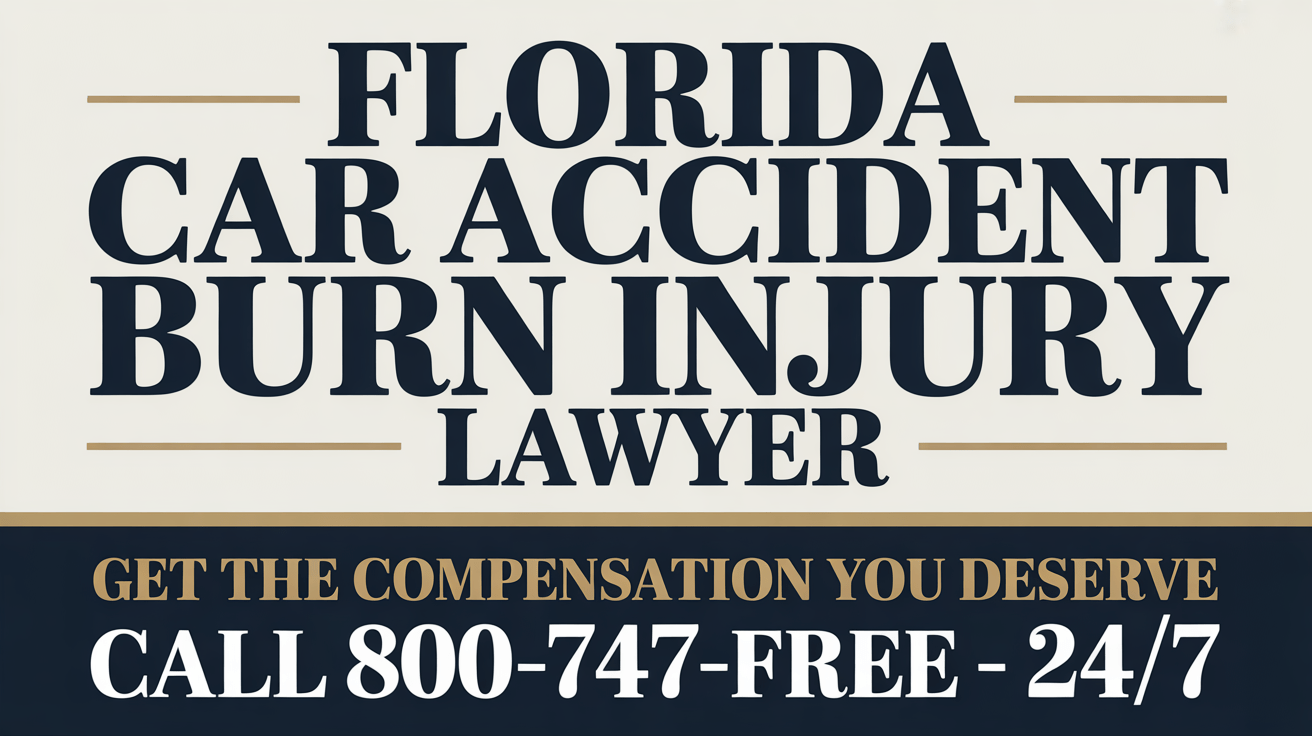
Burn injuries in Florida car accidents often arise from violent impact forces, compromised vehicle systems, or dangerous materials present at the scene. Common causes include fuel tank explosions, airbag chemical burns, electrical system fires, and hazardous cargo spills, each presenting distinct risks to occupants and bystanders. Identifying the source of the burn is an essential step in evaluating liability, medical causation, and the full scope of damages.
Fuel Tank Explosions
Some Florida car accident burn injuries occur when a fuel tank ruptures, leaks gasoline, and creates conditions for ignition during or after a collision. Rear-end impacts, rollovers, defective tank placement, damaged fuel lines, or failed protective shielding may allow vapors to spread near sparks, hot engine parts, or electrical components. In serious crashes, flames can develop quickly, leaving occupants, rescuers, and nearby motorists with little time to respond safely.
Careful investigation may examine crash forces, maintenance history, product defects, and whether reasonable vehicle fire prevention measures were used. Aftermarket safety features, when properly selected and installed, may reduce certain risks, but they do not replace sound vehicle design or responsible maintenance. Legal review may help identify liable parties and support recovery for medical care, service needs, and long-term harm.
Airbag Chemical Burns
Although airbags are designed to reduce traumatic impact injuries, their deployment can also cause chemical burns in Florida car accidents when heated gases, alkaline residues, and particulate matter come into contact with the skin or eyes. These injuries may involve several types of chemical burns, including irritation, alkali burns, and thermal-chemical damage from hot byproducts released during inflation.
Victims may suffer redness, blistering, blurred vision, coughing, or respiratory irritation after exposure to cabin residue that settles on clothing, upholstery, and exposed skin. Seatbelt exposure can worsen contact injuries when residue becomes trapped against the chest, neck, or shoulder. Some materials, including flame retardants in interior components, may further irritate compromised skin. Prompt decontamination, medical evaluation, and careful documentation help caregivers, responders, and legal advocates protect injured persons and support appropriate recovery.
Electrical System Fires
Beyond chemical exposure from airbag deployment, vehicle electrical failures can also create serious burn hazards after a Florida car accident. Damaged batteries, severed cables, and exposed connectors may spark when metal components shift during impact. Faulty wiring causes heat buildup, short circuits, or arcing that can ignite interior materials, insulation, or leaking fluids near the engine compartment.
Problems involving automotive ignition timing may also contribute to misfires or overheating when crash damage disrupts normal engine function. First responders, medical providers, and legal advocates should recognize that electrical burns may appear small at first, yet involve deeper tissue injury. Prompt evaluation can protect an injured person’s recovery, while careful investigation helps identify whether poor maintenance, defective components, or collision forces created the fire risk and related harm after the crash.
Hazardous Cargo Spills
When a collision involves a commercial truck, work vehicle, or delivery van, hazardous cargo can spill, creating immediate burn risks for nearby motorists, passengers, and emergency personnel. Fuel, industrial chemicals, cleaning agents, or pressurized materials may ignite, release corrosive vapors, or cause chemical burns on contact. In Florida traffic incidents, investigators may review loading records, placards, driver training, and containment procedures to determine whether regulations were followed.
Safety equipment failures, including defective valves, tanks, seals, or fire suppression systems, can worsen injuries and expand the danger zone. When unsafe cargo containers or related components contribute to harm, product liability claims may also arise. Careful legal evaluation helps identify responsible parties, protect injured individuals, and support recovery efforts for those affected by preventable exposure to hazardous cargo.


Legal Rights of Florida Car Accident Burn Injury Victims
After a serious crash causes burn injuries, Florida law gives injured victims several potential avenues to seek medical care, wage-loss benefits, and compensation for long-term harm.
These rights may involve personal injury protection benefits, claims against negligent parties, and damages for scarring, surgery, rehabilitation, and reduced earning capacity.
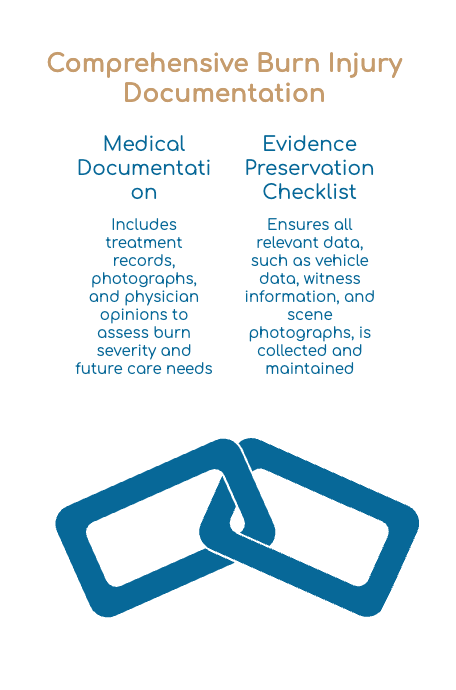
- Prompt medical documentation: Treatment records, photographs, and physician opinions can help establish the severity of burns and the need for future care.
- Evidence preservation checklist: Preserving vehicle data, witness information, clothing, crash reports, and scene photographs helps maintain a clear record before evidence is lost.
- Insurance negotiation strategy: A careful approach may address policy limits, comparative fault claims, and the full value of medical and human losses.
For those committed to serving injured individuals with dignity, understanding these rights helps protect access to care and accountability. Legal guidance may also prevent avoidable delays, undervalued settlements, or pressure to resolve claims before recovery is reasonably understood.
Why Do Florida Car Accident Burn Injuries Happen?
Although many burn injuries are associated with fire, Florida car accident burns can result from several crash-related hazards, including fuel leaks, electrical failures, airbag deployment, hot metal, chemical exposure, and contact with overheated engine components. These injuries often arise when preventable dangers intersect with the force of a collision, placing occupants, bystanders, and first responders at risk.
Negligent maintenance, vehicle inspection failures, and ignored warning signs may allow dangerous conditions to remain uncorrected. Faulty ignition, fuel line leaks, defective wiring, or worn hoses can increase the chance of ignition after impact. Commercial vehicles may present added risks when cargo includes corrosive substances, flammable materials, or poorly secured equipment.
Road design, speeding, distracted driving, and impaired operation can also contribute to severe crashes that expose victims to heat or chemicals. Understanding these causes helps communities, caregivers, and legal professionals identify accountability while supporting safer practices that protect vulnerable people on Florida roads.
What Should You Do After a Florida Car Accident Burn Injury?
After a Florida car accident burn injury, the injured person should seek emergency medical care, even when the full severity is not immediately apparent. Accident evidence should be documented as soon as possible, including photographs, witness information, vehicle damage, and medical records. A burn injury lawyer can then evaluate liability, preserve vital evidence, and explain the legal options available under Florida law.
Seek Emergency Medical Care
When a burn occurs in a Florida car accident, immediate medical evaluation is essential, even if the injury appears limited at first. Burns can worsen quickly, especially when exposure to heat, chemicals, fuel, or smoke affects deeper tissue or breathing. Firefighter response may be needed to control hazards and safely remove injured occupants from vehicles. Prompt ambulance dispatch allows trained personnel to assess burn symptoms, begin cooling measures when appropriate, and monitor for shock or inhalation injuries.
At the hospital, emergency triage helps determine the severity of burns, the need for dedicated care, and whether transfer to a burn center is required. Those assisting an injured person should avoid home remedies, keep the person calm, and encourage professional treatment without delay. Medical care protects health and supports recovery.
Document Accident Evidence
At the scene of a Florida car accident involving burn injuries, preserving evidence can help establish how the crash occurred, what caused the burn, and who may be legally responsible. If it is safe, a trusted helper may record photos of vehicle positions, fire damage, leaking fluids, deployed airbags, skid marks, traffic signals, road debris, and visible injuries. Names and contact information for witnesses, responding officers, and emergency personnel should be documented with care.
Clothing, damaged personal items, medical discharge papers, and vehicle components should be preserved as evidence rather than repaired, discarded, or cleaned. Written notes may also identify smoke, odors, explosions, or delayed fire conditions. Accurate documentation supports truthful reporting, protects injured individuals, and helps ensure that accountability is based on reliable facts.
Contact A Burn Lawyer
Why should legal guidance be sought promptly following a Florida car accident burn injury? Early counsel helps preserve evidence, protect medical priorities, and support those assisting the injured person with responsible decisions. A burn lawyer can review crash facts, identify liable parties, and explain available compensation for treatment, rehabilitation, lost income, and long-term care needs. Families and caregivers should gather emergency documentation, including hospital records, photographs, witness details, and insurance communications.
A practical burn injury checklist may help organize deadlines, follow-up appointments, medication needs, and expense records. Prompt contact also reduces the risk of missed filing limits or damaging statements to insurers. By seeking qualified legal support, the injured person’s advocates can focus on care, stability, and service to recovery while the claim is handled properly and efficiently.
Critical Evidence in a Florida Car Accident Burn Injury Case
Important evidence in a Florida car accident burn injury case often determines whether liability, causation, and damages can be clearly established. Essential proof may include: 1. crash scene evidence, 2. vehicle fire analysis, and 3. medical burn documentation supported by witness and video proof. Each category can help explain how the burn occurred, who may be responsible, and the full extent of the injured person’s losses.
Crash Scene Evidence
When a collision results in burn injuries, crash scene evidence can provide the foundation for proving how the fire, explosion, chemical exposure, or thermal injury occurred. Investigators may examine debris patterns, skid marks, impact locations, fluid trails, damaged guardrails, and surrounding hazards to understand the sequence of events. Scene photographs are especially important because they preserve conditions that may change quickly after emergency response, cleanup, or exposure to weather.
Roadway conditions, including lighting, construction zones, surface defects, signage, and traffic control devices, may help establish whether another party failed to exercise reasonable care. For injured people and those serving them, careful preservation of this evidence supports accountability, fair evaluation of damages, and a clearer understanding of preventable dangers that contributed to severe burn harm. In Florida claims, timing often matters.
Vehicle Fire Analysis
Because burn injuries often depend on how a fire began and spread, vehicle fire analysis is a central part of evaluating a Florida car accident burn injury case. Investigators may examine fuel system damage, electrical failures, battery involvement, interior materials, and post-impact ignition sources. Applying fire dynamics basics helps determine whether flames moved rapidly because of spilled fuel, trapped heat, airflow, or compromised safety systems.
This analysis may also clarify whether a manufacturing defect, a negligent repair, or a severe collision contributed to the fire. For those serving injured people and their families, careful preservation of burned components can help preserve the truth before evidence is altered or discarded. Vehicle fire findings may also address smoke inhalation risks, evacuation barriers, and the time available for escape after impact.
Medical Burn Documentation
Once emergency care begins, medical burn documentation becomes one of the most important records in a Florida car accident burn-injury case. These records help explain the depth, location, and progression of injuries, while showing how treatment affected recovery. Accurate burn severity documentation may include diagnostic findings, photographs taken in clinical settings, pain assessments, infection notes, and physician evaluations.
When surgery is required, skin graft reports can show the extent of tissue loss and the need for future care. Treatment timeline evidence also helps connect the crash-related burns to hospital visits, expert care, therapy, and ongoing limitations. Providers may note wound care compliance, including dressing changes, medication use, and follow-up attendance. Careful documentation allows advocates, insurers, and courts to evaluate damages with fairness and responsible attention.
Witness And Video Proof
Medical records show the nature and course of burn injuries, but witness and video proof can help explain how the crash occurred and why the burns happened. Eyewitnesses may describe speeding, distraction, unsafe lane changes, fuel leakage, smoke, or delayed emergency response. Surveillance footage, dash cameras, traffic cameras, and bystander recordings can confirm impact points, vehicle movement, and post-crash fire conditions.
This evidence may support Presumed Negligence when conduct or circumstances point clearly toward fault under Florida law. It can also strengthen Damages Proof by connecting the collision, fire exposure, and resulting harm to the injured person’s losses. Prompt collection is vital because recordings may be overwritten and witnesses may become harder to locate. Careful preservation helps responsible advocates serve injured people with accuracy and integrity.
Long-Term Effects of Florida Car Accident Burn Injuries
Florida car accident burn injuries may result in long-term consequences that extend well beyond initial medical treatment. Permanent scarring, chronic pain, and emotional trauma can affect a victim’s physical function, mental health, and overall quality of life. These lasting effects often become central factors in evaluating the full scope of damages in a burn injury claim.
Permanent Scarring
In the months and years following a serious crash, burn injuries may leave permanent scarring that affects both physical function and personal appearance. Raised, tightened, or discolored scar tissue can limit movement around joints, restrict facial expression, or interfere with daily caregiving, work, and community responsibilities. For those committed to serving others, these visible and functional changes may create lasting barriers that require careful medical planning and consistent support.
Scar Treatment Options may include pressure garments, silicone therapy, laser procedures, steroid injections, and supervised rehabilitation to improve flexibility and appearance. In more severe cases, Burn Reconstruction Surgery may be considered to release contracted tissue, revise scarred areas, or restore mobility. Documentation of these needs can help establish the long-term impact of burn-related scarring after a Florida collision.
Chronic Pain
Beyond permanent scarring, burn survivors may face chronic pain that persists long after the visible wounds have stabilized. This pain may arise from nerve damage, graft sites, contractures, or hypersensitive skin affected by heat, friction, or movement. For injured occupants, ongoing medical oversight can be critical, especially when pain interferes with work, caregiving, mobility, and daily service to family or community.
Treatment plans may include medication management, pharmaceutical coverage, chronic rehab, injections, occupational support, and other therapy options designed to preserve function. Severe pain may also support claims for disability benefits when a survivor cannot return to prior employment. In Florida car accident cases, documentation from physicians, therapists, and rehabilitation providers helps establish the duration, severity, and financial impact of long-term burn-related pain for fair recovery.
Emotional Trauma
Although physical wounds may become stable, emotional trauma can remain a serious long-term consequence of a car accident or burn injury. Survivors may experience fear, shame, grief, or distress connected to disfigurement, painful treatment, and memories of the crash.
PTSD symptoms can include nightmares, avoidance of vehicles, intrusive thoughts, irritability, and heightened reactions to ordinary sounds or medical settings. These effects may interfere with employment, family responsibilities, and the ability to serve others with steadiness and compassion.
Long-term recovery often requires counseling, medical coordination, and practical support from trusted caregivers. Effective coping strategies may include trauma-focused therapy, peer support, structured routines, and gradual exposure to daily activities. Documentation of emotional harm may also help clarify the full impact of the injury in a legal claim.
Proving Liability in Florida Car Accident Burn Injury Cases
When a burn injury follows a Florida car accident, proving responsibility requires a careful examination of how the crash occurred and why the injury became so severe. Investigators may review police reports, vehicle damage, witness statements, traffic camera footage, maintenance records, and evidence of fire or explosion. This process helps identify negligent conduct, such as speeding, distracted driving, impaired driving, unsafe cargo handling, or defective vehicle components.
Liability analysis also considers whether multiple parties contributed to the harm. Comparative negligence rules may reduce compensation if the injured person shares fault, making accurate evidence especially important. Medical records, expert opinions, and burn treatment documentation can link the collision to the extent of the injury and its long-term consequences.
Insurance adjuster tactics may include questioning fault, minimizing burn severity, or arguing that another condition caused the damage. A thorough liability presentation supports accountability, protects the injured person’s dignity, and helps ensure that those responsible are held to the proper legal standard under Florida law.
Dealing With Insurance Companies After a Florida Car Accident Burn Injury
Many insurance disputes after a Florida car accident burn injury begin soon after the crash, often before the injured person understands the full medical and financial impact of the trauma. Adjusters may request statements, medical authorizations, or early settlement discussions while treatment is still developing. Careful communication is critical because burns may require ongoing wound care, surgery, rehabilitation, and Pain Management Options that are not fully known at the outset.
Insurers may also question the seriousness of scarring, disfigurement, infection risks, or emotional distress linked to severe burns. Documentation from physicians, therapists, employers, and caregivers can help present the person’s needs with accuracy and dignity. Lost Wage Claims should be supported by employment records, tax documents, and medical restrictions that show how the injury affects work capacity.
Those assisting burn survivors should encourage patience, the maintenance of organized records, and informed decision-making before accepting any insurer’s valuation of the harm. Professional guidance may reduce avoidable pressure and confusion.
What to Expect During a Florida Car Accident Burn Injury Claim Process
A Florida car accident burn injury claim typically begins with immediate medical treatment, followed by careful evidence collection to document the cause and severity of the injuries. The insurance claim review may involve medical records, liability assessments, wage loss documentation, and negotiations over damages. If a fair settlement is not reached, the claim may proceed toward litigation, where fault, causation, and compensation are formally contested.
Immediate Medical Treatment
After a serious Florida car accident, immediate medical treatment is the first and most important step in a burn injury claim. Emergency responders, trauma physicians, and burn experts evaluate the severity of burns, stabilize the patient, reduce the risk of infection, and begin pain management. Their care protects health while creating burn-related documentation that may later support the claim.
Medical records can show diagnosis, treatment timing, procedures, prescriptions, and future care needs. Family members or caregivers may assist by preserving discharge instructions and ensuring follow-up appointments are kept. Although witness statement collection is often handled later, early identification of people who observed the crash or injuries may help prevent loss of important information. Prompt treatment also demonstrates that the injured person acted responsibly and sought necessary care without unnecessary delay.
Evidence Collection Steps
Once medical care is underway, the focus of a Florida car accident burn injury claim often shifts to preserving evidence before it is lost, repaired, deleted, or forgotten. Careful collection supports truth, accountability, and fair service to the injured person’s needs. Photo evidence of burns, vehicles, roadway conditions, fuel leaks, airbag deployment, and damaged safety equipment may help show how the harm occurred.
Scene safety must guide every effort, so no one gathers evidence in a hazardous area. EMT documentation can record early symptoms, burn severity, and statements made near the time of impact. Fire department reports may include information on smoke, flames, explosions, or extraction details. Witness preservation includes obtaining names, contact information, and timely statements, especially when memories may fade, and an Insurance dispute later develops.
Insurance Claim Review
When an insurance claim begins, the review process may involve several layers of investigation, including coverage analysis, fault evaluation, medical record review, and assessment of burn-related damages. Adjusters may examine police reports, photographs, witness statements, treatment records, and repair documentation to determine how the crash occurred and which benefits may apply.
In burn injury matters, the review may also consider emergency care, infection risk, scarring, functional limits, and future medical needs. Issues such as Faulty Fire Safety systems, leaking fuel components, or neglected Vehicle Maintenance may receive close attention when determining responsibility. A thorough review helps injured people, caregivers, and advocates understand the claim’s posture, available coverage, and documentation gaps, while supporting informed decisions that prioritize recovery, dignity, and practical assistance after a serious Florida collision.
Settlement Or Litigation
As the claim develops, the injured person may face a choice between settlement negotiations and formal litigation, depending on liability disputes, insurance limits, medical prognosis, and the insurer’s willingness to evaluate the burn injuries fairly. Settlement may provide a resolution without trial, preserving time, privacy, and resources for recovery. Expert negotiation can present treatment records, evidence of scarring, wage loss, and future care needs in a structured demand. If the insurer minimizes pain, disfigurement, or long-term limitations, litigation may become necessary.
Filing suit allows discovery, sworn testimony, medical opinions, and court oversight to clarify disputed facts. A disciplined insurance strategy considers policy coverage, comparative fault, and the value of permanent harm. Each path should protect the injured person’s dignity while pursuing fair compensation for recuperation, stability, and service.
Compensation for Florida Car Accident Burn Injury Damages
Compensation for Florida car accident burn injury damages may include both economic and non-economic losses, depending on the severity of the burns, the available insurance coverage, and the long-term effect on the injured person’s life. In serious cases, recovery may require careful documentation, medical opinions, and evidence showing how the injury has changed daily functioning, employment, and personal independence.
A lawyer may evaluate every responsible party, including negligent drivers, vehicle owners, commercial carriers, or manufacturers, when defective parts contributed to the fire. Insurance bad faith may also become relevant if an insurer unreasonably delays, denies, or undervalues a valid claim.
A solid court strategy considers liability evidence, medical proof, policy limits, and the likelihood that a jury will understand the full harm caused by disfigurement or permanent impairment. Effective advocacy helps ensure that compensation reflects present needs, future care, and the injured person’s dignity.
Economic vs Non-Economic Damages in Florida Car Accident Burn Cases
In Florida car accident burn cases, damages are often divided into economic losses, such as medical bills and lost wages, and non-economic losses, including pain, scarring, and emotional trauma. Economic damages rely on records and financial documentation, while non-economic damages require careful evidence of how the injury affects daily life. Proving the full value of both categories is critical to presenting a complete and credible claim.
Medical Bills And Lost Wages
After a serious burn injury from a Florida car accident, medical bills and lost wages often form the foundation of an injury claim. Economic damages may include emergency care, hospitalization, surgery, rehabilitation, medication, Scar tissue treatment, and follow-up visits. These costs should be supported by records, invoices, and physicians’ statements so that the claim reflects the full financial burden.
Lost wages may also be recoverable when the injured person is unable to work during treatment or recovery. Pay records, tax returns, employer statements, and disability documentation can help establish income loss and reduced earning capacity. For those serving families, patients, or communities, accurate documentation protects both personal stability and continued responsibility to others. A lawyer may evaluate these losses and present them clearly under Florida injury law.
Pain And Emotional Trauma
While medical expenses and wage loss can be measured through financial records, pain and emotional trauma involve non-economic damages that reflect the human impact of a Florida car accident burn injury. Severe burns may leave lasting pain, disfigurement, sleep disruption, and fear of driving or medical treatment.
Some survivors experience PTSD symptoms, including flashbacks, anxiety, avoidance, and heightened distress around reminders of the crash. These harms can affect family roles, caregiving duties, employment confidence, and the ability to serve others with stability and compassion.
Recovery often requires trauma therapy, consistent medical follow-up, and dependable emotional support from relatives, counselors, faith communities, or support groups. An insurance delay may deepen stress by creating uncertainty during recovery. Non-economic damages recognize these burdens, honoring dignity, resilience, and the personal cost of survival.
Proving Damage Value
Because burn injuries often create both measurable financial losses and deeply personal harm, proving damage value in a Florida car accident case requires a careful division between economic and non-economic damages. Economic damages may include emergency care, surgery, rehabilitation, medication, lost income, reduced earning ability, and future medical needs. Non-economic damages address pain, disfigurement, emotional distress, loss of enjoyment, and the dignity affected by visible scarring.
Documentation timelines are crucial because treatment records, photographs, wage statements, and expert opinions must show how the injury developed and what care remains necessary. Effective insurance negotiation tactics rely on organized proof, credible medical support, and a clear explanation of human impact. This careful presentation helps decision makers evaluate losses fairly while respecting the injured person’s recovery and long-term needs.
When a Florida Car Accident Burn Injury Case Goes to Trial vs Settlement
Although many Florida car accident burn injury cases resolve through settlement, some proceed to trial when the parties cannot agree on liability, the severity of the burns, future medical needs, lost earning capacity, or the value of pain and suffering. Settlement negotiations often allow a claimant to obtain compensation without the delay, expense, and uncertainty of a courtroom. A lawyer may use medical records, expert opinions, photographs, and life-care planning to create leverage with insurers and encourage a fair resolution.
When settlement is not possible, the trial strategy becomes crucial. Counsel may prepare witnesses, organize evidence, and explain how burn injuries affect daily care, dignity, work, and independence. Jury selection also matters because jurors must fairly consider scarring, trauma, and long-term treatment needs. Trial can place the decision before impartial citizens, while settlement preserves control and privacy. The chosen path should reflect the injured person’s needs, proof, and service-centered recovery goals.
Florida Laws That May Affect Your Florida Car Accident Burn Case
Whether a burn injury claim resolves by settlement or trial, Florida law can shape the injured person’s rights, deadlines, available compensation, and burden of proof. These rules guide how responsibility is assessed, how damages are valued, and how parties should act after a serious crash involving fire, chemicals, explosions, or scalding fluids.
Florida law can affect burn injury claims, deadlines, compensation, and the proof needed after a serious crash.
- Comparative fault rules may reduce compensation if the injured person shares responsibility for the collision, making careful investigation important.
- Florida insurance laws may affect available recovery, including personal injury protection benefits and potential claims against negligent drivers, vehicle owners, manufacturers, or other responsible parties.
- Evidence preservation can be critical when burn injuries involve defective fuel systems, unsafe vehicle design, missing maintenance records, or disputed crash facts.
A lawyer serving burn victims may evaluate medical records, witness accounts, photographs, vehicle data, and expert opinions to support a claim that reflects the person’s losses and future care needs.
The Statute of Limitations for Florida Car Accident Burn Injury Cases
After a serious car accident burn injury, Florida’s statute of limitations can determine how long an injured person has to file a lawsuit. In many negligence cases, Florida law generally allows two years from the date of the crash, though certain claims or parties may involve different notice requirements or deadlines. Missing the applicable deadline can prevent recovery, even when the injuries are severe and the facts show preventable harm.
Burn injury claims may involve evidence concerning fire risk, vehicle maintenance, defective components, roadway conditions, or safety engineering. Because this evidence can change or disappear, timely action supports an accurate review of what occurred. Records, photographs, inspection reports, and witness accounts may become harder to obtain as months pass.
For families, caregivers, and community members focused on helping an injured person rebuild, understanding the filing period is essential for responsible planning. The statute of limitations protects legal order, but it also requires prompt attention.
How a Florida Car Accident Burn Injury Lawyer Can Help You
Timely legal action is only one part of a Florida car accident burn injury claim, and an attorney can help preserve rights while building a complete account of the loss. Legal support may guide injured individuals and their families through demanding medical, financial, and practical concerns with steady care.
- Insurance documentation, evidence preservation, and accident investigation may be organized to show how the crash occurred, who was responsible, and how the burn injury affected daily life.
- Medical records, treatment plans, scarring evaluations, and future care needs may be reviewed to support damages connected to pain, disability, lost income, and necessary assistance.
- If a Burn insurance claim denial arises, counsel may assess the insurer’s reasoning, respond with supporting proof, and pursue available legal remedies.
Through this work, an attorney helps present the claim clearly, allowing others involved in the recovery process to serve the injured person more effectively and responsibly.
When to Contact a Florida Car Accident Burn Injury Lawyer
When serious burns occur in a Florida car accident, legal guidance should be considered as soon as emergency medical needs are under control. Burn injuries often require ongoing treatment, careful documentation, and prompt attention to deadlines that may affect a claim. Families, caregivers, and advocates serving an injured person should recognize that early communication with a lawyer can help preserve records, witness information, photographs, medical reports, and details about the crash scene.
A practical time to ask When to Hire is when hospitalization, surgery, skin grafting, infection risk, scarring, lost income, or long-term rehabilitation becomes part of the recovery picture. Contact may also be appropriate if an Insurance Company requests a statement, offers a quick settlement, disputes the severity of the injury, or delays communication. Early consultation does not require immediate litigation. It provides a structured way to understand available options while the injured person focuses on recuperation, stability, and support from those committed to their care.
Why You Need an Experienced Florida Car Accident Burn Injury Lawyer
Early legal contact is only the beginning; the value of representation often depends on the lawyer’s experience with the medical, financial, and liability issues that burn injury cases present. Severe burns may require rapid emergency response, dedicated treatment, grafting, rehabilitation, and long-term care planning. An experienced Florida car accident burn injury lawyer understands how these needs affect damages and future stability.
Effective representation also supports those seeking to serve an injured person’s recovery with order and diligence. Counsel can coordinate burn documentation, review medical records, identify responsible parties, and pursue evidence preservation before vehicles, photographs, electronic data, or witness accounts are lost. These steps help connect the crash, the burn mechanism, and the resulting harm.
Experience is equally important during insurance negotiations, where carriers may undervalue pain, scarring, disability, or future procedures. Skilled legal advocacy helps present the claim fully, protecting resources needed for care, dignity, and restoration.
How to Choose the Right Florida Car Accident Burn Injury Lawyer for Your Case
How should an injured person evaluate counsel after a serious burn crash? Selection should begin with experience in catastrophic injury claims, including vehicle collisions, burn treatment, scarring, infection risks, and long-term rehabilitation needs. The lawyer should understand medical documentation, expert testimony, insurance negotiations, and the lasting personal service required when a client is recovering from trauma.
A careful review should include communication standards, availability, and willingness to explain each step with dignity and patience. Client fee transparency is required because injured people and their families should understand costs, contingency arrangements, and possible case expenses before representation begins. Strong case strategy planning also matters.
Counsel should assess liability, evidence preservation, damages, and settlement timing early, while preparing for litigation if insurers undervalue the claim. The right lawyer combines legal skill with disciplined advocacy, helping the injured person seek accountability, financial recovery, and a measure of stability during a difficult period.
About The Law Offices of Anidjar & Levine
The Law Offices of Anidjar & Levine represent injured people in Florida who need legal guidance after serious motor vehicle accidents, including crashes that cause burn injuries, scarring, and long-term medical complications.
The firm assists clients by reviewing crash reports, medical records, insurance communications, and other materials needed to assess liability and damages.
Its legal team understands that burn injury cases often require prompt action, careful coordination, and respectful service.
Emergency documentation may help connect the injury to the collision, treatment timeline, and future care needs.
Evidence preservation can also be essential, including vehicle data, photographs, witness information, roadway conditions, and available video footage.
The firm handles communications with insurers, evaluates settlement offers, and prepares claims with attention to both immediate losses and lasting effects.
Through organized case management and client-focused support, The Law Offices of Anidjar & Levine helps injured individuals pursue compensation while they concentrate on recovery, stability, and ongoing medical care.
Frequently Asked Questions
Can Burn Scars Affect My Ability to Renew a Driver’s License?
Burn scars usually do not prevent driver’s license renewal, unless they impair vision, movement, or safe vehicle control. Burn scar permanence may matter if contractures, nerve damage, or pain limit the ability to direct, brake, or check mirrors. License renewal eligibility generally depends on functional ability, not appearance. A person serving others responsibly should seek medical evaluation, provide required documentation if requested, and report limitations honestly to protect public safety and maintain lawful driving privileges.
Are Vehicle Recalls Relevant in Florida Burn Injury Accident Cases?
Yes, vehicle recalls may be relevant when a crash causes burn injuries. A recall can help establish causation of a product defect if fuel systems, batteries, airbags, or electrical components contributed to a fire or intensified harm. Investigators often compare recall notices, maintenance records, and expert findings. Separately, Medical negligence standards may apply when treatment worsens burns or scarring. Careful review serves injured persons by identifying all responsible parties.
Can I Sue if Defective Airbags Worsened My Burn Injuries?
Yes, a person may sue if defective airbags worsened burn injuries. A claim may involve the airbag manufacturer, vehicle maker, distributor, or repair provider, depending on the defect and available evidence. Liability coverage may affect recovery from negligent drivers, while insurance responsibility can also arise under product liability or uninsured motorist provisions. Careful investigation helps protect injured individuals, support accountability, and secure resources needed for treatment, rehabilitation, and future care.
Do Burn Injury Claims Differ for Rideshare Passengers in Florida?
Yes, burn injury claims can differ for rideshare passengers in Florida. An injured rideshare passenger may access passenger insurance coverage through the driver’s rideshare policy, depending on app status and fault. Compensation limits may be higher than standard personal auto coverage, but exclusions and coordination with other policies can affect recovery. Careful claim evaluation helps protect medical, income, and long-term care needs while supporting responsible accountability.
Can Child Car Seat Materials Contribute to Burn Injuries?
Yes. Child car seat materials can contribute to burn injuries when plastics, foams, fabrics, or metal components retain heat, melt, or release irritants during a fire or exposure to extreme temperatures. A safety harness may trap a child against heated surfaces, while a chemical restraint or flame-retardant treatment may intensify skin irritation. Caregivers, responders, and advocates should preserve the seat, document damage, and seek a qualified evaluation to determine contributing product factors.
—————————
Florida car accident burn injuries can create lasting medical, financial, and personal consequences.
Victims should understand their rights, document their losses, and seek legal guidance before accepting any insurance offer.
An experienced Florida Car Accident Lawyer can investigate the crash, identify liable parties, and pursue fair compensation for treatment, scarring, disability, lost income, and related damages.
The Law Offices of Anidjar and Levine provides focused representation for injured clients seeking accountability after serious burn injuries in Florida.