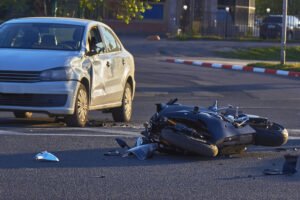
If unsafe road conditions contributed to your Clearwater crash, The Law Offices of Anidjar and Levine can investigate the hazard, identify who controlled the roadway, and explain your options. Our review may include photographs, crash reports, witness accounts, medical records, and maintenance or inspection histories. We can also assess how the condition affected your injuries and document related losses. Florida deadlines and special rules may apply, particularly when a public entity is involved. Learn more from a Clearwater Personal Injury Lawyer. The sections below explain what to evaluate and how we may help.
Main Takeaways
- A Clearwater road-conditions lawyer can assess whether a roadway hazard contributed to a crash or worsened injuries.
- Hazards may include potholes, standing water, debris, poor lighting, faded markings, or missing warnings.
- Investigation may identify whether a city, county, state agency, contractor, or private party controlled the roadway.
- Photos, witness accounts, crash reports, vehicle evidence, and maintenance records can help establish what happened and who may be responsible.
- Claims involving public entities may have special notice rules and deadlines, so prompt legal guidance can help preserve evidence and explain options.
How We Can Help With Your Clearwater Car Accident Road & Highway Conditions Injury Claim
When a road or highway defect contributes to a Clearwater car accident, we investigate how the unsafe condition caused or worsened your injuries. We listen carefully to your account and identify the questions that matter to your recovery and claim.
We gather available evidence, including photographs, witness statements, crash reports, and records of prior complaints or repairs. We also consult qualified professionals when needed to assess the roadway and explain how its condition may have affected the collision. This work supports thorough Claim preparation and helps us present your losses clearly.
Our legal strategy reflects the facts, applicable law, and your goals. We communicate with insurers, respond to disputed issues, and pursue a fair resolution through negotiation or litigation when appropriate. Throughout the process, we keep you informed and treat your concerns with respect. By handling these demands, we aim to protect your interests and help you focus on medical care, family responsibilities, and moving forward.
Understanding Clearwater Car Accident Road & Highway Conditions Injury Cases


Understanding a Clearwater car accident involving a road or highway condition begins with identifying the hazard and how it contributed to the crash. We examine the available evidence, including photographs, crash reports, vehicle damage, and witness accounts, to understand how the roadway affected your safety. This careful review helps us distinguish a condition that may support a claim from an unfortunate event without a clear legal basis.
OUR CONSULTATIONSARE FREE
START YOUR FREE CASE REVIEW

Responsibility can depend on who controlled the road and what duties applied. We may review maintenance records, inspection histories, project documents, and roadway design standards to determine whether a responsible public agency or private party met its obligations. Municipal maintenance budgets may shape how agencies prioritize repairs, but limited resources don’t automatically mean reasonable care wasn’t taken.
We also consider how your injuries have affected your health, work, and family responsibilities. By explaining the evidence and legal issues clearly, we help you make informed decisions and pursue accountability while respecting the public’s need for safer roads.
Don’t Wait. Call Our Florida Personal Injury Lawyers Now!
Common Causes of Clearwater Car Accident Road & Highway Conditions
We often see Clearwater crashes linked to wet, slippery roads, potholes, or uneven pavement that reduce a driver’s control. Poor roadway lighting can make hazards difficult to spot, while missing traffic signs may leave drivers without important warnings or directions. We’ll explain how these conditions contribute to collisions and may affect your options after an accident.
Wet And Slippery Roads


Rain can quickly turn Clearwater roads into hazardous driving surfaces, reducing tire traction and making it harder to stop or control safely. During heavy showers, water may collect on roadways, and drivers who travel too fast can lose control. Hydroplaning risk increases when tires can’t displace water effectively, causing a vehicle to slide across the surface instead of responding to steering. We can reduce these dangers by slowing down, leaving extra space, and avoiding sudden braking or sharp turns. Drivers should also check tire condition and tread, since worn tires may struggle to maintain grip in wet weather. If a crash occurs, we can help you understand your options and pursue accountability where another party’s negligence contributed. Taking wet-road hazards seriously protects everyone who depends on Clearwater’s roads and highways.
Potholes And Uneven Pavement
Potholes and uneven pavement can disrupt a vehicle’s balance, damage tires or suspension, and force drivers to make sudden moves. These hazards may contribute to collisions when drivers swerve into another lane, lose control, or brake unexpectedly. We can help you understand how roadway conditions and maintenance practices may relate to a crash and the injuries that followed.
Public agencies and contractors should follow applicable Pothole repair standards and pavement inspection schedules to identify hazards and address them within a reasonable time. When a dangerous defect remains unrepaired, records, inspection reports, and witness accounts may help establish what those responsible knew or should have known. We’ll review the available evidence, explain your options, and work to hold responsible parties accountable. Through a careful investigation, we can support your recovery and help promote safer roads for everyone in Clearwater.
Poor Roadway Lighting
When roadway lighting fails or provides inadequate visibility, drivers may not see pedestrians, stopped vehicles, curves, or other hazards in time to respond safely. In Clearwater, darkness can make busy roads especially difficult to traverse, particularly during rain or at intersections with limited illumination. Lighting failures may involve burned-out lamps, damaged fixtures, or poorly maintained streetlights. These visibility hazards can reduce a driver’s ability to judge distance and recognize people walking or cycling near the roadway. We all share responsibility for protecting those who travel through our community, but public agencies and other responsible parties must address unsafe conditions. If inadequate lighting contributed to a crash, we can help you examine the circumstances, identify potentially responsible parties, and understand your options for seeking compensation for resulting injuries and losses.
Missing Traffic Signs
Missing traffic signs can leave Clearwater drivers without essential warnings or directions, increasing the risk of collisions at intersections, near curves, and along changing road conditions. Without a stop sign, speed limit, or detour notice, drivers may make conflicting decisions or fail to adjust in time. We all rely on clear guidance to protect ourselves and others, including pedestrians and cyclists. Sign visibility matters: vegetation, construction equipment, poor lighting, or weather damage can obscure a sign even when it remains in place. Sign maintenance helps guarantee signs stay legible, properly positioned, and available when road conditions change. If a missing or obscured sign contributed to a crash, we can document the location, report the hazard, and seek records that may clarify who was responsible for inspection and repairs.
Legal Rights of Clearwater Car Accident Road & Highway Conditions Injury Victims
Unsafe road or highway conditions can cause serious crashes in Clearwater, and injured victims may have legal rights to pursue compensation. We can help you understand those rights and take informed steps while protecting your interests. Depending on the facts, you may be able to recover documented losses from a responsible party, including medical expenses, lost income, and pain and suffering. Florida law may also affect deadlines and how fault influences recovery, so timely guidance matters.
As you focus on recovering and supporting those who depend on you, remember that you can:
- Seek medical care and keep records of treatment and related expenses.
- Preserve photographs, repair estimates, and other evidence of your losses.
- Exercise your Right to refuse recorded statements to an insurer before getting advice.
- Get legal representation to review your options and communicate with insurers.
We can explain the process, assess potential claims, and help you make decisions that serve your family’s needs. Each case depends on its evidence and applicable law.
Why Do Clearwater Car Accident Road & Highway Conditions Injuries Happen?
Road and highway condition crashes in Clearwater often happen when hazards interfere with a driver’s ability to see, react, or maintain control. Heavy rain can create standing water and slick pavement, increasing the risk of skidding or hydroplaning. Potholes, loose gravel, uneven surfaces, and debris may also cause drivers to lose control or swerve into nearby traffic.
Driver visibility can decline when faded lane markings, poor lighting, glare, or overgrown vegetation obscure the road. Work zones can add confusion when signs, barriers, or temporary lane shifts don’t clearly guide drivers. These conditions can leave even attentive drivers with little time to respond.
Roadway design may contribute when intersections, curves, merging lanes, or drainage systems create hazards that aren’t clearly marked or safely maintained. When we understand how road conditions, maintenance, and design interact, we can better determine why a collision occurred and what factors may have put people at risk. Careful attention to these causes supports safer travel for everyone in our community.
What Should You Do After a Clearwater Car Accident Road & Highway Conditions Injury?
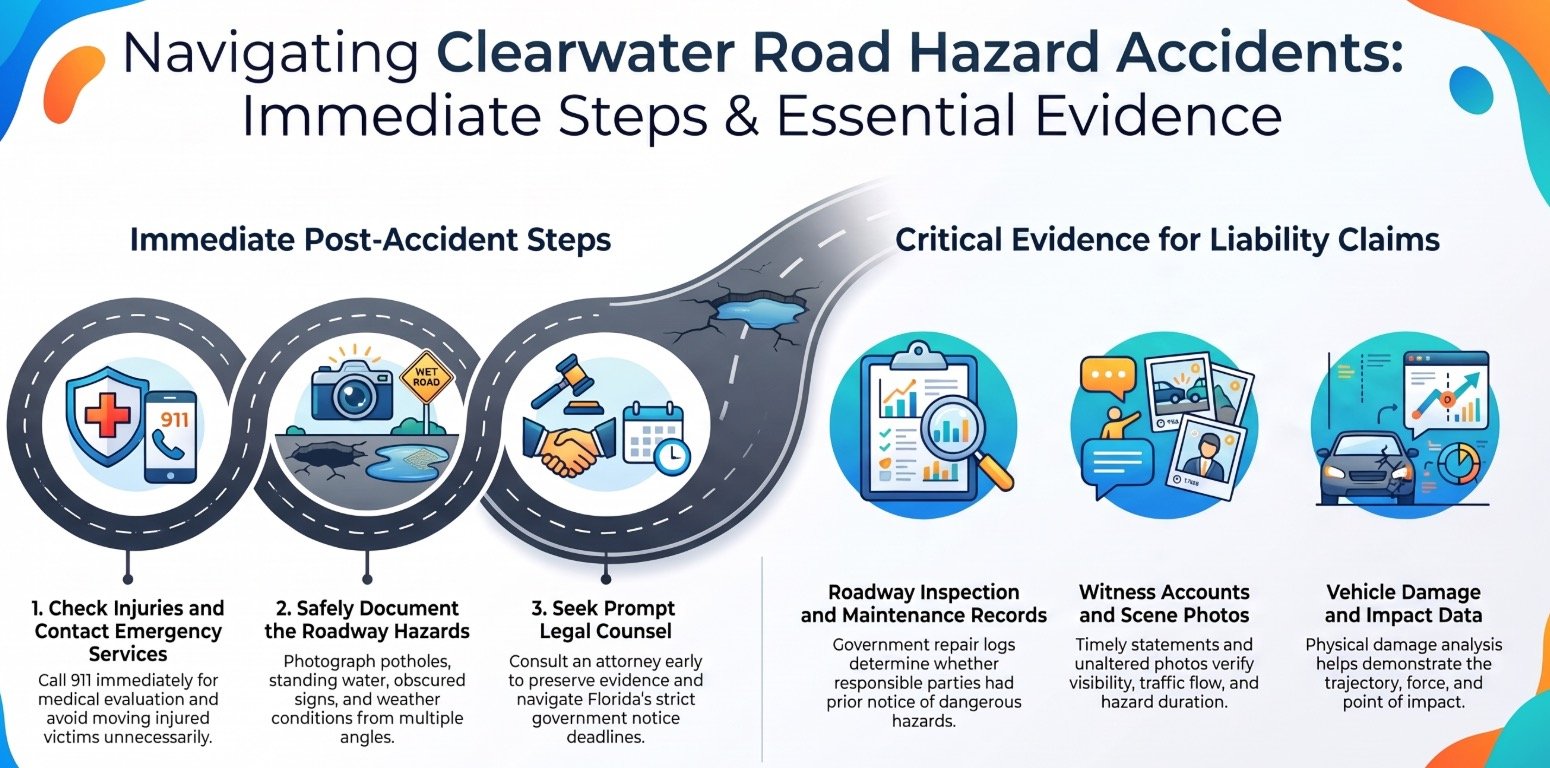
After a Clearwater car accident, we should first check for injuries and call emergency services if anyone needs medical care. If it’s safe, document road and highway conditions with photos, notes, and witness information. We should also contact a lawyer to understand our options and protect our interests.
Check for Injuries
What should we do first when a car accident happens on a Clearwater road or highway? Check yourself and others for injuries, but only approach when it’s safe. If anyone appears seriously hurt, trapped, unconscious, or has trouble breathing, call 911 immediately and follow the dispatcher’s instructions. Don’t move an injured person unless immediate danger, such as fire, requires it; moving them could worsen certain injuries.
Even when injuries aren’t obvious, we shouldn’t assume everyone is unharmed. Shock and adrenaline can mask pain, and symptoms may emerge later. Ask people whether they’re hurt, observe their condition, and seek prompt medical assessment for anyone involved. As part of an effective Emergency response, we should remain calm, offer reasonable help, and avoid actions beyond our training while responders are on their way.
Document Road Conditions
If it’s safe, document conditions that may have contributed to a Clearwater car accident before traffic or weather changes them. Photograph the roadway from several angles, including potholes, loose debris, standing water, faded lane markings, damaged guardrails, and nearby signs or signals. Capture the wider scene as well as close details, and note the date, time, location, and weather. We can ask a witness to record observations, but shouldn’t enter traffic or put anyone at risk. If a hazard remains, report it to the appropriate local or state agency so crews can address it and protect other road users. Keep copies of any report confirmation. These records may help clarify whether a maintenance inspection, drainage design, or other roadway condition played a role in the collision.
Contact a Lawyer
Once we’ve documented the roadway conditions, we should contact a Clearwater car accident lawyer to discuss how those conditions may affect an injury claim. A lawyer can help us preserve evidence, identify responsible parties, and explain any applicable deadlines. We should share photographs, witness details, medical records, and any reports about the road or highway. This information can help counsel assess whether poor maintenance, unsafe design, or inadequate warnings contributed to the crash.
Before choosing representation, we can ask about Attorney availability, relevant experience, and the steps involved in pursuing compensation. A Free consultation may give us an opportunity to understand our options without an initial fee. By seeking guidance promptly, we can protect our rights while focusing on recovery and supporting the people who depend on us.
Critical Evidence in a Clearwater Car Accident Road & Highway Conditions Injury Case
To assess how road or highway conditions contributed to a Clearwater crash, we need evidence that captures the scene, documents the roadway, and links the conditions to the collision. You can help preserve important details by acting promptly, since weather, repairs, and vehicle damage may change or disappear.
We’ll examine several crucial forms of evidence:
- Crash scene photographs showing road defects, signs, lighting, and weather conditions
- Roadway condition records documenting inspections, maintenance, and reported hazards
- Witness statements describing the road conditions and events leading to the crash
- Vehicle damage evidence that may help explain the collision’s direction and force
Crash Scene Photographs
Photographs taken soon after a Clearwater car accident can preserve details about road and highway conditions that may change or disappear before investigators arrive. We can help you document the scene safely, without entering traffic or delaying emergency care. Capture wide views showing the vehicles, roadway layout, nearby signs, and weather, then take closer images of hazards such as standing water, debris, damaged pavement, or obscured markings. Use varied Photo angles to show each condition’s location and scale, and include surrounding landmarks that help establish where the images were taken. Don’t alter, crop, or filter original files; metadata preservation can help retain timestamps and other image details. If you’re injured, ask a trusted person to take photographs when practical. These images may help clarify what happened and support a fair review of responsibility.
Roadway Condition Records
Roadway condition records can help establish whether a hazardous surface, damaged pavement, or inadequate maintenance contributed to a Clearwater car accident. We can review maintenance logs and inspection reports to learn when crews last assessed the road, what defects they documented, and whether repairs were planned or completed. These records may identify recurring drainage problems, potholes, uneven pavement, or missing warning signs. We can also seek work orders, repair invoices, and communications among agencies or contractors responsible for the roadway. Comparing those materials with the crash location and date can help clarify whether a dangerous condition existed and whether responsible parties had notice of it. Preserving these records promptly matters because routine retention policies may cause you to lose them. By reviewing this evidence, we can help you pursue accountability and protect others on the road.
Witness Statements
Witness statements can clarify how road and highway conditions contributed to a Clearwater car accident. We can speak with people who saw the crash, noticed a hazard beforehand, or arrived soon after. Their accounts may help establish visibility, traffic flow, warning signs, and how long a dangerous condition existed. We’ll ask focused questions and compare each account with available roadway records to identify consistent details and meaningful differences.
Witness credibility matters because an account’s reliability can affect how insurers and other decision-makers assess the claim. We’ll consider what each person could observe, when they observed it, and whether their recollection has changed. Prompt statement preservation can protect important details before memories fade or witnesses become difficult to locate. If you witnessed a collision, we encourage you to share what you saw accurately and respectfully, helping everyone involved understand the circumstances.
Vehicle Damage Evidence
Vehicle damage can help show how a Clearwater crash unfolded and whether road or highway conditions contributed to it. We can examine dents, scrape patterns, broken components, and impact locations to understand how the vehicles moved and where contact occurred. This evidence may support accounts of a collision caused by standing water, uneven pavement, debris, or a poorly marked hazard. Photographs taken soon after the crash can preserve details before repairs or towing alter the vehicles. We should also obtain inspection records, Repair cost estimates, and, when applicable, a total loss valuation. These documents help establish the extent of damage and the financial consequences of the collision. By preserving and reviewing this evidence, we can present a clearer account of what happened and help you pursue fair compensation.
Long-Term Effects of Clearwater Car Accident Road & Highway Conditions Injuries
Road and highway conditions can contribute to injuries that last long after a Clearwater car accident. We’ll explain how chronic pain and lasting mobility limitations may affect your daily activities and independence. We’ll also consider the emotional and psychological effects that can shape your recovery.
Chronic Pain
Chronic pain can develop after a Clearwater car accident, even when initial injuries seem manageable. Road hazards, sudden impacts, and delayed treatment may contribute to persistent discomfort that affects sleep, concentration, and daily responsibilities. We encourage you to seek medical evaluation if pain persists or changes, since timely documentation can help your care team identify the source and recommend appropriate treatment. A physician may coordinate Pain Management through medication, therapy, or other evidence-based approaches tailored to your condition. Follow the treatment plan and keep records of symptoms, appointments, and expenses. These steps can support your recovery and help us understand how the collision has affected your life. If ongoing pain interferes with work or family duties, we can explain your legal options and help you pursue compensation for related losses while you focus on your health.
Lasting Mobility Limitations
Lasting mobility limitations can follow a Clearwater car accident, particularly when injuries affect the spine, joints, or nerves. You may find it harder to walk, lift, drive, or complete daily tasks, especially if fractures, nerve damage, or surgery restrict your movement. We can help you understand how these limitations may affect your ability to work, care for loved ones, and serve your community.
Recovery needs vary. Physical therapy, mobility aids, home modifications, and Assistive technology may support greater independence, while adaptive recreation can help you remain active within your abilities. Some people regain function over time; others need ongoing care or permanent accommodations. Documenting treatment, functional restrictions, and future medical recommendations can clarify the injury’s long-term impact. We can assess how your mobility needs relate to your accident and explain potential compensation for continuing losses.
Emotional and Psychological Effects
After a Clearwater car accident, emotional and psychological effects can persist long after physical injuries begin to recover. You may experience post-traumatic stress, including intrusive memories, sleep difficulties, or heightened alertness around traffic. Driving anxiety can make familiar routes feel unsafe and interfere with work, caregiving, and community responsibilities. We encourage you to take these symptoms seriously rather than dismissing them as a normal part of recovery. A qualified mental health professional can assess your needs and recommend counseling or other appropriate care. Keep records of symptoms, appointments, and treatment expenses, since this information may help explain how the crash has affected your daily life. When you seek compensation, we can present these lasting effects clearly while supporting your efforts to regain stability and keep serving the people who depend on you.
Don’t Wait. Call Our Florida Personal Injury Lawyers Now!
Proving Liability in Clearwater Car Accident Road & Highway Conditions Injury Cases
When a road defect or unsafe highway condition contributes to a Clearwater car accident, proving liability requires more than showing that the roadway was dangerous. We must identify who controlled the location and establish that this party knew, or reasonably should have known, about the hazard and failed to address it. Evidence may include photographs, witness accounts, crash reports, inspection records, repair histories, and measurements documenting the defect.
Responsibility can involve a city, county, state agency, or private contractor, depending on the road and the work performed. We examine maintenance contracts and inspection procedures to determine who had a duty to monitor or repair the area. Governmental immunity may limit claims against public entities, and strict notice deadlines or special filing rules can apply. We assess these requirements early and preserve relevant evidence before it disappears.
Dealing With Insurance Companies After a Clearwater Car Accident Road & Highway Conditions Injury
Insurance companies may contact you soon after a Clearwater crash involving unsafe road or highway conditions, but their questions don’t establish who is responsible. We can help you respond carefully, protect your interests, and stay focused on your recovery and responsibilities to those who depend on you.
Before answering questions, confirm who is calling and which insurer they represent. You may provide basic details, but don’t speculate about the crash, accept blame, or discuss injuries until you understand their full impact. Recorded conversations can preserve your words, so listen closely and ask for time to review any request before agreeing.
An adjuster may request broad authorizations, challenge the connection between the roadway hazard and your injuries, or present an early offer. These settlement tactics may undervalue your losses or overlook the road conditions involved. We can review communications, explain what information you should share, and help you avoid signing releases that limit your options. Keep copies of letters, messages, and related documents.
What to Expect During a Clearwater Car Accident Road & Highway Conditions Injury Claim Process
We’ll begin with an initial case review to understand how the road or highway conditions contributed to your crash and injuries. Next, we’ll collect relevant evidence and assess liability, including whether another party may be responsible. Once we’ve evaluated the claim, we’ll explain the available options for pursuing a resolution.
Initial Case Review
During an initial case review, we’ll examine how the crash occurred, road and highway conditions, your injuries, and the available evidence. This discussion helps us understand how hazards such as poor visibility, uneven pavement, or inadequate signage may have contributed to the collision. We’ll also ask how your injuries affect your health, work, and daily responsibilities so we can consider the crash’s full impact.
An attorney consultation gives you an opportunity to explain your concerns and learn how Florida law may apply. We’ll review the potential parties involved, discuss available options, and outline the general steps in pursuing a claim. You can ask questions about deadlines, communication, and what decisions may require your approval. We’ll provide a candid assessment, explain what remains uncertain, and help you make informed choices that support your recuperation and protect your interests.
Evidence Collection
As we investigate your Clearwater car accident claim, we’ll gather evidence that can clarify how road or highway conditions contributed to the crash and the extent of your injuries. We may photograph the scene, including damaged pavement, missing signs, standing water, and debris, before conditions change. We’ll also seek maintenance records, construction notices, weather reports, and available surveillance footage from nearby businesses or traffic cameras. Medical records and receipts can document your treatment, expenses, and recovery needs. Evidence preservation matters because road repairs, vehicle disposal, or routine recording practices may erase important details. We’ll identify relevant materials promptly and request that they be retained. Your account can guide our search, so we’ll ask you to share what you remember and provide any photographs or documents you have. This careful collection helps us present a clear, well-supported account of your losses.
Liability Assessment
After gathering the available evidence, we assess who may be legally responsible for the crash and how road or highway conditions contributed to it. We examine whether a driver, property owner, contractor, or government agency failed to act reasonably. For example, a responsible party may have ignored a known hazard, failed to repair dangerous pavement, or provided inadequate warnings. We also consider whether the condition was foreseeable and whether it contributed to your injuries.
Comparative negligence may affect how we allocate responsibility if your actions also contributed to the collision. We review each party’s conduct carefully and explain how Florida law may apply. When a public agency may be responsible, notice requirements and filing deadlines can differ from those for private parties. We identify the applicable rules and help you understand the evidence needed to support a fair assessment.
Claim Resolution
Once we’ve assessed liability, we work to resolve your claim by presenting evidence of how the road or highway condition caused the crash and documenting your injuries and losses. We gather medical records, repair estimates, wage information, photographs, and witness accounts to support a complete demand. We’ll communicate with insurers, evaluate their offers, and explain how each proposal compares with your documented damages and future needs. Settlement timelines vary based on injury recovery, evidence, and insurer responses; we’ll keep you informed and work to avoid unnecessary delays. If negotiations don’t produce a fair result, we can discuss filing a lawsuit and preparing your case for court. Before you accept payment, we’ll review release agreements with you, clarify what rights you’d give up, and help you make an informed decision that protects your interests and supports your recovery.
Compensation for Clearwater Car Accident Road & Highway Conditions Injury Damages
When unsafe road or highway conditions contribute to a Clearwater car accident, the injured person may seek compensation from the party responsible for creating or failing to address the hazard. We can help you identify the responsible parties and document how the incident affected your health, work, and daily responsibilities. Depending on the evidence and applicable law, a claim may include medical expenses for emergency care, treatment, medication, rehabilitation, and future medical needs related to the injury. You may also seek recovery for lost wages when injuries prevent you from working, as well as reduced earning capacity if they limit your ability to return to your occupation. Keep bills, pay records, medical notes, and roadway photos, as these materials can show the scope of your losses and connect them to the crash. We’ll present a clear, well-supported claim so you can focus on recovering and supporting those who depend on you.
Economic vs. Non-Economic Damages in Clearwater Car Accident Road & Highway Conditions Cases
We distinguish economic losses, such as medical bills and lost income, from non-economic harm, including pain and reduced quality of life. The condition of the road or highway may affect how we assess the cause and extent of your injuries. We’ll explain what evidence can help establish each type of damage and support your claim.
Economic Losses
After a Clearwater car accident caused by unsafe road or highway conditions, economic losses include the measurable financial costs of your injuries and vehicle damage. We can help you document these expenses and connect them to the crash. Keep medical bills, repair estimates, receipts, and records of any transportation or rehabilitation costs. Lost income may include wages you missed while recovering, attending appointments, or following medical restrictions. If your injuries limit the work you can perform or reduce your future earnings, reduced earning capacity may also be considered. We’ll work with you to gather employer statements, pay records, medical opinions, and other evidence that supports these claims. A careful accounting shows how unsafe conditions affected your finances and supports a fair compensation demand, while letting you focus on recovery and responsibilities to others.
Non-Economic Harm
Beyond medical bills, lost income, and vehicle repairs, a Clearwater crash caused by unsafe road or highway conditions may also bring non-economic harm. These losses reflect how an injury changes your daily life, not just your finances. We recognize that persistent pain can limit ordinary activities, interrupt sleep, and reduce your ability to serve your family or community. Pain impact may also include emotional distress, anxiety about travel, or diminished enjoyment of life. A serious collision can create relationship strain when loved ones take on caregiving duties or when injuries restrict shared routines. Unlike economic losses, these harms do not come with a clear invoice, yet they can affect your well-being for months or longer. We can help you understand how non-economic damages differ from measurable financial losses in a road-condition claim.
Proving Damages
How do we prove the full impact of a crash caused by unsafe road or highway conditions? We connect reliable evidence to each loss and show how the roadway hazard contributed to the collision. Damage documentation may include medical records, bills, repair estimates, pay statements, photographs, and witness accounts. These records help establish economic damages, such as treatment costs, lost income, and property damage.
We also explain non-economic harm, including pain, emotional distress, and limits on daily activities. Your account, supported by medical notes and statements from people who know you, can help show how injuries changed your life. We’ll assess future expenses, including ongoing care and reduced earning capacity, with appropriate professional opinions. By presenting clear, consistent evidence, we can help decision-makers understand your full losses and pursue fair compensation.
When a Clearwater Car Accident Road & Highway Conditions Injury Case Goes to Trial vs. Settlement
When a road defect, unsafe intersection, or other roadway condition contributes to a Clearwater car accident, the case may resolve through settlement or proceed to trial. We’ll review the evidence, your injuries, and how they affect your daily life before advising you on possible next steps.
Settlement negotiations can provide a timely resolution without requiring you to testify in court. We’ll present supporting records, explain how the roadway condition contributed to the crash, and evaluate any offer against your documented losses and future needs. You’ll make the decision whether to accept an offer, and we’ll explain its potential consequences clearly.
If the parties can’t reach a fair agreement, trial preparation becomes critical. We’ll organize evidence, consult qualified professionals when appropriate, prepare witnesses, and develop a clear account of how the incident affected you. At trial, a judge or jury considers the evidence and decides the outcome. We’ll guide you through each stage, helping you pursue accountability while you focus on recovery and serving those who depend on you.
Florida Laws That May Affect Your Clearwater Car Accident Road & Highway Conditions Case
Florida law can shape who’s responsible for a crash caused by an unsafe road or highway condition and what compensation you may pursue. We can help you understand how negligence rules, public-entity protections, and roadway duties may affect your claim. The facts matter, including who controlled the road, what hazard existed, and whether a responsible party had notice and a reasonable opportunity to address it.
- Comparative fault: Florida may reduce your recovery if your own negligence contributed to the crash.
- Governmental immunity: Special rules can limit claims against government entities, although exceptions may apply when negligent road maintenance creates a dangerous condition.
- Maintenance standards: We can examine applicable duties, inspection records, repair history, and whether the responsible agency followed required practices.
- Evidence and responsibility: Photos, witness accounts, crash reports, and agency records can help identify the hazard and show how it contributed to your injuries.
We’ll assess these issues carefully and explain your options, so you can make informed decisions while focusing on your recovery and responsibilities to those who depend on you.
Don’t Wait. Call Our Florida Personal Injury Lawyers Now!
The Statute of Limitations for Clearwater Car Accident Road & Highway Conditions Injury Cases
Because roadway-condition claims may involve a government agency, strict deadlines can apply to a Clearwater car accident injury case. Florida law generally gives injured people two years to file a negligence lawsuit, though exceptions may change the applicable statute of limitations. Claims involving a state or local government can require an earlier written Government Notice, often within three years, and separate rules may apply to claims against different agencies. Notice requirements and lawsuit deadlines are not interchangeable; meeting one does not automatically satisfy the other.
We should identify who controlled or maintained the road and determine whether a public entity may be responsible. Relevant dates can include the crash, discovery of an injury, and any required notice, so delays can put a valid claim at risk. If you’re recovering while supporting your family or serving your community, preserving your right to seek accountability may matter to others, too. We should confirm the current deadlines for your circumstances promptly, because missing a required deadline can prevent recovery, regardless of the evidence.
How a Clearwater Car Accident Road & Highway Conditions Lawyer Can Help You
A Clearwater car accident road and highway conditions lawyer can help us identify who controlled the roadway, preserve evidence, and assess whether a dangerous condition contributed to the crash. We can investigate maintenance records, construction plans, inspection reports, and prior complaints to understand how the hazard developed and whether responsible parties had notice. This work supports an informed Legal Consultation and a practical Case Strategy focused on accountability and your recovery.
We can also help by:
- Securing photographs, video, witness accounts, and vehicle data before evidence disappears.
- Determining whether a city, county, state agency, contractor, or private owner may share responsibility.
- Consulting roadway, engineering, and medical professionals to evaluate the hazard and resulting injuries.
- Organizing records and presenting a clear account of how the crash affected your health, work, and daily responsibilities.
When to Contact a Clearwater Car Accident Road & Highway Conditions Lawyer
Contact us as soon as possible after a crash involving a road or highway hazard, while evidence is still available and deadlines can be assessed. Early legal guidance can help us identify what information may be important, such as photographs, witness details, and records of the roadway’s condition. If you’re receiving medical care, focus on your health while preserving any documents related to the collision and your treatment.
Time sensitive deadlines may apply, particularly when a government agency or public entity could be responsible for a dangerous road condition. Notice requirements and filing periods can differ, so waiting may limit your options. We can review the circumstances, explain the process, and help you understand what steps may be appropriate.
You don’t need to have every detail organized before reaching out. Contact us when you’re able, even if the cause of the crash remains uncertain. A timely conversation can help protect relevant information and support a careful assessment of your situation. We’ll listen and provide clear direction.
Why You Need an Experienced Clearwater Car Accident Road & Highway Conditions Lawyer
When a crash involves a dangerous road or highway condition, an experienced Clearwater car accident lawyer can help us determine who may be responsible and what evidence supports your claim. We can investigate whether a public agency, contractor, or other party failed to address a known hazard. That work may include reviewing Municipal maintenance contracts, roadway inspection schedules, repair records, and prior complaints to understand who had notice and responsibility.
We can also help preserve evidence before it disappears. Photographs, witness accounts, vehicle data, and roadway measurements may clarify how a defect contributed to the collision. By coordinating with qualified experts, we can assess whether poor drainage, missing signs, damaged pavement, or another condition created an unreasonable risk.
Our role is to explain your legal options, document the harm, and pursue accountability through the appropriate process. When we build a careful, evidence-based claim, we help protect your interests and support safer roads for everyone who depends on them.
How to Choose the Right Clearwater Car Accident Road & Highway Conditions Lawyer for Your Case
Choosing the right Clearwater car accident road and highway conditions lawyer means looking for someone who understands both injury claims and the rules governing public roads. Ask how the lawyer investigates hazards, preserves evidence, and identifies the responsible public or private party. Experience with roadway design, maintenance, signage, and construction issues can help us assess whether counsel understands the facts that may shape our claim.
We can review attorney credentials, including licensing, relevant case experience, and professional standing. During a consultation, we should explain what happened and ask how the lawyer would approach our case, communicate updates, and address questions. Clear answers help us decide whether we can work collaboratively effectively.
We should also discuss Fee structures before hiring counsel. Ask what costs may arise, how fees are calculated, and whether we owe payment if we don’t recover compensation. Comparing these terms and evaluating each lawyer’s responsiveness can help us make an informed choice while keeping our focus on recovery and the people who depend on us.
About The Law Offices of Anidjar & Levine
The Law Offices of Anidjar & Levine represents people injured in car accidents, including crashes involving unsafe road or highway conditions in Clearwater. We work to understand how a dangerous roadway, poor maintenance, or inadequate warnings may have contributed to a collision. When you contact us, we’ll listen to your account, explain your options, and discuss practical next steps.
Our Firm history reflects a commitment to helping injured people pursue accountability and seek compensation for their losses. We approach each case with attention to the facts, relevant records, and the effects an injury has had on your daily life. If a government agency or other party may be responsible, we can assess the circumstances and identify issues that may affect your claim.
Our community involvement also reflects how much we value serving others. We understand a serious crash can disrupt a family’s stability, so we aim to provide clear guidance and responsive support while you focus on recovery.

Frequently Asked Questions
Can Poor Road Design Make a Government Agency Responsible for a Clearwater Car Accident?
Yes, poor road design can make a government agency responsible for a Clearwater car accident if a dangerous condition contributed to the crash and the agency had notice or should have discovered it. We can help you examine roadway sightline obstructions, unsafe intersection geometry, maintenance records, and prior complaints. Government claims face strict notice deadlines and legal limits, so we’ll assess the evidence promptly and explain your options for pursuing accountability and protecting others.
Are Road Construction Companies Liable for Crashes Caused by Unsafe Work Zones?
Yes, road construction companies can be liable when unsafe work zones contribute to crashes. We’ll examine whether Contractor negligence, such as failing to maintain barriers or follow safety plans, created an unreasonable hazard. We’ll also assess whether Work zone signage clearly warned drivers about changing conditions. Liability depends on the evidence, applicable duties, and how the hazard contributed to the collision. We can help you identify responsible parties and pursue appropriate compensation.
Can I Pursue a Claim if a Defective Traffic Signal Contributed to My Accident?
Yes, we can help you pursue a claim if a defective traffic signal contributed to your accident. We’ll assess who controlled, installed, or maintained the signal and whether a failure caused or worsened your injuries. Evidence of a signal malfunction, including photographs, witness accounts, and timing data, can clarify what happened. A review of maintenance records may reveal prior complaints or missed repairs. We’ll also identify filing deadlines and any special rules that apply when public agencies are involved.
What Happens if a Road Hazard Caused a Crash but No Other Vehicle Was Involved?
When a road hazard causes a crash without another vehicle, we can help you assess a Single vehicle road hazard claimand identify who may be responsible. Liability may involve a government agency, contractor, or business that created or failed to address the danger. For roadway debris liability, we’ll examine hazard reports, maintenance records, photographs, and witness accounts. Prompt investigation matters because notice deadlines and evidence-preservation requirements can affect your right to seek compensation.
Can Weather-Related Road Hazards Affect Who Is Responsible for a Clearwater Accident?
Yes, hazardous weather conditions can affect who’s responsible for a Clearwater accident, but weather alone doesn’t determine fault. We’ll examine whether each driver adjusted speed, maintained control, and followed traffic laws given the conditions. Weather related driver negligence may include driving too fast for rain, ignoring reduced visibility, or failing to leave safe distance. We’ll also assess whether poor road maintenance or inadequate warnings contributed, helping you identify responsible parties and protect others’ safety.
—————————
Road and highway conditions can turn an ordinary drive into a serious accident, but you don’t have to handle the aftermath alone. The Law Offices of Anidjar and Levine can investigate the circumstances, explain your legal options, and pursue compensation supported by the evidence. If you were injured in Clearwater, contact us to discuss your claim with a Clearwater Personal Injury Lawyer. Acting promptly can help preserve important records and protect your rights while you focus on medical care and recovery.