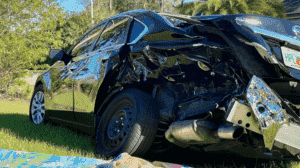
The Law Offices of Anidjar and Levine can investigate whether alcohol, drugs, phone use, fatigue, or another distraction contributed to a Brandon car accident. The review may include police reports, witness accounts, medical records, vehicle data, and available video. These materials can help clarify how the collision happened and whether evidence supports a claim. Florida comparative negligence rules may affect recovery if an injured person shares responsibility. Prompt medical care and evidence preservation can help protect a claim. Learn more about your options with a Brandon Personal Injury Lawyer.
Main Takeaways
- A Brandon impaired or distracted driving lawyer can investigate the crash and assess potential claims.
- Evidence may include witness accounts, crash reports, medical records, vehicle data, and phone or surveillance footage.
- Promptly preserve photos, witness details, receipts, and medical records; relevant video or electronic data may be overwritten.
- Seek medical care, report the collision accurately, and avoid guessing about fault or impairment.
- Florida comparative negligence may affect compensation if an injured person shares responsibility; a lawyer can explain how the rules may apply.
How We Can Help With Your Brandon Car Accident Impaired & Distracted Driving Injury Claim
When an impaired or distracted driver causes a collision in Brandon, injured people may face medical expenses, lost income, and uncertainty about their recovery. A legal team can provide organized support while clients focus on treatment and family responsibilities. The process may begin with Claim intake, during which staff gather basic information, identify immediate concerns, and explain what records may be useful. Clear communication helps clients understand what to expect and whom to contact with questions.
After reviewing the available information, counsel can develop a case strategy suited to the client’s circumstances. This may include coordinating document collection, communicating with insurers, tracking deadlines, and evaluating settlement proposals. The team can also help clients understand important decisions without pressuring them to act before they are ready. When additional information is needed, counsel can identify practical next steps and keep the client informed. Consistent guidance can reduce avoidable confusion and help injured people make considered choices as their claim progresses. Each client receives respectful attention and communication tailored to their needs.
Don’t Wait. Call Our Florida Personal Injury Lawyers Now!
Understanding Brandon Car Accident Impaired & Distracted Driving Injury Cases


Understanding an impaired or distracted driving injury case in Brandon begins with identifying how the driver’s conduct contributed to the collision and the resulting harm. A careful review considers the available evidence, the sequence of events, and whether the driver’s actions fell below the standard of reasonable care. Crash dynamics can help explain how the vehicles moved, where the impact occurred, and how collision forces may relate to reported injuries. Investigators may examine photographs, vehicle damage, witness accounts, medical records, and relevant electronic data to build a coherent account.
OUR CONSULTATIONSARE FREE
START YOUR FREE CASE REVIEW

The assessment also considers the collision setting. Roadway design, traffic controls, visibility, and surface conditions may help clarify how the incident unfolded, without replacing the central inquiry into driver conduct. Establishing responsibility requires connecting reliable evidence to both the collision and the injuries. A thorough, respectful investigation can support injured people and their families as they seek accountability, understand available options, and make informed decisions about pursuing compensation.
Common Causes of Brandon Car Accident Impaired & Distracted Driving
Common causes of impaired and distracted driving crashes in Brandon include alcohol use, drugs that affect judgment or reaction time, and phone use behind the wheel. Fatigue can also reduce alertness and delay a driver’s response to changing road conditions. Identifying the cause may help clarify how a collision occurred and who may be responsible.
Drunk Driving


Drunk driving remains a preventable cause of serious car accidents in Brandon, as alcohol can impair judgment, coordination, and reaction time. Drivers who drink may misjudge distances, miss traffic signals, or fail to respond quickly to changing road conditions. Even a seemingly minor delay can endanger passengers, pedestrians, and other motorists. Because impairment may begin before a driver feels intoxicated, choosing a sober ride is a practical way to protect the community.
Florida’s blood alcohol limits establish legal thresholds, but a driver’s ability may be affected even when a test result falls below the applicable limit. After a suspected offense, DUI arrest procedures may include field sobriety exercises, breath testing, and formal charges. Those affected by a collision may need medical care, accurate documentation, and legal guidance to understand their options and pursue accountability through appropriate channels.
Drug-Impaired Driving
Alcohol is not the only substance that can impair driving in Brandon; prescription medications, over-the-counter drugs, and illegal substances may also affect a driver’s judgment, coordination, or reaction time. Some medications cause drowsiness, blurred vision, or delayed responses, even when taken as directed. Drivers may not recognize these effects, particularly when starting a new medication or combining it with another substance. Illegal substances can further compromise perception and decision-making, increasing the risk of a serious collision. A driver may be responsible for harm caused by operating a vehicle while impaired, depending on the circumstances and available evidence. After a crash, investigators may review toxicology results, medical records, and witness accounts to assess impairment. Legal guidance can help injured people and their families understand their options and pursue accountability through the appropriate process.
Phone Distraction
Although phone use may seem brief, looking at or interacting with a device can divert a driver’s attention from traffic, delay reactions, and increase the risk of a collision in Brandon. Reading messages, checking maps, selecting music, or answering calls can pull a driver’s eyes and focus off the road. Even hands-free technology may create cognitive distraction when a conversation competes with the attention needed to respond to changing traffic conditions. Drivers can reduce avoidable interruptions by setting navigation before departure, securing the phone, and adjusting notification settings to silence alerts while the vehicle is moving. Passengers can help with calls or directions, helping the driver stay attentive. When phone distraction contributes to a crash, affected people may need to document relevant evidence and seek guidance about their legal options.
Fatigued Driving
Fatigued driving can impair attention, judgment, and reaction time, increasing the risk of a collision on Brandon roads. Long work shifts, insufficient sleep, untreated sleep disorders, and extended trips without breaks can reduce a driver’s ability to respond safely. Warning signs may include frequent yawning, drifting between lanes, missed exits, and difficulty remembering recent miles. Because drivers may underestimate their impairment, willpower or open windows aren’t reliable safeguards.
Driver alertness depends on adequate rest and realistic travel plans. Fatigue prevention includes getting enough sleep before driving, scheduling breaks, sharing driving duties when possible, and stopping in a safe place when drowsiness sets in. A driver who feels unable to continue should avoid putting passengers and other road users at risk. After a collision, determining whether fatigue contributed may require careful review of relevant evidence.
Legal Rights of Brandon Car Accident Impaired & Distracted Driving Injury Victims
When an impaired or distracted driver causes a crash in Brandon, injured victims may have the right to seek compensation from the responsible driver. A claim can cover documented losses and support recovery, while helping victims protect their interests and those who depend on them. Available remedies depend on the evidence, applicable law, and the collision circumstances.
Potential rights may include:
- Seeking payment for medical expenses, rehabilitation, lost income, and other legally recoverable losses.
- Requesting compensation for pain, suffering, and the effects of lasting injuries.
- Preserving relevant records, including medical documentation, witness accounts, and crash reports.
- Consulting a qualified lawyer about evidence, negotiations, and court procedures.
Filing deadlines can limit how long an injured person has to begin a legal claim, so prompt attention is important. Comparative negligence may affect recovery if a victim is found partly responsible; the effect depends on Florida law and the facts established. A lawyer can explain the process, assess potential claims, and help confirm that the victim’s rights are considered throughout resolution.
Why Do Brandon Car Accident Impaired & Distracted Driving Injuries Happen?
Impaired and distracted driving injuries in Brandon occur when alcohol, drugs, or competing demands interfere with a driver’s ability to perceive hazards and respond safely. Alcohol and drugs can slow reaction time, weaken coordination, and impair judgment, making it harder to maintain a lane, judge distance, or brake promptly. Poor judgment may also lead a driver to speed, follow too closely, or take risks that endanger passengers and nearby road users.
Distraction creates similar dangers by drawing attention away from traffic. Looking at a phone, adjusting navigation, eating, or interacting with passengers can divert a driver’s eyes, hands, or concentration from the road. Reduced awareness may prevent timely recognition of pedestrians, cyclists, changing signals, or sudden stops. Even a brief lapse can have serious consequences when vehicles are moving at speed or traffic conditions change quickly.
These risks can combine. A driver impaired by substances who is also distracted may have even less capacity to identify hazards and avoid a collision.
What Should You Do After a Brandon Car Accident Impaired & Distracted Driving Injury?
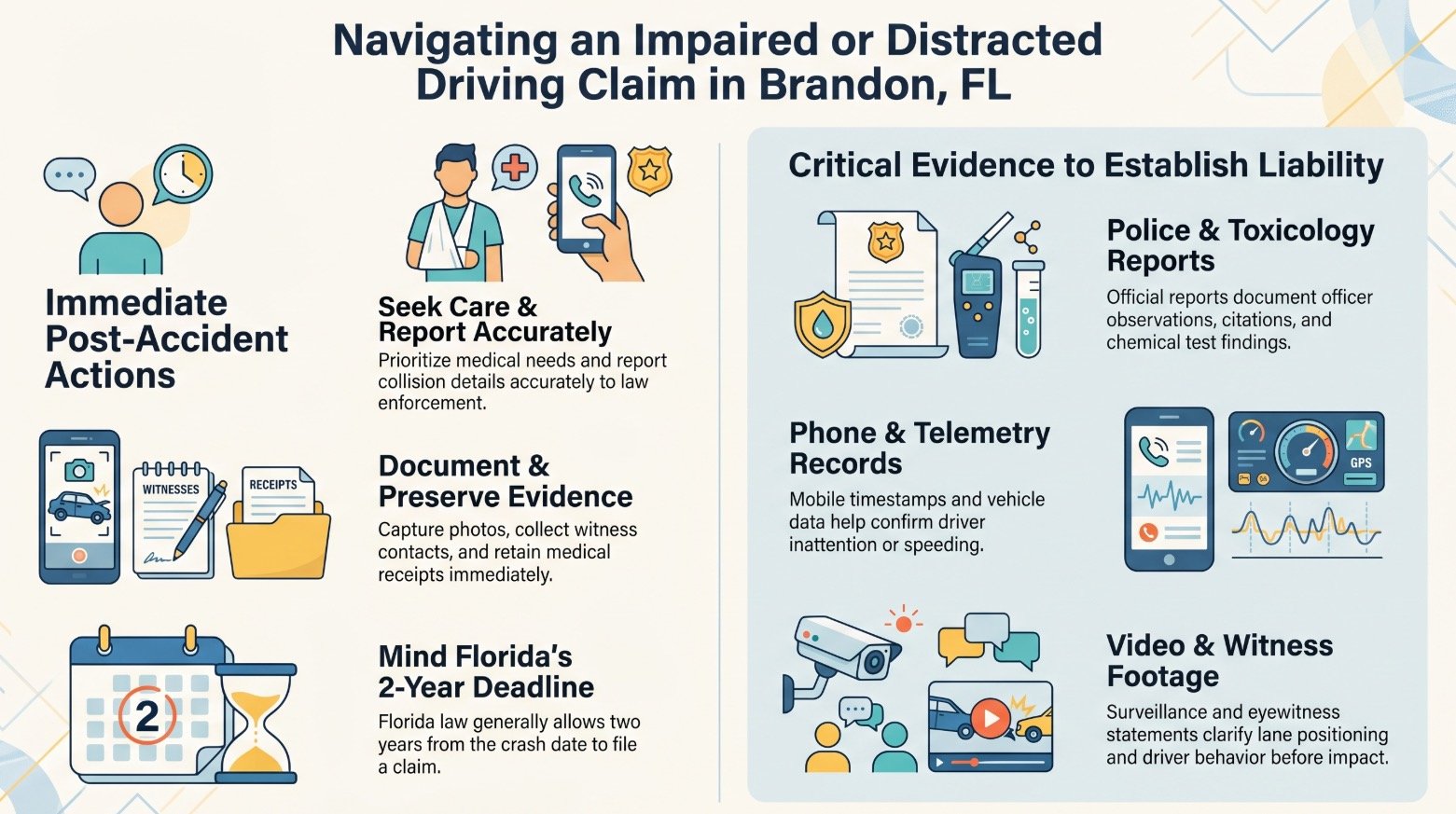
After a Brandon crash involving suspected impaired or distracted driving, the injured person should first check for injuries and seek emergency medical care when needed. Report the crash to law enforcement, providing an accurate account of the circumstances. Preserve photos, witness details, and other relevant records to document what occurred.
Check for Injuries
Safety and medical care should take priority at the scene of a Brandon car accident involving suspected impaired or distracted driving. Those involved should check themselves and others for injuries, while avoiding unnecessary movement that could worsen a serious condition. Some injuries may not be immediately apparent, so the absence of visible wounds does not confirm that a person is unharmed. Contact emergency services promptly if anyone is injured, appears disoriented, has difficulty breathing, or needs urgent medical attention. If it is safe, bystanders can offer reassurance and provide basic assistance within their training while waiting for responders. They should not give injured people food, drink, or medication. A cautious, compassionate response can help protect everyone at the scene until qualified medical professionals arrive.
Report the Crash
Once you’ve addressed immediate medical needs, report the crash promptly to law enforcement. If the vehicles create a hazard, those involved should move to a Safe location when it is safe to do so, then contact emergency services. A dispatcher can send police and request additional assistance if anyone needs urgent care or traffic presents an immediate danger.
When speaking with responding officers, each person should provide accurate information about the collision, the vehicles, and any observed signs of impairment or distraction. Witnesses may be identified to officers so they can obtain relevant accounts. Those involved should avoid guessing about events or assigning blame before the facts are clear. A police report can document the incident and support later insurance or legal review. If officers do not respond, the parties should ask how to file a report under applicable local requirements.
Preserve Evidence
Because evidence can disappear quickly, people involved in a Brandon car accident should document the scene as soon as it is safe. Photographs of vehicle damage, road conditions, traffic signs, and visible injuries may help clarify how the crash occurred. Also collect witness names and contact information, and retain relevant medical records, repair estimates, and receipts. Preserving evidence is especially important when impaired or distracted driving may have contributed to the collision. A vehicle’s electronic data, surveillance footage, and phone records can be lost or overwritten unless someone promptly secures them through proper legal procedures. An attorney may send spoliation notices directing responsible parties to preserve relevant materials. Careful documentation supports an accurate investigation and helps injured people pursue accountability while protecting the interests of others affected by the crash.
Critical Evidence in a Brandon Car Accident Impaired & Distracted Driving Injury Case
Establishing whether impairment or distraction contributed to a Brandon collision often depends on evidence gathered promptly and preserved properly.
Important records and observations may include:
- Police crash reports
- Phone usage records
- Toxicology test results
- Witness statements and video evidence
Together, these materials can help clarify how the crash occurred and support an injury claim.
Police Crash Reports
How can a police crash report help clarify an impaired or distracted driving claim in Brandon? A report may document the collision location, vehicle positions, road conditions, witness accounts, and the officer’s initial observations. It can also note signs of impairment, statements made at the scene, citations, or suspected contributing factors. These details may help injured people and their representatives assess what happened and identify evidence requiring further review. However, a crash report is not a final determination of fault, and its conclusions may be incomplete or mistaken. Report access may be available through the investigating agency, subject to applicable rules. When factual errors appear, correction procedures can vary by agency and may require supporting documentation. Careful review helps preserve an accurate record and supports fair consideration of everyone affected by the collision.
Phone Usage Records
Phone usage records may help clarify whether a driver was using a mobile device around the time of a Brandon collision. Call, text, and data timestamps can be compared with the reported crash timeline, but activity records alone may not establish who used the device or what occurred. Carrier subpoenas may be necessary to obtain relevant records, subject to applicable privacy rules and legal procedures. App metadata, when available, may provide additional timing information about navigation, messaging, or other applications. Investigators and attorneys can assess these materials alongside witness accounts, vehicle evidence, and police crash reports. Careful preservation matters because providers may retain records for limited periods. Properly gathered evidence can help clarify disputed facts and support a fair evaluation of injuries, responsibility, and the needs of people affected by the collision.
Toxicology Test Results
Toxicology test results may help determine whether alcohol, prescription medication, or other substances affected a driver’s ability to operate a vehicle before a Brandon collision. These findings can provide important evidence when an injured person seeks accountability and support for recovery. However, a result must be considered in context. Toxicology interpretation may require review of the substance detected, its concentration, collection time, and the driver’s medical history. A positive result alone does not establish impairment at the time of impact, while a negative result may not rule out prior use. Testing limitations can include delays in sample collection, the substances screened, and the reliability of available records. Qualified professionals may explain what the results show and what they cannot establish. Careful analysis helps make certain conclusions remain accurate, fair, and grounded in evidence.
Witness And Video Evidence
Witness statements and video footage can help clarify what happened before, during, and after a Brandon car accident involving suspected impaired or distracted driving. Eyewitness accounts may describe a driver’s lane changes, speed, phone use, or apparent condition, and how the collision unfolded. Investigators and legal representatives can document each witness’s contact information and promptly preserve statements, since memories may change over time.
Surveillance footage from nearby businesses, homes, traffic cameras, or vehicle cameras may capture relevant events. Such recordings can be overwritten or deleted, so timely requests can be important. Review video alongside physical evidence, police reports, and toxicology results rather than treating it as conclusive on its own. Together, reliable testimony and preserved footage may help establish how negligence contributed to injuries and support a fair evaluation of those affected.
Long-Term Effects of Brandon Car Accident Impaired & Distracted Driving Injuries
Impaired and distracted driving injuries may cause chronic pain and lasting mobility limitations that interfere with daily activities. Some survivors also experience cognitive or emotional changes, including problems with memory, concentration, or mood. These long-term effects can require continuing treatment and create substantial medical expenses.
Chronic Pain And Mobility
After a Brandon car accident, injuries caused by impaired or distracted driving may lead to chronic pain and lasting mobility limitations. Fractures, spinal injuries, and soft-tissue damage can cause discomfort that persists after initial treatment. Ongoing symptoms may interfere with walking, lifting, working, or completing household tasks, reducing a person’s independence and ability to support others.
Care may involve physical therapy, medication, follow-up evaluations, or other Pain management strategies tailored to the injury. Some people also rely on mobility aids, such as canes, walkers, or wheelchairs, to move safely and participate in daily activities. Consistent medical documentation can help clarify how symptoms affect function over time. When another driver’s negligence caused the collision, records of treatment, limitations, and related expenses may also help establish the long-term impact of the injuries.
Cognitive And Emotional Changes
A Brandon car accident caused by impaired or distracted driving can result in cognitive and emotional changes that persist beyond the initial recovery period. A person may experience memory problems, difficulty concentrating, slower information processing, or challenges organizing daily tasks. These changes can affect work, education, relationships, and the ability to manage ordinary responsibilities. Emotional effects may include anxiety, depression, irritability, or Mood swings, particularly when symptoms interfere with independence and social participation. Family members and caregivers may notice changes before the injured person recognizes them. A respectful response involves listening without judgment, offering practical support, and encouraging professional assessment when concerns continue. Clear documentation of symptoms and their effects can help healthcare providers understand the person’s needs. With appropriate guidance and support, individuals may develop strategies to adapt and maintain meaningful connections.
Ongoing Medical Expenses
Long-term injuries from impaired or distracted driving crashes in Brandon can require ongoing medical care, creating expenses that continue well beyond the initial treatment period. Patients may need follow-up visits, prescription medication, physical therapy, mobility equipment, or additional procedures as their conditions change. Some injuries also require help with daily activities or home modifications, adding costs that are easy to overlook during early recovery. Future treatment costs can be assessed through medical records, provider recommendations, and evidence about the likely course of recovery. Careful medical expense forecasting helps estimate both recurring needs and possible future interventions, while recognizing that projections may change. Accurate documentation of bills, treatment plans, and related expenses supports a clear evaluation of long-term financial needs and helps injured people maintain access to appropriate care.
Don’t Wait. Call Our Florida Personal Injury Lawyers Now!
Proving Liability in Brandon Car Accident Impaired & Distracted Driving Injury Cases
When impaired or distracted driving causes a collision in Brandon, proving liability requires evidence that the driver’s conduct contributed to the crash and resulting injuries. Evidence may include police reports, witness accounts, photographs, and available video footage. Records showing alcohol or drug use, phone activity, or other distractions can help establish what the driver was doing before impact. Medical documentation can connect the collision to the injuries and explain their effects.
Scene reconstruction may clarify vehicle movements, sight lines, braking, and the point of impact. Investigators can compare physical evidence with witness statements to assess whether impairment or inattention affected the driver’s ability to respond safely. Florida’s comparative negligence rules may also make liability apportionment relevant when more than one person’s conduct contributed to the collision. Each party’s actions must be evaluated against the available evidence and applicable duties of care.
Careful evidence preservation supports a fair assessment and helps establish responsibility while recognizing the needs of injured people and their families.
Dealing With Insurance Companies After a Brandon Car Accident Impaired & Distracted Driving Injury
Once evidence shows how impaired or distracted driving caused a Brandon collision, insurers may assess fault, injuries, and potential compensation. Their decisions can affect an injured person’s ability to obtain resources for treatment, lost income, and other documented losses. Insurers may request statements, records, or authorizations, and responses should be accurate, measured, and consistent with available evidence. A rushed statement or broad medical release may create avoidable disputes about the cause or extent of an injury.
A Claim denial may rely on disputed liability, policy exclusions, or questions about medical documentation. Insurers may also use settlement tactics such as offering payment before the full impact of injuries is known or emphasizing uncertainty about recovery. Carefully review policy terms, repair estimates, medical records, and communications to identify issues that need clarification. When an insurer’s position seems unsupported, a qualified legal professional can review the evidence and explain your options. Clear, respectful communication keeps the focus on fair treatment and the injured person’s practical needs.
What to Expect During a Brandon Car Accident Impaired & Distracted Driving Injury Claim Process
A Brandon impaired or distracted driving injury claim typically begins with an initial case review to assess the circumstances, injuries, and potential liability. Evidence collection then supports the claim, while negotiations with insurers address responsibility and the value of documented losses. If the parties reach an agreement, the claim ends with a resolution and compensation; otherwise, they may consider further legal action.
Initial Case Review
An initial case review helps determine how impaired or distracted driving may have contributed to a Brandon car accident and what evidence could support an injury claim. During this discussion, the injured person can describe the collision, reported injuries, medical care, and communications with insurers. The reviewer may ask about the other driver’s conduct, including suspected alcohol or drug use, phone use, or other attention-related behavior. Conflict screening checks whether the firm can consider the matter without a professional conflict. Case prioritization then helps assess urgency, including immediate medical needs, approaching deadlines, and the effect of injuries on daily responsibilities. The review also clarifies the person’s goals and explains possible next steps, fees, and limits of representation. No outcome is guaranteed, and any decision to proceed depends on the available information and applicable law.
Evidence Collection
Evidence collection begins with preserving records that may show how an impaired or distracted driver caused a Brandon collision and the extent of resulting injuries. Investigators may document the crash location, vehicle positions, road conditions, traffic controls, and visible damage. Scene photography can preserve details that change quickly, while witness statements may clarify what occurred before impact. Relevant records may include police reports, emergency response documentation, medical records, and available surveillance footage. Vehicle telemetry, such as event data recorder information, may help establish speed, braking, or other vehicle activity, subject to lawful access and preservation requirements. In suspected impairment cases, toxicology results and related investigative records may also be important. Prompt preservation helps protect reliable evidence and supports a clear account of the harm, allowing the injured person’s circumstances to be assessed fairly and accurately.
Claim Negotiations
Once the available facts are established, claim negotiations begin as the injured person or their representative presents a demand to the at-fault driver’s insurer. The demand typically summarizes the collision, explains how impaired or distracted driving contributed, and identifies the supporting evidence and documented losses. A sound Demand strategy relies on accurate records, a clear account of the injury’s effects, and a reasoned explanation of the requested amount. The insurer may review the materials, request additional documentation, or dispute responsibility and the value of claimed losses. Its response may include a counteroffer, which you should assess against the evidence rather than accept under pressure. Effective counteroffer tactics address specific disagreements with concise, factual responses and relevant records. Throughout discussions, the representative can help protect the injured person’s interests while maintaining professional communication and a complete claim file.
Resolution And Compensation
After negotiations conclude, a Brandon car accident claim may resolve through a settlement or, if the parties cannot agree, a lawsuit. A settlement generally requires the injured person to release related claims in exchange for payment. Before accepting, the claimant should understand what expenses and losses the amount covers, including medical care, lost income, and future needs. Settlement timelines vary according to injury severity, available evidence, insurer review, and the parties’ willingness to negotiate. If litigation becomes necessary, court schedules and case preparation may extend the process. Compensation limits may apply under insurance policies or relevant law, and available coverage can affect recovery. A careful review of liability, damages, and proposed terms helps confirm the resolution reflects documented losses. Clear guidance also allows claimants to make informed decisions while protecting their families and community responsibilities.
Compensation for Brandon Car Accident Impaired & Distracted Driving Injury Damages
When an impaired or distracted driver causes a crash in Brandon, injured people may seek compensation for losses caused by the collision. The available recovery depends on the evidence, the severity of the injuries, and the circumstances of the crash. A claim may address necessary medical care, rehabilitation, and other documented consequences of the injury. It may also account for lasting limitations that affect daily activities or the ability to work.
A careful review can help identify responsible parties and preserve records that support a fair assessment. Evidence may include crash reports, witness accounts, medical documentation, and phone or vehicle data. Florida law may permit Punitive Damages in qualifying cases involving particularly serious misconduct, subject to legal standards and proof. These damages are distinct from compensation intended to address injury-related losses.
If a crash results in a death, eligible relatives may pursue a Wrongful Death claim under applicable law. Prompt legal guidance can help families understand deadlines, available remedies, and the steps needed to protect their interests.
Economic vs Non-Economic Damages in Brandon Car Accident Impaired & Distracted Driving Cases
In impaired and distracted driving cases, economic damages may include medical expenses, lost income, and other measurable financial costs. Non-economic damages address losses such as pain, emotional distress, and reduced quality of life. Establishing both categories typically requires clear evidence linking the losses to the crash and documenting their extent.
Economic Damage Categories
Economic damages compensate for the measurable financial losses caused by an impaired or distracted driving crash in Brandon. These costs may include emergency transportation, hospital care, surgery, medication, rehabilitation, and follow-up treatment. Documented expenses show how the collision affected the injured person’s finances and what resources they may need for continued recovery. Property damage, such as vehicle repair or replacement, may also be included when supported by records.
Lost wages cover income missed during recovery, while diminished earning capacity addresses a reduced ability to earn income in the future. Calculations may consider work history, medical restrictions, job duties, and expected recovery. Receipts, pay records, tax documents, and professional assessments can help substantiate these claims. Careful documentation allows an injured person and their family to pursue financial support while preserving resources for ongoing needs and responsibilities.
Non-Economic Losses
Beyond measurable expenses, non-economic damages address the personal effects of an impaired or distracted driving crash in Brandon. Unlike medical bills or lost income, these losses reflect how injuries affect a person’s comfort, independence, and daily life. Pain and Suffering may include physical discomfort, emotional distress, anxiety, or disruption to ordinary routines. The effects can continue after initial treatment, particularly when recovery is prolonged or injuries limit mobility. Loss of Enjoyment describes reduced ability to participate in hobbies, family activities, community service, or other pursuits that previously brought meaning and connection. These harms can also affect relationships and a person’s sense of well-being. Although non-economic losses do not have a fixed price, they are distinct from economic damages and may be considered as part of the overall compensation sought after a crash.
Proving Your Damages
After identifying the personal effects of a crash, the next step is to support each claimed loss with reliable evidence. Economic damages include measurable expenses and lost income, such as medical bills, rehabilitation costs, vehicle repairs, and wages missed during recovery. Damage documentation may include invoices, pay records, repair estimates, and medical records connecting treatment to the collision. Non-economic damages address losses without a direct price, including pain, emotional distress, and reduced ability to participate in daily activities. Consistent treatment records and statements from people familiar with the injured person’s routine may help demonstrate these effects. Claims involving future losses require strong support, such as medical opinions on ongoing care or limitations on work capacity. Organized evidence helps insurers or a court assess the full impact and distinguish substantiated losses from unsupported estimates.
When a Brandon Car Accident Impaired & Distracted Driving Injury Case Goes to Trial vs Settlement
When an impaired or distracted driver causes a crash in Brandon, the injured person may resolve an injury claim through settlement or pursue compensation at trial. Each path has advantages, and the right choice depends on the evidence, the injuries, and the parties’ willingness to settle.
Settlement incentives may include a more predictable outcome, reduced legal expense, and a faster resolution. An agreed payment can help an injured person address documented losses and focus on recovery without the added demands of a courtroom proceeding. However, a settlement generally ends the claim, so you should review its terms and value carefully before accepting.
Trial uncertainties include how jurors will assess the evidence, witness credibility, and the extent of the harm. A trial may result in a judgment that differs from either party’s expectations, and the process can take substantial time. Counsel can evaluate the strengths and risks of both options, explain your choices, and help you make an informed decision.
Florida Laws That May Affect Your Brandon Car Accident Impaired & Distracted Driving Case
Florida laws governing impaired driving, distracted driving, and personal injury claims may affect how a Brandon crash case is investigated and resolved. These rules help establish what evidence matters and how responsibility may be assessed.
A careful review can support injured people while promoting safer roads for the wider community.
- Florida DUI penalties may apply when a driver operates a vehicle while impaired. A criminal case can produce evidence, but it does not automatically decide civil responsibility.
- Florida’s distracted driving statutes restrict texting while driving and address handheld device use in certain situations. Phone records, witness accounts, and crash reports may help clarify whether distraction contributed.
- Florida follows a modified comparative negligence system. An injured person’s recovery may be reduced by their share of fault, and recovery is barred if their fault exceeds 50 percent.
- Motorists generally must carry personal injury protection coverage. Policy terms and injury thresholds can affect available benefits and whether an injured person may pursue additional damages.
These legal standards guide case evaluation and may shape negotiations or courtroom arguments.
Don’t Wait. Call Our Florida Personal Injury Lawyers Now!
The Statute of Limitations for Brandon Car Accident Impaired & Distracted Driving Injury Cases
For a Brandon car accident injury claim involving impaired or distracted driving, the filing deadline can determine whether an injured person may pursue compensation in court. Florida law generally allows two years from the date of a negligence-based crash to file a personal injury lawsuit. Missing this deadline may lead to dismissal, regardless of the seriousness of the injuries or the other driver’s conduct.
Certain Deadline Exceptions may affect when the period begins or whether it applies. For example, a claim involving a government entity can require earlier notice and follow separate procedures. A person who was a minor or legally incapacitated may also face different timing rules. Claim Tolling may pause a limitations period in specific circumstances, but it is not automatic and depends on the facts and applicable law.
Because case details can affect deadlines, injured people and their supporters should verify the applicable date promptly. Paying close attention to filing requirements helps preserve your opportunity to seek accountability and compensation.
How a Brandon Car Accident Impaired & Distracted Driving Lawyer Can Help You
A Brandon car accident lawyer can help injured people protect their claim after an impaired or distracted-driving crash. In a Legal Consultation, counsel can explain your options, assess the evidence, and identify the parties whose conduct may have contributed to the collision. This guidance can help injured people pursue accountability while preserving resources for recovery.
A Brandon car accident lawyer can assess evidence, explain legal options, and help protect your claim after a crash.
A lawyer may assist by:
- Gathering crash reports, witness statements, photographs, and available video to clarify how the collision occurred.
- Reviewing medical records and employment information to document injuries, treatment needs, and lost income.
- Examining phone records, vehicle data, or impairment evidence when relevant to establish driver negligence.
- Communicating with insurers, evaluating settlement offers, and preparing a Case Strategy grounded in the documented losses.
Counsel can also organize claim materials and explain procedural requirements, helping reduce avoidable disputes. A careful approach supports a fair assessment of damages and a well-substantiated compensation request. By addressing evidence and legal issues systematically, counsel can help injured people focus on recuperating while advancing a responsible claim on behalf of themselves and their families.
When to Contact a Brandon Car Accident Impaired & Distracted Driving Lawyer
When a crash involves suspected impairment or distracted driving, contacting a Brandon car accident lawyer promptly can help preserve evidence and clarify available legal options. An early consultation may help before vehicle damage is repaired, phone records are lost, or witnesses become hard to reach. A lawyer can explain what information may matter and how to document injuries, expenses, and communications with insurers. Prompt guidance can also help an injured person avoid statements or decisions that could complicate a claim.
Contact is appropriate even when fault remains uncertain, or symptoms appear days after the collision. Medical care should come first, and treatment and follow-up records can support a clear account of the harm. Families assisting an injured person may also seek guidance when that person cannot manage calls or paperwork.
Attorney Selection should reflect the crash circumstances and the person’s needs. An initial conversation can help clarify timing, relevant documents, and practical next steps without delaying urgent care.
Why You Need an Experienced Brandon Car Accident Impaired & Distracted Driving Lawyer
Because impaired and distracted driving claims may depend on evidence that can be quickly lost or disputed, an experienced Brandon car accident lawyer can help identify relevant records, preserve evidence, and assess how the crash occurred. This work may include reviewing crash reports, witness accounts, vehicle damage, surveillance footage, and available phone or toxicology records. Timely investigation can clarify whether impairment, inattention, or another factor contributed to the collision.
Attorney Experience also matters when evaluating how Florida law applies to the available facts. A lawyer can identify potential sources of compensation, address disputed liability, and explain the practical steps involved in pursuing a claim. Careful Case Strategy can help organize evidence, calculate documented losses, and respond to arguments that may reduce or challenge recovery.
How to Choose the Right Brandon Car Accident Impaired & Distracted Driving Lawyer for Your Case
Choosing the right Brandon car accident impaired and distracted driving lawyer involves more than reviewing a firm’s general experience. A careful selection process helps an injured person find counsel prepared to protect their interests and pursue a fair resolution.
Attorney credentials can show whether a lawyer is licensed, experienced in injury claims, and familiar with cases involving impaired or distracted drivers. Prospective clients may also consider the lawyer’s record handling investigations, insurance negotiations, and litigation. These details can help clarify whether the lawyer’s background fits the circumstances of a particular collision.
Communication style matters throughout a claim. A lawyer should explain options clearly, respond within reasonable timeframes, and provide updates as the case develops. The client should feel comfortable asking questions and sharing concerns without confusion or pressure. A focused consultation can help you assess whether the lawyer listens carefully, understands your priorities, and offers a practical plan. Comparing these factors helps an injured person make an informed choice and find representation that aligns with their needs.
About The Law Offices of Anidjar & Levine
The Law Offices of Anidjar & Levine represents people injured in car accidents, including collisions involving impaired or distracted drivers. The firm assists clients seeking accountability and compensation after preventable crashes in Brandon and throughout Florida. Its work may include investigating collision circumstances, communicating with insurers, and pursuing claims for losses supported by available evidence.
Firm history reflects a practice focused on representing injured individuals and their families. The attorneys handle personal injury matters, including serious vehicle collision cases, and guide clients through the legal process. Because each claim depends on its specific facts, applicable law, and documentation, the firm cannot guarantee outcomes.
The firm’s attorney philosophy emphasizes attentive service, clear communication, and diligent case preparation. By explaining legal options and responding to client concerns, its attorneys aim to help people make informed decisions during a difficult period. This service-oriented approach recognizes that an injury can affect health, income, and family responsibilities, and that clients merit careful attention throughout their claims.

Frequently Asked Questions
Can I Recover Compensation if the Impaired Driver Was Not Charged With a Crime?
Yes. An injured person may pursue compensation even if the impaired driver was not criminally charged, because civil liability without criminal charges is determined separately under the applicable legal standard. A claim must still establish that the driver’s negligence caused the injuries and resulting losses. Evidence supporting an impaired driving claim may include witness accounts, crash reports, toxicology results, surveillance footage, and medical records. A lawyer can assess available evidence and applicable deadlines.
Can Passengers File Claims After an Impaired or Distracted Driving Crash?
Passengers can file injury claims after crashes caused by impaired or distracted driving, even when they rode with the responsible driver. Passenger injury eligibility generally depends on proving that another party’s negligence caused harm and supporting losses with medical and financial records. Shared fault liability may reduce compensation if a passenger’s conduct contributed to the collision or injuries. An attorney can assess potential claims, identify responsible parties, and explain filing deadlines and available insurance coverage.
What if I Was Injured by an Impaired Driver in a Rental Car?
An injured person struck by an impaired driver in a rental car may pursue a claim against the driver and seek compensation through applicable insurance coverage. The rental agreement, the driver’s personal policy, and any available supplemental coverage may affect payment. Rental company liability is generally limited and depends on the facts and governing law, including whether the company independently contributed to the crash. Promptly preserving records and obtaining legal guidance can help protect the injured person’s rights.
Can a Commercial Driver’s Employer Be Responsible for a Distracted Driving Crash?
Yes, a commercial driver’s employer may be responsible for a distracted driving crash, depending on the circumstances. Employer liability may arise when the driver was performing job duties or when the company negligently hired, trained, supervised, or retained the driver. Investigators may review phone records, delivery schedules, safety policies, and employment records. Commercial policies may provide coverage for resulting injuries, though policy terms and applicable law determine available compensation and responsible parties.
Will My Claim Remain Confidential During Settlement Negotiations?
A claim is not automatically confidential during settlement negotiations. Settlement Privacy may be protected through a written agreement, but discussions and documents may still be subject to disclosure depending on the parties’ conduct, court rules, and applicable law. Confidentiality Limits also matter: a settlement agreement cannot necessarily prevent required reporting or conceal information relevant to public safety. Before sharing sensitive details or accepting terms, the claimant should consult counsel to explain which protections apply and which obligations remain.
—————————
A crash caused by impaired or distracted driving can leave injured people facing medical costs, lost income, and uncertainty about their legal options. Promptly document the collision, preserve relevant evidence, and seek qualified legal guidance to protect your claim. The Law Offices of Anidjar and Levine can review the circumstances, explain potential recovery options, and communicate with insurers on your behalf. Learn more about working with a Brandon Personal Injury Lawyer. Each case depends on its facts, and timely action may strengthen the available evidence.