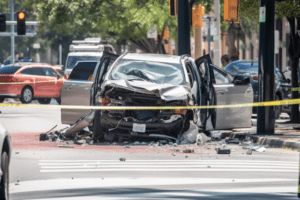
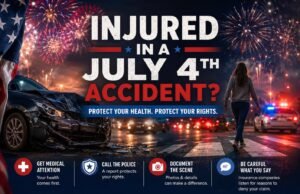
The Law Offices of Anidjar and Levine, an Orlando Personal Injury Lawyer firm, evaluates rear-end, head-on, side-impact, and multi-vehicle crashes by examining fault, vehicle damage, medical records, witness accounts, and available traffic or roadway evidence. The attorney may coordinate with insurers and medical providers, preserve crucial documentation, and calculate losses supported by the record. Prompt legal guidance can help protect against missed deadlines, recorded statements, and inadequate settlements. The following information explains case evaluation, injury claims, and available legal support.
Main Takeaways
- An Orlando car accident lawyer can evaluate rear-end, head-on, side-impact, rollover, and multi-vehicle collision claims.
- Attorneys investigate negligence using crash reports, photographs, witness statements, vehicle data, and roadway surveillance.
- Medical records and vehicle damage help connect fractures, spinal trauma, brain injuries, and soft-tissue conditions to the crash.
- Lawyers coordinate with insurers, medical providers, and other parties while calculating documented medical, financial, and personal losses.
- Prompt legal guidance helps preserve evidence, meet insurance requirements and deadlines, and avoid premature recorded statements or settlements.
How We Can Help With Your Orlando Car Accident Collision Types Injury Claim
An Orlando car accident collision types lawyer can provide focused legal guidance after a crash, regardless of whether the impact involved a rear-end collision, head-on crash, side-impact accident, or multi-vehicle incident. Counsel can help protect an injured person’s interests while coordinating with insurers, medical providers, and other involved parties.
The attorney may gather reports, photographs, witness accounts, and available records to establish how the collision occurred. Applying negligence standards and fault determination, counsel can evaluate each driver’s conduct and identify evidence supporting responsibility. This organized approach helps ensure that a claim reflects documented losses rather than unsupported assumptions.


A lawyer can also explain treatment documentation, communication practices, and potential resolution options without making decisions for the client. Attention to Settlement Timing and Claim Deadlines helps preserve legal rights and supports informed planning. Through careful preparation and respectful advocacy, legal counsel can assist individuals seeking accountability and fair compensation while reducing procedural burdens during recovery.
Understanding Orlando Car Accident Collision Types Injury Cases
OUR CONSULTATIONSARE FREE
START YOUR FREE CASE REVIEW

Understanding an Orlando car accident injury case begins with identifying how the collision occurred and how the impact affected the injured person. Each case requires careful evaluation of vehicle damage, medical records, reported symptoms, and the relationship between the crash and claimed harm. Injuries may include fractures, spinal trauma, brain injuries, soft-tissue conditions, or psychological effects that develop over time. Motorcycle collision injuries often involve greater exposure to impact, requiring a focused assessment of protective equipment, roadway position, and treatment needs.
Liability may depend on witness accounts, photographs, traffic records, and qualified reconstruction analysis. An insurer may raise a Comparative negligence defense, alleging that the injured party contributed to the event or increased the severity of the harm. That issue can affect recovery under Florida law and should be examined alongside medical expenses, lost income, rehabilitation, and future care. A thorough, respectful review helps preserve evidence and supports informed decisions for injured individuals and their families.
Don’t Wait. Call Our Florida Personal Injury Lawyers Now!
Common Causes of Orlando Car Accident Collision Types


Common causes of Orlando car accident collisions include distracted driving, speeding, and reckless driving, each of which can reduce a driver’s ability to respond safely. Impaired driving further increases collision risks by affecting judgment, coordination, and reaction time. Poor road conditions, including inadequate maintenance, unclear signage, and hazardous surfaces, may also contribute to serious crashes.
Distracted Driving
Distracted driving is a leading contributor to Orlando car accidents, including rear-end crashes, lane-departure collisions, and intersection accidents. Texting can divert visual attention, manual control, and mental focus at the same time, leaving drivers unable to recognize changing traffic conditions. Other common distractions include adjusting navigation systems, eating, reaching for objects, and engaging with passengers. These multitasking dangers can arise during brief moments, yet they may prevent a driver from maintaining a safe awareness of surrounding vehicles, pedestrians, and signals. For those committed to serving injured individuals, understanding distraction-related crashes supports careful evaluation of available evidence. Phone records, witness accounts, vehicle data, and roadway surveillance may help clarify whether inattention contributed to a collision. Prompt investigation can preserve relevant information and help affected people pursue appropriate assistance.
Speeding And Reckless Driving
When drivers exceed posted speed limits or operate vehicles aggressively, the resulting force and reduced reaction time can contribute to several Orlando car accident collision types, including rear-end crashes, intersection collisions, rollovers, and lane-departure accidents. Speeding may prevent drivers from stopping before traffic signals, yielding to turning vehicles, or recognizing changing roadway conditions. Reckless maneuvers, such as tailgating, unsafe passing, and sudden lane changes, can further endanger motorists, passengers, cyclists, and pedestrians. Intersection safety depends on controlled speeds, attentive scanning, and compliance with traffic signals and signs. Drivers must also respect a pedestrian right of way, particularly in marked crosswalks and areas with limited visibility. Understanding these risks can help communities promote safer driving practices and help injured individuals identify responsible parties after a collision. Witness accounts, vehicle data, and roadway evidence may clarify how speed or aggression contributed.
Impaired Driving
Impaired driving is another significant cause of Orlando car accidents, as alcohol, prescription medication, illegal drugs, and other substances can affect judgment, coordination, vision, and reaction time. Drivers under the influence may drift across lanes, miss traffic signals, follow too closely, or make unsafe decisions that endanger passengers, pedestrians, and other motorists. Alcohol impaired crashes frequently involve serious injuries because impaired individuals may fail to recognize hazards or respond appropriately before impact. Law enforcement may investigate impairment through chemical testing, witness observations, and failing field sobriety tests. A driver’s impairment can also affect the ability to provide reliable information after a collision. Individuals harmed by suspected impaired driving may benefit from prompt medical attention, evidence preservation, and guidance from professionals committed to protecting their rights and supporting responsible recovery efforts.
Poor Road Conditions
Poor road conditions frequently contribute to Orlando car accident collision types, especially when pavement defects, inadequate signage, standing water, or poorly maintained shoulders interfere with a driver’s ability to maintain control. Drivers may encounter potholes, uneven lanes, faded markings, and surfaces lacking slip-resistant qualities, especially during severe weather. Signage Defects can prevent timely warnings about curves, lane shifts, speed restrictions, or hazards ahead. Construction Zones introduce additional risks when barriers, temporary signals, or detours are confusing or improperly positioned. Maintenance Delays may allow dangerous conditions to persist, increasing the likelihood of rear-end collisions, rollovers, or loss-of-control crashes. Careful documentation of roadway conditions, photographs, witness accounts, and official reports can help identify contributing factors and support efforts to improve safety for all road users.
Legal Rights of Orlando Car Accident Collision Types Injury Victims
Following an Orlando car accident, injured victims may have legal rights to seek compensation from parties whose negligence caused the collision. Depending on the evidence, a claim may address medical treatment, lost income, property damage, rehabilitation, and pain-related losses. Florida law also applies Comparative fault rules, which can reduce recovery when an injured person shares responsibility. Understanding Florida insurance coverages is important because personal injury protection, bodily injury liability, uninsured motorist benefits, and other policies may affect available compensation.
Victims and their families may protect those rights by:
- Obtaining prompt medical evaluation and following recommended care.
- Preserving photographs, records, witness information, and crash documentation.
- Consulting a qualified attorney before providing recorded statements or accepting settlement offers.
Insurance deadlines, notice requirements, and litigation time limits can influence a claim’s outcome. An attorney may investigate liability, communicate with insurers, calculate damages, and seek a resolution that supports the victim’s recovery. Each case requires an individualized assessment based on applicable law, policy language, medical evidence, and the collision’s documented circumstances.
Why Do Orlando Car Accident Collision Types Injuries Happen?
Why do injuries occur in Orlando car accidents? Injuries commonly result when collision forces transfer abruptly through a vehicle and its occupants. Speed, roadway congestion, distraction, impairment, and delayed reactions can increase impact severity. Intersection crashes may produce side-impact injuries because doors offer less protection than the front or rear structure. Rear-end hazards, including sudden traffic stops, following too closely, and inattentive driving, can cause whiplash, spinal strain, and head trauma even during apparently minor collisions.
Vehicle safety features, such as airbags, seat belts, crumple zones, and automatic emergency braking, may reduce harm but cannot eliminate it. Their effectiveness also depends on proper use, maintenance, occupant position, and crash direction. Weather, poor visibility, defective components, roadway design, and uneven pavement can further contribute to loss of control. Vulnerable occupants, including children, older adults, and people with preexisting conditions, may experience more serious consequences from the same force. Understanding these causes helps communities promote safer driving and support injured individuals.
What Should You Do After an Orlando Car Accident Collision Injury?
After an Orlando car accident collision injury, the injured person should seek immediate medical care, even when symptoms initially appear minor. Document the accident scene with photographs, witness information, vehicle damage, and relevant records. Contacting an Orlando attorney promptly can help protect legal rights and support informed decisions about potential claims.
Seek Immediate Medical Care
Immediate medical evaluation should be a priority for anyone involved in an Orlando car accident, even when injuries appear minor or symptoms are not immediately apparent. A qualified healthcare professional can identify concussions, internal injuries, spinal trauma, or soft-tissue damage that may worsen without treatment. Prompt care also supports recovery by establishing appropriate monitoring, medication, rehabilitation, and follow-up instructions. Individuals should explain all symptoms accurately, including pain, dizziness, numbness, confusion, or restricted movement. Medical records can clarify the injury’s timing and severity, particularly when Driver Accountability, Brake and Safety conditions, or other circumstances later require review. Those assisting an injured person should encourage emergency services when serious symptoms exist and avoid moving the individual unless immediate danger requires it. Following medical guidance shows responsible attention to health and helps protect everyone affected.
Document The Accident Scene
Documenting the accident scene, when safe, can preserve evidence that may clarify how the Orlando collision occurred and who may be responsible. First, move away from traffic, follow emergency personnel instructions, and avoid disturbing debris or vehicles unless safety requires it. Photographs can show vehicle positions, roadway conditions, traffic signals, lane markings, skid marks, visible injuries, and nearby property damage. Images should include wide views and close details, with location and time information preserved when possible. Record witness names and contact information, and keep statements factual and limited. First responder documentation, including incident numbers and observed conditions, should be requested through appropriate channels. Careful vehicle damage identification can help preserve details before repairs, towing, weather, or cleanup alter the evidence.
Contact An Orlando Attorney
When an Orlando car accident collision causes an injury, consulting an experienced attorney can help protect the injured person’s legal rights and evaluate potential claims. An attorney can review medical records, crash reports, photographs, witness information, and insurance communications to determine whether another party may be responsible. Early legal guidance may also help preserve evidence and prevent statements or settlements that could limit recovery. People who need emergency legal help should contact a qualified Orlando lawyer as soon as possible, especially if injuries require hospitalization, ongoing treatment, or rehabilitation. Many firms offer a free case evaluation, allowing an injured person to discuss the collision without an immediate financial commitment. Legal counsel can explain applicable deadlines, communicate with insurers, and pursue compensation that supports medical care, lost income, and other injury-related needs.
Critical Evidence in an Orlando Car Accident Collision Types Injury Case
Critical evidence can establish how the collision occurred, the extent of the injuries, and the losses claimed.
- Police accident reports and witness contact information
- Medical treatment records
- Photographs and video of the scene, vehicles, and injuries
Preserving these materials promptly can help an Orlando car accident collision types lawyer evaluate liability and build a well-supported injury claim.
Police Accident Reports
After an Orlando car accident, the investigating officer’s report may provide important evidence in a collision injury case by recording the reported circumstances, roadway conditions, vehicle positions, and apparent contributing factors. It may identify involved drivers, witnesses, citations, diagrams, and statements made at the scene. Although the report is not conclusive proof of fault, it can help clarify disputed events and guide further investigation. An attorney may review whether observations support or conflict with other available evidence while protecting the injured person’s interests. Comparative negligence rules can make accurate documentation especially significant because a claimant’s recovery may depend on the percentage of responsibility assigned. Request the report promptly, preserve it carefully, and evaluate it alongside applicable insurance claim deadlines. Any inaccuracies may warrant timely clarification through additional evidence or witness testimony.
Medical Treatment Records
Medical treatment records can provide objective evidence of the injuries attributed to an Orlando car accident, including their onset, severity, diagnosis, and progression. Records from emergency departments, physicians, therapists, and experts may connect reported symptoms with the collision and document recommended treatment. Consistent, timely care can strengthen an injured person’s account, while unexplained gaps may create questions during the Insurance claim process. Keeping complete records helps preserve evidence and lets counsel assess whether medical findings support liability. Bills, treatment duration, future-care recommendations, and functional limitations also provide vital information for damages calculation. Patients should follow medical instructions, accurately disclose prior conditions, and keep appointment summaries, prescriptions, referrals, and billing statements. With proper authorization, legal representatives can obtain certified records and organize them for insurers, opposing counsel, or court review.
Photographs And Video
Photographs and video can preserve objective evidence of vehicle damage, roadway conditions, traffic signals, skid marks, debris, and visible injuries following an Orlando car accident collision. Timely images may document conditions that weather, traffic, repairs, or medical treatment later changes. Wide-angle photographs can establish location and positioning, while close images may show impact points, broken components, bruising, or lacerations. Video can capture traffic-control devices, vehicle movement, lighting, and road hazards when recorded lawfully and without compromising safety. Preserving original files, timestamps, and metadata helps maintain authenticity. This material can support liability evidence by clarifying how the collision occurred and identifying disputed conditions. It may also help calculate damages by showing repair needs, injury severity, and property loss. Careful documentation supports fair evaluation for affected individuals.
Witness Contact Information
Witness contact information can preserve firsthand accounts that clarify how an Orlando car accident occurred, particularly when the parties provide conflicting descriptions. Record names, telephone numbers, email addresses, and brief notes about each witness’s location promptly, with permission and accuracy. Preserving witness statements may help establish traffic signals, vehicle movements, visibility conditions, and driver conduct before impact. Do not pressure a witness to speculate or change their account. Instead, the information should be maintained for appropriate follow-up by a qualified legal representative or investigating authority. Prompt documentation helps prevent the loss of crucial witnesses when memories fade, contact details change, or individuals become unavailable. This evidence can help injured people and their families while supporting a fair evaluation of responsibility, damages, and available protections under Florida law.
Long-Term Effects of Orlando Car Accident Collision Types Injuries
Long-term injuries from Orlando car accidents may cause chronic pain, restricted mobility, and lasting limitations on daily activities. Emotional and psychological effects, including anxiety, depression, or trauma-related symptoms, may also persist after physical wounds have recovered. Ongoing medical expenses can include treatment, rehabilitation, medication, assistive devices, and future care.
Chronic Pain And Mobility
Chronic pain and reduced mobility are common long-term consequences of car accident injuries, particularly when damage affects the spine, joints, muscles, or nerves. Symptoms may worsen when treatment is postponed, making delayed diagnosis a significant concern. Persistent pain can interfere with walking, lifting, working, and performing ordinary household responsibilities. Medical providers may evaluate pain management options, including physical therapy, medication, injections, or other appropriate interventions based on the injury and documented response. Some individuals require mobility aids, such as braces, canes, walkers, or wheelchairs, while recovering or managing permanent limitations. Effective rehabilitation planning can coordinate expert care, therapeutic exercises, functional assessments, and accommodations intended to preserve independence. Thorough medical records help establish the injury’s progression and support informed decisions regarding ongoing care, service needs, and available legal remedies.
Emotional And Psychological Impact
Emotional and psychological effects may develop alongside physical limitations after an Orlando car accident, particularly when pain, reduced mobility, or permanent impairment disrupts work, relationships, and daily routines. Survivors may experience anxiety, depression, irritability, sleep disturbance, or diminished confidence after a collision. Some develop post-traumatic stress symptoms, including intrusive memories, heightened vigilance, avoidance of driving, and intense reactions to traffic conditions. These concerns can affect recovery, communication, and the ability to participate fully in family or community life. Compassionate support may involve counseling, psychiatric evaluation, peer groups, and trauma therapy options suited to the individual’s circumstances. Family members and caregivers can help by recognizing behavioral changes, encouraging professional assistance, and respecting the survivor’s pace. Legal documentation of psychological harm may also help clarify its lasting impact on daily functioning.
Ongoing Medical Expenses
After an Orlando car accident, ongoing medical expenses may continue long after the initial emergency treatment and rehabilitation have ended. Injured individuals may require follow-up appointments, prescription medications, diagnostic testing, physical therapy, home modifications, or assistive equipment. Some conditions also necessitate periodic surgery or specialized care, creating financial obligations that are difficult to predict without qualified medical guidance. Future treatment documentation can help establish the expected duration, frequency, and cost of necessary services. Records may include physician recommendations, projected procedures, treatment plans, and statements regarding permanent limitations. Careful long term disability planning is also important when injuries affect employment, independence, or daily activities. By organizing medical evidence and expense estimates, affected individuals and their families can better evaluate available compensation and support long-term care needs.
Don’t Wait. Call Our Florida Personal Injury Lawyers Now!
Proving Liability in Orlando Car Accident Collision Types Injury Cases
Proving liability in an Orlando car accident injury case requires establishing that another driver or responsible party acted negligently and that the conduct caused the collision and resulting injuries. Evidence may include traffic-camera footage, photographs, vehicle damage, eyewitness accounts, police reports, and testimony from accident reconstruction professionals. Medical records can connect the crash to diagnosed conditions, treatment, and ongoing limitations. A careful review may also identify unsafe roadway conditions, defective vehicle components, or negligent maintenance as contributing factors. Under Florida’s comparative negligence rules, an injured person’s recovery may be reduced by the percentage of fault assigned to that person. Attorneys consequently examine every driver’s actions, including speed, following distance, signaling, impairment, and compliance with traffic controls. They also assess available insurance coverage limits and other potentially responsible parties when evaluating recovery sources. Preserving evidence promptly helps protect an injured person’s interests and supports a fair determination of responsibility, particularly when injuries require continuing care and assistance.
Dealing With Insurance Companies After an Orlando Car Accident Collision Types Injury
When an Orlando car accident injury claim is reported, insurance companies typically begin evaluating liability, damages, and available coverage. Adjusters may request statements, medical records, photographs, repair estimates, and other documentation. Injured individuals should provide accurate information while avoiding speculation, admissions, or recorded statements that could be misunderstood.
Carefully reviewing policy terms can clarify bodily injury limits, exclusions, deductibles, and applicable deadlines. Negotiating claim delays may require written follow-up, organized evidence, and a clear explanation of how the collision caused specific losses. Medical treatment should remain consistent, and you should preserve bills to support documented expenses.
Handling denied coverage, whether based on disputed fault, policy language, or alleged notice problems, requires prompt attention. Review the denial letter alongside the policy and available evidence. A qualified Orlando injury attorney may communicate with insurers, identify improper practices, and protect an injured person’s interests while pursuing fair compensation. This assistance can help families and communities receive responsible, compassionate advocacy during a difficult recovery.
What to Expect During an Orlando Car Accident Collision Types Injury Claim Process
The Orlando car accident injury claim process typically begins with an initial consultation to assess the circumstances and identify potential legal issues. Lawyers then collect evidence and negotiate with the insurance company over liability and compensation. If the parties cannot reach a fair settlement, the matter may proceed to trial.
Initial Claim Consultation
During an initial consultation, an Orlando car accident collision lawyer evaluates the circumstances of the crash, the nature of the injuries, and the potential sources of financial recovery. The discussion typically includes the client’s account, medical treatment, employment effects, and immediate concerns about household stability. The lawyer may review available car insurance documentation to clarify applicable policies, deadlines, and communication responsibilities. A pain severity assessment helps explain how symptoms affect mobility, sleep, work, and daily activities, while medical records provide additional context. The attorney also outlines possible claim stages, anticipated decisions, and the information needed to proceed responsibly. Clients may ask about representation, fees, settlement considerations, and legal duties. A careful consultation promotes informed choices and establishes a service-oriented plan focused on protecting the injured person’s interests.
Evidence Collection Process
Although evidence collection begins with the facts available immediately after the crash, an Orlando car accident collision types lawyer typically develops a broader record to support the injury claim. The process may include obtaining the official crash report, photographs of vehicle damage, roadway conditions, traffic controls, and visible injuries. Witness names and statements can help clarify vehicle movements, timing, and collision circumstances. Investigators may preserve dashcam footage, nearby business recordings, and scene video logs before those materials are overwritten or lost. Medical records, treatment notes, diagnostic images, and employment documentation can establish the nature and effects of reported injuries. Vehicle inspection findings may address impact points and mechanical conditions. The lawyer generally organizes these materials into a documented chronology, helping caregivers, witnesses, and claimants present accurate information throughout the legal process.
Insurance Company Negotiations
As an injury claim develops, insurance company negotiations generally involve presenting documented evidence of liability, medical treatment, financial losses, and the claimant’s anticipated recuperation needs. The insurer may review crash reports, witness statements, photographs, employment records, and physician opinions before responding. A careful negotiation strategy organizes these materials to explain how the collision affected the injured person’s health, income, responsibilities, and daily life. Counsel may prepare a settlement demand that identifies relevant damages and supports each requested amount with reliable documentation. Insurers can request additional records, question treatment decisions, or dispute fault and causation. Clear, timely communication helps prevent misunderstandings and protects the claim’s development. Throughout discussions, representatives should provide accurate information, maintain confidentiality, and stay focused on the claimant’s long-term interests and recovery needs.
Settlement Or Trial
Settlement or trial is a major decision in an Orlando car accident injury claim, and the right path depends on the evidence, disputed issues, projected damages, and the insurer’s willingness to offer fair compensation. A settlement may offer faster payment, predictable results, and less stress, while trial can preserve the opportunity to seek full recovery if negotiations fail. Counsel typically evaluates medical records, liability evidence, lost income, future care needs, and comparable verdicts before recommending a course. A careful Negotiation Strategy may involve demand preparation, documented damages, and structured discussions with the carrier. If settlement is unreasonable, Trial Preparation becomes necessary. This process may include witness interviews, expert testimony, exhibit organization, depositions, and courtroom planning. Throughout, the claimant’s interests remain central, supporting informed decisions and responsible service to those affected.
Compensation for Orlando Car Accident Collision Types Injury Damages
Compensation for injuries sustained in Orlando car accidents may include medical expenses, lost income, property damage, and non-economic losses such as pain and emotional distress. The recoverable amount depends on the collision’s circumstances, injury severity, available evidence, and each claimant’s documented losses. Medical records, wage statements, repair estimates, and witness accounts can help establish the requested compensation and demonstrate how the event affected daily responsibilities.
Comparative fault laws may reduce a recovery when an injured person is found partly responsible for the crash. Accurate investigation is important when assigning responsibility among drivers, vehicle owners, employers, or other parties. In particularly reckless cases, punitive damages eligibility may arise, although such damages require proof of conduct exceeding ordinary negligence and are not available in every claim. A qualified Orlando car accident attorney can help preserve evidence, identify responsible parties, and present a claim that supports fair treatment for injured individuals and their families.
Economic vs Non-Economic Damages in Orlando Car Accident Collision Types Cases
Economic damages may include medical expenses, lost income, property damage, and other documented financial losses from a collision. Non-economic damages address less tangible harm, such as pain, emotional distress, reduced quality of life, and permanent impairment. Calculating total compensation requires evaluating both categories alongside the collision’s evidence, injury severity, and long-term effects.
Economic Damages Explained
When an Orlando car accident causes measurable financial losses, those losses may qualify as economic damages in a personal injury claim. Recoverable amounts can include emergency care, hospital services, medication, rehabilitation, vehicle repairs, and documented transportation expenses. If injuries prevent a person from working, lost wages and certain reductions in future earning capacity may also be evaluated. Medical treatment documentation, such as invoices, prescriptions, physician records, and payment receipts, helps establish the nature and value of these losses. A careful claim generally connects each expense to the collision and distinguishes accident-related costs from unrelated conditions. Insurance communications, liability evidence, and organized financial records can affect claim settlement timelines. Because deadlines and valuation methods vary, an Orlando car accident lawyer may assess documentation, calculate losses, and pursue compensation that supports the injured person’s recovery and responsibilities.
Non-Economic Damages Considered
Non-economic damages address the personal effects of an Orlando car accident that lack a fixed market value. They may include pain, emotional distress, reduced enjoyment of life, inconvenience, and lasting limitations affecting family, work, or community participation. These harms can be difficult to describe because each injured person experiences them differently. Medical evidence, treatment notes, and professional observations may help establish how injuries affect daily activities and emotional well-being. Insurance documentation should accurately reflect reported symptoms, functional changes, and related communications without exaggeration. Claim timelines also matter, since delays in reporting or treatment may invite questions about causation and severity. A careful settlement strategy presents consistent, credible information while recognizing the individual’s dignity and preserving an opportunity for fair review by insurers or a court.
Calculating Collision Compensation
Calculating collision compensation in Orlando requires separating documented financial losses from the less tangible effects of an injury. Economic damages may include emergency treatment, ongoing medical care, rehabilitation, prescription costs, lost wages, reduced earning capacity, vehicle repairs, and necessary household services. Records, invoices, employment statements, and expert projections help establish these amounts.
Non-economic damages address pain, emotional distress, disfigurement, inconvenience, diminished enjoyment of life, and loss of companionship. Their value depends on injury severity, recovery duration, daily limitations, and credible testimony rather than fixed receipts. Liability proof strategies, including collision evidence, witness accounts, and medical documentation, can support both categories. Insurers may use denial tactics, dispute fault, or conduct incomplete evaluations to reduce payment. A careful claim assessment helps injured individuals and their families pursue compensation that reflects documented harm and ongoing needs.
Don’t Wait. Call Our Florida Personal Injury Lawyers Now!
When an Orlando Car Accident Collision Types Injury Case Goes to Trial vs Settlement
The decision to resolve an Orlando car accident injury case through settlement or trial depends on the strength of the evidence, the extent of the injuries, and the parties’ willingness to accept a fair resolution. Settlement may provide compensation sooner, reduce uncertainty, and spare injured individuals and their families the demands of courtroom proceedings. A carefully developed Negotiation strategy can address medical expenses, lost income, ongoing treatment, and other documented losses while promoting a constructive resolution.
Trial may become necessary when liability remains disputed, insurers undervalue the claim, or negotiations reach an impasse. The trial timeline can extend for months or longer because attorneys must complete discovery, consult medical and accident experts, file motions, and prepare witnesses. A judge or jury then evaluates the evidence and determines responsibility and damages. Legal counsel generally compares the probable recovery, costs, risks, and emotional demands of each option. The objective remains a fair outcome that supports recovery and protects the injured person’s interests.
Florida Laws That May Affect Your Orlando Car Accident Collision Types Case
Because Florida law governs how fault, insurance coverage, and damages are evaluated, its requirements may materially affect an Orlando car accident collision case. Florida’s Comparative Negligence Rules generally reduce recoverable damages according to the injured person’s percentage of responsibility. Evidence regarding traffic violations, distraction, roadway conditions, and vehicle maintenance may consequently influence liability.
Florida’s no-fault system commonly requires personal injury protection coverage, but No Fault Insurance Exemptions may permit certain claims outside that framework. Serious injuries, permanent impairments, or qualifying circumstances can affect whether an injured driver may pursue damages for pain, suffering, and related losses.
Important legal considerations may include:
- Personal injury protection benefits and required insurance documentation
- Comparative fault findings involving multiple drivers
- Economic and non-economic damages supported by reliable evidence
Coverage disputes can also involve policy exclusions, uninsured motorists, and timely notice to insurers. A lawyer can help clarify these provisions, preserve relevant evidence, and present the client’s position accurately while supporting fair treatment for everyone affected by the collision.
The Statute of Limitations for Orlando Car Accident Collision Types Injury Cases
Prompt attention to filing deadlines is essential in Orlando car accident injury cases, since Florida law generally limits the time available to pursue a civil claim. Under Florida law, the applicable deadline depends on factors such as the injury, the date of the collision, and whether a government entity may be involved. Recent statutory changes may provide different periods for certain negligence claims, while wrongful-death actions and claims involving minors can involve separate rules. Missing the governing deadline may result in dismissal, regardless of the seriousness of the harm or strength of the evidence. Accordingly, injured individuals should identify potential claims promptly and preserve relevant records, photographs, medical documentation, witness information, and electronic data. Evidence preservation can support later evaluation while insurance negotiation proceeds, but discussions with insurers generally do not extend the filing period. Public-entity claims may also require earlier notice. Accurate deadline calculation is essential to protect available legal remedies and promote fair treatment for those affected.
How an Orlando Car Accident Collision Types Lawyer Can Help You
An Orlando car accident collision types lawyer can help identify the legal issues raised by a crash, preserve supporting evidence, and pursue compensation within the applicable filing deadline. The lawyer evaluates collision reports, vehicle damage, witness accounts, and available insurance coverage to clarify how the incident occurred. Medical documentation can connect diagnosed injuries, treatment needs, and related expenses to the collision, supporting a well-supported claim.
An Orlando collision types lawyer can preserve evidence, clarify liability, and pursue compensation supported by medical records and insurance coverage.
The lawyer may also coordinate with medical providers, investigators, and other professionals while protecting the client’s interests during communications with insurers. A focused liability strategy can address disputed fault, comparative negligence, roadway conditions, or defective vehicle components.
- Organizing records that establish economic and non-economic losses
- Analyzing evidence to identify responsible parties and applicable coverage
- Negotiating with insurers or presenting the claim in court when appropriate
Through careful preparation, counsel can reduce administrative burdens and help injured individuals make informed decisions. This support also promotes fair treatment for families and communities affected by preventable roadway collisions.
When to Contact an Orlando Car Accident Collision Types Lawyer
Seeking legal guidance soon after a collision can help preserve evidence, clarify insurance obligations, and protect potential claims. Someone involved in an Orlando crash may contact a lawyer after receiving medical attention, especially if injuries, disputed responsibility, or significant property damage are involved. Early consultation also helps identify relevant photographs, witness accounts, vehicle records, and surveillance information before they become difficult to obtain.
Legal assistance may be appropriate when an insurer requests a recorded statement, offers a quick settlement, delays payment, or questions medical treatment. Families supporting an injured person can also seek guidance when the individual cannot manage communications or documentation. Statute deadlines may limit the time available to file a lawsuit, while insurance claim timelines can impose separate notice and documentation requirements. Prompt attention helps prevent missed procedural steps and supports orderly communication among injured parties, insurers, healthcare providers, and public agencies. A lawyer can assess timing concerns and explain practical next steps without committing the claimant to litigation.
Why You Need an Experienced Orlando Car Accident Collision Types Lawyer
Experienced legal representation matters most when a collision involves disputed fault, multiple vehicles, serious injuries, or conflicting insurance coverage. An experienced Orlando attorney can investigate the collision type, identify responsible parties, and explain how Florida law may affect recovery. This work often includes a Comparative negligence defense when another party alleges that the injured person contributed to the crash.
Counsel can also use evidence-preservation techniques, such as securing photographs, vehicle data, surveillance footage, medical records, witness statements, and relevant roadway information before evidence disappears. These steps help establish how the collision occurred and whether unsafe driving, defective equipment, roadway conditions, or inadequate maintenance contributed to the harm.
An attorney may coordinate with medical providers and other professionals to present the injury’s full impact while communicating with insurers on the client’s behalf. Such representation allows injured individuals and families to focus on treatment, recovery, and supporting those who depend on them while their legal interests receive careful protection.
How to Choose the Right Orlando Car Accident Collision Types Lawyer for Your Case
Choosing the right Orlando car accident collision types lawyer requires evaluating the attorney’s experience with the specific circumstances of the crash, including rear-end collisions, intersection accidents, multi-vehicle wrecks, and disputed-fault claims. A suitable lawyer should understand how evidence, traffic laws, insurance policies, and injury documentation affect each claim. Reviewing professional credentials, courtroom experience, case results, and client feedback can help identify counsel prepared to serve an injured person’s interests.
Clear client communication is equally important. The attorney should explain legal options, expected timelines, risks, and responsibilities without creating confusion. Prompt responses and organized updates may help clients make informed decisions during a stressful process. Prospective clients should also request a written explanation of the fee structure, including contingency percentages, case expenses, and circumstances that could create additional costs.
An initial consultation lets you assess preparation, professionalism, and compatibility. The best choice is generally a lawyer who offers honest guidance, investigates thoroughly, and stays focused on protecting the client’s lawful recovery.
About The Law Offices of Anidjar & Levine
With experience handling collision-related injury claims, The Law Offices of Anidjar & Levine represents individuals pursuing compensation after car accidents in Orlando and throughout Florida. The firm assists clients facing medical expenses, lost income, vehicle damage, and other consequences after different types of collisions. Its approach emphasizes informed decisions, organized preparation, and consistent communication throughout the legal process.
Client case management may include gathering records, tracking deadlines, and coordinating communications related to a claim. Careful injury documentation can help establish the nature, duration, and financial effects of accident-related conditions. During insurance claim review, legal professionals may examine policy terms, liability questions, settlement offers, and potential coverage issues. Legal consultation planning provides an opportunity to discuss available options, evidence, and procedural considerations before important decisions are made.
Frequently Asked Questions
What Are the Most Common Types of Car Accident Collisions in Orlando?
Orlando’s most common car accident collisions include rear-end impacts, which frequently occur in congested traffic when drivers follow too closely or fail to stop promptly. Common Intersection Collisions also result from turning errors, red-light violations, and confusion over right-of-way. Additional crashes involve lane changes, sideswipes, merging vehicles, and single-vehicle departures from the roadway. Weather, distraction, speeding, and heavy tourism-related traffic can increase risks across major roads and intersections.
How Do Weather Conditions Affect Orlando Car Accident Collision Risks?
Weather conditions increase Orlando collision risks by reducing visibility, traction, and driver reaction time. Foggy visibility can obscure vehicles, pedestrians, and traffic signals, while heavy rain raises hydroplaning risk and lengthens stopping distances. Hurricane roadways may contain flooding, debris, damaged signals, or unstable shoulders, creating unpredictable hazards. Hail driving hazards include sudden impact damage and abrupt braking by motorists. Drivers should reduce speed, increase following distance, and avoid unnecessary travel during severe weather.
What Vehicle Safety Features Can Prevent Serious Collision Injuries?
Vehicle safety features can prevent serious collision injuries by reducing crash forces and protecting occupants during impact. Crumple zones absorb energy, while reinforced cabins and side impact protection help preserve passenger space during lateral collisions. Vehicle airbags cushion the head and chest, complementing properly adjusted seat belts. Anti-lock brakes help drivers maintain steering control during emergency stops, potentially avoiding collisions or reducing their severity. Regular maintenance ensures these systems function reliably when needed.
Can Distracted Driving Technology Contribute to Different Collision Types?
Distracted driving technology can contribute to different collision types when drivers rely on alerts, interfaces, or automated systems without maintaining attention. It may lead to rear-end crashes, lane-departure impacts, intersection collisions, or sideswipes, especially when warnings are misunderstood or delayed. Distracted Driving Myths can minimize these risks, while Wearable Tech Limits show that smart devices cannot replace responsible observation. Effective safety requires attentive driving, appropriate system use, and prompt assistance for those affected.
How Do Orlando Collision Patterns Differ Between Highways and Residential Streets?
Orlando collision patterns vary substantially between highways and residential streets. Highways more often involve high-speed rear-end, sideswipe, and chain-reaction crashes, frequently influenced by merging, lane changes, and limited stopping distance. Residential streets typically produce lower-speed intersection collisions, backing incidents, and vehicle-pedestrian conflicts near pedestrian crossings. Traffic volume, visibility, roadway design, and driver behavior shape these patterns, making careful investigation crucial for protecting affected individuals and improving community safety.
—————————
After a collision in Orlando, injured individuals may face medical expenses, lost income, vehicle damage, and difficult insurance negotiations. Understanding the collision type and identifying liability can be crucial to protecting a claim. An experienced Orlando car accident collision types lawyer can investigate the circumstances, preserve evidence, assess damages, and pursue appropriate compensation. The Law Offices of Anidjar and Levine provide informed legal guidance and representation, helping accident victims make decisions based on the specific facts of their cases. For additional assistance, visit our Orlando Personal Injury Lawyer page.