

An Orlando hypoxic ischemic encephalopathy injury lawyer at the Law Offices of Anidjar and Levine helps you act quickly to protect your child’s well-being, preserve fetal monitoring strips and hospital records, and determine whether delayed delivery, missed distress signs, or improper neonatal care caused preventable brain injury.
You can seek compensation for treatment, therapy, equipment, education, and lifelong support.
Early legal guidance from an Orlando Medical Malpractice Lawyer also helps you avoid insurer tactics and build a clear, expert-backed claim.
The sections below explain what to do next.
Main Takeaways
- Seek immediate neurological evaluation and preserve fetal monitoring strips, imaging, discharge papers, bills, and all provider communications after suspected HIE.
- An Orlando HIE lawyer can quickly collect records, identify liable providers, and coordinate expert reviews on causation and standard-of-care violations.
- Strong HIE claims often involve delayed emergency delivery, cord complications, placental abruption, missed fetal distress, or failed neonatal resuscitation.
- Proving liability requires a clear timeline, preserved nursing notes and medication logs, and expert obstetric, neonatal, and neurological testimony.
- Compensation may cover lifelong therapy, adaptive equipment, educational support, in-home care, lost income, and other long-term medical needs.
How We Can Help With Your Orlando Hypoxic Ischemic Encephalopathy Injury Claim
When your child has suffered hypoxic ischemic encephalopathy, you need legal counsel that can move quickly, investigate thoroughly, and present a clear claim for compensation. You are entitled to a team that listens carefully, respects your family’s mission of care, and builds a case with discipline. We gather records, consult qualified experts, preserve essential evidence, and identify every responsible party without delay.
You also need practical support as your family cares for your child each day. We help you document present and future needs, including treatment costs, adaptive equipment, care coordination, and long-term financial planning. We communicate with insurers, organize claim materials, and prepare strong demands that reflect the full impact on your household. If settlement efforts fail, we are ready to litigate with focus and precision. Throughout the process, you receive honest guidance, timely updates, and advocacy designed to protect your child’s future and strengthen your family’s capacity to provide lasting, compassionate support.
Understanding Orlando Hypoxic Ischemic Encephalopathy Injury Cases


Building a strong claim starts with understanding how hypoxic ischemic encephalopathy cases arise and what makes them medically and legally complicated. When your child suffers a brain injury linked to interrupted oxygen or blood flow, you need clear evidence showing what happened, when it happened, and how the medical team responded.
OUR CONSULTATIONSARE FREE
START YOUR FREE CASE REVIEW

You should know these cases often require careful review of fetal monitoring strips, delivery records, imaging studies, and neonatal assessments. Terms such as neonatal hypoxia and placental insufficiency may appear in the records, but the legal question centers on whether providers recognized warning signs, communicated effectively, and acted within the accepted standard of care. Your case may also involve long-term projections concerning therapy, education, mobility support, and daily assistance.
By understanding both the medicine and the legal framework, you can better advocate for your child, protect your family’s future, and pursue accountability in a way that honors your commitment to care for others.
Common Causes of Orlando Hypoxic Ischemic Encephalopathy
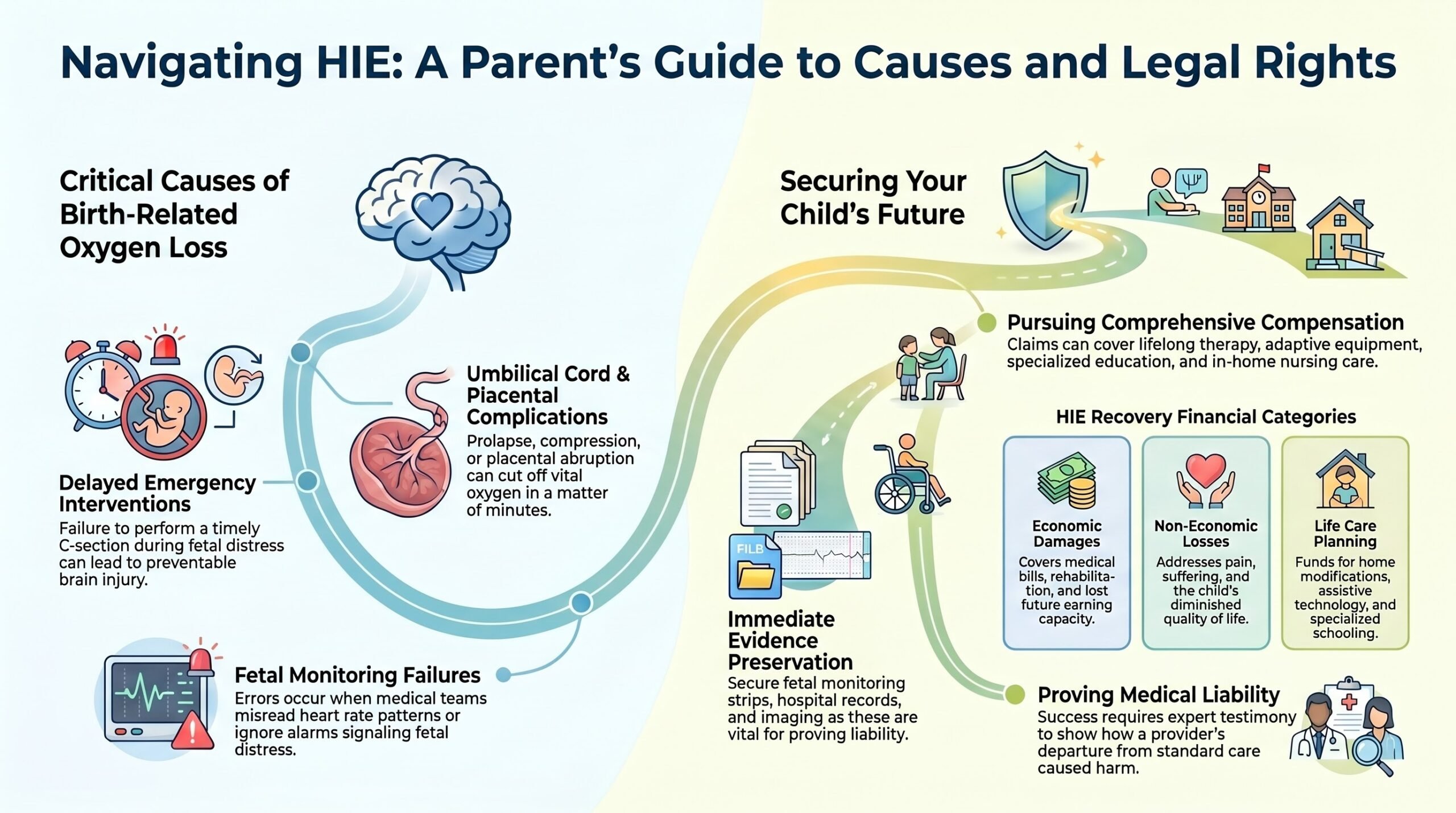
When you examine the common causes of hypoxic ischemic encephalopathy, you’ll often find delayed emergency delivery, umbilical cord complications, placental abruption, and fetal monitoring failures at the center of the injury. These events can restrict oxygen flow before or during birth, and they may signal that medical providers didn’t respond as quickly or as carefully as the situation required. As you assess your legal options, you’ll need to understand how each of these failures can contribute to a preventable birth injury.
Delayed Emergency Delivery


A delayed emergency delivery can set off a rapid chain of events that deprives a baby’s brain of oxygen during a vital window. When your medical team misses warning signs, hesitates, or mishandles delivery timing, the risk of hypoxic ischemic encephalopathy rises quickly. A delayed cesarean may follow abnormal fetal monitoring, stalled labor, or signs of maternal distress, yet every lost minute can matter.
If you’re seeking answers after a preventable birth injury, you merit a clear review of whether providers acted with appropriate urgency. Hospitals should have systems that support rapid decision-making, coordinated communication, and prompt intervention when complications emerge. By examining records, timelines, and staff responses, you can better understand whether an avoidable delay contributed to your child’s condition and what steps may help protect your family’s future.
Umbilical Cord Complications
Umbilical cord complications can cut off or markedly reduce a baby’s oxygen supply in moments, and that loss of oxygen may lead to hypoxic ischemic encephalopathy if providers don’t respond promptly. If you’re seeking answers after a birth injury, you should know that cord entanglement, a nuchal cord, true knots, cord prolapse, or cord compression can quickly create a crisis.
Your medical team should monitor fetal heart patterns closely, recognize signs of distress, and act without delay to protect your child. When providers miss warning signs, fail to relieve pressure, or postpone delivery, your family may face preventable harm. By understanding how these emergencies develop, you can better advocate for your child and pursue accountability. That pursuit can also help promote safer care for other families in your community and beyond.
Placental Abruption Risks
Placental abruption can deprive your baby of oxygen in a matter of minutes, making it one of the most dangerous obstetric emergencies linked to hypoxic ischemic encephalopathy. When the placenta separates from the uterus too soon, blood flow and oxygen delivery can drop rapidly, placing your child at serious risk of brain injury.
You may face higher danger if maternal hypertension, trauma, smoking, substance use, or prior abruption is present. Although placental previa differs from abruption, both abnormal placental conditions can threaten a safe delivery and demand immediate medical attention. If caregivers fail to recognize warning signs such as severe abdominal pain, vaginal bleeding, uterine tenderness, or contractions, preventable harm may follow. By seeking answers and accountability, you help protect your child, support your family, and promote safer care for others.
Fetal Monitoring Failures
When labor and delivery teams fail to correctly interpret fetal heart rate patterns, vital signs of oxygen deprivation can go unnoticed until a preventable brain injury has already occurred. You trust providers to use electronic monitoring carefully, recognize late decelerations, reduced variability, and prolonged distress, and then respond without delay.
If nurses or physicians ignore concerning tracings, misread data, or fail to follow alarm protocols, your baby may remain in jeopardy far too long. Delayed intervention can prevent timely oxygen support, operative delivery, or emergency cesarean section. In a community devoted to protecting families, you deserve care teams that communicate clearly, promptly escalate concerns, and act decisively when warning signs appear. When they don’t, fetal monitoring failures can become a direct cause of hypoxic ischemic encephalopathy and lasting harm to your child.
Legal Rights of Orlando Hypoxic Ischemic Encephalopathy Injury Victims
Although a hypoxic ischemic encephalopathy diagnosis can leave families facing profound uncertainty, Florida law gives you the right to pursue compensation when negligent medical care contributed to your child’s injury. You may seek damages for lifelong treatment, therapy, assistive equipment, lost earning capacity, and other measurable losses affecting your family’s stability and service to your child.
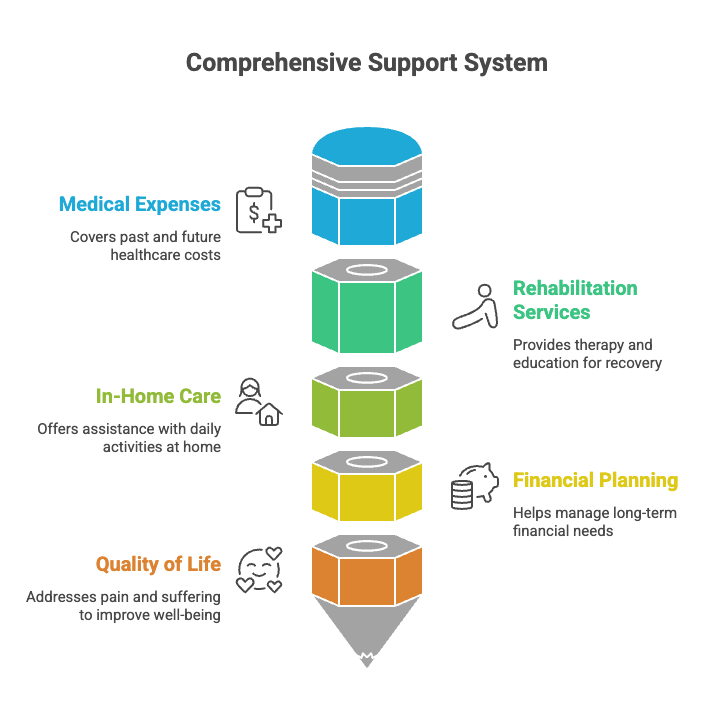
Your legal rights can include recovery for:
- Past and future medical expenses
- Rehabilitation, therapy, and specialized education
- In-home care, Parent support, and respite services
- Financial planning for long-term needs and equipment
- Pain, suffering, and diminished quality of life
You also have the right to hold hospitals, physicians, nurses, and other providers accountable when they breach accepted standards of care. A successful claim can provide resources that protect your child’s dignity, strengthen your caregiving capacity, and support your family’s mission of compassionate service. Florida law also imposes deadlines, so your rights merit careful legal evaluation now.
Steps to Take After an Orlando Hypoxic Ischemic Encephalopathy Injury
After an Orlando hypoxic ischemic encephalopathy injury, you should seek immediate medical evaluation to safeguard your health and document the full extent of the harm. You should also preserve all records and evidence, including medical files, bills, test results, and communications related to your care. Once you’ve taken these steps, you should consult an Orlando lawyer who can assess your claim and help you protect your legal interests.
Seek Immediate Medical Evaluation
Seeking prompt medical evaluation is one of the most important steps you can take if hypoxic ischemic encephalopathy is suspected. You should seek an urgent assessment immediately, because delayed care can worsen brain injury and limit treatment options. Ask for a thorough neurological screening, imaging studies, and continuous monitoring so providers can identify oxygen deprivation, seizures, or related complications without delay.
Preserve Records And Evidence
Preserve every record connected to the hypoxic ischemic encephalopathy injury as soon as possible, because clear documentation can protect your child’s medical needs and any future legal claim. Gather hospital charts, fetal monitoring strips, imaging, discharge papers, medication lists, bills, and insurance correspondence. Keep a dated journal describing symptoms, treatments, developmental changes, and the support your family provides each day.
Store originals safely, make organized copies, and use digital preservation for scans, photographs, and messages. Save emails, voicemails, appointment reminders, and portal communications. If equipment, clothing, or other physical items may matter, label them carefully and maintain a clear chain of custody. Ask providers for complete records promptly, and confirm requests in writing. Careful preservation helps you honor your child’s needs while protecting accurate facts for those who serve your family.
Consult An Orlando Lawyer
Once you’ve secured the records and evidence, consulting an Orlando lawyer can help you evaluate what happened and protect your family’s legal options. During a legal consultation, you can present timelines, medical records, and your concerns so counsel can assess whether negligence contributed to your child’s injury. You should ask direct questions about experience with hypoxic ischemic encephalopathy cases, expected next steps, and how the attorney will communicate with you.
You also need to understand the fee structure before moving forward. Many firms handle these matters on a contingency basis, but you should confirm costs, litigation expenses, and any responsibilities you may retain. By seeking timely guidance, you position yourself to advocate responsibly for your child, support your family, and pursue accountability in a thoughtful, service-minded way.
How an Orlando Hypoxic Ischemic Encephalopathy Injury Lawyer Can Help You
When your child suffers a hypoxic ischemic encephalopathy injury, an Orlando lawyer can help you identify what went wrong, determine whether medical negligence played a role, and take prompt steps to protect your legal claim. Through careful client counseling and evidence preservation, you can make informed decisions while your attorney builds a clear, well-supported case on your behalf.
A skilled lawyer may help you by:
- Reviewing medical records and fetal monitoring strips
- Consulting qualified experts about delivery room standards
- Preserving documents, timelines, and witness statements
- Handling insurer communications and procedural deadlines
- Pursuing compensation for medical costs and related losses
Long-Term Effects of Orlando Hypoxic Ischemic Encephalopathy Injuries
You may face lasting consequences after a hypoxic ischemic encephalopathy injury, including cognitive and developmental challenges that affect learning, communication, and daily function. You may also see motor and physical limitations that interfere with mobility, coordination, and independence as your child grows. Because these effects can continue for years, you may need lifelong care and support to preserve your child’s health, progress, and quality of life.
Cognitive And Developmental Challenges
Uncertainty often defines the long-term impact of hypoxic ischemic encephalopathy, especially when a child begins to show cognitive and developmental delays over time. You may notice problems with memory, attention, language, learning, or social interaction as school and daily responsibilities become more demanding. These challenges can affect how your child communicates needs, follows instructions, and builds confidence in classrooms and relationships.
Your role in seeking answers matters. Early intervention can strengthen learning, communication, and adaptive skills during pivotal stages of development. As your child grows, Educational accommodations may provide structured support, fair access, and meaningful opportunities to succeed. Careful evaluations, consistent services, and informed advocacy help you serve your child with patience and purpose while protecting future needs. Legal guidance can also help secure resources for long-term care.
Motor And Physical Limitations
Recognize that motor and physical limitations can reshape nearly every part of your child’s daily life after a hypoxic ischemic encephalopathy injury. You may notice delayed milestones, poor balance, muscle weakness, or difficulty with coordinated movement. These challenges can affect bathing, dressing, eating, play, and safe mobility throughout your home and community.
You often must evaluate wheelchair accessibility, select adaptive equipment, and work with clinicians to manage spasticity and reduce pain and improve function. Your child may also need gait training to strengthen walking patterns, build endurance, and promote safer transfers. By understanding these physical effects early, you can better advocate for practical changes that protect your child’s dignity, increase participation in daily activities, and support meaningful involvement in school, family routines, and community life with confidence.
Lifelong Care And Support
Physical limitations often lead to needs that extend far beyond mobility and daily tasks, shaping the care your child may require for years to come. You may need to coordinate experts, adaptive equipment, transportation, and home modifications while balancing work and family responsibilities.
Lifelong care often includes medical monitoring, educational planning, and consistent advocacy so your child receives appropriate services at every stage. You should also evaluate therapy options that support communication, motor skills, cognition, and independence, because progress depends on timely, individualized treatment. As demands increase, respite services can protect your health and strengthen your ability to care well over time. Financial planning, community resources, and legal guidance may also become vital. When negligence caused the injury, pursuing accountability can help secure support your child will rely on for life.
Proving Liability in Orlando Hypoxic Ischemic Encephalopathy Injury Cases
Establishing liability in an Orlando hypoxic ischemic encephalopathy injury case requires more than showing that a newborn suffered harm during labor or delivery. You must connect that harm to a preventable medical failure, such as delayed intervention, poor fetal monitoring, or improper resuscitation. Strong evidence preservation is vital because fetal heart strips, nursing notes, medication records, and timing logs often reveal whether providers met the accepted standard of care.
You also need expert testimony to explain how competent professionals should have responded under the same circumstances and how a departure caused oxygen deprivation. By building a clear timeline, you can show when warning signs appeared, what actions were required, and how inaction worsened the outcome. Your legal team may consult obstetric, neonatal, and neurological consultants to strengthen causation. When you pursue accountability, you do more than seek answers for your family. You help protect future patients by encouraging safer medical practices throughout the community.
Dealing With Insurance Companies After an Orlando Hypoxic Ischemic Encephalopathy Injury
Once you’ve gathered the records and expert support needed to show how the injury occurred, you must also deal carefully with the hospital’s or provider’s insurance company. You should expect adjusters to protect their insured’s interests, not your child’s long-term needs. That means you should speak cautiously, limit informal statements, and avoid signing broad authorizations without legal guidance.
You can serve your family best by keeping organized records of medical bills, therapy needs, and communications with insurers. Insurance representatives may push early settlements before the full extent of hypoxic ischemic encephalopathy becomes clear. They may also raise claim denials based on incomplete information, disputed causation, or alleged preexisting issues. When you respond with clear documentation and disciplined communication, you strengthen your position.
An attorney can help you evaluate offers, protect your rights, and keep the focus where it belongs, on securing resources for your child’s care, stability, dignity, and future well-being.
What to Expect During an Orlando Hypoxic Ischemic Encephalopathy Injury Claim Process
As your claim begins, you can expect an initial case evaluation and a careful review of the medical records to assess what happened and identify supporting evidence. Your attorney will then file the claim, meet procedural deadlines, and manage communications as the case moves forward. From there, you may resolve the matter through settlement, or if necessary, proceed to trial to pursue full compensation.
Initial Case Evaluation
When you sit down for an initial case evaluation, your attorney will review the timeline of pregnancy, labor, delivery, and neonatal care to identify whether preventable oxygen deprivation may have caused your child’s hypoxic ischemic encephalopathy. During this initial consultation, you’ll explain your concerns, answer focused questions, and describe how the injury has affected your family’s ability to care for and serve your child.
Your lawyer will outline potential legal issues, explain what the claim process may involve, and discuss whether the facts appear consistent with negligence. You should also expect a clear discussion of the fee structure, including contingency arrangements and litigation costs. This meeting helps you understand your options, assess the firm’s commitment, and decide whether pursuing accountability may support your child’s future care and long-term well-being.
Medical Record Review
Examine the records carefully, because your attorney’s review of prenatal charts, labor and delivery notes, fetal monitoring strips, neonatal assessments, imaging, and blood gas results often forms the foundation of a hypoxic ischemic encephalopathy claim. You should expect a methodical review that looks for gaps, delayed responses, and signs of preventable oxygen loss.
Your legal team may compare entries across providers, reconstruct timelines, and determine whether the care team acted within accepted standards. They may also use redaction techniques to organize sensitive information while protecting privacy during expert review. As you serve your child and family, this stage helps clarify what happened, when it happened, and how those events affected early treatment. A careful record analysis often shapes the strength, direction, and credibility of your case moving forward.
Filing The Claim
Once the record review points to preventable oxygen deprivation, your attorney can move forward by preparing and filing the claim against the responsible providers or institutions. You help by gathering authorizations, confirming timelines, and preserving documents that show how the injury affected your child and family.
Your lawyer identifies every proper defendant, calculates filing costs, and guarantees the case meets Florida claims deadlines. You can expect formal notices, signed verifications, and detailed allegations supported by medical facts and expert input. During this stage, your legal team files the complaint with the court, arranges service on each defendant, and carefully tracks procedural requirements. By acting promptly and thoroughly, you strengthen accountability, protect your right to seek help, and support safer care for other families in your community.
Settlement Or Trial
Although many hypoxic ischemic encephalopathy claims resolve through settlement, your case may still proceed to trial if the providers or their insurers dispute liability, causation, or the full extent of your child’s damages. You should expect careful evaluation of records, expert opinions, and projected lifelong care needs before meaningful negotiations begin.
During this stage, your attorney uses Settlement tactics to measure offers against the true cost of treatment, therapy, assistive services, and family support. If the defense refuses accountability, your legal team shifts to a trial strategy, prepares witnesses, organizes exhibits, and presents a clear narrative of preventable harm. You may participate in mediation, depositions, and pretrial motions while continuing to prioritize your child’s wellbeing. Whether your case settles or reaches a verdict, you pursue resources that help your family serve your child faithfully.
Compensation for Orlando Hypoxic Ischemic Encephalopathy Injury Damages
Pursuing compensation for a hypoxic ischemic encephalopathy injury in Orlando means identifying the full extent of your child’s losses and connecting those damages to preventable medical negligence. You need a clear record of how the injury affects daily care, medical planning, and your family’s ability to provide stable, compassionate support over time.
Your claim may include funds for hospital treatment, specialist care, medications, rehabilitation, assistive equipment, home modifications, and transportation to appointments. You should also document future needs, including alternative therapies, caregiver training, in-home nursing assistance, and educational support services. Strong medical evidence, life care planning, and expert analysis help show why these resources are necessary and how long your child will likely need them.
When you present a complete picture, you strengthen your ability to seek compensation that supports your child’s dignity, development, and safety. That financial recovery can help you continue serving your child with consistency, skill, and love.
Economic vs Non-Economic Damages in Orlando Hypoxic Ischemic Encephalopathy Cases
You should understand how economic damages cover measurable losses, including medical expenses, rehabilitation costs, future care, and lost income tied to your child’s injury. You may also pursue non-economic damages for losses that aren’t easily assigned a dollar amount, such as pain, suffering, and diminished quality of life. When you assess these categories, you need to take into account valuation factors such as the severity of the injury, the projected need for lifelong care, and the overall impact on your family’s daily life.
Economic Damage Categories
Because hypoxic ischemic encephalopathy often causes long-term and highly specialized medical needs, damages in these cases usually fall into two broad categories: economic and non-economic losses. Economic damages address the measurable financial burdens you carry while seeking faithful care for your child and stability for your family.
These losses may include hospital bills, physician services, surgeries, medications, rehabilitation, assistive devices, in-home nursing, and ongoing therapy. You may also recover costs for transportation to medical experts, home modifications, special education support, and other necessary accommodations. If your child’s condition requires lifelong treatment, you can pursue projected future medical expenses supported by expert analysis. Economic damages can also include your lost wages if caregiving limits your work, along with your child’s reduced future earnings capacity. Careful documentation strengthens these claims.
Non-Economic Losses
Not all harm in an Orlando hypoxic ischemic encephalopathy case appears on a bill or invoice. You may face losses that affect your child’s daily comfort, your family’s relationships, and your own peace of mind. These non-economic losses recognize human consequences that financial records can’t fully capture.
You may seek compensation for pain, disability, loss of enjoyment of life, and emotional suffering tied to the injury. If you’ve devoted yourself to caring for your child, these losses also reflect the strain on companionship, connection, and ordinary family experiences. Pain valuation addresses physical discomfort and its continuing effects, while other non-economic damages acknowledge fear, grief, frustration, and trauma. By clearly identifying these harms, you help present a fuller account of what your family has endured and continues to endure each day.
Damage Valuation Factors
While every Orlando hypoxic ischemic encephalopathy case turns on its own facts, damage valuation usually depends on the severity of the child’s condition, the expected need for lifelong care, and the extent to which the injury has altered daily life for the child and family. Your lawyer will examine economic damages, including medical treatment, therapy, equipment, home modifications, and future lost earning capacity.
Non-economic damages address pain, suffering, disability, and the loss of enjoyment that your child and family endure. A strong severity assessment supports both categories by demonstrating how the injury affects care needs, education, and independence. Reliable valuation methods often include life care plans, expert testimony, billing records, and projections of future expenses.
When you pursue full compensation, you seek resources that help your child receive consistent support, dignity, and meaningful opportunities throughout life.
When an Orlando Hypoxic Ischemic Encephalopathy Injury Case Goes to Trial vs Settlement
Although many Orlando hypoxic ischemic encephalopathy injury claims resolve through settlement, some proceed to trial when the parties dispute liability, causation, or the full extent of damages. As you evaluate your options, your lawyer should compare the certainty of settlement negotiations with the risks and demands of trial. A fair settlement can provide timely resources for your child’s treatment, therapies, adaptive equipment, and long-term support.
If the defense denies negligence, challenges medical evidence, or minimizes future needs, trial strategy becomes essential. Your attorney may present expert testimony, delivery records, and life-care planning evidence to show how the injury occurred and what assistance your family will require. Trial can take longer and involve greater uncertainty, but it may also lead to fuller accountability. Settlement, by contrast, can reduce stress, preserve privacy, and avoid extended litigation. You should weigh both paths carefully, focusing on what best protects your child, your family, and the care your loved one merits.
The Statute of Limitations for Orlando Hypoxic Ischemic Encephalopathy Injury Cases
After you consider whether settlement or trial best serves your family, you must also pay close attention to the filing deadline that governs your claim. In Florida birth injury matters, statute deadlines can control whether a court will hear your case at all. If you wait too long, you may lose the opportunity to pursue accountability and resources that could support your child’s care.
Because hypoxic ischemic encephalopathy claims often involve intricate medical timelines, you should review the facts carefully and preserve records early. Florida law may allow limited filing exceptions in certain circumstances, such as delayed discovery of harm or issues involving a minor child, but those exceptions do not apply automatically. Courts interpret them narrowly, and a missed deadline can still end your claim. By acting with diligence, you protect your ability to seek answers, secure financial support, and continue to serve your child’s long-term needs with stability, planning, and confidence in the future.
When to Contact an Orlando Hypoxic Ischemic Encephalopathy Injury Lawyer
Often, the best time to contact an Orlando hypoxic ischemic encephalopathy injury lawyer is as soon as you suspect your child’s condition may be linked to problems during labor, delivery, or immediate newborn care. If you notice early signs such as seizures, trouble feeding, unusual muscle tone, or delayed responses, you should act promptly. Early action helps preserve records, identify witnesses, and protect important facts.
You should also reach out when doctors give unclear explanations, your child needs intensive treatment, or you feel that something went wrong during birth. Legal timing matters because medical records can change hands, memories can fade, and deadlines may affect your options. By seeking guidance early, you place yourself in a better position to understand what happened and to make informed decisions for your child’s future. Taking this step can also help your family pursue accountability in a thoughtful, service-minded way that honors your child’s needs and well-being.
Why You Need an Experienced Orlando Hypoxic Ischemic Encephalopathy Injury Lawyer
Choose your legal representation with care, because hypoxic ischemic encephalopathy cases demand far more than a general understanding of birth injury law. You need counsel who can connect medical records, fetal monitoring strips, and provider actions to show how preventable harm occurred and why it matters for your child’s future.
An experienced Orlando hypoxic ischemic encephalopathy injury lawyer helps you pursue accountability with purpose and discipline. You benefit from a clear case strategy, informed analysis of birth trauma, and prompt action before legal timelines expire. Your lawyer can work with qualified experts, identify breaches in the standard of care, and calculate the long-term costs of treatment, therapy, equipment, and support services. That preparation strengthens your claim and protects your family’s ability to serve your child well for years ahead. When the stakes involve lifelong needs, experienced legal guidance provides a stronger path to answers, resources, and justice.
How to Choose the Right Orlando Hypoxic Ischemic Encephalopathy Injury Lawyer for Your Case
Sorting through your options requires more than reviewing a firm’s website or advertising claims. You should look for a lawyer who understands hypoxic ischemic encephalopathy cases, explains intricate medical issues clearly, and shows a consistent record of handling birth injury litigation with care and discipline.
As you compare firms, focus on Attorney fit as much as credentials. You need counsel who listens carefully, respects your family’s goals, and communicates in a way that helps you make informed decisions for your child’s future. Ask how the lawyer investigates hospitals, consults medical experts, and prepares cases for negotiation or trial. Review Fee structures closely so you understand costs, contingency arrangements, and case expenses before signing anything.
You should also consider responsiveness, courtroom experience, and the firm’s ability to manage a demanding case. Choosing thoughtfully helps you pursue accountability while protecting your child’s long-term needs and preserving your family’s peace.
About The Law Offices of Anidjar & Levine
At The Law Offices of Anidjar & Levine, you can work with a legal team that handles complex birth injury claims with close attention to both medical evidence and long-term damages. You receive responsive guidance, careful case preparation, and direct communication throughout each stage of your claim.
The firm examines records, consults qualified experts, and builds a strategy designed to protect your child’s future needs.
When you pursue justice after a hypoxic ischemic encephalopathy injury, you need counsel that understands both legal standards and human responsibility. This firm approaches your case with discipline and respect, recognizing that your efforts serve your child and your family’s well-being.
You can review client testimonials to understand how the team supports families during difficult circumstances. Through community outreach, the firm also demonstrates a broader commitment to helping people access dependable legal support. That service-minded approach can matter when you need representation grounded in preparation, accountability, and results.
Frequently Asked Questions
Can Hypoxic Ischemic Encephalopathy Affect Eligibility for Special Education Services?
Yes, hypoxic ischemic encephalopathy can affect your child’s eligibility for special education services if it causes cognitive, motor, behavioral, or communication challenges that impact school performance. You should expect schools to apply eligibility criteria through evaluations and documented needs. That process often informs IEP planning and supports effective service coordination. By understanding these steps, you can better advocate for services that help your child learn safely and meaningfully at school.
Are Second Medical Opinions Useful After a Hypoxic Ischemic Encephalopathy Diagnosis?
Yes, second opinions are often useful after a hypoxic ischemic encephalopathy diagnosis. You gain diagnostic clarity, confirm the extent of injury, and identify treatment options that may better support your child’s needs. A second review can also help you coordinate therapies, plan educational services, and make informed decisions that serve your family well. When you seek second opinions promptly, you strengthen your ability to advocate for appropriate care and long-term support.
What Medical Specialists Treat Hypoxic Ischemic Encephalopathy in Orlando?
In Orlando, you’d typically see neonatal neurologists, neonatologists, pediatricians, and pediatric rehabilitation experts for hypoxic ischemic encephalopathy. You may also need physical, occupational, and speech therapists to support long-term function and development. If you’re caring for a child, these professionals coordinate treatment, monitor progress, and adjust therapies as needs change. By working with this team, you can better serve your loved one and strengthen their daily quality of life.
Can Parents Seek Support Groups for Children With Hypoxic Ischemic Encephalopathy?
Yes, you can seek support groups for children with hypoxic ischemic encephalopathy, and doing so often strengthens your ability to care for your child well. You’ll find hospital-based programs, nonprofit organizations, faith communities, and online networks offering peer mentorship, caregiver workshops, and practical guidance. Ask your child’s neurologist, therapist, or social worker for referrals. These groups help you exchange resources, learn advocacy strategies, and build steady, informed support over time.
How Are Future Home Modifications Planned for Hie-Related Disabilities?
You plan future home modifications by evaluating your child’s current abilities, anticipated changes, and daily care needs with medical and therapy professionals. You prioritize safety, accessibility, and caregiver support, then budget for phased updates. These may include ramps, widened doorways, adaptive equipment, and sensory rooms that promote regulation and learning. You should also review funding sources, community programs, and long-term housing goals so that your home continues to serve your family effectively.
—————————
If your family is facing the effects of a hypoxic ischemic encephalopathy injury, you need clear guidance and decisive legal support. You can protect your rights by acting promptly, preserving medical records, and speaking with counsel who understands these intricate claims.
The Law Offices of Anidjar and Levine can evaluate your case, explain your options, and pursue the compensation your child may need.
For help from an Orlando Medical Malpractice Lawyer, experienced representation can help you move forward with greater confidence and legal clarity.

