

The Law Offices of Anidjar and Levine, an Orlando medical malpractice birth and obstetric injuries law firm, evaluates whether negligent prenatal, labor, delivery, or postpartum care caused harm to the mother or child. The review may address monitoring failures, delayed intervention, medication errors, communication breakdowns, informed-consent issues, and failure to recognize complications. Attorneys preserve records, consult qualified medical experts, identify responsible parties, and pursue compensation for medical expenses, future care, lost income, and pain and suffering. Florida deadlines and procedural requirements apply. For additional information, visit our Orlando Personal Injury Lawyer page to learn about available legal options and important next steps.
Main Takeaways
- An Orlando birth injury lawyer evaluates whether medical negligence during pregnancy, labor, delivery, or postpartum care caused harm.
- Attorneys review prenatal records, fetal monitoring, imaging, communications, billing documents, and expert medical opinions.
- Potential claims may involve delayed diagnosis, inadequate monitoring, communication failures, improper intervention, or lack of informed consent.
- Establishing liability requires proving a departure from accepted standards of care and a connection to specific injuries.
- Families should preserve records, photographs, messages, symptom notes, and caregiving-cost documentation before discussing claims publicly.
How We Can Help With Your Orlando Medical Malpractice Birth & Obstetric Injuries Injury Claim
When medical negligence contributes to a birth or obstetric injury, an experienced Orlando medical malpractice attorney can evaluate the circumstances, identify responsible parties, and pursue appropriate compensation on the family’s behalf. The attorney’s role may begin with structured client consultation steps, including gathering medical histories, establishing a timeline, documenting communications, and understanding the family’s immediate and long-term needs. This process helps clarify concerns while ensuring that important details receive careful attention.
Counsel can also explain evidence protection tips, such as preserving discharge papers, billing records, photographs, electronic messages, and notes concerning symptoms or medical conversations. Families may be advised to avoid altering records or discussing potential claims publicly. The legal team can request relevant medical records, consult qualified medical professionals, and organize information for informed decision-making. Throughout the representation, the attorney can communicate significant developments, address procedural requirements, and advocate for resources supporting medical care, rehabilitation, and household stability. This service-oriented approach seeks to protect the family’s interests while treating each concern with diligence, respect, and discretion.
Understanding Orlando Medical Malpractice Birth & Obstetric Injury Cases


Understanding an Orlando medical malpractice birth and obstetric injury case requires examining whether a healthcare provider’s conduct departed from the accepted standard of care and contributed to harm before, during, or shortly after delivery. This analysis may involve prenatal risks, medical histories, testing, monitoring, and the decisions made as pregnancy progressed. It also considers whether informed consent was provided, including a meaningful explanation of material risks, alternatives, and potential consequences. During delivery, records may show how clinicians assessed Labor complications, communicated concerns, and selected appropriate interventions. The adequacy and timeliness of emergency response can be significant when a mother or newborn develops an urgent condition. Qualified reviewers generally compare the care provided with what reasonably careful professionals would have done under similar circumstances. The resulting injury, its medical consequences, and available documentation must also be evaluated. Each case requires individualized review because outcomes alone do not establish negligence, and legal responsibility depends on evidence linking the departure from accepted care to actual harm.
Don’t Wait. Call Our Florida Personal Injury Lawyers Now!
Common Causes of Orlando Medical Malpractice Birth & Obstetric Injuries
OUR CONSULTATIONSARE FREE
START YOUR FREE CASE REVIEW

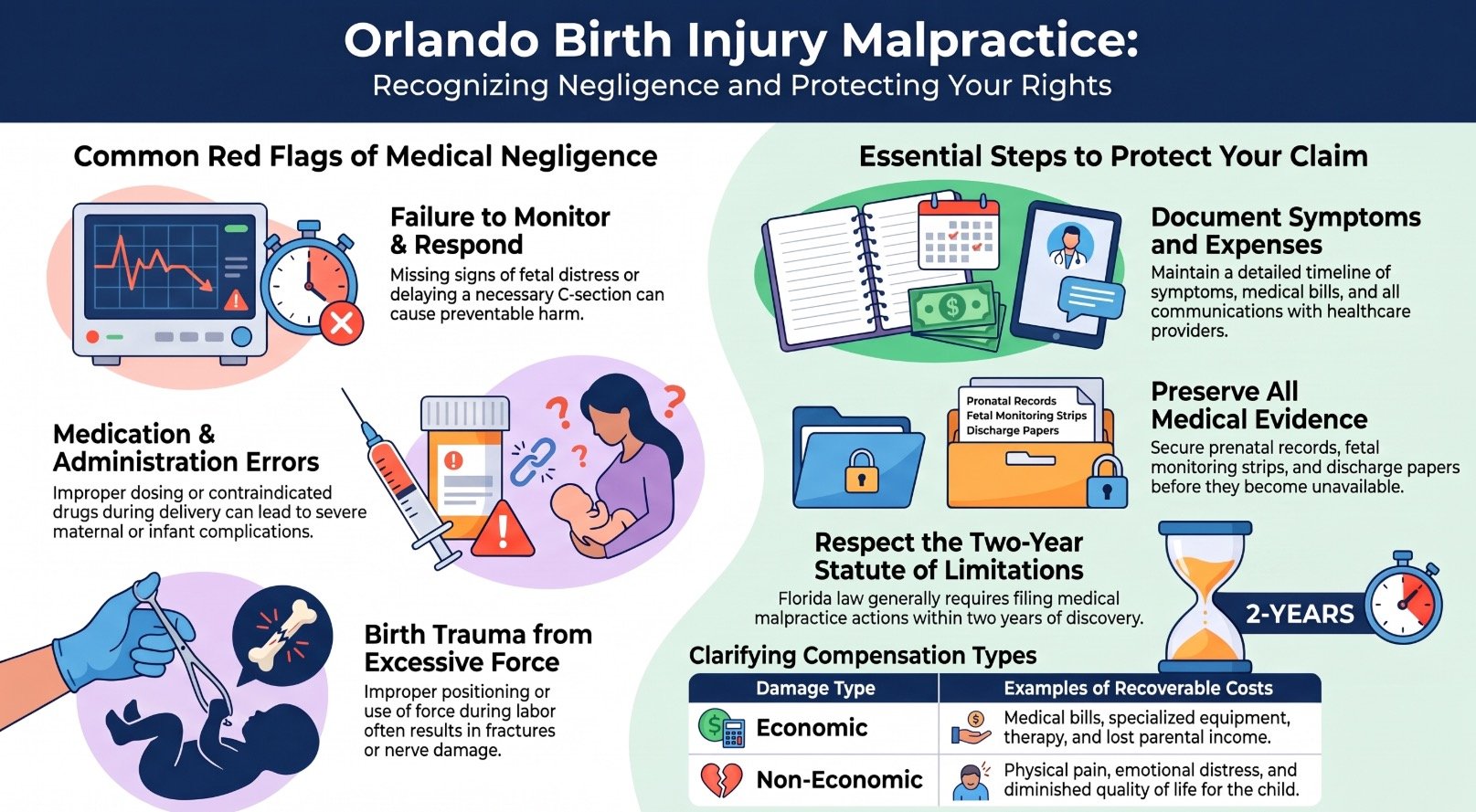
Common causes of Orlando medical malpractice birth and obstetric injuries may include delayed cesarean sections, inadequate fetal monitoring, birth trauma, and medication errors. These failures can arise when healthcare providers do not recognize complications, respond promptly, or follow established safety protocols. Each circumstance requires careful evaluation of the medical records, clinical decisions, and resulting harm.
Delayed Cesarean Section
A delayed cesarean section can constitute medical negligence when healthcare providers fail to recognize or respond promptly to conditions requiring surgical delivery. Urgent delivery may be necessary when labor complications, placental problems, or signs of fetal distress create risks that continued labor could worsen. Appropriate clinical judgment includes timely assessment of maternal oxygenation, fetal heart monitoring, cervical progress, and other documented findings. When warning signs appear, the obstetric team must evaluate whether an operative delivery is indicated and coordinate surgery without unreasonable delay. Postponement may increase the likelihood of oxygen deprivation, neurological injury, hemorrhage, infection, or other serious complications affecting the mother or newborn. Determining liability requires examining the circumstances, applicable standards of care, medical records, and expert opinions regarding whether earlier intervention would likely have improved the outcome.
Failure to Monitor


When healthcare providers fail to adequately monitor a pregnant patient or fetus, they may miss warning signs that require timely medical treatment. Proper surveillance includes regularly evaluating maternal Vital signs, contractions, laboratory findings, and fetal heart rate patterns. Monitoring protocols should be followed consistently and adjusted when pregnancy complications, medications, or changes in condition increase risk. Failure to recognize or respond to abnormalities may allow fetal distress, infection, hypertension, or other emergencies to worsen. Nurses, physicians, and other staff may have responsibilities for documenting observations, communicating concerns, and escalating care without unreasonable delay. When conduct falls below the applicable standard of care, the resulting harm may support a medical malpractice claim. A careful review of records can aid determine whether monitoring was adequate, timely, and consistent with accepted obstetric practice.
Birth Trauma
Birth trauma refers to physical injury sustained by an infant during labor or delivery, often involving excessive force, improper positioning, prolonged labor, or complications that are not addressed promptly. Common injuries include fractures, nerve damage, brain injury, and oxygen deprivation. Healthcare professionals must recognize warning signs, document changes, and respond according to accepted obstetric standards. Effective Fetal distress management may require continuous monitoring, timely repositioning, operative delivery, or emergency intervention when an infant’s condition deteriorates. After birth, clinicians should assess breathing, movement, reflexes, and neurological status without delay. NICU intervention timelines can be vital when respiratory difficulty, seizures, or suspected hypoxic injury develops. Failure to identify trauma, communicate concerns, or provide appropriate treatment may contribute to preventable harm and support a medical malpractice claim. Families benefit from compassionate guidance while reviewing records and outcomes.
Medication Errors
Medication errors during pregnancy, labor, delivery, or newborn care can cause preventable harm when drugs are misidentified, improperly dosed, contraindicated, or administered at the wrong time. A wrongful drug may expose a mother or infant to dangerous reactions, while dosage mistakes can produce toxicity, ineffective treatment, or complications requiring emergency intervention. Incorrect administration, including using the wrong route, timing, or patient, may worsen an existing condition or create new injuries. These events can result from incomplete medical histories, unclear orders, inadequate verification, staffing pressures, or poor communication among healthcare professionals. Alert system failures may prevent clinicians from recognizing allergies, interactions, or dangerous medication combinations. Careful documentation, barcode verification, independent double-checks, and timely monitoring can reduce risks. When preventable medication harm occurs, records and expert review may clarify whether negligent conduct contributed to the injury.
Legal Rights of Orlando Medical Malpractice Birth & Obstetric Injuries Injury Victims
Medical malpractice birth and obstetric injury victims in Orlando may have legal rights when negligent prenatal care, labor management, delivery procedures, or postpartum treatment causes harm to the mother or child. Florida law may permit an injured patient or authorized representative to seek compensation for medical expenses, lost income, future care, pain, and related losses, subject to procedural requirements and statutory deadlines.
- A patient may pursue a claim when inadequate care falls below accepted professional standards and causes a verifiable injury.
- Informed Consent and Maternal Autonomy protect a patient’s right to receive material information and participate meaningfully in treatment decisions.
- Communication Failures or Postpartum Neglect may support legal review when providers fail to recognize, explain, document, or appropriately respond to warning signs.
Preserving medical records, messages, billing documents, and witness information can assist evaluation. A qualified Orlando medical malpractice attorney may investigate the circumstances, consult appropriate medical experts, and explain available remedies. Prompt consultation is important because notice and filing requirements can affect eligibility to recover damages.
Why Do Orlando Medical Malpractice Birth & Obstetric Injuries Happen?
When prenatal, labor, delivery, or postpartum care falls below accepted professional standards, preventable harm may result to the mother or child. Common causation factors include missed warning signs, delayed diagnostic testing, inadequate fetal monitoring, medication errors, and failures to respond appropriately to complications. Provider negligence may also involve poor communication, incomplete medical histories, insufficient informed consent, or improper coordination among physicians, nurses, and experts. During labor, failure to recognize fetal distress or perform a timely intervention can increase the risk of oxygen deprivation, nerve damage, or other serious injuries. Postpartum oversights may allow hemorrhage, infection, hypertension, or other dangerous conditions to progress untreated. Effective malpractice prevention depends on careful documentation, adherence to established protocols, timely consultation, and continuous monitoring. Patient advocacy supports these safeguards by encouraging clear communication, respectful treatment, and attention to reported symptoms. Understanding these contributing circumstances helps healthcare professionals and families identify risks without assuming that every unfavorable outcome reflects negligent care.
What Should You Do After an Orlando Medical Malpractice Birth & Obstetric Injury?
After a suspected birth or obstetric injury, the family should seek immediate medical care to protect the patient’s health and identify urgent complications. Careful documentation of symptoms, treatments, medical records, and related expenses can help establish what occurred. A qualified birth injury lawyer can then evaluate the circumstances, preserve relevant evidence, and explain available legal options.
Seek Immediate Medical Care
Prompt medical evaluation is important if a mother or newborn shows signs of a possible birth or obstetric injury. Emergency warning signs may include severe bleeding, breathing difficulty, seizures, persistent vomiting, unusual weakness, loss of consciousness, or significant changes in an infant’s feeding, movement, or responsiveness. A concerned family member should call 911 or proceed to the nearest emergency department rather than waiting for symptoms to resolve. Medical professionals can stabilize the patient, identify complications, and arrange appropriate follow-up care. The family should clearly explain the timing and nature of symptoms, disclose relevant health information, and ask providers to obtain immediate documentation of assessments and treatment. When appropriate, the family may contact hospital supervisor and preserve medication records while care continues, helping recovery and supporting the patient’s safety.
Document The Injury
Careful documentation can help establish the nature, timing, and consequences of a suspected birth or obstetric injury. After receiving medical care, the family should preserve discharge papers, test results, treatment plans, prescriptions, and billing records in an organized file. A detailed symptom timeline should identify when concerns first appeared, how symptoms changed, and which treatments or evaluations followed. Parents or caregivers should record feeding difficulties, developmental changes, mobility concerns, pain, breathing problems, and other observable effects without altering the facts or speculating about causes. Written notes should include dates, provider names, diagnoses, instructions, and missed appointments. Witness statements from relatives, caregivers, or others present during labor, delivery, or subsequent events may also preserve important observations. Digital records should be backed up securely, while original documents remain unchanged and accessible.
Contact A Birth Injury Lawyer
When should a family contact a birth injury lawyer? A family should seek guidance as soon as it suspects that medical negligence contributed to a child’s injury, particularly after complications during pregnancy, labor, delivery, or newborn care. Early advice can help preserve records, identify responsible providers, and protect important legal rights.
An Orlando birth injury lawyer can explain the Legal consultation timeline, including potential deadlines for filing claims and procedures involving minors. During a privacy-protected case review, the attorney may examine medical records, diagnostic reports, witness accounts, and documentation of ongoing care. Families should provide complete information and not alter or discard evidence. A qualified lawyer can also help coordinate evaluations, communicate with insurers, and pursue appropriate compensation for treatment, rehabilitation, accessibility needs, and related losses. Prompt consultation supports informed decisions and compassionate advocacy.
Critical Evidence in an Orlando Medical Malpractice Birth & Obstetric Injuries Case
Critical evidence may establish whether negligent care contributed to birth-related injuries and the resulting losses.
- Medical records and prenatal care documentation;
- Expert medical testimony;
- Evidence showing the injury’s impact on the child and family.
Together, these materials can clarify the standard of care, identify potential departures, and document the injury’s lasting consequences.
Medical Records
Medical records provide important evidence in an Orlando medical malpractice birth and obstetric injuries case by documenting the care provided before, during, and after delivery. They may show provider communications, medication administration, monitoring results, consent forms, delivery notes, and discharge instructions. Accurate timelines can help clarify when symptoms appeared, what decisions were made, and whether staff responded appropriately to changing conditions. Records may also reveal inconsistencies, unexplained omissions, or delayed entries that require careful evaluation. Because these documents contain sensitive health information, Patient privacy rights must be protected throughout the investigation. Attorneys commonly use HIPAA record requests to obtain complete files from hospitals, physicians, laboratories, and emergency providers. Preserving original records, electronic metadata, and related billing information can support reliable review and help qualified professionals assess whether negligent care contributed to recovery.
Prenatal Care Documentation
Prenatal care documentation can establish how healthcare providers assessed and managed risks throughout a pregnancy in an Orlando medical malpractice birth and obstetric injuries case. Records may include appointment notes, screening results, ultrasound findings, medication instructions, referral decisions, and communications regarding reported symptoms. Together, these materials can show whether warning signs were recognized, monitored, and heal within appropriate timeframes. Medical record gaps may reveal missing follow-up, unexplained delays, incomplete assessments, or absent documentation of informed discussions. Such omissions do not automatically prove negligence, but they may warrant careful review of the care provided and the resulting injuries. Dates, entries, and related communications can provide timeline proof, helping clarify when concerns emerged and how providers responded. Preserving complete prenatal records allows affected families and their advocates to examine the pregnancy’s clinical progression accurately and responsibly.
Expert Medical Testimony
Building on the timeline established through prenatal records, expert medical testimony can help explain whether the care provided met accepted professional standards. A qualified obstetrician or related subspecialist may review Dailey charting, fetal monitoring, laboratory results, imaging, medication records, and communications among providers. Through expert testimony, the subspecialist can identify expected responses to warning signs and assess whether the treatment team acted within the applicable standard of care. The analysis may address delayed diagnosis, inadequate monitoring, communication failures, or departures from established delivery protocols. Provider negligence is not established merely because an unfavorable outcome occurred. Instead, the testimony must connect specific clinical decisions to a professional breach supported by reliable medical evidence. Clear, impartial explanations can help the court evaluate disputed records and determine whether the providers’ conduct constituted malpractice.
Injury Impact Evidence
When a birth-related injury is alleged, evidence describing its effect on the child and family helps establish the nature and extent of the harm. Impact documentation may include medical records, therapy notes, school evaluations, caregiver observations, and testimony from treating professionals. These materials can show changes in mobility, communication, learning, behavior, or daily functioning over time. Developmental proof is particularly important when symptoms emerge gradually or affect age-based milestones. Records should identify needed services, their frequency, and the assistance required at home or school. This information supports a reliable damages calculation by connecting functional limitations to treatment, equipment, educational support, and lost earning capacity. Counsel may also consult life-care planners and economists to estimate long-term costs, helping present a complete and evidence-based account of the child’s future needs.
Long-Term Effects of Orlando Medical Malpractice Birth & Obstetric Injuries
Birth and obstetric injuries caused by medical malpractice may result in developmental delays that affect a child’s education, independence, and quality of life. Some children require lifelong medical care, therapy, assistive services, or specialized equipment to address ongoing disabilities. These needs can create substantial financial and emotional strain for the child and family, making the long-term consequences an important consideration in evaluating a claim.
Developmental Delays
Developmental delays may emerge when Orlando medical malpractice during pregnancy, labor, delivery, or neonatal care disrupts a child’s neurological development. Potential causes include untreated fetal distress, oxygen deprivation, birth trauma, infections, and failures to recognize conditions requiring timely intervention. Screening failures may prevent providers from identifying developmental concerns early, delaying referrals for appropriate evaluations and supportive services. Medication side effects, incorrect dosing, or unsafe drug choices can also contribute to neurological injury before or after birth. Affected children may experience delayed speech, limited motor coordination, learning difficulties, behavioral changes, or challenges with social interaction. These effects can become apparent gradually as developmental milestones are missed. Medical records, expert assessments, and developmental histories may help determine whether negligent care contributed to the child’s condition and clarify the resulting impact on daily functioning.
Lifelong Medical Needs
Lifelong medical needs may result when Orlando medical malpractice during pregnancy, labor, delivery, or neonatal care causes permanent neurological, physical, or developmental injuries. Affected children may require coordinated services from neurologists, orthopedists, therapists, communication experts, and primary-care providers. Pediatric rehabilitation planning can identify functional goals, adaptive equipment, medication monitoring, and educational supports as abilities and medical conditions change. Some individuals may need assistance with mobility, feeding, respiratory function, seizure control, or personal care throughout adulthood. Consistent evaluations help caregivers and professionals adjust treatment while preserving safety, dignity, and participation in daily activities. Documentation of diagnoses, recommended services, and anticipated care supports informed medical decision-making. Evaluating lifelong care costs may also require projecting future therapies, equipment replacement, attendant care, specialized transportation, and periodic reassessment as needs evolve.
Financial And Emotional Strain
The long-term care associated with permanent birth or obstetric injuries can create substantial financial and emotional strain for the child and family. Medical appointments, adaptive equipment, therapies, transportation, and necessary home modifications may continue for decades, pressuring household income and available resources. A detailed Care plan can help coordinate services, identify changing needs, and guide applications for public benefits or other assistance. Families may also experience grief, anxiety, caregiver fatigue, and uncertainty about the future. Long term support from qualified providers, schools, community organizations, and legal professionals can promote stability and protect the injured child’s interests. Family counseling may assist with communication, coping strategies, and emotional recovery. Thorough planning can help relatives make informed decisions while preserving dignity, access to care, and meaningful opportunities for participation.
Proving Liability in Orlando Medical Malpractice Birth & Obstetric Injury Cases
When a birth or obstetric injury occurs, proving liability requires evidence that a healthcare provider failed to meet the accepted standard of care and that this failure caused the injury. Negligence standards generally require showing what a reasonably careful physician, nurse, hospital, or other provider would have done under comparable circumstances. Relevant evidence may include prenatal records, fetal monitoring strips, imaging, medication histories, delivery notes, policies, and testimony from witnesses.
Medical records can help establish a timeline, but they may require careful interpretation. Causation must be demonstrated by connecting the alleged departure from proper care to a specific harm, such as brain injury, nerve damage, infection, or maternal complications. Expert selection is therefore a vital part of case preparation. Qualified consultants can explain applicable practices, identify deviations, and address whether earlier intervention could have restored the outcome. A thorough investigation also considers alternative causes, preexisting conditions, and the conduct of each involved provider. Clear, reliable evidence supports accountability and informed legal evaluation.
Dealing With Insurance Companies After an Orlando Medical Malpractice Birth & Obstetric Injury
After a birth or obstetric injury, insurance companies may seek statements, medical authorizations, and other information before the full extent of the harm is known. Families should avoid speculative explanations, recorded interviews, or broad releases without understanding how the information may affect a claim. Insurers may emphasize preexisting conditions, minimize developmental concerns, or characterize necessary treatment as unrelated to the injury.
Claim documentation tips include preserving medical records, billing statements, therapy evaluations, birth records, photographs, correspondence, and a dated account of symptoms and caregiving demands. Consistent documentation can help demonstrate ongoing needs and financial losses.
Insurance negotiation strategies may involve directing communications through legal counsel, calculating current and anticipated damages, and presenting medical evidence in an organized manner. A lawyer can review proposed settlements, identify inadequate compensation, and protect confidential information. Prompt, careful assistance allows families to focus on the child’s care while pursuing accountability without making premature concessions.
What to Expect During an Orlando Medical Malpractice Birth & Obstetric Injuries Injury Claim Process
The claim process generally begins with an initial case evaluation and a detailed review of relevant medical records. If the evidence supports a claim, settlement negotiations may follow, while legal counsel prepares for trial if an acceptable resolution is not reached. The matter may conclude through settlement, trial, or another formal resolution based on the available evidence and applicable law.
Initial Case Evaluation
How does an initial case evaluation clarify whether a potential birth injury claim has a viable legal and medical foundation? During this confidential consultation, an attorney listens to the family’s account, identifies the suspected harm, and explains the general requirements for proving negligence, causation, and damages under Florida law. Case timeline analysis helps organize significant events, including prenatal concerns, labor decisions, delivery circumstances, and the child’s subsequent condition, without prematurely drawing conclusions. The evaluation also considers available witnesses, communications, photographs, and other potentially relevant information. Evidence urgency planning may be necessary when records, electronic messages, or recollections could become difficult to obtain. The family typically receives an overview of potential next steps, costs, deadlines, and realistic outcomes. This process supports informed decisions while keeping the child’s welfare central.
Medical Record Review
Once an initial evaluation identifies a potentially viable claim, medical record review provides a structured basis for judging what occurred and whether the available evidence supports medical negligence. Attorneys typically obtain prenatal records, labor and delivery notes, fetal monitoring strips, medication logs, imaging, operative reports, discharge documents, and neonatal records. A qualified reviewer compares these materials with applicable Charting standards and accepted obstetric practices. The review may identify missing entries, inconsistent times, delayed responses, unexplained changes in treatment, or failures to communicate significant findings. These negligence red flags do not independently establish liability, but they can guide further investigation and expert analysis. The process also considers the mother’s and child’s condition before and after delivery, helping distinguish an avoidable injury from a known medical complication. Confidentiality and accurate chronology remain crucial throughout this assessment.
Settlement Negotiations
When medical records and expert reviews support a potential claim, settlement negotiations typically begin with a formal demand outlining the alleged negligence, resulting injuries, and claimed damages. The demand may address medical expenses, ongoing treatment, lost income, and the child’s anticipated care needs. Counsel evaluates the available evidence and develops a settlement strategy designed to present losses accurately while protecting the family’s interests. The healthcare provider’s insurer may respond with questions, requests for additional documentation, or a counteroffer. Experienced representatives assess insurance tactics, including attempts to minimize liability, dispute causation, or undervalue future damages. Negotiations may involve multiple exchanges and careful review of expert opinions. Any proposed agreement should be examined for completeness, enforceability, and its effect on the injured child’s long-term needs before acceptance.
Trial Preparation and Resolution
If settlement negotiations do not resolve the claim, the case may proceed toward trial, where each side presents evidence concerning the standard of care, the alleged departure from that standard, and the injuries attributed to the provider’s conduct. Counsel typically organizes medical records, witness testimony, timelines, and expert opinions to present a clear account of the birth or obstetric injury. Expert deposition planning helps identify weaknesses in opposing testimony and prepares witnesses for focused examination. Voir dire strategy assists in selecting jurors who can evaluate intricate medical evidence fairly and remain attentive to the family’s circumstances. During trial, each party may present opening statements, direct and cross-examinations, and closing arguments. The judge or jury then determines liability and, when appropriate, damages intended to address medical needs, lost support, and related losses.
Don’t Wait. Call Our Florida Personal Injury Lawyers Now!
Compensation for Orlando Medical Malpractice Birth & Obstetric Injuries Injury Damages
Compensation in an Orlando medical malpractice birth or obstetric injury case may cover the child’s medical treatment, rehabilitation, assistive care, and other expenses resulting from negligent prenatal care, labor, delivery, or postnatal treatment. A careful damages calculation considers documented bills, anticipated procedures, therapy, medication, equipment, transportation, and necessary home modifications. It may also account for skilled nursing, educational support, and pediatric longterm care when an injury causes continuing limitations or developmental needs. Attorneys and medical professionals often review records, treatment plans, life-care projections, and testimony to estimate services required throughout the child’s life. Families may seek compensation for costs already incurred and reasonably foreseeable future expenses, supported by reliable evidence rather than speculation. Counsel may also pursue damages associated with the child’s reduced ability to function or earn income, where the evidence permits. Timely legal guidance helps preserve records, identify responsible parties, and present a complete claim focused on securing dependable resources for the child’s continuing care.
Economic vs Non-Economic Damages in Orlando Medical Malpractice Birth & Obstetric Injuries Cases
Economic damages may include medical expenses, rehabilitation costs, lost income, and future care required after a birth injury. Non-economic damages address less tangible losses, including pain, emotional distress, disability, and diminished quality of life. Calculating birth injury compensation generally requires evaluating documented financial losses alongside the injury’s lasting personal and functional effects.
Economic Damages Explained
When medical negligence during pregnancy, labor, delivery, or newborn care causes injury, damages may include both economic and non-economic losses. Economic damages represent measurable financial costs connected to the injury. They may include emergency treatment, hospitalization, surgery, rehabilitation, prescription medications, medical equipment, and continuing therapy. For an injured child, projected expenses for tailored education, assistive technology, home modifications, and lifelong medical care may also be relevant. Parents may seek reimbursement for transportation, caregiving, and lost income required to provide necessary support. Damages vs negligence remains an important distinction: negligence addresses whether care fell below accepted standards, while economic damages address the resulting financial harm. Evidence collection tips include preserving bills, insurance statements, employment records, treatment plans, and expert cost projections. Thorough documentation can help establish both causation and value.
Non-Economic Damages Explained
Non-economic damages address the personal impact of a birth-related injury rather than its direct financial costs. In Orlando medical malpractice cases, these damages recognize suffering that may not appear in bills or employment records. They can include physical pain, emotional harm, loss of enjoyment of life, disfigurement, inconvenience, and lasting impairment. For a child, the injury may affect development, communication, independence, and participation in ordinary activities. Parents may also experience distress associated with caregiving and witnessing the child’s limitations, when legally recognized. These damages categories help acknowledge the human consequences of negligent obstetric care, including reduced quality of life and diminished family experiences. Evidence may include medical observations, testimony from caregivers, and accounts of daily challenges. A qualified attorney can explain how Florida law distinguishes these damages from economic losses.
Calculating Birth Injury Compensation
How much compensation may be available in an Orlando birth injury malpractice case depends on the nature, duration, and financial consequences of the injury, as well as the harm experienced by the child and family. Economic damages may include past and projected medical treatment, rehabilitation, assistive equipment, specialized education, lost parental income, and future therapy costs. Life-care planners and financial professionals may estimate expenses extending throughout the child’s expected lifetime, accounting for inflation and changing needs. Non-economic damages address pain, emotional distress, diminished quality of life, and loss of normal opportunities. Florida law may impose limitations or procedural requirements affecting recovery, depending on the claim and parties involved. A careful payout calculation requires medical records, expert opinions, employment documentation, and evidence linking the injury to negligent obstetric care. An experienced attorney can evaluate these factors and present them responsibly.
When an Orlando Medical Malpractice Birth & Obstetric Injuries Case Goes to Trial vs Settlement
The decision to resolve an Orlando medical malpractice birth or obstetric injury case through settlement or trial depends on the strength of the evidence, the extent of the child’s or mother’s injuries, and the parties’ willingness to accept litigation risks. A settlement may provide timely financial support for medical care, rehabilitation, equipment, and other continuing needs while avoiding the uncertainty of a public trial. Negotiation tactics often focus on documented losses, expert opinions, and the projected impact of the injury. Strong evidence can create settlement leverage, particularly when medical records and testimony clearly support responsibility and damages.
Trial may become necessary when insurers dispute liability, undervalue the injuries, or refuse meaningful negotiations. Trial strategy includes presenting qualified medical experts, organizing intricate records, and explaining long-term consequences to decision-makers. If the matter reaches court, jury selection can influence how evidence is understood and evaluated. Counsel generally helps families weigh timing, privacy, costs, and certainty before recommending settlement or trial.
Florida Laws That May Affect Your Orlando Medical Malpractice Birth & Obstetric Injuries Case
Florida law establishes specific rules that may shape an Orlando medical malpractice birth or obstetric injury claim, including filing deadlines, presuit investigation requirements, standards for proving negligence, and limits on available damages. These rules help promote accountability while protecting patients, families, and healthcare professionals from unsupported allegations.
Florida law shapes birth injury claims through deadlines, presuit requirements, negligence standards, and potential damages limits.
- Presuit procedures: Before filing, a claimant generally must investigate the facts, obtain a qualified medical opinion, and provide formal notice to each prospective defendant.
- Proof requirements: The evidence must establish the applicable professional standard, a breach, medical causation, and legally recognized harm. Expert testimony is often central.
- Financial considerations: Comparative negligence may reduce recovery when a claimant’s conduct contributed to the harm. Other Florida provisions may affect recoverable economic and noneconomic damages.
Statute deadlines and procedural requirements can influence whether a case proceeds, so early organization of records and respectful communication with potential witnesses can support an informed evaluation. Legal guidance may help families serve a child’s long-term interests while pursuing a fair resolution.
The Statute of Limitations for Orlando Medical Malpractice Birth & Obstetric Injuries Injury Cases
Because filing deadlines can determine whether a claim proceeds, families should address the statute of limitations for an Orlando birth or obstetric injury case as soon as possible. Florida generally requires medical malpractice actions within two years after the incident is discovered, or reasonably should have been discovered. An outside deadline may also apply, commonly four years after the negligent act, with limited exceptions for fraud, concealment, misrepresentation, or certain claims involving children. The rules can vary based on the patient’s age, the injury’s timing, and when crucial facts became known. Prompt attention supports evidence preservation, including medical records, imaging, witness information, and communications. It also allows sufficient time for expert review of whether care departed from accepted standards and caused injury. A timely evaluation can clarify potential damages calculation, including treatment, rehabilitation, lost earning capacity, and long-term support needs. Because missed deadlines can bar recovery, families should obtain case-specific legal information without delay and avoid assuming that settlement discussions extend statutory periods.
How an Orlando Medical Malpractice Birth & Obstetric Injuries Lawyer Can Help You
When a birth or obstetric injury may involve negligent medical care, an Orlando medical malpractice lawyer can help the family maneuver the facts, protect legal rights, and pursue an appropriate claim.
The lawyer’s role may include:
- Reviewing prenatal, delivery, and neonatal records to identify departures from accepted standards and explain how they may have caused harm.
- Coordinating Common evidence preservation, including securing medical charts, fetal-monitoring strips, imaging, witness accounts, and relevant electronic communications before materials become unavailable.
- *Evaluating* damages, consulting qualified medical experts, preparing legal filings, and managing negotiations while working through insurance tactics that may minimize responsibility or compensation.
Counsel can also communicate with healthcare providers and insurers, allowing the family to focus on the child’s care and other service-oriented responsibilities. A careful legal review may clarify intricate medical events without assigning blame prematurely. The lawyer can present evidence in an organized manner, address defenses, and pursue compensation for treatment, rehabilitation, long-term support, lost income, and related losses when supported by the facts and applicable Florida law.
Don’t Wait. Call Our Florida Personal Injury Lawyers Now!
When to Contact an Orlando Medical Malpractice Birth & Obstetric Injuries Lawyer
Prompt consultation with an Orlando medical malpractice birth and obstetric injuries lawyer may be appropriate when a newborn or mother suffers unexpected harm during pregnancy, labor, delivery, or postpartum care. Warning signs can include a delayed diagnosis, unexplained neurological injury, medication error, emergency procedure, infection, or failure to monitor fetal or maternal distress. A consultation can help preserve relevant information while memories remain clear and medical records are available.
Urgent deadlines may affect a potential claim, so delaying contact can limit available legal options. Families may benefit from gathering prenatal records, delivery notes, discharge papers, imaging results, photographs, correspondence, and bills. Careful damages documentation can help show medical expenses, ongoing treatment, lost income, caregiving needs, and the broader effects of an injury.
A lawyer may also explain which facts require further review and identify appropriate next steps. Seeking guidance does not require a family to pursue litigation, but timely evaluation can support informed decisions and protect the interests of both mother and child.
Why You Need an Experienced Orlando Medical Malpractice Birth & Obstetric Injuries Lawyer
An experienced Orlando medical malpractice birth and obstetric injuries lawyer can evaluate whether the care provided met applicable medical standards and whether a preventable error contributed to harm affecting the mother or child. Birth-injury claims often involve intricate records, shifting medical conditions, and decisions made under significant time pressure. Experienced counsel can organize prenatal, labor, delivery, neonatal, and follow-up documentation while identifying inconsistencies that may require expert review.
The lawyer can explain how applicable standards may relate to delayed intervention, inadequate monitoring, medication errors, surgical complications, or failures to communicate critical findings. This analysis helps families understand potential legal options without overlooking the child’s continuing medical and supportive needs. Preserve records, including hospital charts, test results, bills, photographs, and communications with providers. Timelines matter because notice requirements, investigation periods, and filing deadlines can affect whether a claim proceeds. A careful legal evaluation may also clarify responsible parties and support a fair request for compensation dedicated to recovery, treatment, and long-term care.
How to Choose the Right Orlando Medical Malpractice Birth & Obstetric Injuries Lawyer for Your Case
Selecting the right Orlando medical malpractice birth and obstetric injuries lawyer requires careful attention to the attorney’s experience with complex maternal and newborn injury claims. Families should assess whether counsel understands prenatal care, labor complications, emergency decisions, neonatal treatment, and Florida malpractice requirements. A qualified lawyer should explain potential legal issues clearly, identify necessary medical records, and communicate realistic case considerations without promising a specific outcome.
During initial meetings, prospective clients may use Fee consultation strategies to compare billing structures, contingency arrangements, litigation expenses, and responsibilities for expert evaluations. Questions should address who will manage the claim, how updates will be provided, and whether the firm has access to appropriate medical experts.
An evidence-gathering checklist can help organize prenatal records, delivery notes, fetal monitoring reports, discharge documents, photographs, and communications with healthcare providers. Reviewing this information with counsel may clarify timelines and support informed decisions. The lawyer should demonstrate patience, careful listening, ethical judgment, and a commitment to pursuing accountability while helping the family’s interests.
About The Law Offices of Anidjar & Levine
Families evaluating representation for a birth-injury claim may consider The Law Offices of Anidjar & Levine, a Florida personal injury firm that handles medical malpractice matters involving patients and families. The firm’s attorneys examine prenatal care, labor management, delivery decisions, and newborn treatment to identify whether medical negligence contributed to harm. Their review may include medical records, consultation with qualified experts, and assessment of applicable Florida deadlines and procedural requirements.
For families seeking to serve and protect an injured child, Maternal advocacy can involve clarifying a mother’s concerns, preserving relevant evidence, and pursuing accountability when care fell below accepted standards. The firm’s Legal team strategy may focus on developing a documented theory of liability, evaluating long-term medical needs, and communicating with insurers or opposing counsel. Each matter requires individualized analysis because injuries, treatment histories, and legal circumstances differ. The firm reports that its attorneys offer case evaluations to help families understand potential options before deciding how to proceed with a claim.

Frequently Asked Questions
Can I Change Doctors After Experiencing a Suspected Birth Injury?
Yes, a patient can Switch Providers after a suspected birth injury, and doing so may support continued care without disrupting access to medical records. The patient should request complete records, obtain an independent evaluation, and follow recommended treatment promptly. Documenting symptoms, communications, and expenses may preserve important evidence. Depending on the circumstances, Legal Options may include consulting a qualified medical malpractice attorney to assess negligence, causation, damages, and applicable filing deadlines.
Will My Child’s Medical Records Remain Confidential During Litigation?
A child’s medical records generally remain protected, but confidentiality may be limited once litigation begins. Medical privacy protections typically require disclosure only of records relevant to the alleged injury, while courts may issue protective orders restricting access, use, and publication. Evidence disclosure limits can prevent unrelated information from entering the case. Counsel may request redactions, sealed filings, or restricted exchanges, helping safeguard the child’s dignity while ensuring fair evaluation of the claim.
Can Birth Injury Claims Involve Multiple Hospitals or Healthcare Providers?
Yes. Birth injury claims can involve multiple hospitals, physicians, nurses, professionals, and other healthcare providers when care occurred across facilities or responsibilities overlapped. An investigation examines each participant’s conduct, medical records, communications, and applicable standards of care. Medical Negligence by one provider may combine with another’s errors, while Hospital Liability may arise from negligent staffing, supervision, policies, or equipment. Identifying every potentially responsible party helps preserve evidence and promote fair accountability.
What Happens if the Responsible Physician No Longer Practices in Florida?
If the responsible physician no longer practices in Florida, a claim may still proceed against the physician, insurer, former employer, hospital, or other potentially liable parties, depending on the facts. The claimant should identify current contact information, professional entities, and applicable insurance coverage. Finding successor counsel or a successor practice may assist with records and service, although liability does not automatically transfer. Statute limitations deadlines remain controlling, so prompt legal review is crucial.
Can I Pursue a Claim if My Child’s Condition Improves Over Time?
Yes, a claim may remain viable even if the child’s condition improves. Improvement does not necessarily eliminate evidence of negligence, past harm, medical expenses, developmental effects, or future monitoring needs. A medical malpractice claim generally requires proof that the provider breached the applicable standard of care and caused compensable injury. Because the statute of limitations varies, the family should promptly preserve records and obtain advice from a qualified attorney regarding deadlines and available remedies.
—————————
Families affected by Orlando medical malpractice, birth, or obstetric injuries may face substantial medical expenses, long-term care needs, and significant emotional strain. Determining whether negligence occurred requires a careful review of medical records, professional standards, and the resulting harm. An experienced Orlando Personal Injury Lawyer can investigate the circumstances, consult qualified medical experts, and pursue appropriate compensation under Florida law. The Law Offices of Anidjar and Levine provide informed guidance and focused representation to protect injured patients’ and families’ rights.

