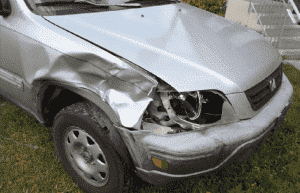
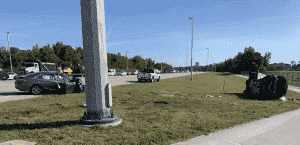
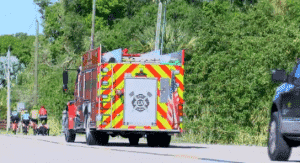
The Law Offices of Anidjar and Levine helps injured victims show that another driver failed to use reasonable care in rain, fog, flooding, or slick road conditions. A Fort Myers Car Accident Lawyer preserves crash reports, photographs, towing records, witness statements, and weather data, while managing insurance communications and documenting medical losses.
An attorney also addresses disputed liability, comparative negligence, and compensation for treatment, lost income, and vehicle damage. The sections below explain these issues in greater detail.
Main Takeaways
- A Fort Myers poor weather car accident lawyer preserves key evidence, including crash reports, photos, towing records, witness statements, and roadway condition documentation.
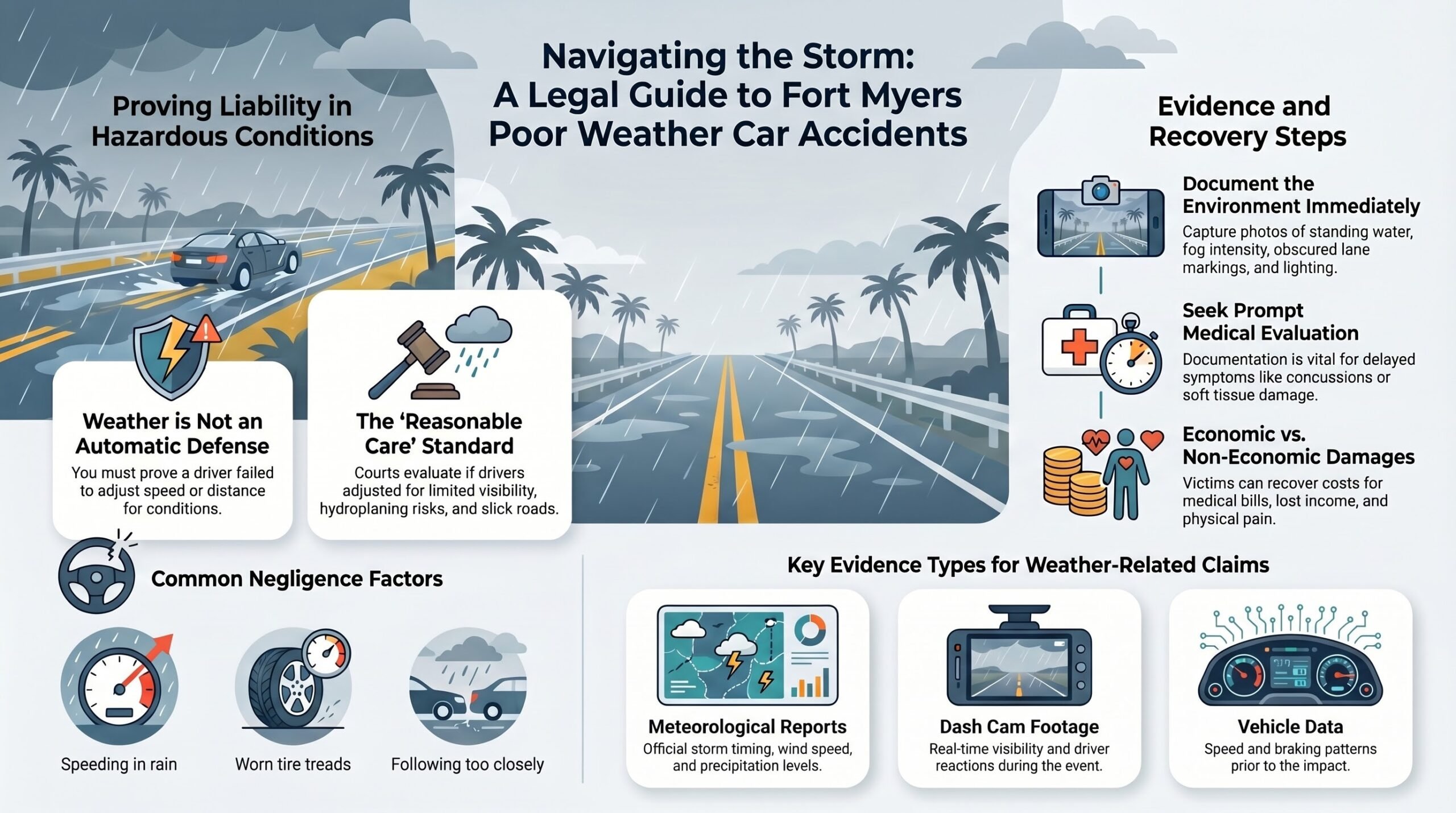
- Bad weather alone does not prove liability; you must show another driver failed to use reasonable care for rain, fog, or slick roads.
- Lawyers investigate reduced visibility, hydroplaning, speed, braking distance, tire condition, and roadway hazards to determine how weather affected the crash.
- They handle insurance communications, organize medical records, and pursue compensation for medical bills, lost wages, vehicle damage, and related losses.
- After a crash, prioritize safety, call 911, document weather and scene conditions, and seek prompt medical evaluation even for seemingly minor injuries.


How We Can Help With Your Fort Myers Poor Weather Car Accident Injury Claim
In the aftermath of a crash caused by rain, fog, or other hazardous conditions, a Fort Myers car accident lawyer can help an injured person build a clear and well-supported claim. Legal counsel often begins by preserving evidence, obtaining crash reports, collecting photographs, and coordinating emergency towing records that may confirm vehicle positions and damage immediately after the collision.
An attorney may also guide the injured person through medical documentation, insurance communication, and deadlines that can affect recovery. Careful witness interviews can identify what others observed, clarify conflicting accounts, and strengthen the factual record. When liability is disputed, counsel may consult qualified professionals, review roadway conditions, and organize supporting materials into a persuasive presentation.
Throughout the process, the lawyer serves by reducing burdens on the injured person and family, allowing them to focus on mending and caring for others while the claim is prepared with discipline, accuracy, and steady advocacy.
OUR CONSULTATIONSARE FREE
START YOUR FREE CASE REVIEW

Understanding Fort Myers Poor Weather Car Accident Injury Cases
Recognizing how weather conditions affect liability is essential to understanding Fort Myers car accident injury cases. Rain, wind, and reduced visibility often change how reasonable care is evaluated after a collision. Courts and insurers generally consider whether each driver adjusted speed, following distance, and attention to match roadway conditions.
These cases often turn on evidence showing how weather influenced decisions before impact. Photographs, witness statements, police reports, and vehicle data may help clarify whether a driver responded prudently. In fog driving conditions, for example, visibility limits can heighten the duty to proceed carefully and use appropriate signals. Tire maintenance may also become relevant when investigators assess whether a vehicle was equipped to handle wet or slick pavement safely.
For families focused on protecting others, understanding these legal standards can support informed, service-minded decisions. A careful review of facts helps identify responsibility, document losses, and promote accountability while respecting the well-being of everyone affected.
Common Causes of Fort Myers Poor Weather Car Accidents
Poor weather in Fort Myers often contributes to car accidents through a combination of reduced visibility, standing water, and diminished tire traction. Common causes include hydroplaning on wet roads, speeding in the rain despite hazardous conditions, and skidding on slick pavement. These factors frequently interact, creating dangerous driving environments that increase the likelihood of serious collisions.
Reduced Visibility Hazards
During periods of rain, fog, or blowing spray, reduced visibility can quickly turn ordinary traffic conditions into a serious collision risk on Fort Myers roads. Drivers may struggle to judge distance, recognize lane markings, or detect pedestrians, cyclists, and stalled vehicles until it is too late. Even properly functioning headlights can offer limited fog penetration, while glare reflection from wet pavement and oncoming lights may further obscure hazards.
In these conditions, a careful driver is expected to reduce speed, increase following distance, and use signals early so others have time to respond. Commercial vehicles, intersections, and multilane roads pose additional concern because visual cues disappear more quickly in poor weather. When motorists ignore these limitations, preventable crashes can harm families, workers, visitors, and other community members who depend on safe travel daily.
Hydroplaning On Wet Roads
Hydroplaning becomes a serious threat on Fort Myers roads when a layer of water builds between a vehicle’s tires and the pavement, causing the driver to lose traction and, in some cases, handling or braking control. This loss of contact can happen quickly during heavy rain, especially where drainage is poor or standing water collects.
Understanding aquaplaning mechanics helps explain why even attentive motorists may suddenly struggle to maneuver safely. Worn tire tread cannot channel water away effectively, increasing the likelihood that a vehicle will slide across the road surface rather than grip it.
Larger puddles, uneven pavement, and neglected maintenance conditions also contribute to these crashes. For those committed to protecting others, recognizing hydroplaning risks supports safer driving decisions and helps reduce preventable injuries throughout the Fort Myers community during seasonal storms.
Speeding In Rain
Excessive speed on rain-slick roads remains a leading factor in Fort Myers weather-related collisions because it reduces the time available to react and increases the distance required to stop safely. In wet conditions, even attentive drivers may misjudge traffic flow, braking needs, and lane changes when traveling too fast for circumstances.
Responsible driving during storms requires reduced speeds, greater following distances, and close attention to reduced visibility in rain, especially near intersections, curves, and congested roadways. Speeding also limits a driver’s ability to respond to disabled vehicles, pedestrians, and sudden slowdowns, placing other community members at unnecessary risk.
Proper tire maintenance supports traction and braking performance, yet safe equipment cannot overcome reckless speed in heavy rain. Careful choices behind the wheel help protect families, passengers, and first responders who may otherwise face preventable harm.
Skidding From Slick Pavement
Skidding on slick pavement is a frequent cause of weather-related crashes in Fort Myers because wet road surfaces reduce tire grip and make ordinary driving maneuvers less predictable. Even careful drivers may experience traction loss when braking, turning, or changing lanes, especially where oil residue rises during rainfall. Vehicles can slide into intersections, medians, or oncoming traffic within seconds.
Service-minded community members benefit from recognizing how small precautions protect others on the road. Reduced speed, greater following distance, and properly maintained tires can lower the risk of skids during storms. Although black ice is less common in Fort Myers, sudden slick patches from standing water, shade, or early-morning condensation may pose similar hazards. When a skid-related collision occurs, a careful legal review can help identify negligence and support injured individuals seeking recovery.


Legal Rights of Fort Myers Poor Weather Car Accident Injury Victims
In the aftermath of a collision caused or worsened by rain, fog, or other hazardous conditions, injured victims in Fort Myers retain important legal rights under Florida law. These rights protect access to medical benefits, compensation for losses, and fair treatment during Insurance disputes. Even when bad weather contributes to a crash, negligent drivers may still be liable for speeding, following too closely, or failing to use reasonable caution.
Victims may also face arguments involving Comparative negligence, in which fault is divided among the parties. Florida law permits recovery when another party’s conduct contributed to the harm, although compensation may be reduced by the victim’s assigned percentage of fault.
Key legal protections often include:
- the right to pursue compensation for medical costs and lost income
- the right to present evidence of another driver’s unsafe conduct
- the right to challenge unfair blame shifting by insurers
- the right to seek guidance focused on accountability and service to others
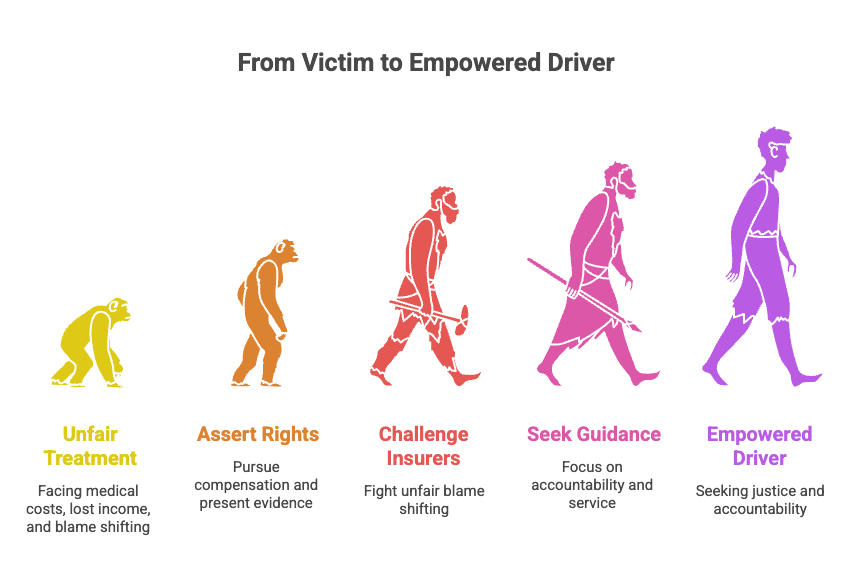
These protections help support recovery and community well-being.
Steps to Take After a Fort Myers Poor Weather Car Accident Injury
After a Fort Myers car accident injury caused by poor weather, immediate safety should be the top priority, including moving to a secure location when possible and contacting emergency services. It is also important to document the weather conditions, roadway hazards, and scene details, as this information may help clarify how the collision occurred. A prompt medical evaluation is equally crucial to both protecting the injured person’s health and creating a clear record of the injuries involved.
Ensure Immediate Safety
Prioritize safety by moving to a secure location, if possible, and activating hazard lights to alert approaching drivers in heavy rain, fog, or other dangerous weather conditions. When conditions allow, careful vehicle relocation to the shoulder or another protected area may reduce the risk of secondary collisions and help preserve access for emergency responders.
Those involved should check for injuries, remain calm, and assist vulnerable passengers first, including children, older adults, and anyone with limited mobility. If leaving the vehicle poses greater danger, occupants should stay inside with seat belts fastened until help arrives.
Thoughtful shelter placement matters when standing outside becomes necessary, as individuals should remain behind guardrails or well away from traffic. Promptly calling 911 supports public safety and helps make certain that medical assistance reaches everyone who may be harmed.
Document Weather Conditions
Once immediate safety concerns have been addressed, careful documentation of the weather can help clarify how the collision occurred and whether visibility, roadway conditions, or sudden changes in traffic flow contributed to the event. Helpful evidence may include photographs of standing water, fog, storm clouds, wet pavement, damaged signage, and obscured lane markings.
Notes should record the time, location, rainfall intensity, wind, lighting, and any sudden shifts in conditions. Witness observations can further support an accurate account, especially when gathered promptly and respectfully. In Fort Myers, microclimatic effects can cause conditions to vary markedly over short distances, making specificity important. Publicly available radar reports, traffic camera images, and official weather data may strengthen the record. Thorough documentation can assist those working to protect the injured and promote accountability after a collision.
Seek Medical Evaluation
In the hours following a collision caused by poor weather in Fort Myers, prompt medical evaluation can be vital, even when injuries seem minor at first. Rain, flooding, and reduced visibility often contribute to forceful impacts that may cause delayed symptoms, including soft tissue damage, concussions, or internal injuries. A timely examination creates a medical record that supports both treatment and future legal review.
Those assisting an injured person should encourage compliance with all provider instructions, including imaging, medication, and activity restrictions. Consistent care demonstrates a commitment to recovery and to protecting the well being of others who may depend on that person. Attending follow up appointments is equally important, because worsening symptoms may require additional testing or expert referrals. Careful documentation of diagnoses, treatment plans, and limitations remains necessary.
How a Fort Myers Poor Weather Car Accident Injury Lawyer Can Help You
During severe weather, a Fort Myers poor weather car accident injury lawyer can help by evaluating how rain, fog, flooding, or other hazardous conditions contributed to a crash and by determining whether another driver failed to act with reasonable caution under the circumstances.
A Fort Myers poor weather car accident injury lawyer assesses hazardous conditions and whether drivers used reasonable caution during severe weather crashes.
Such counsel often supports injured individuals and families by organizing facts, preserving evidence, and guiding decisions that protect both recovery and service to loved ones.
Effective representation may include:
- Reviewing police reports, photographs, and roadway conditions for liability evidence.
- Coordinating with experts regarding visibility, speed, braking distance, and Emergency protocols.
- Managing insurance discussions with clear, timely Client communication throughout the claim.
- Pursuing compensation for medical bills, lost income, vehicle damage, and related losses.
A lawyer may also identify whether distracted driving, unsafe speed, or poor vehicle maintenance worsened the danger created by weather. This structured assistance helps clients act responsibly, avoid preventable mistakes, and pursue accountability with confidence and respect for the broader community.
Long-Term Effects of Fort Myers Poor Weather Car Accident Injuries
Poor weather car accidents in Fort Myers can produce injuries that extend far beyond the initial recovery period, often leading to chronic pain complications that interfere with long-term health. Many individuals also experience lasting emotional trauma effects, including anxiety, sleep disruption, and difficulty returning to normal driving conditions. As these physical and psychological consequences persist, reduced daily function may affect employment, household responsibilities, and overall quality of life.
Chronic Pain Complications
Following a weather-related collision in Fort Myers, chronic pain can persist long after visible injuries appear to mend, affecting the neck, back, joints, and nerves in ways that interfere with daily function and employment.
Lingering inflammation, soft-tissue damage, and aggravated spinal conditions may limit mobility, reduce strength, and make everyday tasks difficult. Some injured individuals develop Chronic fatigue as ongoing discomfort drains energy and slows physical recovery. Sleep disruption is also common when pain prevents restorative rest, leaving people less able to care for family, work consistently, or serve their communities.
Medical evaluation often reveals the need for continued treatment, including physical therapy, pain management, or diagnostic imaging. Careful documentation of symptoms, treatment needs, and functional limitations can help clarify the full long-term impact of these injuries.
Emotional Trauma Effects
Coping with the aftermath of a weather-related collision in Fort Myers often involves more than physical recovery, as emotional trauma can remain long after acute injuries have been treated. Survivors may experience anxiety, disrupted sleep, depression, and post-traumatic stress, especially when severe weather, traffic, or reminders of the crash trigger distress. Families who seek to support an injured loved one often benefit from understanding that these reactions are legitimate health concerns, not personal weakness.
Professional care may include psychotherapy, medication management, and grief counseling when a collision caused death, permanent harm, or profound loss. Early evaluation can help identify worsening symptoms and encourage compassionate intervention. For those committed to helping others, recognizing emotional trauma after a crash may be vital to promoting recovery, stability, and long-term well-being within the household.
Reduced Daily Function
Day-to-day functioning may decline substantially when injuries from a weather-related Fort Myers collision create lasting pain, limited mobility, or cognitive impairment. Ordinary responsibilities, including meal preparation, household upkeep, driving, and personal care, may require more time, assistance, or supervision. Individuals who once consistently supported others may find their capacity to serve family, coworkers, or the community sharply reduced.
Reduced function often demands ongoing rehabilitation, mobility aids, and careful activity modification to prevent reinjury. Chronic pain, dizziness, weakness, or impaired concentration may limit work performance and participation in meaningful routines.
These limitations can alter independence, strain caregiving relationships, and increase financial pressure. A thorough legal evaluation may help document functional losses, future care needs, and the broader impact of diminished daily abilities on long-term recovery and household stability.
Proving Liability in Fort Myers Poor Weather Car Accident Injury Cases
Establishing liability in Fort Myers poor weather car accident injury cases requires more than showing that rain, fog, or slick roads were present at the time of the collision. A claimant generally must prove that another driver failed to act with reasonable care under the conditions, and that this failure directly caused harm. Evidence often includes crash reports, photographs, witness statements, vehicle data, and roadway observations.
Courts and investigators examine whether a driver adjusted speed, braking distance, lighting, and attentiveness to match limited visibility or reduced traction. When a motorist ignores these duties, the conduct may support a finding of negligence as to the weather. In more intricate cases, expert testimony may help explain stopping distances, hydroplaning, perception times, or how roadway design affected the event.
This careful analysis serves injured people and their families by identifying preventable conduct, clarifying responsibility, and supporting accountability based on facts rather than assumptions about the weather alone.
Dealing With Insurance Companies After a Fort Myers Poor Weather Car Accident Injury
Once liability is framed by evidence showing that a driver failed to act reasonably in poor weather, attention often turns to the insurance process that follows a Fort Myers crash. Insurers may request recorded statements, broad medical authorizations, or quick settlements before the full extent of harm is understood. Careful communication helps protect the injured person and preserves the ability to seek fair support for recovery.
A service-minded approach emphasizes honesty, documentation, and steady advocacy. Claim negotiation should be guided by repair estimates, medical records, wage-loss information, and clear evidence of weather-related negligence. Adjusters may minimize injuries, dispute necessary treatment, or delay responses in ways that burden families already facing hardship.
These concerns can raise questions about bad-faith tactics, particularly when coverage is clear yet payment is resisted without sound justification. Thorough records, respectful persistence, and informed legal guidance often help level the playing field in the conversation and encourage insurers to respond fairly and responsibly.
What to Expect During a Fort Myers Poor Weather Car Accident Injury Claim Process
A Fort Myers poor weather car accident injury claim typically begins with the initial filing, followed by the collection of weather-related evidence, medical records, and other supporting documentation. As the process moves forward, liability questions and insurance disputes often arise, particularly when hazardous road or visibility conditions affect each party’s account of the collision. The claim may then proceed to settlement negotiations or, when a fair resolution is not reached, advance to formal litigation.
Initial Claim Filing
In the early stage of a Fort Myers poor weather car accident injury claim, the filing process typically begins with notice to the applicable insurance carrier, supported by basic facts about the collision, the reported injuries, and the conditions that contributed to the crash. From there, the claimant or legal representative usually submits required claim forms, verifies policy information, and confirms filing deadlines to protect the right to pursue benefits or compensation. Accurate identification of parties, vehicles, insurers, and treatment providers is often crucial at this point.
Insurers may acknowledge the claim, assign a reference number, and request limited supplemental information. A service-minded approach values prompt communication, careful organization, and respect for everyone affected, while helping make certain the matter proceeds efficiently and without avoidable procedural setbacks or unnecessary delay for all parties involved.
Weather-Related Evidence Gathering
Weather-related evidence often becomes a central part of a Fort Myers poor-weather car accident injury claim because liability may depend on whether visibility, roadway conditions, or driver responses were reasonable under the circumstances. Helpful documentation may include photographs of standing water, skid marks, traffic signals, vehicle damage, and roadway debris collected soon after the collision.
A careful review may also involve witness statements from drivers, passengers, pedestrians, or nearby workers who observed rainfall intensity, water pooling, or sudden changes in visibility. In many claims, meteorological reports are obtained to confirm storm timing, wind conditions, precipitation levels, and official weather advisories. Attorneys and investigators may compare this information with crash reports, surveillance footage, and emergency records. This organized evidence gathering supports a fuller understanding of the event and helps protect injured individuals seeking accountable, service-minded representation.
Liability And Insurance Disputes
In Fort Myers poor-weather car accident injury claims, liability and insurance disputes often arise when insurers argue that rain, fog, or flooded roads, rather than negligent driving, caused the collision. Adjusters may question whether a driver acted reasonably for conditions, reviewed traffic laws, or ignored visible hazards. Comparative negligence can reduce recovery when multiple parties share fault, making careful analysis of speed, following distance, braking, and roadway awareness crucial.
Insurers may also examine Policy exclusions, coverage limits, and notice requirements to restrict payment. In service to injured individuals and families, a thorough claim presentation often relies on weather reports, witness statements, vehicle damage patterns, and electronic data to clarify responsibility. Clear documentation helps distinguish unavoidable weather conditions from preventable conduct, supporting a fair evaluation of losses and legal duties.
Settlement Or Litigation Steps
After a poor weather collision in Fort Myers, the injury claim process typically begins with a detailed investigation, followed by claim submission, settlement negotiations, and, when necessary, litigation. Counsel gathers crash reports, medical records, witness statements, and weather data to present a clear account of losses and responsibility. Insurers often respond with questions, requests for documentation, or disputed valuations, which makes careful preparation crucial. During negotiations, counsel may recommend mediation prep to encourage fair resolution while limiting stress on injured individuals and families. If settlement efforts fail, a lawsuit may proceed through discovery, depositions, motion practice, and trial. Throughout each stage, deadlines, evidence preservation, and honest communication remain important to protecting the claimant’s interests. In rare circumstances, further review may involve post-trial appeals and enforcement of judgments.
Compensation for Fort Myers Poor Weather Car Accident Injury Damages
In the wake of a crash caused or worsened by rain, fog, or flooded roadways, an injured person in Fort Myers may be entitled to compensation for a range of losses tied to the accident. This weather compensation may include payment for emergency care, follow-up treatment, transportation to appointments, medication costs, and other necessary services that support recovery and daily stability after a serious collision.
A claim may also seek repair reimbursement for vehicle damage, replacement of destroyed personal items, towing charges, storage fees, and rental transportation while repairs are completed. When injuries interrupt employment, compensation may address lost income and diminished ability to work. In cases involving lasting physical limitations, future care needs and household support may also be considered.
A careful legal review often helps identify every available source of recovery, document the connection between the weather-related crash and the losses, and pursue an outcome that protects the injured person and the family depending on that support.
Economic vs Non-Economic Damages in Fort Myers Poor Weather Car Accident Cases
In Fort Myers poor weather car accident cases, damages are generally divided into economic and non-economic categories, each addressing a different type of loss. Economic damages typically include measurable financial harms such as medical expenses, lost wages, and property damage, while non-economic damages concern pain and suffering, emotional distress, and loss of enjoyment of life.
Establishing these weather-related damages often depends on clear documentation, medical records, repair estimates, and evidence connecting the collision and resulting losses to hazardous road or visibility conditions.
Economic Damage Categories
When a collision occurs during severe weather in Fort Myers, economic damages generally refer to the measurable financial losses caused by the crash. These categories often include emergency care, hospital bills, rehabilitation costs, medication expenses, and future medical treatment supported by reliable evidence. They also include lost wages when injuries prevent a person from working, as well as diminished earning capacity if long-term limitations affect employment.
Economic damages may further cover property damage, including vehicle repair or replacement, towing charges, storage fees, and the cost of replacing damaged personal items. In cases involving extensive recovery, necessary transportation to medical appointments or household assistance may also qualify. By identifying these concrete losses, a legal advocate can help families pursue accountability and secure resources needed to restore stability, support recovery, and continue serving others well.
Non-Economic Losses
Beyond medical bills, lost income, and other measurable expenses, a weather-related collision in Fort Myers may also cause significant non-economic losses that do not come with receipts or fixed dollar amounts. These harms often include physical pain, emotional suffering, anxiety, inconvenience, and reduced ability to participate in family, community, or charitable activities. When injuries limit mobility, sleep, independence, or relationships, overall quality of life may decline in meaningful ways.
Non-economic damages recognize these human consequences and their effect on daily living, dignity, and personal fulfillment. Although pain valuation is less exact than calculating wages or repair costs, it remains an important part of a full recovery assessment. A careful legal review helps make certain that intangible losses are acknowledged with the seriousness and compassion they merit after severe weather crashes in Southwest Florida.
Proving Weather-Related Damages
Because poor weather can complicate both liability and injury analysis, proving damages in a Fort Myers car accident case often requires clear documentation that ties the collision to specific financial and personal losses. Economic damages may include medical bills, rehabilitation costs, lost income, reduced earning capacity, and vehicle repair or replacement expenses. Non-economic damages often involve pain, emotional distress, diminished quality of life, and lasting physical limitations.
To support these claims, attorneys often gather treatment records, employment documentation, photographs, and statements from witnesses or caregivers. Weather attribution may also be necessary when insurers argue that rain, fog, or standing water, rather than negligent driving, caused the harm. In more contested matters, expert testimony from medical professionals, accident reconstruction authorities, or vocational experts can help establish the full extent of loss and service needs.
When a Fort Myers Poor Weather Car Accident Injury Case Goes to Trial vs Settlement
In Fort Myers poor weather car accident injury claims, the path toward settlement or trial usually depends on the strength of the evidence, the severity of the injuries, and the parties’ willingness to dispute fault. Cases often settle when liability is reasonably clear, medical records are consistent, and both sides recognize the value of resolving the matter efficiently and responsibly.
A trial becomes more likely when insurers challenge causation, minimize losses, or argue that weather, rather than negligence, caused the crash. In those situations, attorneys evaluate witness credibility, expert testimony, and Jury dynamics to determine how a local panel may view competing explanations. Strong documentation can increase Settlement leverage, encouraging fair offers before courtroom proceedings begin.
However, when offers remain inadequate, trial may serve the injured person’s broader interests by seeking full accountability and resources for recuperation. Throughout either path, careful preparation supports informed decisions and helps families pursue outcomes that protect health, stability, and long-term well-being for everyone involved.
The Statute of Limitations for Fort Myers Poor Weather Car Accident Injury Cases
Whether a poor weather car accident claim resolves through settlement or proceeds to trial, the time allowed to file suit can directly affect the injured party’s legal options. In Florida, statutory filing deadlines govern negligence actions arising from crashes, including those involving rain, fog, flooding, or other dangerous conditions that reduce visibility and traction.
Missing the applicable deadline may bar recovery, even when injuries are significant and liability appears clear. Careful attention to dates consequently serves not only the claimant’s interests, but also the orderly administration of justice for all parties involved. In limited circumstances, discovery tolling or other exceptions may alter how the limitations period is calculated, such as when pivotal facts could not reasonably have been known earlier.
Even so, exceptions are narrow and fact-specific. A timely review of records, insurance correspondence, medical documentation, and crash evidence helps preserve rights and supports a more effective presentation of the claim within Florida’s required legal timeframe.
When to Contact a Fort Myers Poor Weather Car Accident Injury Lawyer
After a collision in rain, fog, standing water, or other hazardous conditions, prompt consultation with a Fort Myers poor weather car accident injury lawyer is often advisable when injuries require medical treatment, fault is disputed, or an insurer attempts to minimize the claim. Early guidance can help protect evidence, preserve witness statements, and support timely medical documentation that reflects the full extent of harm.
Contact is also prudent when road conditions, hydroplaning, limited visibility, or multiple vehicles complicate the sequence of events. A lawyer may be consulted soon after the post-accident period begins, especially if adjusters request recorded statements, quick settlements, or broad medical authorizations.
Families focused on serving injured loved ones often benefit from clear insurance tips about reporting obligations, repair estimates, and communication practices. Prompt legal consultation is similarly appropriate when a crash causes lost income, long-term symptoms, or uncertainty about available coverage and related deadlines under Florida law.
Why You Need an Experienced Fort Myers Poor Weather Car Accident Injury Lawyer
Amid rapidly changing road and visibility conditions, an experienced Fort Myers poor weather car accident injury lawyer provides crucial value by identifying how rain, fog, standing water, or reduced traction affected both driver conduct and liability. Careful legal analysis helps preserve evidence, interpret crash reports, and link weather conditions to preventable errors that insurers may otherwise minimize.
Such representation also supports injured people who hope to protect family stability and continue serving their communities. A seasoned lawyer evaluates medical records, vehicle damage, witness statements, and roadway conditions to present a clear account of losses. This guidance can reduce storm-related stress by providing structure in an uncertain situation and addressing deadlines, communication, and documentation requirements.
Strong advocacy also promotes insurance preparedness, since weather-related claims often involve disputes over fault, comparative negligence, and the reasonableness of driver behavior. In serious cases, experienced counsel helps secure resources needed for treatment, recovery, and long-term support.
How to Choose the Right Fort Myers Poor Weather Car Accident Injury Lawyer for Your Case
Selecting the right Fort Myers poor weather car accident injury lawyer requires close attention to experience, case strategy, and the ability to explain how weather conditions influenced liability and damages. A careful review should include the lawyer’s history with rain, flooding, or low-visibility collision claims, along with success in negotiating with insurers that attempt to minimize weather-related responsibility.
A strong candidate will communicate clearly, respond promptly, and present practical guidance that supports injured people and the families who depend on them. Reviews, referrals, and a firm’s local reputation may reveal whether the attorney is respected by courts, insurers, and the surrounding community. It is also wise to compare fee structures, ask how costs are handled, and confirm whether the lawyer is prepared for settlement discussions or trial if necessary.
Choosing counsel with compassion, preparation, and sound judgment can help injured individuals pursue accountability while protecting their ability to care for others after a serious weather-related crash.
About The Law Offices of Anidjar & Levine
For injured motorists in Fort Myers, The Law Offices of Anidjar & Levine serves as a legal resource focused on accident claims arising from negligence, including collisions affected by poor weather and hazardous road conditions.
The firm assists people seeking accountability, compensation, and practical guidance after disruptive injuries and financial loss.
Its attorneys and staff emphasize responsive service, careful case preparation, and communication designed to help clients make informed decisions.
Drawing on the firm history, the practice presents itself as committed to representing injured individuals rather than insurers, while pursuing results through negotiation or litigation when needed.
Publicly available client testimonials often describe accessibility, professionalism, and attention to client concerns during stressful recovery periods.
Those accounts, while individual in nature, reflect a service model centered on dignity and steady support.
For community members who value helping others and restoring stability, the firm offers representation to protect rights and advance recovery through consistent, client-focused advocacy at every stage.
Frequently Asked Questions
Can Weather-Related Accidents Affect My Future Car Insurance Premiums?
Yes, weather-related accidents can affect future car insurance premiums, although the outcome depends on fault, policy terms, and claim history. Insurers may impose insurance rate hikes when a driver appears to be higher risk, even after severe weather events. However, some policies include claim forgiveness, which may limit premium increases after a first incident. Careful documentation, safe driving records, and prompt reporting often help individuals protect coverage while continuing to serve their households responsibly.
Are Rental Car Accidents During Bad Weather Handled Differently?
Rental car accidents during bad weather are not usually handled differently, though responsibility may be examined more closely. Insurers, rental companies, and law enforcement often review driving conduct, road conditions, and contract terms to assess rental liability. Coverage may depend on personal insurance, credit card benefits, or purchased protection. Booking disputes can arise if reservations, vehicle condition reports, or weather-related cancellations are contested. Careful documentation helps all parties protect others fairly.
Can Tourists File Claims for Fort Myers Weather-Related Car Accidents?
Yes, tourists can file claims for weather-related car accidents in Fort Myers when another party’s negligence caused the harm. Their tourist rights generally allow access to insurance claims and, when necessary, civil litigation. However, jurisdiction issues may affect where a claim is filed, especially if drivers, insurers, or rental companies are from different states. Prompt reporting, medical documentation, and knowledgeable legal guidance help protect the injured visitor’s ability to recover damages.
Do Dash Cams Help in Poor Weather Car Accident Claims?
Yes, dash cam recordings often help in poor weather car accident claims by supporting evidence preservation and documenting road conditions. They may clarify driver conduct, traffic signals, and visibility issues that witnesses cannot accurately recall. However, footage clarity matters greatly, since rain, fog, or glare can limit what the recording proves. When preserved properly, a dash cam can assist insurers, attorneys, and courts in serving injured parties fairly and efficiently.
What if Road Flooding, Not Rain, Caused the Accident?
If road flooding caused the accident, liability may still exist. Standing water can create severe hydroplaning risk, obscure hazards, and make a roadway unreasonably dangerous. A careful review may determine whether another driver acted negligently, or whether a public entity failed to address known drainage problems or provide adequate warnings. Those seeking to serve and protect others should preserve photos, witness statements, and maintenance records, because flood-related claims often depend on prompt evidence.
—————————
Poor weather collisions in Fort Myers often involve intricate questions of liability, insurance coverage, and damages.
A qualified Fort Myers Car Accident Lawyer can assess the facts, protect an injured person’s rights, and pursue the compensation permitted under Florida law.
With timely legal guidance, victims are better positioned to avoid costly mistakes and strengthen their claims.
Law Offices of Anidjar & Levine provides experienced representation for those seeking clear advice and effective advocacy after a weather-related crash.