

A Fort Myers Car Accident Lawyer at The Law Offices of Anidjar and Levine helps protect vital medical and crash evidence, connect the injury to the collision, and calculate both current and future losses.
Counsel can manage insurer communications, avoid premature settlements, and pursue claims for medical care, lost income, diminished earning capacity, and pain and suffering.
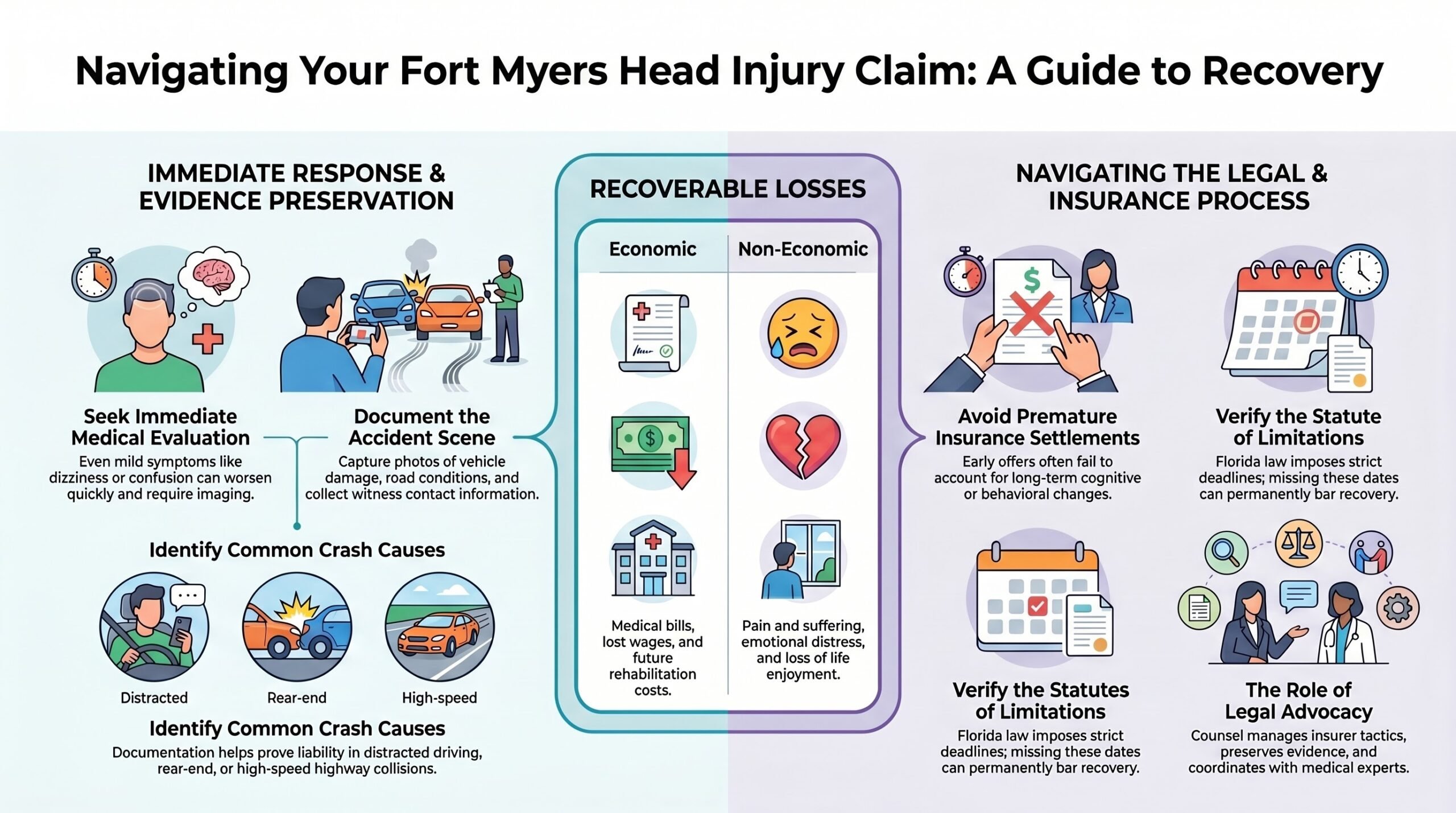
Prompt medical evaluation and careful documentation are indispensable after any head injury.
The sections below explain the legal process, principal evidence, and practical steps that may strengthen a claim.
Main Takeaways
- Seek immediate medical evaluation after a Fort Myers crash, since head injury symptoms like dizziness, confusion, or bleeding may appear late and worsen quickly.
- Document the scene with photos, witness contact information, police report details, and notes about traffic, weather, damage, and driver statements.
- A Fort Myers head injury lawyer can preserve evidence, gather medical records, consult experts, and connect the crash to your symptoms.
- Legal counsel can identify all liable parties, counter insurer tactics, and pursue compensation for treatment, lost income, and long-term impairments.
- Keep complete, dated records of ER visits, imaging, follow-up care, headaches, memory issues, and rehabilitation to strengthen causation and damages.
How We Can Help With Your Fort Myers Car Accident Head Injury Claim
Protecting the interests of injured motorists begins with a careful evaluation of how the collision occurred, the nature of the head injury, and the full extent of the losses involved. Through organized advocacy, legal counsel can help families pursue support that honors recovery, stability, and long-term well-being.
This assistance often includes gathering medical records, consulting appropriate experts, preserving crash evidence, and presenting a clear demand to insurers. Counsel may also coordinate with care providers to document future treatment needs, rehabilitation options, and the daily limitations affecting work and home life. When settlement discussions fail to reflect the seriousness of the harm, litigation support can bring the matter before the court with discipline and preparation. Attention to wage loss, household services, and financial planning helps guarantee that immediate pressures do not overshadow future needs.
Throughout the process, the objective remains service-oriented: securing resources that enable the injured person to heal, maintain dignity, and continue contributing to loved ones and the community.
Understanding Fort Myers Car Accident Head Injury Cases


In Fort Myers car accident litigation, head injury cases require close attention because symptoms may appear gradually, medical consequences can vary widely, and liability issues often depend on a careful reconstruction of the crash. Even a mild concussion may disrupt memory, concentration, sleep, and emotional balance, making prompt evaluation important for protecting health and documenting the claim.
OUR CONSULTATIONSARE FREE
START YOUR FREE CASE REVIEW

These cases often involve emergency records, neurological assessments, imaging studies, and testimony from treating providers. Clear documentation helps families, caregivers, and advocates understand the full effect of an injury on daily responsibilities and future needs. Courts and insurers may examine whether symptoms are consistent with the collision forces, prior medical history, and the course of treatment.
A careful legal review also considers lost income, ongoing therapy, and the expected rehabilitation timeline. By presenting organized evidence and credible medical support, injured individuals are better positioned to pursue accountability and secure resources that assist recovery, stability, and continued service to others.
Common Causes of Fort Myers Car Accident Head Injuries


Several crash scenarios commonly contribute to head injuries in Fort Myers car accidents, each involving distinct patterns of force and impact. Rear-end collisions and side-impact crashes often expose occupants to sudden movement that can cause significant trauma, while distracted driving incidents frequently create the conditions for these harmful events. High-speed highway crashes further increase the likelihood of severe head injuries because of the greater force involved and the reduced opportunity to avoid impact.
Rear-End Collision Impacts
Rear-end collision impacts are among the most common causes of car accident head injuries in Fort Myers, because even a crash at relatively low speed can force the head and neck to move with sudden, violent acceleration.
This motion may cause the brain to strike the inside of the skull, producing concussions, soft tissue damage, and lingering neurological symptoms. Victims may not recognize the seriousness of these injuries immediately, which can delay treatment and complicate recovery. Careful medical evaluation is often crucial after any rear-end crash. Attention to whiplash prevention and proper seat positioning may reduce some risk, while vehicle safety features such as head restraints and airbags can provide added protection. A legal review may help injured individuals pursue resources needed for treatment, rehabilitation, and long-term support after a collision.
Side-Impact Crash Forces
Side-impact crashes expose vehicle occupants to concentrated lateral forces that can cause serious head injuries, particularly when the struck side of the vehicle offers limited space for protection. In these collisions, lateral acceleration can move the brain within the skull, while intrusion forces may push doors, pillars, or glass into the occupant’s head. Even at moderate speeds, the body has less distance to absorb energy, increasing the risk of concussion, skull fracture, or traumatic brain injury. T-bone impacts at intersections, parking lot crossings, and roadway turns often create these dangerous conditions.
For those committed to helping injured neighbors, understanding how side-impact dynamics harm occupants supports timely medical evaluation, careful documentation, and informed legal action. Early attention can strengthen recovery efforts and protect the resources families may need afterward.
Distracted Driving Incidents
Beyond impact geometry, many Fort Myers collisions that lead to head injuries begin with distracted driving. When attention shifts from the roadway, even briefly, drivers may miss stopping traffic, changing signals, cyclists, or people crossing intersections. Such lapses can result in sudden contact, causing occupants to strike windows, dashboards, or headrests.
Common sources of inattention include phone use, navigation screens, conversations with passengers, eating, and reaching for dropped items. Outside the vehicle, pedestrian distraction can also contribute when walkers enter traffic while focused on devices rather than surroundings. In service-oriented communities, prevention matters because careful driving protects neighbors, visitors, and families alike. A head injury lawyer evaluating these cases often reviews records, witness statements, and digital evidence to determine whether distraction played a substantial role in the crash.
High-Speed Highway Crashes
Accelerating traffic on Fort Myers highways can turn a brief driving error into a violent collision with serious head trauma. At high speeds, highway dynamics reduce reaction time and intensify the force transmitted to drivers and passengers. Even with seat belts and airbags, rapid deceleration may cause the brain to strike the skull, producing concussions, bleeding, or lasting cognitive impairment.
These crashes often involve lane changes, tailgating, sudden stops, or loss of control during merging. Vehicle deformation can trap occupants, delay emergency care, and increase the likelihood of secondary impacts. In service to injured individuals and their families, careful investigation is vital. Reviewing speed data, skid marks, roadway design, and witness accounts helps identify fault and supports claims seeking resources for treatment, rehabilitation, and long-term support after recovery.
Legal Rights of Fort Myers Car Accident Head Injury Victims
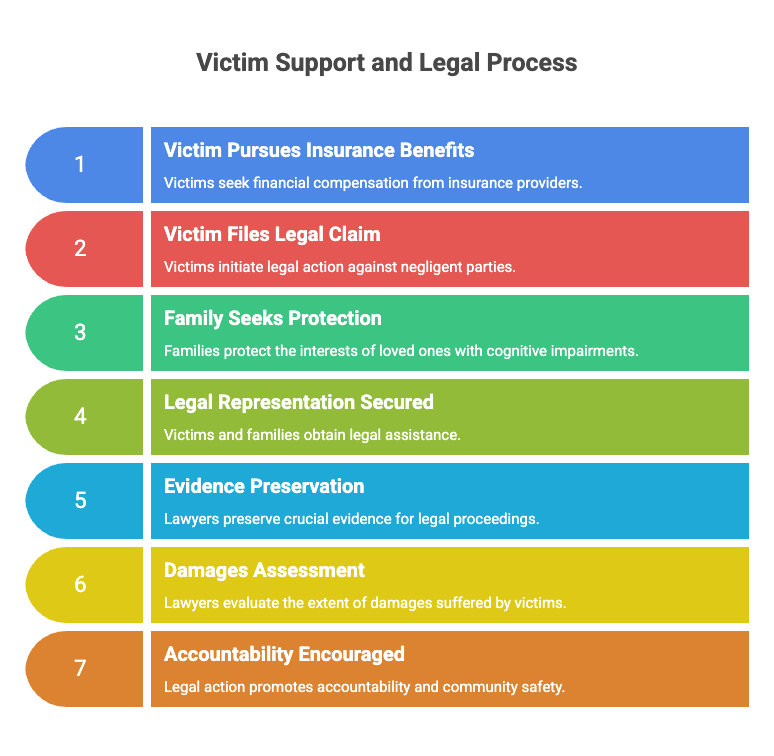
Understanding the legal rights of Fort Myers car accident head injury victims begins with recognizing that Florida law may provide several avenues for financial recovery when another party’s negligence caused the crash. These rights can include compensation for medical care, lost income, diminished earning capacity, pain and suffering, and other measurable losses. Serious head trauma may also raise concerns involving medical privacy and family rights, especially when victims cannot fully manage treatment decisions or legal matters independently.
- Victims may pursue insurance benefits and, in qualifying cases, claims against negligent drivers or other liable parties.
- Families may seek protection of a loved one’s interests when cognitive impairments affect communication, consent, or long-term planning.
- Legal representation may help preserve evidence, fairly assess damages, and encourage accountability that supports community safety.
Florida deadlines and comparative fault rules can affect recovery. Careful legal evaluation often helps injured individuals and families understand available protections and pursue just outcomes through service-minded advocacy.
Steps to Take After a Fort Myers Car Accident Head Injury
After a Fort Myers car accident head injury, prompt medical evaluation is vital to identify symptoms, protect the injured person’s health, and create a clear record of treatment. It is also important to document the accident scene by preserving photographs, witness information, and other relevant evidence that may support a future claim. Once immediate concerns are addressed, contacting a head injury lawyer can help guarantee that legal options are reviewed and crucial deadlines are not overlooked.
Seek Immediate Medical Care
In the minutes following a Fort Myers car accident, anyone who may have suffered a head injury should seek immediate medical care, even when symptoms seem mild or delayed. Early evaluation protects health, supports informed treatment decisions, and helps caregivers respond responsibly to hidden trauma.
Emergency professionals can assess concussion signs, bleeding, swelling, dizziness, confusion, or loss of consciousness that may worsen without warning. Immediate transport to an emergency room or urgent care center is often appropriate, particularly when the injured person appears disoriented, nauseated, or unusually fatigued. Medical providers may recommend imaging, neurological testing, rest, and careful symptom monitoring during the hours and days that follow. Prompt attention also creates a clear clinical record, allowing families, advocates, and community helpers to better support the injured person’s recovery and overall well-being.
Document The Accident Scene
At the accident scene, careful documentation can preserve crucial details that may later clarify how the collision occurred and how a head injury developed. If the injured person is safe and able, photographs should capture vehicle positions, damage patterns, roadway markings, debris, weather, and visible injuries. Notes should record the time, location, traffic conditions, and any statements made by involved drivers.
A thoughtful approach to scene preservation also serves others, because accurate facts can support medical providers, insurers, and investigators seeking a fair understanding of events. Witness canvassing may identify individuals who observed the impact, erratic driving, or the injured person’s condition immediately afterward. Contact information should be collected carefully. A copy of the police report number should also be retained for future reference and verification purposes.
Contact A Head Injury Lawyer
Prompt legal guidance should follow once the accident scene has been documented and immediate medical needs have been addressed. A head injury lawyer can evaluate liability, preserve vital evidence, and protect the injured person from insurer tactics that may minimize long-term harm. Early counsel also helps connect medical records, witness statements, and crash findings in a clear, service-driven case strategy.
An attorney may further identify whether additional claims exist, including negligent road maintenance, defective vehicle components, or medical malpractice arising from improper post-crash treatment. This guidance can reduce confusion for families trying to coordinate care, address employment concerns, and support family members during recovery. By acting promptly, the injured person places qualified advocacy in a position to pursue accountability, fair compensation, and resources that promote stability and continued recovery.
How a Fort Myers Car Accident Head Injury Lawyer Can Help You
After a serious collision, a Fort Myers car accident head injury lawyer can protect an injured person’s legal interests by evaluating the facts of the crash, identifying liable parties, and documenting the full extent of the injury and its consequences. Counsel may gather records, consult experts, and address insurers when symptoms such as post-concussion headaches, dizziness, or confusion disrupt daily responsibilities. Through careful case management, the lawyer seeks compensation that reflects treatment needs, lost income, and Legal costs.
A lawyer may also provide practical guidance that helps families serve an injured loved one with dignity and stability by coordinating Medical advocacy and preserving Family support.
- Investigates crash evidence, witness statements, and insurance issues to build a clear claim.
- Organizes medical documentation and communicates with providers to support accurate valuation.
- Negotiates settlements or prepares litigation when insurers minimize the injury or delay payment.
This assistance promotes accountability while allowing injured people to focus on recovery and immediate needs.
Long-Term Effects of Fort Myers Car Accident Head Injuries
Fort Myers car accident head injuries may produce lasting cognitive and memory changes that interfere with concentration, decision-making, and daily functioning. They may also lead to emotional and behavioral effects, including irritability, depression, anxiety, and altered social interactions. In many cases, these injuries create ongoing medical challenges that require continued treatment, monitoring, and significant lifestyle adjustments.
Cognitive And Memory Changes
Why do some head injury symptoms remain hidden until daily routines begin to suffer? After a Fort Myers car accident, cognitive changes may emerge gradually, especially when a person returns to work, caregiving, or community responsibilities. Difficulties with concentration, processing speed, short-term recall, and task organization can interrupt dependable service to others.
These impairments often affect practical functioning rather than physical strength. A person may miss appointments, repeat questions, lose track of instructions, or struggle to manage several steps at once. Care teams often recommend Memory strategies, such as written reminders and structured schedules, to support independence. Attention rehabilitation may also help improve focus, mental stamina, and accuracy during routine tasks. Early documentation, consistent treatment, and informed legal guidance can clarify how these long-term deficits affect everyday obligations and future support needs.
Emotional And Behavioral Effects
Cognitive difficulties often coincide with less visible emotional and behavioral changes that can alter relationships, work performance, and daily stability. After a head injury, a person may experience irritability, anxiety, depression, or sudden mood swings that seem inconsistent with prior behavior. Family members, caregivers, and colleagues often notice withdrawal, reduced patience, or unusual reactions to ordinary stress.
These effects can undermine trust, communication, and the ability to serve others consistently. Problems with impulse control may lead to rash decisions, conflict, or unsafe choices, even when the injured person recognizes the consequences afterward. Emotional volatility may also interfere with parenting, teamwork, and community involvement. Because these changes are not always obvious to outsiders, they are frequently misunderstood, leaving injured individuals and their support networks facing significant personal and social strain over time.
Ongoing Medical Challenges
Managing long-term medical complications after a head injury often requires sustained treatment, periodic evaluation, and careful coordination among multiple providers. Survivors may face chronic pain, dizziness, headaches, and sleep disruption that interfere with daily functioning and caregiver responsibilities. Some require rehabilitation, medication management, or neurological monitoring for months or years after a Fort Myers car accident.
Ongoing symptoms can also create employment challenges, especially when concentration, memory, stamina, or communication remain impaired. Medical appointments, therapy sessions, and unexpected setbacks may limit work attendance and reduce earning capacity. Families and service-minded advocates often help by organizing records, supporting treatment plans, and encouraging consistent follow-up. A careful, informed approach can improve stability, preserve dignity, and ensure that injured individuals receive the ongoing care their long-term recovery demands.
Proving Liability in Fort Myers Car Accident Head Injury Cases
Establishing liability in a Fort Myers car accident head injury case requires clear evidence that another party’s negligence caused the collision and the resulting harm. Attorneys often begin by gathering police reports, photographs, surveillance footage, medical records, and scene data to reconstruct what occurred and to identify each contributing act or omission.
Because head injuries can affect memory and communication, witness credibility becomes especially important when evaluating statements from drivers, passengers, bystanders, and responding officers. Courts and juries may also rely on expert testimony from accident reconstruction experts, neurologists, and other medical professionals who can connect the crash forces to the diagnosed injury. Evidence of speeding, distraction, impairment, failure to yield, or unsafe road conditions may support a finding of fault. Comparative negligence principles may also apply when multiple parties share responsibility. A careful legal analysis helps injured individuals pursue accountability, protect community safety, and support the resources needed for long-term care.
Dealing With Insurance Companies After a Fort Myers Car Accident Head Injury
Guide interactions with insurance companies carefully after a Fort Myers car accident head injury, because early claim communications often influence the scope of benefits, the valuation of damages, and the direction of any later dispute. Insurers may request recorded statements, broad medical authorizations, or quick payment discussions before the injured person understands the full extent of harm.
A disciplined response helps protect both recovery and fairness. Prompt notice should be given, yet communications should remain accurate, limited, and well documented. Families who are focused on serving an injured loved one often benefit from maintaining a clear Claim inventory, including medical records, wage losses, prescriptions, travel costs, and practical care needs. This organized approach supports truthful reporting and reduces overlooked losses. Caution is also important when an insurer presents an Early settlement. Head injuries can evolve over time, and a quick offer may not reflect future treatment needs, reduced earning capacity, or ongoing daily limitations.
What to Expect During a Fort Myers Car Accident Head Injury Claim Process
A Fort Myers car accident head injury claim typically begins with an initial evaluation of the facts, liability issues, and the extent of the injured party’s losses. The process then centers on collecting medical evidence, documenting treatment, and presenting a clear record to support insurance negotiations. Depending on the insurer’s response and the strength of the evidence, the claim may conclude through settlement or proceed to trial.
Initial Claim Evaluation
At the outset, the initial claim evaluation focuses on determining how the head injury occurred, the severity of the symptoms, and the extent to which the crash caused measurable losses. During this stage, counsel typically reviews the initial facts of the claim, identifies immediate concerns, and outlines practical next steps to support both accountability and recovery. A structured evidence checklist is often used to organize crash details, witness information, insurance communications, and employment-related disruption.
A preliminary liability review then considers whether another party’s negligence likely contributed to the collision and resulting harm. This assessment also helps set realistic expectations regarding settlement timing, recognizing that early estimates remain provisional. By clarifying issues at the outset, the process better equips injured individuals and their families to make informed decisions while pursuing a result that serves justice and the community’s well-being.
Medical Evidence Collection
Once the initial claim evaluation has outlined the likely mechanism of injury and the immediate losses involved, the next phase centers on gathering medical evidence that can connect the collision to the reported head trauma. This process often includes emergency room notes, diagnostic imaging, consultant assessments, rehabilitation summaries, and telemedicine records documenting symptoms over time. Providers may also compare preexisting conditions with post-collision changes to clarify causation.
Careful documentation supports those seeking accountability and promotes fair consideration of genuine needs. Records must be complete, dated, and consistent, and any physical evidence related to treatment or testing should follow a clear chain of custody. When headaches, dizziness, memory problems, or mood changes appear gradually, follow-up evaluations can be especially important in showing progression, functional impact, and the need for continued supportive care services.
Insurance Negotiation Steps
During the insurance negotiation stage, adjusters typically review medical records, crash reports, wage-loss information, and other supporting materials to assess the claimed head injury and its financial impact. They may request clarifying statements, compare findings with Policy limits, and evaluate whether ongoing treatment appears reasonable and necessary. Thorough documentation often helps present the injured person’s needs in a way that supports fair consideration.
Counsel commonly communicates with the insurer, answers follow-up requests, and challenges undervaluation through organized evidence and careful analysis. This stage may involve identifying gaps in the carrier’s review, correcting inaccurate assumptions, and watching for Bad faith tactics, such as unreasonable delays or selective interpretation of records. Clear, respectful advocacy can help keep the process focused on accountability, medical realities, and the resources needed to promote recovery and future stability.
Settlement Or Trial
Consideration then shifts to whether the head injury claim can be resolved through settlement or must proceed toward trial, a decision shaped by the strength of the evidence, the extent of disputed damages, and the insurer’s willingness to offer reasonable compensation. Settlement may provide faster support for medical care, household stability, and long-term recovery needs, while trial becomes necessary when fault, causation, or future losses remain seriously contested. Counsel evaluates witness credibility, expert testimony, jury dynamics, and courtroom risks before recommending a path that protects the injured person and those depending on that person’s well being. If trial occurs, preparation usually includes discovery, motions, and testimony focused on liability and damages.
After verdict, additional review may address costs, collection issues, and possible appeal strategies when legal errors may have affected the outcome.
Compensation for Fort Myers Car Accident Head Injury Damages
How is compensation determined when a Fort Myers car accident causes a head injury? In these cases, compensation is generally based on the injury’s severity, the expected course of recovery, and the effect on the person’s ability to care for family, work faithfully, and continue serving the community. Medical records, imaging results, physician opinions, and rehabilitation plans often guide the analysis. Documentation of lost income and reduced future earnings may also be considered when cognitive, emotional, or physical limitations interfere with steady employment.
A careful review also examines whether symptoms are temporary or likely to require long-term support. Attorneys and insurers often study expert evaluations, daily functional changes, and the consistency of treatment. Pain valuation may depend on the persistence of headaches, memory loss, concentration problems, sleep disruption, and personality changes after the collision. Because head injuries can evolve over time, thorough evidence and prompt medical follow-up are vital to support a fair assessment of compensation.
Economic vs Non-Economic Damages in Fort Myers Car Accident Head Cases
In Fort Myers car accident head injury cases, damages are generally divided into economic and non-economic categories, each addressing a different type of loss. Economic damages refer to measurable financial harm, such as medical expenses and lost income, while non-economic damages cover less tangible effects, including pain, suffering, and diminished quality of life. Establishing these damages often requires medical records, employment documentation, and other evidence that connects the head injury to both financial and personal consequences.
Economic Damages Explained
Many car accident head injury claims in Fort Myers involve economic damages, which are the measurable financial losses resulting from the collision and its aftermath. These damages often include emergency care, hospitalization, diagnostic imaging, surgery, rehabilitation, medication, and ongoing therapy. They may also cover transportation to appointments, home health assistance, and necessary medical equipment.
When a head injury prevents a person from working, economic damages can include lost wages and reduced future earnings. In serious cases, a claim may account for vocational retraining or long-term supportive care. Accurate records, billing statements, employer documentation, and expert evaluations help establish these losses with clarity. By identifying concrete financial burdens, this category of damages supports a fair recovery process and helps injured individuals obtain the resources needed to restore their health and serve their families and communities.
Non-Economic Losses Defined
What distinguishes non-economic losses from financial damages in a Fort Myers car accident head injury case is that they address the human impact of the injury rather than a specific bill or wage record. These damages recognize consequences that can deeply affect daily life, relationships, and a person’s ability to participate in meaningful activities.
In head injury cases, non-economic losses may include pain and suffering, emotional distress, mental anguish, inconvenience, and loss of enjoyment of life. They reflect harms that cannot be measured through receipts alone, yet they remain important because they speak to the injured person’s lived experience. A serious head injury may alter memory, mood, communication, and independence, changing how someone serves family, workplace, and community. Non-economic damages acknowledge those personal burdens and the lasting effect they may have on overall well-being.
Proving Head Injury Damages
Proof is central to any claim for head injury damages, because both economic and non-economic losses must be supported by credible evidence before their value can be fairly assessed. In Fort Myers car accident cases, economic damages often include medical bills, rehabilitation costs, lost income, and projected future care. Even a mild concussion may require imaging, follow-up visits, and work restrictions that create measurable financial harm.
Non-economic damages require careful proof as well. Pain, cognitive changes, emotional distress, and loss of enjoyment are often shown through treatment records, daily journals, family observations, and expert testimony. Physicians, neurologists, and vocational consultants may explain how symptoms affect daily functioning and service to others. When evidence is organized and consistent, it provides insurers, judges, and juries with a clearer basis for fairly valuing the injury.
When a Fort Myers Car Accident Head Injury Case Goes to Trial vs Settlement
A Fort Myers car accident head injury case may resolve through settlement or proceed to trial, depending on the strength of the medical evidence, the extent of disputed liability, and the parties’ willingness to agree on the value of the claim. In a jury vs. settlement analysis, settlement often provides faster support for medical care, household needs, and family stability, while a trial may be necessary when insurers minimize symptoms or deny fault.
Trial preparation typically involves expert testimony, neurological records, witness statements, and careful presentation of future losses. Settlement discussions usually focus on treatment history, functional limitations, and projected expenses, with both sides weighing litigation risk. The timing of verdicts is uncertain because court schedules, motions, and contested evidence can delay resolution, even in deserving cases. By contrast, a fair settlement can provide earlier financial relief and reduce stress. Each path should be evaluated according to the injured person’s condition, service needs, and long-term recovery, with decisions guided by evidence, prudence, and informed legal advocacy.
The Statute of Limitations for Fort Myers Car Accident Head Injury Cases
Even when liability and damages appear clear, the time allowed to file a lawsuit can determine whether a Fort Myers car accident head injury claim may proceed at all. Florida law imposes strict filing periods, and missing the applicable deadline can bar recovery, regardless of the severity of the injury or the supporting evidence.
For families focused on helping an injured person recover, understanding these limits supports responsible action and protects access to compensation. The statute of limitations generally begins running on the date of the crash, but certain facts may affect that calculation. In limited situations, deadline exceptions or tolling rules may pause or extend the time to sue. Examples can include cases involving minors, delayed discovery of specific facts, or other legally recognized circumstances.
Because insurers and defendants may quickly raise timing defenses, careful attention to dates, records, and procedural requirements remains crucial. A timely filed case preserves the opportunity to pursue accountability, financial support, and resources that may benefit long-term recovery.
When to Contact a Fort Myers Car Accident Head Injury Lawyer
Many injured motorists benefit from speaking with a Fort Myers car accident head injury lawyer as soon as symptoms, liability questions, or insurance disputes begin to affect the claim. Head injuries may appear mild at first, yet delayed signs can complicate medical care, documentation, and communication with insurers. An early consultation helps preserve records, clarify deadlines, and support decisions that protect both recovery and community responsibilities.
Contact is often appropriate after emergency treatment, once medical providers recommend follow-up care, or when an insurer requests statements, releases, or quick settlement discussions. Families who are focused on caregiving may also seek guidance when lost income, transportation needs, and household duties create strain. Timely legal input can assist with financial planning by identifying potential costs tied to rehabilitation, medical specialist visits, and future limitations. It may also reduce avoidable mistakes that interfere with a fair evaluation. Acting promptly promotes organized claims handling and allows injured people to devote more attention to recovery and serving loved ones.
Why You Need an Experienced Fort Myers Car Accident Head Injury Lawyer
Secure legal guidance from an experienced Fort Myers car accident head injury lawyer because these claims often involve subtle medical evidence, disputed liability, and insurance tactics that can undermine their full value. Effective representation helps protect injured people and families seeking stability, accountability, and meaningful support after a serious collision.
An experienced attorney can coordinate medical documentation, consult experts, and present how a head injury affects work, relationships, and daily functioning. This includes demonstrating future treatment needs, rehabilitation options, and long-term financial losses that insurers may minimize. Strong legal advocacy also helps identify all liable parties, preserve evidence, and respond to delay tactics or unfair settlement offers. In many cases, counsel can connect families with caregiver resources and community services that ease practical burdens during recovery. By building a well-supported claim, an experienced lawyer serves not only the injured person’s interests, but also the broader goal of securing resources that promote recovery, dignity, and responsible resolution for everyone involved.
How to Choose the Right Fort Myers Car Accident Head Injury Lawyer for Your Case
Choosing the right Fort Myers car accident head injury lawyer requires careful attention to credentials, case experience, and the ability to manage medically complex claims with discipline and clarity. An effective evaluation begins with reviewing licensure, trial history, settlement results, and familiarity with traumatic brain injuries, concussions, and related diagnostic evidence.
Prospective clients should use client interviews to assess communication style, responsiveness, and the attorney’s ability to explain legal options in a way that supports informed, service-minded decision-making. It is also prudent to ask how the lawyer coordinates with physicians, accident reconstruction experts, and insurers when proving damages and future care needs. Clear discussions about fee structures are equally important because transparency helps families plan responsibly and avoid unnecessary strain. A strong choice is often a lawyer who demonstrates organized case management, respectful professionalism, and consistent attention to the client’s long-term recovery, dignity, and ability to continue caring for others.
About The Law Offices of Anidjar & Levine
After evaluating the qualities that distinguish effective legal representation in a head injury claim, attention may be directed to The Law Offices of Anidjar & Levine and the role the firm may serve in a Fort Myers car accident case. The firm provides legal guidance to injured individuals and families seeking stability, accountability, and practical support after serious collisions.
Its firm history reflects a commitment to personal injury advocacy, responsive communication, and thorough case preparation. In matters involving head trauma, the firm may assist with investigating the crash, gathering medical documentation, evaluating losses, and negotiating with insurers. If needed, litigation support may also be provided to pursue fair compensation through the courts.
Client testimonials commonly emphasize accessibility, compassion, and steady attention to case progress. For community-minded individuals who value service and responsible action, these qualities may indicate a law firm prepared to protect legal rights while helping clients move forward with dignity and informed confidence after loss.
Frequently Asked Questions
Can I Switch Lawyers During My Head Injury Case?
Yes, a person may usually switch lawyers during a head injury case, though timing and case status can affect the process. A change-of-representation decision should be handled carefully to protect deadlines, records, and strategy. The current lawyer may consent, or attorney withdrawal may require court approval if litigation is pending. New counsel should review the fee agreement, lien issues, and transfer steps to support the client’s best interests.
Will My Head Injury Claim Affect Future Employment Opportunities?
A head injury claim usually does not affect future employment opportunities, because medical privacy laws generally limit employer access to health information. An applicant is not required to volunteer claim details unless job duties make disclosure legally necessary. If an employer acts on such information unfairly, that may raise concerns about hiring discrimination. Thoughtful legal guidance can help protect rights while supporting honest, service-minded participation in the workplace and broader community.
Are Head Injury Settlements in Fort Myers Public Record?
Head injury settlements in Fort Myers are not always public record. When parties resolve a claim privately, settlement confidentiality often keeps terms out of public view. However, if the matter involves a court filing, certain documents, motions, or judgments may become accessible unless sealed by the court. Those seeking to protect families and serve others wisely should review confidentiality terms carefully, as public access often depends on how the case is resolved.
Can Social Media Posts Hurt My Head Injury Claim?
Yes, social media posts can harm a head injury claim by contradicting reported symptoms, activities, or limitations. Insurers and defense counsel often review public content, photos, comments, and location tags for impeachment value. Careful evidence preservation is crucial, including saving relevant posts and avoiding deletion that could appear misleading. A prudent claimant limits social media activity, strengthens credibility through consistency, and helps protect resources needed to serve personal recovery and family well-being.
Do Pre-Existing Conditions Affect a Head Injury Case?
Yes, pre-existing conditions can affect a head injury case, but they do not automatically defeat it. Courts and insurers often examine pre-existing aggravation, asking whether the incident worsened an earlier condition. Medical records, expert opinions, and careful medical apportionment help distinguish prior symptoms from new harm. A thorough presentation of treatment history serves the fact-finder, supports a fair valuation, and helps ensure the injured person receives compensation tied to the accident.
—————————
In Fort Myers car accident head injury cases, timely legal guidance can materially affect the outcome of a claim. Victims often face medical uncertainty, financial pressure, and intricate insurance disputes that require careful attention.
A qualified Fort Myers Car Accident Lawyer can evaluate the evidence, protect the victim’s rights, and pursue appropriate compensation under Florida law. The Law Offices of Anidjar and Levine assist injured individuals by providing experienced representation and focused advocacy during a difficult and often overwhelming recovery process.

