

A Fort Myers Car Accident Lawyer at Law Offices of Anidjar and Levine assists families and surviving victims by preserving evidence, securing crash reports and medical records, and investigating fault through witnesses, vehicle data, and expert analysis.
Counsel also manages insurer communications, values economic and non-economic losses, and prepares claims or litigation when settlement offers are inadequate. Prompt legal guidance can protect important rights, support careful case development, and help position a claim for full recovery. The sections below explain.
Main Takeaways
- Seek immediate legal guidance after a Fort Myers fatal car accident to preserve evidence, protect rights, and avoid damaging insurer communications.
- A lawyer investigates fault using crash reports, witness statements, medical records, vehicle data, and, when needed, forensic reconstruction.
- Counsel manages insurance claims, prepares demand packages, counters low settlement offers, and pursues litigation if compensation is inadequate.
- Strong claims require documented losses, including medical expenses, lost income, funeral costs, and evidence of long-term family impact.
- Early action helps secure scene photos, electronic data, witness accounts, and other critical proof before it is lost.


How We Can Help With Your Fort Myers Fatal Car Accident Injury Claim
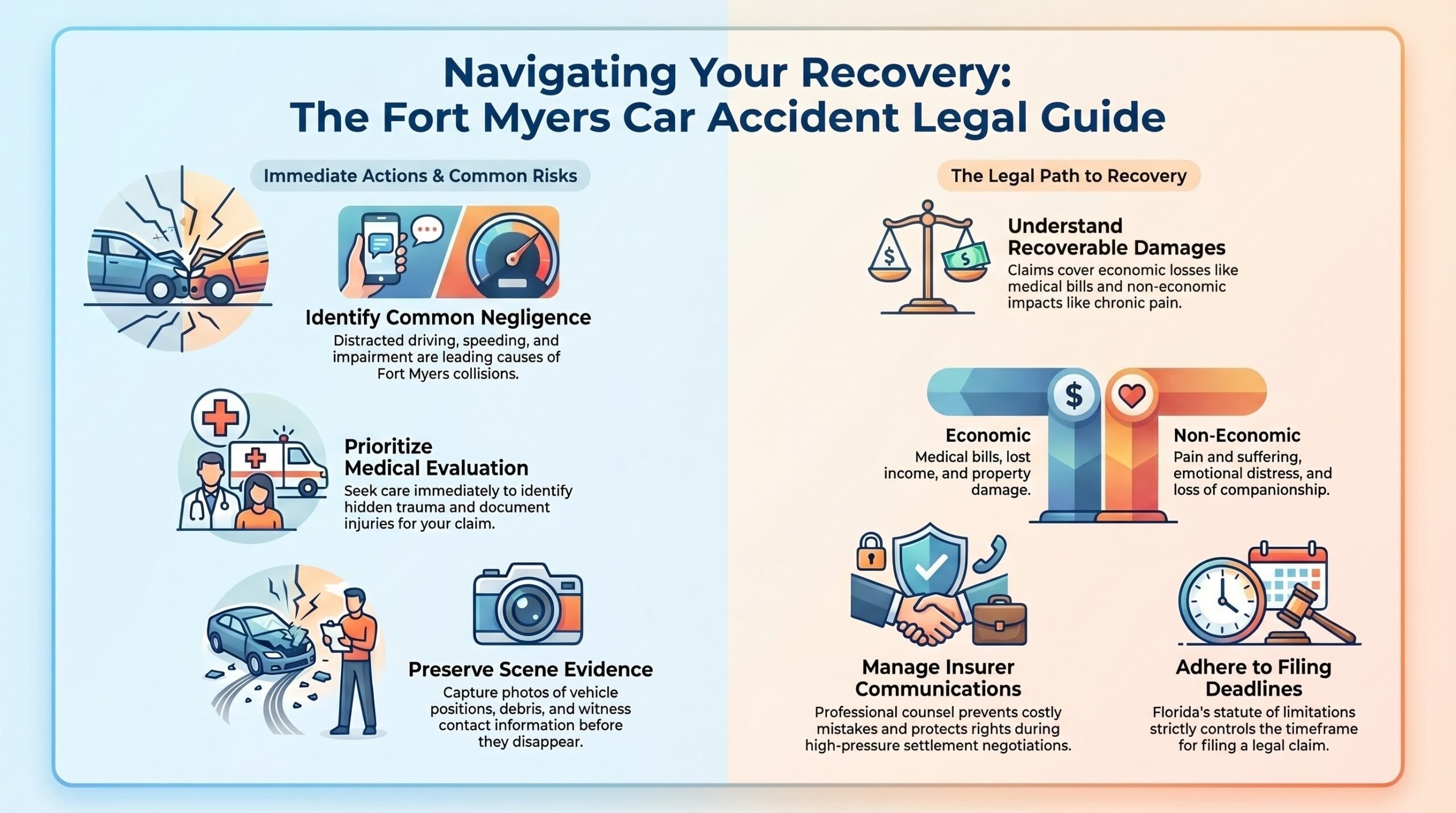
After a Fort Myers car accident, injured individuals often face medical expenses, lost income, insurance disputes, and uncertainty about the next steps. Legal counsel can provide practical support by organizing records, preserving evidence, communicating with insurers, and advocating for fair compensation. This assistance allows families to focus on recovery and caring for others while the claim moves forward.
A law firm serving Fort Myers can assess damages, explain available options, and outline likely settlement timelines with candor. It can gather medical documentation, interview witnesses, consult qualified experts, and present a clear, fact-based demand. When insurers delay or minimize losses, counsel can respond strategically and prepare the case for litigation if needed. Professional guidance also helps clients avoid costly mistakes, meet filing deadlines, and understand each stage of the process. Client testimonials often reflect the value of responsive communication, steady leadership, and a commitment to pursuing results that protect an injured person’s future and dignity.
OUR CONSULTATIONSARE FREE
START YOUR FREE CASE REVIEW

Understanding Fort Myers Fatal Car Accident Injury Cases
In the context of Fort Myers car accident litigation, understanding injury cases begins with recognizing that each claim depends on specific facts, the nature of the injuries, and the evidence available to establish liability and damages. Effective evaluation requires careful review of medical records, witness statements, crash reports, and expert opinions.
A detached legal analysis considers how injuries affect a person’s health, work capacity, family responsibilities, and long-term care needs. This process serves injured individuals by identifying losses that merit fair consideration under Florida law. Some cases involve issues overlapping with medical malpractice, particularly when treatment errors worsen accident-related harm. Others may raise product liability concerns if a defective vehicle component contributed to the severity of injuries. Sound case development thus focuses on documentation, causation, and measurable damages. By approaching each matter with discipline and accuracy, legal counsel can better protect the interests of those seeking accountability, support, and justice after a serious collision.
Common Causes of Fort Myers Fatal Car Accident Injuries
Several recurring factors are often identified in Fort Myers car accident cases, each of which presents serious risks to drivers, passengers, and pedestrians. Distracted driving, drunk driving, speeding violations, and reckless lane changes frequently contribute to collisions by reducing judgment, reaction time, and vehicle control. A clear understanding of these common causes helps establish how negligence may arise and why liability becomes a central issue in injury claims.
Distracted Driving
Distracted driving remains one of the most common causes of car accidents in Fort Myers, because it diverts a driver’s attention from the road, surrounding traffic, and changing conditions. Even brief phone use can delay reactions, reduce hazard recognition, and prevent safe responses to sudden stops or lane changes. Drivers may also overlook roadway signage, traffic signals, pedestrians, and emergency vehicles when attention shifts inside the vehicle.
Other distractions include adjusting navigation systems, eating, reaching for objects, or engaging with passengers. Each activity limits the focus needed to protect others and uphold a duty of care. In fatal collisions, investigators often examine whether inattention contributed to the chain of events. Recognizing these risks supports safer driving habits and helps families understand how preventable negligence can lead to devastating loss for the wider community.
Drunk Driving
Impaired driving continues to cause serious collisions in Fort Myers because alcohol reduces judgment, slows reaction time, and interferes with a driver’s ability to control a vehicle safely. These crashes often involve preventable choices, including underage drinking, carrying an open container, or ignoring an ignition interlock requirement after a prior offense.
Many drivers wrongly rely on perceived alcohol tolerance, even when their blood alcohol levels have already impaired perception and coordination. After a fatal wreck, chemical testing may become central to determining intoxication and accountability. In some cases, bar liability or dram shop principles may also be examined when a business served alcohol irresponsibly. Families seeking to protect others in the community often benefit from understanding how evidence of impaired driving is gathered, evaluated, and used to support civil claims and broader public safety efforts.
Speeding Violations
Exceeding the posted speed limit remains one of the most common causes of car accidents in Fort Myers, because higher speeds reduce the time available to perceive hazards, make decisions, and respond effectively. When drivers ignore speed limits, stopping distances increase, crash forces intensify, and ordinary traffic conditions become far more dangerous for everyone nearby.
From a public safety perspective, speeding violations undermine efforts to protect families, pedestrians, and other motorists who rely on responsible roadway conduct. Even a speed camera citation may reflect conduct that placed others at unnecessary risk. In many serious collisions, investigators examine whether excessive speed contributed to loss of control, delayed braking, or an inability to avoid an unexpected obstacle. Careful adherence to posted limits supports safer streets and advances the shared goal of preventing avoidable harm within the Fort Myers community.
Reckless Lane Changes
Unsafe lane changes also contribute markedly to car accidents in Fort Myers, often for the same reason speeding is so dangerous: they leave little time for other drivers to react. When motorists shift lanes without signaling, checking blind spots, or judging traffic flow, they create sudden hazards that can injure innocent people and disrupt entire families.
Reckless lane changes often involve dangerous merging near intersections, highway entrances, and congested corridors, where even minor miscalculations can produce severe collisions. Drivers who weave between vehicles or misuse zipper techniques in rushed traffic conditions increase the likelihood of sideswipe crashes, loss of control, and multivehicle impacts. Careful driving practices, patience, and attention to surrounding traffic help protect the community, reduce preventable harm, and reflect the shared responsibility every driver owes to others.


Legal Rights of Fort Myers Fatal Car Accident Injury Victims
Accountability often begins with a clear understanding of the legal rights available after a collision. Injury victims in Fort Myers may pursue compensation when another party’s carelessness causes harm, yet those rights are shaped by statutory deadlines and comparative negligence. A disciplined review of the facts helps protect both fairness and community well-being.
- Victims may seek damages for medical costs, lost income, pain, suffering, and other measurable losses tied to the crash.
- Florida law may reduce recovery when a victim shares fault, but partial responsibility does not automatically eliminate a valid claim.
- Families affected by catastrophic or fatal injuries may hold negligent parties financially accountable through insurance claims or civil litigation.
- Courts expect claims to be supported by reliable evidence, credible testimony, and documentation showing how the collision changed the victim’s life.
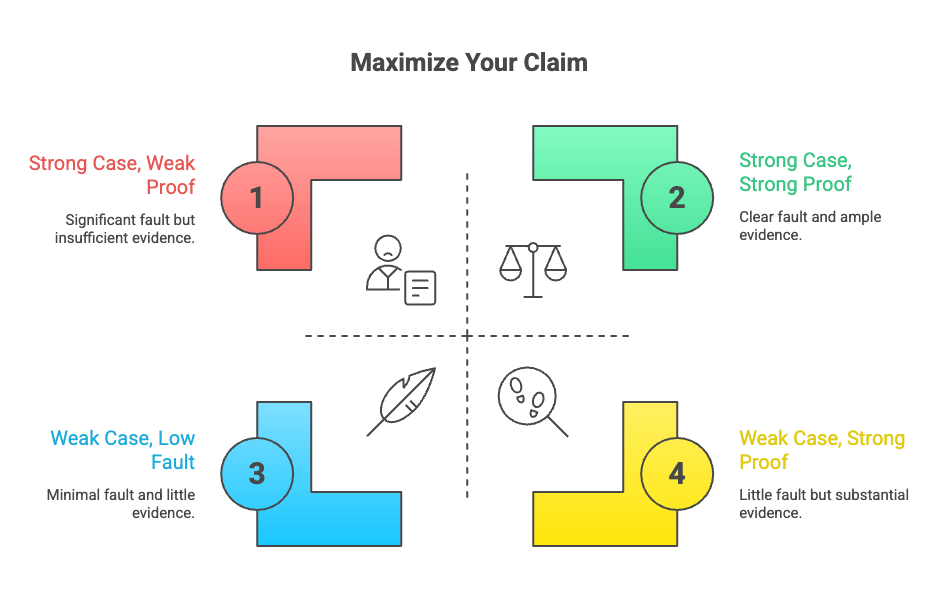
When these rights are clearly understood, those who serve injured neighbors can better advocate for justice, stability, and responsible conduct throughout the wider community.
Steps to Take After a Fort Myers Fatal Car Accident Injury
After an injury, certain actions can protect both health and any future legal claim. Immediate medical care should be sought, and the accident scene should be carefully documented with photographs, witness statements, and other relevant details. Prompt contact with a Fort Myers lawyer is also important, as early legal guidance can help preserve evidence and support informed decision-making.
Seek Immediate Medical Care
Seeking prompt medical attention is one of the most important steps to take following a car accident injury, because some conditions may not be immediately apparent despite limited or delayed symptoms. A qualified provider can perform an urgent assessment, identify hidden trauma, and begin treatment before complications worsen. Immediate evaluation also helps protect long-term health, supports responsible decision-making, and promotes stability for loved ones who may depend on the injured person’s recovery.
Medical professionals may check for internal injuries, concussion symptoms, spinal damage, soft tissue harm, and other concerns that require timely intervention. They may also recommend medications, imaging, therapy, or referrals to consultants based on observed needs. Consistent follow-up care is equally important because recovery often depends on careful monitoring, adherence to treatment, and prompt attention to changing symptoms over time.
Document The Accident Scene
Documenting the accident scene as thoroughly as possible can preserve vital evidence and provide a clearer account of how the collision occurred. If physical condition and safety permit, individuals should gather photographic documentation of vehicle positions, roadway markings, debris, weather conditions, traffic signals, and visible injuries. Images taken from multiple angles may help explain impact points and surrounding hazards.
Written notes can also support later recollection. Important details include the time, location, direction of travel, witness names, and any statements made at the scene. When practical, scene measurements involving skid marks, lane widths, and distances between vehicles may further clarify events. Careful preservation of damaged personal items, torn clothing, and digital records, such as dash camera footage, can also strengthen an accurate, service-minded account for those affected.
Contact A Fort Myers Lawyer
Consulting a Fort Myers car accident lawyer as early as possible can help protect legal rights and prevent avoidable mistakes during the claims process. Prompt legal guidance often supports families who are trying to act responsibly, preserve evidence, and meet important deadlines after a serious collision.
An attorney can review police reports, medical records, witness statements, and insurance communications to identify available avenues for recovery. During a free consultation, counsel may explain obligations, likely challenges, and immediate next steps with clarity and respect. A thorough case evaluation can also help determine liability, estimate damages, and assess whether insurers are acting fairly. By contacting a Fort Myers lawyer promptly, injured individuals and their families place themselves in a stronger position to pursue accountability, financial stability, and a resolution that serves long-term needs.
How a Fort Myers Fatal Car Accident Lawyer Can Help You
A Fort Myers car accident lawyer can protect an injured person’s interests from the outset by evaluating the claim, identifying liable parties, and managing communications with insurance companies. Through careful guidance, counsel helps families and caregivers focus on immediate needs while addressing legal responsibilities with discipline and care.
A Fort Myers car accident lawyer safeguards an injured person’s interests early, allowing families to focus on care while counsel manages the claim.
Effective representation often includes:
- Evidence collection to secure crash reports, witness statements, photographs, and electronic data before pivotal proof is lost.
- Medical advocacy to coordinate records, document treatment needs, and present a clear picture of the harm suffered.
- Strategic negotiation with insurers seeking to limit payouts or shift blame.
- Litigation preparation when settlement efforts do not reflect the full value of the claim.
Long-Term Effects of Fort Myers Fatal Car Accident Injuries
Car accident injuries may produce lasting consequences that extend well beyond the initial recovery period. Many individuals face chronic pain, emotional trauma, and a reduced ability to manage routine tasks, work obligations, and personal responsibilities. These long-term effects often influence medical needs, financial stability, and overall quality of life.
Chronic Pain Challenges
Persisting pain often becomes one of the most disruptive long-term consequences of accident-related injuries, affecting physical function, sleep, concentration, and overall quality of life. Survivors may struggle to complete ordinary tasks, assist family members, or remain engaged in work and community responsibilities.
Ongoing discomfort can also contribute to Chronic fatigue, reduced mobility, and Sleep disruption, making recovery slower and daily routines harder to sustain. Effective Pain management often requires coordinated medical care, physical therapy, and careful monitoring of symptoms over time. Without consistent support, individuals may face worsening limitations that interfere with independence and service to others. Emotional distress may arise as pain persists, yet the central challenge remains the continuing physical burden. Clear documentation of these effects can help demonstrate the true extent of long-term harm after a serious collision.
Emotional Trauma Impact
Emotional trauma can remain long after visible injuries have begun to heal, shaping how an injured person thinks, reacts, and functions in daily life. Survivors may experience fear, persistent anxiety, sleep disturbance, and symptoms associated with post-traumatic stress after a serious collision.
These effects are often misunderstood because they are not immediately visible to family members, employers, or caregivers. An injured person may struggle with intrusive memories, emotional numbness, irritability, or heightened alertness when reminded of the event. Compassionate support from loved ones and qualified professionals can help identify these concerns early and encourage appropriate care. Treatment may include counseling, structured coping strategies, and trauma-informed therapy designed to promote emotional stability. Careful documentation of psychological harm also helps present a more complete picture of the injury’s lasting impact.
Reduced Daily Function
Alongside psychological harm, many accident-related injuries produce a lasting reduction in daily function that can interfere with nearly every part of a person’s routine. Damage to the spine, brain, joints, or nerves may limit strength, coordination, balance, and endurance, making ordinary daily tasks difficult or unsafe. Some individuals require mobility aids, home modifications, or ongoing assistance from family members and caregivers to remain as independent as possible.
These routine limitations often affect employment, household responsibilities, transportation, and participation in community life. When pain, fatigue, or physical restrictions prevent meaningful activity, a person may gradually withdraw from relationships, hobbies, and service opportunities, increasing the risk of social isolation. Careful legal evaluation can help families pursue resources that support long-term care, rehabilitation, and dignified daily living.
Proving Liability in Fort Myers Fatal Car Accident Injury Cases
Establishing liability in injury cases requires a careful review of how the accident occurred, who owed a duty of care, and whether that duty was breached in a way that caused measurable harm. Courts and counsel examine police reports, witness statements, photographs, medical records, and vehicle data to determine the sequence of events and identify responsible parties.
In many matters, proving fault depends on showing that a driver acted unreasonably under the circumstances, such as speeding, being distracted, being impaired, or failing to yield. Florida law may also require analysis of comparative negligence, especially when more than one party contributed to the crash. Evidence can affect burden shifting on specific issues, particularly when statutory violations or presumptions apply. A thorough presentation of facts helps protect injured people and families seeking accountability, while also supporting fair allocation of responsibility. Clear documentation, credible expert opinions, and consistent testimony often strengthen a claim and assist the court in reaching a just result.
Dealing With Insurance Companies After a Fort Myers Fatal Car Accident Injury
After a car accident injury, interactions with insurance companies often shape the course of a claim as much as the underlying facts of the crash. Adjusters may request statements, medical authorizations, or quick settlements that appear helpful but can reduce the full value of losses. Careful communication protects injured people and their families while preserving accurate information.
A disciplined approach generally serves the public interest. Records of treatment, expenses, missed work, and insurer correspondence help support fair claim negotiation and discourage disputes over the seriousness of harm. It is also important to understand policy limits, because available coverage can influence settlement discussions and practical recovery options. Representatives for injured parties often focus on clear documentation, measured responses, and consistent advocacy rather than confrontation. This approach encourages accountability while reducing the risk of misunderstandings or unfair pressure. In serious cases, informed legal guidance can help families respond confidently, protect their rights, and pursue outcomes that reflect documented needs.
What to Expect During a Fort Myers Fatal Car Accident Injury Claim Process
An injury claim process typically begins with an initial case review, during which the facts, damages, and potential legal issues are assessed. It then moves into evidence gathering and investigation, followed by settlement negotiations aimed at resolving the matter efficiently and on fair terms. If a resolution is not reached, the process generally proceeds to trial preparation, where documentation, witness preparation, and legal strategy become increasingly important.
Initial Case Review
At the outset of a Fort Myers car accident injury claim, the initial case review allows counsel to assess the facts, identify potentially liable parties, and determine whether the available evidence supports a viable claim. During the initial interview, counsel generally listens to the family’s account, reviews basic records, and clarifies immediate concerns, including medical treatment, insurance communications, and statutory deadlines. This stage also helps establish a thoughtful case strategy centered on accountability, lawful recovery, and the client’s broader interest in protecting others from similar harm.
Counsel may explain the claim process, outline likely challenges, and discuss expectations regarding communication, timing, and decision-making. A careful review at this early stage promotes informed choices, preserves important rights, and establishes a structured foundation for responsible legal advocacy going forward.
Evidence And Investigation
Once the initial case review has clarified the basic facts and immediate concerns, the claim process typically moves into evidence gathering and investigation. Attorneys and support staff work to preserve records, obtain crash reports, collect photographs, and identify witnesses whose observations may assist the family and the broader pursuit of accountability.
This stage often includes medical documentation, vehicle inspections, scene analysis, and timelines built from phone data, surveillance footage, and onboard systems. In serious collisions, forensic reconstruction may be used to evaluate speed, impact angles, visibility, and roadway conditions. Digital forensics can also help authenticate messages, location data, and event recorder information. Each step is intended to form a reliable factual record, reduce uncertainty, and support a careful understanding of how the collision occurred and who may bear legal responsibility under Florida law.
Settlement Negotiations
With the factual record taking shape, many Fort Myers car accident claims proceed into settlement negotiations, where the parties assess liability, damages, and the practical value of resolving the matter without trial. During this stage, counsel often prepares demand letters that summarize injuries, medical treatment, lost income, and supporting evidence. Insurers then evaluate exposure and may respond with counteroffers that reflect disputed facts or policy limits.
Effective advocacy remains focused on fair compensation while recognizing the claimant’s broader interest in stability, accountability, and continued care. In some matters, mediation strategies help narrow disagreements, encourage candid discussion, and promote practical outcomes that can serve injured individuals and their families. Throughout negotiations, careful documentation, measured communication, and realistic valuation often determine whether a claim resolves efficiently and without unnecessary delay for all parties involved.
Trial Preparation Steps
In advance of trial, a Fort Myers car accident claim typically enters a more structured phase focused on organization, evidence, and courtroom readiness. Attorneys generally refine legal arguments, update witness lists, and confirm evidence preservation so that essential records, photographs, and expert findings remain available and persuasive.
This stage often includes pretrial motions, review of exhibits, and preparation of testimony explaining liability, damages, and future care needs. Counsel may also develop clear timelines and demonstrative materials to help jurors understand events and losses. During jury selection, both sides assess whether prospective jurors can approach the case fairly and with respect for community standards. A disciplined preparation process supports truthful presentation, protects the injured party’s interests, and helps the court evaluate the claim with efficiency, dignity, and informed judgment.
Compensation for Fort Myers Fatal Car Accident Injury Damages
Accountability is a central principle in car accident claims, particularly when an injured person seeks compensation for the physical, financial, and personal losses caused by another party’s negligence. In Fort Myers cases, this process often begins with a careful review of medical records, crash reports, witness statements, and employment documentation. The purpose is to identify the full extent of harm and present a clear demand supported by credible evidence.
A lawyer may pursue compensation for hospital treatment, rehabilitation, prescription costs, lost wages, and other measurable burdens tied to the collision. When injuries are severe, the claim may also consider future care needs, including ongoing therapy, adaptive equipment, and long-term support services. Proper valuation protects the injured person from accepting less than what recovery reasonably requires. By building a thorough claim, counsel helps families secure resources that promote stability, dignity, and the ability to continue serving their households and communities after serious harm.
Economic vs Non-Economic Damages in Fort Myers Fatal Car Accident Cases
In car accident cases, damages are generally divided into economic and non-economic categories, each addressing a different type of loss. Economic damages typically include measurable financial harm, such as medical bills, lost income, and property damage, while non-economic losses concern pain and suffering, emotional distress, and diminished quality of life. Establishing the value of either category often requires clear documentation, credible testimony, and careful analysis of how the injuries have affected the injured person’s finances and daily functioning.
Economic Damages Explained
Under Florida law, economic damages are the measurable financial losses resulting from a car accident, while non-economic damages address the harder-to-quantify personal effects of an injury, such as pain, emotional suffering, and loss of enjoyment of life. In Fort Myers cases, economic damages typically include medical bills, rehabilitation costs, transportation to treatment, property damage, and other documented expenses. They may also cover lost wages when injuries prevent a person from working, as well as reduced future earnings if long-term limitations affect employment.
These damages are supported by records, invoices, pay statements, and expert analysis when necessary. A careful evaluation helps families and advocates understand the full financial impact of a collision, pursue fair compensation, and secure resources needed to support recovery, stability, and responsible care for those affected over time.
Non-Economic Losses Overview
Beyond financial records and receipts, car accident claims in Fort Myers may also involve non-economic losses, which address the personal consequences of an injury that do not carry a fixed dollar amount. These damages reflect human harm that often affects daily living, relationships, dignity, and overall well-being after a serious collision.
In fatal and catastrophic cases, non-economic losses may include physical suffering, emotional distress, disfigurement, loss of companionship, and reduced enjoyment of life. While economic damages address measurable expenses, these losses recognize the burdens that families and injured individuals may carry as they continue to care for others and their communities. Pain valuation and loss quantification are concepts associated with this category, yet the central purpose remains acknowledgment of profound personal impact. This distinction helps present a fuller view of accident-related harm.
Proving Damage Value
Establishing the value of damages in Fort Myers car accident cases requires more than identifying categories of loss, because each claimed harm must be supported with credible evidence and a reasoned method of valuation. Economic damages are typically proven through medical bills, wage records, repair estimates, and expert opinions addressing future losses. Non-economic damages require careful assessment of pain, often supported by treatment notes, testimony from family members, and evidence of changes in daily functioning. Effective damage valuation depends on connecting records to the injured person’s actual experience and projecting likely consequences with discipline.
Courts and insurers often scrutinize evidence monetization, especially where suffering, disability, or diminished capacity cannot be measured by invoices alone. A thorough presentation helps decision-makers recognize the full impact of the collision and serve affected families with fairness.
When a Fort Myers Fatal Car Accident Injury Case Goes to Trial vs Settlement
In many Fort Myers injury cases, the path forward is resolved through settlement, while others proceed to trial when liability, damages, or both remain in serious dispute. Settlement often serves families and injured people by reducing delay, expense, and uncertainty. It may also provide privacy and quicker access to funds needed for care, household stability, and other responsibilities after a serious collision.
A case is more likely to reach trial when the parties strongly disagree about fault, future losses, or the credibility of witnesses and experts. Counsel evaluates evidence, insurance positions, settlement timing, and likely jury dynamics before recommending the next step. Trial can produce a binding verdict and public accountability, yet it also carries risk, added cost, and a longer timeline. A careful legal approach weighs whether a settlement will fairly meet the injured person’s needs or whether a trial is necessary to pursue full and just compensation through the court process.
The Statute of Limitations for Fort Myers Fatal Car Accident Injury Cases
After a Fort Myers car accident, the time allowed to file a personal injury lawsuit is controlled by Florida’s statute of limitations, and that deadline can have a decisive effect on whether compensation remains legally available. These filing deadlines are not mere technicalities. They protect the orderly administration of justice, preserve evidence, and encourage timely action on behalf of injured people and grieving families.
In many injury matters, missing the applicable deadline can bar recovery entirely, regardless of how serious the harm may be. Florida law may also recognize limited tolling exceptions, but those situations are narrow and fact-specific. They can involve circumstances such as delayed discovery in certain claims, the legal status of a minor, or periods when a defendant cannot be located. Because the rules are strict and courts enforce them closely, careful attention to dates, records, and procedural requirements serves the broader goal of protecting rights and helping affected families pursue accountability within the law.
When to Contact a Fort Myers Fatal Car Accident Lawyer
When should an injured person contact a Fort Myers car accident lawyer? Contact should occur as soon as urgent medical needs are addressed and the scene is safe. Early communication helps preserve facts, clarify the post-accident timeline, and support immediate documentation of injuries, witness information, property damage, and official reports. Prompt action also helps protect the interests of passengers, families, and others affected.
A timely consultation is especially appropriate when injuries appear serious, fault is disputed, an insurer requests statements, or a fatality has occurred. Even when symptoms seem minor, delayed pain can complicate recovery and recordkeeping. Reaching out early allows an injured person to understand practical next steps, organize medical and financial information, and avoid preventable mistakes during a stressful period. In cases involving community caretakers or service-minded families, swift guidance can reduce confusion and promote orderly decision-making, while keeping attention on recuperation, responsibilities, and the well-being of others.
Why You Need an Experienced Fort Myers Fatal Car Accident Lawyer
Because the period immediately following a collision often determines how strongly a claim can be supported, an experienced Fort Myers car accident lawyer provides value beyond basic case handling. Counsel with Proven experience can preserve evidence, coordinate investigations, and protect statements from being misused by insurers. This early guidance helps families focus on recovery and on caring for others affected by the loss.
An experienced attorney also brings structure to a multifaceted legal process. An effective case strategy connects medical records, crash reports, expert opinions, and financial losses into a clear demand supported by facts. When liability is disputed or multiple parties share responsibility, seasoned counsel can identify legal issues quickly and respond with disciplined advocacy. That level of preparation often improves settlement discussions and strengthens courtroom readiness if litigation becomes necessary. In fatal accident matters, experience supports accountability, financial stability, and a more orderly path forward for surviving family members and the communities that depend on them.
How to Choose the Right Fort Myers Fatal Car Accident Lawyer For Your Case
Selecting the right Fort Myers car accident lawyer requires more than confirming general experience, since the quality of representation often depends on how well counsel’s background aligns with the facts and demands of the case. Families should review prior results in wrongful death and severe injury matters, communication practices, and the attorney’s willingness to explain each stage of the claim clearly.
A careful selection process also considers Client screening, because a thorough initial review often reflects how seriously a firm evaluates liability, damages, and evidentiary issues before offering guidance. Prospective clients may also compare the Fee structure, including contingency terms, litigation costs, and billing transparency, to understand whether representation remains practical over time. Attention should also be given to availability, investigative resources, and courtroom readiness, as intricate fatal-accident cases may require prompt evidence preservation and sustained advocacy. When counsel demonstrates competence, candor, and disciplined case management, families are better positioned to pursue accountability and meaningful recovery.
About The Law Offices of Anidjar & Levine
Client-focused representation remains a central feature of The Law Offices of Anidjar & Levine, a firm that handles Fort Myers car accident claims with an emphasis on responsiveness, case preparation, and practical legal guidance. The firm presents legal support as a service-centered commitment, helping injured people and grieving families pursue accountability, financial recovery, and stability after serious collisions.
Its approach reflects a broader mission to meet clients where they are, answer questions promptly, and manage crucial details so families can focus on recuperation and daily responsibilities. The firm’s history shows continued work on personal injury matters, including fatal accident cases that require careful investigation and steady communication. Publicly available client testimonials often highlight accessibility, professionalism, and attention to individual concerns, which can matter greatly during periods of loss and uncertainty.
For those seeking a law firm that values preparation and respectful service, The Law Offices of Anidjar & Levine offers a structured and compassionate legal resource.
Frequently Asked Questions
Can I Recover Damages if the Deceased Was Partially at Fault?
Yes, damages may still be recovered if the deceased was partially at fault. Under comparative negligence, recovery is reduced by the deceased’s percentage of responsibility rather than automatically barred. State apportionment rules determine how fault is assigned among all involved parties and how compensation is adjusted. A careful legal review can clarify available claims, preserve evidence, and help surviving family members pursue a fair, service-centered outcome under applicable law.
Are Wrongful Death Settlements Taxable in Florida?
Wrongful death settlements in Florida are generally not taxable income when they compensate survivors for physical injuries, illness, or death. However, portions tied to interest, punitive damages, or certain non-injury claims may be taxable. Estate taxation may also apply in limited circumstances involving the deceased’s estate, rather than individual beneficiaries. Careful review of settlement terms helps families serve one another responsibly while protecting compliance with applicable state and federal tax rules.
Can Unmarried Partners File a Wrongful Death Claim in Florida?
Generally, unmarried partners cannot file a wrongful death claim in Florida unless they qualify under the statute’s specific categories of survivors. Florida does not broadly extend rights to domestic partners, and common-law recognition is very limited. A surviving partner may recover only in rare circumstances, such as legal dependency or another recognized status. Careful review of the relationship and financial support history is crucial before pursuing any claim.
How Are Settlement Funds Divided Among Surviving Family Members?
Settlement funds are generally divided according to Florida wrongful death law, the survivors’ losses, and the decedent’s estate administration plan. A court may approve allocations among a spouse, children, parents, or other qualifying relatives based on financial and emotional support lost. When parties disagree, beneficiary disputes can require negotiation or judicial review. Clear documentation, careful administration, and informed legal guidance help guarantee fair distribution while honoring the family’s needs.
What Happens if the At-Fault Driver Was Uninsured or Underinsured?
If the at-fault driver was uninsured or underinsured, recovery may still be available through the victim’s own Uninsured motorist or Underinsured motorist coverage. These policies can help compensate surviving family members for losses that the negligent driver cannot fully pay. Other potential sources include umbrella policies or third-party liability claims. A careful review of all insurance policies is often necessary to identify every available avenue of financial support.
—————————
A Fort Myers Car Accident Lawyer can provide vital guidance when a family faces the legal and financial consequences of a deadly crash. By evaluating the facts, protecting the claimant’s rights, and pursuing full compensation, counsel helps bring structure to a difficult process.
The Law Office of Anidjar and Levine assists clients with informed representation and focused advocacy. Prompt legal action can preserve evidence, strengthen a claim, and support a more secure path forward.

