The Law Offices of Anidjar and Levine help poor weather car accident victims pursue compensation when rain, fog, slick roads, or limited visibility contributes to a crash.
Our team reviews police reports, weather data, photos, vehicle damage, medical records, and witness statements to identify negligent driving despite dangerous conditions.
We also handle insurance disputes involving fault, damages, and deadlines.
Poor weather doesn’t erase your rights, and the sections below explain how these claims work and what steps may protect your case.
Learn how a Gainesville Car Accident Lawyer can help.
Main Takeaways
- A Gainesville poor weather car accident lawyer can evaluate fault despite rain, fog, slick roads, or limited visibility.
- Poor weather does not eliminate compensation rights when negligent driving caused or contributed to the crash.
- Compensation may include medical bills, lost income, pain, suffering, and future care needs.
- Key evidence includes crash reports, photos, weather data, witness statements, medical records, and insurance communications.
- Legal help can preserve evidence, handle insurers, assess deadlines, negotiate settlement, and prepare further action if needed.


How We Can Help With Your Gainesville Poor Weather Car Accident Injury Claim
A poor weather car accident can leave you facing injuries, vehicle damage, missed work, and an insurance claim that becomes more difficult than expected. We help you take organized steps that protect your claim while you focus on recovery and caring for those who depend on you.
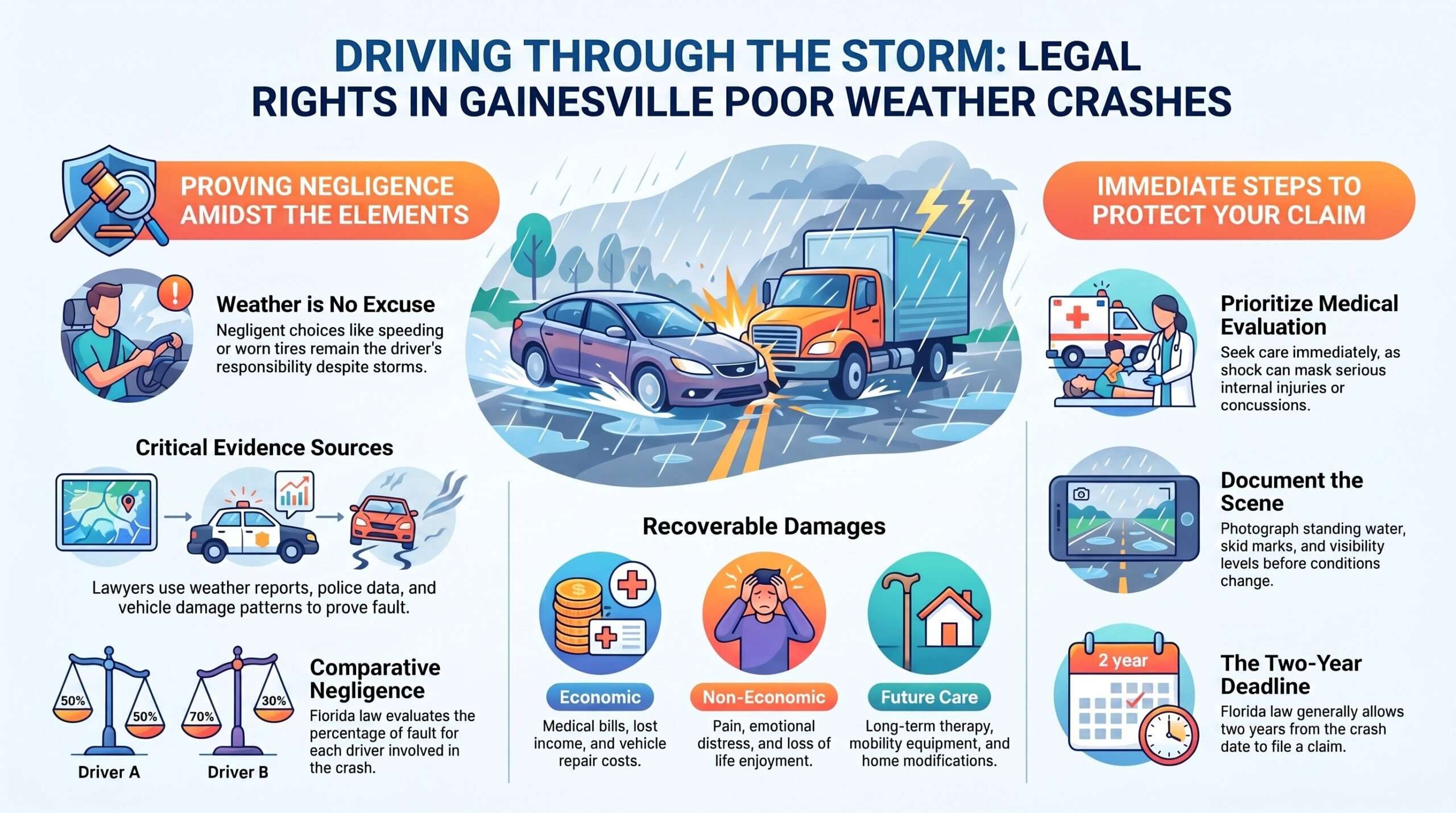
We gather crash reports, photos, medical records, witness statements, and available roadway or vehicle evidence. We review insurance communications, identify deadlines, and explain each decision before action is taken. Evaluating comparative fault is especially important when rain, fog, slick pavement, or limited visibility becomes part of the dispute.
We also handle negotiating settlement offers with insurers that may undervalue medical care, lost income, or lasting limitations. Our role is to present a clear, documented claim and pursue fair compensation through disciplined advocacy. When settlement discussions don’t resolve the matter, we prepare your case for further legal action with steady, purposeful representation.
OUR CONSULTATIONSARE FREE
START YOUR FREE CASE REVIEW

Understanding Gainesville Poor Weather Car Accident Injury Cases
When poor weather contributes to a crash in Gainesville, the legal issues often turn on whether each driver adjusted their conduct to the conditions. We evaluate these cases by reviewing the facts, the available evidence, and the duties each person owed to others on the road. Our Risk assessment focuses on how weather affected visibility, stopping distance, roadway control, and the reasonableness of each driver’s decisions.
We also help you understand how insurance issues may shape the claim. Poor weather does not automatically excuse unsafe conduct, and insurers may still contest fault, damages, or the scope of available benefits. These coverage disputes can delay fair compensation unless the evidence clearly supports your position.
As we serve injured clients, we aim to protect your rights while honoring the importance of accountability. We gather records, assess liability, and present your claim with care, so you can pursue recovery with informed confidence.
Common Causes of Gainesville Poor Weather Car Accident
We often see crashes in Gainesville caused by poor weather, including reduced road visibility, hydroplaning on wet roads, and unsafe speeds during storms. We also know that poor vehicle maintenance, such as worn tires or faulty brakes, can make dangerous conditions even worse for you. By identifying these causes, we can better explain how negligence may have contributed to your accident and injuries.
Reduced Road Visibility
During poor weather, reduced road visibility can turn routine driving in Gainesville into a serious hazard, especially on busy roads like I-75, Archer Road, Newberry Road, and University Avenue. We understand rain, fog, smoke, or sudden darkness can limit a driver’s ability to see stopped vehicles, pedestrians, cyclists, lane markings, and Road hazards in time to respond safely.
When visibility drops, driver inattention becomes even more dangerous, because a brief glance away from the road can prevent someone from recognizing traffic changes ahead. We encourage you to slow down, use headlights, increase following distance, and remain alert for emergency responders serving others at crash scenes. If another driver failed to adjust to poor visibility, we can help you evaluate responsibility and pursue recovery.
Hydroplaning On Wet Roads
Limited visibility often combines with another serious weather-related danger: hydroplaning on wet Gainesville roads. When water builds between your tires and the pavement, your vehicle can lose contact with the road, making steering and control unreliable. We see this risk increase when storms leave standing water in lanes, intersections, or worn roadway depressions.
Proper tire tread depth matters because deeper grooves help channel water away and maintain traction. If the tread is worn, even careful drivers may face longer braking distances and reduced control in sudden hazards. We encourage you to maintain your vehicle, leave room for others, and respond calmly when traction changes. When drivers ignore these responsibilities, they put neighbors, passengers, and vulnerable road users at unnecessary risk. Our community merits safer choices.
Speeding During Storms
Speeding during storms turns already dangerous Gainesville roads into high-risk collision zones. When drivers move too fast for rain, fog, or standing water, they reduce reaction time and increase stopping distance, putting passengers, pedestrians, and other motorists at serious risk. We often see crashes occur because a driver failed to slow down near intersections, school zones, or congested corridors where visibility changes quickly.
After a storm-related crash, we help you focus on service, recovery, and accountability. Medical record documentation can connect your injuries to the collision and protect your claim from unfair challenges. Insurance adjuster tactics may include blaming the weather alone, minimizing the speed, or arguing that your injuries were caused by another factor. We gather evidence, review reports, and advocate for the full compensation you receive after impact.
Poor Vehicle Maintenance
When rain, fog, or flooded pavement reduces driver control, poor vehicle maintenance can turn a manageable hazard into a serious collision in Gainesville. Many of us understand that many drivers want to protect their families, passengers, and neighbors, but safety requires more than caution behind the wheel. Tire tread wear limits traction on slick roads, increasing stopping distance and the risk of hydroplaning.
Brake maintenance failures can also prevent a driver from slowing in time when traffic suddenly stops or visibility drops. We encourage you to view maintenance as a responsibility to the community, not merely a personal expense. If another driver ignored worn tires, faulty brakes, or overdue repairs, that neglect may support an injury claim. We help you identify maintenance-related evidence and pursue accountability after a weather-related crash.


Legal Rights of Gainesville Poor Weather Car Accident Injury Victims
After a crash in heavy rain, fog, high winds, or other poor weather, injured victims in Gainesville still have the right to seek compensation when another driver’s negligence caused or contributed to the collision. We help you protect those rights while you focus on recovery and supporting your family.
Poor weather does not erase your right to seek compensation after a negligence-related crash.
Your legal rights may include recovery for medical bills, lost income, pain, and future care needs. We also address Liability Disputes that arise when insurers blame the weather instead of unsafe driving.
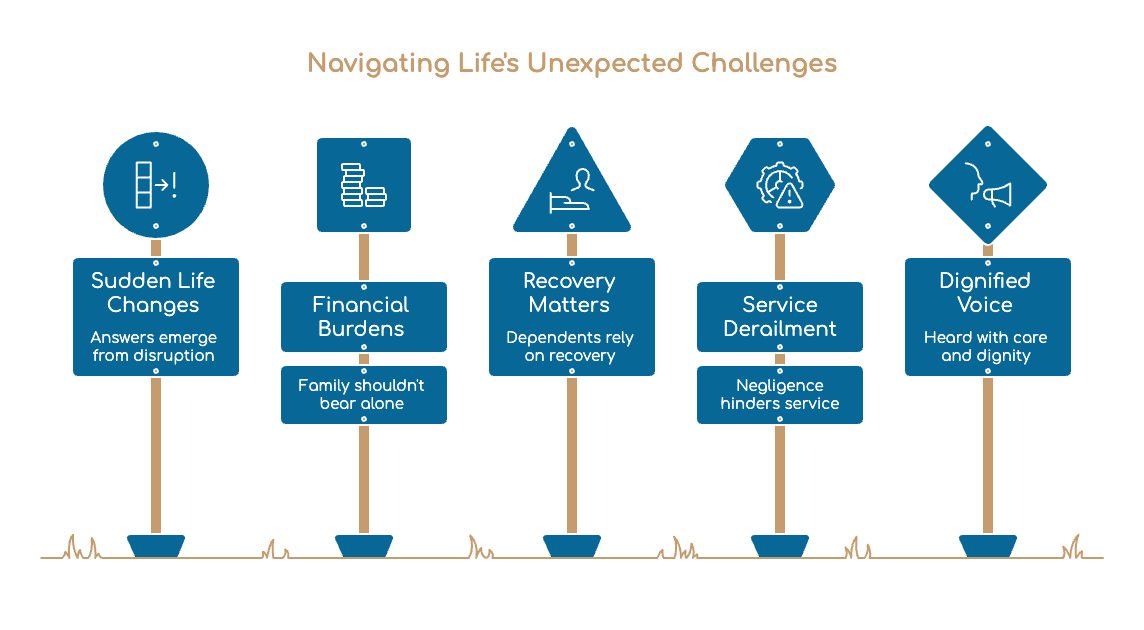
- You earn answers when life changes without warning.
- Your family shouldn’t carry financial burdens alone.
- Your recovery matters to the people who depend on you.
- Your service to others shouldn’t be derailed by negligence.
- Your voice should be heard with dignity and care.
We act quickly on Claim Deadlines, Evidence Preservation, and Witness Testimony, because strong documentation can protect your claim and strengthen your path forward.
Why Do Gainesville Poor Weather Car Accident Injuries Happen?
Understanding your rights also requires understanding why crashes happen in poor weather, because rain, fog, wind, and slick roads don’t excuse unsafe choices behind the wheel. In Gainesville, sudden storms can reduce visibility, flood lanes, and extend stopping distances. Still, we understand many injuries occur when drivers fail to slow down, follow too closely, or use worn tires.
We also see crashes linked to poor storm preparedness. When drivers ignore forecasts, leave with wipers not working, or drive vehicles that need maintenance, they place others at risk. Driver fatigue can make these dangers worse because tired drivers react more slowly, misjudge distances, and struggle to adjust when traffic changes.
As a community, we depend on one another to act with care, especially during dangerous weather. When someone chooses speed, distraction, or impatience over safety, that choice can harm people who were simply trying to reach work, school, medical care, or service commitments safely.
What Should You Do After a Gainesville Poor Weather Car Accident Injury?
After a poor-weather car accident in Gainesville, we encourage you to prioritize medical care, even if your injuries seem minor at first. We also recommend documenting the crash conditions, including rain, fog, road hazards, vehicle damage, and witness information, because these details can affect your claim. Once you’re safe, we suggest contacting an injury lawyer who can protect your rights and help you pursue fair compensation.
Prioritize Medical Care
When poor weather contributes to a Gainesville car accident, your first priority should be getting medical care, even if your injuries seem minor. We encourage you to accept emergency evaluation, because shock can hide serious harm, including concussions, internal injuries, and Broken bones. Prompt care protects your health and helps you continue serving your family, work, and community with stability.
We should tell providers about every symptom, even stiffness, dizziness, or delayed pain, so they can create a clear treatment timeline. Consistent records also support effective pain management and show how the crash affected your daily life. We recommend attending every appointment, following medical restrictions, and completing follow-up care. If symptoms worsen, we shouldn’t wait; timely treatment can prevent complications and strengthen your recovery.
Document Crash Conditions
Once we’ve addressed urgent medical needs, we should preserve evidence of the poor weather and roadway conditions that contributed to the Gainesville crash. If it’s safe, we can photograph rain, fog, pooled water, debris, skid marks, vehicle positions, and damaged guardrails. We should also record the date, time, location, visibility, lighting, and traffic flow, as these details may help others understand what happened.
When possible, we can capture nearby hazards, including faulty traffic signals or inadequate lane marking, before crews make repairs or conditions change. We should gather witness names, note responding officers, and keep weather alerts, dashcam footage, repair invoices, and medical records. By documenting conditions carefully, we protect the truth, support accountability, and help ensure that preventable dangers are recognized before they harm others.
Contact An Injury Lawyer
Because poor-weather crash claims often involve disputed facts, we should contact an injury lawyer as soon as our immediate medical and safety needs are addressed. Counsel can preserve evidence, guide the documentation of crash scene details, and communicate with insurers before statements are misused. We can serve our families and community best by protecting our recovery and preventing avoidable financial harm.
A lawyer reviews police reports, weather data, photographs, medical records, and witness accounts while identifying liable parties, including negligent drivers, vehicle owners, employers, or others who contributed to unsafe conditions. We should bring every document we have, even if it seems minor. Early legal help also keeps deadlines clear, supports fair negotiations, and allows us to focus on healing with dignity and purpose.
Critical Evidence in a Gainesville Poor Weather Car Accident Injury Case
We acknowledge that evidence can determine whether your Gainesville poor-weather crash claim is taken seriously, especially when rain, fog, or slick roads create confusion about fault.
- Weather and road reports that reveal dangerous conditions
- Police crash reports that document the official scene findings
- Vehicle damage evidence that shows the force and angle of impact
- Witness statements that preserve what others saw before memories fade
- Photos that capture the fear, damage, and conditions you faced
We use this evidence to protect your rights, challenge unfair blame, and build a clear account of what happened.
Weather And Road Reports
When poor weather contributes to a Gainesville car accident, weather and road reports can help us separate unavoidable conditions from negligent driving. We review Hurricane warnings, rainfall totals, wind advisories, visibility records, and road closure updates to understand what drivers knew, or should’ve known, before traveling. These records may show whether a motorist ignored dangerous conditions, failed to slow down, or chose a route that public officials had already identified as unsafe.
We also examine traffic signal outages, standing water reports, and debris notices because they can explain hazards that shaped the collision. When we connect these details with driver behavior patterns, we can better show whether careless choices harmed you. This evidence helps us serve your recovery with accuracy, accountability, and a clear presentation of preventable fault.
Police Crash Reports
After a crash in poor weather, the police crash report often becomes one of the first records to help define what happened. We review this report carefully because it may identify drivers, witnesses, citations, roadway conditions, and the officer’s observations at the scene. In Gainesville cases, those details can help connect rain, fog, standing water, or reduced visibility to the collision.
We also look for references to dashcam footage, 911 calls, lane closures, and statements made before memories fade. When the report includes weather timelines, we compare them with independent records to test accuracy and strengthen your claim. We understand these reports are not always complete, so we use them as a foundation, not a final answer, while building evidence that supports your recovery and accountability.
Vehicle Damage Evidence
Vehicle damage evidence often tells a story that a police crash report can’t fully capture. We examine dents, crush patterns, broken components, and impact locations to understand how poor weather affected the collision. After a crash, this physical evidence may show whether a vehicle slid, hydroplaned, struck at an angle, or failed to stop in time.
We use this information to support driver fault determination with care and precision. Damage patterns can confirm or challenge statements about speed, braking, lane position, and following distance. While witness testimony may help explain surrounding circumstances, the vehicle itself can provide objective proof that serves injured people seeking accountability.
By preserving repair records, inspection notes, and damage assessments, we help you build a stronger claim grounded in reliable evidence rather than assumptions.
Witness Statements And Photos
Because poor weather can change crash conditions within seconds, witness statements and photos often preserve details that might otherwise disappear. We gather accounts from drivers, passengers, pedestrians, and nearby residents to clarify visibility, road pooling, traffic signals, and vehicle behavior. We also review photographs showing skid marks, debris fields, damaged guardrails, standing water, fog, or obscured signs, so your claim reflects the full roadway environment.
When we serve injured clients, we also conduct Eyewitness credibility checks, comparing each statement with physical evidence, weather reports, and timelines. If available, we seek surveillance camera footage from businesses, homes, traffic systems, or parking lots. These records can confirm speed, lane position, braking, and the sequence of impacts. Prompt action helps us protect this evidence before it’s erased, altered, or lost.
Long-Term Effects of Gainesville Poor Weather Car Accident Injuries
We recognize that injuries from poor weather car accidents can affect you long after the initial collision, especially when chronic pain disrupts daily life. We also examine how mobility limits, disability, and reduced independence can change your work, home responsibilities, and future care needs. We don’t overlook emotional trauma, because anxiety, depression, and fear of driving may become lasting consequences that warrant serious legal consideration.
Chronic Pain Conditions
After a poor weather crash in Gainesville, chronic pain can develop even when initial injuries seem manageable. We often see neck, back, shoulder, and nerve pain persist after collisions that occur in rain, fog, or on slick roads. When you’re trying to care for your family, work, or serve your community, constant pain can limit focus and endurance. We help document symptoms, treatment history, and medical opinions so your claim reflects the full burden of ongoing pain.
Pain management plans may include therapy, medication, injections, expert care, or other treatment your physician recommends. We also address Insurance denial handling when insurers question whether pain is accident-related. By organizing evidence and challenging unfair positions, we work to protect your recovery and help you pursue compensation for continuing medical needs.
Mobility And Disability
When severe injuries affect how you walk, stand, lift, or drive, a poor weather crash can change nearly every part of daily life. We help you address mobility limits that interfere with work, caregiving, worship, volunteering, and ordinary service to family or community. Broken bones, spinal injuries, joint damage, and nerve trauma may require walkers, braces, ramps, modified vehicles, or long-term therapy.
Seasonal hazards can worsen these limitations, especially when rain, fog, or slick roads make movement and transportation less reliable. We also examine how vehicle preparedness, driver fatigue, and emergency planning contributed to the collision and your resulting disability. By documenting medical needs, home modifications, lost earning capacity, and future care, we pursue compensation that supports independence, dignity, and continued participation in meaningful service.
Emotional Trauma Effects
Because poor weather crashes often happen without warning, the emotional harm can last long after visible injuries have begun to heal. We acknowledge that you may face anxiety, sleep disruption, irritability, or fear when rain, fog, or slick roads return. These reactions can affect family responsibilities, work duties, and the steady service you provide to others.
We also recognize the Impact on driving, especially when you avoid necessary trips or feel tense behind the wheel. Emotional recovery may require counseling, medical support, and time away from stressful conditions. We help you document these effects with care, connecting symptoms to the crash and showing how they influence daily life. By addressing trauma directly, we protect your claim and support a fuller recovery. We stand with you through each step.
Proving Liability in Gainesville Poor Weather Car Accident Injury Cases
Although poor weather can complicate a Gainesville car accident claim, it doesn’t excuse a driver from using reasonable care behind the wheel. We prove liability by showing that another driver acted unreasonably under the conditions, whether due to rain, fog, standing water, or reduced visibility, making extra caution necessary.
We examine police reports, witness statements, roadway evidence, vehicle damage, and available video to identify unsafe conduct. Speeding, following too closely, failing to signal, and lane change negligence can all establish fault when drivers ignore weather-related risks. We also consider whether the headlights, wipers, tires, and brakes were used or properly maintained.
Our goal is to build a clear, evidence-based account that helps you serve your family, your recovery, and your future. When careless choices cause harm, we connect those choices to your injuries, medical needs, lost income, and other losses so responsibility rests where it belongs under Florida law after the crash.
Dealing With Insurance Companies After a Gainesville Poor Weather Car Accident Injury
After a weather-related crash, insurance companies often look for ways to shift blame to the conditions rather than to the negligent driver. We help you respond with clear facts, organized records, and careful communication. Adjusters may request statements, medical authorizations, or quick releases before you understand the full impact of your injuries. We protect your position by reviewing each request, limiting unnecessary disclosures, and ensuring your account remains accurate.
We also address disputes over policy terms, fault percentages, and medical necessity. Coverage denial appeals require prompt attention, strong documentation, and a focused explanation of why benefits should apply. When insurers delay, we press for accountability while keeping your broader recovery goals in view.
We discuss settlement timeline expectations honestly, because weather-related claims can involve added investigation and contested responsibility. Our role is to reduce confusion, preserve your rights, and help you pursue compensation that supports your healing, your family, and your continued service to others after injury.
What to Expect During a Gainesville Poor Weather Car Accident Injury Claim Process
We guide you through the claims process, starting with the initial filing and ensuring that deadlines, documentation, and injury details are properly addressed. We then review weather evidence, assess how road conditions affected the crash, and work to establish liability with precision. Once we’ve built a strong factual record, we handle settlement negotiations to pursue fair compensation for your losses.
Initial Claim Filing
When bad weather contributes to a crash in Gainesville, the initial claim filing sets the direction for the entire injury case. We help you notify the proper insurer, identify all available coverage, and submit accurate insurance documentation before deadlines create problems. This filing should describe the collision, your injuries, medical treatment, lost income, and other losses with care and consistency.
We also consider Florida’s Comparative negligence rules from the start, because insurers may argue that speed, following distance, or inattention contributed to the crash. By organizing records early, we protect your ability to seek fair compensation while you focus on recovery and continued service to your family, workplace, and community. A careful first filing reduces confusion, limits disputes, and gives the claim a stronger foundation.
Weather Evidence Review
Once the initial claim is filed, the weather evidence review helps show how rain, fog, standing water, reduced visibility, or slick pavement affected the crash. We gather official weather reports, roadway condition records, photographs, and witness statements to document the conditions you faced. We may also review GPS tracking data to confirm timing, speed patterns, and the vehicle’s location during the weather event.
When available, dashcam footage can provide a clear view of visibility, traffic flow, braking, and surface hazards. This review allows us to preserve important details before they fade or disappear. As we serve your claim with care, we organize the evidence to support an accurate understanding of the collision, without moving into conclusions reserved for later stages of the process.
Liability Determination
Because poor weather doesn’t excuse careless driving, liability determination focuses on whether each driver acted reasonably under the conditions present at the time of the crash. We review the evidence to identify driver fault factors, including speed, following distance, braking, lane use, visibility, and compliance with traffic laws. When rain, fog, or slick roads affect travel, responsible drivers must adjust their behavior to protect others.
We also consider whether multiple parties share responsibility. Under Florida’s Comparative negligence rules, your recovery may depend on the percentage of fault assigned to each person involved. We help you understand how insurers may evaluate your actions and the other driver’s conduct. By presenting facts clearly, we support a fair assessment that respects your injuries, your service to others, and your need for accountability.
Settlement Negotiations
After we identify liability and document the full extent of your losses, settlement negotiations often become the central part of the claim process. We present medical records, wage evidence, repair estimates, and witness accounts that show how the crash affected your daily responsibilities. Insurers may compare fault percentages, especially when evening storm conditions reduced visibility or road traction. We address those arguments directly, using evidence to protect your claim from unfair reduction.
Throughout negotiations, we keep your service to family, work, and community in focus, because injuries often disrupt more than finances. We evaluate each offer, explain its consequences, and advise whether it reflects your damages. If the insurer refuses fair compensation, we prepare to pursue stronger action through litigation.
Compensation for Gainesville Poor Weather Car Accident Injury Damages
Several categories of compensation may be available after a Gainesville poor weather car accident, depending on the severity of your injuries and the facts showing another driver’s negligence. We help you identify every loss resulting from the crash, including medical care, rehabilitation, medication, mobility equipment, lost income, reduced earning capacity, property damage, and necessary household support.
We build each claim with evidence that allows insurers, judges, or juries to understand what the collision has taken from you. Documented medical records help connect your injuries to the crash, while provider opinions can clarify future treatment costs when recovery will require ongoing care. We also review employment records, repair estimates, photographs, witness statements, and crash reports to present a complete demand.
Our goal is to pursue compensation that supports your recovery, protects your stability, and helps you continue serving your family, workplace, and community after a preventable weather-related collision caused by careless driving.
Economic vs Non-Economic Damages in Gainesville Poor Weather Car Accident Cases
We evaluate economic damages by identifying your measurable losses, including medical expenses, lost wages, and repair costs. We also assess non-economic losses, such as pain, emotional distress, and reduced quality of life, which require careful valuation. In cases of poor weather, we must link these damages to the crash with clear evidence, because insurers may argue that conditions, not negligence, caused your losses.
Understanding Economic Damages
When poor weather contributes to a Gainesville car accident, economic damages cover the measurable financial losses that follow the crash. We focus on costs you can document, including emergency care, hospital bills, rehabilitation, medication, lost wages, reduced earning capacity, vehicle repair, rental transportation, and out-of-pocket expenses. We also examine whether Faulty roadways or missing safety signage worsened the collision, because those facts may affect who must pay.
As we help you organize records, we anticipate insurance claim tactics that may undervalue repairs, dispute treatment, or blame storm conditions alone. Sound mitigation strategies matter, so we encourage prompt medical care, careful receipt tracking, and consistent follow-through with providers. By building a clear financial record, we support your recovery and your continued ability to serve others.
Valuing Non-Economic Losses
Although financial records show part of the harm, non-economic losses address how a poor-weather car accident in Gainesville changes your daily life, well-being, and independence. We look at pain, emotional distress, sleep disruption, loss of enjoyment, and the strain injuries place on family roles or service commitments. These losses don’t have fixed invoices, so we evaluate their severity, duration, and impact on your routines.
We also consider whether limitations may continue, using future cost estimates only to understand the broader impact of long-term care needs. Communicating with insurance requires careful wording, because adjusters may minimize suffering that isn’t easily measured. We help present your experience clearly, respectfully, and consistently, so your claim reflects the full human cost of the crash and the dignity of your recovery.
Proving Weather-Related Damages
Because weather conditions can obscure what happened after a crash, proving damages requires evidence that connects the collision to both your financial losses and your personal suffering. We help you gather medical records, repair estimates, wage documentation, photographs, weather reports, and witness statements that show how the crash changed your daily life. Economic damages may include hospital bills, therapy costs, medication, vehicle repairs, and lost income.
Non-economic damages address pain, anxiety, reduced mobility, and the loss of activities you once used to serve your family or community. Traffic signal disputes, low visibility, and wet roads can complicate fault, while insurance claim delays may pressure you into settling early. We focus on clear proof, steady advocacy, and a complete presentation of your losses.
When a Gainesville Poor Weather Car Accident Injury Case Goes to Trial vs Settlement
As a poor weather car accident claim develops, we evaluate whether settlement or trial offers the strongest path to full compensation. We consider liability evidence, medical proof, insurance conduct, and your long-term needs before recommending either course. A settlement can provide resolution sooner, reduce uncertainty, and help you continue serving your family, workplace, or community without prolonged litigation.
Trial may become necessary when an insurer disputes fault, minimizes injuries, or refuses to provide a fair calculation of damages. In that setting, we prepare expert testimony, organize exhibits, and build a court strategy that clearly explains how rain, fog, flooding, or low visibility contributed to the collision.
We also discuss attorney fees, case expenses, and potential timelines so you can make informed decisions. Our role is to protect your interests, present your story with discipline, and pursue a result that recognizes both your losses and your responsibilities to those who rely on you.
Florida Laws That May Affect Your Gainesville Poor Weather Car Accident Case
When poor weather contributes to a collision, Florida law still requires every driver to use reasonable care under the conditions. We examine whether speeding, following too closely, worn tires, or ignored warnings turned rain or fog into preventable harm. Florida comparative negligence may reduce recovery if you share fault, so we work to place responsibility where it belongs.
- We protect your dignity when insurers blame the storm instead of careless choices.
- We gather evidence that honors your pain, your family, and your service to others.
- We review road design, drainage, and traffic control when public failures may have contributed.
- We address sovereign immunity waivers if a government agency may be legally accountable.
- We help you pursue compensation so you can keep caring for the people who depend on you.
These laws shape strategy from the first investigation through negotiations, and we apply them with disciplined advocacy.
The Statute of Limitations for Gainesville Poor Weather Car Accident Injury Cases
After a poor weather crash in Gainesville, the statute of limitations can determine whether you still have the right to file a personal injury lawsuit. In Florida, injured people generally have 2 years from the date of the crash to file a negligence claim. If you miss that deadline, the court may dismiss your case, even when severe rain, fog, or unsafe driving caused real harm.
We encourage you to treat this deadline as a responsibility to yourself, your family, and others who share the road. Timely action preserves evidence, supports accountability, and helps prevent future harm. Comparative fault impacts the value of a claim, but it does not usually extend the filing deadline.
Certain statute tolling events may pause or affect the time limit, such as a defendant’s absence from the state or specific legal disabilities. Because these exceptions are narrow, you should not rely on them without careful review.
How a Gainesville Poor Weather Car Accident Injury Lawyer Can Help You
Because poor weather crashes often involve disputed facts, we help you build a clear claim by investigating the collision, preserving essential evidence, and identifying every party whose conduct contributed to your injuries. We review police reports, weather data, vehicle damage, medical records, and witness statements to show how unsafe choices caused harm.
Strong evidence can clarify disputed weather crash claims and show how unsafe choices caused preventable harm.
Our work focuses on Proving Negligence while protecting your ability to serve your family, workplace, and community during recovery. We also handle insurer communications, calculate losses, and pursue documentation needed for Seeking Fair Compensation.
- You should not have to carry financial fear alone.
- Your recovery merits respect, not delay or dismissal.
- Your family’s stability matters after a preventable crash.
- Your service to others should not be derailed by negligence.
- Your pain and limitations merit careful, honest presentation.
We prepare every claim with discipline, so your story is supported by evidence, not assumptions or pressure from insurers.
When to Contact a Gainesville Poor Weather Car Accident Injury Lawyer
If poor weather played any role in your crash, you should contact a Gainesville poor weather car accident injury lawyer as soon as your immediate medical needs are addressed. We understand that after helping loved ones, speaking with officers, and arranging transportation, legal guidance may feel secondary. Still, early contact helps protect timelines, evidence, and your ability to serve your family responsibly.
You should reach out after you complete crucial Medical urgency steps, including emergency treatment, follow-up appointments, and documentation of symptoms. Contact is also appropriate if an insurer requests a recorded statement, disputes fault because of rain or fog, delays payment, or suggests your injuries are minor. If you receive a denial, we can help you understand insurance denial appeals before vital deadlines pass.
When you call promptly, we can review the circumstances of the crash, preserve weather-related details, and help you make informed decisions while you focus on recovery and supporting others.
Why You Need an Experienced Gainesville Poor Weather Car Accident Injury Lawyer
Prompt legal contact matters, but the experience behind that guidance matters just as much. In crashes in poor weather, we must address slick roads, reduced visibility, sudden braking, and disputed fault with careful attention. You need counsel who can separate unavoidable conditions from negligent choices, such as speeding, tailgating, or failing to use headlights.
We build an Independent legal strategy around the facts, not the insurer’s preferred version of events. That means reviewing reports, photos, witness accounts, medical records, and weather data to show how the collision harmed you. We also protect your ability to serve your family, workplace, and community while your claim moves forward.
Experience also strengthens communication with insurance carriers. A developed negotiation skill set helps us challenge low offers, explain our losses clearly, and pursue fair compensation with discipline. When weather complicates liability, skilled legal guidance helps keep your case focused, credible, and prepared for the demands ahead.
How to Choose the Right Gainesville Poor Weather Car Accident Injury Lawyer for Your Case
Evaluate a lawyer’s experience by looking at how they handle the specific issues that poor weather collisions create. We should ask whether they investigate slick roads, reduced visibility, hydroplaning, delayed braking, and disputed fault with care. A strong lawyer will gather weather reports, crash data, witness statements, and vehicle evidence to protect your claim.
We also need to compare attorney fees, ask about availability, review the retainer agreement, and verify trial experience before choosing representation. These steps help us understand costs, communication standards, case responsibilities, and whether the lawyer can advocate effectively if negotiations fail.
Choose someone who listens closely, explains options clearly, and treats your recovery as a responsibility, not a transaction. When we seek legal help after a serious weather-related crash, we want a professional who can serve your needs with diligence, prepare the case thoroughly, and pursue fair compensation with steady, informed judgment.
About The Law Offices of Anidjar & Levine
After considering what to look for in a Gainesville poor weather car accident injury lawyer, we can explain how The Law Offices of Anidjar & Levine approaches these cases.
We represent injured people with disciplined preparation, responsive communication, and a commitment to service.
When poor weather contributes to a crash, we investigate road conditions, visibility, driver conduct, vehicle maintenance, and available insurance coverage.
We know your case may involve more than one legal issue.
A careful premises liability overview can matter when unsafe property conditions, poor drainage, or inadequate warnings contribute to a collision.
We also evaluate truck rollover risks when commercial vehicles lose stability on wet roads, during sudden braking, or through improper loading.
We guide you through each step, answer your questions, and pursue compensation for medical care, lost income, and other damages.
Our team works so you can focus on recovery while we protect your claim with care and precision.
Frequently Asked Questions
Do Gainesville Weather Patterns Affect Local Accident Hotspots?
Yes, Gainesville weather patterns do affect local accident hotspots. We see heavy rain, fog, and sudden thunderstorms reduce visibility and traction, especially near intersections, school zones, and congested corridors. Seasonal traffic around campus, events, and holidays can intensify risks when storm delays disrupt normal flow. We encourage you to help protect others by slowing down, increasing your following distance, and promptly reporting hazardous roadway conditions when severe weather develops.
Can Tourists File Poor Weather Accident Claims in Gainesville?
Yes, tourists can file claims for poor-weather accidents in Gainesville when another party’s negligence caused harm. We help you assess Tourist eligibility, gather crash reports, medical records, and weather evidence, then protect your rights while you focus on recovery. Weather claim timeframes matter because Florida deadlines can limit recovery. We encourage prompt action, especially for visitors returning home, so we can preserve evidence and coordinate service-centered, responsible representation.
How Do Weather-Related Crashes Impact Commercial Vehicle Claims?
Weather-related crashes can complicate commercial vehicle claims because rain, fog, and visibility hazards affect fault, safety duties, and evidence. We examine whether drivers adjusted speed, maintained distance, and followed company policies. You may face commercial liability issues involving employers, insurers, maintenance vendors, or cargo loaders. We help identify responsible parties, preserve records, and show how poor conditions interacted with negligent choices, so your claim serves accountability and fair recovery.
Are Rideshare Passengers Covered After Poor Weather Crashes?
Yes, you’re generally covered as a rideshare passenger after crashes due to poor weather. We assess ridehail coverage by confirming the driver’s app status, trip acceptance, and active transport period. Passenger eligibility often depends on whether you were lawfully riding, injured during the trip, and not excluded by policy terms. We help you gather records, identify available insurance layers, and pursue compensation with care, so your recovery supports your broader ability to serve others.
Can Poor Road Drainage Affect My Accident Case?
Yes, poor road drainage can affect your accident case. We examine Weather Causation to determine whether standing water, flooding, or inadequate maintenance contributed to the crash. Through careful Evidence Collection, we help you identify responsible parties, including drivers, contractors, or public agencies. You shouldn’t bear losses caused by preventable hazards. We assess reports, photos, drainage history, and witness accounts to support your claim with clear, service-focused advocacy.
—————————
After a poor weather car accident in Gainesville, you shouldn’t have to manage insurers, evidence, and deadlines alone.
A Gainesville Car Accident Lawyer can investigate the crash, document your injuries, calculate your losses, and pursue compensation from every liable party.
The Law Offices of Anidjar and Levine is prepared to protect your rights and guide your claim with care and precision.
Contact us today for a free consultation and learn how we can help you move forward.