

Orlando neonatal injury lawyer at the Law Offices of Anidjar and Levine can help you determine whether negligent prenatal, delivery, or newborn care caused your child’s harm and what compensation may be available. Your attorney can secure records, preserve essential evidence, work with medical experts, and build a clear case showing duty, breach, causation, and damages under Florida law.
You can also get help dealing with insurers, valuing long-term care needs, and protecting your family’s financial stability. For more information, see our Orlando Medical Malpractice Lawyer. The sections below explain what matters most.
Main Takeaways
- An Orlando neonatal injury lawyer investigates whether medical negligence during pregnancy, labor, delivery, or newborn care caused preventable harm to your child.
- Proving a Florida claim typically requires showing duty, breach, causation, and damages through medical records, timelines, and qualified expert testimony.
- Important evidence includes hospital charts, fetal monitoring strips, imaging, lab results, medication logs, discharge instructions, and witness information.
- Families should seek immediate neonatal evaluation, document delivery events, preserve records and physical evidence, and avoid altering digital files.
- A lawyer can handle insurers, meet deadlines, value long-term care needs, and pursue compensation protecting your child’s future.


How We Can Help With Your Orlando Neonatal Injury Claim
When your child has suffered a neonatal injury, you need legal guidance that is prompt, informed, and focused on protecting your family’s interests. You merit a team that listens carefully, answers questions directly, and acts with purpose from the start. We help you organize records, preserve essential evidence, coordinate expert review, and present a clear claim that reflects your child’s needs and your family’s values.
You also need support that extends beyond legal filings. We work to identify resources that may assist your household, including family counseling and financial planning, so you can make steady decisions during a difficult time.
Throughout the process, we communicate clearly, prepare every submission with care, and advocate for outcomes that protect your child’s future. Our role is to shoulder the legal burden, allowing you to focus on caregiving, service, and the well-being of those who depend on you each day with confidence.
OUR CONSULTATIONSARE FREE
START YOUR FREE CASE REVIEW

Understanding Orlando Neonatal Injury Cases
Because neonatal injury cases often arise during urgent medical events, you need a clear understanding of how these claims are evaluated under Florida law. You must show that a provider owed your newborn a duty of care, failed to meet accepted standards, and caused measurable harm. Medical records, witness accounts, and expert review often shape whether your claim can move forward.
As you seek accountability, you also serve a broader purpose by encouraging safer care for other families. Florida cases often depend on careful timelines, documentation, and qualified expert opinions. Courts and insurers examine how providers responded in pivotal moments, what information was available, and whether decisions aligned with professional standards.
Principles of neonatal ethics can also inform how care choices are viewed, especially when consent, communication, and newborn welfare are central issues. In some matters, medical research helps experts explain proper practices, likely outcomes, and whether the injury was preventable under similar circumstances in comparable settings.
Common Causes of Orlando Neonatal
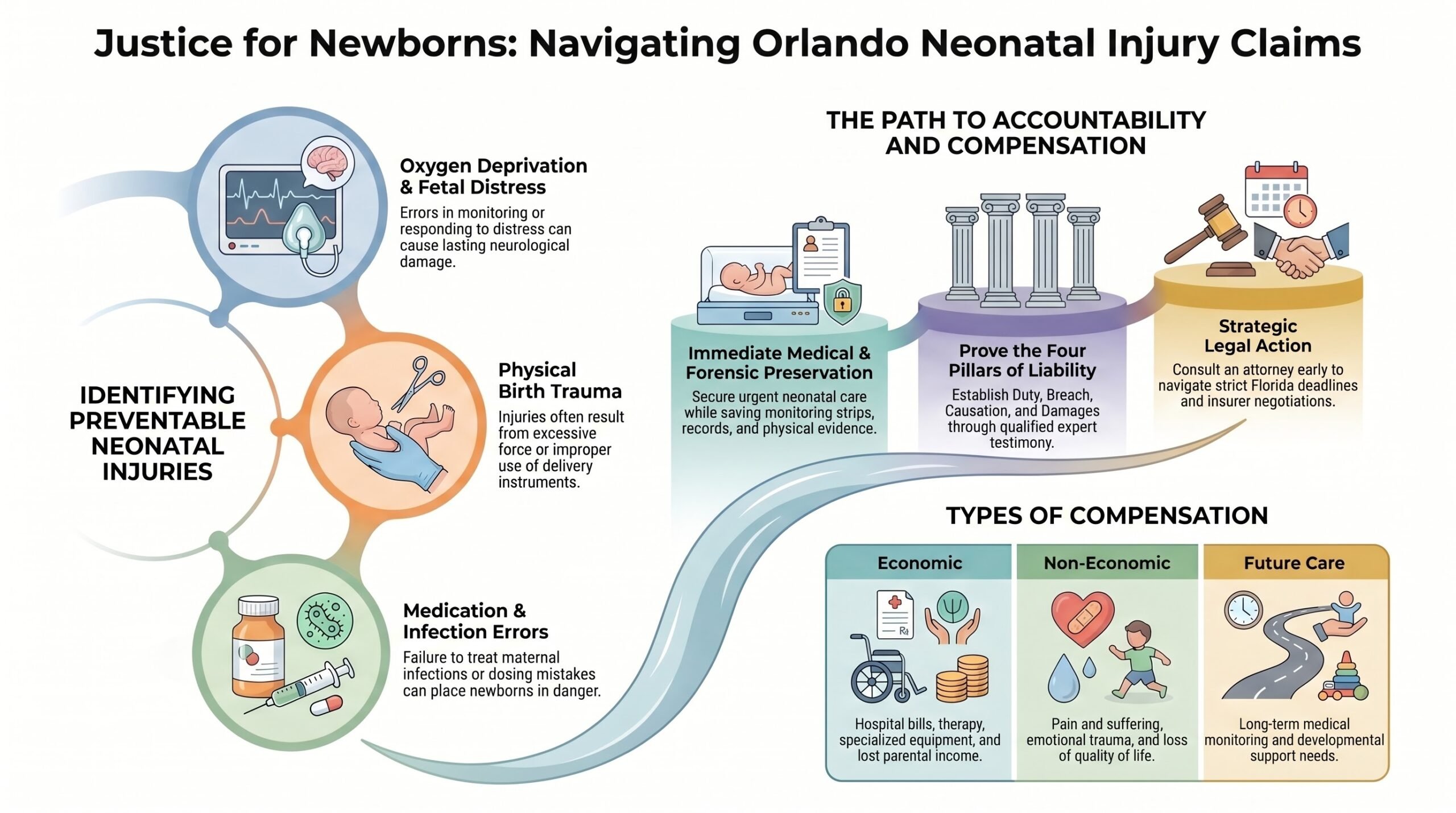
You should understand that neonatal injuries in Orlando often stem from preventable medical failures during pregnancy, labor, or delivery. Your case may involve oxygen deprivation events, birth trauma injuries, maternal infection risks, or medication and monitoring errors that place a newborn in immediate danger. When you identify how these failures occurred, you can better assess liability and protect your child’s legal rights.
Oxygen Deprivation Events
Although labor and delivery often progress without incident, oxygen deprivation events can develop quickly and place a newborn at serious risk of brain injury and other lasting complications. You may see these events arise from placental insufficiency, umbilical compression, prolonged labor, infection, or delays in recognizing fetal distress. When medical providers fail to monitor oxygen levels, respond to warning signs, or expedite delivery when necessary, preventable harm can follow.
If your family is facing questions after a difficult birth, you are entitled to clear answers and accountable care. Careful review of fetal monitoring strips, maternal records, and delivery decisions can reveal whether proper steps were taken to protect your child. By seeking experienced legal guidance, you can better understand what happened and pursue resources that support your child’s future care and your family’s long-term stability.
Birth Trauma Injuries
When excessive force, improper instrument use, or poor delivery management occurs during childbirth, a newborn can suffer serious birth trauma injuries that may have been preventable. You may see fractures, nerve damage, facial paralysis, or brain injury when providers pull too hard, misuse forceps or vacuum extractors, or delay a necessary cesarean delivery.
If you serve families in crisis, you understand how these errors can alter a child’s future. Prompt assessment matters, especially when trauma appears alongside neonatal hypothermia or oxygen-related distress. Care teams should follow clear safety protocols, monitor labor carefully, and apply birth asphyxia prevention measures during delivery.
When they fail to protect mother and child, preventable harm can result. You can help families seek answers, accountability, and resources that support treatment, rehabilitation, and long-term care for the injured newborn.
Maternal Infection Risks
Maternal infections also present a serious source of preventable neonatal harm, particularly if providers don’t identify and treat them during pregnancy or labor. When you seek answers after a newborn injury, infection-related failures may reveal how care fell below accepted standards and harmed a vulnerable child.
Conditions such as untreated Group B strep, chorioamnionitis, urinary tract infections, maternal sepsis, and placental inflammation can compromise oxygen delivery, trigger premature labor, or spread dangerous bacteria to your baby. You may discover that warning signs were missed, testing was delayed, or symptoms weren’t taken seriously despite clear risks.
In families devoted to protecting others, accountability matters because it helps promote safer maternity care for every mother and child. Careful legal review can clarify whether preventable infection management failures contributed to lasting neonatal injuries and ongoing medical needs.
Medication And Monitoring Errors
Vigilance is essential during labor, delivery, and the first hours of life, because medication mistakes and monitoring failures can place a newborn in immediate danger. When you entrust a care team with your child, you expect careful pharmacist oversight, accurate dosing protocols, and continuous attention to changing critical signs.
If clinicians administer the wrong drug, delay treatment, or misread fetal heart tracings, your baby can suffer oxygen loss, seizures, infection, or lasting neurological harm. You may also face preventable injuries when staff ignore alarms, fail to document symptoms, or overlook signs of distress after birth.
By recognizing how these errors occur, you can better advocate for safer practices and accountability. Careful review of records often reveals whether providers followed accepted standards and acted promptly when your newborn needed protection most.


Legal Rights of Orlando Neonatal Injury Victims
Although a neonatal injury can leave families facing urgent medical and financial pressures, Florida law gives you the right to pursue compensation when a doctor, nurse, hospital, or other provider failed to meet the accepted standard of care. You may seek damages for treatment costs, future care, lost income, and the child’s pain and suffering, while protecting your family’s stability and capacity to serve one another.
Your legal rights may include:
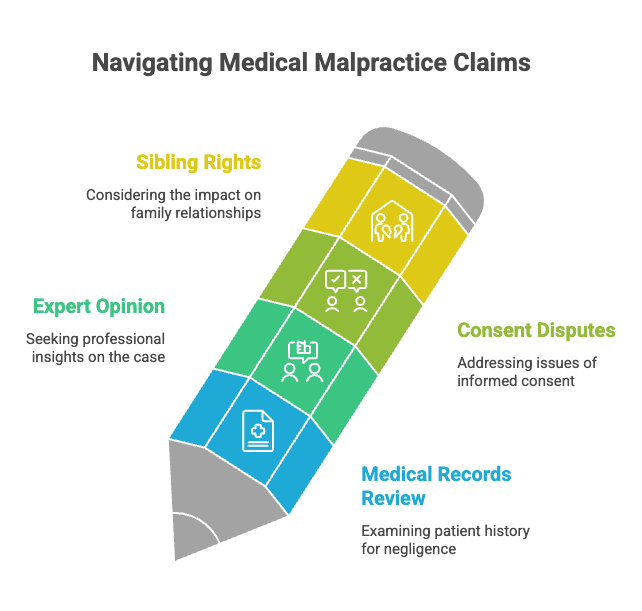
- Access to medical records and expert review to determine whether negligence caused the injury.
- Claims involving consent disputes, when providers proceeded without proper informed permission or withheld vital information.
- Consideration of sibling rights when an injury’s long-term demands affect the household and family relationships.
You also have the right to hold institutions accountable, not just individual practitioners. When preventable harm changes your child’s future, the civil justice system gives you a lawful path to seek answers, accountability, and resources for compassionate, sustained care.
Steps to Take After an Orlando Neonatal Injury
After an Orlando neonatal injury, you should seek immediate medical care to protect your child’s health and establish a clear record of treatment. You should also preserve crucial evidence, including medical records, discharge instructions, test results, and any notes about what occurred before, during, and after delivery. As soon as possible, you should consult an injury lawyer, because early legal guidance can help you protect your rights and evaluate whether medical negligence contributed to the harm.
Seek Immediate Medical Care
Act quickly to secure immediate medical care for your newborn, because prompt evaluation can identify complications, stabilize your child’s condition, and reduce the risk of lasting harm. Request an urgent assessment from qualified neonatal experts, and explain every symptom you’ve observed, even if it seems minor.
If your baby needs advanced treatment, ask about transport logistics immediately so there’s no delay in reaching an appropriate neonatal intensive care unit. Stay focused, follow medical instructions carefully, and consent to recommended testing when time is critical. Your swift action can support those working to protect your child’s health and future.
Keep communication clear with nurses and physicians, and ask direct questions about breathing, feeding, reflexes, and oxygen levels. By acting decisively, you help your care team deliver timely, compassionate, life-preserving treatment.
Preserve Key Evidence
Gather and protect every record connected to your baby’s birth and treatment, because early documentation can preserve facts that may later become difficult to verify. Request complete hospital records, fetal monitoring strips, medication logs, imaging, lab results, and discharge instructions. Save photographs, videos, billing statements, and written timelines that note symptoms, staff names, and crucial conversations.
You should also preserve physical items, including medical devices, packaging, or clothing, if they may reveal contamination, malfunction, or trauma. Label each item carefully and maintain a clear chain of custody, so no one can question where evidence came from or how it was handled.
Avoid altering digital files, and back them up securely. Thoughtful forensic preservation helps you protect the truth, support your child’s needs, and serve your family responsibly during an uncertain time.
Consult An Injury Lawyer
Once you’ve preserved records and other evidence, you should speak with an Orlando neonatal injury lawyer as soon as possible. Early legal guidance helps you protect your child’s rights, understand deadlines, and avoid mistakes that could weaken a future claim. You can also learn which medical records, witness statements, and expert reviews matter most.
A qualified lawyer will evaluate the facts, explain potential liability, and outline practical next steps. You should ask about experience with birth injury cases, communication practices, and legal costs, including whether the firm works on a contingency basis.
Strong counsel may also connect your family with community resources that support treatment, caregiving, and long-term planning. By seeking prompt advice, you place your family in a stronger position to pursue accountability and secure the support your child may need in the future.
How an Orlando Neonatal Injury Lawyer Can Help You
When your child suffers a preventable birth injury, an Orlando neonatal injury lawyer can help you understand your legal options, protect vital evidence, and build a claim that reflects the full extent of your family’s losses. You need clear guidance, steady neonatal support, and strong family advocacy while you make informed decisions for your child and others who depend on you.
A lawyer can help you by:
- Investigating medical records, delivery notes, and hospital policies to identify whether negligent care caused the injury.
- Working with qualified experts to value medical costs, parental losses, and the practical resources your household now requires.
- Handling insurers and providers, meeting legal deadlines, and presenting a persuasive case so you can focus on your child’s care.
With experienced counsel, you can pursue accountability in a disciplined, service-minded way. That legal support helps you protect your family, seek fair compensation, and encourage safer medical practices within the Orlando community for everyone.
Long-Term Effects of Orlando Neonatal Injuries
When your newborn suffers a preventable injury, you may face cognitive and developmental delays that affect learning, communication, and daily functioning for years to come. You may also confront lifelong medical needs, including therapy, specialized treatment, and ongoing care that place lasting demands on your family. As these challenges grow, you can experience significant emotional and financial strain, making it crucial to understand the full long-term impact of the injury.
Cognitive And Developmental Delays
Because neonatal injuries can disrupt pivotal stages of brain development, they may lead to cognitive and developmental delays that affect a child for years. You may notice challenges with memory, attention, language, problem-solving, or learning milestones, especially as academic and social demands increase over time.
When you seek answers, early intervention can help identify delays and support stronger progress in communication, behavior, and adaptive skills. With parental training, you can better understand your child’s needs, reinforce therapy goals at home, and advocate effectively in school and community settings.
These delays can affect independence, relationships, and confidence, often placing added strain on your family’s daily routines. By recognizing these effects early, you place your child in a better position to build skills, participate meaningfully, and reach fuller potential.
Lifelong Medical Needs
Uncertainty often defines the years after a neonatal injury, especially if your child requires ongoing treatment well beyond infancy. You may need to coordinate lifelong care, including specialist visits, regular evaluations, and careful monitoring as your child grows. Some children depend on chronic therapies to strengthen movement, improve feeding, or support breathing and communication.
You may also need to secure adaptive equipment to help your child participate more fully in daily routines, school, and community life. As needs change, you must work closely with physicians, therapists, and educators to adjust treatment plans and protect progress.
Reliable support networks can help you advocate effectively and maintain consistent care across settings. With informed guidance, you can pursue services that uphold your child’s health, development, dignity, and long-term quality of life.
Emotional And Financial Strain
Long-term medical care often affects far more than your child’s treatment schedule, extending into nearly every part of family life. You may carry constant worry, sleep disruption, and difficult choices that strain your relationships and challenge your mental health. As you work to support your child, you may also try to protect siblings, maintain routines, and continue serving others in your community.
The financial burden can become just as severe. Ongoing therapy, medications, travel, adaptive equipment, and focused care can quickly overwhelm household resources. If you reduce your work hours or leave your job to provide care, lost income can intensify the pressure. Over time, these demands may affect housing, savings, retirement plans, and your ability to meet daily obligations. Understanding these consequences helps you pursue meaningful support and long-term stability.
Proving Liability in Orlando Neonatal Injury Cases
When you pursue a neonatal injury claim in Orlando, proving liability requires more than showing that your child suffered harm. You must connect that harm to a provider’s preventable mistake and show how proper care would likely have changed the outcome. This process depends on strong records, clear timelines, and careful allocation of burdens under Florida law.
You serve your child best by building a case that explains duty, breach, causation, and damages in plain, persuasive terms. Medical charts, fetal monitoring strips, imaging studies, and hospital policies can reveal whether doctors, nurses, or facilities failed to act appropriately. Because neonatal cases often involve intricate medical questions, expert testimony is usually vital.
Qualified experts can explain what a competent provider should have done and why the deviation caused injury. With thorough investigation and credible analysis, you can present a focused claim that holds others accountable while honoring your child’s needs and your family’s commitment to justice.
Dealing With Insurance Companies After an Orlando Neonatal Injury
Strong evidence of liability also shapes how you deal with insurance companies after an Orlando neonatal injury. You must communicate carefully because insurers often prioritize their financial interests over your child’s long-term needs. Keep records organized, limit casual statements, and support every communication with medical documentation, billing records, and expert opinions when available.
You should also approach claim negotiation with discipline and purpose. Insurance adjusters may sound compassionate, yet they often rely on denial strategies that minimize fault, dispute causation, or undervalue future care. If you respond with clear facts and consistent documentation, you strengthen your position and protect your family’s ability to secure meaningful support.
You serve your child best when you avoid rushed settlements and insist on a complete review of the harm involved. Experienced legal guidance can help you answer insurer questions, challenge unfair tactics, and maintain focus on accountability, care, and your child’s future well-being.
What to Expect During an Orlando Neonatal Injury Claim Process
You can expect your claim to begin with an initial case evaluation, where your attorney reviews the facts and determines whether medical negligence likely occurred. Next, you’ll work jointly to gather medical evidence, including records, expert opinions, and other documentation needed to support your case before filing the claim. From there, your case may proceed toward a settlement, but if a fair resolution isn’t offered, you should be prepared for trial.
Initial Case Evaluation
Because neonatal injury claims often involve urgent medical questions and intricate records, the initial case evaluation focuses on identifying what happened, whether the standard of care may have been breached, and how your child was affected. During this meeting, you explain your concerns, outline critical events, and discuss your family’s immediate needs.
Your lawyer listens carefully, asks targeted questions, and gives a clear overview of possible legal options. You can also review case timelines, communication methods, and whether video consultations would make participation easier. If your family needs guidance beyond legal strategy, your attorney may recommend parental counseling or support groups that strengthen your ability to care for your child and others. This early evaluation helps you make informed decisions, act responsibly, and prepare for the next phase with greater confidence and clarity.
Gathering Medical Evidence
Building a neonatal injury claim usually starts with collecting and reviewing the medical evidence that explains the pregnancy, labor, delivery, and newborn care in detail. You and your attorney gather medical records, fetal monitoring strips, imaging, lab results, medication logs, and neonatal assessments to understand what happened and when.
You may also authorize requests to hospitals, physicians, nurses, and consultants for complete charts and electronic data. Your lawyer often consults qualified medical experts who identify departures from accepted care and connect those failures to your child’s condition.
Throughout this stage, chain preservation matters because missing, altered, or incomplete evidence can weaken your ability to pursue accountability. Careful organization of timelines, symptoms, interventions, and outcomes helps you advocate for your child and seek answers that may support safer care for other families.
Filing The Claim
Once the medical record has been assembled and reviewed, the next step is to file the claim and prepare for the legal process that follows in Orlando. Your attorney drafts the complaint, identifies responsible parties, and files it within deadlines shaped by nuanced statutory requirements. This stage requires precision, because small procedural errors can delay your effort to secure accountability and protect your child’s future.
After filing, each defendant receives notice and has an opportunity to respond. You’ll help your legal team answer questions, organize updates, and preserve supporting materials. Your lawyer may also coordinate expert testimony to explain how the injury occurred and why proper care mattered. Throughout this phase, you serve your family and your community by pursuing truth, encouraging safer medical practices, and building a well-supported claim with disciplined, compassionate advocacy for justice.
Settlement Or Trial
Although many neonatal injury claims resolve through settlement, you should still expect your attorney to prepare the case as if it will be tried in court. That preparation protects your child’s future, strengthens negotiations, and shows the other side that you’re ready to pursue full accountability.
During settlement talks, your lawyer evaluates medical evidence, damages, and expert opinions while guiding you through Settlement Psychology, including pressure tactics insurers may use. If a fair offer does not emerge, your case may proceed to trial, where a judge or jury reviews the facts and decides liability and compensation.
You should also understand Verdict Timing, because trials can extend the process and delay payment. By staying patient, organized, and informed, you help your legal team advocate for justice, long-term care, and meaningful support for your family.
Compensation for Orlando Neonatal Injury Damages
Accountability matters when a medical provider’s negligence causes a neonatal injury, because the financial and personal consequences can be substantial and long-lasting. When you pursue compensation, you seek resources that help your child receive proper care while protecting your family’s stability. A thorough claim considers immediate treatment needs, future care planning, and long-term compensation for challenges that may continue through childhood and beyond.
You also need a careful loss valuation that reflects how the injury affects daily life, caregiving demands, and your ability to serve your loved ones well. In many cases, compensation should address nonmedical costs, including transportation, specialized equipment, home modifications, and other practical burdens created by the injury.
Strong family support often depends on securing funds that allow consistent care, informed planning, and reduced financial strain. By building a well-documented case, you improve your position and help guarantee responsible parties are held accountable for the full scope of harm.
Economic vs Non-Economic Damages in Orlando Neonatal Cases
When you pursue a neonatal injury claim in Orlando, you’ll need to distinguish between economic damages, which cover measurable financial losses, and non-economic damages, which address the personal impact on your child and family.
You may seek compensation for medical expenses, future care needs, pain and suffering, and loss of quality of life, depending on the facts of your case. To value these damages accurately, you’ll need clear documentation, informed analysis, and a careful assessment of both current costs and long-term consequences.
Economic Damages Overview
Because a neonatal injury can create immediate medical bills and long-term care needs, economic damages focus on the measurable financial losses your family faces, while non-economic damages address harms such as pain, suffering, and loss of quality of life. In Orlando neonatal cases, you may recover costs for hospitalization, surgeries, medications, therapy, assistive equipment, and future treatment needs.
You can also seek lost income when caregiving reduces your ability to work, as well as transportation expenses and home modifications. Careful documentation strengthens your claim and supports long-term compensation that protects your child’s future.
Your attorney can organize records, consult qualified experts, and present clear calculations during insurance negotiations. By pursuing economic damages thoroughly, you serve your family well and build the financial foundation needed to provide consistent, compassionate care through every stage ahead.
Non-Economic Loss Categories
Financial records show only part of the harm a neonatal injury causes, and non-economic damages address the profound personal losses that don’t appear on a bill or invoice. When your child suffers preventable harm, you may face emotional damages tied to grief, anxiety, trauma, and the disruption of your family’s daily life. You may also experience pain and suffering connected to your child’s condition and the strain of ongoing caregiving responsibilities.
These categories also recognize diminished quality of life, altered family relationships, and loss of companionship that can follow a serious neonatal injury. If you’re seeking accountability to protect your child and serve your family well, understanding these losses matters. Non-economic harm reflects what your family endures in human terms, not just financial terms, and it acknowledges injuries that affect dignity, connection, and peace.
Valuing Neonatal Case Damages
Although no formula can capture the full impact of a neonatal injury, valuing damages in an Orlando case starts with separating economic losses from non-economic harm and then proving both with credible evidence. You should document medical bills, therapy, equipment, home modifications, lost income, and future costs through records and expert projections. These figures show what your family will likely need to provide stable, compassionate care over time.
You must also establish non-economic damages, including suffering, loss of enjoyment, and developmental limitations. Because these losses do not come with invoices, pain valuation depends on medical testimony, daily observations, and evidence showing how the injury changes your child’s life. When you present both categories clearly, you help the court understand the full measure of harm and need.
When an Orlando Neonatal Injury Case Goes to Trial vs Settlement
When an Orlando neonatal injury claim moves forward, it may end in a negotiated settlement or proceed to trial, and that decision often depends on the strength of the medical evidence, the extent of the newborn’s injuries, and the parties’ willingness to resolve the case. You need to weigh Settlement timing carefully, because an early resolution can provide resources for your child’s care while reducing prolonged stress on your family.
A trial may become necessary if the hospital, physician, or insurer disputes fault, minimizes harm, or refuses fair compensation. In that setting, Jury dynamics matter, since jurors will evaluate credibility, expert testimony, and the full impact on your child’s future. Your attorney helps you compare risks, costs, and likely outcomes while keeping your focus on service, accountability, and long-term support.
Settlements offer certainty and privacy, but trials can uncover facts, establish responsibility publicly, and sometimes produce stronger results when the evidence clearly supports your child’s case.
The Statute of Limitations for Orlando Neonatal Injury Cases
Because Florida imposes strict filing deadlines on medical malpractice claims, you must act promptly to protect your right to pursue an Orlando neonatal injury case. In most situations, Florida law limits the time you have to investigate, provide required notice, and file suit, even when your child’s injuries involve intricate medical questions.
You should also understand that the clock does not always run the same way in every case. Certain facts may affect when the limitations period begins, and limited tolling exceptions can pause or extend that period under specific circumstances. However, courts apply those exceptions narrowly, so you cannot assume extra time will be available.
When to Contact an Orlando Neonatal Injury Lawyer
Strict filing deadlines make early legal guidance advisable in any suspected neonatal injury case. You should contact an Orlando neonatal injury lawyer as soon as you notice unexplained complications, receive a troubling diagnosis, or suspect mistakes during labor, delivery, or immediate newborn care. An early consultation helps you preserve records, organize timelines, and protect information before memories fade.
You also benefit from prompt legal contact when hospital staff gives inconsistent answers, your child needs unexpected treatment, or another physician raises concerns about prior care. If your family is balancing medical appointments, caregiving demands, and questions about future needs, timely legal guidance can strengthen parental support and reduce uncertainty.
Acting quickly lets you gather documentation while events remain clear and allows your legal team to coordinate with the professionals helping your child. By reaching out early, you place your family in a stronger position to seek accountability and secure resources that support your child’s care and long-term well-being.
Why You Need an Experienced Orlando Neonatal Injury Lawyer
Although any attorney can file paperwork, an experienced Orlando neonatal injury lawyer can do far more to protect your family’s interests and build a credible claim. You need experienced counsel because neonatal injury cases often involve intricate medical records, hospital policies, and expert testimony that can overwhelm families already focused on caregiving and service to a vulnerable child.
With the right advocate, you can pursue accountability while preserving the time and energy needed to support your child and those who depend on you. A skilled lawyer develops a sound case strategy, identifies where care may have failed, and connects those failures to the harm your baby suffered. You also gain someone who can calculate long-term needs, including treatment, therapy, adaptive equipment, and future support.
That preparation strengthens your negotiating position and positions your claim for court if necessary. In serious matters like these, informed legal guidance helps you seek justice, protect resources, and serve your family well.
How to Choose the Right Orlando Neonatal Injury Lawyer for Your Case
Once you understand why experience matters, the next step is choosing a lawyer who has the right background, resources, and judgment for your neonatal injury case. You should look for an attorney who regularly handles birth injury matters, works with respected medical experts, and explains intricate issues clearly so you can make informed decisions.
You should also evaluate how the lawyer approaches communication, investigation, and case strategy. A strong advocate listens carefully, answers questions promptly, and respects your role in parental advocacy. Ask whether the firm has trial experience, access to experts, and a record of pursuing full compensation for long-term care needs. That support can affect your child’s treatment options and your family’s financial planning.
Finally, choose someone who treats your case as a service-driven mission rather than a file number. When a lawyer combines skill, integrity, and preparation, you can move forward with greater confidence and purpose every day.
About The Law Offices of Anidjar & Levine
The Law Offices of Anidjar & Levine represent families in Orlando with a focused, client-centered approach to neonatal injury claims.
When you need guidance after a preventable birth injury, you can expect responsive communication, careful case preparation, and a legal team that treats your family with dignity.
The firm works to reduce your burden so you can focus on your child’s care and recovery.
As you evaluate your options, the firm’s history reflects a commitment to advocacy, service, and practical support for injured clients across Florida.
You benefit from attorneys who investigate medical records, consult qualified experts, and pursue accountability from negligent providers.
Client testimonials often highlight accessibility, compassion, and consistent attention throughout the legal process.
If you value serving your family with wise decisions and steady action, this firm offers representation grounded in professionalism, preparation, and a clear commitment to pursuing the compensation your child may require for future needs.
Frequently Asked Questions
Can Grandparents File a Neonatal Injury Claim on Behalf of a Newborn?
Yes, you can sometimes file a neonatal injury claim for a newborn, but you usually need legal standing through guardianship or another court-approved role. If you only have visitation rights, that typically won’t authorize you to sue on the child’s behalf. You should act quickly to protect the newborn’s interests and support the family’s well-being. An attorney can assess your standing, explain requirements, and guide you through the claims process properly.
Are Neonatal Injury Settlements Taxable in Florida?
Usually, you won’t owe Florida state tax on neonatal injury settlements, because Florida has no state income tax. You may still face federal tax liability on portions tied to punitive damages, interest, or certain emotional distress claims. Compensation for physical injuries is often non-taxable. You should review settlement structuring carefully because the way you allocate damages can affect taxation. By planning well, you protect resources meant to support your child’s long-term care.
Can Social Media Posts Affect a Neonatal Injury Case?
Yes, your social media posts can affect a neonatal injury case. You may unintentionally share statements, photos, or timelines that opposing counsel uses to challenge credibility or damages. Even with privacy concerns, courts can require relevant content if it meets evidentiary standards. You should avoid discussing the case online, ask loved ones to do the same, and preserve existing posts, because deletion can create serious legal problems for your claim.
What Medical Experts Testify in Neonatal Injury Lawsuits?
You’ll often see neonatologists, obstetricians, neonatal neurologists, perinatal pathologists, and nursing experts testify in neonatal injury lawsuits. They explain the accepted standard of care, identify where providers departed from it, and connect those failures to your child’s injuries. You may also rely on radiologists or life-care planners. Their testimony helps you serve your family by presenting clear, credible medical evidence that supports accountability, causation, and the full extent of harm.
Can a Hospital’s Accreditation History Impact a Neonatal Injury Claim?
Yes, you can use a hospital’s accreditation history to strengthen a neonatal injury claim. If hospital accreditation reviews revealed safety failures, staffing problems, or policy violations, you may show the hospital knew of serious risks. Accreditation lapses can also support arguments about negligent oversight and systemic shortcomings. When you seek accountability for a harmed newborn, this evidence may help you demonstrate preventable failures and encourage safer care for other families.
—————————
If your child suffered a neonatal injury in Orlando, you need clear guidance and decisive legal support.
You can protect your family’s rights by acting promptly, preserving records, and seeking experienced counsel.
The Law Offices of Anidjar and Levine can evaluate your claim, explain your options, and pursue the compensation you may be entitled to.
For more information, visit our Orlando Medical Malpractice Lawyer.
When medical negligence harms your newborn, you shouldn’t face the consequences alone.
A qualified lawyer can help you move forward with confidence.

