

The Orlando Medical Malpractice Lawyer at the Law Offices of Anidjar and Levine can help you protect records, document symptoms, and determine whether delayed bilirubin testing, treatment, or follow-up caused preventable harm.
Once your child’s urgent medical needs are addressed, your attorney can review hospital charts, consult neonatal experts, handle insurer communications, and pursue compensation for medical care, therapies, long-term support, and related losses.
You’ll also gain guidance on deadlines, evidence preservation, and the legal process, with additional details below.
Main Takeaways
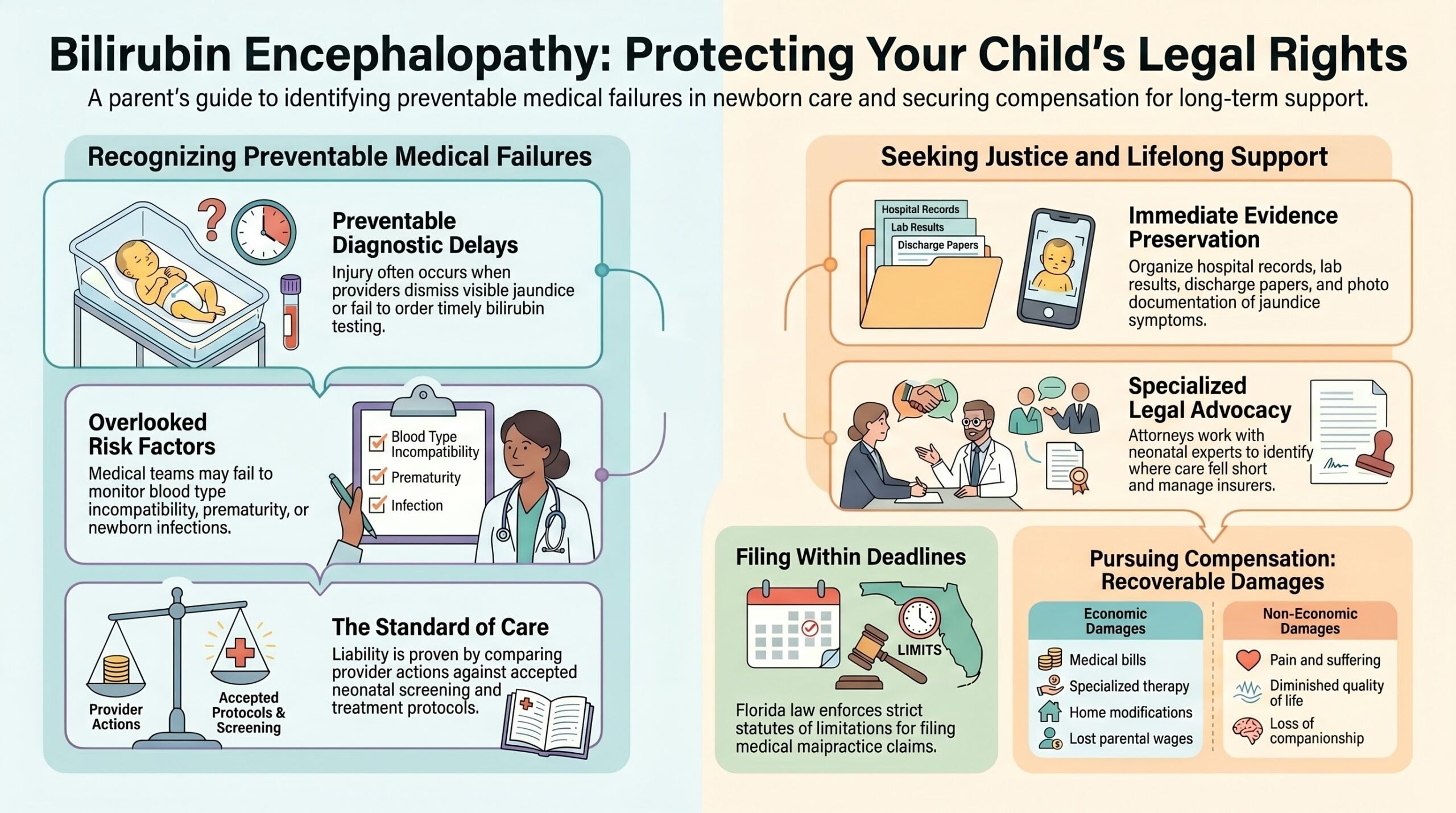
- An Orlando bilirubin encephalopathy injury lawyer investigates whether delayed testing, treatment, discharge, or follow-up caused preventable newborn brain injury.
- After urgent medical care, preserve hospital records, bilirubin labs, discharge papers, photos of jaundice, and a timeline of symptoms and provider responses.
- A legal team works with neonatal experts to compare care against accepted standards for screening, phototherapy, exchange transfusion, and parental counseling.
- Your lawyer can handle insurer communications, explain filing deadlines, and organize evidence needed to prove negligence and causation.
- Compensation may help cover treatment, therapy, long-term care, developmental support, and other losses while pursuing accountability for your child.


How We Can Help With Your Orlando Bilirubin Encephalopathy Injury Claim
Guide through this process with a legal team that understands how bilirubin encephalopathy injuries can arise from preventable medical failures and how those failures can affect your child’s future. You need counsel that listens carefully, acts decisively, and keeps your family’s goals at the center of every step.
We help you gather records, preserve evidence, and identify where care may have fallen short, including screening, discharge planning, and outpatient follow-ups. You receive clear guidance on deadlines, insurance communications, and documentation, so you can make informed decisions while continuing to serve your child and others who depend on you.
Our approach emphasizes patient advocacy, thorough preparation, and respectful communication with medical providers and insurers. We work to present a strong claim to support your family’s needs, including treatment costs, long-term care planning, and related losses. Throughout the process, you have a steady legal partner focused on accountability, clarity, and practical next steps.
OUR CONSULTATIONSARE FREE
START YOUR FREE CASE REVIEW

Understanding Orlando Bilirubin Encephalopathy Injury Cases
Because these claims often involve both complex medicine and detailed legal standards, understanding how Orlando bilirubin encephalopathy injury cases work can help you evaluate whether a preventable failure contributed to your child’s harm. You may need to review records involving jaundice assessments, neonatal screening, lab results, treatment timelines, and follow-up instructions.
These cases often turn on whether providers recognized rising bilirubin levels, understood bilirubin metabolism, responded within accepted time frames, and communicated clearly with your family. To assess that question, you typically compare the care provided against what reasonably competent medical professionals should have done under similar circumstances. You also consider whether an earlier diagnosis, closer monitoring, or timely intervention would likely have changed the outcome.
If you hope to protect other families while seeking accountability for your own child, understanding this framework helps you make informed decisions. It also helps you see how medical evidence and legal proof operate jointly in a serious birth injury claim.

Common Causes of Orlando Bilirubin Encephalopathy
You should understand that bilirubin encephalopathy often results from preventable medical failures during the newborn period. Your child may face this injury after a delayed jaundice diagnosis, blood type incompatibility, complications from premature birth, or untreated newborn infections. When you identify how these causes developed, you can better assess whether negligent care contributed to the harm.
Delayed Jaundice Diagnosis
Although newborn jaundice is often treatable when recognized early, a delayed diagnosis can allow bilirubin levels to rise to dangerous levels and place an infant at risk for bilirubin encephalopathy. When you entrust a medical team with your child’s care, you expect timely screening, careful assessment, and clear instructions. A delayed diagnosis may occur when providers dismiss visible yellowing, fail to order bilirubin testing, or overlook risk factors before discharge.
You should also expect reliable outpatient follow-up, especially when jaundice initially appears mild. If clinicians don’t schedule prompt rechecks, communicate warning signs, or respond to worsening symptoms, your baby can face avoidable harm. By recognizing these lapses, you can better advocate for families, support safer newborn care, and hold negligent providers accountable when preventable injuries occur in Orlando hospitals.
Blood Type Incompatibility
Among the most significant causes of dangerous newborn jaundice, blood type incompatibility can trigger rapid bilirubin buildup when a baby’s blood cells break down faster than normal. If you seek to protect families and serve vulnerable children, you should understand how this happens. Rh incompatibility and ABO differences may cause your baby’s immune system to destroy red blood cells after delivery.
When providers identify risk factors early, they can monitor bilirubin levels and begin treatment before brain injury develops. Prenatal screening plays a central role by alerting your medical team to maternal and fetal blood type concerns. If doctors overlook incompatibility, fail to test promptly, or delay intervention, your child may face preventable harm. Careful evaluation and timely treatment help you advocate for safer outcomes and stronger newborn protection.
Premature Birth Complications
Premature birth presents another major risk factor for severe newborn jaundice because a preterm infant’s liver often can’t process bilirubin efficiently after delivery. When you care for vulnerable families, you should understand that premature infants also have immature intestines, reduced feeding stamina, and slower bilirubin elimination, which can raise dangerous levels quickly.
You may also see how respiratory distress, bruising from delivery, and delayed bowel movements intensify bilirubin buildup in preterm babies. Care teams must monitor bilirubin early, support effective neonatal nutrition, and respond promptly when levels rise.
You can further protect infants by encouraging careful follow-up, educating parents about warning signs, and promoting strong maternal health before and during pregnancy. These measures help families receive timely treatment and reduce the risk of bilirubin encephalopathy and lasting recovery in newborns.
Untreated Newborn Infections
Often, untreated newborn infections can drive bilirubin levels higher by damaging red blood cells, impairing liver function, and weakening an infant’s ability to feed and eliminate waste effectively. When providers miss warning signs, your child may face rapid jaundice progression and a greater risk of bilirubin encephalopathy.
You should know that neonatal sepsis and congenital infections can intensify hemolysis, reduce oxygen delivery, and disrupt the body’s normal bilirubin processing. If clinicians delay blood cultures, antibiotics, or careful monitoring, preventable harm can follow.
As someone committed to protecting vulnerable families, you can recognize how prompt diagnosis and remedy serve both the infant and the wider community. In many cases, early intervention, hydration support, and close follow-up can limit a rise in bilirubin and help preserve your newborn’s neurological health and future development.


Legal Rights of Orlando Bilirubin Encephalopathy Injury Victims
When bilirubin encephalopathy results from a preventable medical error, you have the right to pursue legal action against the doctors, nurses, hospital, or other providers responsible for your child’s injury. Florida law may allow you to seek compensation for lifelong medical care, therapy, pain, and related financial losses. Through patient advocacy, you can also demand accountability and safer practices for other families.
Your legal remedies may include claims based on delayed diagnosis, failure to monitor jaundice, improper treatment, or negligent discharge.
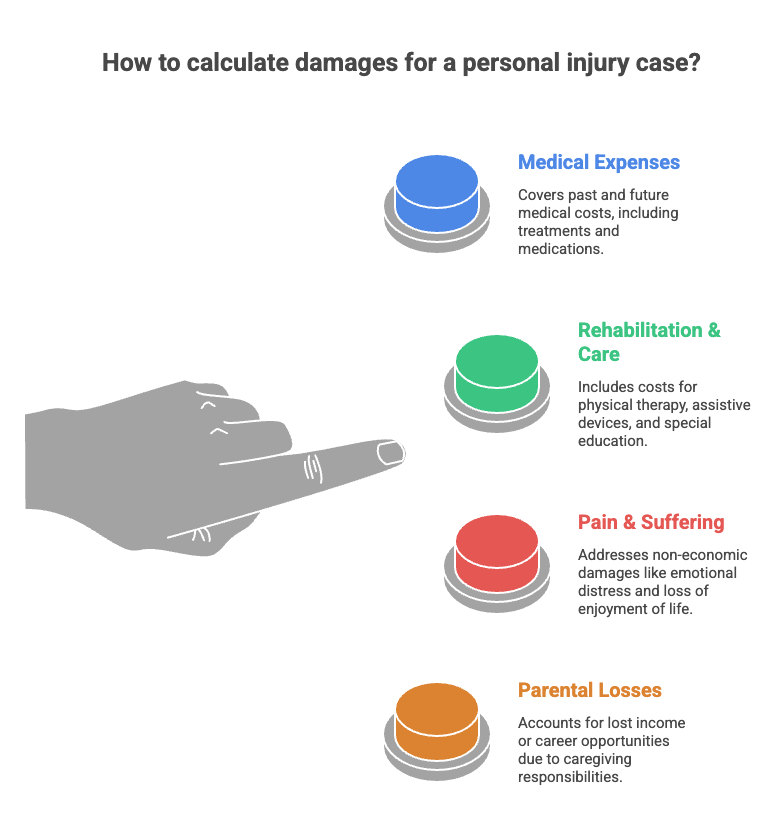
You may have the right to recover damages for:
- Past and future medical expenses
- Rehabilitation, assistive care, and special education
- Pain, suffering, and diminished quality of life
- Parental losses tied to caregiving demands
You also have the right to expect honest records, timely answers, and fair treatment during the legal process. By asserting these protections, you serve your child’s needs while encouraging higher standards in neonatal care throughout the Orlando medical community and promoting justice.
Steps to Take After an Orlando Bilirubin Encephalopathy Injury
After an Orlando bilirubin encephalopathy injury, you should seek immediate medical care to protect your child’s health and create a clear record of the harm. You should also preserve crucial evidence, including medical records, test results, discharge papers, and any notes about symptoms or treatment timelines. Once you’ve addressed urgent medical needs, you should contact an injury lawyer who can assess your case, protect your rights, and guide your next steps.
Seek Immediate Medical Care
Act promptly to secure immediate medical care, because bilirubin encephalopathy can progress quickly and cause lasting neurological harm if treatment is delayed. If your child shows yellowing skin, lethargy, poor feeding, high-pitched crying, or unusual muscle stiffness, seek emergency treatment without hesitation.
You should contact your pediatrician and go to the nearest emergency department for immediate evaluation, testing, and monitoring. Ask providers to assess bilirubin levels, hydration status, feeding concerns, and any neurological changes that may require urgent intervention. Follow all medical instructions carefully, including hospital admission, phototherapy, or other recommended therapy.
After discharge, keep every outpatient follow-up appointment and report any continuing symptoms promptly. By acting decisively, you help protect your child’s health, support your family’s well-being, and honor your responsibility to seek timely, compassionate care.
Preserve Key Evidence
In the hours and days that follow, preserve every piece of evidence that may show how your child’s jaundice was identified, monitored, and treated, because those records can clarify whether preventable delays or medical errors contributed to bilirubin encephalopathy. Request complete hospital records, lab results, discharge instructions, and follow-up notes, and keep them organized by date.
Save medication labels, billing statements, appointment logs, and any messages exchanged with nurses or physicians. Use photograph documentation to capture visible jaundice, medical equipment, prescription containers, and discharge paperwork. Write a clear timeline describing symptoms, feeding issues, provider responses, and any changes in your child’s condition.
If family members observed important events, ask them to record what they saw promptly. Careful chain preservation helps protect the truth and supports accountability for everyone involved.
Contact An Injury Lawyer
Consult an experienced Orlando bilirubin encephalopathy injury lawyer as soon as your child’s immediate medical needs are stable, because early legal guidance can help you protect essential evidence, identify possible negligence, and avoid mistakes that could weaken your claim. Your attorney can review records, explain parental consent issues, and assess whether providers delayed testing, treatment, or follow-up care.
How an Orlando Bilirubin Encephalopathy Injury Lawyer Can Help You
When your child suffers harm from untreated jaundice, an Orlando bilirubin encephalopathy injury lawyer can evaluate the medical record, identify where providers failed to meet the accepted standard of care, and determine whether that failure caused preventable injury. You need clear answers, practical guidance, and steady support, all rooted in neonatal advocacy and family counseling, during this difficult period.
A lawyer can help you by:
- Reviewing records, bilirubin levels, test timing, and discharge decisions
- Consulting qualified medical experts to explain avoidable errors
- Preserving evidence and managing insurer communications for you
- Pursuing compensation for care needs, losses, and accountability
You can also rely on counsel to explain each step plainly, protect deadlines, and build a claim that reflects your child’s medical history. With disciplined preparation and a service-centered approach, your attorney helps your family seek justice, encourage safer practices, and secure resources that support your child’s present care and your household’s stability moving forward.
Long-Term Effects of Orlando Bilirubin Encephalopathy Injuries
You may face lasting neurological and cognitive impairments that affect your child’s movement, learning, memory, and daily functioning. You may also confront hearing and speech challenges that require ongoing evaluation, therapy, and educational support. As these effects continue over time, you’ll likely need to plan for lifelong care and support to restore your child’s health, development, and quality of life.
Neurological And Cognitive Impairments
Damage from bilirubin encephalopathy can extend far beyond infancy, affecting the brain in ways that alter memory, attention, learning, and overall cognitive development. As you care for a child with this injury, you may see neonatal seizures, poor concentration, weak problem-solving skills, and developmental delays that interfere with school and daily routines.
You may also notice impaired motor planning, reduced impulse control, and difficulty processing information quickly. These neurological deficits can limit independence, strain family resources, and require long-term educational and therapeutic support. When medical providers fail to identify dangerous jaundice or respond promptly, the consequences can follow your child for years.
By seeking legal guidance, you can pursue accountability and secure resources that help your family provide consistent care, specialized services, and a more stable future for your child.
Hearing And Speech Challenges
Often, bilirubin encephalopathy affects the auditory system, disrupting both hearing and speech development long after the newborn period has passed. You may see delayed language, inconsistent responses to sound, or difficulty understanding speech, even when routine hearing tests appear normal. In many children, Auditory neuropathy interferes with how the brain receives and processes sound.
These challenges can affect learning, communication, and your ability to support others through clear connection and understanding. Early evaluation helps identify the nature and extent of hearing loss, while Speech therapy can strengthen articulation, language skills, and functional communication.
You should watch for missed milestones, limited vocabulary, or unclear speech, because prompt attention can improve daily participation and help you advocate effectively for your child’s needs and future well-being.
Lifelong Care And Support
Long-term care needs can shape nearly every part of daily life after bilirubin encephalopathy, especially when motor impairment, hearing loss, speech limitations, or cognitive difficulties continue into childhood and adulthood. You may need coordinated treatment that includes therapy, specialist appointments, educational planning, and regular monitoring of developmental progress. As you support your child, you often must balance medical demands with work, finances, and household responsibilities.
Reliable support can help you protect your child’s dignity and future. This may include adaptive equipment, in-home assistance, transportation planning, and structured school services. Family counseling can also strengthen communication, reduce stress, and help everyone respond with patience and consistency. When lifelong injuries require extensive care, legal guidance may help you pursue resources that sustain treatment, stability, and a meaningful quality of life over time.
Proving Liability in Orlando Bilirubin Encephalopathy Injury Cases
Because bilirubin encephalopathy claims turn on specific medical decisions made in a narrow treatment window, proving liability in an Orlando case requires a careful review of what the providers knew, when they knew it, and whether they acted within the accepted standard of care. You must show how bilirubin levels, feeding problems, jaundice progression, and discharge timing should have prompted testing, treatment, or closer follow-up under recognized bilirubin thresholds.
Your legal team typically works with neonatal experts to compare the records against accepted practices for screening, phototherapy, exchange transfusion, and parental counseling. They also examine whether nurses, pediatricians, or hospitals missed warning signs, delayed repeat labs, or failed to respond to escalating symptoms.
To establish medico-legal causation, you need evidence that timely action probably would have prevented kernicterus or reduced the severity of harm. When you build a clear, well-supported case, you not only seek accountability for your child, you also help encourage safer care for other families.
Dealing With Insurance Companies After an Orlando Bilirubin Encephalopathy Injury
In the aftermath of an Orlando bilirubin encephalopathy injury, insurance companies may contact you quickly, but their goal is usually to limit the value of the claim rather than to fully address your child’s needs. You should respond carefully, because even routine conversations can affect how insurers evaluate your losses and responsibilities.
You can protect your family by keeping clear claim documentation, including medical records, treatment notes, billing statements, and communications with providers and adjusters. Avoid giving recorded statements or accepting early offers before you understand the full scope of your child’s condition and future care needs. During insurance negotiation, stay focused on facts, timelines, and documented harm rather than the insurer’s pressure to settle quickly. When you serve your child well, you also honor the caregivers and professionals working to support recovery. Careful communication, organized records, and informed decisions help you guard your family’s interests and pursue the resources your child may require.
What to Expect During an Orlando Bilirubin Encephalopathy Injury Claim Process
You can expect your claim process to begin with an initial case evaluation, where your attorney assesses the facts, identifies potential liability, and explains your legal options. Next, your legal team will review medical records, gather supporting evidence, and file the claim within the required deadlines to protect your right to compensation. As your case moves forward, you may resolve it through settlement negotiations, or, if necessary, proceed to trial to pursue the full recovery you merit.
Initial Case Evaluation
Start the initial case evaluation by gathering the facts surrounding your child’s bilirubin encephalopathy injury, including prenatal records, delivery notes, newborn lab results, and the timeline of symptoms and treatment. You’ll share what happened, when concerns first appeared, and how providers responded.
During this meeting, your lawyer will listen carefully, identify potential risk factors, and explain whether the circumstances may support a claim. You can expect focused questions about your child’s condition, your family’s observations, and the impact on daily life.
This stage also helps your attorney understand your goals, including accountability, future support, and family counseling resources. By the end, you should have a clearer sense of the legal path ahead, the information still needed, and how your case may proceed with purpose and service in mind.
Medical Record Review
Once your attorney obtains the relevant records, the medical record review begins with a close examination of prenatal care notes, labor and delivery records, bilirubin test results, nursing observations, discharge instructions, and follow-up treatment documents. You can expect your legal team to compare timelines, identify Chart discrepancies, and determine whether warning signs were missed or treatment was delayed.
They also consult qualified medical experts who can explain whether the care met accepted standards and how failures may have contributed to your child’s injuries. Through careful Record summaries, your attorney organizes intricate information into a clear narrative that supports accountability and informed decision-making.
This stage helps you understand what happened, honors your family’s experience, and equips you to pursue answers in a way that may protect other children and families.
Filing The Claim
With the record review in hand, your attorney can move forward by preparing and filing the claim against the appropriate healthcare providers or institutions. You will help confirm names, timelines, and treatment details so that the filing accurately and responsibly reflects the child’s medical course. Your lawyer will also evaluate statute nuances, preserve deadlines, and make certain required notices, affidavits, and supporting records are submitted correctly under Florida law.
At this stage, you can expect organized communication, careful document collection, and clear guidance about fee structures and case responsibilities. Your legal team will identify each defendant, describe how the bilirubin encephalopathy injury occurred, and state the damages being claimed. By filing thoroughly and on time, you strengthen accountability and protect your family’s ability to pursue meaningful relief through the legal process ahead.
Settlement Or Trial
Although many Orlando bilirubin encephalopathy injury claims resolve through settlement, your attorney must still prepare the case as if it will be tried before a jury. That disciplined approach protects your family, strengthens your position, and shows the other side that you’re ready to pursue justice.
During settlement negotiations, your lawyer reviews medical evidence, calculates long-term losses, and responds to defense arguments with clear support. You’ll consider whether an offer truly reflects your child’s needs, future care, and the harm your family has endured. If the insurer refuses to act responsibly, Trial preparation becomes crucial.
Your attorney organizes expert testimony, prepares witnesses, files motions, and builds a persuasive presentation for the court. Whether your case settles or proceeds to trial, careful preparation helps you seek accountability and secure resources to support your child’s future.
Compensation for Orlando Bilirubin Encephalopathy Injury Damages
Pursuing compensation for Orlando bilirubin encephalopathy injury damages requires a clear accounting of how the injury has affected your child and your family. You need records that show ongoing treatment, developmental challenges, daily care demands, and the practical burdens placed on those who serve your child with consistency and compassion.
You should also document how the injury has changed your household routines, caregiving responsibilities, and future plans. Strong claims often rely on medical opinions, therapy notes, school reports, and credible testimony from people who provide parenting support and observe your child’s needs firsthand. When insurance disputes arise, you benefit from a focused legal strategy that presents persuasive evidence and responds quickly to delay tactics.
An attorney can help you organize proof, protect deadlines, and pursue full compensation through negotiation or litigation. With careful preparation, you place your family in a stronger position to secure resources that support your child’s wellbeing and long-term care with stability.
Economic vs Non-Economic Damages in Orlando Bilirubin Encephalopathy Cases
You need to understand how economic damages cover measurable losses, such as medical bills, therapy costs, and future care needs tied to bilirubin encephalopathy. You may also recover non-economic damages for harms that don’t come with receipts, including pain, suffering, and reduced quality of life. To pursue full compensation, you’ll need clear evidence that proves both the financial impact and the personal losses this injury has caused.
Economic Damages Explained
Clarify the distinction between economic and non-economic damages, because each serves a different purpose in an Orlando bilirubin encephalopathy case. Economic damages address the measurable financial harm your family sustains. They help you recover actual expenses and income losses caused by preventable medical negligence.
You may seek payment for hospital bills, diagnostic testing, expert visits, medications, therapy, assistive equipment, home modifications, and ongoing rehabilitation. If your child requires extensive support, economic damages can also cover long-term costs for future treatment, nursing care, educational services, and transportation.
When a parent must reduce work hours or leave employment, these damages may include lost wages and diminished earning capacity. By documenting records carefully and planning responsibly, you place your family in a stronger position to provide steady, faithful care over time.
Non-Economic Losses Valued
Financial records show only part of the harm in an Orlando bilirubin encephalopathy case, because the law also recognizes losses that don’t appear on bills or wage statements. When your child suffers a preventable brain injury, you may endure emotional distress, anxiety, grief, and the daily strain of providing constant care while trying to support your family and serve your loved one well.
Non-economic losses also include your child’s pain, reduced enjoyment of life, and the limits the condition places on relationships, milestones, and independence. You may also face loss of companionship when ordinary bonding, communication, and shared experiences are altered by lasting neurological harm.
These damages acknowledge human suffering in a fuller way, honoring the personal burdens your family carries and the meaningful life changes that financial documents alone can never capture fully.
Proving Full Compensation
Although bills, invoices, and employment records help establish the measurable cost of bilirubin encephalopathy, proving full compensation in an Orlando case requires more than adding documented expenses. You must show how the injury affects every part of your child’s life, both now and in the future.
Economic damages include medical treatment, therapy, assistive devices, home modifications, and lost income tied to caregiving. Non-economic damages address pain, disability, diminished quality of life, and the daily burdens your family carries while continuing to serve your loved one.
To secure fair financial compensation, you need a clear connection between the medical error and these losses. Expert testimony from physicians, life-care planners, and economists can explain future needs, project long-term costs, and support a damages claim that reflects the full harm suffered.
When an Orlando Bilirubin Encephalopathy Injury Case Goes to Trial vs Settlement
While many Orlando bilirubin encephalopathy injury cases resolve through settlement, a case may go to trial when the parties dispute liability, the extent of the child’s injuries, or the full value of long-term care needs. You need counsel who understands trial dynamics and settlement psychology, because each path affects your family differently and shapes the resources available for your child’s future.
Settlement can provide faster financial support, greater privacy, and more control over the outcome. Trial may become necessary when insurers minimize medical evidence, challenge causation, or refuse to recognize lifelong losses. Your lawyer prepares expert testimony, care projections, and damages proof so you can present a clear, credible case. Even in the course of preparing for court, strong advocacy often improves settlement offers.
If the defense remains unreasonable, going to trial may be the most effective way to pursue accountability and secure compensation that truly serves your child’s needs, your caregiving responsibilities, and your family’s stability over time.
The Statute of Limitations for Orlando Bilirubin Encephalopathy Injury Cases
Because filing deadlines can determine whether you can pursue compensation at all, you should address the statute of limitations as soon as you suspect medical negligence caused your child’s bilirubin encephalopathy injury. In Florida, the statute of limitations in a medical malpractice case often depends on when you discovered the injury and its possible connection to negligent care.
You should also understand that special rules may affect claims involving minors, delayed discovery, or concealed misconduct. These filing exceptions can extend or limit the time you have, depending on the facts. Even so, courts strictly enforce these deadlines, and missing one can bar recovery entirely.
When to Contact an Orlando Bilirubin Encephalopathy Injury Lawyer
Strict filing deadlines are one reason you should contact an Orlando bilirubin encephalopathy injury lawyer as soon as you suspect your child’s condition may stem from negligent medical care. You should also reach out when you notice delayed diagnosis, inadequate monitoring, missed neonatal screening, or a failure to respond to rising bilirubin levels. Early action helps preserve records, secure witness statements, and clarify what happened during labor, delivery, and newborn care.
You should not wait for complete certainty before seeking guidance. If your child shows signs consistent with bilirubin encephalopathy, or if providers dismissed your concerns, prompt legal contact can support informed parental advocacy and protect your family’s ability to pursue accountability.
An attorney can also help you request medical records, identify relevant treatment timelines, and evaluate whether preventable errors may have contributed to harm. By acting quickly, you place yourself in a stronger position to serve your child’s needs and make thoughtful decisions.
Why You Need an Experienced Orlando Bilirubin Encephalopathy Injury Lawyer
If your child developed bilirubin encephalopathy after preventable medical errors, an experienced Orlando bilirubin encephalopathy injury lawyer can investigate the care your family received and determine whether providers failed to meet accepted standards. You need seasoned counsel because these cases often involve intricate records, timing issues, and avoidable failures to monitor for jaundice, order tests, or initiate treatment promptly.
An experienced lawyer helps you build a clear, evidence-based claim that reflects your child’s needs and your family’s long-term responsibilities. Your attorney can work with medical experts, identify causation, and pursue compensation for treatment, therapy, adaptive support, family counseling, and future care.
Strong legal guidance also advances neonatal advocacy by holding negligent providers accountable and encouraging safer practices for other newborns. When you act with knowledgeable representation, you protect your child’s interests, preserve vital evidence, and create a path toward resources that support recovery, stability, and meaningful service to your loved ones and community.
How to Choose the Right Orlando Bilirubin Encephalopathy Injury Lawyer for Your Case
The value of experienced representation is clear, and your next step is to choose a lawyer with the right background for a bilirubin encephalopathy case. You should look for counsel who understands neonatal medicine, hospital procedures, and the lifelong impact this injury can have on your child and family.
Ask whether the lawyer has handled birth injury claims involving delayed diagnosis, jaundice monitoring failures, or improper treatment. Review results, but also evaluate communication. You need someone who listens carefully, explains each stage plainly, and treats your concerns with respect. Strong parent support matters because your case may require ongoing guidance, records collection, and coordination with medical experts.
You should also consider cultural considerations, especially if language access, family decision-making, or community values shape how you seek justice. Choose a lawyer who prepares thoroughly, acts promptly, and remains focused on securing resources that help you care for your child and serve your family well.
About The Law Offices of Anidjar & Levine
Family-centered representation matters when you’re pursuing a bilirubin encephalopathy injury claim, and Law Offices of Anidjar & Levine offers legal support designed to address both the medical intricacy of these cases and the practical demands families face.
You need a firm that listens carefully, responds promptly, and builds a case with purpose.
When you work with the firm, you receive guidance that respects your family’s service-minded values and your child’s future needs.
The attorneys thoroughly investigate neonatal malpractice, review medical records closely, and examine whether providers followed accepted hospital protocols during labor, delivery, and newborn monitoring.
They communicate clearly, help you understand each stage of the claim, and pursue compensation for treatment, therapy, long-term care, and other losses.
You can expect practical support, including help scheduling appointments and obtaining updates.
That approach allows you to focus on caring for your child while your legal team advances your case with diligence, compassion, and disciplined advocacy every step.
Frequently Asked Questions
Can Bilirubin Encephalopathy Affect a Child’s Eligibility for Special Education Services?
Yes, bilirubin encephalopathy can affect your child’s eligibility for special education services. If the condition impairs learning, communication, motor skills, hearing, or behavior, you can seek individualized assessments through your school district. Those evaluations help determine whether your child qualifies under IDEA or Section 504. With accurate educational planning, you can secure supports and services that help your child participate more fully, make meaningful progress, and serve others with dignity.
Are Second Medical Opinions Useful After a Bilirubin Encephalopathy Diagnosis?
Yes, you should seek second opinions after a diagnosis of bilirubin encephalopathy. They can provide diagnostic confirmation, clarify the extent of injury, and identify treatment options or supportive services you might otherwise miss. When you seek second opinions, you strengthen your ability to make informed decisions and advocate for your child’s care. This careful step can also help you coordinate with experts, support your family, and serve your child’s long-term interests.
Can Parents Recover Costs for Future Home Modifications and Assistive Equipment?
Yes, you can often recover costs for future home modifications and assistive equipment if you show they’re medically necessary and tied to your child’s condition. You’ll need strong evidence, including physician recommendations, life care plans, and cost estimates. Courts and insurers may consider wheelchair ramps, bathroom changes, communication devices, and mobility aids. By documenting these needs carefully, you strengthen your claim and help secure resources your child will require long-term.
How Do Medical Experts Estimate Lifelong Care Needs for Bilirubin Encephalopathy?
Medical experts estimate lifelong care needs by reviewing your child’s records, examining current impairments, and projecting a functional prognosis across development. They consult neurology, rehabilitation, therapy, and educational consultants to identify likely services, equipment, and supervision needs. Then they use cost modeling to assign present and future values to therapies, medications, home modifications, attendant care, and lost support needs. This process helps you plan responsibly and advocate for sustained, effective care.
What Records Should Parents Keep to Document Daily Challenges After Diagnosis?
Keep daily logs that track symptoms, sleep, feeding, medications, mobility, and behavior changes. Save therapy receipts, appointment summaries, hospital discharge papers, diagnostic reports, prescriptions, and insurance correspondence. You should also preserve school evaluations, care plans, transportation costs, and notes about caregiving hours. Photos and videos can document functional limits over time. Organized records help you communicate your child’s needs clearly, support coordinated care, and demonstrate the full scope of daily challenges.
—————————
If your child suffered harm from bilirubin encephalopathy, you should act promptly to protect your legal rights and your family’s future.
An experienced Orlando bilirubin encephalopathy injury lawyer can evaluate the medical care provided, identify negligence, and pursue the compensation you are entitled to.
With knowledgeable legal guidance, you can make informed decisions and build a strong claim.
The Orlando Medical Malpractice Lawyer at Law Offices of Anidjar and Levine stands ready to help you seek accountability and move forward with confidence.

