

The Law Offices of Anidjar and Levine can help you determine what went wrong, review anesthesia records and consent forms, preserve evidence, and document your medical costs, lost income, and ongoing harm.
Your attorney can work with medical experts, manage insurers, and build a claim based on negligent dosing, poor monitoring, equipment failure, or missed preoperative risks.
Prompt legal guidance from an Orlando Medical Malpractice Lawyer can protect your rights, clarify your options, and position your case for a stronger recovery, as explained below.
Main Takeaways
- An Orlando anesthesia error injury lawyer reviews anesthesia records, consent forms, and timelines to identify negligence and protect your legal rights.
- Anesthesia mistakes can involve dosage errors, poor monitoring, equipment failures, or missed medical history, causing brain injury, stroke, awareness, or death.
- Seek immediate medical care for breathing problems, confusion, severe pain, or unusual symptoms, and document when symptoms began and worsened.
- Proving a claim usually requires showing the provider breached the standard of care and that the error directly caused harm.
- A lawyer can preserve evidence, coordinate medical experts, handle insurers, and pursue compensation for medical bills, lost income, and pain.
How We Can Help With Your Orlando Anesthesia Error Injury Claim
Evaluating an anesthesia error claim begins with a careful review of what happened before, during, and after your procedure. You need clear guidance, and our role is to organize records, timelines, and witness information so your claim rests on facts rather than assumptions.
We help you identify responsible parties, preserve essential evidence, and communicate with insurers and providers in a disciplined, professional manner. Through focused patient advocacy, you can pursue accountability while protecting your ability to care for your family and continue serving others in your community. We explain each step, answer your questions promptly, and prepare your claim with attention to medical details and documented losses.
If settlement discussions arise, we present your damages clearly and negotiate from a position of preparation. If stronger action becomes necessary, we move forward strategically and without delay. Our goal is to help you seek financial recovery with integrity, clarity, and steady support throughout the legal process.
Understanding Orlando Anesthesia Error Injury Cases


Once your claim is organized and supported by records, the next step is to understand how anesthesia error cases arise and why they can cause serious harm. When you pursue justice, you help protect other patients and encourage safer medical care throughout your community. These cases often involve preventable breakdowns in judgment, communication, monitoring, or preparation before, during, or after a procedure.
OUR CONSULTATIONSARE FREE
START YOUR FREE CASE REVIEW

You may face lasting injuries because anesthesia affects breathing, blood pressure, brain function, and cardiac stability. Even a short lapse can produce severe consequences, including oxygen deprivation, stroke, organ damage, awareness during surgery, or death. Anesthesia consent also matters because you should receive clear information about risks, alternatives, and expected monitoring.
Medication interactions warrant close review as well, since drugs used before surgery can influence anesthesia response and recovery. By understanding the medical and legal issues involved, you can make informed decisions, support your family, and stand up for safer treatment standards for everyone.
Common Causes of Orlando Anesthesia Error


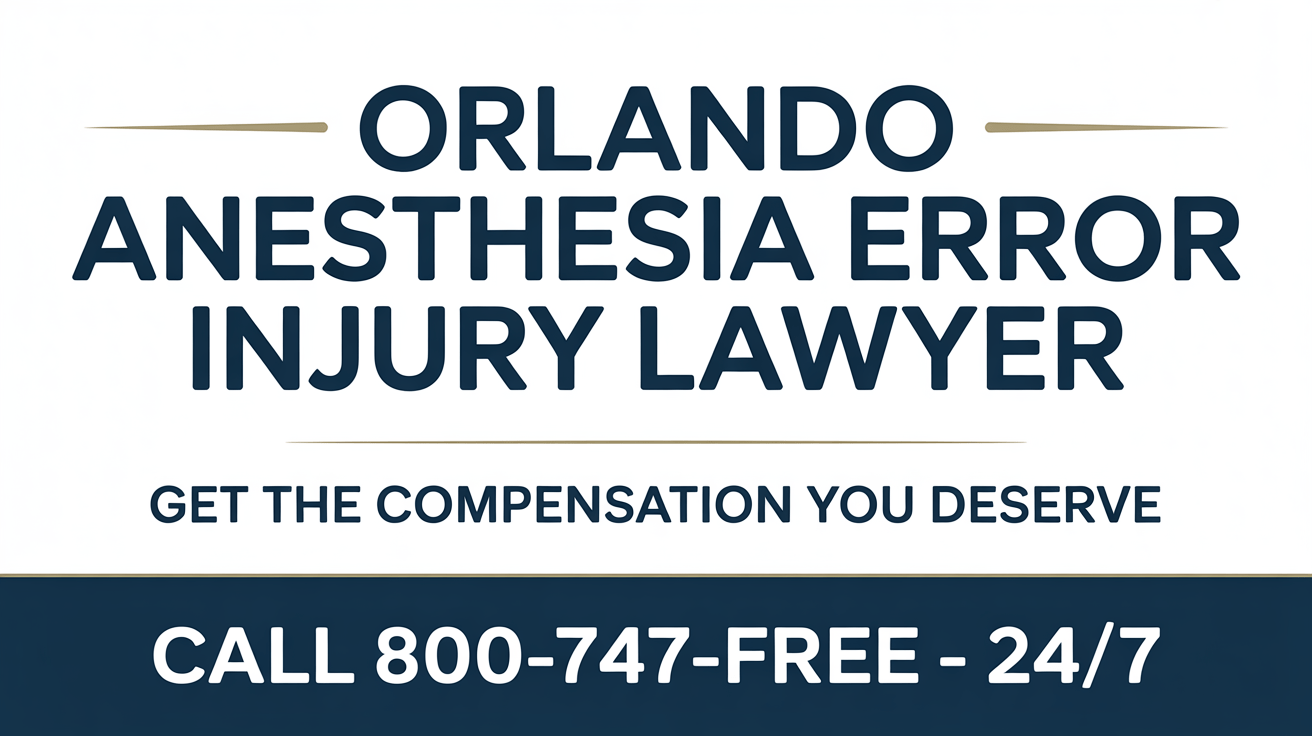
You should understand that anesthesia errors often stem from preventable failures, including improper dosage administration, inadequate patient monitoring, equipment malfunctions, and preoperative assessment mistakes. When these breakdowns occur, they can place you at serious risk before, during, and after surgery. Recognizing how these common causes arise helps you better evaluate whether a medical provider failed to meet the accepted standard of care.
Improper Dosage Administration
Because anesthesia drugs act quickly and in narrow therapeutic ranges, even a small dosing mistake can cause severe complications. If a provider gives too much medication, you may suffer respiratory depression, cardiac instability, or delayed recovery. If the dose is too low, you may experience awareness during surgery, pain, or unnecessary trauma.
Improper dosage administration often results from calculation errors, inaccurate weight estimates, overlooked medical history, or failures in dosage education. When caregivers don’t tailor anesthesia to your age, condition, and medications, your safety can be compromised. You have every right to expect careful preparation and precise administration before any procedure begins. Strong patient advocacy also matters, because asking clear questions about dosing decisions, allergies, and prior reactions can help prevent avoidable mistakes and protect your well-being.
Inadequate Patient Monitoring
Although anesthesia can be administered safely in many procedures, that safety depends on continuous and attentive patient monitoring from start to finish. When providers fail to closely track each essential sign, dangerous changes in oxygen levels, blood pressure, or heart rhythm can go unnoticed until serious harm occurs.
You trust the surgical team to watch for subtle warnings and respond without delay. Inadequate monitoring may result from distraction, understaffing, poor communication, or alarm fatigue, all of which can weaken patient protection during pivotal moments. If no one recognizes declining respiration or altered circulation promptly, preventable brain injury, cardiac complications, or death may follow. When you seek accountability after an anesthesia error, careful review of monitoring records can reveal whether the standard of care was ignored and whether your loved one suffered avoidable injury.
Equipment Malfunction Risks
Malfunctioning anesthesia equipment can turn a routine procedure into a medical emergency within moments. When ventilators, vaporizers, infusion pumps, or monitors fail, you may face oxygen deprivation, incorrect medication delivery, delayed alarms, or sudden cardiac complications. Even a loose connection or depleted battery can place a patient in immediate danger and force the care team to respond under extreme pressure.
You depend on providers to protect every patient through consistent Equipment testing, timely maintenance, and strict safety protocols. Backup systems should be available, functional, and ready whenever primary equipment fails during surgery or recovery. When hospitals or anesthesia professionals ignore warning signs, skip inspections, or continue using defective devices, preventable injuries can follow. You merit accountability when avoidable equipment failures undermine safe, competent, and compassionate care in Orlando medical facilities.
Preoperative Assessment Failures
Safe anesthesia care also depends on what happens before any medication is given. When providers rush or overlook crucial screening steps, you face preventable risks that can alter your procedure and recovery. A flawed preoperative assessment may involve missed allergies, an incomplete history, or failure to review current medications, prior reactions, and chronic conditions.
You merit a team that listens carefully, verifies records, and evaluates whether you can safely receive anesthesia. If clinicians ignore breathing problems, heart disease, sleep apnea, or recent illness, they may choose the wrong drug or dosage. These failures can lead to dangerous complications, delayed treatment, or lasting harm. By recognizing how assessment errors occur, you can better protect your health and advocate for safer, more accountable medical care in Orlando and beyond.
Legal Rights of Orlando Anesthesia Error Injury Victims
When an anesthesia mistake causes serious harm, you have the right to pursue compensation from the medical professionals or institutions whose negligence contributed to your injuries. Florida law protects your interests when providers violate accepted standards, disregard Patient consent, or fail to monitor, dose, or respond appropriately during surgery. You may seek Legal remedies for medical costs, lost income, pain, disability, and diminished quality of life.
Florida law lets injured patients seek compensation when anesthesia negligence causes preventable harm, losses, and lasting disability.
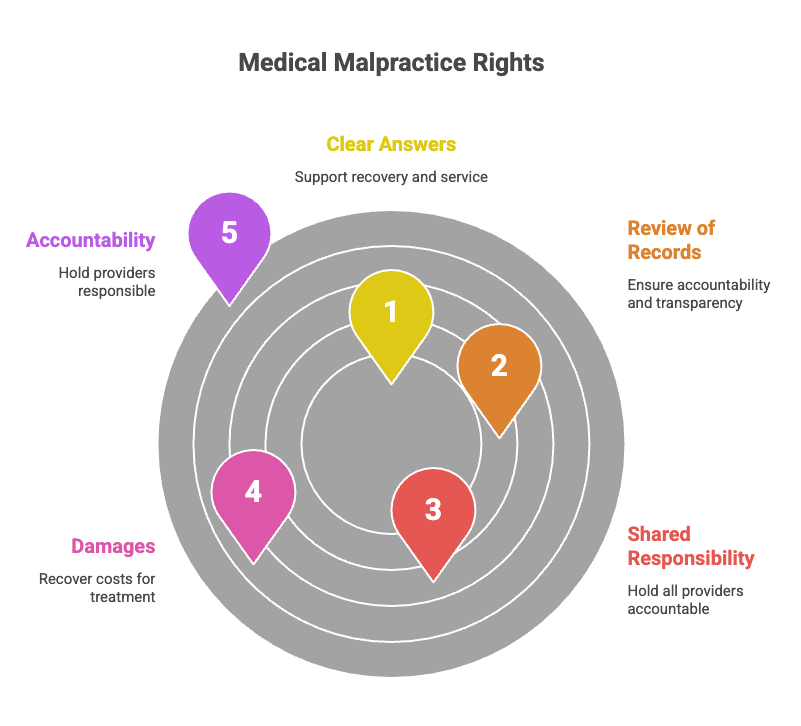
- You can hold anesthesiologists, nurses, hospitals, and surgery centers accountable.
- You may recover damages for current and future treatment needs.
- You have rights even if multiple providers shared responsibility.
- You can demand a review of records, policies, and expert findings.
- You merit clear answers that support your recovery and service to others.
Your claim may also address wrongful death losses if a loved one died from an anesthesia error. By asserting your rights, you help promote safer care, encourage accountability, and protect other patients in your community from preventable harm ahead.
Steps to Take After an Orlando Anesthesia Error Injury
After an anesthesia error injury, you should seek immediate medical care to protect your health and create a clear record of your condition. You should also preserve crucial evidence, including medical records, discharge instructions, medication information, and any notes about what occurred before, during, and after the procedure. As soon as possible, you should consult an Orlando anesthesia injury lawyer, because timely legal guidance can help you protect your rights and assess your options.
Seek Immediate Medical Care
Because anesthesia-related complications can escalate quickly, you should seek immediate medical care at the first sign of unusual pain, breathing problems, confusion, severe nausea, loss of sensation, or other unexpected symptoms. Prompt treatment protects your health and strengthens your ability to continue serving your family, patients, coworkers, or community without preventable setbacks.
Ask for an emergency evaluation right away, whether you are still at the facility or must go to an emergency room. Tell providers exactly what procedure you had, when your symptoms began, and how they have changed. Request clear instructions on testing, monitoring, and pain management to ensure you understand the next medical steps. If symptoms worsen, call 911 without delay. Fast action can reduce complications, support recuperation, and help you make informed decisions about your care and responsibilities.
Preserve Key Evidence
Prompt medical care protects your health, and preserving evidence protects your ability to substantiate what went wrong. Request complete copies of your medical records, medication logs, anesthesia consent forms, discharge papers, and billing statements as soon as possible. Keep every document organized by date, and note the names of providers involved in your care.
Use photo documentation to record visible injuries, medical equipment, prescription labels, and your recovery progress. Write a clear timeline that keeps details fresh, including symptoms, conversations, and unexpected events before, during, and after the procedure. Preserve physical items, such as medication containers or monitoring printouts, without altering them. If another person handles evidence, track the chain of custody carefully. These steps help protect the truth, support accountability, and strengthen your ability to mend your family well.
Consult Anesthesia Injury Counsel
While medical records and photographs help establish the facts, an experienced Orlando anesthesia error lawyer can evaluate that evidence, identify potential breaches in the standard of care, and advise you on the next steps before pivotal deadlines pass. You should seek counsel promptly because early legal guidance can protect your rights, preserve testimony, and prevent avoidable mistakes. Your attorney can review consent issues, anesthesia records, and communications among providers to determine whether negligence harmed you.
Effective representation also supports patient advocacy by giving your concerns a clear, credible voice during negotiations or litigation. As you pursue accountability, counsel can coordinate experts, explain procedural requirements, and help you make informed decisions that honor both your recovery and your commitment to protecting other patients from similar preventable harm in the future, through dedicated legal action.
How an Orlando Anesthesia Error Injury Lawyer Can Help You
When an anesthesia mistake leaves you facing serious harm, an Orlando anesthesia error injury lawyer can help you identify what went wrong and pursue the compensation you may be entitled to recover. Your attorney serves through patient advocacy, careful investigation, and expert collaboration with qualified medical professionals. That work can clarify whether providers missed warning signs, used improper dosing, or failed to monitor you appropriately during surgery or recovery.
An Orlando anesthesia error injury lawyer helps uncover what went wrong and pursue compensation through advocacy, investigation, and medical expert review.
- Review medical records, consent forms, and anesthesia charts
- Consult independent experts to evaluate standard-of-care violations
- Preserve evidence and document your losses clearly
- Handle insurers and defense counsel on your behalf
- Seek compensation for medical bills, lost income, and pain
You also gain a guide who explains each step, protects your rights, and keeps your claim moving forward. With focused legal support, you can pursue accountability in a way that honors your wellbeing, your family, and the broader duty of care every patient merits.
Long-Term Effects of Orlando Anesthesia Error Injuries
After an anesthesia error, you may face lasting cognitive and memory damage that affects your work, relationships, and daily decisions. You could also develop chronic pain or a disability that limits your mobility and independence long after the procedure ends. In many cases, you may also struggle with emotional trauma and anxiety, which can disrupt your sleep, concentration, and overall quality of life.
Cognitive And Memory Damage
Because anesthesia errors can deprive the brain of oxygen or expose it to improper medication levels, they may cause lasting cognitive and memory damage that affects nearly every part of your daily life. You may struggle to recall names, follow conversations, organize tasks, or make sound decisions while caring for your family, coworkers, or community. These injuries can also produce executive dysfunction, which interferes with planning, attention, judgment, and emotional regulation.
When cognitive deficits persist, you may need neurological evaluation, structured therapy, and memory rehabilitation to regain as much function as possible. Recovery often requires patience, support, and consistent treatment, especially when symptoms disrupt work, relationships, and daily responsibilities. If an anesthesia mistake caused these losses, you merit answers, accountability, and legal guidance that protects your future and the people who depend on you.
Chronic Pain And Disability
Living with chronic pain or a permanent disability can change nearly every aspect of your routine, especially if an anesthesia error caused nerve damage, oxygen deprivation, or other serious complications during surgery. You may struggle to stand, walk, lift, or complete basic tasks without assistance. Persistent pain can limit your ability to work, care for others, and participate in service, family, or community responsibilities. When your condition causes Functional impairment, even simple movements may require planning, medical equipment, or ongoing therapy.
You may also face Chronic fatigue, reduced mobility, and long-term dependence on medications or rehabilitative treatment. These lasting effects often demand home modifications, transportation support, and personal care services. A thorough legal claim can help you pursue resources needed to restore stability, protect your independence, and continue serving others safely.
Emotional Trauma And Anxiety
Even when physical injuries begin to stabilize, the emotional impact of an anesthesia error can continue to disrupt your daily life. You may experience persistent anxiety, panic, sleep disruption, or fear of future medical care, which can affect your work, relationships, and ability to serve others with consistency and confidence.
These psychological effects often require focused attention, not willpower alone. With appropriate therapy options, you can begin to process trauma, restore trust, and improve emotional stability. Practical coping strategies, such as structured counseling, support groups, mindfulness practices, and stress management techniques, can help you regain control. When symptoms remain untreated, emotional trauma may deepen and interfere with recovery. By recognizing these challenges early, you protect your well-being and strengthen your ability to care for your family, community, and future.
Proving Liability in Orlando Anesthesia Error Injury Cases
When an anesthesia mistake causes harm, proving liability in an Orlando injury case requires more than showing that a bad outcome occurred. You must connect the provider’s conduct to a specific breach of the accepted standard of care and show how that failure caused your injury. That process often begins with reviewing anesthesia documentation, surgical records, medication logs, and monitoring data.
You also need qualified expert testimony to explain what a careful anesthesiologist, nurse anesthetist, or medical team should have done under similar circumstances. An expert can identify errors such as improper dosing, delayed response to distress, failure to review allergies, or inadequate monitoring during surgery and recovery. Your legal team may also examine staffing, communication failures, and equipment issues to determine whether multiple parties share responsibility.
By building a clear, evidence-based case, you place yourself in a stronger position to seek accountability, protect your future, and honor the well-being of those who depend on you.
Dealing With Insurance Companies After an Orlando Anesthesia Error Injury
Although you may expect an insurer to evaluate your claim fairly, its primary goal is usually to limit what it pays after an Orlando anesthesia error injury. You should approach every communication carefully, because adjusters often seek statements that reduce responsibility or minimize your losses. When you serve your family and community, protecting your financial stability also protects those who depend on you.
You can strengthen your position by organizing thorough claim documentation, including medical records, bills, medication lists, treatment notes, wage-loss documentation, and written observations of pain or limitations. You shouldn’t accept quick settlement offers before understanding the full extent of harm. Effective insurance negotiation requires discipline, accurate records, and clear boundaries during calls or emails.
If an insurer delays, disputes, or pressures you, legal guidance can help you respond with confidence and focus on recovery. Careful advocacy also supports accountability, which may help protect future patients from similar anesthesia errors in Orlando medical settings.
What to Expect During an Orlando Anesthesia Error Injury Claim Process
You can expect your claim to begin with an initial case evaluation, where your attorney assesses the facts, your injuries, and the strength of your potential claim. Next, your legal team will review your medical records to identify what happened, determine liability and causation, and connect the anesthesia error to the harm you’ve suffered. From there, your case may move toward a settlement if the evidence is strong, or proceed to trial if the other side won’t offer fair compensation.
Initial Case Evaluation
To start, an initial case evaluation focuses on the basic facts of the anesthesia error, the medical treatment involved, and the resulting harm. You can expect a clear discussion about what happened, when it occurred, who was present, and how the event affected your recovery, work, and daily responsibilities.
During this stage, your attorney often begins with a patient interview to understand your timeline, symptoms, and concerns. You may also discuss communications with providers, out-of-pocket losses, and the broader impact on your family and ability to serve others. This meeting helps identify initial damages and determines whether your claim appears legally viable. It also gives you a chance to ask questions, understand next steps, and learn how counsel may support your pursuit of accountability and fair recovery.
Medical Record Review
Once your attorney has a clear understanding of the events, the next step is a careful review of the medical records tied to your anesthesia care and the treatment that followed. Your legal team gathers anesthesia notes, consent forms, monitoring records, medication logs, nursing entries, and discharge instructions to build a complete timeline.
During this stage, your attorney may conduct a chart audit to compare documented care with hospital protocols and standard documentation practices. The review also checks coding accuracy, because billing codes, timestamps, and procedure entries can reveal missing details or inconsistencies. You can help by identifying providers, facilities, and follow-up care, and by sharing any records in your possession. This organized review supports a thorough, service-driven claim process and helps your attorney prepare the case with accuracy, focus, and diligence.
Liability And Causation
After the records review identifies the pivotal events, your attorney turns to two central questions: who may be legally responsible, and whether the anesthesia error directly caused your injury. Your lawyer examines each participant’s conduct, including the anesthesiologist, nurses, surgeon, supervising physicians, and facility administrators. They compare actions against accepted medical duties and determine whether anyone breached the standard of care owed to you.
Next, your attorney evaluates how that breach affected your condition. Using expert opinions, timelines, and clinical facts, they apply Causation standards to distinguish the anesthesia mistake from unrelated medical issues or unavoidable complications. A careful Foreseeability analysis also helps show whether the harm was a predictable result of the error. This work builds a clear, service-minded claim grounded in accountability, evidence, and patient protection.
Settlement Or Trial
Although many anesthesia injury claims resolve through settlement, your attorney prepares every case as if it may proceed to trial. That approach strengthens your position because insurers often offer more when they see clear evidence, credible experts, and disciplined advocacy focused on accountability and service.
If settlement talks continue, you review offers with counsel and compare them against your medical needs, lost income, and long-term harm. Your lawyer also assesses Verdict Factors, including liability strength, witness credibility, and likely damages. If a trial becomes necessary, you can expect discovery, expert testimony, and careful preparation for Jury Dynamics, since juror perspectives may influence how negligence and suffering are understood. Throughout the process, you stay informed, protect your rights, and pursue an outcome that supports recovery, responsibility, and future care.
Compensation for Orlando Anesthesia Error Injury Damages
Securing compensation for anesthesia error injuries requires a clear understanding of the losses you’ve suffered and the evidence needed to prove them. When anesthesia negligence causes harm, you must show how the error affected your health, daily function, and future care needs. A careful damages calculation helps connect medical records, expert opinions, and witness statements to the full impact of your injury.
You strengthen your claim by preserving treatment notes, medication records, billing statements, and documentation of complications after surgery. Your lawyer can work with medical experts to explain how the mistake occurred and why it changed your recovery. Strong proof also shows the extent of ongoing treatment, rehabilitation, and support you now require. If your injuries limit your ability to care for your family or continue serving your community, that evidence matters. By presenting a well-documented case, you improve your chances of recovering compensation that reflects the seriousness of the anesthesia error and your long-term needs.
Economic vs Non-Economic Damages in Orlando Anesthesia Error Cases
When you pursue an anesthesia error claim in Orlando, you may seek economic damages for measurable losses such as medical bills, rehabilitation costs, and lost income. You may also recover non-economic damages for harms that are harder to quantify, including pain, suffering, and loss of enjoyment of life. To prove the full value of your compensation, you’ll need clear records, credible testimony, and persuasive evidence that connects your financial and personal losses to the anesthesia error.
Economic Damage Categories
Clarity matters because cases of anesthesia errors often involve both immediate financial losses and harder-to-measure personal harm. When you pursue compensation, economic damages focus on measurable costs that directly affect your household and your ability to care for others.
You may recover medical expenses for emergency treatment, corrective procedures, rehabilitation, medications, and ongoing care. If the injury keeps you from working, you can seek lost wages for time already missed and future earning losses when your condition limits long-term employment. Economic damages can also include transportation costs for treatment, household service expenses, and out-of-pocket payments tied to the mistake. In some situations, property damage may apply if personal items were harmed during the medical event. Careful records, bills, and employment documents help prove these losses with precision and credibility in court.
Non-Economic Loss Valuation
Fairness requires more than adding bills and pay stubs, because anesthesia errors often cause pain, fear, disability, and loss of independence that don’t appear on a receipt. When you pursue non-economic damages, you seek recognition for how the injury changed your daily life, relationships, dignity, and ability to serve others with consistency and confidence.
This category addresses human harm that financial records can’t capture fully. Thoughtful pain valuation considers ongoing discomfort, emotional distress, sleep disruption, trauma, and the loss of ordinary enjoyment. Careful grief quantification also acknowledges sorrow tied to permanent limitations, altered family roles, and diminished companionship. By valuing these losses, you honor the full impact of the anesthesia error and support a recovery process that respects your experience, your service to others, and your future.
Proving Compensation Amounts
Recognizing the full human impact of an anesthesia error is only part of the case; you must also prove the amount of compensation with reliable evidence. You need records showing every economic loss, including hospital bills, rehabilitation costs, prescription costs, assistive care, and lost wages. If your injuries limit your work, experts may calculate diminished earning capacity and future earnings with objective methods.
You must also support non-economic damages through consistent, credible proof. Medical notes, treatment timelines, family observations, and your own account can demonstrate pain, disability, anxiety, and reduced quality of life. Strong damage valuation connects those harms to daily consequences, not abstract claims. When you present thorough evidence, you strengthen your ability to recover fair compensation, protect your family, and secure resources needed to continue serving others with stability and dignity.
When an Orlando Anesthesia Error Injury Case Goes to Trial vs Settlement
Although many Orlando anesthesia error injury claims resolve through settlement, some cases proceed to trial when the parties dispute liability, the extent of the harm, or the value of future medical and financial losses. If insurers deny responsibility or minimize lifelong consequences, you may need a courtroom to seek full accountability. Trial also becomes more likely when expert opinions sharply conflict, settlement offers ignore your ongoing care needs, or jury dynamics could favor a clear, compelling presentation of preventable medical negligence.
Settlement can offer privacy, faster payment, and less strain on your family, allowing you to focus on recovery and service to those who depend on you. However, accepting too little may shift future burdens onto your household and community. A trial may bring greater risk, expense, and uncertainty, and media impact can affect public perception. Your lawyer helps you weigh evidence, costs, timing, and mission-driven goals, then pursues the path that best protects your recovery and ability to serve others.
The Statute of Limitations for Orlando Anesthesia Error Injury Cases
No matter whether your anesthesia error injury claim is headed toward settlement or trial, the filing deadline can control your right to recover at all. In Florida, Statute deadlines often determine whether you may pursue compensation for medical malpractice arising from an anesthesia mistake. If you wait too long, the court can dismiss your case, even when the harm is severe and the evidence is strong.
You should understand that the Filing timeline may depend on when the injury occurred, when you discovered it, and whether special exceptions apply. Medical malpractice claims also involve pre-suit requirements that take time and must be handled correctly. Because these rules are strict, careful attention is essential to protect not only your interests but also your ability to secure resources that support your family and those who rely on you. Acting within the legal window helps preserve evidence, encourages accountability, and keeps your claim positioned for a fair resolution under Florida law and procedure.
When to Contact an Orlando Anesthesia Error Injury Lawyer
If you suspect an anesthesia mistake caused unexpected complications, you should contact an Orlando anesthesia error injury lawyer as soon as your condition is stable and you can act. Early action helps preserve records, identify witnesses, and document symptoms before details fade. It also allows you to organize bills, discharge papers, and follow-up instructions that may reveal post op complications linked to anesthesia.
You should also reach out when providers give unclear explanations, when your recovery differs sharply from what you were told, or when consent issues arise before surgery. If you experienced awareness during anesthesia, breathing problems, nerve damage, stroke symptoms, or unexplained cognitive changes, do not wait for uncertainty to resolve on its own. Prompt legal guidance can help you protect your well-being, your family, and your ability to serve others without unnecessary delay. Acting quickly supports accountability and gives you a clearer path toward answers, proper evaluation, and informed next steps after a preventable medical event.
Why You Need an Experienced Orlando Anesthesia Error Injury Lawyer
Because anesthesia error claims often turn on subtle medical details and strict procedural rules, you need an experienced Orlando anesthesia error injury lawyer who can evaluate the facts quickly and build a claim on solid evidence. You may encounter incomplete records, conflicting accounts from providers, and insurers determined to minimize what happened.
An experienced lawyer helps you identify where care may have failed, whether through dosage mistakes, monitoring lapses, delayed responses, or failures involving informed consent. You need someone who can work with qualified experts, preserve crucial evidence, and precisely connect the injury to the anesthesia error. Strong patient advocacy also matters because your case is not only about compensation. It is about accountability, safer practices, and the protection of future patients from preventable harm.
When you act promptly, your lawyer can meet deadlines, communicate clearly on your behalf, and pursue a claim that reflects the full scope of your losses and service.
How to Choose the Right Orlando Anesthesia Error Injury Lawyer for Your Case
When you’re choosing an Orlando anesthesia error injury lawyer, focus on proven experience with medical malpractice litigation, access to qualified experts, and a clear ability to explain how the lawyer would approach the facts of your case. Strong Attorney selection begins with reviewing verdicts, settlements, and the attorney’s history of handling anesthesia negligence claims in Florida courts.
You should also evaluate communication, responsiveness, and professionalism during Client interviews. Ask how the lawyer investigates records, consults anesthesiology experts, and identifies preventable errors that harmed you or your loved one. A dependable lawyer will answer directly, outline realistic expectations, and explain fees and timelines without confusion.
It also helps to choose counsel who respects your goals and understands that your claim may support accountability, patient safety, and needed financial recovery. When a lawyer combines litigation skill with careful listening and disciplined case preparation, you’re in a stronger position to pursue justice and protect others from similar harm.
About The Law Offices of Anidjar & Levine
At The Law Offices of Anidjar & Levine, you can turn to a firm that approaches anesthesia error injury claims with careful preparation, focused advocacy, and a clear understanding of Florida personal injury law. You receive responsive guidance, direct communication, and a legal team committed to protecting your rights and advancing your case with diligence.
When you work with the firm, you benefit from attorneys who investigate medical records, consult qualified experts, and build claims designed to pursue full compensation. You can expect respectful service that reflects your goals and the importance of caring for those who depend on you. The firm’s record of service is reinforced by client testimonials that speak to professionalism, accessibility, and consistent support throughout difficult cases.
Its commitment also extends beyond the office through community outreach efforts that reflect a broader dedication to helping people and strengthening the communities you serve. That approach can give you confidence at every stage.
Frequently Asked Questions
Can Family Members File Claims After a Fatal Anesthesia Error in Orlando?
Yes, you can file claims after a fatal anesthesia error in Orlando if your family qualifies under Florida law. You may pursue a wrongful death claim for losses surviving relatives suffer, and a survivorship action for damages the deceased person could’ve recovered before death. You should act promptly, preserve records, and evaluate who may serve the estate. Careful legal guidance helps you protect your loved one’s interests and seek accountability.
Are Pediatric Anesthesia Error Claims Handled Differently Than Adult Cases?
Yes, you’ll often see pediatric anesthesia error claims handled differently than adult cases. Courts and insurers examine Pediatric consent closely because parents or guardians usually authorize treatment. They also scrutinize Developmental dosing, since children’s weight, age, and physiology demand precise calculations. If you’re helping a harmed child, you must show how providers departed from pediatric standards, and how those failures caused injury, long-term complications, or preventable loss and damage.
Can Language Barriers Contribute to Anesthesia Errors During Informed Consent?
Yes, language barriers can contribute to errors in anesthesia-informed consent. You may not receive clear explanations of risks, alternatives, or instructions, and that can undermine safe decision-making. Interpreter access helps you understand crucial information and ask informed questions before a procedure. Cultural competence also matters because providers must recognize how communication styles and beliefs affect understanding. When communication fails, your consent may not be truly informed, and preventable harm can result.
What Role Do Expert Witnesses Play in Anesthesia Error Investigations?
Expert witnesses help you determine whether an anesthesia provider met the accepted standard of care and whether any departure caused harm. Through expert testimony, they explain intricate records, monitor data, and make medication decisions clearly. Their causation analysis links specific errors to the injury, helping you assess responsibility accurately. You can rely on their opinions to clarify facts, support accountability, and guide informed decisions that serve others.
Can Pre-Existing Conditions Affect Anesthesia Injury Claim Outcomes?
Yes, your pre-existing conditions can affect the outcome of an anesthesia injury claim. You must expect insurers and defense counsel to scrutinize your medical history, because they’ll argue those conditions, not negligence, caused or worsened your harm. Still, you can establish liability when evidence shows substandard anesthesia care contributed to the injury. Courts may apply liability apportionment, so your recovery can reflect both your prior condition and the provider’s preventable errors.
—————————
If you’ve suffered harm from an anesthesia error in Orlando, you should act quickly to protect your health, rights, and financial future.
You can pursue compensation for medical costs, lost income, and other damages when negligence caused your injury.
With experienced legal guidance, you’ll be better prepared to build a strong claim and hold the responsible parties accountable.
The Orlando Medical Malpractice Lawyer at Law Offices of Anidjar and Levine can help you recover with confidence and clarity.

