The Law Offices of Anidjar and Levine helps injured rideshare passengers, drivers, pedestrians, and motorists in Tampa pursue compensation after crashes involving Uber, Lyft, and other app-based services.
We identify liable parties, review rideshare and personal insurance coverage, preserve app data and scene evidence, and document medical care, lost income, pain, and future needs.
We also handle insurer communications, deadlines, and settlement negotiations so you can focus on recovery.
Below, we explain essential rights, evidence steps, and when legal help matters most.
Learn more by contacting a Tampa Car Accident Lawyer.
Main Takeaways
- A Tampa rideshare accident injury lawyer can identify all liable parties and available insurance coverage.
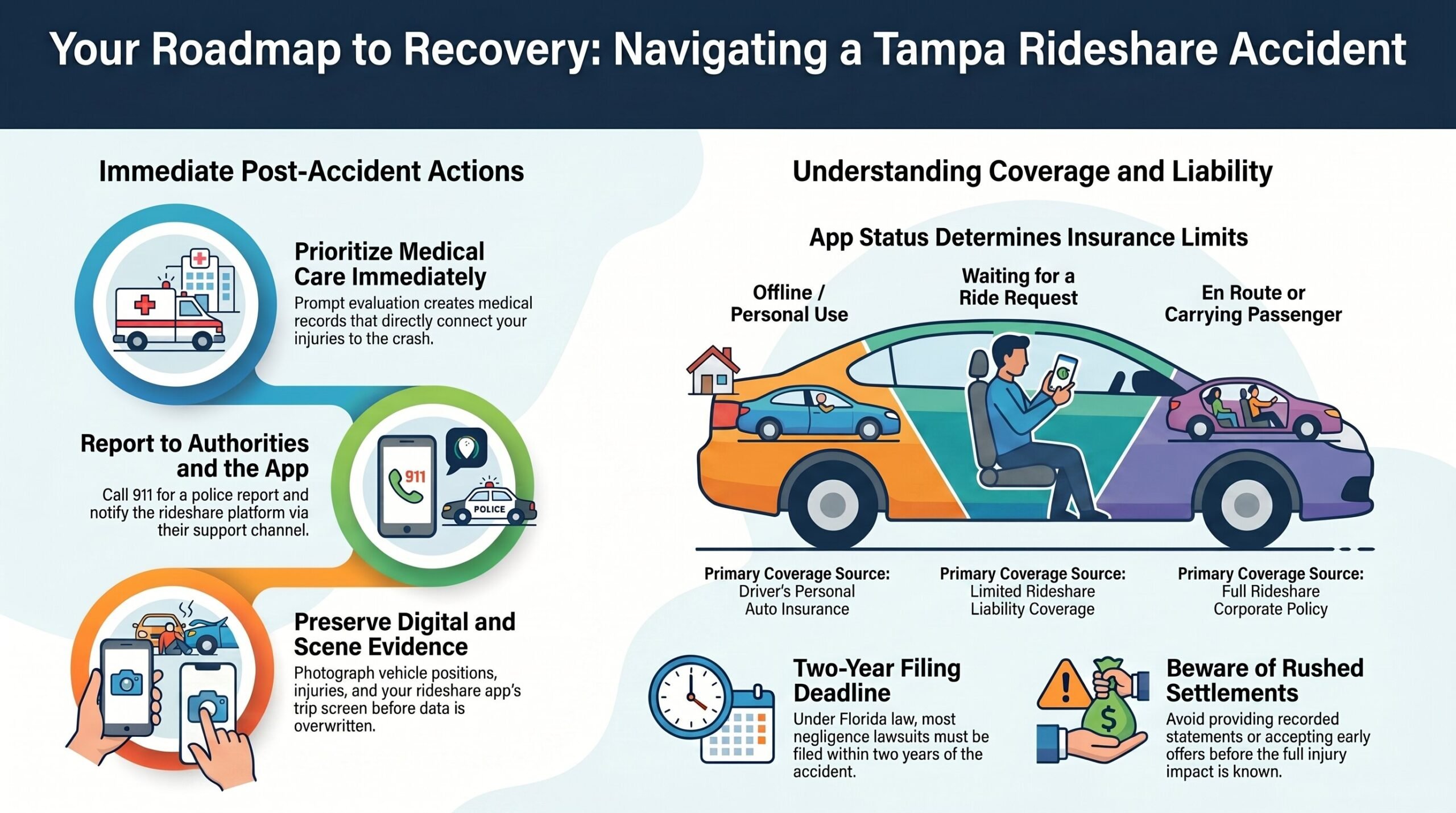
- Rideshare coverage depends on whether the driver was offline, waiting, en route, or transporting a passenger.
- Strong claims require trip data, crash reports, witness statements, photos, medical records, and expense documentation.
- Injured passengers, pedestrians, cyclists, and motorists may seek compensation for medical bills, lost income, and pain.
- Avoid rushed settlements, recorded statements, and delays that could weaken your Florida rideshare injury claim.


How We Can Help With Your Tampa Rideshare Accident Injury Claim
After a rideshare accident in Tampa, we can help you identify every available source of compensation and build a claim that reflects the full impact of your injuries. We guide you through Florida insurance claims, including carrier communications, policy review, and deadline management, so you can focus on recovery and service to those who depend on you.
Our team takes immediate evidence-preservation steps, securing trip data, driver information, photographs, witness accounts, and any available video footage before crucial evidence disappears. We also provide medical documentation tips to help you connect treatment records, work restrictions, and long-term care needs to the harm you suffered.
When insurers use liability denial strategies, we respond with organized facts, clear legal arguments, and persistent advocacy. We assess each responsible party, carefully document losses, and pursue fair compensation through negotiation or litigation when necessary. You don’t have to manage this process alone; we’re prepared to stand with you.
OUR CONSULTATIONSARE FREE
START YOUR FREE CASE REVIEW

Understanding Tampa Rideshare Accident Injury Cases
To understand how we protect your claim, it helps to know what makes Tampa rideshare accident cases different from other motor vehicle collisions. These claims often involve a driver, a rideshare company, passengers, other motorists, and multiple insurers. We examine each party’s role so your recovery effort reflects the full scope of responsibility.
We also focus on Insurance coverage because available benefits may change depending on whether the driver was logged into the app, waiting for a request, traveling to pick up a rider, or carrying a passenger. These details can affect the value and direction of your claim.
Evidence preservation is equally important. We work to secure app data, trip records, photographs, witness information, medical documentation, and vehicle damage records before crucial proof disappears. By acting promptly, we help you pursue accountability while honoring your need to recover, serve your family, and move forward with stability.
Common Causes of Tampa Rideshare Accidents
We often see Tampa rideshare accidents occur when drivers become distracted, speed, or make unsafe decisions while transporting passengers. You may also face risks from unsafe pickup locations, especially near busy streets, nightlife areas, or congested intersections. We’ll examine how distracted driving, reckless conduct, poor pickup practices, and driver fatigue can contribute to serious rideshare collisions.
Distracted Rideshare Drivers
Because rideshare drivers rely heavily on smartphones for navigation, ride requests, passenger messages, and route updates, distraction can become a serious danger on Tampa’s busy roads. We believe drivers must manage multiple app-based tasks, but every moment spent looking away from traffic increases the risk to passengers, pedestrians, cyclists, and other motorists.
Texting while driving, checking notifications, or using a handheld device can indicate that a driver failed to use reasonable care. When you’re hurt because a rideshare driver was distracted, we examine trip data, phone records, witness statements, and crash reports to identify what happened. Our role is to help protect your rights while supporting safer transportation practices. By holding negligent drivers accountable, we help encourage attentive service and greater responsibility.
Speeding And Reckless Driving
Speeding turns a routine rideshare trip into a serious hazard, especially on Tampa roads where congestion, sudden stops, and heavy pedestrian traffic demand constant control. We acknowledge that passengers trust drivers to protect them, not place convenience above safety. When a rideshare driver exceeds posted limits, tailgates, ignores Speeding Enforcement zones, or accelerates through changing lights, reaction time shrinks, and collision force increases.
Reckless Lane Changes create added danger when drivers weave through traffic to save minutes or respond to app pressure. These choices can harm passengers, pedestrians, cyclists, and other motorists who depend on careful driving. We help you examine trip records, witness statements, traffic citations, and crash evidence to identify reckless conduct and pursue accountability for the injuries and losses you’ve suffered.
Unsafe Pickup Locations
At crowded curbs, unsafe pickup locations can turn a simple rideshare request into a preventable collision. We often see drivers stop in travel lanes, near intersections, or beside busy venues where visibility is limited. These choices expose passengers, pedestrians, cyclists, and other motorists to unnecessary risk. Sidewalk pickup hazards arise when riders step into traffic, cross between parked cars, or wait where vehicles cannot safely pull over.
We encourage careful planning because serving others includes protecting their path to and from the vehicle. Parking lot safety also matters, especially at airports, restaurants, hospitals, and shopping centers, where foot traffic can change quickly. When a driver ignores designated pickup zones or blocks accessible areas, serious injuries can follow. We help you examine how location decisions contributed to the crash.
Driver Fatigue Issues
When rideshare drivers work long hours or switch between platforms to increase earnings, fatigue can impair judgment as seriously as alcohol or distraction. We often see tired drivers miss traffic signals, drift between lanes, or react too slowly when a passenger, pedestrian, or another motorist needs protection. Fatigue also worsens risks tied to Alcohol impairment, poor vehicle maintenance, and unsafe schedules, because an exhausted driver may overlook warning signs before a preventable crash.
We help you examine app records, trip history, witness statements, and vehicle data to identify whether fatigue contributed to your injuries. When drivers or companies place earnings above safety, we work to hold them accountable. Our goal is to serve you with careful investigation, clear guidance, and strong advocacy throughout your claim.


Legal Rights of Tampa Rideshare Accident Injury Victims
After a rideshare crash in Tampa, injured passengers, drivers, pedestrians, and cyclists have the right to seek compensation from every party whose negligence contributed to the collision.
We help you understand those rights so you can protect your recovery, family, and future while serving others responsibly.
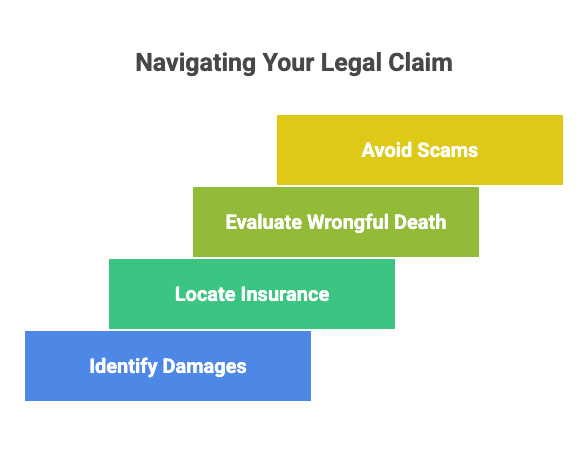
- We may pursue payment for medical care, lost income, reduced earning ability, and pain caused by the crash.
- We can identify available insurance, including rideshare policies, personal coverage, and other liable sources.
- We help families evaluate Wrongful death claims when a loved one dies because of preventable harm.
- We warn you about post-accident scams, rushed settlement offers, and recorded statements designed to weaken your claim.
You don’t have to face insurers alone. We preserve evidence, calculate losses, and advocate for fair treatment. When you know your rights, you can make informed decisions and move forward with greater confidence after serious injury.
Why Do Tampa Rideshare Accident Injuries Happen?
Because rideshare trips depend on fast decisions, changing traffic, and app-based instructions, injuries often happen when one driver’s negligence disrupts the safety of everyone nearby. We often see crashes tied to distracted driving, speeding, unsafe lane changes, fatigue, and failure to yield. Rideshare drivers may glance at navigation prompts, accept ride requests, or hurry between pickups, creating risks for passengers, pedestrians, cyclists, and other motorists.
In Tampa, congestion near airports, entertainment districts, hospitals, and neighborhood corridors can magnify these dangers. Poor vehicle maintenance, unfamiliar routes, impaired driving, and aggressive driving also contribute to serious harm. We examine how each factor affected you because accountability serves both your recovery and the broader public good.
These cases require careful review of medical vs. recovery issues, including treatment needs, work limitations, and long-term function. Understanding why the injury occurred also supports a focused settlement strategy that accounts for liability, damages, and future care.
What Should You Do After a Tampa Rideshare Accident Injury?
After a Tampa rideshare accident injury, we want you to act quickly, because the steps you take can affect your health and your claim. We recommend seeking medical care, reporting the crash, and preserving crucial evidence as soon as possible. By taking these actions, you help protect your rights while creating a clear record of what happened.
Seek Medical Care
Even if your injuries seem minor, you should seek medical care as soon as possible following a Tampa rideshare accident. We understand many people focus first on helping others, but protecting your health allows you to continue serving your family, workplace, and community.
Prompt evaluation creates medical records that connect your injuries to the crash. Follow all treatment instructions, attend referrals, and report new symptoms without delay. Documenting injuries is also important, so we encourage you to keep discharge papers, prescriptions, and therapy notes organized.
When appropriate, take photo evidence of bruising, swelling, cuts, or mobility aids as your condition changes. Preserving receipts for copays, medications, transportation, and medical equipment can also help show the financial impact of your injuries. These steps support recovery and any future claim.
Report The Crash
Once you’ve addressed immediate medical needs, report the rideshare crash to the proper authorities and platforms as soon as possible. We should call 911 when injuries, road hazards, or suspected impairment are involved and request that law enforcement respond. A police report can help clarify who was present, what vehicles were involved, and whether the driver was actively using the rideshare app.
We also need to report the collision through the rideshare company’s app or support channel. Provide accurate facts, avoid speculation, and keep the report consistent with Emergency medical steps already taken. If we speak with police, insurers, or rideshare representatives, phone call documentation matters. Note the date, time, representative’s name, and summary. These careful actions support accountability while helping everyone involved receive proper assistance promptly.
Preserve Key Evidence
While the scene is still fresh, we should preserve any evidence that may help show how the Tampa rideshare accident happened and who may be responsible. We can photograph vehicle positions, traffic signals, skid marks, injuries, license plates, and app screens before conditions change. If anyone saw the crash, we should obtain witness contact information, because independent accounts may later support your claim and protect others from unsafe conduct.
We should also note nearby cameras, request dashcam footage, and avoid deleting messages, trip receipts, or driver communications. Prompt data preservation matters because rideshare records, GPS logs, and vehicle data may be overwritten. For Evidence storage, we should keep photos, videos, medical papers, and repair records organized, backed up, and available for legal review.
Critical Evidence in a Tampa Rideshare Accident Injury Case
We help you identify and preserve the evidence that can prove fault, damages, and insurance coverage after a Tampa rideshare accident:
- Rideshare app records
- Driver trip history
- Crash scene evidence
- Witness statements
These records can change or disappear quickly, so we act promptly to secure them and protect your injury claim.
Rideshare App Records
Because rideshare collisions often involve several parties and insurance layers, app records can become some of the most important evidence in a Tampa rideshare accident injury case. We look to these records to clarify timing, location, ride status, and communications that may affect responsibility. Privacy settings can limit what you immediately see, but they don’t erase information that may be preserved or requested through proper channels.
We can evaluate data access issues, identify relevant app usage logs, and determine how those records support your claim. This information may show whether a driver was active on the platform, responding to a request, or transporting a passenger. When carefully gathered, app records can serve as settlement evidence that helps us advocate for fair accountability while supporting your recovery and future.
Driver Trip History
App records often point us to a broader source of proof: the driver’s trip history. We examine prior trips to determine whether the driver exhibited patterns of unsafe conduct, excessive cancellations, fatigue, complaints, or recurring service issues. Through Ride History Analysis, we can identify timelines that help explain whether the driver was rushing, distracted by platform demands, or working beyond safe limits before your injury occurred.
We also review how trip history connects with Background Checks and platform oversight. If earlier incidents, warnings, or passenger reports existed, we ask whether the rideshare company responded responsibly. This evidence can help us serve you by building a clear, fact-based claim grounded in accountability rather than assumptions, while protecting your rights throughout the injury process and recovery.
Crash Scene Evidence
At the crash scene, physical evidence often tells us what app data and witness statements can’t fully explain. We examine skid marks, debris fields, vehicle damage, roadway conditions, lighting, and signage to understand how the collision occurred. These details may reveal speeding, unsafe lane changes, app misuse, or delayed braking.
We also look for signs of Negligent maintenance, including worn tires, broken lights, weak brakes, or fluid leaks. A prompt vehicle inspection can preserve crucial evidence before repairs or disposal alter it. If passenger distraction contributed, scene evidence may show sudden swerving, abrupt stopping, or impact patterns consistent with divided attention. By documenting these facts carefully, we help protect your claim and support accountability, so injured people can pursue recovery with dignity and purpose.
Witness Statements
When a rideshare crash happens, witness statements can clarify details that physical evidence and app records leave unresolved. We seek accounts from passengers, nearby drivers, pedestrians, business employees, and first responders because each person may notice timing, vehicle movement, phone use, or unsafe behavior. We document what witnesses saw and heard, then compare those statements with police reports, dashcam footage, trip data, and app chat screenshots.
Eyewitness credibility checks also matter, so we assess vantage point, consistency, memory, bias, and whether the witness had any connection to the parties. By preserving statements early, we help protect your claim from fading memories and disputed facts. When we serve injured clients, we use credible witness evidence to present a clearer, stronger account of what occurred and why responsibility should follow.
Long-Term Effects of Tampa Rideshare Accident Injuries
We acknowledge that Tampa rideshare accident injuries can affect you long after the initial crash, especially when chronic pain conditions limit daily activity. We also consider how emotional trauma recovery may require sustained treatment, support, and careful documentation. We assess reduced earning capacity as a serious consequence, particularly when your injuries interfere with work, career advancement, or long-term financial stability.
Chronic Pain Conditions
Although some crash injuries improve with treatment, chronic pain can continue for months or years after a Tampa rideshare accident and affect nearly every part of daily life. We help you connect persistent pain to the collision through medical records, expert opinions, and flare-up documentation that shows how symptoms limit work, caregiving, transportation, and service to others.
Chronic pain may require therapy, injections, diagnostic testing, mobility support, and careful medication management. Pain medication risks, including dependency or side effects, also matter when evaluating treatment plans. We address future care costs so your claim reflects ongoing needs, not only past bills. Because insurance valuation often minimizes conditions that are difficult to see, we present consistent evidence that explains the severity, frequency, and practical impact of your pain.
Emotional Trauma Recovery
After a serious Tampa rideshare accident, emotional trauma can persist long after physical injuries begin to recover. We may see anxiety, sleep disruption, fear of travel, irritability, or withdrawal from family and community responsibilities. These symptoms can affect how you care for others, participate in daily routines, and regain confidence after the crash.
We encourage prompt therapy support because early intervention can help you process fear, grief, and stress in a structured setting. Victim counseling may also document the emotional impact of the accident, which can strengthen a personal injury claim when psychological harm is part of your damages. We work to connect your recovery needs with clear legal action, so your emotional losses receive serious attention alongside medical treatment. Your recovery matters, and so does accountability.
Reduced Earning Capacity
Emotional trauma can limit daily function, but physical injuries from a Tampa rideshare accident may also reduce your ability to earn a living for months, years, or permanently. We help you address lost earning capacity when injuries prevent you from returning to the same duties, hours, or career path. This loss can affect teachers, nurses, drivers, caregivers, and others who serve the community through steady work.
We review medical restrictions, wage history, vocational opinions, and employer records to show how your future income has changed. Liability evidence also matters because we must connect the collision to the harm that limits your work. When app record disputes arise, we examine trip data, driver status, and insurer positions to ensure your claim reflects the full financial impact of your injuries.
Proving Liability in Tampa Rideshare Accident Injury Cases
When a rideshare crash occurs in Tampa, proving liability requires a careful review of every party whose actions may have contributed to the collision. We examine whether the rideshare driver, another motorist, a vehicle owner, or another responsible party failed to use reasonable care. This may include speeding, distraction, unsafe lane changes, fatigue, or violations of Florida traffic laws.
We also gather evidence that connects the negligent conduct to your injuries. Medical records help establish the nature, timing, and severity of your harm, while photographs, witness statements, trip data, police reports, and vehicle damage can clarify how the crash happened. Because rideshare cases may involve layered insurance coverage, we identify the driver’s app status at the time of impact and determine which policies may apply.
Our purpose is to build a clear, well-supported claim that serves your recovery and helps you pursue accountability with discipline and care.
Dealing With Insurance Companies After a Tampa Rideshare Accident Injury
Because insurers often move quickly after a rideshare crash, we handle communications with care and protect you from statements that may be used to limit your claim. We understand you may want to cooperate and serve the truth, yet insurers serve their own financial interests. Our role is to keep your words accurate, complete, and properly framed.
We review policy issues, identify all available coverage, and respond to adjusters with documented evidence. When insurers request recorded statements, broad medical releases, or early settlements, we evaluate the risks before you act. These requests can affect the value of your case, especially when injuries develop over time.
Our Negotiation tactics focus on preparation, credibility, and firm advocacy. We consider medical evidence, wage loss, future care needs, and applicable personal injury timelines before discussing a resolution. By managing insurer contact, we help you avoid pressure while preserving your ability to pursue fair compensation.
What to Expect During a Tampa Rideshare Accident Injury Claim Process
We’ll guide you through each stage of a Tampa rideshare accident injury claim, from reporting the accident to identifying the insurance coverage that applies. We’ll also help you gather medical records, witness information, and other injury evidence needed to support your case. Once we’ve built a strong claim, we’ll work to negotiate a settlement that reflects your losses and protects your interests.
Reporting The Accident
After a Tampa rideshare crash, reporting the accident creates the record that will shape the injury claim from the start. We encourage you to call 911, request medical help, and wait for law enforcement when injuries, significant damage, or safety concerns exist. Florida crash reporting steps require accurate information, so we help you identify the driver, rideshare vehicle, passengers, witnesses, location, and visible injuries.
We also focus on Evidence preservation basics. If you can do so safely, take photos, save the app trip screen, record the driver’s name, and keep all medical discharge papers. We guide you in reporting the incident to the rideshare company without guessing or minimizing symptoms. Careful reporting protects the truth, supports those harmed, and helps us build a reliable record of claims.
Determining Insurance Coverage
Once the accident has been reported and the early facts are preserved, we begin identifying which insurance policies may apply to the rideshare injury claim. We examine the driver’s status in the app because coverage often depends on whether the driver was offline, waiting for a request, traveling to pick you up, or carrying a passenger. We also review personal auto policies, rideshare company coverage, and any third-party liability sources.
This step supports Evidence preservation by confirming which insurers must receive timely notice and which records should be protected. We guide you through insurer communications so your service to others, work, and recovery are not disrupted by avoidable mistakes. Clear coverage analysis also strengthens settlement negotiation, because we are aware where responsibility rests before demanding fair compensation.
Gathering Injury Evidence
During the injury evidence phase, we document how the rideshare accident affected your health, work, daily responsibilities, and long-term recovery needs. We gather Medical documentation, treatment records, diagnostic results, prescriptions, and provider opinions to show the nature and progression of your injuries. We also collect photographs, witness statements, employer records, and personal notes describing how pain limits your ability to serve your family, workplace, and community.
Because rideshare crashes involve digital systems, we review App data, location tracking, trip receipts, driver status, and available vehicle information. These materials help connect the collision to your injuries and clarify the timeline. We carefully organize every record, identify missing proof, and preserve evidence before it becomes difficult to obtain. This preparation strengthens your claim and supports an accurate understanding of your losses.
Negotiating Your Settlement
When the evidence gives us a clear picture of liability and damages, we begin settlement negotiations with a focused demand that explains what happened, why the rideshare driver or company bears responsibility, and how the crash changed your life. We organize medical bill documentation, wage records, treatment notes, and witness statements so the insurer sees the full impact, not a reduced version of your suffering.
We also address Insurance coverage disputes, which often arise when multiple policies apply to one rideshare crash. As negotiations progress, we evaluate each offer against your current needs and future care. We don’t accept pressure tactics or undervalued proposals. Instead, we advocate with purpose, protect your dignity, and pursue a settlement that supports your recovery and helps you continue serving others.
Compensation for Tampa Rideshare Accident Injury Damages
If you suffered injuries in a Tampa rideshare accident, compensation may cover far more than the immediate medical bills. We help you identify every harm connected to the crash, so your claim reflects the full impact on your health, work, and daily service to others.
Your recovery may include payment for emergency treatment, rehabilitation, prescriptions, future medical costs, and necessary follow-up care. If your injuries kept you from working, we also pursue lost wages and reduced earning ability. Compensation may address pain and suffering, including physical discomfort, emotional strain, and the loss of normal routines that once supported your family, community, or vocation.
In cases involving reckless conduct, such as impaired driving or extreme disregard for safety, Punitive damages may also apply. We gather records, consult experts, and present evidence that supports the value of your claim, while you focus on restoring and repairing your responsibilities.
Economic vs Non-Economic Damages in Tampa Rideshare Accident Cases
We separate rideshare accident damages into economic losses, such as medical bills, lost income, and repair costs, and non-economic losses, such as pain, emotional distress, and reduced quality of life. We help you identify how each category applies to your case, because insurers often challenge both the amount and the cause of your losses. To prove damage value, we use records, expert opinions, and clear evidence that connects your injuries to the accident.
Economic Damage Examples
After a Tampa rideshare crash, economic damages cover the measurable financial losses tied to your injuries and recovery. We look at each cost carefully because accurate documentation helps protect your claim and supports the care you need. Medical bills may include emergency treatment, surgery, hospital stays, rehabilitation, prescriptions, and follow-up appointments. We also consider future expenses when your injuries require ongoing therapy, medical equipment, or additional procedures.
Lost wages can be recovered when your injuries keep you from serving your workplace, clients, family, or community. If your condition limits your ability to return to the same job, reduced earning capacity may also apply. We gather employment records, tax documents, invoices, and medical opinions to show how the crash affected your finances with precision.
Non-Economic Damage Examples
Financial records tell only part of the story in a Tampa rideshare accident claim, because serious injuries can also disrupt your daily life in ways that don’t come with receipts. We look at non-economic damages as the human losses that follow a crash, including physical pain, emotional distress, anxiety, sleep disruption, and loss of enjoyment of activities that once gave your life structure and purpose.
These losses may affect how you care for family members, serve your community, worship, work with others, or maintain meaningful relationships. Pain and suffering can also include the frustration of limited mobility, visible scarring, or the loss of independence during recovery. We recognize that these harms are personal, but they remain important parts of a complete injury claim after a rideshare collision.
Proving Damage Value
Although economic and non-economic damages require different forms of proof, both must connect clearly to the rideshare accident and the injuries it caused. We document economic losses with medical bills, wage records, repair invoices, and future care estimates, so you can show the financial strain created by another person’s negligence. We prove non-economic damages through medical narratives, therapy records, daily limitations, and testimony from people who’ve observed your suffering and changed responsibilities.
We also evaluate Insurance coverage limits because available policies can affect recovery strategy, settlement timing, and negotiations. Just as important, we track the time for filing claims, since missed deadlines can prevent fair compensation. When we build your claim carefully, we help you pursue value that reflects both measurable losses and human impact.
When a Tampa Rideshare Accident Injury Case Goes to Trial vs Settlement
When a Tampa rideshare accident claim reaches the point where settlement discussions begin, the important question is whether the insurance companies will offer fair compensation without forcing litigation. We review the evidence, medical documentation, lost income, and long-term effects to determine whether a settlement is in your best interests.
Most cases resolve before trial, which can reduce delay, stress, and uncertainty. Still, we don’t recommend accepting an offer that undervalues your recovery or limits your ability to care for others and rebuild stability. If negotiations fail, we prepare the case for court with discipline and purpose.
Trial timeline expectations matter because litigation can extend the process through discovery, motions, mediation, and scheduling. We explain each stage so you can make informed decisions. The impact of a jury verdict also matters, since a verdict may exceed or fall below a settlement offer. Our role is to pursue the path that best protects your future.
Florida Laws That May Affect Your Tampa Rideshare Accident Case
Whether your case settles or proceeds toward trial, Florida law shapes every stage of a Tampa rideshare accident claim. We help you understand how these rules affect recovery, responsibility, and the careful service owed to injured people and their families.
- Comparative negligence may reduce compensation if you share fault, so we evaluate conduct by every driver, company, and third party involved.
- Insurance coverage often depends on whether the rideshare driver was offline, waiting for a request, or transporting a passenger at the time.
- Rideshare liability can involve the driver, the rideshare company’s policy, another motorist, or multiple responsible parties.
- Evidence preservation matters because trip data, app records, vehicle damage, witness statements, and medical documentation can clarify what happened.
We apply these laws with discipline and purpose. When you are trying to recover and support others, we focus on protecting your claim, organizing proof, and pursuing accountability under Florida law.
The Statute of Limitations for Tampa Rideshare Accident Injury Cases
Act quickly after a Tampa rideshare accident because Florida’s statute of limitations can limit how long you have to file an injury lawsuit. In most Florida negligence cases, we must file within 2 years of the accident date, though specific facts can affect the deadline. Missing the filing window can prevent you from seeking compensation, even when injuries, lost wages, and medical needs remain significant.
We encourage you to treat early action as a responsible step, especially when your recovery also supports family, coworkers, or community obligations. Timely notice helps preserve evidence, including photos, witness information, vehicle data, and medical documentation. Rideshare claims may also depend on the retrieval of app records, such as trip status, driver activity, timestamps, and route details.
Because deadlines move quickly, we should review the accident date, parties involved, and available records as soon as possible. Prompt attention helps maintain your legal options.
How a Tampa Rideshare Accident Injury Lawyer Can Help You
After protecting your filing deadline, the next step is building a claim that accurately reflects what happened and how the crash affected your life. We help you organize the facts, preserve evidence, and present losses with the care your situation merits. When you serve your family, workplace, or community, we work to protect the support you provide.
- We identify liable parties, including drivers, rideshare companies, insurers, or negligent third parties.
- We gather trip data, police reports, medical records, witness statements, and expert opinions.
- We evaluate damages, including medical care, lost income, reduced earning ability, pain, and long-term needs.
- We explain settlement timelines, negotiation risks, litigation options, and Wrongful death basics when a family has lost a loved one.
Our role is to carry the legal burden while you focus on recovery, stability, and the people who depend on you. We pursue accountability with preparation and purpose.
When to Contact a Tampa Rideshare Accident Injury Lawyer
If you were hurt in a rideshare crash, contact a Tampa rideshare accident injury lawyer as soon as your immediate medical needs are addressed. We understand you may be focused on recovery, family duties, and helping others who depend on you, but early legal guidance can help you meet important deadlines and preserve evidence.
You should reach out promptly if the rideshare driver, another motorist, or an insurer contacts you, asks for a statement, or offers payment. Insurance coverage timelines can affect which policy applies and how quickly notice must be given. We can assist you in understanding the timing before decisions limit your options.
It is also wise to seek guidance if anyone suggests you share blame. Florida comparative fault rules may reduce compensation based on assigned responsibility, so early documentation matters. By acting quickly, we can help preserve records, identify witnesses, and provide clear direction while you focus on recovery and on serving those who rely on you.
Why You Need an Experienced Tampa Rideshare Accident Injury Lawyer
Choose an experienced Tampa rideshare accident injury lawyer because these claims often involve layered insurance coverage, app-based driver status, corporate policies, and disputed liability. We help you protect your right to recovery while you focus on mending, family, work, and serving the people who depend on you.
Rideshare cases require careful investigation. We gather trip records, driver information, police reports, medical documentation, witness statements, and insurance communications. We also evaluate whether the driver was waiting for a ride request, transporting a passenger, or using the vehicle personally, since that status can affect available coverage.
Statute deadlines can limit your ability to pursue compensation, so timely legal action matters. Insurers may move quickly to reduce exposure, shift blame, or undervalue your injuries. By choosing counsel with rideshare experience, you place your claim in steady hands, preserve crucial evidence, and pursue accountability with purpose.
How to Choose the Right Tampa Rideshare Accident Injury Lawyer for Your Case
When your recovery depends on a rideshare injury claim, the lawyer you select should understand both Florida injury law and the unique insurance issues that arise with Uber and Lyft crashes. We recommend looking for counsel who acts promptly, communicates clearly, and respects your need to recover while serving your family and community.
Ask how the lawyer handles evidence preservation, including app data, driver status, police reports, witness statements, and vehicle information. Strong early action can protect facts that may otherwise disappear. Review whether the attorney can organize insurance documentation, identify available coverage, and address disputes involving multiple insurers.
You should also choose a lawyer who values complete medical records and connects your treatment history to the harm caused by the crash. Finally, discuss the firm’s Negotiation strategy. We want your representative prepared to present damages clearly, challenge low offers, and pursue fair compensation with discipline and resolve.
About The Law Offices of Anidjar & Levine
After a serious Uber or Lyft crash, The Law Offices of Anidjar & Levine provides focused legal support for injured people in Tampa who need clear guidance and strong advocacy.
We recognize how a rideshare collision can disrupt your health, work, and responsibilities to those who depend on you.
Our team handles these cases with careful attention to Rideshare liability, insurance coverage, driver conduct, and company policies.
We act quickly to protect your claim by preserving evidence, including crash reports, app data, witness statements, medical records, and available video footage.
We also manage communication with insurers, rideshare companies, and opposing parties so you can focus on restoration and caring for your family.
When you work with us, we explain your options, prepare your case with discipline, and pursue compensation that reflects your losses.
Our commitment is to serve you with professionalism, diligence, and respect at every stage.

Frequently Asked Questions
Can Tourists File Rideshare Accident Claims in Tampa?
Yes, tourists can file rideshare accident claims in Tampa when another party’s negligence causes harm. We help you protect your rights, preserve records, and serve your recovery needs with diligence. You should gather trip details, photos, witness names, medical records, and insurance communications using a claim evidence checklist. We also assess driver conduct, rideshare coverage, and potential bystander liability to help you pursue fair compensation for your losses.
What if My Rideshare Driver Was Uninsured?
If your rideshare driver was uninsured, we’d examine every available path to Uninsured liability resolution. We’ll review the rideshare company’s policy, your personal uninsured protection, and other coverage options that may apply. You merit clear guidance while you focus on recovery and responsibilities. We’d pursue recovery of damages for medical costs, lost income, and related losses, while protecting your claim against insurers that may limit payment or deny liability.
Are Rideshare Accident Consultations Free in Tampa?
Yes, rideshare accident consultations are typically free in Tampa. We offer a Free consultation so you can understand your rights, protect your recovery, and continue focusing on those who depend on you. We’ll review the crash facts, insurance issues, injuries, and available evidence. Our eligibility checklist helps determine whether you may have a valid claim, what coverage may apply, and the next steps we should take.
Can I Sue Uber or Lyft Directly?
Yes, we can sue Uber or Lyft directly in limited situations, but most claims begin with insurance coverage tied to the driver’s app status. We help you evaluate the driver’s company liability, preserve evidence, and determine whether negligent hiring, poor supervision, or policy failures support a direct lawsuit. If you’re caring for injured passengers or families, we pursue accountability with diligence, clarity, and a service-focused commitment to justice.
Do Rideshare Claims Differ for Minors?
Yes, rideshare claims differ for minors because courts and insurers require added protections. We help you evaluate underage liability coverage, document injuries, and protect the child’s long-term needs. Minor settlement options may require court approval, structured payments, or a guardian-managed account. We guide families, caregivers, and advocates through each step, ensuring responsible decisions, clear accountability, and fair compensation that serves the child’s welfare before any claim closes.
—————————
If you were injured in a Tampa rideshare accident, we’re ready to protect your rights and pursue the compensation you merit.
Our team can investigate the crash, identify liable parties, handle insurers, and build an evidence-based claim.
You don’t have to manage this process alone.
Contact The Law Offices of Anidjar and Levine today for a free consultation, and let our Tampa Car Accident Lawyer help you move forward with confidence.