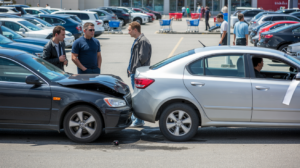
The Law Offices of Anidjar and Levine help Tampa car accident victims pursue PTSD compensation by proving how the crash caused or worsened psychological trauma, disrupted work, family duties, and daily life, and created ongoing treatment needs.
Our team gathers medical records, therapy notes, employment documentation, witness statements, and crash evidence while handling insurer communications and deadlines.
As your Tampa Car Accident Lawyers, we evaluate liability, insurance coverage, and damages, then negotiate for fair compensation or prepare to litigate when necessary.
Below, we explain what your claim may involve.
Main Takeaways
- A Tampa PTSD car accident lawyer can help prove trauma through medical records, therapy notes, work records, and witness statements.
- PTSD compensation may include therapy costs, psychiatric care, medication, lost wages, reduced earning capacity, and future treatment needs.
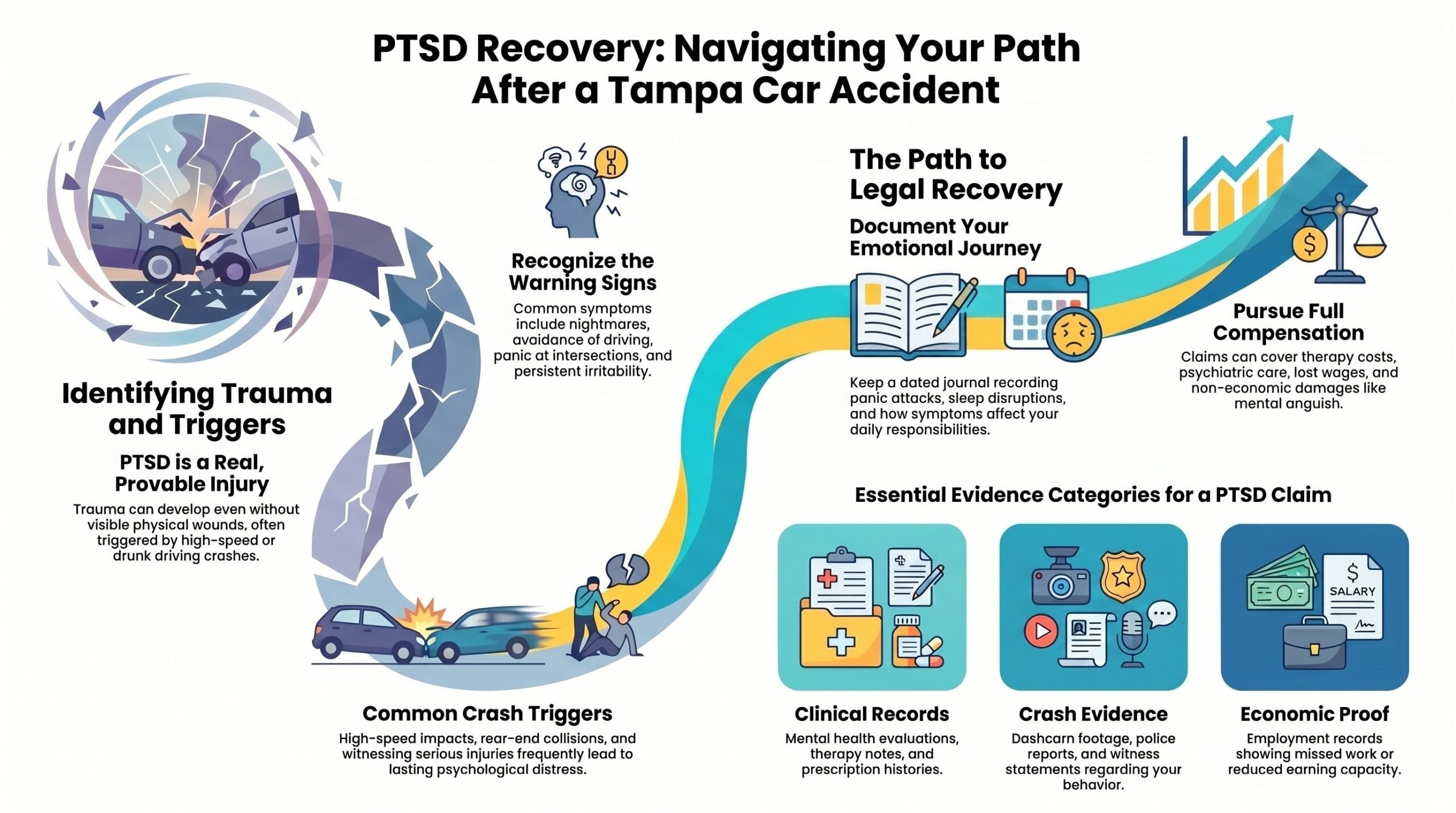
- Common PTSD crash triggers include high-speed impacts, rear-end collisions, drunk driving, distracted driving, serious injuries, or fatalities.
- Legal support includes insurer communications, deadline tracking, settlement negotiations, and litigation preparation if a fair offer is denied.
- Seek medical care, document symptoms, and contact a lawyer early to protect your rights after a Tampa crash.


How We Can Help With Your Tampa PTSD Car Accident Injury Claim
After a crash, PTSD can disrupt your health, work, relationships, and ability to manage daily responsibilities. We help you pursue compensation while protecting your dignity, privacy, and capacity to serve the people who depend on you. Our team gathers medical records, therapy notes, employment documentation, and witness accounts to show how trauma has affected your life.
We also coordinate Emotional support planning, so your claim reflects practical needs such as counseling, family assistance, schedule changes, and future care. When appropriate, we build a victim testimony strategy that helps you explain your experience clearly, without forcing unnecessary exposure or confusion.
We handle insurer communications, evidence development, deadline tracking, and settlement negotiations, so you can focus on recovery and stability. If litigation becomes necessary, we prepare your case with discipline and purpose. You merit advocacy that treats psychological harm as real, serious, and worthy of full legal consideration.
OUR CONSULTATIONSARE FREE
START YOUR FREE CASE REVIEW

Understanding Tampa PTSD Car Accident Injury Cases
When a collision causes lasting psychological trauma, a Tampa PTSD car accident injury case may involve far more than physical wounds or vehicle damage. We recognize that PTSD can affect your work, relationships, sleep, faith, and ability to serve your family or community with stability. These cases require careful proof, including medical records, mental health evaluations, witness statements, and documentation showing how trauma changed daily life.
We also consider how severe circumstances may deepen psychological harm. Car Seat failures, serious child injuries, or fatalities can create profound emotional consequences for survivors and families. In some matters, PTSD damages may connect with broader claims, including Wrongful Death claims when a loved one’s death leaves surviving relatives facing grief, anxiety, and functional disruption.
We approach these cases with discipline and compassion. Our goal is to help you present the full impact of your injuries, so your claim reflects both visible harm and lasting psychological recovery.
Common Causes of Tampa PTSD Car Accident
We often see PTSD develop after serious Tampa car accidents involving high-speed collisions, rear-end crashes, distracted driving accidents, and drunk driving crashes. These events can leave you with lasting psychological harm, especially when the crash involved sudden impact, severe injury, or a reasonable fear of death. We’ll examine how these common causes may affect your claim, your medical evidence, and your right to pursue compensation.
High-Speed Collisions
Because high-speed collisions happen with extreme force, they often leave crash victims with both severe physical injuries and lasting psychological trauma. We appreciate that when you serve others, your ability to function with steadiness and care matters deeply. After a violent impact, PTSD symptoms may surface through Panic attack triggers such as traffic noise, sirens, intersections, or sudden braking nearby. These reactions can interfere with work, family responsibilities, and community service.
We help you recognize why careful records matter. Sleep disturbance documentation, including nightmares, insomnia, or fear of driving after dark, can support the connection between the crash and your ongoing distress. By identifying these effects early, we can help protect your claim and pursue compensation that reflects your physical, emotional, and daily-life losses.
Rear-End Crashes
Although rear-end crashes may appear straightforward, they can cause serious trauma when a sudden impact leaves you bracing for danger or fearing another collision. We often see PTSD symptoms develop after these crashes, especially when you felt trapped, helpless, or responsible for protecting passengers. Nightmares, driving avoidance, irritability, and panic at stoplights can interfere with work, caregiving, and community service.
We help document how the crash changed your daily responsibilities, medical needs, and emotional stability. That record supports Compensation negotiation with insurers that may undervalue psychological injuries. We also coordinate evidence for long-term recovery planning, including therapy, follow-up care, and practical support. When you serve others, your recovery matters too, and we work to protect the resources you need to recover.
Distracted Driving Accidents
Distracted driving accidents can be especially traumatic when you realize another driver’s inattention caused a preventable crash. We acknowledge how a sudden impact, caused by texting, navigation use, or other distractions, can leave you feeling unsafe and unable to serve others as you once did.
We help you connect PTSD symptoms to the collision through Legal evidence, including phone records, crash reports, photographs, and vehicle data. We also gather witness statements to show what the distracted driver did before impact.
Because insurance tactics often minimize emotional injuries, we prepare every claim with careful documentation from medical providers, therapists, and people who observe your daily struggles. Our settlement strategy focuses on proving both the visible losses and the psychological harm that affects your work, relationships, and service to others.
Drunk Driving Crashes
When an impaired driver causes a crash, the fear, helplessness, and sudden loss of control can create lasting psychological harm. We recognize that you may carry more than physical injuries after a drunk-driving collision. Nightmares, panic while riding in vehicles, and constant vigilance can disrupt your work, family duties, and service to others.
We examine evidence with care, including Breathalyzer results, witness statements, body camera footage, and medical records, to connect the crash to your PTSD symptoms. We also review the police report for errors because small inaccuracies can affect fault, insurance decisions, and your recovery. By building a clear claim, we help you seek accountability, treatment resources, and compensation that support your repair and restore stability after trauma.


Legal Rights of Tampa PTSD Car Accident Injury Victims
After a serious crash, Tampa victims who develop PTSD have the right to seek compensation when another driver’s negligence caused or contributed to their injuries.
We help you understand these rights so you can protect your health, stability, and ability to serve the people who depend on you.
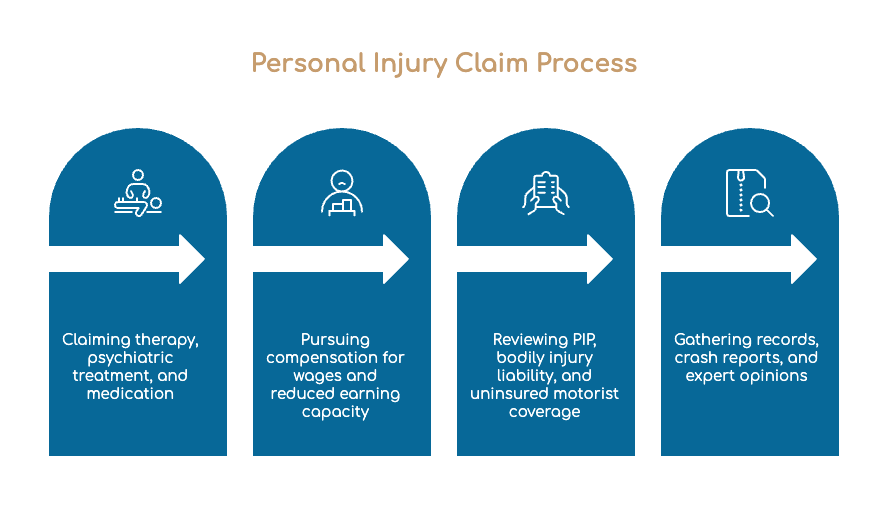
- Medical care: You may claim therapy, psychiatric treatment, medication, and future mental health support tied to the collision.
- Lost income: We can pursue compensation for wages, reduced earning capacity, and work limitations resulting from trauma symptoms.
- Insurance coverage options: We review PIP, bodily injury liability, uninsured motorist coverage, and other available benefits.
- Proof and accountability: We gather records, crash reports, expert opinions, and complete witness credibility assessments to support your claim.
You don’t have to minimize PTSD because the injury is not visible. We work to present its full impact and pursue fair compensation under Florida law.
Why Do Tampa PTSD Car Accident Injuries Happen?
Because a violent collision can overwhelm the brain’s normal stress response, PTSD may develop even when a Tampa crash victim walks away with limited visible injuries. We see this harm arise when sudden danger, helplessness, pain, or witnessing another person’s suffering becomes deeply encoded in memory. Accident statistics show that serious crashes, high speeds, rollovers, pedestrian impacts, and multi-vehicle collisions increase the likelihood of lasting psychological trauma.
We also recognize that PTSD risk factors can make recovery more difficult. Prior trauma, anxiety, depression, limited support, severe injuries, or the death of a loved one may intensify the brain’s fear response. For people committed to caring for families, clients, patients, or communities, these symptoms can disrupt service, judgment, and daily responsibility.
We should understand PTSD after a crash as a real injury, not a weakness. When trauma changes sleep, concentration, mood, or trust, the injury merits careful attention and respect.
What Should You Do After a Tampa PTSD Car Accident Injury?
After a Tampa car accident causes PTSD symptoms, we recommend that you seek immediate medical care to recover your health and create a clear treatment record. We also encourage you to document emotional symptoms, including anxiety, nightmares, avoidance, and mood changes, as these details can support your injury claim. We can help you contact a PTSD lawyer who understands how trauma affects your case and can protect your rights from the start.
Seek Immediate Medical Care
Your well-being should come first when a Tampa car accident causes PTSD symptoms or any other injury. We encourage you to seek immediate medical care, even if you believe your injuries are minor. A prompt emergency symptom assessment can identify urgent physical conditions and connect you with appropriate mental health support. Medical professionals can also guide you toward Florida trauma resources that serve survivors with dignity and practical assistance.
We should not delay care because shock, pain, or confusion can hide serious harm after a collision. By getting evaluated quickly, you protect your health, support your recovery, and create a clear medical foundation for any injury claim. If symptoms worsen, call 911 or visit an emergency department without waiting for an appointment or referral.
Document Emotional Symptoms
Once you’ve received medical attention, start documenting emotional symptoms as soon as you can. We recommend keeping a dated journal that records nightmares, panic, intrusive memories, sleep disruption, irritability, avoidance, or difficulty driving. Note how these symptoms affect work, caregiving, family responsibilities, and service to others in your community.
We should also record what situations worsen distress. Trigger identification may include traffic noise, intersections, medical visits, or the sight of damaged vehicles. Include the intensity, duration, and recovery time after each episode. Save related medical records, prescriptions, discharge instructions, and any therapy referral provided by a physician.
Consistent documentation helps treating professionals understand your condition and supports an accurate record of your needs. Write entries promptly, honestly, and specifically, while details remain clear.
Contact A PTSD Lawyer
Because PTSD symptoms can affect every part of a car accident claim, we recommend contacting a Tampa PTSD car accident injury lawyer as early as possible. We can help you protect evidence, explain your legal options, and connect your emotional injuries to the crash with clear documentation. When you serve your family, workplace, or community, untreated trauma can limit your ability to keep showing up for others.
We’ll review medical records, symptom journals, and Therapy resources to build a claim that reflects your full losses. If an insurer minimizes your diagnosis or rejects treatment costs, we can prepare insurance denial appeals and pursue fair compensation. By acting promptly, you give us time to address deadlines, negotiate from a stronger position, and guide each step with purpose.
Critical Evidence in a Tampa PTSD Car Accident Injury Case
We identify and organize the evidence that connects your crash to your PTSD symptoms, because clear proof can strengthen every part of your injury claim. Crucial evidence may include: 1. Medical treatment records 2. Mental health evaluations 3. Crash scene evidence 4. Witness testimony. We use these materials to show what happened, how it affected you, and why the responsible party should be held accountable.
Medical Treatment Records
In a Tampa PTSD car accident injury case, medical treatment records often provide the strongest proof that the crash caused or worsened a psychological injury. We use these records to show when symptoms began, how often you sought care, and whether treatment was initiated after the collision. Emergency notes, primary care visits, prescriptions, and therapy documentation can create a clear timeline that supports your claim.
We also review records for insurance proof because carriers often challenge PTSD when they see gaps in care. Accurate records help us serve you with a stronger liability strategy, connecting the trauma to the negligent driver’s conduct. They may also support witness identification by confirming who observed distress after the crash. Careful record collection helps protect your dignity and strengthen recovery.
Mental Health Evaluations
How can a mental health evaluation strengthen a Tampa PTSD car accident injury case? It gives us a clinical foundation for showing how trauma affects your daily life, work, relationships, and ability to serve others with steadiness and care. When a licensed professional evaluates symptoms, diagnoses PTSD, and explains needed treatment, we can connect your psychological injuries to the collision with greater clarity.
We also use therapy documentation to show consistency, progress, setbacks, and the real effort you have made toward recovery. This record helps counter claims that symptoms are exaggerated or unrelated. Strong insurance documentation may include evaluations, treatment plans, medication notes, and provider opinions. Together, these materials help us present a well-supported claim for compensation that reflects your suffering, limitations, and long-term care needs.
Crash Scene Evidence
Mental health records explain the injury, but crash-scene evidence helps prove why the injury occurred and who caused it. We examine physical details that preserve the truth before memories fade or repairs erase crucial facts. Photographs, vehicle damage, skid marks, road conditions, debris patterns, and traffic signals can show speed, impact direction, and whether a driver ignored clear hazards.
We also seek surveillance footage from nearby businesses, homes, intersections, or public cameras because video can clarify timing and conduct with powerful accuracy. When we gather this evidence promptly, we strengthen your claim and support the service-oriented goal of restoring stability after trauma. Careful documentation helps connect the collision to PTSD, showing insurers and opposing parties that your suffering has a clear, provable cause.
Witness Testimony
Although physical evidence can show how a crash unfolded, witness testimony often explains what the evidence cannot reveal on its own. We gather statements from drivers, passengers, bystanders, first responders, and caregivers who observed your fear, confusion, pain, or behavioral changes after the collision. These accounts can support Evidence preservation by confirming timing, conditions, and visible trauma before memories fade or records become harder to obtain.
We also compare corroborating statements with medical records, police reports, and expert witness findings to strengthen the connection between the crash and PTSD symptoms. A careful witness credibility assessment helps us identify consistent, reliable testimony and address weaknesses before insurers challenge your claim. When we protect these voices, we help present your experience with accuracy, dignity, and purpose for those who depend on justice.
Long-Term Effects of Tampa PTSD Car Accident Injuries
We acknowledge that PTSD after a Tampa car accident can cause chronic emotional distress that affects your stability, relationships, and sense of safety. We also appreciate how daily life disruptions, including sleep problems, work limitations, and avoidance behaviors, can interfere with your recovery. As we assess your claim, we consider ongoing treatment needs, as long-term care often plays a vital role in demonstrating the full impact of your injuries.
Chronic Emotional Distress
After a serious collision, chronic emotional distress can continue long after visible injuries begin to recover. We often see survivors carry persistent fear, guilt, anger, or sadness that affect how they understand safety and trust. These reactions are not weakness; they are recognized consequences of trauma, especially when trauma triggers repeatedly reactivate painful memories.
We help you document these symptoms through medical records, counseling notes, and consistent personal accounts, so that the full extent of the harm is not overlooked. In a Tampa PTSD car accident claim, chronic distress may support damages for emotional suffering and future care needs. We also consider how this evidence shapes a settlement strategy that reflects your lived experience, protects your dignity, and supports the service-centered life you are working to rebuild.
Daily Life Disruptions
When PTSD follows a serious Tampa car accident, daily routines can become difficult, unpredictable, and exhausting. We often see survivors struggle with ordinary responsibilities that once felt manageable, including driving, shopping, attending appointments, or caring for others. Triggers may disrupt sleep, concentration, and patience, creating workplace disruptions and reducing reliability in professional roles. For people committed to serving families, clients, patients, or communities, these limitations can feel especially discouraging.
We also recognize how PTSD can affect the home environment. Avoidance, irritability, and emotional withdrawal may contribute to family relationship strain, even when you’re trying to remain present and supportive. These disruptions matter because they show how an accident injury can extend far beyond the crash scene, altering your independence, stability, and ability to serve others.
Ongoing Treatment Needs
Daily life disruptions often reveal the need for sustained mental health care, especially when PTSD symptoms continue long after a Tampa car accident. We help you understand how ongoing care can support recovery, stability, and service to the people who depend on you. Trauma therapy may remain necessary for months or years, particularly when anxiety, nightmares, or avoidance limit work, caregiving, or community responsibilities.
We also track documentation timelines because consistent records can show how symptoms progress, which treatments help, and why continued support matters. When PTSD affects employment or independent functioning, we evaluate disability eligibility with careful attention to medical proof and legal standards. Through future treatment planning, we identify counseling, medication management, and supportive services that may protect your long-term health and financial security.
Proving Liability in Tampa PTSD Car Accident Injury Cases
Liability evidence often determines whether a PTSD car accident injury claim in Tampa can move from a personal account of trauma to a legally supported demand for compensation. We look closely at how the crash happened, who violated traffic laws, and whether that conduct directly contributed to your emotional distress. Police reports, witness statements, photographs, medical records, and Insurance documentation can help connect negligent driving to the psychological harm you’re carrying.
We also build a clear claim timeline because PTSD symptoms may appear or intensify after the collision. By organizing treatment records, missed work, therapy notes, and daily limitations, we help show how the trauma developed and why it matters. Through legal consultations, we can identify gaps in proof, preserve important evidence, and prepare a focused liability argument. When we serve you with care and accuracy, we strengthen your ability to seek accountability with dignity, purpose, and confidence after a serious crash in Tampa.
Dealing With Insurance Companies After a Tampa PTSD Car Accident Injury
After we establish fault and document the connection between the crash and your PTSD symptoms, the insurance process becomes the next major challenge. Afterward, insurers may question invisible injuries, minimize emotional harm, or request statements that can weaken your claim. We help you respond with discipline, accuracy, and purpose.
We gather post-accident documentation, treatment records, provider notes, medication histories, and PTSD symptom timelines to show how the trauma affects your daily responsibilities, work, family life, and ability to serve others. We also manage communications so you don’t feel pressured to explain intricate symptoms before you’re prepared.
Our role is to present the evidence in a structured way, challenge unfair conclusions, and protect the value of your claim. We don’t let an insurer define your recovery by a brief form, a recorded call, or an incomplete medical review. Your experience merits careful attention.
What to Expect During a Tampa PTSD Car Accident Injury Claim Process
We guide you through each stage of a Tampa PTSD car accident injury claim, beginning with an initial case evaluation and a careful review of your medical evidence. We then handle insurance claim negotiations, using documentation of your psychological injuries, treatment needs, and accident-related losses to support your claim. If the insurer won’t offer a fair settlement, we prepare to pursue litigation and protect your right to full compensation.
Initial Case Evaluation
During an initial case evaluation, we review how the Tampa car accident occurred, how PTSD symptoms developed or worsened, and how the trauma has affected your daily life, work, relationships, and medical care. We listen closely because your ability to serve your family, coworkers, clients, or community may have changed in meaningful ways.
We ask about fear responses, sleep disruption, avoidance, concentration problems, and triggers, while explaining how PTSD symptom tracking can support a clearer claim timeline. We also identify responsible parties, insurance coverage, deadlines, and immediate concerns that may affect your recovery. From there, we begin planning the compensation strategy, focusing on losses tied to emotional harm, reduced functioning, missed work, and future needs. You leave with practical next steps and a clearer understanding of the claim process.
Medical Evidence Gathering
As your claim moves into medical evidence gathering, we collect and organize the records that show how the crash affected your mental health, physical condition, and ability to function. We request treatment notes, diagnostic reports, therapy records, medication histories, and provider statements that connect your PTSD symptoms to the collision. We also review insurance documentation, employment records, and daily activity limits to show how your service to family, work, and community has changed.
We coordinate with your doctors and mental health providers to clarify diagnoses, treatment needs, and future care expectations. This evidence helps us prepare a clear timeline, identify gaps, and support a careful deposition strategy if testimony becomes necessary. Throughout this step, we protect your privacy while building a complete, reliable claim record.
Insurance Claim Negotiations
Negotiations begin once we’ve developed a clear claim record and understand the full impact of your PTSD, related injuries, treatment needs, and financial losses. We present the insurer with organized evidence, including medical documentation, employment records, witness statements, and PTSD proof that connects your symptoms to the crash.
Our settlement strategy focuses on accuracy, patience, and firm advocacy, so the carrier cannot minimize your suffering or service-related responsibilities. We review each response carefully, address weak arguments, and press for compensation that reflects ongoing therapy, lost income, disrupted family duties, and reduced daily functioning. Throughout this process, we keep you informed, explain the insurer’s position, and help you make steady decisions without unnecessary pressure or delay, while protecting your dignity and long-term stability.
Settlement Or Litigation
If the insurer won’t make a fair offer, we evaluate whether settlement remains possible or whether filing a lawsuit serves your best interests. We explain each option, so you can make informed decisions while focusing on recovery and serving those who depend on you.
Our Insurance claim strategy considers liability, PTSD evidence, lost income, treatment needs, and medical record timing. If negotiations can produce meaningful compensation, we pursue resolution without unnecessary delay. If the insurer minimizes your trauma, disputes causation, or ignores documentation, we prepare the case for litigation.
Filing suit does not end settlement discussions. It creates deadlines, formal evidence exchange, and pressure for accountability. We guide you through each phase, protect your privacy, and present your PTSD claim with precision, compassion, and strength.
Compensation for Tampa PTSD Car Accident Injury Damages
After a serious crash, compensation for PTSD-related injuries can include far more than the cost of medical treatment. We help you identify losses tied to trauma, disrupted daily routines, reduced independence, and the need for continued mental health support. When symptoms affect work, family responsibilities, ministry, caregiving, or community service, those harms warrant careful documentation.
We also review Insurance coverage options to determine every available source of recovery, including liability coverage, uninsured motorist coverage, and other applicable benefits. Strong evidence helps connect the crash to your psychological injuries. Medical records, therapist evaluations, witness statements, and dashboard dashcam footage can clarify what happened and why the impact was severe.
Our role is to present your claim with accuracy, dignity, and purpose. You should not have to minimize PTSD symptoms to move forward. We work to pursue compensation that reflects the real consequences of the collision and supports your path toward healing.
Economic vs Non-Economic Damages in Tampa PTSD Car Accident Cases
We separate economic damages, such as medical bills, therapy costs, and lost income, from non-economic harm, including fear, anxiety, sleep disruption, and loss of enjoyment of life. We’ll help you understand how each category may apply after a Tampa car accident involving PTSD. We also focus on proving these losses through records, expert opinions, and clear evidence of how the trauma affects your daily life.
Economic Damage Examples
Because PTSD can affect nearly every part of a crash victim’s financial stability, economic damages in a Tampa car accident case often extend beyond the initial medical bills. We may help you identify treatment costs, therapy expenses, prescription needs, transportation to appointments, and future psychiatric care. We also review lost wages, reduced earning capacity, missed promotions, and job retraining if symptoms limit your ability to work.
In service-focused cases, we consider household assistance, childcare, or caregiving support when PTSD disrupts daily responsibilities. Strong documentation supports an effective insurance settlement strategy, including invoices, employment records, expert opinions, and medical projections. While proof of emotional distress helps explain the diagnosis, we use financial records to connect that condition to measurable losses and build a clearer claim.
Non-Economic Harm
Although PTSD often creates financial losses, its most profound effects may fall under non-economic harm, including mental anguish, loss of enjoyment of life, fear of driving, sleep disruption, and strain on personal relationships. We recognize that these injuries can change how you serve your family, support your community, and move through daily responsibilities.
Non-economic damages address the human impact that receipts cannot measure, yet the law still requires careful proof of emotional damages. We look at how symptoms affect your routines, confidence, independence, and ability to participate in meaningful activities. Fear after a crash may appear during commutes, medical visits, or caring for others, making documenting trauma triggers important. By identifying these harms clearly, we help present the full personal cost of PTSD.
Proving PTSD Losses
Proving PTSD losses starts with connecting the diagnosis to the crash, then showing how the condition has affected both your finances and your daily life. We gather medical records, therapy notes, prescription histories, employment documents, and billing statements to establish economic damages, including treatment costs and lost income. We also document non-economic harm, such as sleep disruption, panic responses, avoidance, strained relationships, and reduced ability to serve family, work, and community responsibilities.
We prioritize evidence preservation because early records, photographs, crash reports, and digital data can strengthen the link between trauma and symptoms. We also conduct witness interviews with relatives, coworkers, caregivers, and others who saw meaningful changes after the collision. Through organized proof, we help present a clear, credible claim for full PTSD compensation.
When a Tampa PTSD Car Accident Injury Case Goes to Trial vs Settlement
When a PTSD car accident injury case in Tampa reaches the point of resolution, we must carefully evaluate whether settlement or trial best serves the injured person’s interests. Settlement may provide privacy, certainty, and faster access to compensation, which can help you continue treatment and restore stability. We review settlement timelines, insurance responses, medical documentation, and the strength of PTSD evidence before advising whether an offer reflects the harm suffered.
A trial may become necessary when the insurer minimizes the trauma, disputes causation, or refuses fair compensation. Trial preparation allows us to organize witness testimony, expert opinions, treatment records, and evidence of daily impact in a clear, persuasive manner. We also consider the emotional burden a courtroom may place on you, because service to injured clients requires both advocacy and care. Our role is to help you make an informed decision, protect your dignity, and pursue the outcome that supports meaningful recovery.
Florida Laws That May Affect Your Tampa PTSD Car Accident Case
Under Florida law, several rules can shape the value, timing, and strategy of a Tampa PTSD car accident case. We help you understand how these rules may affect your recovery, your responsibilities, and the evidence needed to serve your future well.
Florida law can influence your PTSD claim’s value, deadlines, evidence needs, and recovery strategy.
- Comparative negligence rules may reduce compensation if you share fault, so we examine crash facts carefully.
- Insurance requirements can affect early benefits, medical documentation, and our pursuit of damages beyond basic coverage.
- Proof standards matter because PTSD claims often require clinical records, provider opinions, and consistent evidence of daily impact.
- Statute limitations deadlines influence case planning, so we identify crucial dates early without delaying investigation or treatment.
When we evaluate your case, we look beyond the collision report. We consider your service to family, work, and community, then build a claim that reflects how trauma has changed your ability to live with stability and purpose.
The Statute of Limitations for Tampa PTSD Car Accident Injury Cases
Although PTSD symptoms may develop or intensify after the crash, Florida’s statute of limitations can still place a strict deadline on your right to file a car accident injury lawsuit. We should treat this deadline with care, especially when you’re focused on curing, family responsibilities, and serving others through daily commitments. In many Florida negligence cases, the filing period is limited, and missing it can prevent recovery even when the trauma is well documented.
We also need to reexamine Insurance settlement timelines because negotiations do not automatically pause the legal deadline. While an insurer reviews records, evaluates treatment, or delays a response, time continues to run. A practical PTSD documentation checklist can help preserve dates, diagnoses, therapy records, medication history, work limitations, and witness observations. Careful organization supports timely action, protects your rights, and keeps the claim focused on both the collision and its psychological impact before the filing period expires.
How a Tampa PTSD Car Accident Injury Lawyer Can Help You
Protecting the filing deadline is only one part of a PTSD car accident claim, because we also need to prove how the collision caused measurable psychological harm. We help you connect symptoms, treatment, and daily limitations to the crash, while presenting your story with dignity and purpose.
- We coordinate medical records, counseling notes, and expert opinions to support Tampa PTSD coverage and show the full impact on work, family, and service commitments.
- We handle evidence preservation, including crash reports, photos, witness statements, and digital data, before important details fade or disappear.
- We confront insurance tactics that minimize trauma, question treatment, or pressure you into accepting less than your losses merit.
- We build a trial strategy from the beginning, so every demand, negotiation, and filing reflects readiness to prove your claim in court.
Our role is to protect your claim while you focus on recovery and those who depend on you.
When to Contact a Tampa PTSD Car Accident Injury Lawyer
If PTSD symptoms appear after a collision, you shouldn’t wait to speak with a Tampa PTSD car accident injury lawyer. We encourage prompt contact when nightmares, avoidance, panic, irritability, or difficulty driving begin to interfere with work, family, service, or daily responsibilities. Early guidance helps you preserve medical records, document changes in behavior, and connect your emotional injuries to the crash.
Timing matters because Early statute awareness can protect your right to pursue compensation before legal time limits expire. Insurance claim deadlines also move quickly, and delayed reporting may give insurers grounds to question the seriousness or cause of your condition. We believe those who care for others should also protect themselves after trauma.
You should reach out after receiving a PTSD diagnosis, starting counseling, missing work, or noticing worsening symptoms. A timely conversation allows us to review your situation, explain immediate steps, and help you move forward with order and confidence.
Why You Need an Experienced Tampa PTSD Car Accident Injury Lawyer
A crash can create psychological injuries that are difficult to prove without experienced legal guidance. We help you connect PTSD symptoms to the collision through medical records, therapy notes, expert opinions, and consistent documentation. Insurers often minimize trauma when no visible injury remains, so we build evidence that shows how fear, sleep disruption, anxiety, and avoidance affect your work, family, and service to others.
We also evaluate every related loss, including treatment costs, lost income, transportation needs, and Car Rental Reimbursements when the crash disrupts daily responsibilities. In severe cases, PTSD may accompany catastrophic harm, and families may need guidance with Wrongful Death Claims as they seek accountability after a preventable loss.
Our role is to protect your claim from delay, undervaluation, and unfair blame. We manage negotiations, preserve deadlines, and present your damages clearly, so you can focus on recovery, stability, and continuing to support the people who depend on you.
How to Choose the Right Tampa PTSD Car Accident Injury Lawyer for Your Case
Choose a lawyer who understands both the legal and medical challenges involved in PTSD car accident claims. We should look for counsel who treats trauma with care, respects your recovery, and knows how to document psychological harm through records, expert opinions, and clear evidence.
A practical Client vetting checklist should include experience handling PTSD claims, knowledge of Florida injury law, access to medical experts, strong communication skills, and a record of negotiating with insurers. We also need to confirm the lawyer can explain deadlines, damages, and the role your treatment history plays in proving the claim.
During the first meeting, bring focused Free consultation questions. Ask how they evaluate PTSD damages, what evidence strengthens your case, how they handle insurer disputes, and who will communicate with you. The right lawyer should answer directly, listen carefully, and help you make informed decisions that protect your well-being and future.
About The Law Offices of Anidjar & Levine
When PTSD follows a serious crash, The Law Offices of Anidjar & Levine can help you pursue compensation with careful attention to both your legal claim and your recovery.
We recognize that trauma can affect work, family responsibilities, sleep, and your ability to serve others with steadiness and confidence.
Our team builds each case with a Legal Advocacy Focus, gathering records, consulting experts, documenting emotional harm, and addressing the full impact of the collision.
We manage insurers, deadlines, and negotiations so you can focus on treatment, stability, and the people who depend on you.
We also prioritize Client Communication because informed clients make stronger decisions.
You’ll receive updates, answers to your questions, and guidance at each stage of the process.
If your PTSD resulted from a Tampa car accident, we’re prepared to protect your rights and pursue the recovery you are entitled to.
Contact us today for a free consultation.
Frequently Asked Questions
Can PTSD Symptoms Appear Months After a Tampa Car Accident?
Yes, PTSD symptoms can appear months after a Tampa car accident. We often see delayed symptom onset when your mind begins processing fear, injury, loss, or responsibility after urgent needs pass. Post-accident triggers, such as traffic sounds, medical visits, or serving injured people, may intensify anxiety, nightmares, avoidance, or irritability. We recommend documenting symptoms, seeking qualified mental health care, and preserving records that connect your condition to the crash.
Can Children Develop PTSD After Witnessing a Tampa Car Accident?
Yes, children can develop PTSD after witnessing a Tampa car accident, especially when fear, injury, or helplessness overwhelms them. We should watch for child stress reactions, including nightmares, avoidance, irritability, regression, or sudden school difficulties. Trauma memory effects may cause children to replay sights, sounds, or perceived danger long after the crash. When you support a child, seek prompt evaluation, stable routines, and compassionate professional care.
Will Pre-Existing Anxiety Affect My PTSD Car Accident Claim?
Yes, pre-existing anxiety can affect your PTSD car accident claim, but it doesn’t defeat it. We must show how the crash worsened your condition or caused distinct trauma. Medication impacts, treatment changes, work limits, and daily service responsibilities can support damages. Documentation needs include prior records, post-accident evaluations, therapy notes, and provider opinions. We help you present a clear timeline that separates old symptoms from new harm.
Can I Recover Damages if I Never Lost Consciousness?
Yes, you can recover damages even if you never lost consciousness. We help you show how the crash caused psychological harm, including PTSD, anxiety, sleep disruption, or emotional distress. Trauma documentation and mental health records often provide pivotal proof, especially when aiding your recovery and your family’s stability. We connect symptoms, treatment, and daily limitations to the collision, so insurers can’t dismiss your claim based only on consciousness.
Do I Need a PTSD Diagnosis Before Calling a Lawyer?
No, you don’t need a PTSD diagnosis before calling a lawyer. We can help you understand PTSD evidence types, including medical records, therapy notes, prescriptions, witness statements, work impacts, and personal journals. We’ll also explain documentation requirements, so you can preserve proof while seeking proper care. If you’re focused on serving your family and community, early legal guidance can protect your claim without delaying needed treatment.
—————————
If you’re facing PTSD after a Tampa car accident, you don’t have to manage the legal process alone.
A Tampa Car Accident Lawyer can investigate your crash, document your psychological and financial losses, and pursue compensation from the responsible party.
The Law Offices of Anidjar and Levine recognizes how trauma can affect every part of your life.
Contact us today to discuss your claim and learn how we can help protect your rights.